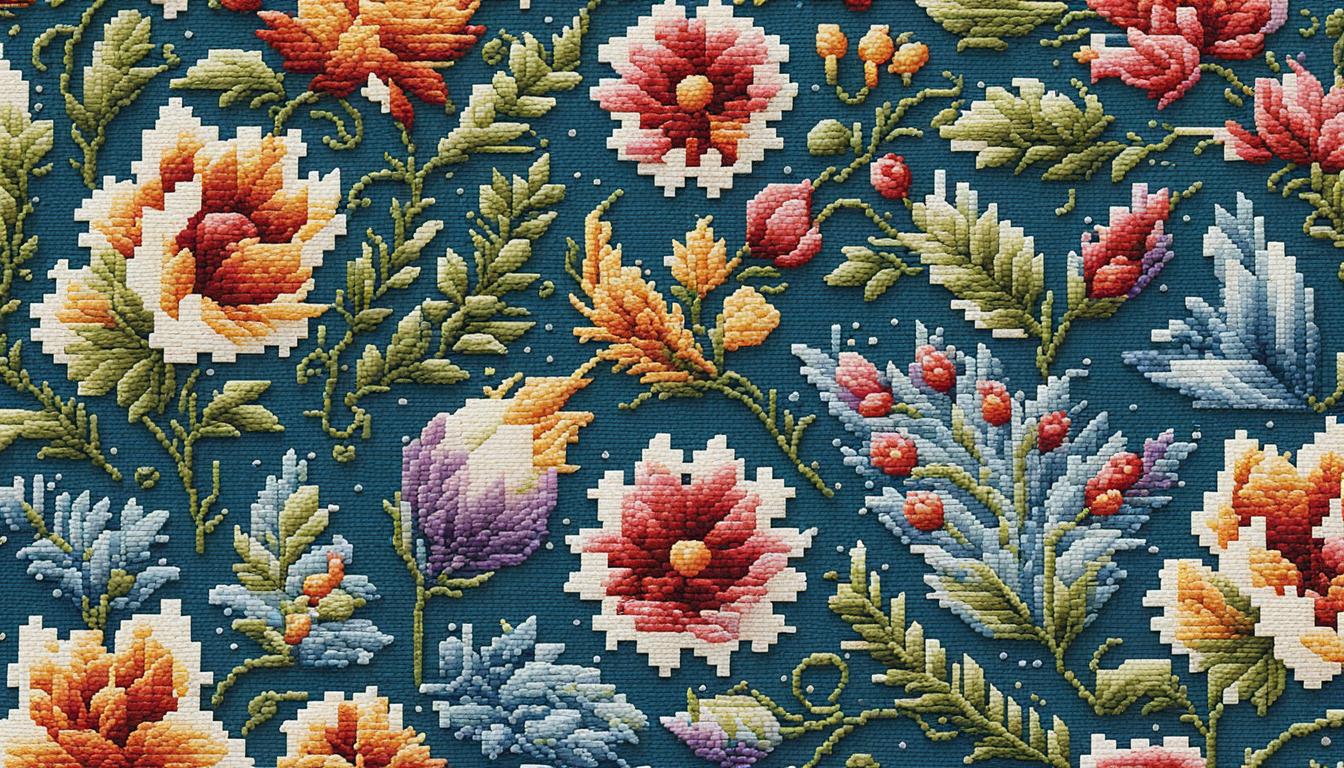
The crafting world often debates the best needlework techniques. Cross stitch fans love the detailed patterns and its long history. Needlepoint lovers praise its evolution and the many styles it offers. These debates cover everything from color matching in crossstitching to the best stitching ways in needlepoint.
Whether you’re into crossstitching or needlepoint, learning about each craft can make your projects better. It also deepens your love for these traditional stitching arts.
Key Takeaways
- Needlepoint can be seen as tough, which affects its popularity.
- People have different views on whether Basketweave or Continental stitching is better for needlepoint.
- Teaching beginners the Continental stitch method helps them get started fast.
- Exploring and being independent in stitching is encouraged over strict rules.
- Stitching crafts can be a way to express politics and social views.
Introduction to Cross Stitch and Needlepoint
Cross stitch and needlepoint are two unique needlework forms. They both offer a creative outlet but differ in technique, history, and how they are done.
Understanding Cross Stitch: A Historical Perspective
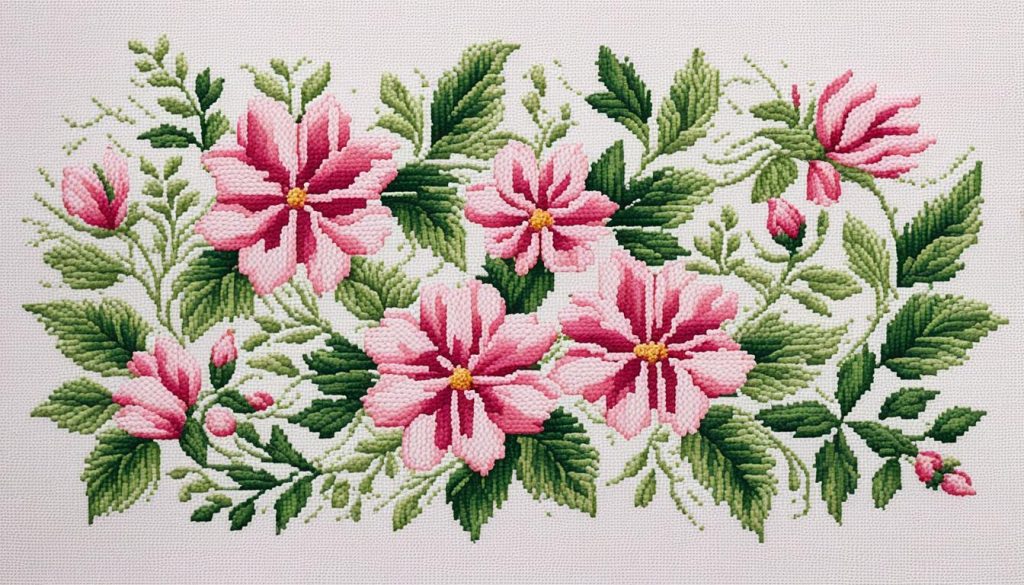
Cross stitch is one of the oldest embroidery types, with roots in many cultures. It was found in ancient Egyptian tombs and became popular again in the 16th century with pattern books. This craft makes X-shaped stitches on fabric like Aida or linen.
These patterns are easy to follow and perfect for beginners. Most crossstitching patterns come with a color key and are divided into groups of 10 for easy counting. Cross stitch kits make starting this craft simple and enjoyable.
Defining Needlepoint: Origins and Evolution
Needlepoint is seen as a more upscale embroidery type. It offers more creative freedom than cross stitch. It started with tapestries and canvas work in European homes. Needlepoint uses stitches like Continental or Basketweave to add texture and depth.
With many needlepoint threads and fabrics to choose from, you can make your projects unique.
Key Differences Between the Two Crafts
Cross stitch and needlepoint differ in how they are done and the materials used. Cross stitch focuses on precise patterns and uses a graph, hoop, needles, and floss, often DMC embroidery floss. The fabric for crossstitching has specific holes per inch for accuracy.
Needlepoint, on the other hand, values creativity and texture. You can pick from various threads like wools and silks. While crossstitching kits come with charts and colors, needlepoint lets you choose your stitches and colors freely.
Both crafts let you be creative and make beautiful art. Whether you like the structured look of cross stitch or the textured look of needlepoint, both require practice to master.
Knowing these differences helps you pick the craft that fits your interests and goals.
Techniques and Patterns in Cross Stitch
For those diving into crossstitching embroidery, learning various techniques and patterns is key. Counted crossstitching is a top method that uses a grid to make detailed designs. Another method, full coverage, fills every fabric square with stitches for a full image. Partial coverage, on the other hand, leaves some squares empty for a lighter look.
Cross stitch designs cover many themes like alphabets, flowers, and quotes. Cross stitch alphabets are great for personal projects. Tools like pattern conversion software turn pictures into stitch charts, opening up creative possibilities. DMC offers a wide range of high-quality threads in many colors, helping bring patterns to life.
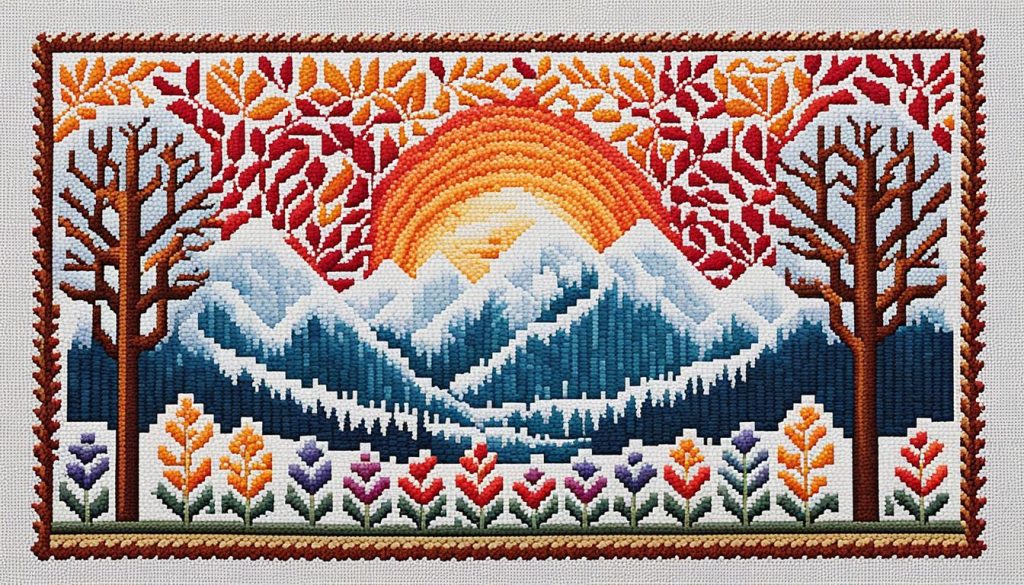
Specialty stitches add a touch of complexity and beauty. Lazy Daisies, Smyrna Cross / Double Cross, and Algerian Eyelet are often used in complex projects. Rhodes Stitch / Rhodes Heart and Jessica Stitch are also popular for detailed work. Designers like Teresa Wentzler and Shannon Christine often use these stitches in their patterns.
| Stitch Type | Percentage Use |
|---|---|
| Lazy Daisies | 20% |
| Smyrna Cross / Double Cross | 18% |
| Algerian Eyelet | 15% |
| Diamond Eyelet | 12% |
| Rhodes Stitch / Rhodes Heart | 20% |
| Jessica Stitch | 15% |
Advanced stitches like Backstitch and Tent Stitch are used more often than simple ones. French Knots and beads add depth and texture, especially in designs by famous designers. This mix of stitches makes each crossstitching piece unique and beautiful.
With over 15,644 shares on the topic “Cross Stitch vs. Needlepoint: The Battle of the Crafts!”, the interest in crossstitching is clear. Beginners can start with 15 essential tips to improve their skills. This makes the journey into cross stitch embroidery enjoyable and smooth.
Materials and Supplies Needed for Needlepoint
Starting with needlepoint? It’s important to know what you need. You’ll need everything from basic tools to different types of fabric and threads. Each piece is important for a great project.
Essential Needlepoint Tools
Choosing the right tools makes a big difference. Use size 20 or 22 tapestry needles, depending on your canvas. Sharp embroidery scissors are a must for cutting accurately. They should be in a case to stay safe.
Stretcher bars keep your canvas flat and make stitching easier. A needle minder keeps your needle handy when you’re not using it. A thimble protects your fingers from pricks. For stitching without your hands, a needlepoint frame stand is great.
Waterproof markers are key for marking your canvas. They prevent yarn stains during blocking or after you’re done.
Diverse Needlepoint Threads and Fabrics
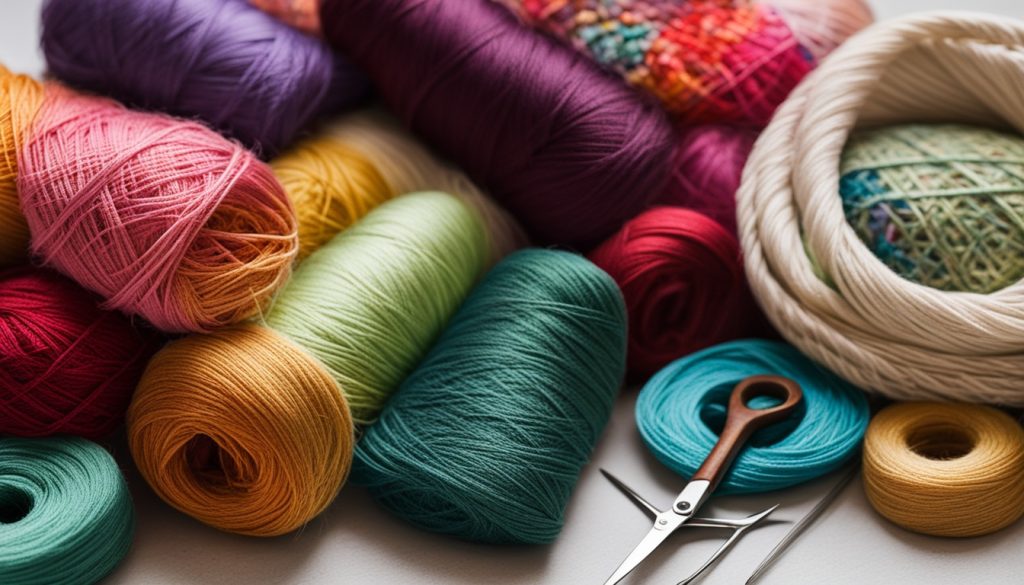
Threads and fabric make your needlepoint look and feel special. Popular choices include tapestry wool, craft yarn, and embroidery floss. Brands like Silk & Ivory and DMC Perle Cotton offer quality threads for rich texture and color.
For fabric, there are many options. Mono canvas comes in different mesh counts for various projects. Double-thread canvas is versatile for different stitching methods. Interlock canvas is great for small pieces because it’s flexible. Plastic canvas is good for functional items.
Start with a small, simple canvas and a few colors. This makes it easier to learn stitches. Always start with the lightest color to prevent color mixing.
Whether you want complex designs or simple pieces, the right supplies are key. With the right tools, threads, and fabrics, you can make beautiful needlepoint art.
Popular Cross Stitch Patterns and Designs
Exploring crossstitching opens up a world of design options. You can find everything from cross stitch flowers to cross stitch animals. These free crossstitching patterns are great for all skill levels. They make sure beginners and experts both find something they like.
Cross stitch samplers are a big part of the craft’s history. They show off different stitches and techniques. Now, they can even include crossstitching quotes and personal touches, making them special.
Over time, cross stitch designs have changed to match what people like and what’s in style. Many love the beauty and effort in making crossstitching home decor. These patterns add a handmade touch to your home, from flowers to animal portraits.
Technology has changed crossstitching too. Apps like SQ Stitch help you keep track of your work. They work with almost any device, making stitching easier than ever.
When picking a pattern, look at what others say. Many love the quality and the big print options. The ‘Floss Lasso’ technique is also a hit for its great results.
Here are some top picks:
| Pattern | Stitch Count | Price | Recommended Fabric | Skill Level |
|---|---|---|---|---|
| Still Life Of Flowers In A Basket | 172 x 153 | $4.99 | Any fabric | Intermediate/Advanced |
Free cross stitch patterns let you check the quality before buying. There are also easy designs for beginners. This way, everyone can enjoy this classic craft.
If you want to stitch crossstitching flowers or cross stitch animals, there’s plenty of inspiration. Think about the fabric, grid size, and stitches needed. With so many patterns out there, you’ll easily find the right one for you.
Cross Stitch Kits and DIY Projects
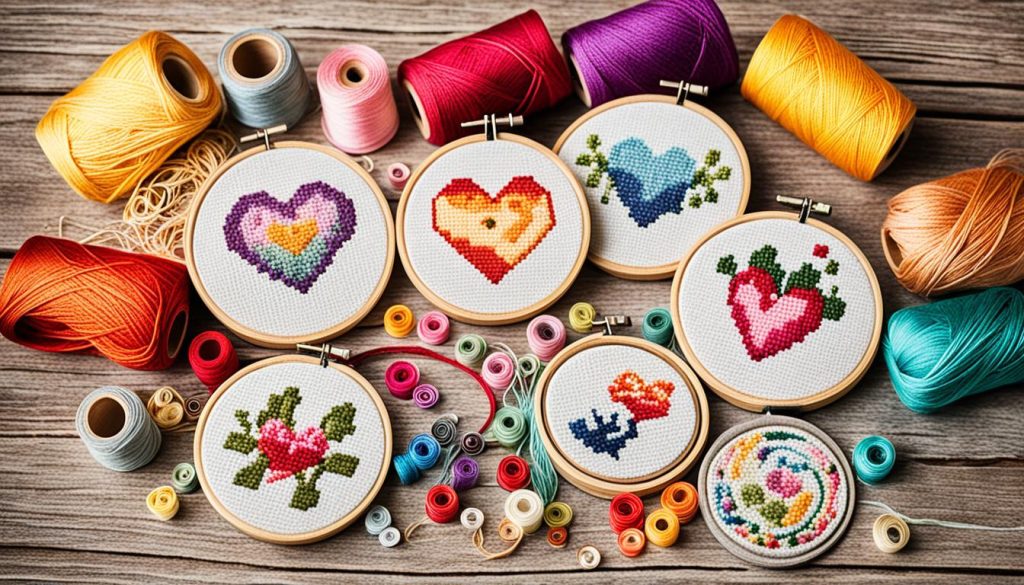
Cross stitch kits are great for both new and skilled crafters. They come with everything you need to make beautiful embroidery. Sally Wilson started Caterpillar Cross Stitch in 2015. Her kits are made by a team of nine in Warwickshire, making sure each stitcher has a great time.
Beginner-Friendly Cross Stitch Kits
For beginners, there are easy crossstitching kits available. They come with pre-sorted threads and a reusable ‘Carlos the Caterpillar’ holder. The kits also have over 250 videos on YouTube to help you learn.
Advanced Cross Stitch Projects
When you get better, you can try harder cross stitch projects. These projects need special patterns and materials, which can make you more creative. Caterpillar Cross Stitch has projects like the Holly Jolly Kitchen and Witchy Way for advanced stitchers.
Unique DIY Cross Stitch Ideas
Personalized cross stitch lets you show off your creativity. You can make cross stitch for babies or weddings. These unique projects can turn everyday items into art. Cross stitching can be used for home decor, gifts, and keepsakes.
The Caterpillar Stitch Retreat 2024 is a big event for cross stitch lovers. It’s for beginners and advanced stitchers alike. Every stitch brings something rewarding and fulfilling.
Needlepoint Styles and Creative Inspirations
Needlepoint has changed a lot over the years. It now combines old-school precision with new ideas. This makes needlepoint a versatile art form. We’ll look at both traditional and modern needlepoint, showing how they add to the art’s beauty.
Traditional Needlepoint Techniques
Traditional needlepoint has some techniques that have lasted for a long time. The Tent Stitch is a key stitch that beginners often start with. It’s versatile and useful.
The Continental Stitch makes fabric strong, and the Basketweave Stitch covers large areas well. These stitches help create detailed patterns that show the craft’s history.
“The Tent Stitch, Continental Stitch, and Basketweave Stitch form the cornerstone of traditional needlepoint, carrying the legacy of this craft forward through generations.”
| Stitch | Description |
|---|---|
| Tent Stitch | Foundational and versatile, ideal for beginners. |
| Continental Stitch | Offers durability and solid fabric backing. |
| Basketweave Stitch | Provides robust coverage for large projects. |
| Smyrna Cross Stitch | Combines basic and upright cross for texture. |
Modern Needlepoint Trends
Modern needlepoint is pushing the limits of the traditional craft. It’s now more creative and uses new designs. ZIVA CASA, for example, brings in art from the early 20th century into needlepoint.
Now, needlepoint includes different textures and patterns. The Gobelin Stitch looks like nature, and the Scotch Stitch creates a checkerboard look. Wool, silk, and cotton are used for different effects.
Seeing needlepoint as an art form leads to new ideas. Now, it’s used in things like handbags and trendy necklaces by ZIVA VOGUE. These items add style to everyday things.
| Modern Stitch | Description |
|---|---|
| Gobelin Stitch | Adds texture and can mimic natural shapes. |
| Mosaic Stitch | Forms a square pattern, adding depth to designs. |
| Brick Stitch | Popular for backgrounds, creates appealing patterns. |
| Scotch Stitch | Creates a textured, checkerboard effect. |
Both traditional and modern needlepoint offer endless ways to express yourself. Whether you like old techniques or new trends, you can make needlepoint your own.
Conclusion
The journey through cross stitch and needlepoint shows a deep history, creative expression, and evolving traditions. These crafts have been more than hobbies for generations. They’ve been a source of identity, community, and innovation.
Exploring the techniques, materials, and patterns shows their big impact. They’ve shaped personal and cultural stories.
The cross stitch and needlepoint communities find joy and peace in these crafts. They value traditional practices but also welcome new ideas. This mix keeps these crafts alive and growing.
Younger people are now joining in, and designs are getting more diverse. This shows how cross stitch and needlepoint keep evolving and thriving.
The future of needlework looks bright and full of possibilities. New tech, like computer algorithms, is making it easier for artists to create. This means we can see more amazing things made with fabric and thread.
At the same time, the love for handmade items keeps the crafts’ legacy alive. Communities around the world are committed to keeping these crafts going. They promise to keep enriching lives and building connections for many years.
 English