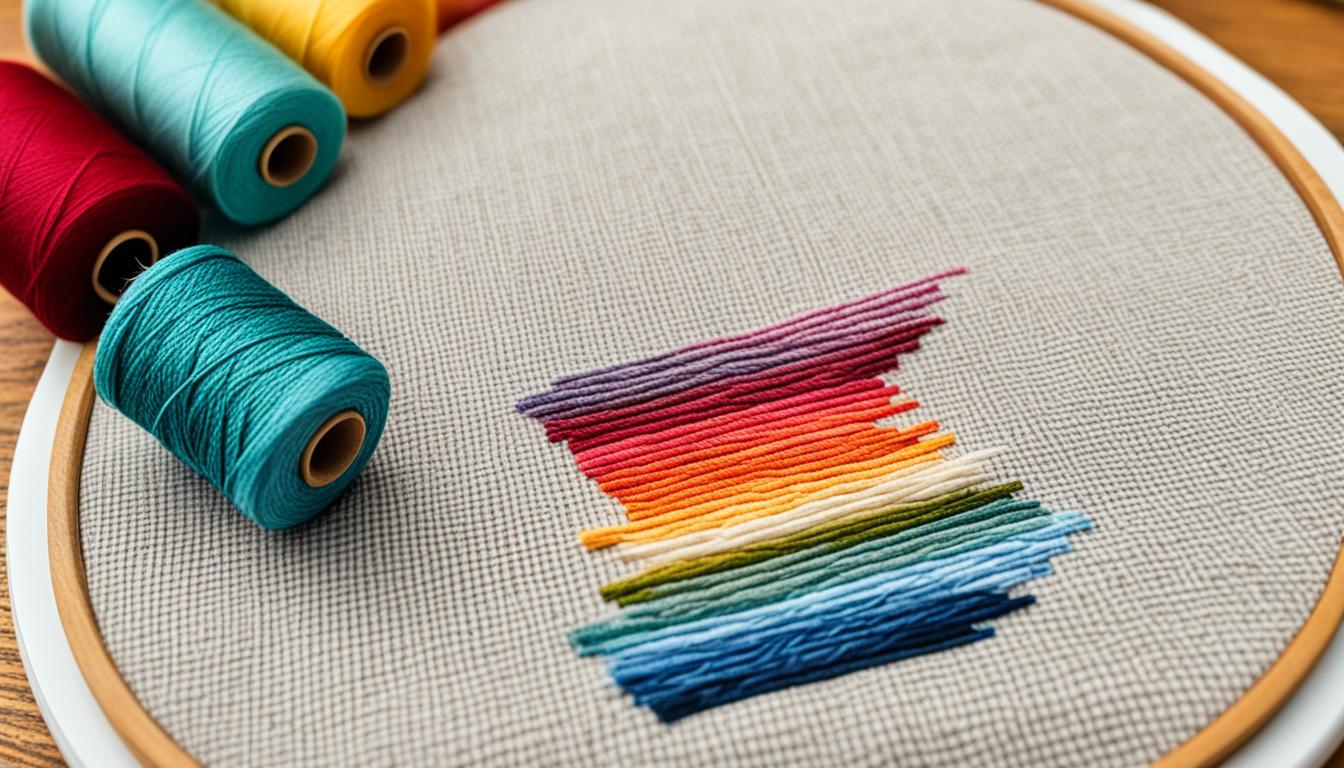
Starting a cross stitch project often brings up the question: should you wash your fabric first? Pre-washing is a must for many reasons. It helps keep the fabric’s size and shape, and it gets rid of extra dyes and chemicals.
If you love cross stitch and want your work to look perfect, pre-washing is key. Natural fibers like cotton and linen can shrink by 5% to 10% the first time they’re washed. This can change your design’s look. Washing your fabric first stops this shrinkage, keeping your work just right.
Pre-washing also removes extra dyes, starches, and chemicals from the fabric. These things can change the feel and color of your cloth. They might even irritate your skin. By washing your fabric, you get to see its true look and feel, making stitching safer and more enjoyable.
Not all cross stitch projects need pre-washing, like ones that won’t get washed often or use synthetic fabrics. But for most sewing, it’s a smart move. It doesn’t just protect the fabric; it keeps your work looking great over time.
Key Takeaways
- Pre-washing can prevent shrinkage, especially for natural fabrics like cotton and linen.
- It helps remove excess dyes, starches, and chemicals from the fabric.
- Washing the fabric allows it to display its true texture and color.
- Some projects, particularly those using synthetic fabrics, may not require pre-washing.
- Adopting this step is generally good practice for maintaining the integrity of your cross stitch projects.
Why You Should Pre-Wash Fabric Before Stitching
Before starting your cross stitch project, make sure to pre-wash your fabric. This step might seem like extra work, but it can prevent many problems later. Pre-washing removes dirt and chemicals, which is key for beginners and delicate projects.
Pre-Shrinking Fabric
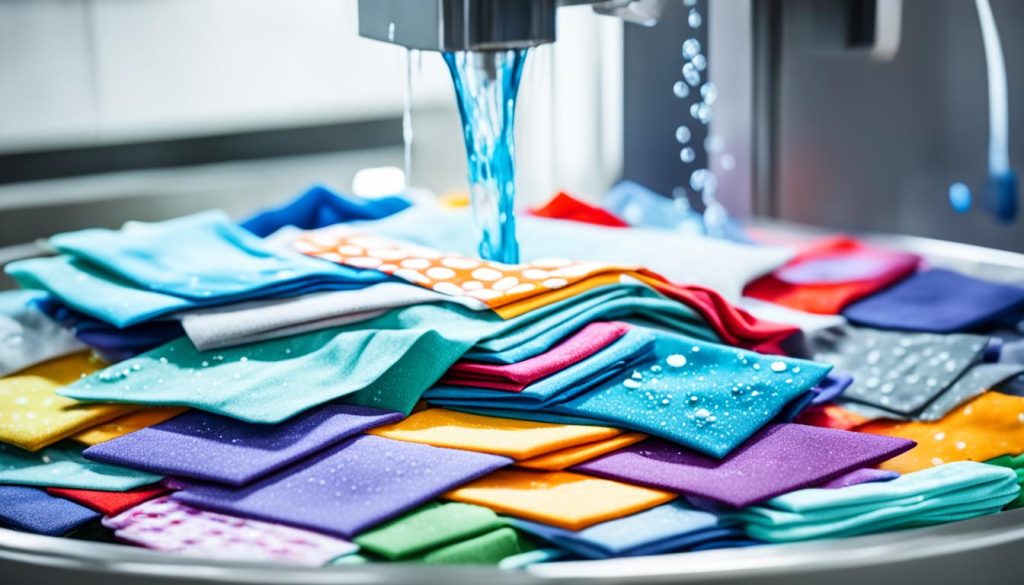
Pre-washing helps prevent fabric from shrinking. Cotton and linen often shrink a lot. If you don’t pre-wash, your finished cross stitch might not look right after washing.
This is a big deal in cross stitch history. The final piece must look great.
Removing Excess Dye and Chemicals
Pre-washing also gets rid of extra dye and chemicals from the fabric. These can make the fabric feel bad and might irritate your skin. It’s especially important for those who work with cross stitch a lot, as it makes the fabric safe and comfy.
It’s a good idea to check if the colors won’t run, especially with hand-dyed fabrics and special threads. Some brands like DMC cotton are usually okay, but others might bleed. Pre-washing helps get rid of hoop rings and Q-snap curls too, making your fabric ready for stitching.
| Fabric Type | Pre-Washing Importance | Special Considerations |
|---|---|---|
| Cotton | High | Shrinks significantly; test colorfastness |
| Linen | High | Prone to shrinkage; remove chemicals |
| Hand-Dyed Fabrics | Very High | Test for dye bleeding |
| Synthetic Fabrics | Low | Minimal shrinkage |
| Blended Fabrics | Moderate | Depends on blend components |
Instances When You Can Skip Pre-Washing
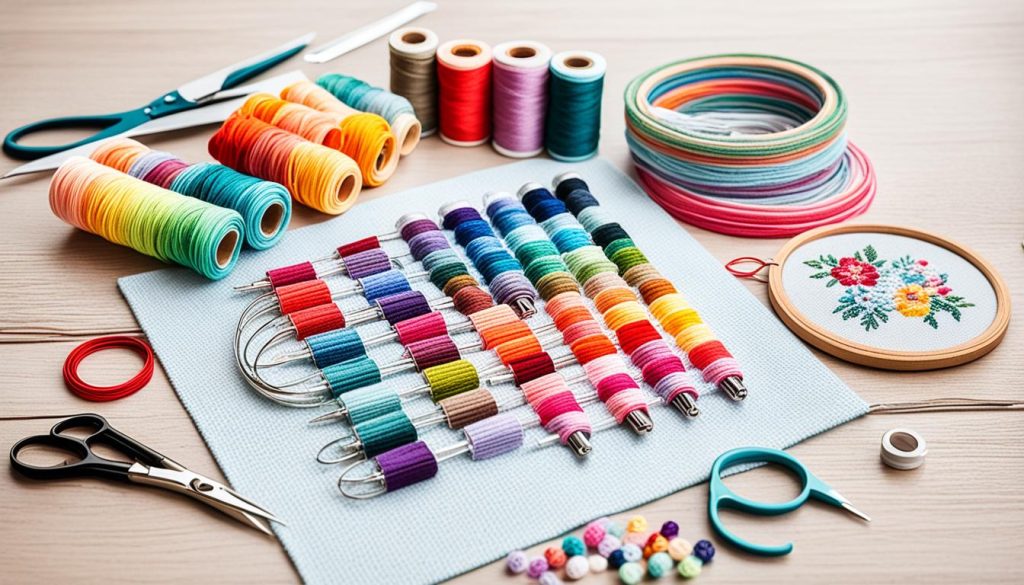
Pre-washing fabric is often advised, but not always needed. For instance, small cross-stitch projects like pouches, bags, and accessories don’t usually need it. These items are not washed often, so skipping the pre-wash saves time without losing quality.
Projects That Don’t Require Washing
DIY cross stitch kits or alphabets often don’t need washing. They are mainly for decoration, not daily use. But, always check if hand-dyed fabrics and certain threads keep their color well. Kreinik threads are usually fine, but some types might bleed and should be tested first.
Working with Synthetic Fabrics
Synthetic fabrics like polyester and nylon don’t shrink much, so you can skip pre-washing. Yet, they might have chemicals from making them. A quick rinse can get rid of these. For delicate fabrics, steam can be used instead of full water washing.
| Factors | Details |
|---|---|
| 90% of the time | Authors don’t wash their projects |
| Hand-dyed fabrics | Testing for colorfastness is recommended |
| Kreinik threads | Some may bleed (e.g., 003L, 006HL) |
| Removing hoop rings | Washing helps remove embroidery hoop circles |
| Delicate projects | Steam can be used for pre-shrinking |
| Fraying prevention | Rinsing edges can prevent fraying during pre-washing |
How to Pre-Wash Your Fabric
Learning the right way to pre-wash your fabric is key to keeping your cross stitch pieces in top shape. By pre-washing correctly, you can stop damage, fraying, and color bleeding. This makes sure your fabrics are ready for stitching without issues.
Methods for Different Fabric Types
It’s important to adjust your pre-washing method for different fabrics. For regular cross stitch fabric, a gentle machine wash or a hand wash with lukewarm, soapy water works well. But, hand-dyed fabric needs extra care because the dye might bleed. Don’t scrub these fabrics; soak them for 15 minutes to 1 hour and rinse 3-4 times in cool water to get rid of soap. This is crucial if you’re using standard cotton embroidery floss. But, silk or wool threads should not be hand washed.
Preventing Fraying During Pre-Washing
Stopping your cross stitch fabric from fraying during pre-washing is a big concern. Here are ways to prevent fraying:
- Use serging or zig-zag stitches to secure the raw edges.
- Or, use pinking shears to make a zig-zag edge that helps prevent fraying.
Securing the fabric’s edges will keep it together during washing. This ensures a clean, long-lasting finish.
Drying Your Fabric After Pre-Washing
Drying your fabric right after washing is crucial. Start by gently squeezing out water without wringing the fabric. Then, lay it flat on a clean towel and let it air dry until it’s half-dry. For the best results, use a regular iron with a thin pressing cloth to press the fabric while it’s damp. Place the fabric face down on another clean towel before pressing. This prevents creases and keeps the fabric smooth for stitching.
Always test for colorfastness before washing any fabric, especially hand-dyed cross stitch fabric. Wash similar colors together to avoid dye transfer, and don’t overload your washing machine to prevent fabric damage. Following these tips will help keep your fabric in great shape for your cross stitch projects.
Special Considerations for cross stitch Projects
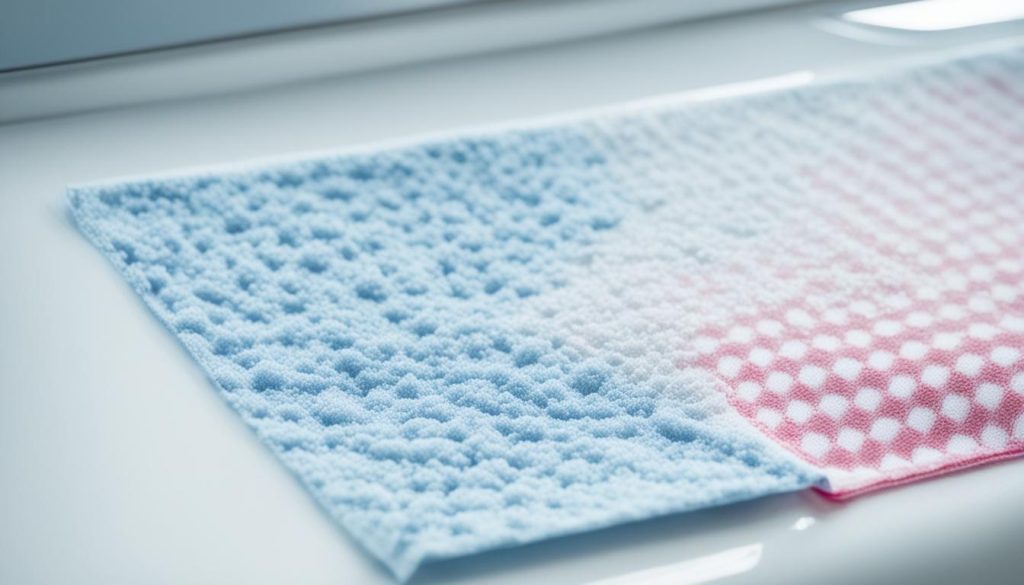
Cross stitch projects need careful attention to detail, especially when preparing the fabric. The choice of fabric, like Aida, linen, or evenweave, affects the pattern’s final look. It’s crucial to pre-wash fabrics to avoid distortion or color bleeding, which can ruin the design’s beauty.
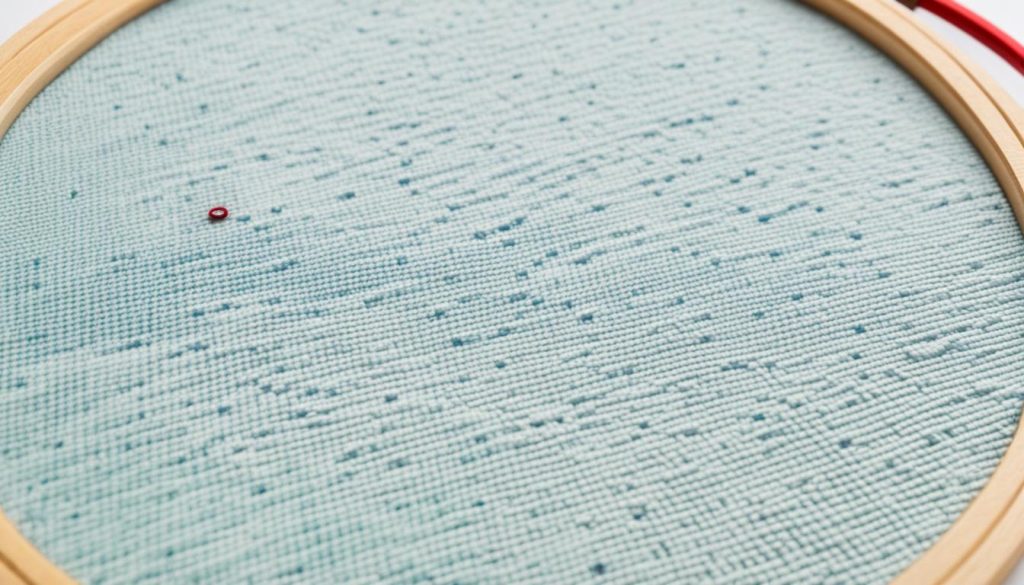
Hand-dyed fabrics, known for their unique look, require special care due to their dye process. Handling cross stitch fabrics gently during pre-washing helps maintain the art’s elegance and precision.
For beginners, start with a pattern that has 2,000 stitches or less. You can complete about 25 – 100 cross stitches in an hour. This means a 2,000-stitch project takes around 26 hours to finish. To speed up, choose patterns with fewer stitches or check the grid size.
The level of difficulty in a pattern depends on how fully it covers the fabric. Full coverage patterns require more work since they cover the entire fabric. This complexity can affect the time and effort needed.
The fabric’s count and the pattern’s dimensions help determine the grid size. For example, a 14 count fabric has 196 stitches per square inch. Knowing the grid size and fabric count is key to managing your project effectively.
Here’s a quick guide to help estimate project complexity based on fabric count and grid size:
| Fabric Count | Stitches per Inch | Estimated Time for 2,000 Stitches (Hours) |
|---|---|---|
| 14 Count | 196 | 26 |
| 16 Count | 256 | 20 |
| 18 Count | 324 | 14 |
About 85% of experienced cross stitchers suggest preparing fabric before starting for a better experience. Use high-quality cross stitch threads and needles for the best results. Gridding your fabric is great for large projects and keeps your work accurate.
Finally, wash your hands before touching your cross stitch materials to keep them in top condition. This simple step helps maintain the beauty of your cross stitch designs over time.
Conclusion
Starting your cross-stitch journey means pre-washing your fabric is key. It helps keep your projects safe and lasting longer. This step stops issues like shrinkage or dye bleeding that could ruin your work.
Every project and fabric is different. So, you can make smart choices to make your stitching better. This makes your experience more enjoyable.
Joining the cross stitch community opens up many resources. You’ll find books and forums full of tips. These help improve your skills and connect you with others who love stitching.
Learning about cross stitch history and techniques like “2 over 2” and “1 over 1” makes your craft special. It turns stitching into an art form with deep roots.
Working on linen or mixed fabrics shows your dedication to cross-stitching. Remember, pre-washing your fabric is a key step for lasting results. Keep exploring and learning in the cross-stitch community to stay inspired.
Let mindfulness, patience, and pride in your work guide you with each stitch.
 English