When you finish a counted cross stitch piece, it’s tempting to skip backstitching. You might think the pattern looks good without outlines. Or you might want to rush to framing.
But backstitching does more than just decorate. It anchors threads, defines shapes, and gives crisp edges. These edges make your motifs stand out.
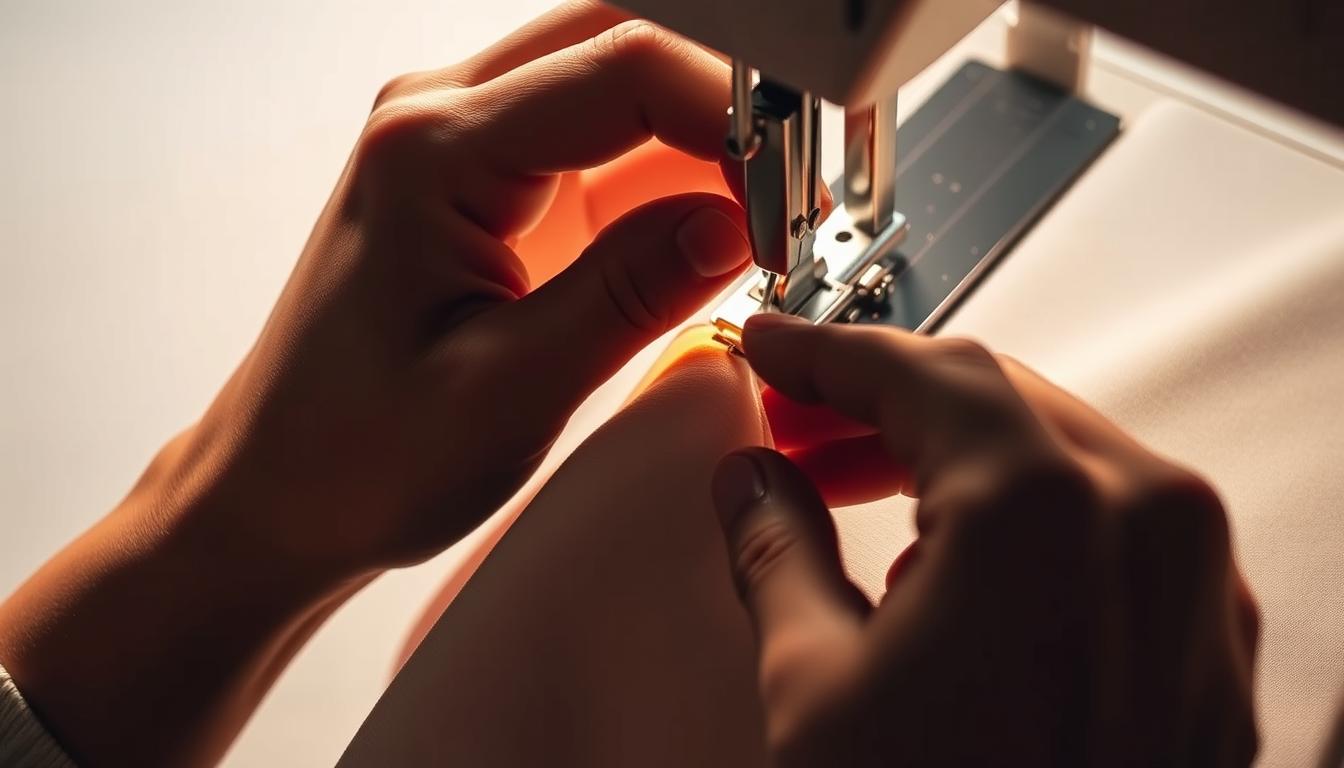
Backstitching techniques are important in needlework. In basic sewing, a reverse stitch on a sewing machine locks seams like a knot. In couture, experts like Claire Shaeffer say machine backstitch can add bulk. So, tiny anchoring stitches are used instead.
This shows why knowing when and how to backstitch is crucial for your projects.
In the CROSS STITCH community, many stitchers wait to backstitch until surrounding Xs are complete. This way, outlines sit cleanly on top. Others work section-by-section to avoid redoing lines.
This article will give you practical cross stitch tips and advice for beginners. You’ll learn when to hold off and when to stitch as you go.
Key Takeaways
- Backstitching anchors and finishes counted cross stitch motifs for clearer definition.
- Machine backstitch secures seams in sewing but may add bulk in couture garments.
- Common cross stitch tips: save outlines until adjacent Xs are done or stitch section-by-section.
- Learning backstitching techniques early makes repair and alterations easier later.
- Proper timing and method prevent wasted work and improve the durability of your piece.
The essential role of backstitching in your needlework
Backstitching holds your work in place and shapes it. It makes sure threads don’t slip after finishing a seam or outline. This care turns a weak edge into a strong, clean line on clothes and cross stitch projects.
What backstitching does for seams and outlines
Backstitching keeps thread ends in place, making seams last longer. It stops seam tails from coming undone during wear or wash. In cross stitch, it creates sharp outlines that make designs pop, adding detail without bulk.
How backstitching prevents unraveling and adds strength
Stitching back over previous stitches keeps fibers together. On a sewing machine, a short reverse run of three to five stitches does the same as hand stitching. This overlap helps prevent threads from coming loose, making your work last through handling and cleaning.
Why both sewing and embroidery communities emphasize anchoring stitches
Good anchoring is key for lasting work. Couture experts like Claire Shaeffer warn that too much machine backstitching can stiffen fabric. You need to choose the right method for your fabric and project.
For delicate fabrics, use subtle hand-locks or a light machine reverse. For sturdy materials, a stronger stitch is better. Balancing strength and neatness helps avoid mistakes and ensures professional-looking results.
CROSS STITCH: why backstitching is the finishing touch you can’t ignore
Backstitching makes colors into clear scenes. It gives shapes a sharp edge. This edge helps separate tones, adds details, and makes faces and flowers stand out.
How backstitching defines motifs in counted cross stitch
In counted cross stitch, you place Xs by number and then refine them with backstitch lines. Thin lines create sharp edges and details. A single color can tie a motif together and add depth without changing the fill.
Why you often save backstitching until adjacent Xs are complete
Most stitchers wait to backstitch until the Xs around are done. Stitching outlines too soon can mess up later Xs or hide threads. Working after the Xs are set keeps lines smooth and visible.
For big projects, stitch sections one at a time. Finish an area’s Xs, then add backstitch. This method keeps your work organized and avoids redoing lines when you come back to other sections.
Examples from patterns where backstitching transforms the design
Check out charts by designers like Teresa Wentzler or modern pattern makers. Before backstitch, a castle or flower panel looks soft. After, it’s clear and three-dimensional.
Simple ideas like portraits, city views, and flowers need backstitch. They use few colors to enhance contrast and guide the eye. Try finishing one motif at a time to see the difference backstitch makes.
Common cross stitch mistakes related to skipping backstitch
Stitching rows of Xs can make you feel close to finishing. But, missing backstitch can make your work look unfinished. Here, you’ll learn common mistakes and how to fix them, so your work looks intentional.
Loss of clarity when outlines are missing
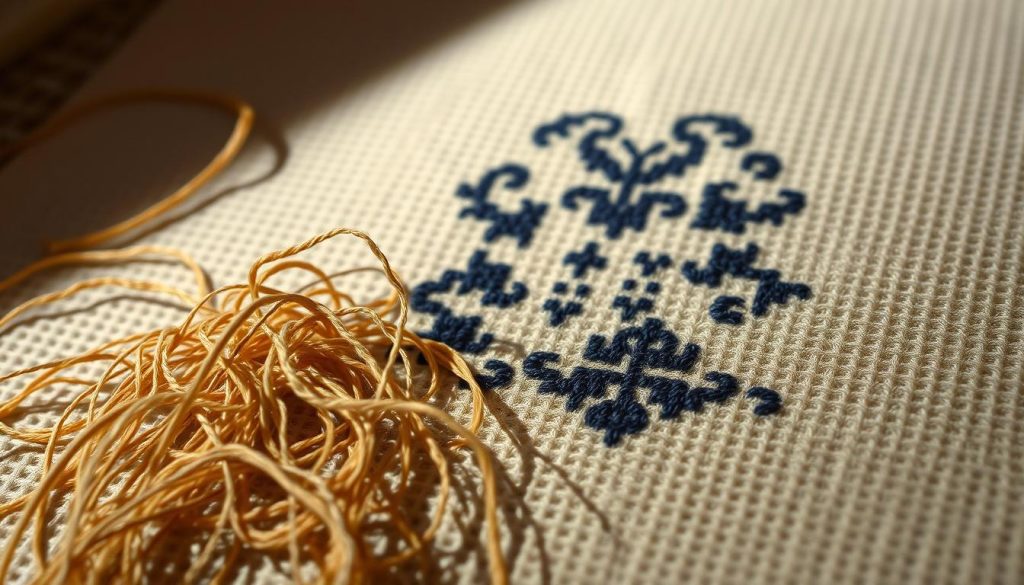
Skipping backstitch can make small details fade. Facial features, lettering, and fine edges lose their sharpness. Many beginners find that backstitch makes their designs clearer.
When partial backstitching leads to uneven lines
Backstitching in bits can make lines look jagged. Adding lines before finishing nearby Xs can mess up the seams. It’s better to finish a block of Xs first and then do the backstitch.
For beginners, it’s best to follow a routine. Finish a block of Xs and then do the backstitch. This helps avoid uneven lines and saves time.
How working out of sequence can make backstitch disappear between new Xs
Stitching a backstitch line and then filling Xs can hide it. DMC and forums suggest waiting to stitch around a line until all Xs are done. Or, stitch section-by-section to keep lines continuous.
Rushing through backstitch is a common mistake. Using too many strands, bad color choices, and uneven tension can cause wavy lines. Treat backstitch as a finishing touch. Slow, careful strokes make your work look better and feel calming.
Here are some tips: test thread contrast on scrap fabric, use one or two strands for details, and keep tension even. These habits help avoid mistakes and make your work clear and confident.
Backstitching techniques that improve results
Good backstitching makes your work look finished. It gives you clean outlines and sharp motifs. It also makes framing or finishing easier.
Stab (poke) vs whip methods
The stab method makes a crisp line by going down and up ahead of the stitch. It’s great for Aida and linen for neat outlines. The whip method is faster but might leave thread showing and edges softer.
Use stab for sharp lines and whip for speed. Try both on a small piece to see how it looks on your fabric.
Choosing stitch length and tension
Keep your stitches the same length. On counted fabric, backstitch follows the grid for straight lines. Short segments help with curves and corners.
Make sure the thread is snug but not tight. Too tight can pucker fabric. Use frames or hoops for even tension.
For machine seams, three to five reverse stitches work well. Hand backstitch in short segments for smooth lines.
Thread choices: DMC floss counts and color contrast
Choose the right number of strands for your DMC floss. Use one or two strands for fine lines on high-count fabric. Use two or three strands for bold lines on Aida.
Choose thread that contrasts well with the fabric. Dark outlines work well for light areas. Soft backstitch adds depth without overpowering the design.
- Test stitch lengths and strand counts on a scrap before committing.
- Use cross stitch frames to stabilize tension while you work.
- Keep a small swatch of preferred thread choices for quick reference.
Beginner cross stitch tips to make backstitching easier
Begin with a clear plan to keep your backstitch neat. Decide if you’ll work section-by-section or do all backstitch at the end. Many find breaking a big piece into smaller blocks helps keep focus and clarity.
Doing backstitch last helps outlines look clean on top of Xs. This method lowers the risk of later stitches covering up lines. If you like a clean finish and can focus, do all backstitch at once.
Working in sections is good for big projects or long sessions. Finish a 6–12 inch block of Xs and then add backstitch. This method avoids lost lines and reduces fatigue. Choose based on project size and your patience for finishing.
Using hoops, frames, and Q-frames
Hoops are affordable and great for small to medium pieces. But, they can leave marks on linen. For linen, try scroll frames or stretcher bars for gentler support.
Q-frames offer adjustable tension and are good for Aida. However, clamps on Q-frames can mark linen if moved often. Choose frames that fit your fabric and comfort.
Practice exercises to build confidence
Do small drills on Aida and linen to practice backstitch. Try stab and whip methods to compare. Vary DMC strand counts and tension to see how it affects lines.
Recreate tiny outlines from charts to see backstitch in action. Use cross stitch gridding on scrap to practice. This improves speed and neatness.
Tools and quick habits
Keep a simple kit with a comfy needle, small scissors, and labeled threads. Good organization saves time and keeps your workflow smooth. Mark patterns lightly and keep a note of backstitch thread counts for easy repeat.
Start with small projects to build muscle memory. As a beginner, combining practice, the right frame, and neat gridding habits will help you master backstitch quickly.
Tools and organization to streamline your backstitching workflow
Having the right tools and keeping things organized makes backstitching faster and cleaner. Use the correct needles, good lighting, and a stable frame for sharp lines. Organizing your cross stitch saves time and prevents mistakes when you come back to it.
Essential tools for neat backstitch lines
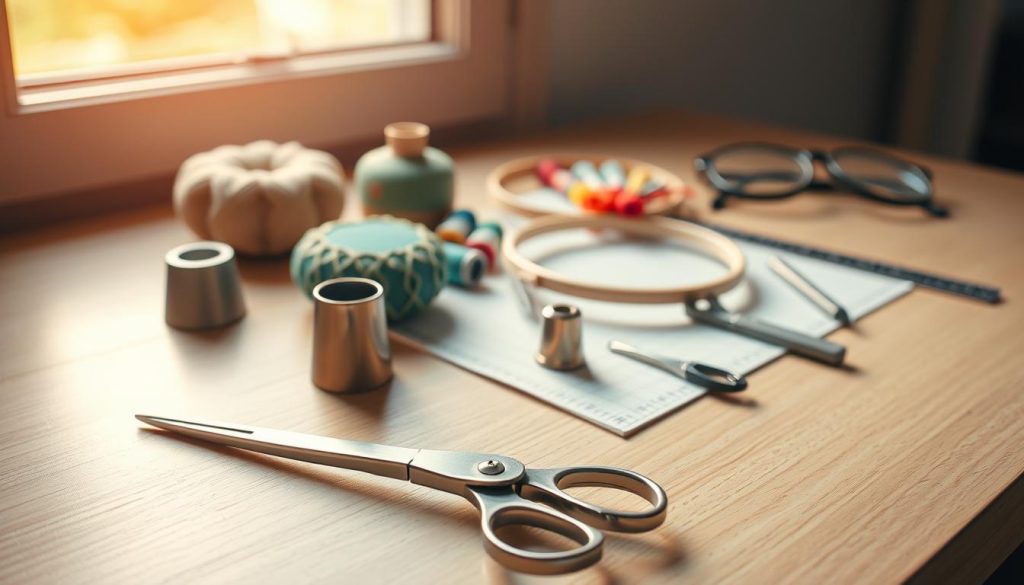
Choose tapestry needles that fit your fabric. A blunt needle is best for Aida, while a sharp one works better for linen. Pick a hoop, Q-frame, or scroll bars based on your project size to avoid hoop marks and wrist fatigue.
Keep a magnifier lamp or LED light handy. Small snips and fine-point scissors help you trim threads close to the fabric without fraying. Use a needle minder or small magnet to hold your needle between sessions.
Gridding, pattern marking, and tracking threads
Grid your fabric with a washable marker, thread basting, or a printed adhesive grid. Proper cross stitch gridding aligns backstitch lines with counted Xs and reduces guessing.
Mark your pattern as you finish backstitch sections. Highlight completed outlines or annotate in an app so you know which areas still need work. Work in logical sections and only stitch outlines where adjacent crosses are finished to avoid rework.
Create a stitch card listing DMC floss numbers, strand counts, and any specialty notes. That quick reference keeps color and thickness consistent across the piece.
Storage tips for DMC floss and small supplies
Wind DMC floss on bobbins and label each with its number. Store bobbins in a divided box or clear zip pouches so you can find colors fast. Group commonly paired hues to speed switching during long outlines.
Use a small tackle box or divided tray for needles, threaders, clips, and snips. Keep a portable project bag with current supplies so you can move between work areas without losing tension or thread color.
| Item | Why it helps | Quick tip |
|---|---|---|
| Tapestry needles (various sizes) | Prevent fabric damage and ease thread passage | Match needle size to fabric count |
| Q-frame / scroll bars | Maintain even tension for long projects | Use scrolls for large linens to avoid hoop marks |
| Magnifier lamp | Reduces eye strain; improves stitch accuracy | Choose daylight LEDs for true color |
| Fine-point snips | Clean thread trimming close to fabric | Keep one pair dedicated to thread work |
| Bobbins and labeled cards | Organize DMC floss for consistent color matching | Label both bobbin and storage slot with number |
| Divided storage box | Holds needles, clips, and small tools in order | Use removable trays for portable access |
| Pattern highlighter / app | Tracks completed backstitch and prevents overlap | Mark sections as you finish them |
Use these cross stitch tips to set up a workflow that keeps backstitch crisp and consistent. Good cross stitch tools, careful cross stitch gridding, and neat cross stitch organization reduce mistakes and help you enjoy stitching more. Keep your DMC floss labeled and your small supplies sorted so you spend time stitching, not searching.
Design and pattern considerations for effective backstitching
Good backstitching makes a design come alive. Designers pick line weight, color, and where to place stitches for depth and texture. A thin line can soften edges, while a thick line can highlight features.
How designers use backstitch to add depth and texture
Designers use backstitch for facial features, hair, branches, and lettering. It helps create shading where Xs can’t. They often use DMC numbers for backstitch to match contrast and tone.
A single-color outline can connect different motifs. Using two close hues adds subtle highlights that look like texture.
When to alter a pattern’s backstitching for personal style or technique
You can lighten an outline with fewer strands for a soft look. Thicken it with more strands for a bold finish. The fabric you choose also matters, as linen shows finer lines than Aida.
Try stab versus whip methods on a scrap to see the texture difference. This helps before changing the main piece.
Cross stitch projects and ideas that rely heavily on backstitching for impact
Portraits, buildings, and plants need precise backstitch for details. Small animals and lettering need crisp lines for clear details. Use backstitch to create a stitched “sketch” effect for modern designs.
Plan your backstitching to match your vision. Test colors and strand counts on a swatch. This saves time and ensures your final look is what you want.
Embroidery hacks and needlework secrets to avoid backstitch pitfalls
Before you start ripping or using the machine, learn some needlework secrets. These tips can save you time and keep your fabric intact. They help you avoid common mistakes and keep your work soft.
For seams that will be hidden later, skip the machine backstitch. Use tiny hand stitches or short hand stitches to secure ends without bulk. Sewing guides often suggest this for delicate fabrics like silk or lightweight linens.
To secure embroidery or cross stitch ends, weave thread tails under existing stitches on the back. This method keeps the front smooth. For more hold, stitch three to five tiny reverse stitches by hand instead of using the machine.
If your backstitch line is too tight or puckers, loosen it gently. Use a fine needle to ease tension from the back. Or, remove and restitch with fewer strands. This fixes mistakes without damaging the fabric.
Removing backstitch requires patience. Use a fine seam ripper or small scissors to remove stitches from the back. On delicate fabrics, lift fibers instead of cutting them. This way, you can fix mistakes without ruining your work.
Use the least amount of reinforcement needed. For machine work, three to five reverse stitches are enough. In cross stitch, use 1–2 strands on fine linen and 2–3 on Aida. Avoid backstitching over dense areas to keep your fabric soft.
For soft seams, use couture anchoring methods. Hand lockstitching and tiny stitches keep your fabric drapey. These methods are great for projects that need a delicate touch and a polished finish.
Keep a small toolkit handy with fine needles, a tiny seam ripper, and sample fabric. Test different backstitching techniques on scraps before working on your main piece. This habit helps you avoid mistakes and improves your work over time.
Conclusion
Backstitching is key in CROSS STITCH. It keeps your design tight and your threads in place. It also makes sure your motifs stand out.
Choose the right tools and follow the right steps. Use stab or whip stitches, the right DMC strands, and keep your tension even. This way, your work will look good and last long.
Decide if you’ll backstitch as you go or wait until the end. Working in sections helps keep your stitches smooth. Practice on scraps to get better before starting your real project.
Stay organized to work faster and make fewer mistakes. Match your floss to your fabric and mark your patterns well. This way, your projects will look professional and last a long time.
 English