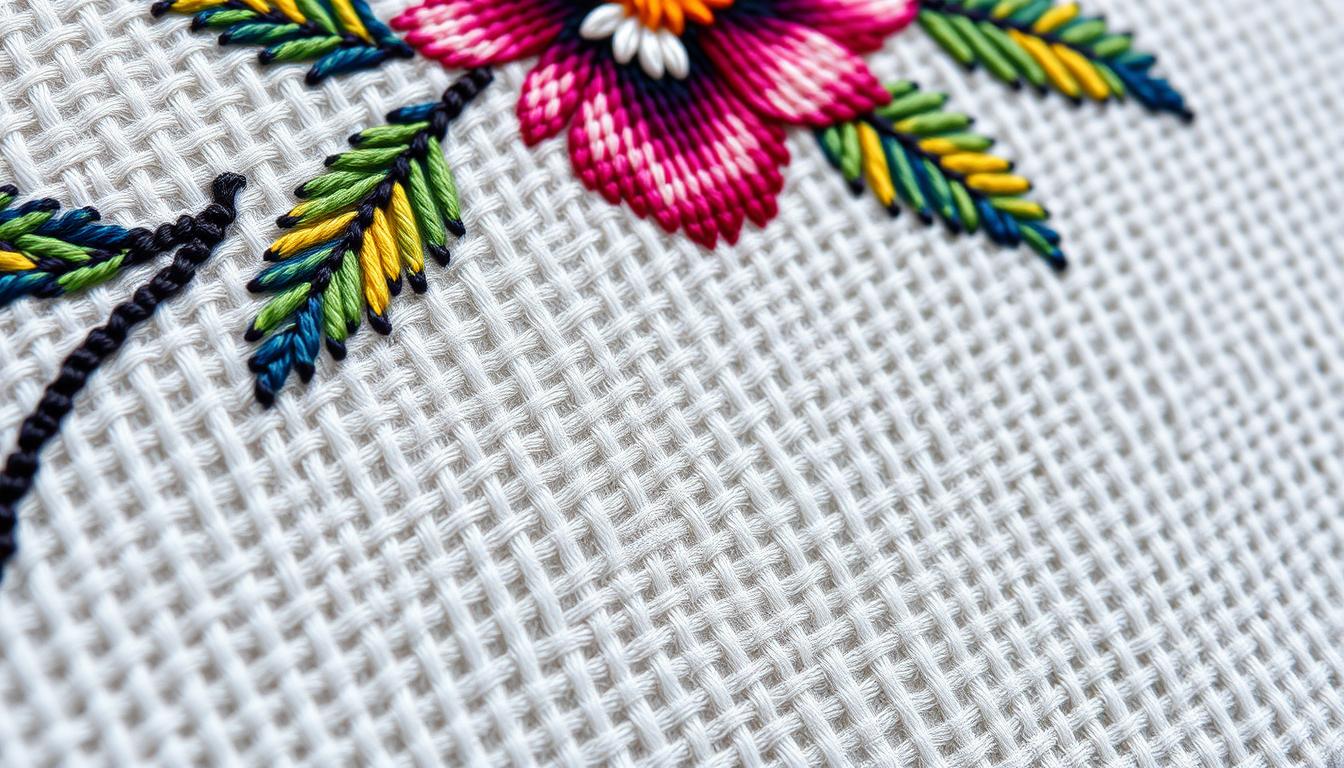
Needlepoint and surface embroidery look similar at a glance, but they serve different goals. You’ll see that counted work uses a grided fabric and a limited set of loops, while freeform surface work lets you vary threads, textures, and placement.
Cross-shaped needle forms are often the hallmark of counted work. This method is usually done on Aida cloth, where the fabric’s count dictates how many stitches fit per inch. A 14-count canvas is a common starting point for new crafters.
Tools differ, too. You’ll use a blunt needle with elongated eye and six-strand floss for counted pieces. Kits bundle fabric, charts, and floss so you can start a project quickly and avoid guesswork.
Key Takeaways
- Counted work relies on a grided fabric for precise placement.
- Limited stitch types make counted projects approachable for beginners.
- Tool choices separate counted pieces from other embroidery forms.
- Kits simplify start-up by providing matched supplies and charts.
- Learning resources and communities speed up your skill growth.
Cross Stitch vs. Embroidery and Needlepoint: What Sets Your Stitch Apart
Aida’s visible holes create a clear foundation for precise, even crosses.
Cross stitch is ideal if you want a predictable, chart-driven hobby. You work on Aida fabric with a defined count, so a 14-count piece gives readable detail without tiny work. Stranded six-strand floss is split to control coverage, and a blunt needle slides through holes instead of piercing fibers.
By contrast, freeform embroidery uses evenweave or plain-weave fabric and sharper needles. You mix threads and textures for painterly effects. Needlepoint uses a stiff canvas and heavier yarn for full coverage and durable results.
- Count guides finished size: higher count = smaller crosses.
- Thread choice changes texture and coverage.
- Tools differ: blunt tapestry needles vs. sharp embroidery needles.
| Feature | Cross Stitch | Embroidery | Needlepoint |
|---|---|---|---|
| Fabric | Aida (gridded) | Evenweave/plain-weave | Stiff canvas |
| Thread | Six-strand floss, separated | Mixed threads for texture | Wool or tapestry yarn |
| Needle & Technique | Blunt needle; repeated crosses | Sharp needles; varied stitches | Tapestry needle; tent/continental |
| Best for | Charted, pixel-like patterns | Shading and texture work | Bold coverage and durable pieces |
Retailers and brands like DMC offer tutorials, kits, and downloadable cross stitch patterns to help you begin. Choose the method that matches your goals: precise chart reading, freeform artistry, or sturdy canvas work.
CROSS STITCH: A Beginner-Friendly Craft with Big Design Impact
If you want a fast win, this simple counted method gives big visual returns from small effort.
A single X is the heart of the technique. You use one basic stitch across a gridded Aida fabric, and a backstitch adds crisp outlines. A 14-count cloth is ideal for a beginner because squares are easy to see and the finished size is manageable.
Major brands supply step-by-step tutorials so you can learn cross stitch at home. Kits arrive with pre-selected fabric, floss, needles, and a clear pattern. That removes guesswork and helps you get started quickly.
You’ll find stitching calming. Working square by square feels meditative and keeps you focused. Small projects like ornaments or framed hoops let you display polished results fast.
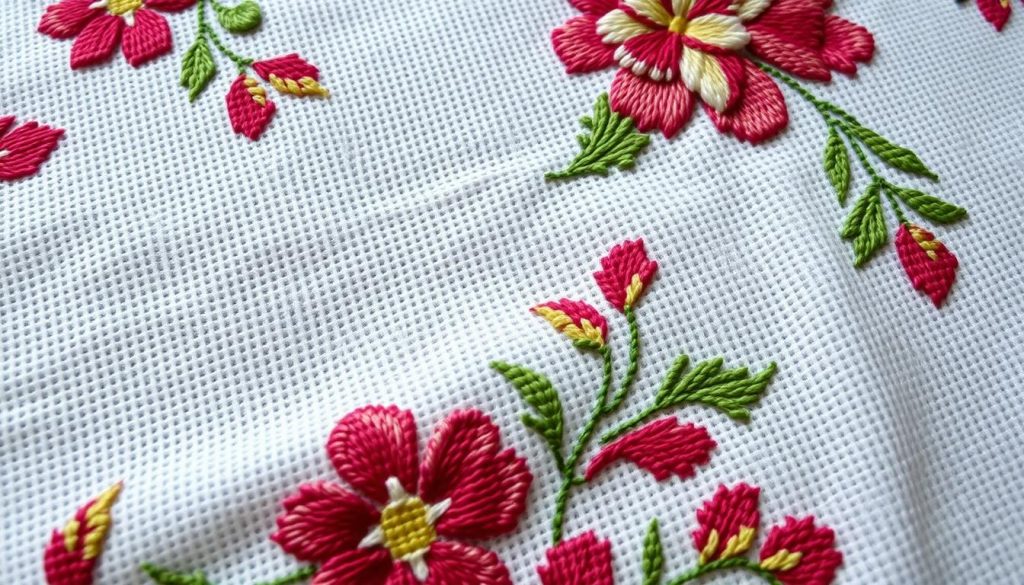
| Why Choose It | Best Fabric | Starter Count |
|---|---|---|
| Simple repeat stitch; bold graphic look | Aida (visible grid) | 14-count |
| Kits include all supplies and patterns | Pre-printed or blank options | Suitable for beginners |
| Learn at home with tutorials and groups | Easy to frame or hoop | Balancing detail and size |
Your Essential Cross Stitch Toolkit and Materials
Gathering the right tools makes every project smoother and more enjoyable from the first row of crosses. Start with a few reliable basics and you’ll avoid common mistakes.
Fabric and Count
Aida fabric in 14-count gives visible holes and predictable sizing. The count equals stitches per inch, so 14-count is ideal for neat, even work that remains easy to handle.
Threads and Floss
Use six-strand embroidery floss and separate it into 2–3 strands for typical coverage on 14-count. Plan your colors, wind threads onto bobbins, and label numbers to stay organized.
Needles and Hoops
Choose a blunt needle with an elongated eye to protect the fabric and ease threading. Hold fabric taut in a hoop that grips without crushing fibers; re-tension it as you work.
Charts, Markers, and Scissors
- Pick a clear pattern with a symbol key and grid lines.
- Use a soluble marker or magic paper to mark centers and progress.
- Keep sharp embroidery scissors for close, clean cuts.
“Lay out fabric, thread, hoop, needle, scissors, and pattern before you begin to save time and frustration.”
Consider extras like needle minders, extra needles, and a small light to reduce eye strain. These simple items will make your next project smoother and more fun.
Shop Cross Stitch Kits, Patterns, and Supplies
Ready-made kits, downloadable charts, and single supplies make shopping for projects fast and fun.
All-in-one kits for relaxed projects
Cross stitch kits bundle Aida, six-strand floss, a needle, and a printed pattern so you start quickly and avoid mismatched items.
Choose beginner kits for clear charts and generous thread. Many shops offer free shipping thresholds and customer support if you have questions.
Patterns and downloadable designs
You can browse instant patterns and free repositories such as DMC’s library with new releases and newsletter updates.
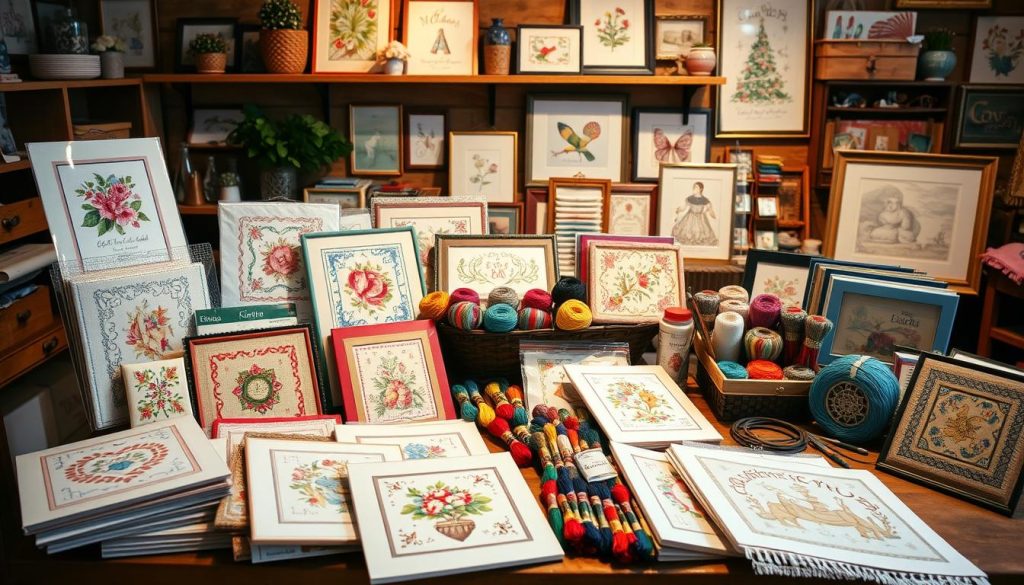
Supplies, tools, and extras
Stock floss, fabric by count, needles, hoops, beads, charms, and stitchable items in one cart. Pick a hoop that fits your project and keep spare thread to avoid pauses.
What’s on sale and gift ideas
Look for Quick & Easy pattern sale events, seasonal bestsellers, and new releases like holiday samplers. For gifts, choose store cards, starter kits, or colorful thread bundles.
“Sign up for newsletters to catch new patterns, sale alerts, and stitching tips.”
| Category | Example | Why it helps |
|---|---|---|
| Kits | Beginner bundles | All supplies matched for one project |
| Patterns | Downloadable charts | Instant access; filter by count and size |
| Supplies | Floss, needles, hoops | Build a reliable toolkit |
Learn Cross Stitch: Start, Read Charts, and Outline with Backstitch
Lay out your supplies, find the cloth center, and prepare to practice a neat, even cross. This short guide helps you get started with clear steps for a calm, successful project at home.
Getting Started: How to begin your first stitch the easy way
Find the fabric center and thread a blunt needle with the right number of strands of six-strand floss. Use a loop start for even strands or secure the tail by weaving under nearby stitches for a tidy back.
Make your first cross so the top legs all angle the same way. Keep tension steady so stitches lie flat on the Aida count.
Reading a Chart: Symbols, color keys, and counting for accurate stitching
Match symbols to the color key and count grid lines to place each stitch. Work in small blocks and mark completed areas to avoid miscounts.
- Use a highlighter or magnetic board to track progress.
- Adjust strand count for different fabric counts to keep coverage even.
- Watch tutorial videos like “Cross Stitch How To: Read A Chart” for visual practice.
Finishing Touches: Using backstitch for outlines and crisp details
Add crisp outlines with backstitch to make letters and motifs pop. Secure thread ends by weaving under stitches and avoid bulky knots.
“Practice tension and neat backs with step-by-step diagrams and short videos to speed your improvement.”
| Stage | Tip | Resource |
|---|---|---|
| Start | Center fabric; loop start or weave tail | Cross Stitch How To: Start |
| Chart | Count grids; work in blocks | Cross Stitch How To: Read A Chart |
| Finish | Outline with backstitch; secure ends | Embroidery How To: Back Stitch |
Conclusion
Conclusion
A clear starting plan helps you turn a pattern into a finished piece without fuss.
You now know that cross stitch relies on Aida’s defined holes, a blunt needle, and six-strand floss on a beginner-friendly 14-count. This counted method makes neat crosses easier to place and read.
Shop kits, downloadable patterns, and core supplies like hoops, needles, and stitch supplies during a weekend sale to save. Build a small toolkit—needle, floss, scissors, and a reliable light—so each project starts smoothly.
Follow short tutorials and subscribe to newsletters for new patterns and tips. Pick a modest chart, set a timeline, and place your first cross today—your next craft finish is within reach.
 English