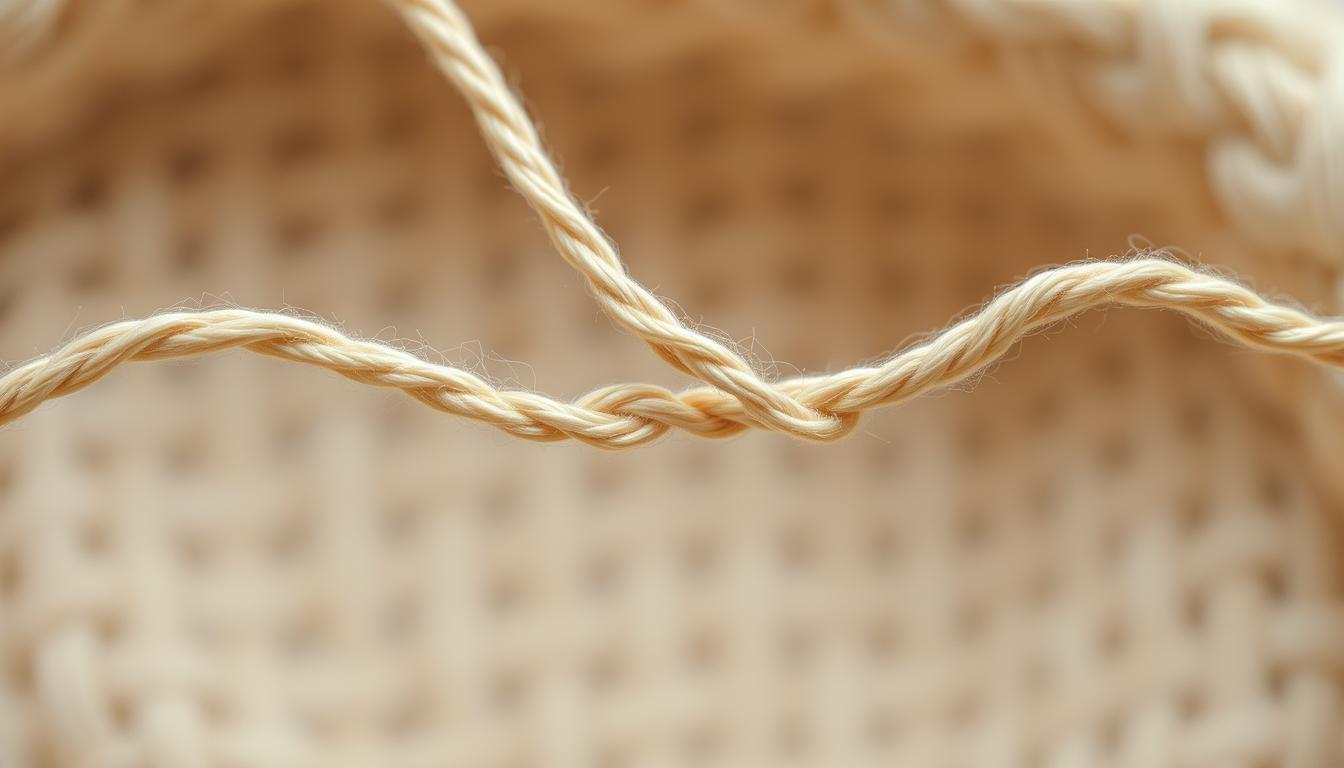
Two strands refers to how many threads you separate from Six-Strand Embroidery Floss before you work. When you use two, you get good coverage without bulk, and your crosses stay neat and defined.
The choice affects how the design looks on aida fabric. A 14-count aida is beginner friendly; higher counts give smaller details. You’ll use a blunt cross stitch needle that slides through the holes instead of piercing the weave.
Separating floss cleanly and threading a blunt needle makes stitching smoother. Your toolkit should include Six-Strand Embroidery Floss, appropriate fabric or project, a hoop, sharp scissors, and a soluble marker. Retailers offer new patterns and kits and often run quick-sale weekends to help you save.
Key Takeaways
- You’ll learn what two strands means and why it matters for coverage and clarity.
- Match two strands to aida count like 14-count for best beginner results.
- Separate floss neatly and use a blunt needle for smooth motion.
- Pick one, two, or three strands based on the look you want.
- Bring a simple toolkit: floss, fabric, hoop, needle, scissors, marker.
- Check retailers for new patterns, kits, and limited-time sales.
What “Two Strands” Means and Why It Matters for Your Stitching
Two strands means you pull two threads from Six‑Strand Embroidery Floss and use them together for each cross. This gives balanced coverage on common aida counts and keeps your work neat without adding bulk.
Two strands suit 14‑count fabric especially well. On that fabric, two threads usually fill a square cleanly so colors read smoothly from normal viewing distance.
A blunt needle with an elongated eye helps you pass both strands without fraying the floss. Proper needle choice makes stitching easier and protects thread life.
“Two strands give you strong color, defined X shapes, and stable tension—making most projects look polished with less effort.”
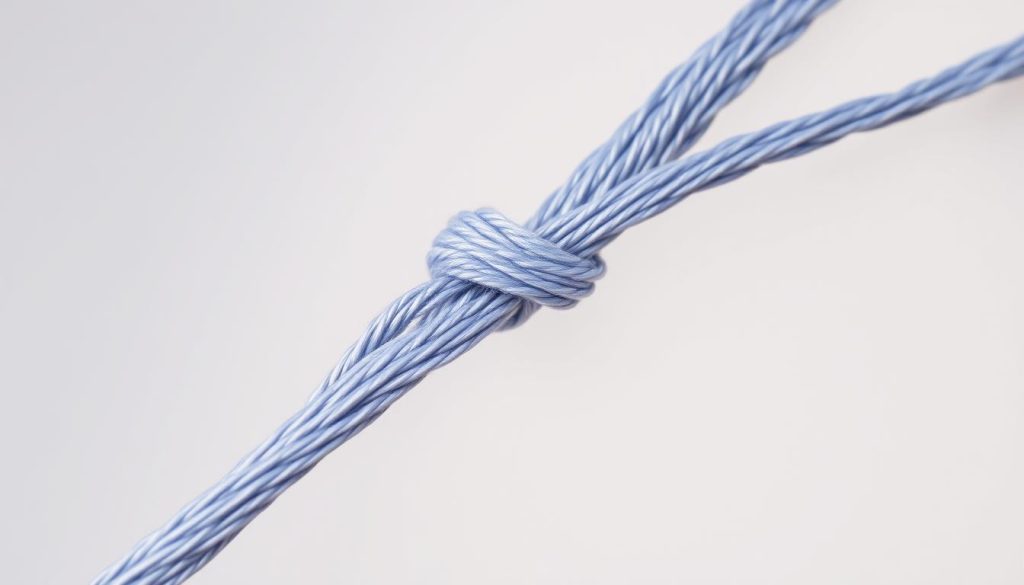
- Separate two strands and run them through the same hole sequence for each cross.
- Two strands balance coverage and manageability; they glide with fewer knots than thicker thread options.
- If work looks bulky, reassess fabric count vs. strand choice rather than tightening tension.
CROSS STITCH: How Many Strands to Use and When
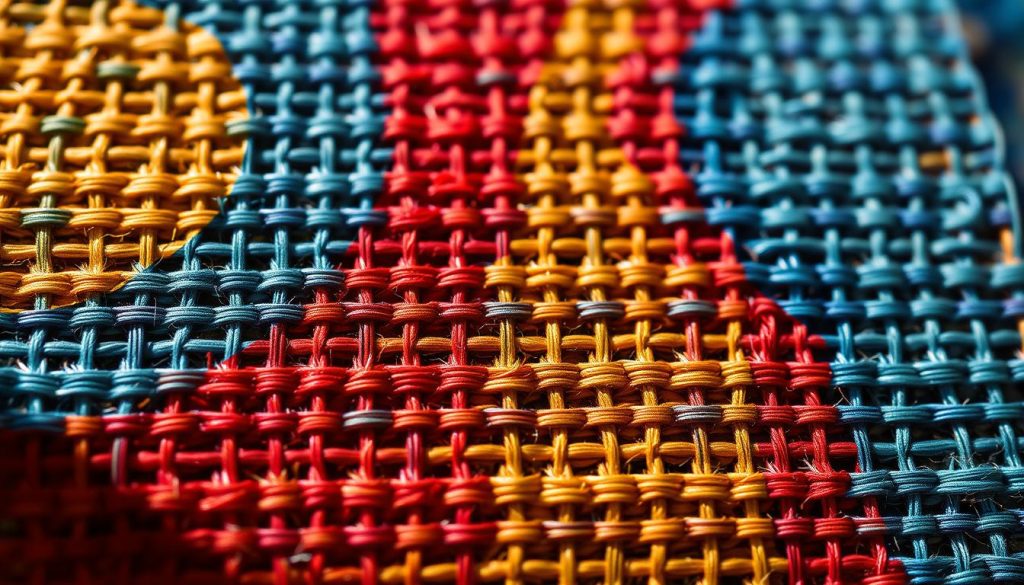
Match your strand count to fabric density so your design reads clearly from a normal viewing distance. Aida count equals stitches per inch: higher counts give smaller stitches, lower counts give larger ones.
On 14-count aida, two strands are the go-to choice for full coverage without crowding the weave. If you move to 18–20 count, drop to one or two strands for a smoother, finer finish. For 11-count and other low-count fabrics, two to three strands can fill the holes but may look bulky if your tension is tight.
Choose the right needle and support
Use a blunt cross stitch needle sized to your fabric and strand selection. The needle should let both strands pass without splitting the thread or snagging the fabric.
Coverage and look: one, two, or three strands
- One strand: fine, heirloom lines and delicate backstitch details.
- Two strands: standard opacity for 14-count and general work.
- Three strands: plush coverage on low-count fabric; watch for bulk.
“If you see fabric through your crosses at arm’s length, increase strands or choose a lower-count fabric.”
Hoops or frames keep fabric taut so each cross sits evenly and diagonal legs don’t loosen. For confetti areas, use short thread lengths to reduce fuzzing and keep color consistent.
Working With Floss: Separating, Starting, and Tension for Neat Stitches
Preparing your floss correctly saves time and prevents tangled messes later. Start with the essential toolkit: Six‑Strand Embroidery Floss, a blunt cross stitch needle, a hoop, sharp scissors, and a soluble marker. Use 14‑count aida if you’re learning — its holes guide each stitch.
How to separate six-strand embroidery floss without tangles
Hold a cut length and pinch one strand’s end. Pull that single strand straight out, then repeat until you have two loose strands.
Recombine them flat so they run parallel. Use short lengths (12–18 inches) to reduce fuzz and breakage.
Starting methods that work with two strands
Loop start: fold a doubled length to form a loop, thread the two tails, make the first cross, and catch the loop on the back to secure.
If you can’t use a loop, anchor with a tiny waste knot or secure under nearby backs of stitches.
Use a hoop to keep fabric taut and your crosses even
Keep even tension: pull each leg with the same gentle force so the top leg lies uniformly across the piece. Let your needle dangle now and then to untwist the floss.
“Short thread lengths and steady pulls are the simple habits that give you smoother, consistent results.”
| Method | Best for | Pros / Cons |
|---|---|---|
| Loop start | Two strands on even-count fabric | Quick, secure back; not for odd-strand charts |
| Waste knot | Odd-strand or fine detail | Reliable anchor; needs trimming |
| Under-stitch anchor | When reusing thread colors | Clean back; slower to set up |
| None (tiny tack) | Small motifs | Fast; risk of loosening if not secured |
Get the Right Kits, Patterns, and Supplies for Two-Strand CROSS STITCH
Start smart by choosing kits that include clear charts, enough thread, and the right fabric count. A well‑bundled kit gets you stitching immediately and prevents mid‑project shortages.
Cross stitch kits that include fabric, thread, needle, and hoops
Pick kits that list fabric count and include a blunt needle and hoops. Top brands like DMC often add generous thread quantities and step-by-step guides.
Downloadable patterns and new releases
Downloadable patterns let you start fast. Watch for New Patterns (11/14/2025) and New Kits (11/11/2025) and subscribe to newsletters for drops.
Stock up on supplies
Order Floss & Thread, cross stitch fabric, needles, and hoops in one cart. Add beads or buttons if your finished project needs embellishment.
What’s on sale and trending now
- Weekend “Quick & Easy Pattern Sale” for fast finishes.
- Trending themes: holiday collections, nutcracker motifs, and modern abstracts.
- Look for free shipping thresholds and clearance bundles to save on supplies.
“Clear charts and generous thread counts make a kit beginner-friendly and keep your project moving.”
Conclusion
Try a quick sampler to confirm how two strands read on your chosen fabric and colors. This simple test saves time and helps you pick the right look before committing to a large area.
Remember that two strands means using two threads from Six‑Strand Embroidery Floss for each cross stitch, giving balanced coverage and a clean finish. Start on 14‑count aida with a blunt needle and a hoop to build steady tension and neat backs.
Test one, two, and three strands on a small swatch. Use loop starts, keep short thread lengths, and untwist occasionally to keep fibers fresh.
Pick a ready kit or download a pattern, gather fabric, floss, and a hoop, and place your first X with confidence.
 English