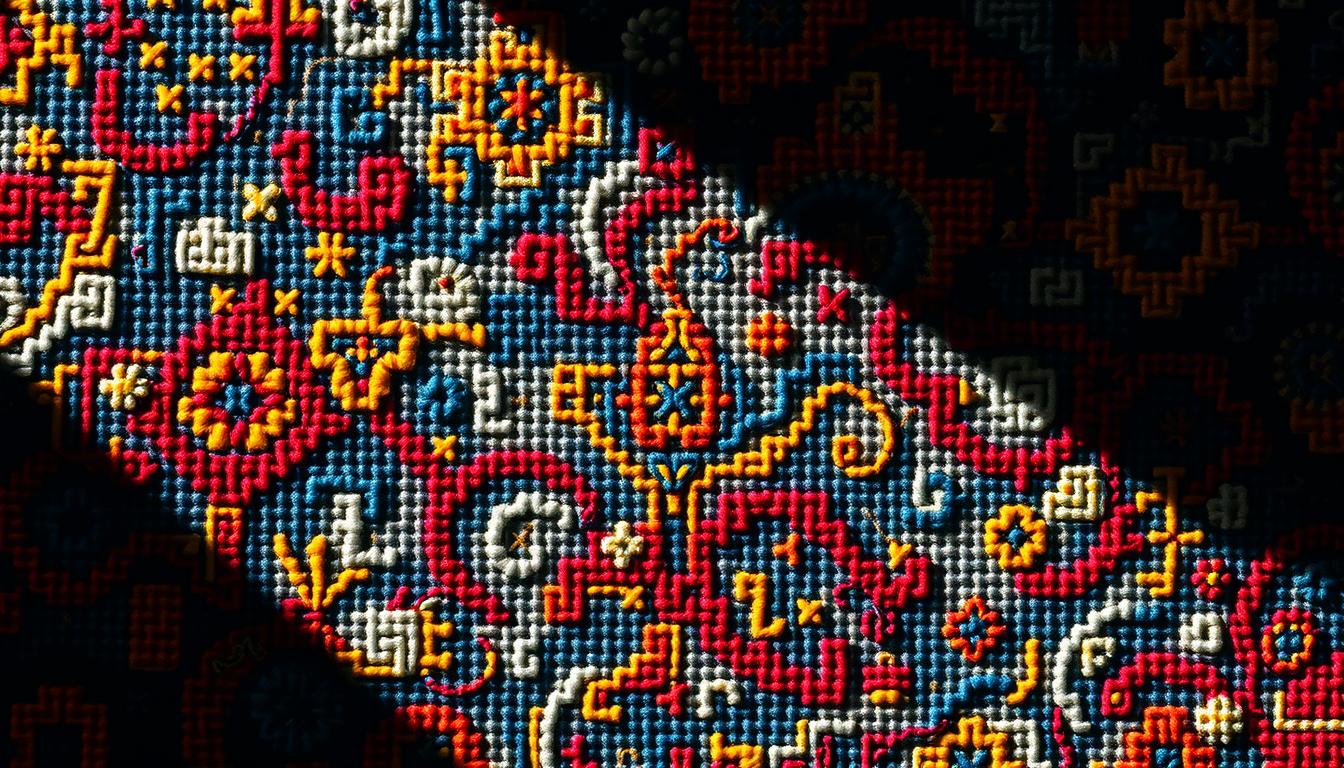
You’ve probably heard the warnings about cross stitch. Don’t staple fabric to a frame, don’t glue it directly to MDF, and always use acid-free materials. I once knew a framer who followed a bad trick. He mixed PVA with water and stuck a piece to board. It left the client’s heirloom stiff, stained, and damaged.
This story is just the start of our collection. It’s full of lessons, creative risks, and surprises. Whether you’re looking for cross stitch ideas or starting your first project, you’ll find something here.
This section is all about practical tips and gentle warnings. You’ll learn about restoring damaged work. This includes removing dried glue, washing and pressing, sewing extensions, lacing, and remounting with acid-free mats and quality moulding.
Accessibility and perseverance are key. One stitcher with legal blindness and a chronic condition adapted with magnifiers, longer breaks, and community support. Their story shows that cross stitch can be adapted to fit your body and goals.
Remember, you don’t always need a perfect back for your work. Unless it’s for a lampshade, thin garment, or will be backlit, focus on the front. This article will give you practical advice, restoration techniques, and inspiration to balance care with momentum.
Key Takeaways
- Bad framing shortcuts like diluted PVA can ruin cross stitch pieces; professional restoration can often reverse damage.
- Use acid-free mats, lacing, and padded mounting to protect and present work properly.
- Adaptations—magnifiers, breaks, and ergonomic tools—make cross stitch projects accessible for many stitchers.
- Prioritize the front of the piece; tidy backs matter mainly for backlit or wearable items.
- This article will blend cautionary tales with embroidery inspiration and practical cross stitch ideas you can use.
When framing hacks go wrong: lessons from DIY framing and restoration
You might have seen a quick fix in a magazine and tried it. But now, your panel is ruined. Real stories show that bad advice can harm your treasured items. One framer used diluted PVA to stick fabric to MDF, causing distortion and stuck threads.
Before fixing, check for adhesive damage. Test a small, hidden area first. If the glue is water-soluble, you might be able to remove it with swabs. If not, you might need to trim and patch the area with calico or muslin.
When re-mounting, use a stiff board to keep the fabric tight. This prevents pressure marks. For depth, use padded mounting for a professional look. Framing correctly keeps the front looking great and hides the back.
Choose your materials wisely. Avoid builder’s PVA and unknown mixes. Use archival PVA for edge bonding or a textile-conservation adhesive. Use acid-free mats and UV-protective glass for long-term preservation.
Here are some practical tips:
- Inspect and test adhesives before cleaning or rescue.
- Wash gently with mild detergent if the fabric and dyes allow it.
- Press the piece between towels on low heat to remove warps.
- Sew calico extensions to restore lost margin when needed.
- Lace to a board for stable, even tension.
- Use acid-free mats and quality moulding for final presentation.
If you have a lot of glue, get a professional framer. They can remove adhesives, fix weak spots, and suggest proper frames. A clean back is less important than a well-framed piece.
Remember these lessons for your next framing project. Use gentle methods, archival supplies, and proper mounting. The right approach can save your piece and make it ready for display.
Bold size experiments: turning tiny patterns into giant installations
To start, you need a solid plan. Map each small square to a bigger unit on a custom grid. This ensures shapes stay true when viewed from afar.
Scaling cross stitch patterns for murals and large panels
First, pick a scale that fits your wall or panel. If one stitch becomes a 4×4 block, mark the new grid. Or use software to expand the chart. Test a small part to see how it looks from a distance.
When stitching together, divide the pattern into blocks. Keep a legend for colors to stay consistent across the whole piece.
Counted cross stitch techniques for maintaining proportion at scale
Graphing tools help keep stitch count and density when enlarging. Replacing single stitches with groups keeps details sharp. Keep stitch direction and tension the same to avoid texture issues.
Plan thread use carefully. Large areas need even coverage for light to hit right. Solid cross stitch techniques help avoid uneven spots.
Tools and fabric choices for oversized projects (DMC floss recommendations, fabric selection)
Choose strong fabric like evenweave or lower-count Aida for fast coverage. For public displays, polyester blends are good for durability. DMC floss ensures color consistency and strength.
Use frames or stretcher bars to keep large pieces tight. Long needles and special tools make threading easier. Roll finished panels on a tube and store flat to avoid creases.
Work in sections with basting lines or markers for alignment. Keep a key for DMC floss numbers and assign blocks clearly. These steps make big projects easier and repeatable.
Cross stitch on unconventional canvases: paper, wood, and metal
Trying cross stitch on paper, wood, or metal changes the game. These surfaces don’t stretch like fabric does. You’ll need pre-punched holes or a drilled grid to guide your stitches.
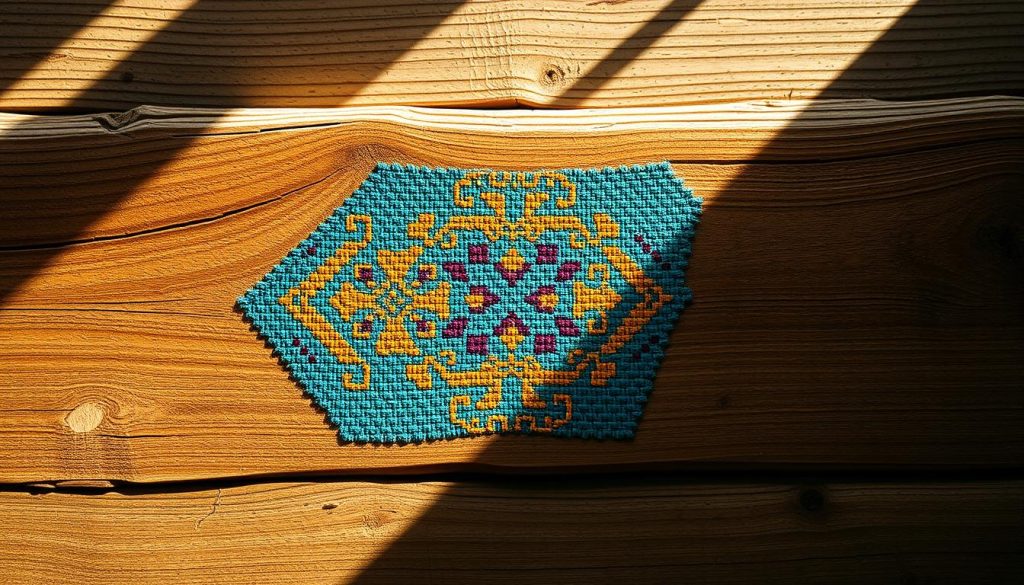
How cross stitch behaves on non-textile surfaces
On paper, stitches sit on the surface and can tear if pulled too tight. Use heavier card stock or interfacing to prevent this. On wood, nails or perforated plywood hold thread well, but fibers will abrade against raw edges. For metal, use perforated metal or attach fabric to a metal backing for stability.
Adhesives, backing, and finishing tips to prevent damage
Choose adhesives made for archival craft work. For paper, apply Pritt-type glue or archival double-sided tape only to non-stitched margins. Use card stock reinforcement behind the design. For wood, pre-drill holes or buy perforated craft plywood, seal cut edges with clear wood sealer, and only use wood glue on the frame or non-stitched border.
When backing a mixed piece, use muslin or calico to hide messy backs and protect stitches. Apply archival glue sparingly and test any varnish or clear coat on a scrap. Some sealants will darken DMC or Anchor floss colors and stiffen threads.
Creative ideas and risks for mixed-media cross stitch projects
Stitch paper greeting cards for a tactile, handmade feel that still mails well if reinforced. Make small wooden panels for wall art using perforated wood and finishing oil to bring out grain. Combine painted metal leaf with embroidery on a fabric layer mounted to copper sheeting for contrast.
Be aware of risks: sharp edges can abrade thread, fluctuating humidity can weaken adhesives, and backlighting will reveal uneven backs. Keep mixed-media cross stitch away from direct sun and damp basements to preserve color and structure.
Try simple cross stitch ideas first: a small stitched motif on card, a square wooden panel, or a fabric-backed metal bookmark. Use tested embroidery hacks like reinforcing holes and anchoring thread tails with a small dab of archival adhesive. Plan your mounting before you stitch to avoid irreversible damage and extend the life of your work.
CROSS STITCH in extreme lighting: lampshades, backlit hoops, and transparency projects
Light changes how your stitches look. A cross stitch lampshade or a backlit hoop makes threads and ends visible. Dark lines become more visible when light shines through.
Test a small swatch before starting big projects. Stitch a patch, then light it up to see threads. This helps adjust colors and tension early.
Backstitching techniques can highlight details but also create harsh lines. Use lighter colors or limit heavy outlines. For delicate designs, try minimal backstitching or tiny running stitches.
Fabric choice is key. Choose a heavier or more opaque fabric for lampshades and backlit panels. Double-layering or adding a muslin backing hides messy backs and keeps the front clear.
Thread management is crucial under light. Weave ends under stitches, tie small knots, and trim close. Avoid long threads that cast shadows and distract from the image.
Mounting and finishing should focus on safety and hiding. Use heat-resistant adhesives for lampshades and ensure the inner liner is secure. For window displays, stretch fabric evenly to prevent puckering. A thin backing hides loose ends and keeps the look clean.
When visible backstitching is needed, test different floss weights and colors. Sometimes, using a single strand less or a softer hue is better. Keep tension even to prevent shadows.
For hoop or transparency displays, keep the back tidy as you go. This habit is crucial under light. Even small finishing touches—secure knots, trimmed ends, a liner—make a big difference when it glows.
When perfectionism becomes a problem: obsessing over the back and losing the front
You want a clean finish, but spending hours tidying the back can slow progress. This can lead to mistakes on the front. Framing, backing, or a hoop usually hides most of the reverse. So, focus on visible areas and keep moving forward.
Why you shouldn’t always worry about the back of your work
The visible design is what matters most. If your piece will be framed, mounted, or backed with felt, a neat back adds little value. Spending too much time on the back can cause frustration and lead to errors on the front.
For beginner cross stitch projects, it’s okay to accept some mess on the reverse. This helps build confidence. Use basic habits that protect the front and save time.
Situations when a tidy back matters: wearable items, banners, and lampshades
When the reverse will be seen or affects function, neatness is important. Wearables on thin fabrics, window banners, and lampshades can show trailing threads or create lumps. These distort the face of the work.
In those cases, invest a bit more care at starts and ends. Consider backing or lacing before display. This small extra effort prevents common mistakes that cost time later.
Practical cross stitch tips to balance neatness and progress
- Start smart: use loop starts, waste knots, or tidy tail techniques to avoid long floats that cross open areas.
- Secure without overworking: anchor threads after a few stitches rather than weaving dozens of stitches across the back.
- Trim close: cut thread tails short once secure to reduce bulk and snag risk on wearable pieces.
- Choose your battles: give priority to the front, then apply targeted neatness for items needing clean backs.
- Use tools to help: magnifiers, ergonomic needles, and proper lighting keep you productive without chasing perfection.
If you are doing cross stitch for beginners, focus on basic tips and a simple organization method. This reduces overwhelm and keeps you stitching. Protect your wellbeing by taking breaks and adjusting goals so craft stays enjoyable instead of tense.
Cross stitch therapy turned marathon projects: emotional stakes and long-term works
Cross stitch can be a quiet lifeline when life feels overwhelming. It can give focus after hospital stays, during grief, or as part of a steady daily routine. The small, repeatable motions help calm the mind while your hands build something real.
When you take on long-term cross stitch projects, plan clear milestones. Break a large pattern into weekly or monthly goals so you see steady progress. Use visual trackers, photos, or a simple checklist to keep motivation high without burning out.
Ergonomics matters for sustained work. Choose a comfortable chair, adjustable task light, and a magnifier when vision tires. Lightweight hoops, cushioned frames, and longer-handled needles reduce strain on joints. Schedule short breaks to stretch and rest your eyes.
If you manage chronic conditions, adapt your pace and tools. Magnifiers and LED task lamps help low vision. Needle minders and organized DMC floss systems keep supplies within reach. These practical needlework secrets preserve energy while you pursue ambitious pieces.
Cross stitch for beginners can be a gentle entry into marathon projects. Start with small motifs, then combine them into panels. Learning basic cross stitch techniques early makes scaling up less daunting. You will gain confidence as each small piece finishes.
Many stitchers complete large works by changing habits, not goals. One stitcher moved from fast sessions to shorter, daily stitching with magnifiers and a padded lap frame. Another used plastic canvas to rehearse large motifs before committing to linen. These adaptations show how perseverance and smart planning let you finish despite limits.
When you face slow days, choose projects that reward incremental progress. Pick cross stitch projects with clear color blocks so a single session produces visible change. Keep essential tools handy: ergonomic scissors, gridding supplies, and a compact toolkit for quick sessions.
Use pacing as a creative strategy. Alternate intricate sections with simple repeats. Track progress with photos and celebrate milestones, even small ones. These habits support long-term commitment and protect your mental health while you enjoy the craft.
Stories of steady completion inspire others to try larger pieces. You may borrow tactics from experienced stitchers: adjustable stands, magnifiers, scheduled breaks, and a reliable DMC floss palette. Adapting techniques helps you keep going when a project stretches for months or years.
Cross stitch techniques evolve with practice. Keep learning new stitches, but balance experimentation with steady progress. That approach preserves the therapeutic benefit of the work while letting you explore fresh ideas at your own pace.
When novelty stitches and embroidery hacks overshadow the design
You want novelty stitches and embroidery hacks to enhance a piece, not overwhelm it. Small touches can refine a design or add texture. But too many can make the patterns hard to see. Always test ideas on scraps first to see how they look at the distance you plan.
When to use backstitching techniques and when to hold back
Backstitching is great for defining edges, adding fine details, and highlighting facial features or lettering. Keep lines thin for pieces that will be backlit or viewed from afar. Avoid heavy dark backstitch in areas where you want subtle shading, as it will look like a bold outline.
Embroidery hacks that enhance, and hacks that distract
Good embroidery hacks include using specialty threads for highlights, adding French knots for focal points, and blending two colors of floss for smooth transitions. These choices enhance the pattern without changing its look.
Bad hacks include random novelty stitches that disrupt the pattern’s flow, or thick textured threads in delicate areas. Such choices can hide motifs and make the composition feel cluttered.
Balancing texture, color, and readability in complex patterns
Limit novelty stitches to focal areas like a flower center or the subject’s eyes. Keep stitch direction and tension even across the field. This keeps the surface calm and prevents visual noise from competing textures.
| Decision | Best Use | Risk |
|---|---|---|
| Backstitching techniques | Outlines, small details, lettering | Overpowering subtle shading, bold lines in backlit pieces |
| Specialty threads | Highlights, metallic accents, texture in focal points | Gives a busy surface if used across whole piece |
| French knots and beads | Accents and dimensional focus | Obscures pattern at normal viewing distances when overused |
| Novelty stitches | Selective accents on borders or focal motifs | Breaks rhythm and harms readability when scattered |
| Color blending | Smoother transitions and depth | Poor contrast choices flatten design |
Start with basic cross stitch techniques, then add novelty work slowly. Use targeted embroidery hacks to support your design. Rely on cross stitch tips like mock-ups and viewing distance checks to keep the final piece clear and cohesive.
Cross stitch organization gone overboard: obsessive tools, gridding, and floss systems
You want your projects to move faster and look cleaner. Smart cross stitch organization can cut mistakes and save time. Simple systems for floss, labels, and a small project bag keep you stitching, not searching.
Effective cross stitch organization methods that save time
Label DMC floss on bobbins or floss cards so colors are instantly identifiable. Use a small plastic box for frequently used skeins and a project pouch for essentials like a needle threader and a snipping scissor.
Grid fabric with basting lines or a washable fabric pen to speed counting and avoid lost stitches. A basic checklist for each pattern prevents repeated trips to your stash.
When organization becomes excessive and limits creativity
Color-coded bins across multiple shelves can turn a few minutes of prep into an all-day task. Overcataloging floss and fabric creates friction when you want to try a new idea.
Keep a “minimal effective” rule: if a storage step takes longer than it saves, drop it. Let space for spontaneity remain in your workflow.
Tools that matter most: needlework scissors, gridding supplies, and floss storage
Invest in quality needlework scissors like Gingher for precise snips. Choose erasable pens and soft basting thread for cross stitch gridding that disappears without harm.
Buy a reliable floss storage system that fits your habits instead of chasing the latest gadget. Needle minders, a good lamp, and a magnifier yield big returns on comfort and speed.
Cross stitch tips you can use: label only staples, grid where miscounts are likely, and keep a tiny kit ready for travel. These needlework secrets streamline work and protect creative flow.
From kits to custom: when following cross stitch patterns becomes extreme creativity
You can transform a simple kit into something uniquely yours. Begin with small tweaks like changing colors or mixing motifs. These steps help you learn pattern reading and test colors without risking a big project.
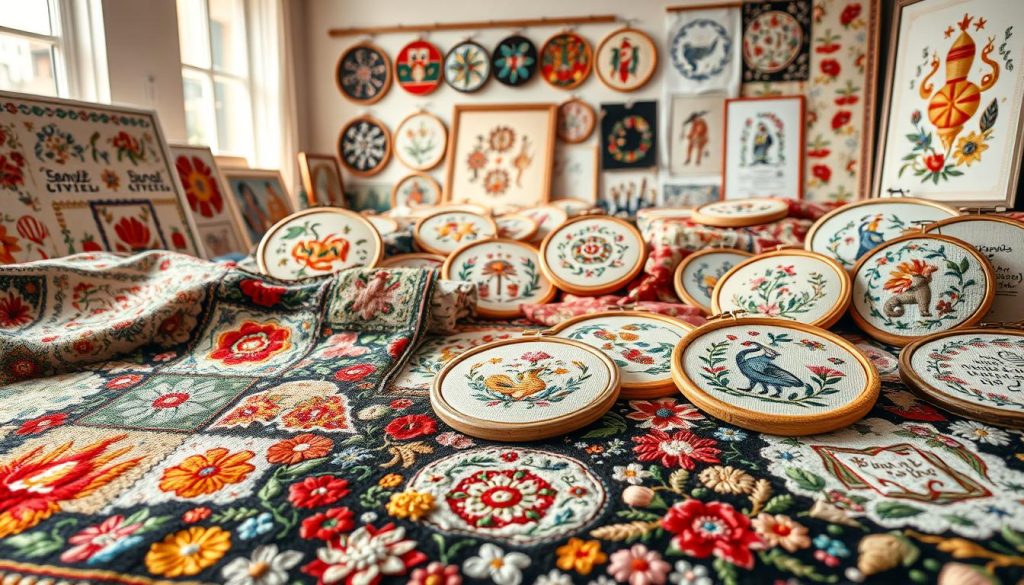
Adapting commercial charts can be fun. Use software or graph paper to keep proportions right. If a color is missing, swap it with a similar DMC floss number. Make a stitch sample to see how the new colors look on your fabric.
Starting from scratch can feel overwhelming. Use a photo as a guide, break it down into simple shapes, and then turn those into stitches. Choose your fabric count early to ensure your design fits right. Use DMC floss for colors that stay true and contrast well.
Remember, if you plan to sell your work, there are rules to follow. Changing a kit slightly is okay, but selling almost the same thing might be a copyright issue. Always get permission or create your own designs if you’re selling. Always give credit when you use someone else’s unique elements.
Here’s how to move from kits to original designs: start by changing colors, then mix small motifs, and finally, try creating a full pattern. Keep track of your DMC floss swaps and fabric choices. This way, you can make similar projects in the future.
- Test color swaps on a small swatch before committing to a full project.
- Use pattern software or graph paper to keep scale consistent.
- Document DMC floss numbers and fabric count for repeatability.
Presentation extremes: hoops, frames, and unconventional displays
You have many options when you decide how to show a finished piece. Choices range from casual hoop displays to museum-ready cross stitch frames. Each option affects longevity, visual impact, and how you prepare the back and edges.
Hoops give an immediate, homey look and suit rotating wall galleries. They are quick to use and highlight the stitched texture. Watch for stretched fabric and exposed edges. Traditional frames with mats and backing protect fibers and provide a polished, archival display that works for gifts and exhibitions.
Unconventional mounts turn stitched work into wearable art, banners, lampshades, or sculptural forms. These cross stitch ideas let you experiment with scale and context, but they demand secure edges, reinforcements, and tailored backing to hide messy backs and keep shape.
Use acid-free mats and backing boards when framing for longevity. For hoops, add a muslin or felt backing and stitch in a running stitch around the fabric edge to reduce slippage. For three-dimensional mounts, consider padded mounts and interfacing to maintain structure without gluing across stitched areas.
When you prepare wearable finishes, stabilize thin fabrics with fusible interfacing. Secure all thread ends and tuck them away to prevent snagging. Avoid builder’s PVA and other inappropriate adhesives near stitches. Edge-only mounting and archival supplies protect color and fiber strength.
Light and heat matter. Lampshades and backlit pieces can reveal long thread tails and show through backing fabrics. Plan cross stitch finishing that hides backs and uses lining fabrics suitable for light exposure. Select mounts and frames that keep stitched surfaces away from direct bulbs.
Common mistakes include stapling across stitched areas, skipping mats, and using adhesives on stitched fields. You want a display that balances aesthetics with protection. Choose hoop displays for informal, quick-change galleries and cross stitch frames for permanence and preservation.
| Display Type | Best Use | Protection | Key Finishing Step |
|---|---|---|---|
| Hoop displays | Casual wall groups, rotating shows | Low to moderate; vulnerable at edges | Add felt or muslin backing; secure fabric tension |
| Traditional frames | Gifts, galleries, long-term display | High; archival with mats and boards | Use acid-free mat, backing board, and proper mounting |
| Banners & dowel mounts | Textile displays, seasonal decor | Moderate; depends on reinforcement | Hem edges, add hanging sleeve, reinforce top |
| Wearable finishes | Clothing, accessories | Variable; needs stabilization | Fuse interfacing, secure thread ends, reinforce seams |
| Three-dimensional mounts & lamps | Sculptural pieces, backlit art | Moderate; sensitive to light/heat | Pad structure, use lining that hides back, avoid direct heat |
Conclusion
CROSS STITCH can be taken to new heights, from quick framing tricks to large murals and mixed-media projects. The most important thing is to plan well. Avoid using non-archival glue for framing and test adhesives first. Always choose archival mats and lacing for mounting.
These steps help keep your colors, fabric, and time safe. When you scale up or change canvases, use a grid, proper tension, and the right tools. The type of DMC floss and fabric count are key for size and clarity.
Learn basic stitches for enlarging patterns and testing finishes. Mix novelty stitches with clear ones to keep texture and color interesting but not overwhelming.
For long projects, remember your health and comfort. Use magnifiers, ergonomic frames, and take breaks to avoid strain. Keep your workspace organized to boost creativity, not hinder it.
Be careful with your work’s back side, especially for items that will be seen under lamps or in backlit displays. Use finishing methods that hide or tidy the reverse when needed.
Feel free to experiment, but always follow conservation best practices and respect pattern copyrights. Use these tips and techniques to avoid mistakes and find new inspiration for your next project.
 English