You’re about to read stories that show how CROSS STITCH can move you. From simple first projects to multi-year memorials, stitching often becomes a quiet form of cross stitch therapy. This introduction sets expectations: you’ll find emotional examples, practical cross stitch ideas, and tips to plan projects that matter to you.
Color choices and timing shape how a project feels. A podcast on “Colour in Cross Stitch” explains why yellow can feel wrong in winter while red warms you at Christmastime. Matching palette to season or mood is a simple way to increase enjoyment and avoid frustration when you stitch.
Beginners get clear paths forward. Kits from Subversive Cross Stitch, Lindy Stitches, and PyroDogPins offer starter patterns; Aida counts (11, 14, 18, 28) and DMC floss numbers are easy to learn. You can buy supplies at JoAnn Fabrics, Michael’s, or Etsy, and books like I Can Cross Stitch guide you step by step.
Community moments make many finishes tearful. On Reddit’s r/CrossStitch you’ll find memorial pieces, pandemic-era “Quarantine Mood” works, and long-term projects that draw heartfelt responses. The support and before-and-after transformations often turn small stitches into big emotion.
This article will blend feeling with how-to: why cross stitch moves people, practical tools and kits, community examples, and project ideas that aim to bring you to tears for good reasons. Read on if you want cross stitch inspiration that’s useful, heartfelt, and doable.
Key Takeaways
- CROSS STITCH can be therapeutic; many people use stitching as cross stitch therapy to process emotions.
- Color and season strongly affect your enjoyment—wait on projects until the palette suits your mood.
- Beginner-friendly kits and resources make meaningful cross stitch projects accessible.
- Community platforms like Reddit provide emotional support and real examples that inspire.
- This article will mix emotional stories with practical cross stitch projects and ideas you can try.
Why CROSS STITCH Moves People: The Emotional Power of Needlework
Needlework is more than just a craft. It offers a calm in chaotic days. The repetitive motion of stitching can be meditative, shaping your mood with colors and patterns.
How repetitive stitching soothes anxiety and acts as therapy
The steady motion of stitching calms the mind. It creates a sense of predictability, helping to quiet racing thoughts. Cross stitch therapy helps people focus without needing to think too hard.
Starter kits from brands like DMC and Zweigart make it easy to start. They include everything you need, from floss to needles, so you can dive right in.
Mood, color choice, and seasonal influence on emotional response
Colors have a big impact on our feelings. Red can spark passion, blue brings calm, and green connects us to nature. Choosing colors can change how we feel instantly.
Seasons also influence our color choices. In spring, we might choose bright yellows, while autumn calls for warm oranges. Matching your project to the season can lift your mood or bring back memories.
Community, storytelling, and the meaning behind sentimental pieces
Online groups like r/CrossStitch and Instagram offer support and encouragement. Seeing others’ progress can make your own work feel more meaningful.
Many stitchers turn their work into keepsakes. Whether it’s a memorial sampler or a project from quarantine, these pieces hold stories and memories.
| Need | How stitching helps | Cross stitch tips |
|---|---|---|
| Calm anxiety | Repetitive stitching creates a steady rhythm that soothes the mind | Use even tension and work in short, focused sessions |
| Boost mood | Choose colors linked to desired feelings, like blue for calm | Swap palette swatches until the colors feel right |
| Find community | Post progress and ask for feedback to gain support | Share a photo and a short story to invite connection |
| Preserve memory | Create narrative pieces that mark events or people | Include dates or motifs to anchor meaning in the pattern |
Choose patterns that match your needs. When you align design and color with mood, cross stitch becomes a powerful tool for rest, expression, and connection. Use these ideas to create projects that truly matter to you.
Healing Through Stitches: Cross Stitch as Emotional Therapy
Stitching can be a steady bridge through hard days. It helps hold attention, calm a busy mind, and make meaning from loss. Many people find that stitching becomes a private practice of care.
Personal stories of stitching through grief and loss
One blogger stitched a kit as a gift for a co-worker with cancer. The kit gave instant access to materials, allowing the maker to focus right away. On Reddit, users shared memorial pieces finished after a loss.
A framed piece hung a year after losing a pet offered quiet comfort. You may find yourself working through tears while your hands keep time.
How counted cross stitch provides focus during difficult times
Counted cross stitch can anchor your attention. Higher-count fabrics like 14, 18, or 28 create denser fields of Xs that demand concentration. You might try one-over-one on Monaco linen or a full-coverage project to deepen focus.
Large projects that take years, with hundreds of thousands of stitches, show how long-term work sustains attention and gives structure to days.
Techniques to use cross stitch for mindfulness and stress relief
Use simple repetitive motifs and limit your palette to calming blues and greens. Set a short, regular stitching time and practice deep breathing between rows. Track progress with before-and-after photos to see small wins.
Kits give immediate structure for beginners, while self-drafted pixel patterns let you tell a personal story on fabric. Choose comfortable tools to protect your hands and posture. A padded hoop or Q-Snap, ergonomic needles, bright lighting, and tidy floss organization remove friction and help you stay in flow.
If you are new to the craft, find cross stitch for beginners kits that include clear charts and DMC floss. This reduces setup stress and boosts confidence.
When you need an extra nudge, look for embroidery inspiration in online galleries and podcasts. Discussing color and pacing can help. Putting a project down until your mood matches the palette is valid self-care. Use these practical steps to shape a ritual that makes needlework a steady companion through grief and stress.
Color That Makes You Cry: Choosing Cross Stitch Colors with Feeling
Color can change your mood instantly when you pick a DMC floss strand. Choosing cross stitch colors sets the mood of your piece before you start stitching. Think of palettes as emotional guides through your project.
How red, blue, green, and purple evoke different emotions
Red is often seen as love, warmth, or bold energy. DMC 666, a bright red, can spark strong feelings right away. Blue is calming and trustworthy, perfect for peaceful designs. Green connects us to nature and balance, great for long projects.
Purple adds imagination and a touch of magic, ideal for mysterious or whimsical pieces. Lighter shades like pink show tenderness, while brown grounds your design.
Matching color choices to seasons and moods for a more meaningful project
Seasons offer a natural way to change your cross stitch colors. Spring is all about yellow and soft pastels, symbolizing hope. Summer is bright and tropical, with oranges and corals.
Autumn is warm with golds and rusts, while winter calls for deep reds and evergreens. If a pattern lists DMC floss codes, you can quickly find the right shades for any season.
Practical cross stitch tips for adjusting palettes when you’re not in the mood
If you’re not feeling a palette, try swapping the main color for something that suits your mood. For example, change bright yellow to warm gold for a cozy autumn feel. Use colored Aida fabric to change the overall mood without changing every thread.
Break your design into color blocks to work on sections that match your mood. Keep leftover floss organized by brand and number for quick color tests. This way, you can try new ideas without redoing the whole project.
Use simple tips like comparing shades under natural light before buying. This helps ensure the color you choose matches your desired emotion. Community projects show how careful color choices can tell a powerful story.
Let your mood and the season guide your color choices. Use DMC floss codes to ensure the exact shade you want for your piece.
From Pattern to Tears: Stories Behind Heartfelt Cross Stitch Projects
You start with a cross stitch pattern and a single stitch. The first hours are calm. But as weeks go by, it becomes an emotional journey.
Memories come back as your design takes shape. Your work becomes a way to express grief, pride, and connection with others.
Memorial pieces stitched through grief and the emotional reveal
Starting a memorial cross stitch can be a way to honor a loved one or pet. Choosing colors and motifs that mattered to them makes it personal. Plan the framing early to make the reveal special.
Sharing photos of your progress helps tell your cross stitch story. Posting in groups like r/CrossStitch can bring validation and shared healing.
Long-term projects that culminate in overwhelming pride
Some projects take months or years. A long-term counted piece is a testament to endurance. Each stitch is a mark of time and effort.
Seeing the finished piece can bring tears of pride. Pixel stitch conversions from photos make it even more impactful, capturing real-life details.
Community projects and how shared work amplifies emotion
Group projects can intensify emotions. Themes from the pandemic and collaborative samplers show how shared motifs create collective memory. Everyone contributes a piece, and the final reveal tells a story.
Online and local stitch circles make the impact of cross stitch projects greater. They add context, encouragement, and celebration.
| Emotional Moment | Practical Tip | How to Share |
|---|---|---|
| Starting a memorial cross stitch | Choose a palette tied to memories and buy a framing-ready mat | Post progress photos with short context in supportive communities |
| Working on a multi-year counted piece | Set small milestones and log stitch counts to track progress | Create a timeline post showing stages to build anticipation |
| Joining a community sampler | Agree on color rules and document your block for cohesion | Host a group reveal with captions that tell each stitcher’s story |
Gift-Worthy Finishes: When Cross Stitch Becomes a Tearjerker Present
Transform a simple pattern into a memorable gift with the right design and finishing touches. Colors set the mood: red for love, soft pink for care, and seasonal colors for holidays. Starter kits from DMC or Dimensions help match the right materials to the occasion.
Memorial samplers, anniversary motifs, and milestone portraits can touch hearts. Adding personal touches, like a favorite flower, makes the gift special.
When choosing a pattern, think about who will get it and where it will go. Pick patterns with clear color keys and floss lists. For lasting gifts, use linen or Monaco; for everyday items, Aida cloth is best.
Finishing your cross stitch is key to a great gift. Choose frames that fit the stitch count. Use quality frames and mats to protect the work. Backstitching makes faces sharp and details stand out.
Small details make a big impact. Add French knots or beads for extra charm. Finish edges neatly and include a personal note to enhance the gift’s emotional value.
How you present the gift matters. Use conservation glass for color protection and frames that match the piece and the recipient’s home. Thoughtful finishing and presentation will make your gift unforgettable.
Beginner Cross Stitch Triumphs: First Projects That Made People Cry
Do you remember the first time your needle touched fabric and a tiny X showed up? That small win can turn into a big emotional moment. The designs you choose for your first projects often mean a lot to you. Finishing them shows you can learn something new.
Simple kit wins
Start with cross stitch kits that have everything you need. Brands like Subversive Cross Stitch, Lindy Stitches, and PyroDogPins offer these kits. They make it easy to get started and feel proud when you’re done.
Choosing fabrics and thread
Choose an Aida cloth count that’s easy on your eyes. For beginners, 14-count Aida is a good choice. It has big squares and lets you see your progress. Make sure the pattern you choose matches the Aida count it needs.
DMC floss is the standard for cross stitch. Many patterns list the DMC numbers for colors. You can buy DMC at places like JoAnn, Michaels, or online.
Practical cross stitch tips
Start with a few colors to avoid feeling overwhelmed. Learn how to start and finish threads cleanly. Practice basic stitches on scrap fabric. These tips help you stay focused and keep moving forward.
Small projects that build confidence
Choose small projects like bookmarks, tiny motifs, or small pet portraits. These quick wins can make you feel proud and even bring tears of joy. Many stitchers feel a strong emotional connection when they give their first finished project to someone they love.
How to pick your first kit
Look for kits with clear diagrams and labeled DMC floss. If you need more help, I Can Cross Stitch offers lessons. For beginners, choose a pattern with bold colors and simple shapes. This way, you can see your progress easily.
| Project Type | Suggested Aida Count | Typical DMC Colors | Why it’s emotional |
|---|---|---|---|
| Bookmark | 14 | 5–8 colors | Portable finish you can gift or keep, fast gratification |
| Small framed motif (4″x4″) | 14 or 18 | 8–12 colors | Ready-to-display result makes the effort visible and cherished |
| Mini pet portrait | 14 or 18 | 8–15 colors | Personal connection to a beloved animal creates strong emotional payoff |
| Anniversary sampler | 14 | 6–10 colors | Meaningful symbols and dates deepen impact when gifted |
| Tiny character or icon | 14 or 18 | 4–7 colors | Quick, cute, and perfect for building stitching confidence |
Community and Connection: Online Groups and Subreddits That Inspire Tears
Sharing a stitched piece online can turn a hobby into a moving moment. The right group offers validation, practical help, and emotional lift. r/CrossStitch and Instagram cross stitch feeds become caring spaces that celebrate progress and honor stories.
On Reddit, you’ll find threads on first projects to decade-long samplers. Members post memorial pieces, pandemic-era works, and before-and-after shots. The community shares patterns, answers kit questions, and offers comfort when a project carries heavy meaning.
Instagram cross stitch brings visual momentum. Short reels and close-up photos give fast embroidery inspiration. You can follow designers, tag pattern authors, and see quick tutorials that spark new ideas. This stream of images helps you choose colors, finishes, and themes for gifts or heirlooms.
Real examples show how a pattern becomes powerful. A stitcher grieving a loss posted a memorial pillow and received empathy and tips. Another user shared a multi-year landscape and got messages celebrating persistence and skill. These responses lift the maker and deepen the bond within the cross stitch community.
Use these practical steps when you post:
- Share progress photos to show how a piece evolves and invite supportive comments.
- Credit pattern designers and tag creators to follow community etiquette.
- Ask for specific cross stitch tips if you want constructive feedback.
- Set boundaries—mute threads or request private messages if you prefer low-pressure interaction.
- Join themed groups, such as snarky, traditional, or modern, to match your aesthetic and emotional goals.
For beginners, online groups are invaluable for learning floss choices, Aida counts, and finishing techniques. Experienced stitchers benefit from fresh inspiration and pattern swaps. When you engage respectfully, these spaces can turn a simple stitch into a shared, tearful celebration of craft and connection.
Technical Moments That Tug at the Heart: Backstitching, French Knots, and Details
Small details can make a big difference in a piece. Sharp edges come from good outlining. A few French knots can highlight a face or flower.
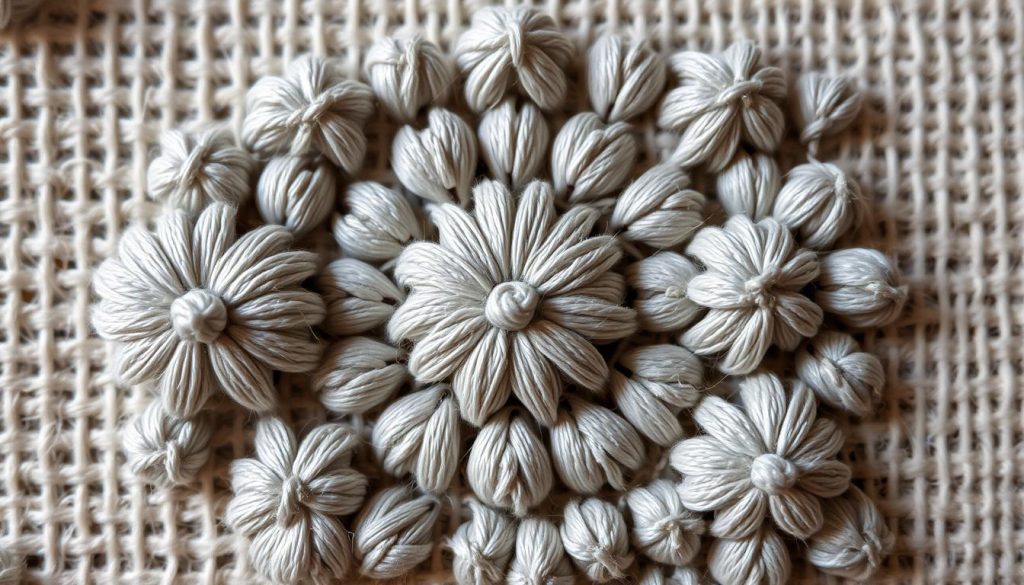
Before-and-after detail work
Photos show how backstitching changes a piece. Before, lines are blurry. After, they’re clear and defined. It’s like the design has finally reached its goal.
Learning a new stitch as a milestone
Mastering French knots or a tricky stitch is a big deal. You might spend weeks on a piece. Then, learning a new technique feels like a personal victory.
Troubleshooting common problems
Mistakes are part of stitching. Everyone makes them. But, simple tips can fix them. Count twice, use a grid, and secure threads well.
Fixing mistakes can be rewarding. You can unpick and restitch cleanly. A second hoop helps with uneven tension. These fixes make your design look right again.
Practical cross stitch techniques to try
- Use contrasting backstitching techniques to frame faces and lettering.
- Practice French knots on scrap Aida to control size and placement.
- Adopt small habit changes: count aloud, mark your grid, finish threads on the same side.
Fixing a flaw can bring instant joy. Your work looks complete, and you feel proud. It’s a moment that can make you tear up with happiness.
Tools and Organization That Make the Process Joyful
Stitching should be calm, not chaotic. The right tools reduce friction, letting you enjoy colors and fabrics. A few changes can make stitching joyful.
Choosing hoops, Q-Snaps, and frames that reduce frustration
Begin with the hoop in kits. It helps you learn tension and rhythm. For bigger projects, use a Q-Snap or wooden hoop. Q-Snap keeps fabric flat for long sessions.
For serious stitching, add lap stands or floor frames. They reduce strain and protect your work for long sessions.
Cross stitch organization hacks for floss, patterns, and fabric
Label floss by DMC number on bobbins and store in a clear box. Pre-cut fabric saves time at the end. Use washable pens for gridding to mark counts and avoid mistakes.
Keep a project bag with essentials. This way, you can start stitching without searching for supplies.
Tablet vs paper pattern management to keep momentum and avoid tears of frustration
Many prefer storing PDFs on a tablet. It’s easy to zoom, annotate, and flip pages. Paper patterns are comforting for some.
If using paper, keep a clipboard and flags. For digital patterns, back up files and save progress photos. This way, you can pick up where you left off easily.
Practical embroidery hacks that save time
- Wind floss on labeled bobbins and group by shade for quick color swaps.
- Use removable grid tape or washable pens for accurate gridding.
- Store PDFs in a folder named by project and stitch date to track progress.
- Pre-thread multiple needles with common colors to avoid constant re-threading.
These tips improve organization and reduce project abandonment. The right tools and systems make stitching enjoyable. Invest in good frames, a sturdy Q-Snap, and a clear plan for floss. This keeps your focus on the joy of creating.
Stitching with Meaning: Designing Personal Patterns and Heirloom Projects
You can make a memory or photo into a treasured heirloom. Start with a clear idea and pick materials that tell your story. Small choices in thread, fabric, and stitch count shape the final emotional impact.
How to turn photos and memories into pixel-style patterns
First, decide if you want simplicity or fine detail. Pixel stitch conversion is great for pet portraits and old family photos. Use software or a charting book to convert an image into a grid. Then, test a small swatch to check value and contrast.
When drafting a self-drafted pattern, simplify backgrounds and highlight faces or hands. This makes the motif clear at stitching size. If your piece has multiple parts, map colors across panels for consistent transitions.
Selecting canvas and stitch method for heirloom quality
For durability and display, choose counted cross stitch on suitable fabric. Aida at 14-count is good for beginners and has a sturdy finish. Monaco linen or fine linen gives an heirloom feel; high-count linen supports 1-over-1 stitching for subtle detail.
Match your floss to DMC or Anchor codes and consider thread blending for lifelike shading. Label your palette and fabric choices so future stitchers can reproduce or repair the piece.
Adding motifs, dates, and symbols for personal meaning
Embed small motifs like a ring, birth date, or a favorite flower near the focal image. These touches turn a pretty picture into a story that resonates during a gift reveal or at a family gathering.
Keep motifs simple and repeat them as borders or corner accents. A repeated symbol gives cohesion and makes the piece feel intentional rather than improvised.
| Project Type | Recommended Fabric | Stitching Method | Detail Level |
|---|---|---|---|
| Beginner pet portrait | Aida 14-count | Counted cross stitch, 2-over-2 | Medium detail, bold shapes |
| Family photo keepsake | Monaco linen 25-count | Counted cross stitch, 1-over-1 | High detail, subtle shading |
| Wedding name and date | Linen 28-count | Counted cross stitch with backstitch accents | Fine text, clear numerals |
| Full-coverage heirloom panel | Monaco linen or high-count linen | Pixel stitch conversion, blended threads | Very high detail, complex color work |
Try several cross stitch ideas in small samplers before committing to a large piece. This saves time and keeps the emotional focus where it belongs: on the memory you are preserving.
When the Process Beats the Product: The Joy of Making Over Perfection
You stitch for comfort, not to show off. Many find that the act of stitching itself is therapeutic. It’s a calming routine that helps clear the mind.
Some stitchers turn down work because it adds stress. They prefer simple patterns or kits that let them work at their own pace. This way, stitching remains a source of comfort, not stress.
Reddit and podcasts are full of stories about messy stitches and long pauses. These imperfections often make the pieces more special. Embracing these mistakes keeps the craft personal and free.
Start small to find joy in the process. Try tracking your time, counting stitches, or setting a daily stitching goal. These small goals help you enjoy the journey, not just the end result.
Sharing your progress is also helpful. Take photos, write in a journal, or post updates online. Hearing praise for your effort, not just your finish, makes slow projects feel valued.
Use tricks to keep stitching fun. Try using a small hoop for quick sessions, label your floss, and organize your supplies. These tips help you focus on stitching, not searching for supplies.
The table below offers quick, actionable ways to shift focus from finished product to the act of stitching. Each row gives a clear practice, why it helps, and how to start today.
| Practice | Why It Helps | How to Start |
|---|---|---|
| Time-based goals | Reduces pressure by valuing minutes instead of perfection | Set a 15-minute timer and stitch during lunch or before bed |
| Progress photos | Shows growth and honors slow projects | Take a weekly photo and store in a single album |
| Celebrate messy backs | Reframes cross stitch mistakes as character | Share an honest photo with a supportive group or friend |
| Micro-projects | Delivers fast wins that build confidence | Choose a small kit or make a single-motif bookmark |
| Simple organization | Keeps focus on stitching, not on hunting supplies | Use labeled floss cards and a small pouch for current fabric |
| Join supportive communities | Offers encouragement and normalizes slow work | Follow r/CrossStitch or an Instagram group that values process |
Conclusion
Cross stitch is more than just making fabric. It’s about feeling and expressing emotions. The colors and patterns you choose can reflect your mood and the season. This makes your cross stitch special and meaningful.
Beginners should start simple and set up for success. Kits from Joann, Michael’s, or Etsy are great for learning. Websites like I Can Cross Stitch also help grow your skills fast. Use tools like Q-Snaps and floss organizers to keep your project enjoyable.
Community support is key for inspiration and comfort. Places like r/CrossStitch and Instagram offer feedback and support. Whether for therapy or gifts, cross stitch can turn memories into beautiful art.
Choose a project that feels right for you. Gather the right tools and add special touches. Share your work and learn from it. When you combine your intentions, craft, and community, your cross stitch can touch hearts.
 English