
You love your finished pieces, and keeping floss bright is just as important as your stitching skills. This guide is all about keeping your CROSS STITCH and other needlework threads looking great. You’ll learn simple tips to protect your colors, sheen, and strength. This way, your work will stay beautiful whether it’s on display or under glass.
In this article, we’ll talk about different threads like DMC floss and Aurifil cotton. We’ll also cover polyester, silk, and machine embroidery threads like Isacord and Floriani. You’ll get tips on how to store, clean, and work with your threads to reduce wear. Cotton spools, for example, can stay bright for decades if stored right. One spool even survived a house fire for over 35 years and still gave vibrant thread after cleaning.
We’ll share practical systems and products you can use today. You’ll learn about Hemingworth caps, spool cabinets, reusable stoppers, and special habits for different brands. Whether you’re a beginner or an experienced stitcher, these easy tips will save you time and keep your colors vibrant.
Key Takeaways
- Proper storage and handling preserve floss color and strength for years.
- Different fibers age differently; know whether you’re using DMC floss, polyester, silk, or cotton.
- Simple tools like Hemingworth caps and airtight boxes reduce dust and oil transfer.
- Regular inspection and careful cleaning can recover inner bright layers on older spools.
- Apply cross stitch tips and stitch habits now to improve long-term embroidery longevity.
Understanding Thread Types and How They Age: DMC floss, DMC Machine Embroidery, polyester, silk, and cotton
Choosing the right thread is key to a project’s lasting beauty. The type of fiber, how it’s treated, and where you store it all play a part. You’ll see differences in shine, strength, and color retention between DMC floss, DMC Machine Embroidery, polyester, silk, and cotton threads.
Differences in fiber content and longevity
Cotton threads, like DMC floss or Aurifil cotton, keep their quality if stored away from light and moisture. They can last for decades if kept in good conditions.
Polyester thread is strong and doesn’t fade easily. Brands like Hemingworth add extra shine, making colors stand out.
Silk thread shines with unmatched beauty but needs gentle care. Rayon and metallics add sparkle but are delicate and require extra attention.
How mercerization and trilobal polyester affect sheen and colorfastness
Mercerization makes cotton threads like some DMC Machine Embroidery and DMC floss brighter and stronger. It’s a chemical treatment that boosts color and durability.
Trilobal polyester threads reflect light well, making them great for machine embroidery. They stay vibrant even after washing and stitching.
Real-world examples: cotton spools that lasted decades when stored well
Stitchers and collectors have found cotton threads still usable after years of storage. Even when outer layers were dusty, the inside remained bright and strong. Proper storage and keeping threads separate by type were key.
Projects that mixed threads like DMC floss, polyester, rayon, and silk did well if stored in dark, dry places. Always match thread type to your project’s needs for the best results.
Storage Best Practices to Preserve Color and Strength
Start by creating a stable environment for your thread. Aim for a steady, moderate temperature and low humidity. Avoid places like basements and attics where conditions can change a lot. Use climate controlled storage to prevent mold and damage to fibers.
Light can fade colors over time. Keep threads away from direct sunlight and strong UV lamps. Even short exposures can cause fading that can’t be reversed. Store completed skeins in shaded drawers or behind UV-filtering doors.
Ideal storage environment: temperature, humidity, and light exposure
Store your threads near typical living-room conditions. This means about 65–75°F and relative humidity under 55%. Use a small hygrometer in your craft room to check humidity levels. A dehumidifier can help in humid climates.
If you live where summers get hot, move your threads into climate controlled storage during heat waves.
Why airtight or dust-protective containers matter — lessons from long-term spool cabinets
Dust and airborne oils can dull sheen and carry contaminants. Airtight boxes, clear caddies, and dust-protective cabinets reduce exposure. Many stitchers report spools kept in a thread cabinet for decades stayed usable.
Outer layers may show signs of smoke or dust, but you can discard those to reveal fresh inner threads.
Organizing by type and manufacturer to prevent cross-contamination of oils and dust
Sort threads by fiber and brand to avoid cross-contamination. Keep cotton, polyester, silk, and metallics separated. Group machine embroidery threads like Isacord and Floriani apart from hand floss such as DMC or Aurifil.
Store frequently used threads in easy-access drawers for projects that need quick swaps. Label drawers and use color charts to cut down on unnecessary handling. Good cross stitch organization speeds matching and protects sheen.
If you practice cross stitch gridding for big projects, keep the active project set in a portable container. This limits exposure of the rest of your collection.
| Storage Item | Best Use | Benefits |
|---|---|---|
| Sterlite three-drawer unit | Daily access for hand threads | Clear visibility, stackable, dust protection |
| Clear plastic bins (Target, The Container Store) | Bulk seasonal storage | Affordable, modular, keeps out pests and dust |
| ArtBin Super Satchel | Project portability | Compartmentalized, protects against snagging, easy transport |
| Thread cabinet (wood or metal) | Long-term, high-value collections | Stable interior, dust-free, display options, best with climate controlled storage |
| Drawer with labeled dividers | Organizing by manufacturer and weight | Simplifies matching, reduces handling, ideal for cross stitch storage |
Protective Packaging and Innovative Caps: using Hemingworth caps and reusable stoppers
Smart packaging is key to keeping thread bright. Use protective caps and reusable stoppers to prevent threads from unraveling. They also protect against dust, oils, and UV rays.
These caps are easy to use. Just touch the cap, not the thread, to avoid dulling it with hand oils. This simple habit helps your DMC Machine Embroidery spools last longer.
Hemingworth caps have a clear outer shell and a rubber stopper. This design keeps the thread tail in place and guides it smoothly into your machine. It reduces tangles and breakage during stitching.
These caps also block airborne grime that can dull your floss over time. Choose to use them based on spool size and your stitching frequency.
For hobbyists, a 1000m spool with a cap is perfect. It’s great for switching colors and storing partially used spools. For those who stitch a lot, 5000m spools save money but often come without caps. Save caps from smaller spools and fit them to larger cores when needed.
Reusable stoppers and thread caps are eco-friendly. Many manufacturers let you buy spools without new caps if you reuse what you have. This reduces plastic waste and saves money for frequent stitchers.
When choosing spool formats, consider convenience and exposure risk. Sampler packs and 500m spools are good for seasonal or color-limited projects. Use capped 1000m spools for cross stitch tools in active rotation. Reserve uncapped 5000m spools for steady colors you use daily, then store them in dust-free containers or transfer thread to capped cores for long-term preservation.
| Spool Size | Cap Availability | Best Use | Preservation Tip |
|---|---|---|---|
| 500 m | Often included | Beginners, sampler projects | Keep cap for reuse; store in small bins |
| 1000 m | Commonly included (cap + stopper) | Hobbyists, cross stitch tools rotation | Use cap as feed guide; touch cap not floss |
| 5000 m | Often shipped without caps | Commercial use, heavy stitchers | Save caps from smaller spools or use reusable stoppers |
| Assorted sampler packs | Variable | Color testing, limited projects | Choose smaller spools to avoid long-term exposure |
Cleaning and Refreshing Old Threads Without Damaging Them
When you open a long-stored spool, start with a quick look. Light dust, attic grime, or smoke residue often just sits on the outside. A gentle approach helps keep the color and strength, avoiding mistakes from weak fibers.
For lightly soiled threads, use a soft, dry brush to remove dust. A short burst of compressed air can also help without touching the floss. If there are fingerprints or oils, unwind a short piece and wash it in cool water with mild detergent. Rinse well and let it air dry flat. This method safely refreshes the thread without wetting the whole spool.
Decide when to discard outer layers and get to the clean inner thread. If the spool smells of smoke or has heavy dust, wind off the outer turns until you see clean layers. Work on a clean surface and wash your hands first to avoid re-contamination. Often, the inner core is still good for many projects.
Special threads need extra care. Metallic threads can tarnish or lose their twist if scrubbed. Cut away soiled outer lengths instead of trying to clean them aggressively. Silk threads react poorly to rubbing and many detergents; spot-clean only with silk-safe soap and minimal agitation. If unsure, replace heavily soiled silk or metallic strands to protect your work and avoid mistakes.
DMC stranded cotton and mercerized machine embroidery threads behave differently. Stranded cotton is forgiving; inner layers usually keep color and strength after outer removal. Mercerized polyester and machine threads have higher sheen and colorfastness. Avoid soaking whole spools of mercerized or machine embroidery thread. Limit washing to short tail sections or use new replacements for critical color matches.
Follow this quick checklist for a safe thread refresh:
- Brush or use compressed air for light dust.
- Hand-wash only short tail lengths in cool, mild detergent for oily spots.
- Unwind and discard outer soiled turns until inner layers look bright.
- Do not soak metallics or silks; replace if heavily soiled.
- Work on a clean surface and wash hands before handling recovered thread.
| Thread Type | Safe Cleaning | When to Discard | Notes for Cross Stitch Care |
|---|---|---|---|
| DMC stranded cotton | Brush, wash short tails in cool water | Heavily stained outer turns | Inner layers usually retain color; good for thread refresh |
| Mercerized polyester / machine thread | Brush only; clean tails only | Discoloration that affects sheen | Avoid soaking; use replacements for critical projects |
| Silk threads | Spot-clean with silk-safe soap, minimal agitation | Deep staining or abrasion | Replace if unsure; delicate handling required |
| Metallic threads | Do not wash; trim soiled lengths | Any tarnish or fraying | Use new short lengths for stitching; cleaning risks damage |
| Decorative display spools | Dust with soft brush or compressed air | Persistent odor or heavy grime | Recover inner bright layers for use; keep displays sealed |
Working Practices That Keep Thread Bright While You Stitch
Keep your workspace clean and simple to keep your thread bright. Wash your hands before stitching, especially after applying lotion, cooking, or handling cosmetics. Set drinks and snacks well away from your project to avoid accidental stains and common cross stitch mistakes.
Touch caps, bobbins, or a needle-threader instead of the thread body when you must reposition floss. Using caps from Hemingworth or similar brands protects the strand from oils on your fingers. These small habits fit with many hand embroidery tips and keep floss looking newer longer.
Use thread guides and proper feeding to cut friction. On a machine, place spools so they feed smoothly and use cap systems to reduce abrasion. Correct spool placement helps prevent shredding and is one of the needlework secrets pro embroiderers rely on.
For hand work, cut shorter lengths, about 18–24 inches, to reduce tangling and oil transfer. Shorter lengths mean fewer pulls through fabric, fewer cross stitch mistakes, and less wear on the sheen. Try a light conditioner such as Thread Heaven on cotton or polyester where suitable.
Match needle size to thread weight to minimize abrasion. A needle that’s too large or rough will nick fibers and dull shine. This advice applies across cross stitch techniques and machine embroidery setups like Isacord or Floriani threads.
Separate machine and hand thread types in storage for easy access. Keep frequently used spools in Sterlite drawers or ArtBin cases for faster projects. This organization pairs well with cross stitch tools and reduces contamination that causes uneven fading.
When anchoring threads, use minimal knots and low-bulk methods to avoid extra rubbing at start and end points. For backstitch and detail work, glide the thread with steady tension and avoid repeated tugging. These practical steps form core needlework secrets passed down in guilds and workshops.
CROSS STITCH care: specific tips for counted cross stitch, backstitching techniques, and finished pieces
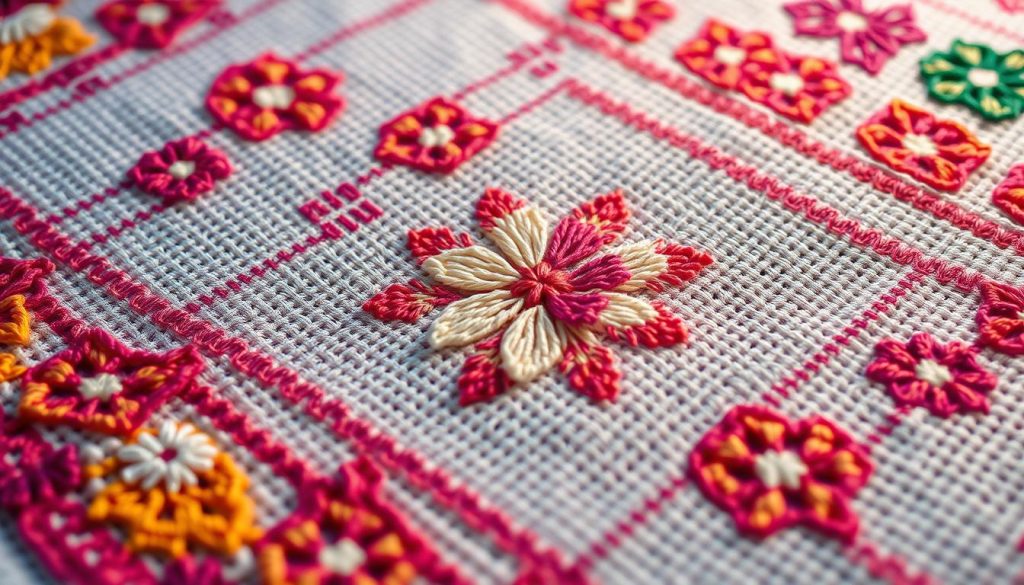
After finishing a counted cross stitch, keep colors bright with the right care. Use DMC floss or Aurifil for main areas. Make sure the floss weight matches the fabric count and keep stitches even.
For outlines and high-contact zones, choose stronger threads like mercerized cotton or polyester. Single or doubled strands for backstitching change line appearance and thread durability. For often-handled pieces, Isacord-style polyester or sturdy stranded cotton reduces wear.
Stitch tension is key for a smooth finish. Too tight causes puckering, while too loose leads to snagging. Even tension ensures colors look the same in any light and withstands washing and framing.
Blocking and washing are crucial for presentation and longevity. Hand-wash in cool water with a gentle detergent for delicate items. Rinse thoroughly, press between towels, and dry flat away from sunlight to protect colors.
For final blocking, use a low-heat steam iron with a cloth for cotton threads. Avoid high heat on metallics or silk. Frame on acid-free boards with UV-protective glazing to slow fading and keep colors bright.
Test threads and backstitching techniques on a scrap before starting a project. This helps you see how they work together before committing to a full design.
Storage Systems and Organization Ideas for Large Thread Collections
When your thread stash grows, you need systems that keep color, sheen, and access top priorities. Choose storage that fits your space and workflow. This way, you can find the right skein without digging through tangled piles.
Drawer units, modular trays, and thread cabinets for 300+ spools
For collections of 300 or more spools, consider purpose-built thread cabinets or modular trays. Hemingworth cabinets hold roughly 300 spools and keep labels visible on pull-out trays. Modular wooden trays sized for Iris or similar drawer systems let you expand one tray at a time.
Stackable Sterlite three-drawer units and display shelves with shallow drawers scale well as your stash grows. The ArtBin Super Satchel Thread Box can store many smaller spools in a compact footprint if you mix box types for different brands.
Compact solutions: baskets, clear plastic bins, and thrifted jars for quick access
If you work in a small studio, clear plastic bins from Target or The Container Store give instant visibility. Baskets and thrifted jars create attractive, affordable storage that keeps spools upright and easy to grab.
Repurpose jars, tins, or decorative vases for a low-cost, stylish display that also protects threads from dust. Keep frequently used colors in a small basket or bin near your stitching area to save time.
Labeling, color charts, and spiral-bound sample cards for fast color matching
Label drawers by brand, weight, or color family so you can narrow searches quickly. Maintain an index with manufacturer color numbers to speed selection for cross stitch patterns.
Use a spiral-bound color card with real thread samples rather than printed swatches. A spiral-bound color card lets you compare sheen and true hue side by side with your fabric under your light. Keep a small sampler of your go-to shades within arm’s reach to reduce handling of full spools.
These cross stitch organization ideas will help you protect thread quality and cut project time. Thoughtful placement of thread cabinets, compact bins, and a handy spiral-bound color card makes matching colors and pulling kits a smooth, satisfying part of your craft.
Buying and Rotating Thread Inventory to Maintain Fresh Color
Choosing the right threads is key to keeping colors bright. Look for trusted brands like DMC floss and Aurifil for detailed work. Hemingworth caps protect trilobal polyester spools. Floriani and Isacord are strong for projects that get washed a lot.
Brand strengths matter: DMC stranded cotton has consistent colors and a wide range. Aurifil 50 wt. works well in seams and for beginners. Hemingworth’s caps keep colors bright. Floriani and Isacord are durable for heavy use.
Keep colors fresh by rotating your stock. Use the FIFO method to use older spools first. Store extra spools in sealed bins to protect them from UV and dust. Reuse Hemingworth caps and stoppers to save resources.
Sampler packs and smaller spools are useful. They’re great for beginners to try colors without a big investment. Use 1000m spools with caps for essential colors. Save 5000m spools for when you need a lot and plan how to keep them fresh.
Plan your purchases based on your projects. Think about how often you’ll use each color and your storage space. Keep often-used threads ready to go with caps on. Store less-used spools in airtight boxes.
Good inventory habits make a big difference. Label your spools, cap the ends, and rotate them often. These steps help keep colors vibrant, reduce waste, and make your projects last longer.
Practical Embroidery Hacks and Tools to Reduce Thread Damage
Start by using smart tools and simple habits to protect your thread. Choose gear that holds fabric gently and guides thread smoothly. Small changes in needle choices and thread length can reduce abrasion.
Keep your active projects tidy with clear cross stitch organization. This way, you handle threads less and stitch more.
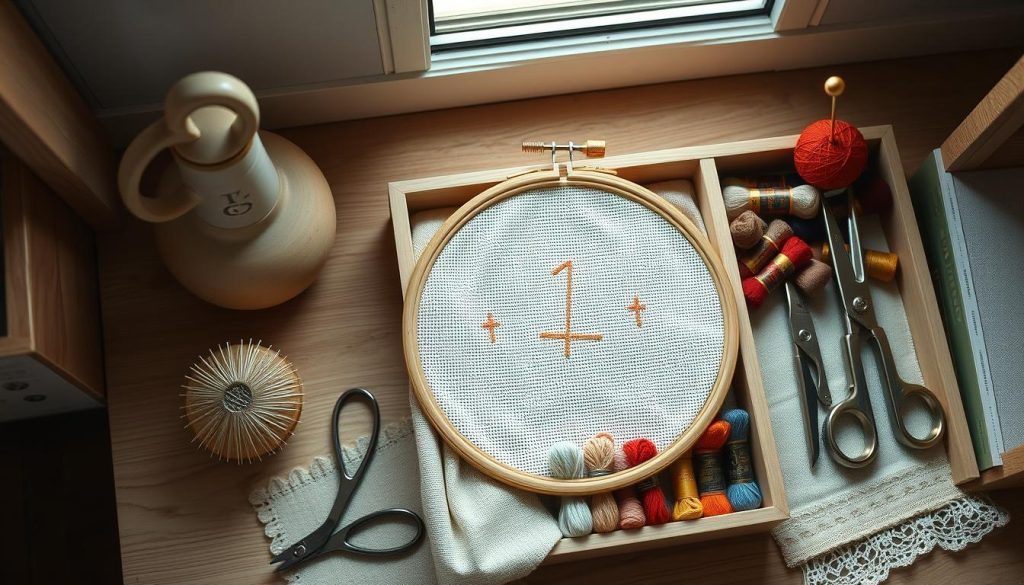
Tools that protect thread
Use a MaggieFrame or high-quality magnetic hoops to secure fabric without squeezing fibers. These systems reduce re-hooping stress and keep edges from rubbing against the work. For polyester or metallics, pick stronger embroidery or machine needles to avoid shredding.
Use finer needles for delicate silk and 80 wt. threads to prevent splitting.
Practical embroidery hacks
Work with shorter thread lengths of about 18–24 inches to lower friction and oil transfer from your hands. Apply Thread Heaven or a similar conditioner sparingly and only on compatible fibers to reduce breakage and static. Anchor threads with minimal stitches rather than bulky knots to limit bulk and pull.
Trim and condition tails so they feed cleanly through fabric.
Organization tips for active projects
Keep a small set of cross stitch project bags for each in-progress piece. Store labeled thread cards or bobbins with your floss numbers to prevent leaving full spools on the table. Grid fabric before you begin to cut down on rework and extra handling.
Spiral-bound sample cards and compact drawers for frequent colors speed access and reduce wear on threads.
For machine work, check spool placement, tension settings, and use caps or guides to stop shredding at the feed. For hand stitching, combine magnetic hoops, the right needles, and short lengths to protect sheen and extend thread life.
Conclusion
To keep your threads looking great, first understand how different fibers age. Cotton, polyester, and silk react differently. Mercerized cotton and trilobal polyester keep their shine and color longer.
Store your spools in a cool, dry place with low UV light. Use protective caps like Hemingworth stoppers to prevent dust and oil from getting in.
Keep your threads clean and fresh. Remove dirty outer layers and gently clean the inside. When stitching, wash your hands and use shorter thread lengths.
Choose the right needles and use guides or caps to protect your thread. Tools like MaggieFrame or magnetic hoops help keep your work looking good.
Buy threads from trusted brands like DMC, Aurifil, and Floriani. Rotate your stock and reuse caps. Try sampler packs to explore new colors and types.
These steps help your stash stay healthy. They let you try out new cross stitch ideas and embroidery inspiration without worrying about your collection.
By storing wisely, making smart purchases, and stitching carefully, you’ll keep your threads and finished work looking vibrant. Whether you see needlework as a form of therapy or a way to display your work, these tips will help you enjoy it for years.
 English