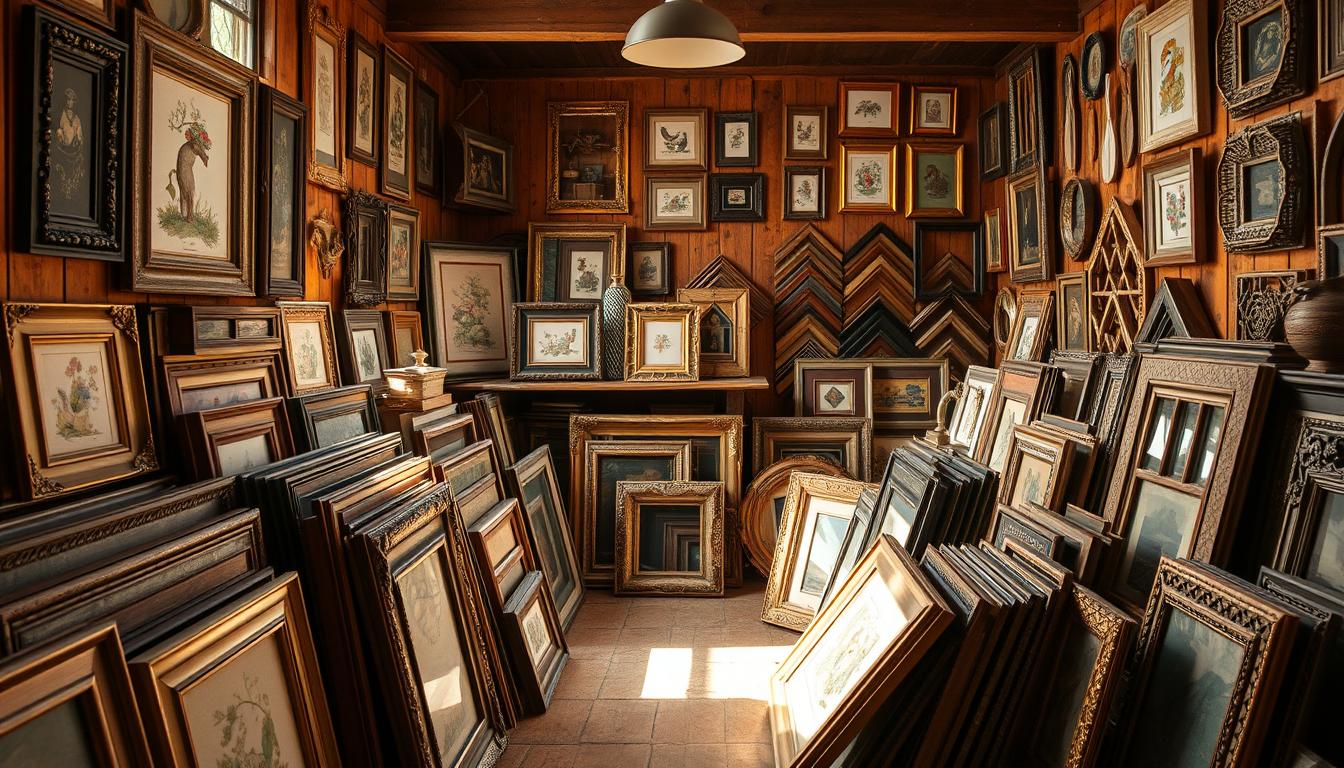
Framing your finished cross stitch turns it into a stunning display piece. It’s not just a craft anymore. It’s something that catches the eye and holds value. Whether it’s a small sampler or a big tapestry, the right frame and matting enhance colors and protect your work.
In this guide, you’ll get tips for both beginners and experienced stitchers. You’ll learn how to pick a frame that matches your room’s style. From sleek black metal for modern looks to warm wood for traditional settings. You’ll also discover how to use floating mounts, gallery-wraps, and simple mats for a clean, memorable look.
Sentimental pieces need special care. Framing keeps them readable and meaningful, alongside your needlework. Follow these steps to ensure your work is admired for years to come.
Key Takeaways
- Framing elevates counted cross stitch from craft to showcased art.
- Choose frame style to match your room: metal for modern, wood for classic.
- Limit visual layers to art + mat + frame to avoid clutter.
- Floaters and gallery-wraps suit irregular or canvas-like pieces.
- Frame sentimental stitched keepsakes to preserve and personalize displays.
Why Framing Matters for Textile and Needlework Pieces
Choosing a frame for your stitched piece does more than just hold it together. It turns simple needlework into a stunning centerpiece. It elevates tiny stitches and colors, making them stand out in any room.
How a frame transforms presentation and perceived value
A good frame can make your sampler look like it belongs in a museum. The right frame, whether ornate or slim, shows off your craftsmanship. This can increase its value, whether you plan to sell it, give it as a gift, or display it at home.
Protection benefits: dust, light, and humidity control for fabric works
Framing offers practical protection for your work. The right glazing and backing can slow fading and prevent dust and humidity damage. For long-lasting protection, choose materials designed for conservation to safeguard your delicate stitches.
Framing as part of the artwork’s story — matching era, style, and sentiment
Frames tell a story. Using frames that match the era and style of your work keeps its history intact. For sentimental pieces, a frame preserves both the fabric and the memories, allowing you to display your stitches alongside family history.
Beyond just looking good, framing helps preserve your work. It protects the techniques you used and makes it easy to enjoy your cross stitch therapy sessions. Framing turns your stitches into lasting, visible art.
| Benefit | What it Protects | Recommended Option |
|---|---|---|
| Presentation | Perceived value, visual impact | Period frame for historical pieces; slim metal for modern motifs |
| Light Protection | Floss color fade, fabric bleaching | UV-filtering glass or museum-grade acrylic |
| Dust & Pollutants | Surface soil, airborne particles | Sealed glazing with archival backing |
| Humidity Control | Mold, thread weakening | Hinged mounts with breathable, acid-free materials |
| Storytelling | Context, emotional impact | Mats, shadowboxes, and era-matching frames |
Assessing Your Piece: Size, Shape, and Fabric Type
Before you choose a frame, take a close look at your finished work. Get the right measurements and understand your fabric. Small mistakes in size or fabric handling can lead to puckering, distortion, or crowding.
Measuring finished dimensions and allowance for stretching or mounting
Measure the stitched area, not just the hoop. Add 2–3 inches for lacing, stapling, or hinging unless you plan a floating mount. If you expect a mat, add its border width to the outer measurement. For gallery-wrap or shadowbox displays, factor in depth so the piece sits evenly and doesn’t press against glazing.
Identifying fabric: Aida, evenweave, linen, and counted cross stitch considerations
Check the weave and thread count of your cross stitch fabric. Aida is rigid and holds tension well, making it forgiving for beginner cross stitch projects. Evenweave and linen drape softer and need gentler tensioning so stitches don’t skew.
Counted cross stitch on fine evenweave or linen often requires methods that protect the weave while keeping tension even. Use cross stitch tools like padded boards, stretcher bars, or lacing tapes when mounting delicate fabrics. Consider conservation-grade adhesives only when a framer recommends them.
How shape (square, rectangle, irregular) influences frame choice
Square and rectangular pieces fit standard moldings and mats easily, giving many framing options. Irregular or asymmetrical designs benefit from custom-cut mats or shadowboxes to preserve negative space and avoid crowding.
If you plan to combine stitched elements with ephemera, measure each item and the space between them. Deeper frames let you include tickets, pressed flowers, or recipe cards without flattening textures. Use cross stitch gridding and measured mockups to visualize spacing before committing to a frame.
| Issue | What to Measure | Framing Tip |
|---|---|---|
| Puckering after mounting | Stitched area and surrounding fabric ease | Use lacing or padded stretchers and leave extra edge for adjustments |
| Delicate weave distortion | Thread count and fabric drape | Choose linen-friendly mounting and avoid tight stapling |
| Multiple small pieces | Each item plus spacing for composition | Plan layouts with cross stitch gridding and use shadowbox depths |
| Planning for mats or float | Outer stitched edge to mat/window size | Allow mat overlap of 1/4″–1/2″ and extra for floating mounts |
| Beginner cross stitch project finishes | Hoop marks, backing needed, finished size | Iron carefully, trim backing, choose ready-made frames when suitable |
CROSS STITCH: Choosing Frames That Complement Needlework
When framing your stitch work, remember to honor the effort put into it. Your frame should bring out the texture, color, and story of each stitch. A well-chosen frame can enhance both traditional and modern designs, while also protecting the delicate threads and fabric.
Matching frame styles to common aesthetics and patterns
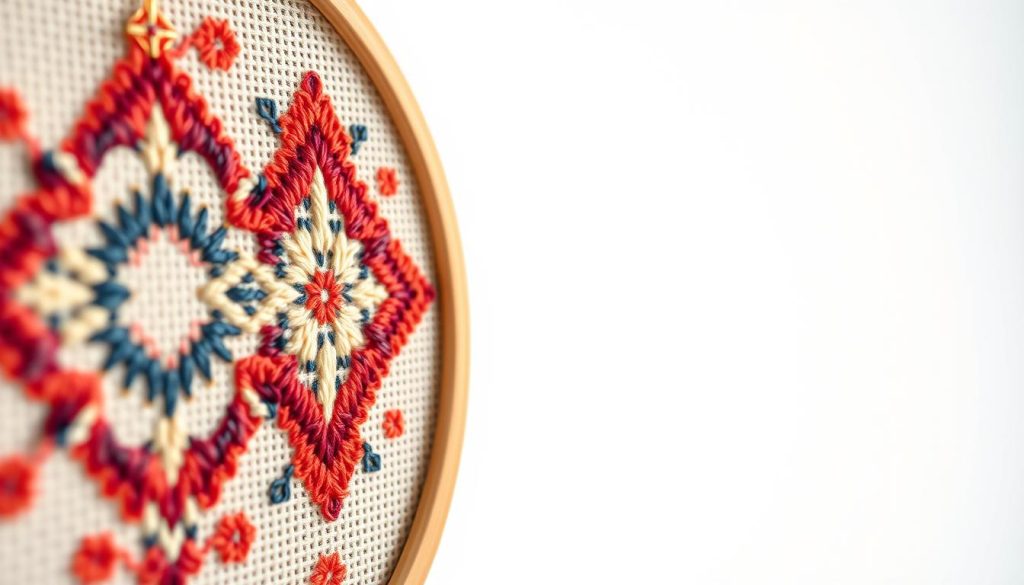
Choose a frame that matches your cross stitch’s style. Warm wood and carved moldings are perfect for heritage samplers and folk art. On the other hand, slim black or metal frames work well with geometric or minimalist designs.
For floral or cottagecore themes, consider frames with a distressed wood or painted finish. These frames should reflect the colors of your design.
Preserving backstitching techniques, DMC floss sheen, and delicate stitches
To keep techniques visible, select glazing and matting that reduce glare but maintain detail. Backstitching is key for defining edges and faces. So, choose a small mat border to ensure these lines are clear.
DMC floss has a unique sheen. To preserve this, opt for glass or acrylic with low reflection. This will keep the color vibrant without losing the sheen.
When to use mats, floating mounts, or gallery-wraps for counted work
Mats provide space and focus on the stitches. Use an acid-free mat to protect the fabric and prevent color changes. Floating mounts offer a museum-like look for counted cross stitch pieces.
Gallery-wraps on stretcher bars provide a modern, simple display. They are great for those who prefer a less formal presentation.
Color and Material: Wood, Metal, and Bold Frame Choices
Choosing the right color and material is key to matching your stitchwork with the room. Think about the main floss color and the fabric background before picking frames. Neutral woods and thin metal frames let the stitchwork shine.
A splash of teal or ochre can make a motif pop. Black frames add a crisp, modern contrast, perfect for geometric or monochrome designs.
Pair warm threads with warm woods for harmony. For cool flosses, silver or matte black frames add sharpness and fit minimalist interiors well. Soft wood or muted painted frames are great for pastel cross stitch, keeping the focus on the embroidery.
Wood versus metal: feel and function
Opt for warm oak, walnut, or cherry for samplers, family keepsakes, or vintage-inspired pieces. These woods add depth and a sense of age. For modern cross stitch ideas and small pieces, choose aluminum or thin black frames. Metal is better at resisting humidity changes, making it ideal for kitchens and bathrooms.
When bold color is the right move
Colored frames should be chosen with care. Teal or ochre frames can echo an accent in the needlework or add energy to a neutral wall. Keep the matting simple to avoid clutter. For sentimental displays, pick a frame that complements the keepsake’s color, making the work and mementos feel connected.
Practical embroidery hacks for choosing finish
- Test a fabric scrap against a frame sample under room light to see true color relationships.
- Match frame hardware and lighting finishes—brass knobs pair well with warm wood; chrome pairs with sleek metal.
- Save bold frames for focal pieces and use neutral frames for a cohesive gallery wall.
Matting Strategies to Elevate Your Finished Work
Good matting brings balance to your piece and protects the fabric. A thoughtful mat can turn simple cross stitch patterns into gallery-ready art. Use mats to create breathing room around motifs, guide the viewer’s eye, and store stitched pieces safely while you refine cross stitch organization for your collection.
Single vs. double mats: creating breathing room without clutter
Choose a single mat for a clean, modern look that keeps attention on your stitches. A single layer works well for detailed floral samplers or dense geometric cross stitch patterns.
Pick a double mat when you want a subtle pop. The inner core can echo a secondary floss color for a refined accent. Avoid more than two mats to prevent visual clutter and to maintain proper cross stitch organization on display.
Mat color selection to enhance cross stitch patterns and embroidery inspiration
Select a neutral mat to let delicate stitching shine. Tones like warm ivory or soft gray work well with pastel floss and traditional motifs.
Use a muted colored core to reinforce embroidery inspiration from the design. If your piece has a strong focal hue, a contrasting edge can make that color read bolder without overwhelming the fabric.
Acid-free mat choices to prevent fabric discoloration over time
Always pick an acid-free mat to protect fibers and thread. Conservation-grade matboard guards against yellowing and chemical transfer that degrade fabric over years.
When framing heirloom pieces or sentimental stitched gifts, an acid-free mat separates items physically and reduces abrasion. This step preserves color and texture while supporting long-term display and safe cross stitch organization.
Mounting and Backing Techniques for Longevity
Proper mounting keeps your work flat and clean for display. It preserves stitch tension and blocks dust. It also makes future care simple. Choose methods that fit the piece’s age and value.
Stretching, lacing, and hinged mounts for even tension
Stretching cross stitch on stretcher bars gives a tight, canvas-like finish. Lacing is great for traditional samplers, using thread to hold tension without glue. Hinged mounts let the fabric breathe while keeping it secure. You can inspect or adjust tension later with basic tools.
Backing materials and techniques to protect against dust and pests
Use acid-free foamboard or archival board as backing for long-term support. These materials protect against dust and insects. They also prevent the fabric from flexing inside the frame. When combining stitched work with keepsakes in a shadowbox, add spacers to prevent contact.
Conservation-grade options for heirloom needlework and sentimental pieces
If it’s an heirloom, use conservation-grade supplies and museum techniques. Archival tapes, linen hinges, and UV-inhibiting glazing reduce damage. Professional mounting services can apply these methods and advise on care.
For routine care, keep a small kit of tools handy for adjustments and inspections. Regular checks help catch tension shifts or dust early. This habit extends the life of your stitched pieces and preserves them for future generations.
Glass and Glazing Options for Protection and Display
Choosing glazing shapes how your stitched work looks and how long it lasts. You must weigh visibility against preservation when picking between glass or acrylic, or when leaving fabric unglazed for a shadowbox. Below are clear points to guide your cross stitch display decisions.
UV-protective glass cuts fading from sunlight and is a strong choice when you want long-term cross stitch protection. It keeps DMC floss colors truer for longer while fitting standard frames. Expect heavier weight and less scratch risk than acrylic.
Acrylic weighs less and resists shattering, so it works well for large pieces or children’s rooms. Acrylic can scratch more easily. If you pick acrylic, choose one with a hard coating and clean with a soft microfiber cloth to avoid cross stitch mistakes from abrasive cleaning.
Non-reflective glass and museum glass reduce glare and improve clarity when sheen and fine backstitching matter. Museum glass gives the highest clarity with strong UV-blocking qualities. Use it for heirloom pieces or gallery-style cross stitch display where viewing angles and color fidelity are critical.
Leaving canvas or fabric unglazed highlights texture and depth in a floating mount or shadowbox. That choice shows off three-dimensional elements and layered pieces. Take care to enclose the work with a sealed backing or use protective sprays to limit dust and pollutants.
Shadowboxes give you freedom to pair stitched panels with trinkets and keepsakes without pressing them under glass. This method supports sentimental displays and keeps items intact. Secure mounts and acid-free materials help reduce risks when the piece is unglazed.
| Option | Best For | Pros | Cons |
|---|---|---|---|
| UV-protective glass | Everyday displays, sunlit rooms | Reduces fading, durable, clear | Heavier, pricier than plain glass |
| Acrylic (coated) | Large frames, kid-friendly spaces | Lightweight, shatter-resistant | Scratches easier, can attract static |
| Non-reflective glass | Living rooms, bright galleries | Low glare, good clarity | Less UV protection than museum glass |
| Museum glass | Heirlooms, high-value pieces | Top clarity, excellent UV protection | Most expensive option |
| Unglazed (shadowbox/float) | Textured pieces, mixed-media displays | Shows texture, allows depth, flexible styling | Greater exposure to dust and pollutants |
Match your choice to display goals and conservation needs. Use UV-protective glass or museum glass for long-term preservation. Pick acrylic for safety and light weight. Opt to leave fabric unglazed when texture and depth are priorities, and guard against cross stitch mistakes with secure mounts and clean display habits.
Styling Tips: Matching Frame to Room Decor and Theme
Choose frames that echo your room’s architecture and color palette so your needlework feels intentional. In minimalist spaces, favor slim black or metal cross stitch frames that keep focus on the stitch work. For classical homes, pick warm woods or carved moldings that match trim and furniture.
Scale matters. Let the room guide frame size and finish. Large sofas and tall ceilings call for bolder frames. Compact nooks suit delicate mouldings. You can use mat size as a visual pause to balance a busy pattern or to highlight a subtle palette.
Architecture-inspired choices for minimalist or classical homes
In modern lofts, try matte black or brushed steel to mirror exposed hardware. In Victorian or colonial settings, choose walnut, cherry, or gilt finishes to harmonize with historic details. Match frame depth to molding profiles so pieces sit naturally in the space.
Creating a cohesive gallery wall with identical frames or curated mixes
For a tidy gallery wall, use identical thin frames and consistent mat sizes to create rhythm. For an eclectic display, mix woods and metals but keep one unifying element such as a common mat color or repeating frame width. Use a visual anchor—a larger stitched piece or bold color—to tie the arrangement together.
Framing sentimental items alongside stitched pieces for personal displays
Layering memorabilia with cross stitch pieces tells a personal story. Place napkins, ticket stubs, or recipe cards in shadowboxes next to your work, ensuring the stitched piece remains the focal point. Arrange items so eyes land on the needlework first, then move to the keepsakes.
Think of framing as part of your cross stitch therapy practice. A considered display can enhance the emotional payoff of your work and invite reflection. Good cross stitch organization—like labeled storage and a plan for where finished pieces will hang—keeps future displays stress-free.
Use these styling tips to turn stitched pieces into meaningful decor. Play with scale, repeat a visual motif, and let your home’s character guide your selections so every frame feels like it belongs.
Budget-Friendly Framing vs. Custom Framing Decisions
Deciding between thrift-store finds and museum-quality frames depends on the piece’s value to you. For practice pieces or beginner cross stitch gifts, simple framing is enough. But for heirlooms or works meant to last, spend on conservation materials and precise mounts.
When simple framing and ready-made options make sense
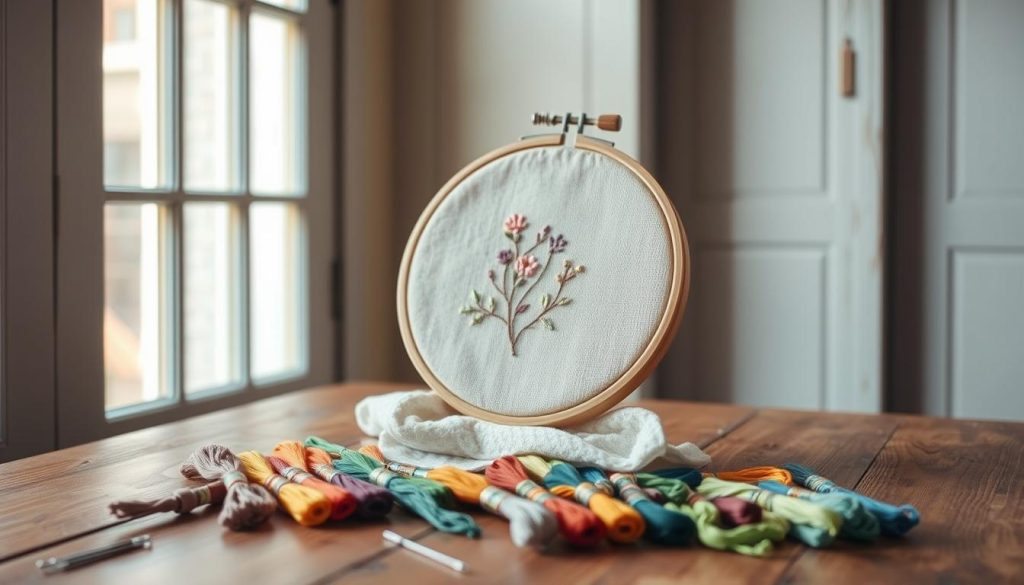
For samplers or practice squares, ready-made frames and DIY techniques save money and time. A clean mat, acid-free tape, and snug backing prevent common mistakes like sagging. Keep the look simple with basic glazing and few embellishments.
When custom framing is worth the price
Custom framing is worth it for pieces with emotional or monetary value. Use conservation-grade foamboard, museum glass, and hand-laced mounts for protection. Professional framing offers tailored solutions that DIY can’t match, ensuring long-term preservation.
Practical tips to stretch your budget
Upcycle frames from Goodwill or estate sales and replace old mats with acid-free ones. Mix DIY framing with occasional pro services. Do simple mats yourself and hire a framer for glazing or complex mounts. Ask local framers for referrals or discounts to save money without sacrificing quality.
| Project Type | Recommended Approach | Key Benefits |
|---|---|---|
| Beginner cross stitch practice | Ready-made frame, basic mat, simple backing | Low cost, quick turnaround, tidy display |
| Sentimental gift or seasonal display | DIY framing with acid-free materials, shadowbox if needed | Affordable depth for multi-item displays, protects arrangement |
| Heirloom or high-value work | Custom framing with conservation-grade mounts and museum glazing | Long-term preservation, tailored fit, minimized cross stitch mistakes over time |
| Mixed-media or bulky pieces | Professional shadowbox or custom depth frame | Secure mounting, proper spacing, prevents compression damage |
| Budget-savvy display | Thrift frame upcycle combined with pro glazing | Cost savings while improving protection and appearance |
Care, Maintenance, and Display Best Practices for Needlework
Keeping your cross stitch pieces bright and intact for years is easy. Just follow a few simple steps. These steps protect your floss and fabric from fading, pests, and damage.
When cleaning your frames, use a soft, lint-free cloth. Spray glass cleaner on the cloth, not the glass. This prevents moisture from getting into the frame. Also, avoid direct sunlight to prevent floss and fabric from fading or yellowing.
Keep your framed works away from humid places like bathrooms and basements. High humidity can cause mold.
For storing or transporting framed cross stitch, use archival tissue and flat packing. This protects your work from damage. Use protective corners and rigid boards to prevent pressure on stitches. Label boxes clearly and arrange items for easy access.
Keep your room’s humidity steady. A small dehumidifier or consistent HVAC settings help. Check your frame’s backing and hinges often. Replace any acidic materials with acid-free ones for better care.
Rotate your seasonal displays to avoid too much light. Move sentimental pieces to dimmer rooms during the brightest months. This helps prevent uneven fading and fabric weakening.
When moving your framed needlework, lift by the frame edge and keep your hands clean. For transport, keep frames upright and avoid stacking. These steps prevent damage to your delicate stitches.
Make an inventory for storing multiple items. Note the fabric type, mount style, and any special instructions. Good organization saves time and prevents mix-ups when you display or share your pieces.
Inspect your needlework every six months. Look for pests, loose threads, or foggy glazing. Early action fixes small problems before they get worse. Regular care keeps your needlework looking great.
Conclusion
Framing is key for protecting and presenting your CROSS STITCH and counted cross stitch pieces. Pick frames, mats, glazing, and mounts that show off your work and fit the room. Keep things simple and choose a frame that matches the piece’s style or era.
For heirloom pieces, use materials that last. Think about glazing based on how much light it will get. Mix sentimental items with your stitching in shadowboxes or mounts to create special displays without harming your work.
Measure carefully and know your fabric type before framing. Choose mats and glazing that will last. Decide between DIY framing and custom services based on your piece’s value and budget. With these tips, you’ll keep your embroidery safe and show off your masterpiece with pride.
 English