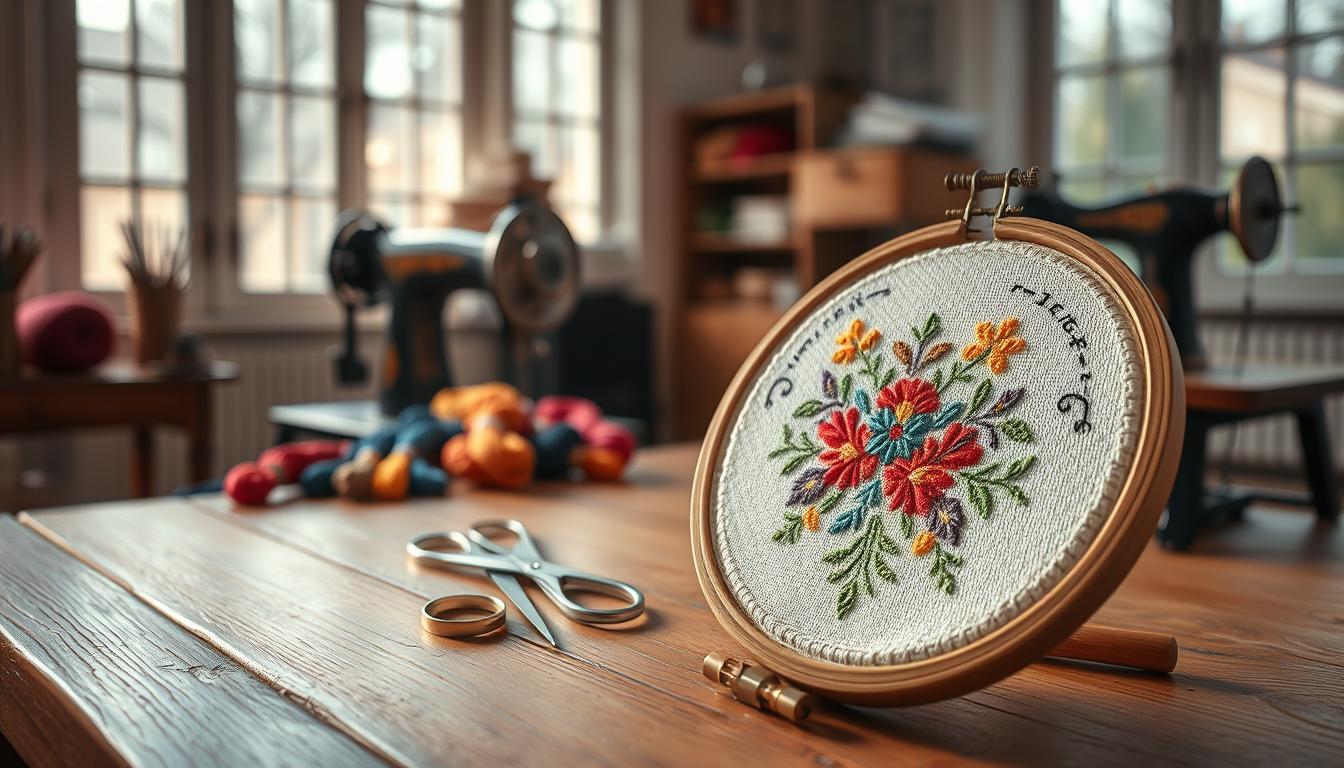
Buying a CROSS STITCH kit for a low price seems like a smart move. I thought so, so I picked a few cheap sets to learn and relax. But, I learned the hard way: the real cost is more than just money. It’s about the time wasted, extra supplies needed, and the stress that turned a relaxing hobby into a source of frustration.
The Dropcloth Sampler kit is worth mentioning. It comes with everything you need to start: preprinted fabric, an embroidery needle, a wooden hoop, three skeins of floss, a pin, a mini sampler, and a Creativebug trial. It’s great for beginners because you can practice basic stitches and build confidence with the mini sampler. However, it has its downsides. I noticed some floss didn’t match the fabric well, and the stitch diagrams were too simple for a beginner.
Needlework has been a healing activity for centuries. After World War I and II, it helped people recover from trauma. Recently, the lockdowns made it even more popular. Celebrities like Taylor Swift and Julia Roberts talking about their crafts also helped spark interest. This explains why many start cross stitch for its therapeutic and creative benefits, despite the temptation of cheap kits.
Key Takeaways
- Cheap kits can be tempting but often hide extra costs in time and replacements.
- Dropcloth Sampler is a decent starter with useful extras, yet it can have floss-to-fabric mismatches.
- Cross stitch therapy works best when tools and materials support, not hinder, progress.
- Look for clear stitch diagrams and accurate color matching before you buy.
- Use cross stitch tips to test fabric and thread early to save hours of rework.
Why I Tried Budget Kits and What I Expected
You choose a budget kit because it seems affordable. The listing promises an easy start. You think it’s a quick hobby to try, a low-risk way to learn basic techniques and enjoy simple cross stitch projects.
Ads that tout “all-in-one” packages and “beginner-friendly” layouts make the choice seem obvious. They promise everything you need in one package.
Buying decisions often come down to price versus promises. A low price can hide skimpy materials. But many kits include fabric, floss, and a hoop to look complete.
You expect clear instructions and matchable threads. You hope those elements let you avoid the usual cross stitch mistakes. Mistakes that turn a relaxing evening into a frustrating one.
Common marketing claims on cheap kits lean on convenience. Sellers advertise preprinted patterns, “DMC-like” shades, and charts labeled simple. But these claims can mask thin paper guides, vague symbols, or floss that won’t match the chart.
You might find the pattern geared toward practice rather than a display-quality finish. This can be disappointing.
Many beginner cross stitchers are targeted after trends show needlework helps with stress and focus. Brands and independent sellers tailor kits to novices with big, bold designs and promises of fast satisfaction. This tactic works, but it can mislead you.
When floss is low-quality or instructions skip steps, you end up learning about cross stitch mistakes the hard way. This can be frustrating.
Use cross stitch tips before you buy: check reviews, ask about thread brands like DMC, and look for photos of finished pieces. Smart choices at the start save time and keep your first projects rewarding instead of corrective work. These small precautions protect your time and your love for the hobby.
Unboxing Cheap Kits: What Was Missing or Low Quality
Opening a budget cross stitch kit is exciting at first. But, the excitement quickly fades if pieces are missing or materials are low quality. Here are the common issues I found and what they mean for your project.
Fabric issues that affect your work
Cheap kits often have off-white or unevenly woven fabric. The weave can be inconsistent, making it hard to keep stitch sizes the same. You might find areas that pull tight while others stay loose.
Preprinted designs may use ink that doesn’t match the thread palette. This means you might need to change colors or remove the printing before stitching. The fabric can also distort when hooped, affecting tension and the final look.
Floss problems: wrong shades and low-quality substitutes
Kits without real DMC floss often use generic substitutes. These can fluff, fade, or bleed in washes. I’ve seen skeins clash with the background, causing color shifts in the finished piece.
Switching to authentic DMC floss can solve many color and durability problems. But, it adds cost and time. If you use the kit’s floss, you might be surprised by color changes during stitching and after washing.
Poor or missing needles, hoops, and essential tools
Budget kits may include bent or dull needles that snag fabric and fray threads. Hoops can be flimsy wood that warps or hardware that slips, ruining tension. Some kits lack finishing tools like a good hoop, quality needle, or clear stitch diagrams.
Missing or low-quality items mean you’ll need to buy separate tools before finishing a single motif. Use basic embroidery hacks like testing needles on a scrap first and swapping in a trusted hoop to avoid frustration.
Pattern Problems: Hard-to-Read Charts and Misleading Cross Stitch Patterns
You open a kit excited, but the chart is cramped, fuzzy, or missing symbols. These issues turn a peaceful counted cross stitch session into a guessing game. Poor charts make you pause, compare, and re-count, losing confidence and wasting time.
Preprinted designs on fabric can make things worse. The preprint might not match the floss colors or the chart. When the preprint and chart disagree, you must choose which to trust. This choice often leads to misplaced stitches and color clashes that are hard to fix.
Many budget kits lack essential details for counted cross stitch. You might get a legend with vague symbols, no fabric count, or missing stitch counts. Without clear guidance, you risk misreading the grid and reworking large areas to align motifs and borders.
Backstitching is often left out. Kits might show an outline on the chart but fail to say whether to use one or two strands, which direction to stitch, or how to anchor ends cleanly. Missing notes on backstitching techniques hurt the final clarity of eyes, lettering, and fine details.
Use a simple checklist to protect your project before you begin:
- Compare chart symbols to the legend and test a small swatch.
- Match preprints to floss shades under good light.
- Confirm fabric count and plan gridding to reduce errors.
Clear cross stitch organization saves you from rework. Sort floss by number, label bobbins, and mark the chart as you stitch. These habits let you spot pattern errors sooner and keep counted cross stitch projects on track without guesswork.
How Cheap Kits Increased My Project Time and Frustration
You look forward to a calm evening of cross stitch. But cheap kits ruin the plan. Misprinted charts and wrong floss lead to hours of unpicking.
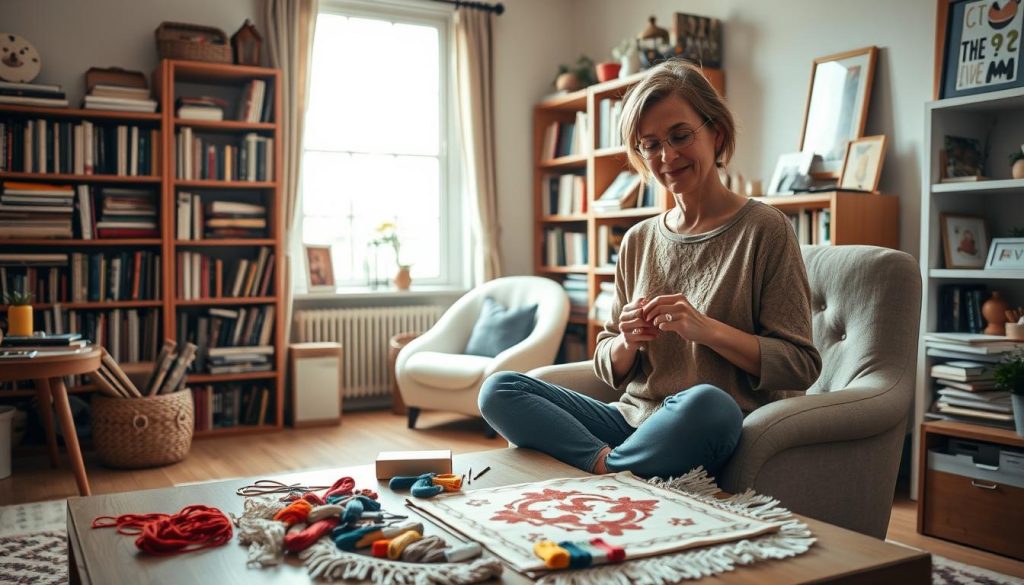
First, you face the challenge of fixing mistakes from bad patterns. A small error can mess up your whole design. You spend hours fixing it, which slows down your project.
Then, there are fabric and thread problems. Cheap fabric and thread don’t stitch well. You have to redo parts of your work to fix these issues. This takes away from the time you could use to learn new techniques or enjoy the therapy.
There’s also an emotional toll. A hobby meant to relax becomes a source of stress. You spend money on new supplies and look for tips to fix problems. Even with fixes, the constant interruptions ruin the calm you seek.
Here’s a quick guide to help you spot and fix common problems.
| Problem | Typical Time Lost | Simple Fix | Effect on Mood |
|---|---|---|---|
| Misprinted chart or wrong symbol key | 1–6 hours per incident | Cross-check with original chart, mark corrected grid | High frustration, loss of momentum |
| Mismatched or poor-quality floss | 30 minutes–3 hours (sorting, replacing) | Replace with DMC or color-match substitutes | Moderate annoyance, extra expense |
| Uneven fabric or poor weave | 1–4 hours (rehooping, reblocking) | Rehoop, use a stretcher bar, or change fabric | Stress from visible unevenness |
| Repeated small cross stitch mistakes | Variable, cumulative over project | Adopt preventive cross stitch tips like gridding | Reduced satisfaction, less enjoyment from therapy |
Hidden Costs: Replacements, Extra Supplies, and Wasted Time
Cheap kits might seem like a good deal at first. But, they often leave out important things. You might need to replace old threads, buy stronger fabric, or get better tools.
Buying replacement DMC floss or higher-quality threads
Many cheap kits use unknown threads that fade or don’t match the pattern. You’ll likely need to buy genuine DMC floss for consistent colors. A few skeins can make your total cost higher than a mid-range kit. This surprise expense can eat into any savings you thought you had.
Purchasing proper cross stitch tools and frames
The hoops or frames in cheap kits might warp your fabric. You might need to get wooden hoops, Q-snap frames, or professional frames for even tension. Good needles, an LED light, and a magnifier can help you stitch better and make fewer mistakes. But, these tools can add up quickly.
Cost of additional fabric, backing, and finishing materials
Low-cost fabric can distort while stitching, making it hard to finish professionally. You might need to buy extra Aida or linen, mounting board, and backing to stabilize it. If the fabric stretches or bleeds, framing shops might charge more to fix it. Spending on better finishing supplies can make the cheap kit not worth it.
The hidden costs affect your wallet and time. Replacing things, fixing tension, and redoing parts can turn a weekend hobby into a long task. If you want your work to look good, using reliable materials and organizing your cross stitch well will save you money and time in the end.
How Cheap Kits Affected My Finished Piece and Presentation
You expect a finished project to hang flat and look sharp. But cheap materials make that hard. Weak hoops, low-quality fabric, and poor threads changed how my piece looked the day I tried to frame it.
Problems with framing due to hoop or fabric distortion
When fabric stretches unevenly, the borders warp and the work refuses to lie flat in a frame. Cheap hoops often leave imprints or uneven tension. This makes framing hard and can force you to rehoop or re-stretch multiple times.
Uneven stitches and poor tension affecting visual outcome
Poor floss quality and inconsistent fabric count create visible differences in stitch size. Some areas pull tight. Other areas stay loose. This uneven tension reduces stitch definition and harms the presentation, leaving your pattern looking amateur even when the design is solid.
Durability and colorfastness concerns over time
Non-DMC substitutes and low-cost threads risk fading or bleeding when washed. Lack of colorfastness threatens long-term display. Over time, sunlight and cleaning can dull colors and blur outlines. This shortens the life of the piece and undermines careful cross stitch finishing.
| Issue | Cause | Impact on Finished Piece | Simple Fix |
|---|---|---|---|
| Fabric distortion | Cheap hoops, weak fabric weave | Warped borders, poor fit in frame | Re-stretch on linen or use stretcher bars before framing |
| Uneven tension | Low-quality floss, inconsistent fabric count | Patchy texture, reduced stitch definition | Switch to DMC or Anchor floss and practice consistent tension |
| Color bleeding | Non-colorfast threads, improper washing | Faded tones, muddied colors over time | Test colorfastness, prewash threads, or replace suspect skeins |
| Puckering when framed | Incorrect mounting technique, over-tightening hoop | Visible ripples, uneven display surface | Use acid-free mounting, pin stretch, or professional mounting service |
| Poor edge finish | Insufficient backing materials | Unfinished look, dust ingress | Add proper backing and glazing for clean cross stitch finishing |
Cross Stitch — Why Choosing the Right Kit Matters
Choosing the right supplies is key to a great start. A good kit helps you avoid mistakes and enjoy the process. Think about your skill level, the design you want, and the quality of materials before you buy.
Difference between beginner cross stitch kits and advanced counted cross stitch projects
Beginner kits are easy to start with. They have preprinted patterns and simple fabric. This lets you learn basic stitches and color changes easily.
Counted cross stitch projects are more complex. They require detailed charts and careful counting. You’ll need to manage backstitching and fractional stitches for detailed work. These projects take more time and effort.
How fabric count and weave impact stitch definition
Fabric count affects the size of your stitches. A 14-count Aida fabric gives a bold look. Higher counts, like 18–28, offer finer details and smoother shading. Choose based on the detail you want and how much time you have.
Weave quality is also important. Good weave ensures even stitches and prevents distortion. Poor weave can hide details, make counting hard, and ruin the design’s clarity.
Importance of accurate floss color charts and DMC floss matching
Good color charts with DMC floss numbers are essential. They help you match colors accurately. This saves time and money by avoiding color mistakes.
Don’t buy kits with “DMC-like” floss without numbers. These can fade or not match, forcing you to buy real DMC floss. Look for kits that list DMC codes and provide consistent skeins for the best results.
Practical Cross Stitch Tips to Avoid Cheap Kit Pitfalls
Before you buy, take a moment to inspect product listings and in-store kits. Look for close-up photos of the fabric weave, a full list of supplies, and confirmation of DMC floss numbers. Read reviews that include pictures. In a shop, feel the cloth, check the sheen of the floss, and ask to open packaging so you can see needles and hoops.
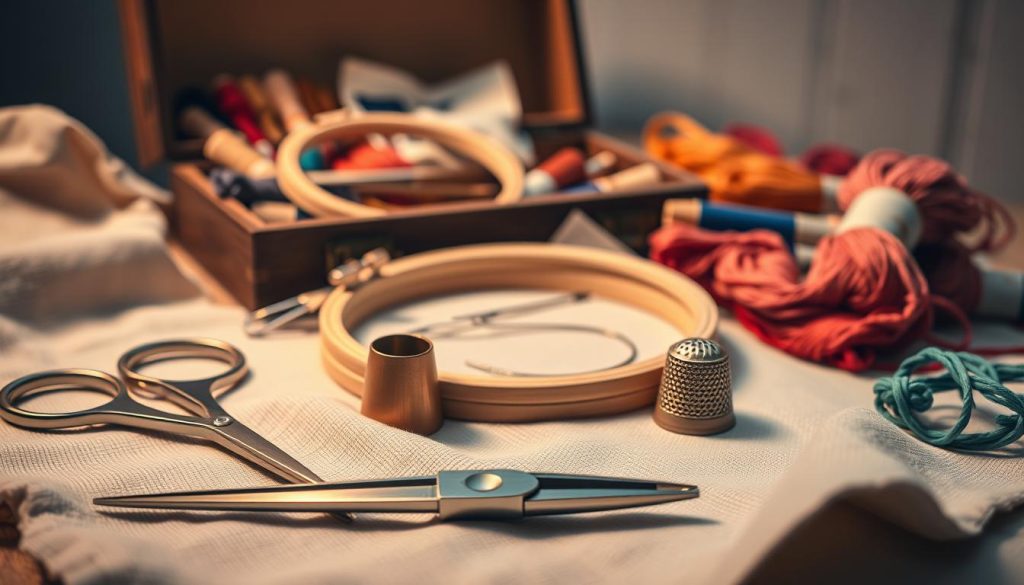
Test samples whenever you can. Make a few stitches on the included fabric to check tension and color contrast. Dab a loose thread with water to test colorfastness. Swap in a trusted skein from your stash if the included floss looks off. These small embroidery hacks save time and frustration later.
Replace flimsy needles and warped hoops at the start. Good cross stitch tools change how your stitches sit and how fast you work. Investing in a quality hoop or a blunt tapestry needle will improve stitch consistency and protect your fabric.
Use pre-gridding or basting to cut miscounts. Mark key grid lines with a water-soluble pen or baste a ten-by-ten grid before you begin. Cross stitch gridding prevents long, stressful frogging sessions and helps you track progress on complex patterns.
Organize your threads before stitching. Wind floss onto labeled bobbins, create a clear symbol-to-DMC key, and store bobbins in a box with dividers. Good cross stitch organization reduces color mix-ups and speeds up each session.
Combine these tips into a checklist: inspect photos and floss numbers, test fabric and thread, swap poor materials for trusted brands, pre-grid tricky areas, and set up labeled bobbins. Use this routine to spot problems early and keep your projects satisfying from first stitch to finish.
Repair and Rescue: Fixes for Problems from Low-Cost Kits
You can fix a project gone wrong with a solid plan. First, check the floss, pattern, and fabric. Then, start fixing it. Small fixes now save a lot of time later and turn a bad start into a learning experience.
How to reassign or replace poor-quality floss
Find the bad skeins and match them to good DMC threads. Use online charts from DMC or Anchor to find the right colors.
Replace bad skeins slowly. Test a small area with the new thread. You might need to use one or two strands to get the right look and feel.
Techniques for correcting pattern errors and misprints
Compare chart symbols to the legend line by line. Mark any mistakes with an erasable pen or sticky notes. This helps you avoid making the same mistake again.
If the design is wrong, trace a new chart on transfer paper or draw a grid on the fabric. Use the new chart to stitch, making it easier and less likely to make mistakes.
When to rehoop, rewash, or reblock your work
If the fabric is stretched or has hoop marks, take it out of the hoop. Test if the colors will stay the same on a scrap before washing. If they do, wash it gently to remove oils and shape it back.
Stretch the damp fabric on an acid-free board and pin it even to reblock. Let it dry flat. For the best look, consider framing or professional mounting if the hoop caused permanent warping.
- Fix floss problems first to avoid color bleeding when washing.
- Correct pattern errors before adding more stitches to avoid undoing work.
- Rehoop only after the fabric is fully dry and evenly tensioned.
Better Alternatives: Kits and Supplies Worth the Investment
Steering clear of cheap bundles can really boost your skills. Look for kits that list fabric details and DMC floss numbers. They should also have clear charts and instructions. Check out user photos and detailed lists from places like Herrschners, Annie’s, and 123Stitch to make your choice.
What to watch for in reputable cross stitch kits:
- Fabric that specifies count and weave so stitch placement is predictable.
- Floss keys that list DMC numbers for easy replacement and matching.
- High-resolution charts and a printed key that match the floss colors.
- Quality tools included or clearly noted: needles, hoop or frame, and a short guide.
Start with kits and samplers that offer good value. The Dropcloth sampler is great for beginners. It comes with a hoop, needle set, and a tutorial. Brands that use DMC floss and clear charts make your work easier.
Invest in a good frame and lighting. A wooden hoop or aluminum Q-Snap frame keeps fabric flat. A daylight lamp or magnifier reduces eye strain. Use proper cross stitch needles for smoother stitching.
Where to find reliable cross stitch patterns and embroidery inspiration:
- Marketplaces and pattern designers that provide DMC keys, high-resolution charts, and customer reviews.
- Embroidery blogs and teacher-led platforms like Creativebug for step-by-step classes and fresh ideas.
- Social accounts and community forums where stitchers post finished projects and tips you can adapt.
Find a balance between cost and quality to build a lasting toolkit. Choose reputable kits and starter kits to avoid frustration. Use samplers like the Dropcloth sampler to practice. Then, expand your pattern library as you gain confidence. Follow designers and classes for ongoing inspiration.
Beginner Cross Stitch Advice: Building Skills Without Breaking the Bank
Start with small, practical projects. These teach you the basics without spending a lot. Choose patterns with simple symbols and clear charts to help you learn neat stitches.
Begin with short samplers, motifs, or ornaments. They help you get better at tension and backstitching. Plus, you can display your finished work proudly.
Before buying more, check what you already have. Use leftover fabric and floss to save money and reduce waste. Make sure the threads you use are colorfast and strong.
Invest in one quality item at a time. A small Aida square and a DMC floss pack are enough to practice many techniques. Brands like DMC and Anchor ensure consistent colors.
Use projects that are both practice and gifts. Tiny samplers, coasters, and tags are great for learning and giving. This way, you turn practice into useful items.
Organize a simple kit from your stash. Include scissors, a needle case, a hoop, and a thread card. Good organization saves time and helps you stitch better.
When picking beginner kits, read reviews carefully. Look for kits that list fabric count and DMC equivalents. Good kits teach you right and avoid bad supplies. Short, clear patterns help you learn faster.
Practice with purpose. Work on small parts, focus on one stitch type, and note your progress. These habits help you improve quickly without wasting money.
Conclusion
Cheap cross stitch kits might seem like a good deal at first. But, the true cost comes later. You might save money upfront but then spend hours fixing mistakes, buying new floss, and getting better tools.
These hidden costs and frustrations can ruin the relaxing fun of cross stitch therapy. It’s not just about saving money.
Before buying, check the kits for clear charts, listed floss numbers, and good fabric. Use simple tips like testing threads, gridding fabric, and organizing supplies. Start with small, quality projects or a reliable sampler to learn without making big mistakes.
If a project goes wrong, don’t give up. Try rehooping, replacing bad floss, or fixing pattern errors. Investing in a good kit and proper tools makes the hobby more enjoyable. You’ll finish projects you’re proud of and improve your skills for bigger projects.
 English