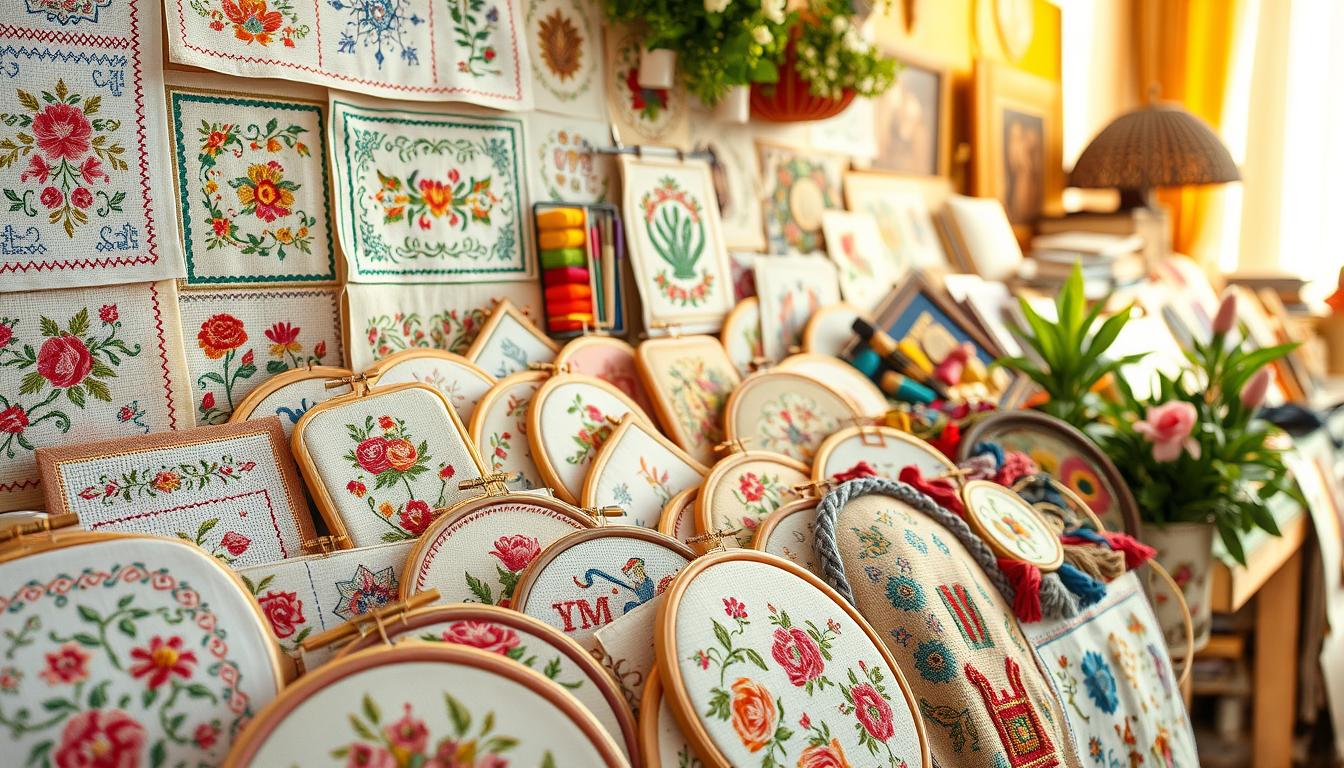
You want a project that fits your time, tools, and taste. Cross stitch is a counted needlework that builds X-shaped stitches on a grid. It’s usually done on Aida fabric or even-weave. A clear pattern chart maps each square to one stitch, so learning how to choose cross stitch patterns starts with understanding that simple match between chart and fabric.
Beginner cross stitch success often comes down to kit choice and basic supplies. Brands like DMC and Dimensions offer starter kits. These kits include Aida fabric (11- or 14-count), DMC Stranded Cotton floss, needles, and a chart. These kits cost around $5–$10 and give you everything to practice center-start stitching and sectioned work on manageable designs.
When you pick a pattern, think about scale, materials, and finish. Small motifs let you test color contrast and thread separation without a big time commitment. If you plan mixed-media or home decor pieces, plan fabric layers and accents like leather or brass before you stitch. Use these cross stitch tips to match pattern complexity to your tools and space, so your next piece looks intentional and fits your decor.
Key Takeaways
- Cross stitch is counted work: one chart square equals one X-shaped stitch.
- Start with 11- or 14-count Aida and DMC Stranded Cotton for beginner cross stitch.
- Starter kits from DMC or Dimensions are affordable and include essential supplies.
- Choose small motifs first to practice color reading and sectioned stitching.
- Plan materials and finish early if you’ll add mixed-media or decor elements.
Understand What Cross Stitch Is and How It Differs from Embroidery
Counted cross stitch uses a simple grid on Aida or even-weave fabric. Each square is matched with an X-shaped stitch. Charts guide you with symbols and colors for precise placement.
This craft is easy to start because of its predictable grid. Aida fabric in 11 or 14 count has visible holes. These holes help you place stitches correctly, making it easier to learn.
Embroidery is different, with varied stitches like satin and French knots. It’s done on plain linen or cotton. This method allows for texture and creativity, unlike the strict patterns of cross stitch.
Your choice of pattern depends on what you want to achieve. For exact designs, choose counted cross stitch on Aida. For more texture and freedom, go for free-form embroidery.
Backstitching is useful in both. It outlines shapes in cross stitch and adds lines in embroidery. Knowing these differences helps you pick the right tools and patterns.
Definition and core mechanics of cross stitch
Counted cross stitch involves X-shaped stitches on a grid. Charts guide you on color. It’s all about counting, consistent tension, and thread separation for even stitches.
Why counted cross stitch and Aida fabric make patterns beginner-friendly
Aida fabric’s clear holes make counting easier. Kits from DMC include everything you need. This setup helps beginners focus on learning without getting overwhelmed.
Key differences between cross stitch and free-form embroidery for pattern choice
Cross stitch is all about precision and clean designs. Free-form embroidery is about texture and creativity. Choose cross stitch for charts and free-form for experimenting with materials.
Identify Your Skill Level and Beginner Cross Stitch Considerations
First, look at the projects you’ve finished. If you’ve done small designs, try bigger samplers. For newbies, start with tiny motifs to learn quickly without getting frustrated. Choose patterns that match your skill level.
How to assess your experience:
- If you’ve done one or two small pieces, try a medium sampler with simple repeats.
- If you’ve only stitched a few crosses, start with coaster-sized or bookmark motifs.
- Check if you can count across 20 to 30 squares without mistakes.
Fabric counts and thread use for beginner cross stitch:
| Fabric | Typical Count | Recommended Strands | Why It Helps |
|---|---|---|---|
| Aida | 14-count | 2 strands of DMC floss | Clear squares, easy to count, neat coverage |
| Aida (larger) | 11-count | 2–3 strands depending on coverage | Bigger stitches for visual ease and faster progress |
| Even-weave | 28-count (works as 14 over two) | 2 strands | Finer detail for when you’re ready to advance |
Use DMC floss for consistent color and easy strand separation. Most beginners do best with two strands on 14-count Aida. Adjust strand count for different fabrics or looks.
Starter patterns and cross stitch kits:
- Choose cross stitch kits from trusted brands like DMC or Dimensions. Kits include chart, fabric, floss, and needle.
- Start with simple motifs: flowers, small animals, initials, seasonal icons, or coasters.
- Small samplers and bookmarks help you practice color changes without thread management issues.
Watch for common cross stitch mistakes to avoid setbacks. Use Aida for counted projects, separate and label strands before stitching, avoid knots, and secure thread ends by weaving. Start each design at the center and work outward to stay aligned with the chart.
If a project looks too large, break it into sections and reposition as you go. This prevents creases and keeps tension even. With steady practice and the right starter cross stitch kits, your skills will grow and patterns that once seemed hard will feel manageable.
Define Your Project Goal and Cross Stitch Ideas
First, decide what you want your finished piece to do. A small framed motif is perfect for a thoughtful gift or a simple home decor touch. Wearable items and patches need fabric and finishing that can handle washing and movement.
If you’re looking for calm and focus, use cross stitch as therapy. The repetitive X-stitches can help quiet your mind.
Consider the time and size of your project before choosing a pattern. Small projects like bookmarks or ornaments can be finished quickly. But, larger samplers and full-coverage designs may take longer.
Choose cross stitch projects that fit the time you have each week. This way, you won’t have unfinished works taking up space.
Think about the design style to match the place or person it’s for. Traditional florals and animals are great for classic interiors. Modern geometrics and minimalist quotes work well in contemporary rooms.
Seasonal themes can refresh your home each year. Mixed-media pieces with couching, appliqué, or leather accents are perfect for eclectic aesthetics. Plan material layers in advance.
For gifts and wearables, pick cross stitch patterns that simplify finishing. Patterns for pillows, hoops, or patches include clear margins and suggested hoop sizes. When designing for therapy, choose repetitive motifs and moderate color palettes to support relaxation.
Plan mixed-media ideas before stitching. Tack collage elements in place and stitch outward from a safe anchor point. This avoids centering errors. Match thread colors and hardware finishes to the intended setting for a polished look.
Use tested kits from brands like DMC for consistent results and clear instructions. Browse pattern sources for inspiration and stylistic cues. Keep your goals practical and let the work guide you toward satisfying finishes.
Consider Fabric and Materials: Cross Stitch Fabric and DMC Floss
Choosing the right materials is key to a successful project. Pick a fabric that fits the pattern’s detail and the size you want. The fabric count affects stitch size and the final piece’s size, so check your pattern first.
Choosing the right fabric
Aida is great for beginners because it’s easy to work with. It comes in 11- and 14-count, perfect for starting out. For finer details, even-weave and linen are better. Remember, 28-count even-weave is like stitching over two threads on Aida.
Thread selection and DMC stranded cotton
DMC floss is known for its color consistency and shine. It has six strands, making it versatile for different fabrics and patterns. Most charts ask you to split strands, like using two on 14-count. Always check color keys and consider colorfastness if your project might get washed.
Hoops, frames, and essential tools
Use cross stitch frames or hoops to keep fabric tight and prevent puckering. For Aida and even-weave, use tapestry needles to avoid thread splits. Keep scissors, a needle minder, good lighting, and a magnifier for long sessions. Thread organizers and bobbins help manage many colors without tangles.
Practical cross stitch tips for mixed-media work
For adding bulky yarns or sari silk, use couching to secure them. Tack elements before detailed stitching to prevent movement in frames. Choose fabric and tools that match the pattern’s scale for comfort and accuracy.
Quick checklist
- Match fabric count to pattern for correct finished size.
- Use quality DMC floss and separate strands as instructed.
- Select a hoop or frame that keeps even tension, such as Elbesee-style options.
- Gather scissors, needle minder, lighting, magnifier, and thread organizers.
- Test colorfastness when necessary and prep fabric if you plan to wash the finished piece.
Pattern Complexity: Counting, Stitches, and Cross Stitch Techniques
Choosing a pattern means dealing with counting, different stitches, and chart layouts. Think of the chart as a map. Each symbol shows a color and one stitch in a square. Color keys list DMC codes for easy shade matching.
Full cross stitches cover most areas. Half and quarter stitches help with smooth curves and avoid a pixelated look in small details.
Reading charts, symbols, and color keys in counted cross stitch patterns
First, find the center marks on the chart and fabric. Count squares carefully to avoid mistakes. Use the legend to check symbols, floss numbers, and strand counts. A clear legend helps stitch quickly and avoid color mistakes.
When to expect half stitches, quarter stitches, backstitching techniques, and French knots
Designers use half and quarter stitches for shapes like faces and petals. Look for small triangles or split symbols for these stitches. Patterns often tell you how many strands of DMC floss to use.
They also note when to use French knots for details like eyes or texture.
How backstitching and specialty stitches affect finishing and perceived detail
Backstitching makes edges sharp and defines small details. It helps tiny elements stand out. French knots add texture and draw the eye to specific points.
If a pattern uses many specialty stitches, plan for extra time. This ensures even tension in your stitches.
Consider if you prefer counted projects or a freer, mixed-media approach. Some modern pieces use straight stitches, running stitches, and couching for texture. This choice affects which stitches to learn first and which patterns fit your style.
Assess Pattern Readability and Designer Notes
Before starting, check the chart for clear symbols and a readable grid. Also, look for a well-organized color key with DMC codes. Good pattern readability helps avoid counting errors and keeps frustration low.
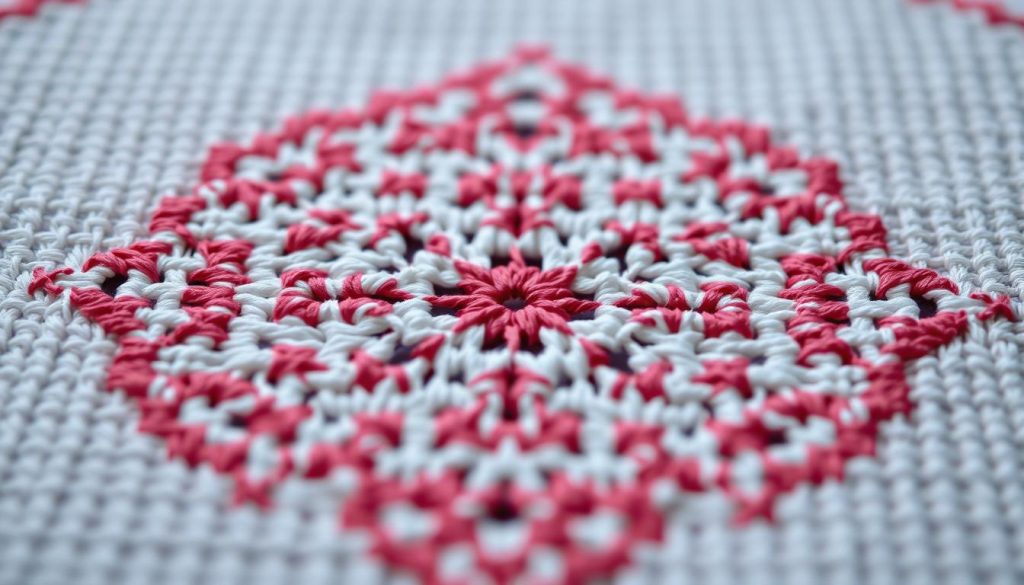
What a clear pattern chart looks like and why legibility matters
Look for bold grid lines every ten squares. Also, check for distinct symbols that don’t overlap. Page numbering is important if the design is on multiple sheets.
A center mark and a complete legend help find your starting point. They also keep alignment accurate.
Checking for designer notes on color substitutions, stitch order, and finishing tips
Good designer notes explain color swaps and stitch order. They also cover how to handle fractional stitches and backstitching. Brands like DMC and Dimensions often include step-by-step guidance in kits.
If notes mention tacking or couching for mixed-media elements, test those techniques on a scrap first.
Identifying patterns with good support for beginners vs. advanced stitchers
Beginner-friendly cross stitch patterns offer fabric count suggestions and floss usage. They also provide finishing tips with clear steps. Advanced charts may assume prior experience and skip step-by-step directions.
This increases the chance of cross stitch mistakes if you attempt them too soon.
Use these cross stitch tips when choosing a pattern: pick designs with full legends. Look for explicit instructions on specialty techniques. Prefer patterns that offer troubleshooting notes. Good documentation saves time and improves your final piece.
Match Pattern Scale to Your Tools and Workspace
Before buying fabric, think about your finished piece. A 100×100 stitch chart looks bigger on 11-count Aida than on 14-count. Planning early helps choose the right fabric and think about framing and display.
How fabric count influences finished size and needle choice
Fabric count affects your design’s density. Lower counts mean bigger stitches and a bold look. Higher counts offer more detail but need finer needles.
Choose a tapestry needle that fits the fabric. Use blunt tips for Aida, and thin needles for even-weave and linen.
Selecting the right hoop, frame, and lighting for large vs. small patterns
Small motifs fit standard hoops well. For big samplers, use Q-Snap or scroll frames for even tension. Elbesee-style hoops improve framing.
Bright, adjustable lighting and a magnifier or lamp reduce mistakes and protect your eyes.
Workspace ergonomics and organization to avoid common cross stitch mistakes
Choose a chair and table that keep your elbows close. Take breaks to avoid fatigue and mistakes. Organize floss on bobbins and label colors to avoid tangles and wrong threads.
Work in sections and mount frames carefully to avoid creases. Start noncentral elements first for mixed-media layers. Good ergonomics and tidy tools reduce mistakes and speed up your work.
| Project Size | Recommended Fabric | Needle Choice | Best Frame | Lighting/Tools |
|---|---|---|---|---|
| Small motif (under 50×50) | 14-18 count Aida | Tapestry needle size 24 or 26 | Standard wooden hoop or small Q-Snap | Adjustable desk lamp, small magnifier |
| Medium sampler (50–200 stitches wide) | 11-14 count Aida or 28-count even-weave | Tapestry needle size 24 for Aida, 26 for even-weave | Q-Snap or Elbesee-style hoop for tension | Floor lamp with daylight bulb, magnifier as needed |
| Large project (over 200 stitches) | 14 count Aida or 28–32 count linen/even-weave | Tapestry needle 24–28 depending on fabric | Scroll frame or large Q-Snap | Bright task lighting, head-mounted magnifier, ergonomic chair |
Use Cross Stitch Organization and Gridding to Simplify Complex Patterns
When you start a big design, planning ahead saves a lot of time. Begin by aligning the chart grid with your fabric. Use a water-soluble pen, light basting thread, or preprinted Aida to mark 10×10 blocks. This method reduces counting mistakes and helps spot errors early.
Keep your threads organized to make color changes smooth. Use thread organizers, bobbins, and labeled cards for many shades. Write DMC codes next to each slot to avoid searching for numbers. Good organization makes stitching easier and less interrupted.
Use small tools to protect your work. A stitch ripper is great for fixing mistakes. Remove only the wrong strands and re-stitch them. Weave thread tails under stitches to avoid knots and keep tension even.
Try these embroidery hacks to speed up setup and reduce errors. Highlight completed blocks with a highlighter or use magnetic boards and clips. A needle minder keeps your needle safe between sessions. For mixed-media, couching and tacking secure bulky elements before adding details.
Organize your workspace for better progress. Keep a notebook or card with floss counts and stitch notes near your frame. Use labeled storage for spare bobbins and a tray for needles and scissors. Good organization at your table makes every session more productive and less messy.
Adopt a simple routine for fixing mistakes. Stop when something looks wrong, use a magnifier or good light, and lift only the wrong stitches. For common problems, re-check your gridding against the chart and adjust future marking. These tips reduce frustration and keep your project moving.
Factor in Color, Contrast, and Visual Impact
Choosing colors is key to making a piece stand out from afar. At stitch scale, small shades can blend into one. So, pick colors that have clear differences in lightness and hue. Check DMC codes against your lighting to avoid surprises under warm or cool bulbs.
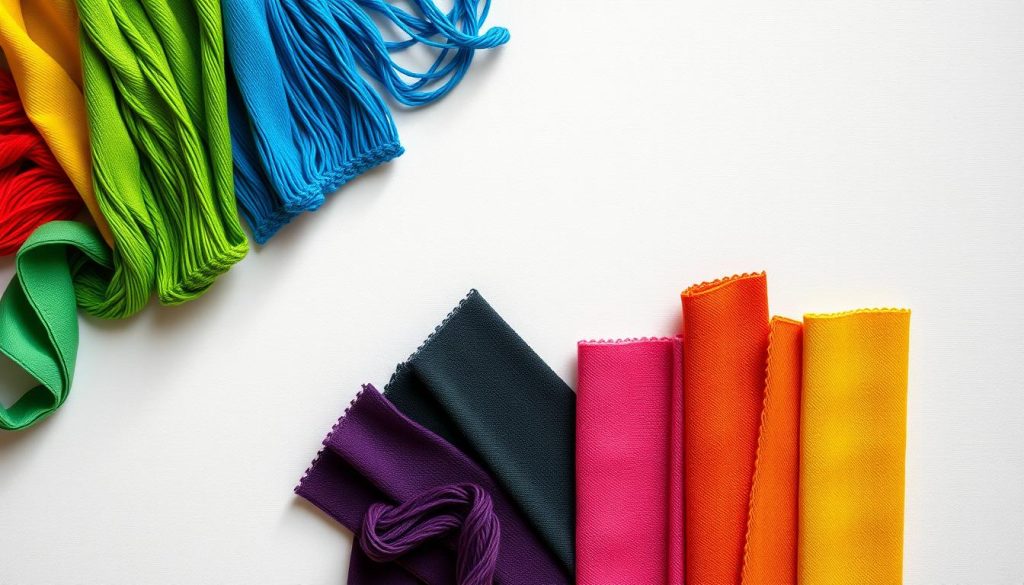
Contrast in cross stitch guides the eye. Strong contrast makes focal points pop. Backstitching defines edges and adds sharpness to small motifs. Leave negative space so your design can breathe and stay clear at normal distance.
Adapting a design? Think about how color changes affect readability. Swap DMC shades carefully, then test a small swatch. Designer notes often list acceptable substitutions that keep contrast intact.
For mixed-media, add texture to boost color impact. Couching a metallic rayon or adding a tiny silk accent can enhance a palette. Start with colors near the fabric hue, then add bolder accents to reinforce focal areas.
Need quick cross stitch ideas? Try three-step palettes: a light background, a midtone for fill, and a dark for outlines. This trio preserves clarity and simplifies thread selection. It works for florals, geometric samplers, and modern motifs alike.
Below is a compact guide to help you choose and test palettes before committing to a full project.
| Step | Action | What to Check |
|---|---|---|
| 1 | Pick base fabric and lighting | Note fabric tone and test under room light and daylight |
| 2 | Select 3–5 DMC shades | Ensure clear tonal steps and label DMC codes |
| 3 | Stitch a 20×20 swatch | Look for color blending at viewing distance |
| 4 | Add contrast elements | Include backstitch or a darker accent to define edges |
| 5 | Decide on recolor cross stitch moves | Swap one shade at a time and re-test swatch |
| 6 | Consider mixed-media accents | Plan couching or metallics for small highlights |
| 7 | Finalize palette | Record final DMC list for your pattern and notes |
Evaluate Time, Cost, and Project Sustainability
Before starting a pattern, think about the time and cost. Small motifs are great for short sessions and give quick satisfaction. Large samplers, however, need more time and supplies.
This helps avoid leaving projects unfinished and keeps your hobby fun.
First, look at the pattern details for material estimates. Patterns list DMC floss colors and skein counts. Use these to plan your thread purchases.
Remember to add fabric needs for the finished size plus extra. Don’t forget to include costs for hoops, frames, needles, scissors, organizers, and good lighting.
Starter kits cost $5–$10. More expensive fabrics or specialty kits increase costs. A budget helps avoid stopping projects mid-way.
Investing in quality tools saves money in the long run. It also improves your stitching.
Match the pattern size to your available time. Choose small projects for short sessions and larger ones for longer periods. This keeps you moving forward and builds skills without stress.
Sustainability is key for long-term stitching. Use reusable hoops and sturdy frames. Consider using scrap linen or cotton for backings and mixed-media bases.
Couching lets you add thicker threads without damaging the fabric. This expands your texture options while preserving the fabric.
Test attachment methods on scrap fabric before adding fragile materials. Start with heavier elements, then secure with small stitches or couching. This protects your work and ensures it lasts for display or gifts.
| Item | Typical Cost (USD) | Notes |
|---|---|---|
| Starter kit (basic DMC kit) | $5–$10 | Includes small pattern, floss, Aida, basic needle |
| DMC skein | $0.80–$1.50 | Buy by color; use thread usage estimate to calculate totals |
| Aida or even-weave fabric | $3–$15 per yard | Price varies by count and brand; larger projects need more yardage |
| Hoop or Elbesee-style frame | $8–$60 | Invest in sturdy tools for better tension and reuse |
| Needles, scissors, lighting, organizers | $10–$80 | One-time purchases that improve workflow and protect investment |
| Upcyclable materials (scraps, reclaimed threads) | $0–$10 | Low cost when sourced from fabric scraps or thrift finds; adds unique texture |
| Mixed-media supplies (adhesives, backing materials) | $5–$30 | Needed for couching and attaching nontraditional elements |
Planning your projects with cost and time in mind makes stitching sustainable. Start with affordable kits and quality tools to save money. Using upcyclable materials and tested methods boosts sustainability while keeping your creativity flowing.
Conclusion
Choosing a strong cross stitch pattern is all about balance. Start with beginner kits on 14-count Aida and DMC Stranded Cotton. Practice full crosses and simple backstitch first.
Once you get the hang of it, try half stitches, French knots, or mixed-media. These steps help you avoid frustration and build a solid technique.
Before buying a pattern, check if it’s readable and matches your tools and space. Grid your fabric and organize your DMC floss. Choose a hoop or frame that keeps tension even.
Good pattern charts and clear designer notes save time and reduce mistakes. Following cross stitch techniques step by step makes a big difference.
Consider how the finished piece will fit in your home. Choose colors and textures that match your decor. Try couching or layered materials for a modern look.
Start your projects away from the center to correct mistakes without ruining a key part. By following this framework, you’ll make better choices and enjoy the process more.
 English