If you started with Aida for counted cross stitch, you know why it’s great for beginners. Zweigart’s Aida weave made it easy for many to begin stitching. But, as stitchers get better, they often switch to evenweave or linen.
This guide will show you why making the switch is worth it. You’ll learn how evenweave’s equal thread counts make stitches like petit point and fractional stitches easier. Plus, you’ll get tips on tools, gridding, and workflow to make your work look better.
Later, we’ll explore fabric definitions, thread counts, and compare them to Aida and linen. We’ll also look at fabrics like Lugana, Jobelan, and Belfast. By the end, you’ll know how to move from beginner stitches to more detailed work.
Key Takeaways
- Evenweave gives consistent stitch size for finer counted cross stitch work.
- Experienced stitchers choose evenweave for petit point and fractional stitches.
- Switching fabrics often requires different needles, lighting, and gridding methods.
- Lugana, Jobelan, and Belfast are common evenweave choices in the U.S. market.
- Practical cross stitch tips and tools improve precision and final texture.
What evenweave fabric is and how it differs from Aida and linen
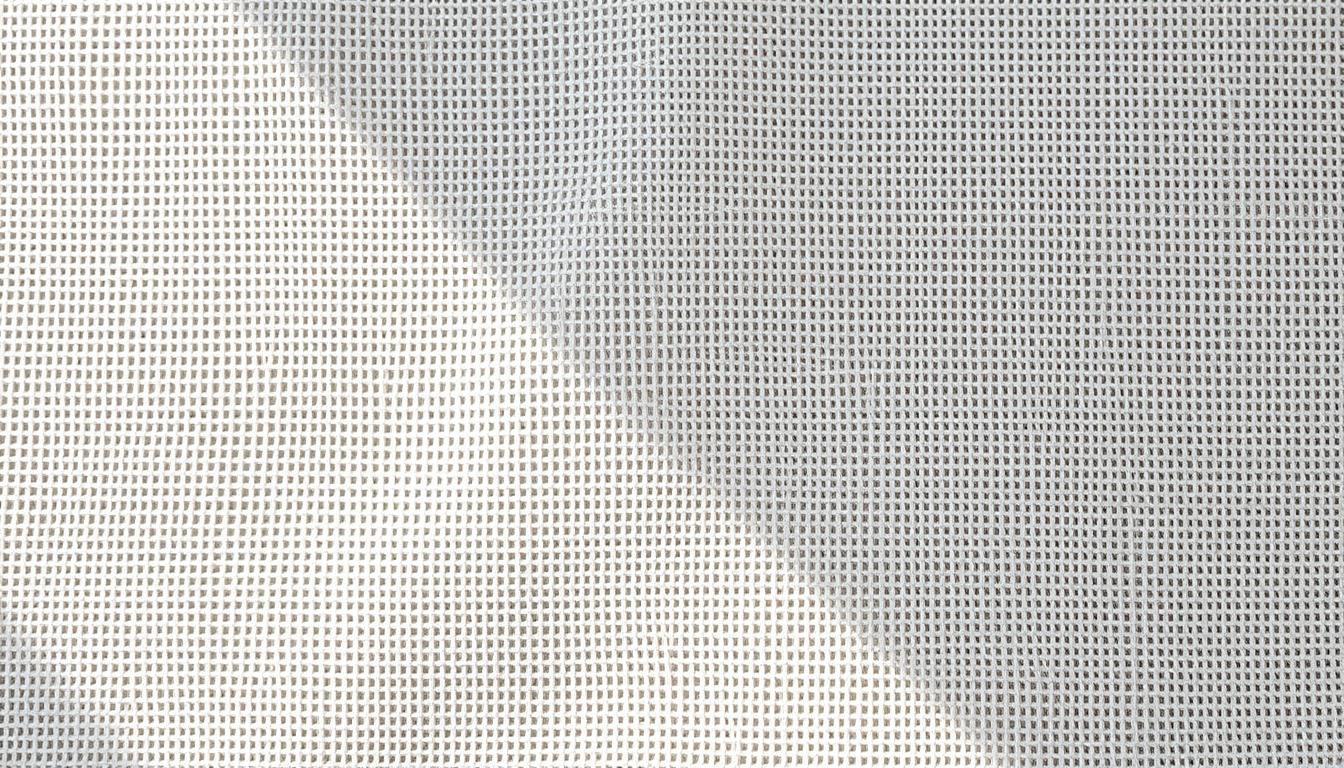
Evenweave fabric feels smooth and regular. This is because threads are evenly spaced in both directions. It’s a favorite for counted cross stitch because of its even surface.
Definition and weave characteristics
Evenweave fabrics include cotton blends like Lugana and Jobelan. They also have some rayon mixes. These fabrics have the same number of threads in both directions.
Unlike Aida, evenweave has a finer weave. This makes it less grid-like. Linen, on the other hand, has natural irregularities in thread thickness. These irregularities can affect stitch size slightly.
Thread count vs. square count: how evenweave is measured
Aida is described by squares per inch, like 14 or 18. Evenweave, however, uses thread counts like 28, 32, and 36. Stitching “over two” threads on a 28-count evenweave gives the same size as 14-count Aida.
This math helps you plan your project’s size and choose the right floss. It’s important for cross stitch projects.
Why even thread thickness matters for stitch consistency
Uniform thread thickness ensures stitches are the same size in all directions. This makes it easier to follow charts and use advanced techniques. Even thread thickness is crucial for consistent coverage and a refined texture.
Linen’s variable threads can create a vintage look. But for detailed work, even thread thickness is better.
Why experienced stitchers prefer evenweave for detailed work
Switching from Aida to evenweave changes everything. This fabric offers a finer canvas for CROSS STITCH, making small details clear and shading smooth. You’ll find it easier to use techniques like petit point, thanks to the even threads.
How higher thread counts enable finer detail and petit point
Evenweave fabrics in 28, 32, or 36 counts are perfect for detailed work. They allow you to stitch over two or one threads. This makes it easier to create fine details, like in portraits and small features.
Comparison of finished texture: less blocky, more refined than Aida
Evenweave or linen gives a smoother finish than Aida’s grid. Your projects will look more refined because stitches blend together. This results in a less blocky texture and a professional finish.
Examples of projects that gain from evenweave (samplers, portraits)
Evenweave is great for samplers with tiny text, portraits, and detailed florals. It’s perfect for creating heirloom linens and decorative pieces. Try a small portrait or sampler to see the difference evenweave makes.
Practical benefits for your cross stitch techniques
Switching to evenweave offers clear benefits. You get better control over complex charts. Small details are where you expect them, making common techniques easier.
Evenweave helps with fractional stitches and backstitch placement. It creates uniform holes at intersections. This makes your stitches clean and your backstitching crisp.
Ease of fractional and backstitching techniques on evenweave
Evenweave makes fractions predictable. This consistency helps with color changes in shading charts. It improves your accuracy.
Working over two threads: predictable stitch size and layout
Stitching over two threads gives consistent stitch size. For example, a 28-count evenweave looks like a 14-count Aida. You can also stitch over one thread for more detail. This flexibility helps with planning your project.
Reduced need to force needle through woven blocks (needlework ease)
Evenweave makes it easier for the needle to pass between threads. This reduces fabric distortion and needle fatigue. You’ll spend more time stitching and less time fixing mistakes.
| Benefit | How evenweave helps | Practical tip |
|---|---|---|
| Fractional stitches | Clear, uniform holes at intersections | Practice 1/4 and 3/4 stitches on a scrap before starting a portrait |
| Backstitch clarity | Precise placement for outlines and detail | Complete backstitching after full cross areas to avoid distortion |
| Predictable sizing | Stitch over two threads for Aida-equivalent size | Calculate fabric size by halving evenweave count for pattern match |
| Needlework comfort | Needle slips between threads, reducing strain | Use a size 26 or 28 tapestry needle on finer counts for smoother pulls |
Tools and supplies that pair best with evenweave
Choosing the right tools makes stitching on evenweave smoother and more fun. The fabric’s tight weave and soft feel need careful tool selection. Here are some practical tips to make your next project look its best without strain or distortion.
Needle recommendations
For 28–36 count evenweave or linen, use finer tapestry needles in sizes 26–28. These needles move through threads smoothly without splitting. They also have blunt points to protect the fabric from accidental piercing. Brands like John James and Tulip offer reliable tapestry needles for high-count fabric and delicate floss work.
Lighting and magnification
Good light is key for tiny holes and subtle color shifts. A magnifying lamp reduces eye strain and helps with color and stitch placement on high-count pieces. Combine natural daylight with a white pillow or board under dark fabrics to make holes easier to see when counting.
Hoops, frames, and stitch holders
Evenweave can bunch or distort if tension is uneven. Use cross stitch frames, Q-snaps, or stretcher bars to keep fabric flat without pulling too tight. For larger projects, scroll frames and lap frames help maintain constant tension across the work. A firm, well-fitted hoop is fine for small motifs.
Think of cross stitch tools as partners that protect your fabric and eyesight. Proper tapestry needles, a magnifying lamp for long sessions, and stable cross stitch frames will protect your stitches and your patience.
Good cross stitch organization keeps these items handy. Store needle packets, spare frames, and the magnifying lamp in labeled bins or a dedicated toolbox. This way, you spend more time stitching and less time hunting for gear.
How switching to evenweave changes your cross stitch workflow
Switching to evenweave changes how you plan and stitch. Your tools stay the same, but you need to adjust your steps. This is because evenweave has finer counts and softer fabric.
Gridding becomes more important on evenweave. Tiny holes can lead to mistakes. Use a water-soluble pen or contrasting thread to grid your fabric. This helps you stay on track, especially in busy areas.
Choose a counting method that fits your pattern. For detailed work, like portraits, use the English method. It lets you place stitches one at a time. For long stretches of color, the continental method is faster.
Many stitchers mix both methods. Start big areas with the continental method. Then, switch to English for detailed parts. This way, you work efficiently without losing precision.
Marking charts and tracking your progress is key on evenweave. Highlight completed areas on paper charts or use an app. Keep track of your floss to avoid mistakes when changing colors or taking breaks.
For complex patterns, divide your work into small areas. Use a grid and mark your chart to match each section. Keep a record of your floss usage. This helps you avoid mistakes and keeps colors consistent.
Below is a quick reference comparing gridding and counting approaches and when to use them.
| Task | Best practice on evenweave | Why it helps |
|---|---|---|
| Cross stitch gridding | 10×10 water-soluble pen grid or basted thread grid matching chart | Prevents miscounts on small holes and simplifies locating pattern motifs |
| Counting method for detail | English method for single stitches and corrections | Offers precise placement for portraits, faces, and fine shading |
| Counting method for coverage | Continental method for long rows and backgrounds | Speeds stitching while maintaining even tension across fabric |
| Chart marking | Highlight completed blocks and log DMC floss numbers with strand counts | Reduces errors and ensures color consistency across sessions |
| Hybrid workflow | Use continental for base rows then switch to English for complex motifs | Balances speed with precision for efficient cross stitch workflow |
Common embroidery mistakes to avoid when learning evenweave
Learning evenweave takes patience and care. You’ll see better detail if you avoid common mistakes. Use steady habits and the right tools to keep your fabric flat and your motifs accurate.
Pulling tension too tight
Pulling stitches too tight can make the fabric pucker and distort, especially on linen and evenweave. Use a supportive frame or stretcher bars to keep your tension gentle and even. If a stitch looks sunk, loosen the next few stitches rather than tightening them to compensate.
Mishandling fractional stitches and petit point
Fractional stitches add fine detail but misplacing a 1/4 or petit point can mess up facial features and small motifs. Practice the “over two threads” placement on a scrap before starting a project. Start each fraction beside an existing full stitch so the weave guides your placement and the tiny stitches don’t slip under adjacent threads.
Failing to secure edges—fraying prevention and finishing tips
Evenweave and linen fray at the edges once cut. Secure raw edges with a zigzag stitch on a sewing machine, masking tape, or a light basting stitch to stop fraying. Pre-wash a small scrap to test dye fastness before stitching the main piece.
| Problem | Likely Cause | Quick Fix |
|---|---|---|
| Fabric puckering | Too-tight tension or no frame | Use an adjustable hoop or stretcher bars; relax stitches |
| Misaligned details | Incorrect fractional stitch placement | Practice over two threads; mark a guide grid |
| Frayed edges | Unsecured cut fabric | Serge, tape, or baste edges before stitching |
| Unfinished ends | Poor floss securing | Weave ends under backstitches; use small knots only when needed |
| Overworked eyes | Insufficient lighting or magnification | Use a daylight lamp or magnifying lens for long sessions |
Think of stitching as cross stitch therapy when you work at a calm pace. Short, regular sessions reduce errors and help you learn consistent tension. Keep a small practice sampler to test new techniques and follow simple cross stitch tips before you alter a main project.
When finishing, follow proven finishing tips: trim and bind edges, secure floss ends, and press gently through a cloth. These small steps protect your work and keep the fabric flat for framing or gifting.
How evenweave affects floss choices and DMC floss usage
Switching to evenweave fabric changes how you pick floss. Fine counts mean you need to be more careful. This impacts how many strands you use and how you blend colors with DMC floss.
Strand count and split-strand techniques on fine fabric
On evenweave, you usually use two strands of six-strand floss. For stitching over one thread or using higher counts, use one or two strands. This makes your work cleaner and more precise.
Start by practicing split-strand techniques on a scrap. This helps you see how your needle and floss work together. It also saves you from making mistakes and saves time.
Color blending and shading for detailed DMC work
High thread counts let you create smooth gradients and subtle shading. Mix DMC floss by pairing full strands from two colors. Or, use single-strand overlays for soft transitions. These methods help you achieve realistic portraits and soft florals.
Layering tiny amounts of contrasting shades adds depth. Try pairing a shaded DMC thread with a neutral for softer edges. These tips help you add detail while keeping your stitches neat.
Care tips to avoid dye transfer with radiant threads
Hand-dyed and radiant flosses can bleed on evenweave. Soak new skeins in cool water with a bit of mild detergent. This reduces excess dye. Always test a small bundle on a scrap before starting a project.
When you’re done, wash garments inside out. Avoid hot water. Use colorfast DMC threads for items that get washed a lot. If you add interfacing, choose low-absorbency stabilizers to prevent dye migration.
| Issue | Technique | When to use |
|---|---|---|
| Too heavy coverage | Use fewer strands; switch to a size 28 tapestry needle | 32-count and higher, petit point areas |
| Harsh color transitions | Blend two strands from adjacent shades; apply one-strand overlay | Portraits, shaded florals, subtle backgrounds |
| Dye transfer risk | Pre-soak floss; test on scrap; choose colorfast DMC floss | Hand-dyed or radiant threads; wearable pieces |
| Loss of stitch definition | Refine split-strand techniques; practice consistent tension | Fine counts, backstitching, and detail work |
| Fraying or snagging | Trim thread ends cleanly; use a smoother needle finish | Frequent handling items, edges and seams |
CROSS STITCH projects that shine on evenweave fabric
Evenweave fabric opens up new possibilities for your cross stitch projects. It allows for tiny details and subtle shading that can be lost on Aida. You can move from bold motifs to delicate scenes that look like tiny paintings.
Petite portraits and florals really shine on evenweave’s smooth surface. Working with petit point and fractional stitches makes facial features and petal veins clearer. Use patterns that focus on shading and tiny color shifts to bring subjects to life.
Backstitching becomes more precise on fine fabric. It defines edges and highlights in samplers and miniatures. Choose patterns that use backstitching with small motifs to make the most of evenweave’s smoothness.
Think beyond framed art. Decor cross stitch pieces like linen napkins, table runners, and throw pillows look elegant on Lugana or Jobelan. These fabrics are soft, keeping motifs crisp and allowing items to sit well on furniture.
Wearable cross stitch also benefits from evenweave. Clothing panels and pockets show detail without stiffness. Make sure to finish and reinforce edges to prevent fraying when turning stitched sections into garments.
For new ideas, try small sampler motifs, botanical studies, or tiny animal portraits. Mix petit point with shaded crosses and limited backstitch for clarity. Choose patterns that list strand counts and fabric recommendations to ensure your project turns out as intended.
How to transition from Aida to evenweave: a how-to checklist for stitchers
Switching from Aida to evenweave changes how you plan and use tools. Begin with a simple plan to keep your cross stitch work smooth and productive. Always test small pieces before starting a big project.
Selecting the right count
To match sizes, halve evenweave counts for stitching over two. For example, use 28-count evenweave for a 14-count Aida look. Choose 32 for a 16-count and 36 for an 18-count look.
Consider stitching over one for a smaller piece. This method changes the design size and is great for detailed work. Always test a small square first to check the size.
Practice exercises
Start with short drills to build confidence. Begin with small motifs that include 1/4 and 3/4 stitches. This helps with fractional placement. Try petit point squares for denser thread counts.
Do gridding drills with water-soluble pens or basting threads. Practice on swatches to test tension, needle size, and thread count. Use tapestry needles in sizes 26–28 for most evenweave counts.
Organizational tips
Improve your cross stitch organization for finer work. Switch to smaller bobbins and label DMC floss by number and project. Store evenweave flat or rolled to avoid creases.
Make a small kit with a magnifier, fine needles, spare fabric, and labeled thread. This helps keep your practice sessions smooth and eases the transition from beginner to advanced.
| Step | Action | Why it helps your workflow |
|---|---|---|
| Count match | Choose 28, 32, or 36 based on Aida equivalent | Preserves expected finished size and avoids re-charting |
| Sample swatch | Stitch a 2″ square with intended needles and strands | Confirms tension, stitch scale, and color behavior |
| Fraction practice | Drill 1/4, 3/4, and petit point on scrap fabric | Builds skill for detailed areas without risking the main project |
| Gridding | Mark fabric with basting or water-soluble pen | Makes counting easier and supports a steady cross stitch workflow |
| Storage | Use bobbins, labeled bags, and flat or rolled storage | Protects finer fabric and keeps supplies organized for frequent practice cross stitch |
| Starter kit | Include magnifier, sizes 26–28 needles, spare evenweave | Keeps you ready to practice and reduces project downtime |
Cost, availability, and fabric choices: Lugana, Jobelan, Belfast and more
Choosing the right cross stitch fabric is key. It affects the price, how it feels, and the look of your work. You can pick from cotton blends, rayon mixes, or pure linen. Each has its own feel under the needle.
Material blends and feel
Jobelan is a cotton-rayon blend. It has a smooth sheen and nice drape. This makes colors stand out and reduces needle drag.
Lugana is a cotton- viscose mix. It’s a bit heavier and more stable. It comes in many colors and holds up well.
Belfast and Cashel linen are 100% linen. They have a textured look and a subtle slub. This gives your work a classic feel.
Typical counts and how they compare
Common evenweave counts are 28, 32, and 36. These counts work like Aida when stitched over two threads. For example, 28/2 = 14, 32/2 = 16, 36/2 = 18.
You can also stitch over one thread for more detail. This makes evenweave great for beginners and advanced stitchers.
Budget considerations and where to buy quality evenweave in the United States
Evenweave is pricier than Aida. Prices vary by brand, fiber, and color. Look for trusted suppliers like Zweigart and DMC-authorized resellers.
Local needlework shops let you touch samples before buying. Online stores often have Lugana, Jobelan, and Belfast linen. If you’re on a budget, try remnant bins or small samples first.
Remember to budget for finishing supplies like fray prevention and mounting.
Here’s a quick guide to help you choose and plan your purchases.
| Fabric | Fiber & Feel | Common Counts | Typical Price Range | Best Uses |
|---|---|---|---|---|
| Lugana | About 52% cotton, 48% viscose; smooth, stable | 25–32–36 | Mid-range to premium | Versatile projects, lots of colors, good for detailed work |
| Jobelan | Roughly 51% cotton, 49% rayon/modal; silky sheen | 28–32–36 | Mid-range | Portraits, shaded work, pieces needing drape |
| Belfast linen | 100% linen; textured with natural slub | 32–36 | Premium | Traditional samplers, heirloom finishes, rustic look |
| Basic Evenweave (generic) | Cotton blends; plain weave, stable | 28–32 | Lower to mid-range | Practice pieces, cross stitch for beginners, everyday stitching |
| Remnant/sample cuts | Varies; testable pieces | Varies | Low cost | Try before buying large cuts, color checks |
Conclusion
Switching to evenweave makes your stitches even, details finer, and the finish smoother. This elevates your CROSS STITCH work to a professional level. You’ll find it easier to do fractional stitches and petit point.
Counted cross stitch designs will look clearer and deeper. Use fine tapestry needles, a magnifying lamp, and a good frame. These tools will help you work faster and keep your fabric and tension right.
For your next project, try a 28-count Lugana or a 28/32-count Jobelan sampler. Stitch over two threads for better results. Practice petit point and fractional stitches on small swatches first.
Grid your fabric before starting and test DMC or hand-dyed floss for colorfastness. These tips and hacks will help you improve without wasting materials.
Remember, mastering evenweave is a skill that takes time. Start with short practice drills and use finer needles. Follow the buying tips to build your toolkit. With regular practice, your cross stitch will get better, showing more detail and lasting quality.
 English