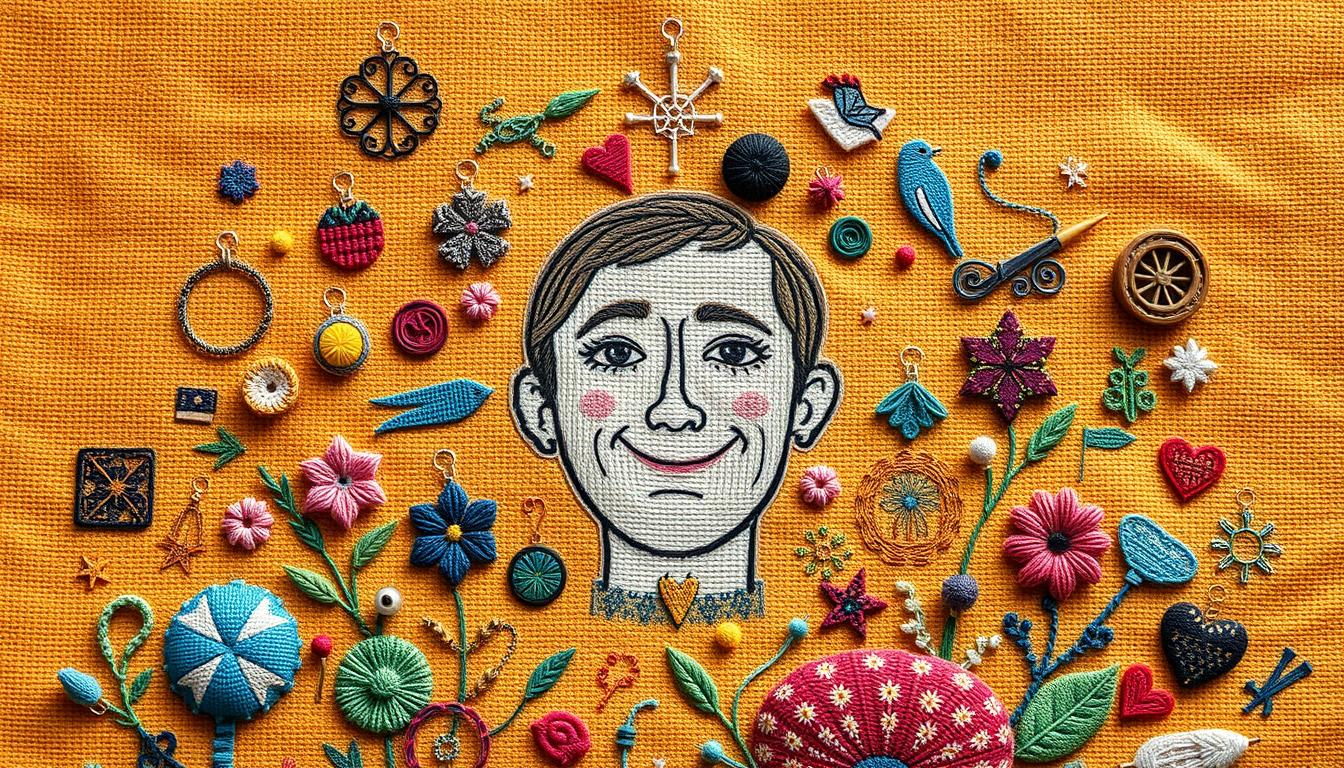
Your cross stitch choices speak before you do. Whether you pick a vintage floral chart or a bold, geometric sampler, those small decisions reveal how you think, how you relax, and how you want others to see you. Design guides like Do It Yourself Stitch People show that selective details — a beard, a bright skirt, or a band T-shirt — convey more identity than trying to stitch every facial feature.
Cross stitch also shapes your daily rhythm. Repetitive stitching can ease stress, sharpen focus, and even improve sleep when you make it part of an evening routine. Tools like the Stitchly app and DMC color palettes let you customize palettes and bring play into pattern choices, so your cross stitch style grows with your mood and stash.
When you customize small portraits or tweak a ready-made pattern from Etsy sellers like Needle and Peony, you form an emotional bond with the project. That bond explains why what your cross stitch says about you can range from nostalgic calm to creative boldness—depending on color, fabric, and the few deliberate accents you choose.
Key Takeaways
- Your cross stitch style reveals tastes through selective, meaningful details.
- Color and accessory choices often communicate personality more than facial features.
- Stitching routines deliver mental and physical benefits, including stress relief.
- Digital tools and DMC palettes support creative experimentation and personalization.
- Customizing patterns builds emotional connection and reflects your creative identity.
How CROSS STITCH Preferences Reflect Your Creative Identity
Your choice of cross stitch patterns is like picking outfits for your projects. Each design tells a story. Simple designs let other details shine, while bold ones show confidence.
Patterns with stories or characters show you love to tell tales. Designs with repeating motifs or samplers show a preference for order. Whimsical or abstract designs highlight your love for imagination.
Why your pattern choices signal your artistic instincts
Choosing vintage floral patterns shows a love for nostalgia and calm. Modern patterns suggest a preference for structure. Mixed themes show a desire to blend ideas.
Editing designs, like moving motifs or changing scale, shows your control. This process mirrors problem-solving in other creative areas.
What color palettes and DMC floss selections reveal about mood and taste
Your color palette choices affect your mood while stitching. Soft pastels are calming, while high-contrast ones energize. Using few colors makes decisions easier and encourages creativity.
Choosing specific DMC floss shades shows your attention to color. Using both stocked and custom floss shows a mix of thrift and precision. Trying new colors is a way to explore and grow.
How fabric choice (Aida, evenweave, linen) ties to precision vs. playfulness
The fabric you choose reflects your stitching style. Aida’s grid is perfect for those who love exactness. Evenweave offers a refined look for more advanced projects.
Linen adds texture and a relaxed feel. If you prefer linen, you enjoy organic changes and a softer finish. Your fabric choice, along with your pattern and palette, completes your project’s message.
Themed Patterns and What They Say About Your Values and Interests
When you choose patterns, you’re not just showing off your skills. The themes you pick tell us about your values and interests. They show how you connect to memories, stories, and order. This helps us understand what your projects say about who you are.
Floral and nature patterns often show a calm and reflective side. They might include blossoms, birds, or woodland scenes. These designs suggest a love for quiet moments and a desire to hold onto memories.
Fantasy and portrait patterns reveal a different side of you. They show a love for storytelling and emotional connection. By choosing fantasy or portrait patterns, you’re telling stories through your stitches. These patterns let you explore your creativity and adapt designs to fit different moods or seasons.
Geometric and modern patterns speak to a love for minimalism and order. They feature clean lines, repeating motifs, and negative space. These designs appeal to those who value simplicity and clarity over intricate details.
Themed patterns also offer a chance to express your personal style. You can change a seasonal design to fit a particular year or mood. This shows how you use embroidery to express your identity and make projects uniquely yours.
| Theme | What it Signals | How You Might Adapt It |
|---|---|---|
| Floral / Nature | Calm, nostalgia, connection to place | Soften colors for vintage feel; add botanicals tied to family memories |
| Seasonal Motifs | Ritual, memory anchoring, mood shifts | Swap threads for autumn tones or spring pastels to mark time |
| Fantasy / Character | Imagination, narrative play, personalization | Alter costume details or colorways to tell a new story |
| Portrait Style | Emotional bond, commemoration, focus on likeness | Adjust background elements to reflect subject’s hobbies or era |
| Geometric / Modern | Minimalism, order, contemporary taste | Use high-contrast palettes and large negative space for impact |
| Mixed-Themed | Adaptive creativity, hybrid storytelling | Combine florals with geometric grids to balance softness and structure |
Beginner Cross Stitch Choices: What Starting Kits Reveal About You
You often pick a starter that matches your learning style. Choosing a beginner cross stitch kit with clear steps shows you prefer structure and steady progress. If you reach for simplified portrait pieces or small motifs, you likely value low-friction wins that build momentum.
Choosing starter kits and what it says about your approach to learning
When you favor all-in-one packages, you signal a desire for guidance. Cross stitch for beginners kits that include pre-sorted DMC floss, printed patterns, and labeled fabric reduce decision fatigue. Selecting these kits suggests you like predictable outcomes while you learn new skills.
The role of clear instructions and included cross stitch tools in your comfort zone
If you pick kits that come with cross stitch tools like blunt needles, simple hoops, and step-by-step charts, you show a preference for low-stress setups. Clear diagrams and stitch explanations help you practice without second-guessing. You tend to value comfort and efficiency over hunting down extra supplies.
How starting small versus jumping into complex projects reveals confidence level
Starting with smaller designs signals a methodical, confidence-building approach. You enjoy short wins and steady improvement through regular 15–20 minute sessions. If you leap into larger counted cross stitch pieces, you demonstrate higher tolerance for long-term commitment and complex problem solving.
Use simple cross stitch tips like marking the center, working in small blocks, and keeping floss organized. These habits help you move from beginner cross stitch kits to more advanced patterns without losing momentum.
Stitching Techniques and Personality: Backstitching Techniques and More
Your choice of stitches reveals a lot about your craft. Do you prefer detailed outlines or simple ones? This shows whether you value polish or simplicity. Learning new stitches is key to growing, and your patience and style are reflected in your work.
Backstitching for sharp edges and clarity shows your attention to detail. Designers at DMC use it to keep small pieces clean. This choice highlights your balance and dislike for fuzziness.
Specialty stitches and play
French knots and confetti stitches add texture and show your effort. French knots need patience and a steady hand. Confetti stitches might seem hard at first but show your playful side once mastered. These stitches show you enjoy adding tactile details.
Treating mistakes
How you handle mistakes says a lot about you. Do you aim for perfection or fix things as you go? Ripping and re-stitching shows discipline. Using embroidery hacks to hide errors shows creativity. Both approaches reflect different priorities in your work.
- Try a small test area before committing to extra detail. This saves time and preserves composition.
- Use a digital design mock-up to see where backstitching or specialty stitches will help readability.
- When confetti stitches feel overwhelming, break them into clusters to stay organized.
Pattern Complexity: What Your Love of Intricate Cross Stitch Patterns Signals
You pick patterns that need your full attention. Counted cross stitch and high stitch count designs improve your focus. They also make you more patient and attentive.
Choosing between big and small projects is a trade-off. Big, detailed pieces require more time and effort. But small motifs let you finish projects faster.
Portrait patterns with many colors can be scaled down. This makes them easier to manage. An 11-color small portrait, for example, balances detail with manageable size.
Your preference for patterns shows how you value effort and reward. If you like complicated samplers, you enjoy the slow build and sense of accomplishment. On the other hand, if you prefer smaller projects, you might like variety and storytelling.
Stitching can be a form of therapy when it’s complex. The focused repetition in counted cross stitch can calm your mind. This helps you decide between detailed patterns or quicker finishes.
| Pattern Type | Typical Stitch Count | Time Investment | What It Signals About You |
|---|---|---|---|
| Small motif | Under 5,000 | Hours to days | You like variety and quick satisfaction |
| Scaled-down portrait | 5,000–15,000 | Days to weeks | You balance detail with practical time limits |
| Large detailed portrait | Over 20,000 | Months to years | You pursue legacy pieces and deep focus |
| Sampler or heirloom | 10,000–30,000+ | Months to years | You set long-term goals and enjoy cumulative progress |
Practical Habits and Organization: Cross Stitch Tools, Gridding, and Project Setup
How you start a project shows your craft style. Small habits, like using a needle minder or labeling threads, make stitching more fun and efficient. Setting up your project well helps avoid mistakes and keeps you focused on stitching.
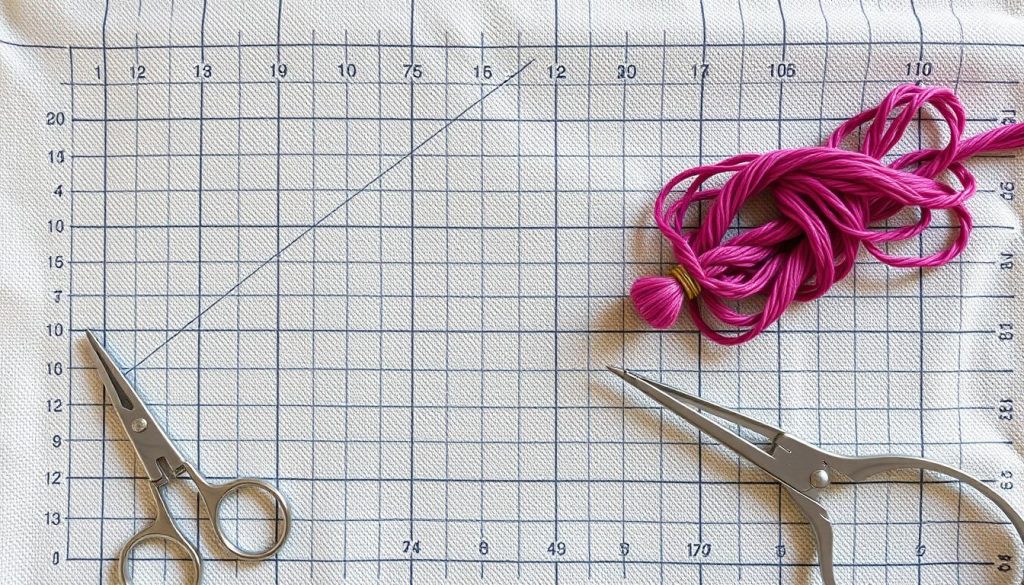
Use of cross stitch gridding and organization to reveal methodical tendencies
Gridding your fabric before stitching helps avoid counting errors and speeds up your work. Many stitchers mark every ten squares or use water-soluble pens to map the pattern. This shows you like order and prefer a predictable workflow.
Combining gridding with a checklist makes a reliable routine. This routine helps you stay focused and easily pick up where you left off after a break.
Your choice of hoops, frames, and storage as a sign of care and presentation priorities
Choosing hoops and frames shows your preference for portability or presentation. Compact hoops and grab-and-go bags mean you value convenience. Wooden scroll frames or acid-free mounting for finished pieces show you care about long-term display.
Storage solutions also show your priorities. Clear plastic boxes with divided compartments keep threads tidy and visible. Fabric rolls or project folders protect works in progress and show you plan for preservation.
How you maintain floss (DMC floss sorting) and fabric to show discipline or creativity
Sorting DMC floss by number, shade, or project shows discipline. You might wind skeins on bobbins, label them, and keep a binder for color cards. This system makes stitching faster and easier.
Some stitchers prefer a more creative approach. They mix stash yarns, create custom DMC floss blends, and keep mood boards for future projects. This approach highlights creativity while still using core cross stitch tools.
Quick tips for better cross stitch: set up a small sewing station, pre-cut and label threads for each pattern, and keep a reference card with common stitch counts. These simple steps keep your work tidy and let your creativity shine.
Finishing Style and Presentation: Frames, Gifts, and Personal Displays
How you finish a piece shows what matters most to you. A decorative finish means you see stitching as art for display. On the other hand, a simple finish shows you value its use and lasting quality.
Choosing frames vs. functional finishes and what that reveals about self-expression
Choosing ornate frames highlights your focus on style and display. Museums and galleries often use frames to make pieces look professional. If you prefer hoops or pillow finishes, you might value practicality more.
Gifting stitched pieces and how generosity and thoughtfulness appear in your craft
Gifting cross stitch shows your care and thoughtfulness. You might choose motifs and colors that match the recipient. Neutral portraits, like Stitch People, add personality without focusing on physical traits.
Displaying work publicly (social shares, Flosstube) vs. private keepsakes
Sharing projects on Flosstube or Instagram turns stitching into a conversation. Designers and makers, like needle-and-peony style creators, invite feedback and inspire others. Keeping pieces private might mean you prefer quiet satisfaction over public praise.
Display choices guide your next steps. A polished presentation with a tailored frame attracts viewers. A cozy, practical finish invites daily use. Both paths reflect your values and the stories you share through embroidery.
Cross Stitch as Therapy: How Your Stitching Habits Reflect Emotional Needs
When you pick up a needle after a long day, your choices reveal more than a hobby. Stitching habits can mirror how you manage stress, find calm, and connect with others. You might use cross stitch therapy to steady breath, or follow set cross stitch routines to mark time and build skill.
Using cross stitch for mindfulness and stress relief
Mindful needlework slows the mind by focusing on simple, repeated motions. Research from Royal United Hospital Bath links repetitive stitching to lower stress hormones and higher serotonin and dopamine levels. That makes cross stitch for stress relief a practical tool you can use anytime.
Choose a calming pattern and count stitches like a breath. Short sessions help your nervous system reset and let creative thought return without pressure.
How routine stitching times improve sleep and focus
Setting aside 15–20 minutes each evening creates predictable cross stitch routines. That brief, steady practice signals your body to unwind. Over weeks you may notice better sleep and sharper focus during the day.
Rituals make skill-building easier. A small nightly habit helps you complete projects while keeping stress low.
When stitching becomes social therapy—stitch groups and community support
Stitch groups and online stitch-a-longs give social support that reduces loneliness. You can trade tips, cheer progress, and troubleshoot color choices with people who care about the craft.
Watching Flosstube or joining a local meet-up turns solitary stitching into shared comfort. That social layer enhances the benefits of cross stitch therapy and helps you sustain mindfulness cross stitch as a regular part of life.
| Benefit | How to Practice | Suggested Routine |
|---|---|---|
| Stress reduction | Pick a simple, repetitive pattern and focus on breath with each stitch | 10–20 minutes after work, low light, calming music |
| Improved sleep | Use stitching as a wind-down instead of screens | 15 minutes before bedtime, sit comfortably, avoid bright screens |
| Skill growth | Follow short, daily cross stitch routines that increase complexity over time | Daily 15 minutes, progress log, weekly goals |
| Social connection | Join stitch groups, online forums, or local meet-ups to share projects | Weekly group session plus daily solo stitching |
| Mindfulness practice | Use focused counting and sensory attention during stitches | 10 minutes morning or evening, pair with deep breathing |
Risk-Taking vs. Safety in Craft: Experimentation with Colors, Fabrics, and Embroidery Hacks
When you choose bold colors over familiar ones, your stitching shows your risk-taking side. Some makers enjoy trying new colors, threads, and stitches. Others stick to what they know to avoid mistakes.

How swapping DMC floss or mixing palettes shows adventurousness
Swapping DMC floss or mixing colors is more than just changing hues. It’s about giving a design a new mood. Designers often share special DMC palettes to help with safe color swaps.
Changing a character’s colors or brightening a portrait shows your playful side. It means you’re okay with making small mistakes while personalizing your work.
Trying new cross stitch techniques and embroidery hacks—your tolerance for uncertainty
Trying new stitches or embroidery hacks shows your learning style. You might experiment with advanced stitches or shortcuts to save time.
Beginner-friendly hacks make learning easier and safer. They help you grow without feeling overwhelmed by mistakes.
When you stick to trusted cross stitch patterns and why consistency comforts you
Following well-known patterns keeps your work predictable. Many stitchers choose classic designs to avoid mistakes in portraits. This shows respect for the recipient and a love for neatness.
Sticking to what you know also reduces mistakes. It builds your confidence and makes stitching enjoyable, even at night.
| Choice | What it signals | Practical cross stitch tips |
|---|---|---|
| Color swapping and custom palettes | Creative risk-taking and personalization | Test small swatches with matching DMC floss before committing |
| Trying new techniques and embroidery hacks | Curiosity and learning-focused mindset | Practice on scrap fabric to avoid visible cross stitch mistakes |
| Sticking to trusted patterns | Preference for predictability and polished results | Use clear charts and count carefully to prevent errors |
| Mixing palettes from different designers | Playful reinterpretation and versatility | Record your color choices and DMC floss numbers for reproduction |
| Using beginner-friendly embroidery hacks | Low-risk experimentation and steady skill building | Adopt one hack at a time and note its effect on finish |
Project Types You Pick: Cross Stitch Ideas, Projects, and What They Reveal
What you stitch reveals what matters to you. Practical projects like bookmarks and key fobs show you value usefulness. They give you a sense of accomplishment with each finish.
On the other hand, big portraits and complex samplers speak of ambition. They show you’re eager to show off your skills. Working on a big piece means you’re focused on the long game.
Practical vs. statement
- Practical projects: quick results, frequent satisfaction, everyday use.
- Statement pieces: visual impact, display-minded, greater time investment.
Seasonal stitching shows your projects follow the calendar. Making holiday ornaments or seasonal swaps shows you adapt to life’s changes. Your stitching might change with the seasons, like decorating for holidays.
Seasonal strategies
- Reworking one pattern seasonally keeps your style cohesive and fresh.
- Seasonal cross stitch can guide gift lists and decor choices for the year.
Long-term samplers and heirloom pieces show you think about the future. Choosing samplers or family portraits means you’re aiming for something lasting. These projects need patience and a belief that your work will be treasured.
Legacy projects
- Samplers record dates, names, or motifs for future generations.
- Heirloom cross stitch involves archival fabrics, careful framing, and thoughtful presentation.
To keep your stitching interesting, mix up small and big projects. Switch between quick projects and a big sampler to stay motivated. This balance lets you enjoy the journey and build a collection of beautiful pieces.
Conclusion
Your cross stitch choices reveal a lot about you. From small details to the colors you choose, they show your personality. Tools like Stitchly and platforms like Etsy and Instagram help you find inspiration.
Stitching is also good for your wellbeing. It can lower stress, improve focus, and help you sleep better. Your choice of patterns and techniques shows your values, like being persistent or seeking calm.
When planning new projects, keep these tips in mind. Balance your designs and try new colors. Decide if you want to share your work or keep it private. These choices reflect your adventurous side or caution.
Start making intentional choices with this guide. Let your cross stitch reflect your personality and goals. It will bring you joy and creative fulfillment.
 English