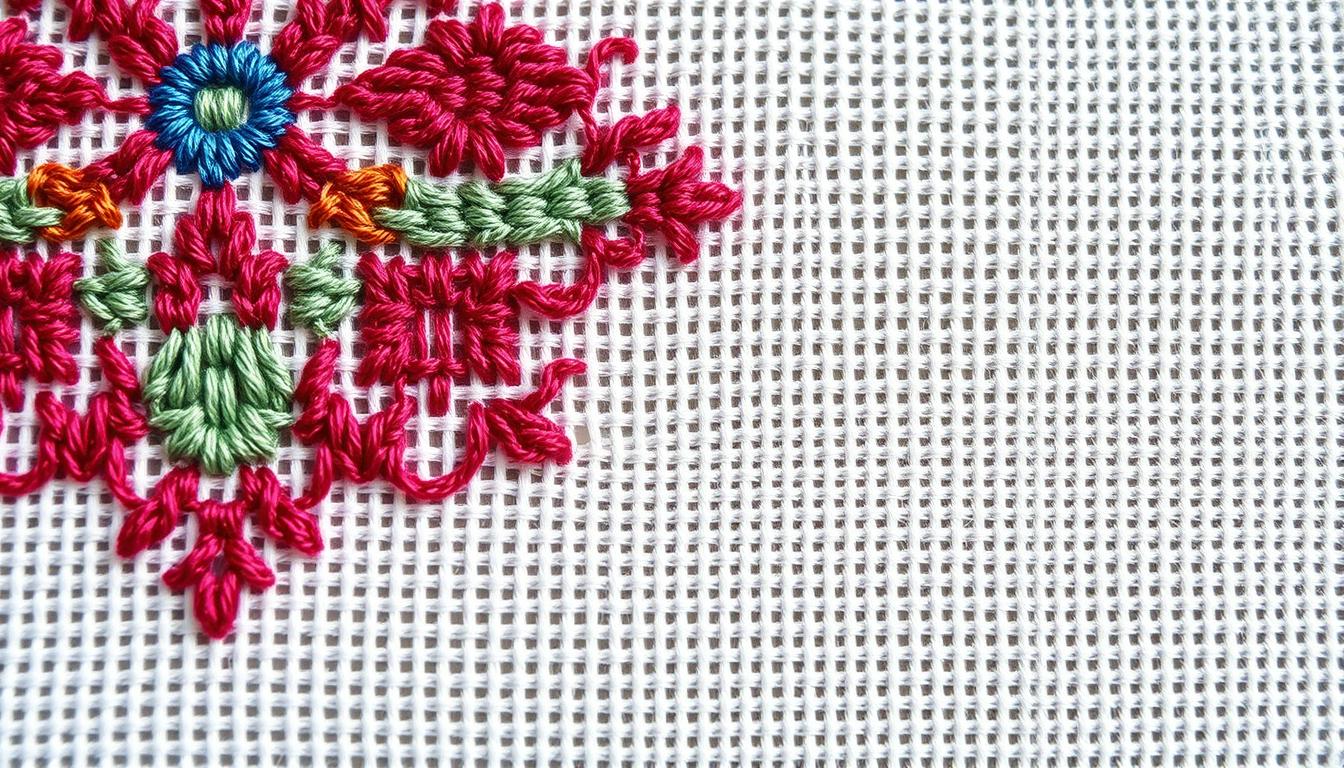
You’ll learn what makes counted-thread needlework easy to pick up for beginners and how it differs from needlepoint.
Cross stitch uses X-shaped stitches on evenweave fabric like Aida or linen, and the visible grid makes counting simple. Fabric count (threads per inch) changes finished size. For example, 14-count Aida and 28-count linen stitched 2 over 2 can yield the same dimensions.
Popular floss brands such as DMC and Anchor supply six-strand cotton you separate into strands for coverage. Choosing one strand or more changes texture and durability.
Charts and stamped patterns guide where to place each stitch, while needlepoint uses canvas and different stitch types. Beginner-friendly kits often include clear patterns, ample thread, and basic supplies so you can start quickly.
Key Takeaways
- The grid in counted work reduces guesswork for beginners.
- Fabric count affects detail and finished size.
- One- to six-strand floss options change coverage and look.
- Kits and stamped patterns make your first project manageable.
- Tools like needles, hoops, and organizers speed progress.
Cross stitch and needlepoint basics: what they are and how they differ
Which craft fits you? One method uses a visible grid of holes on Aida, linen, or evenweave so you count and place small X marks. The other works on canvas and fills the mesh with diagonal or straight canvas stitches for solid coverage.
Quick definitions you can trust:
- Counted-thread embroidery — each cross sits on a fabric grid guided by a chart or pattern, and fabric count (11–40) plus approaches like 1 over 1 or 2 over 2 set the final size.
- Needlepoint — usually stitched on canvas using tent or petit point to create dense surfaces, often on painted canvas or a chart.
The materials differ, too. Cotton floss that separates into six strands is common for counted work, while wool or tapestry yarn is typical for needlepoint. Your needle choice and workflow change accordingly; methods like cross-country or parking help you manage threads and colors in counted work, whereas needlepoint often uses color blocking on canvas.
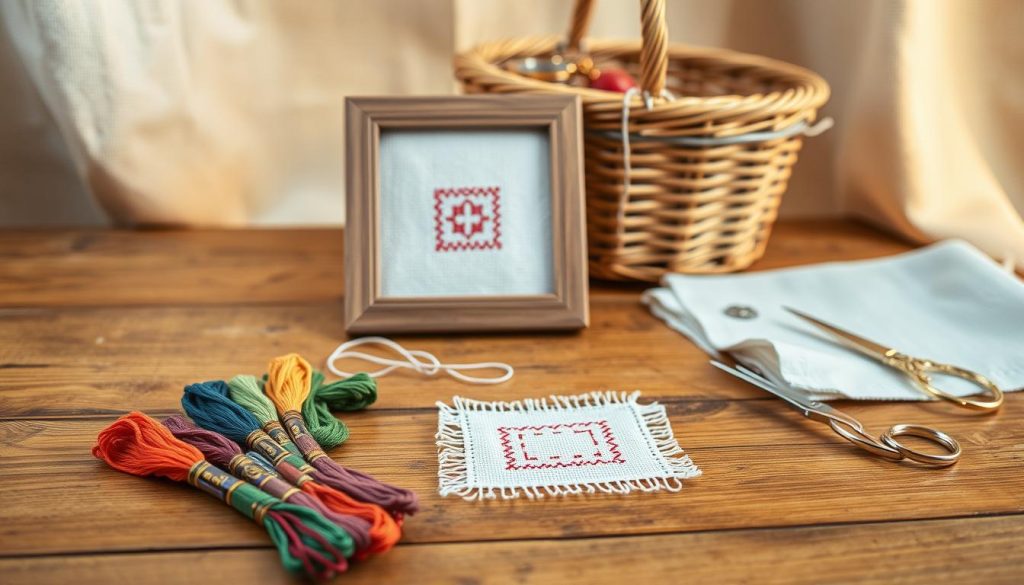
CROSS STITCH side-by-side with needlepoint: materials, stitches, and supplies you’ll use
Your project starts with fabric and thread choices. Aida gives a visible grid that makes counting simple. Linen and evenweave offer a finer, classic look for detailed work. Needlepoint uses mesh canvas built for dense coverage and different needles.
Fabric and canvas choices
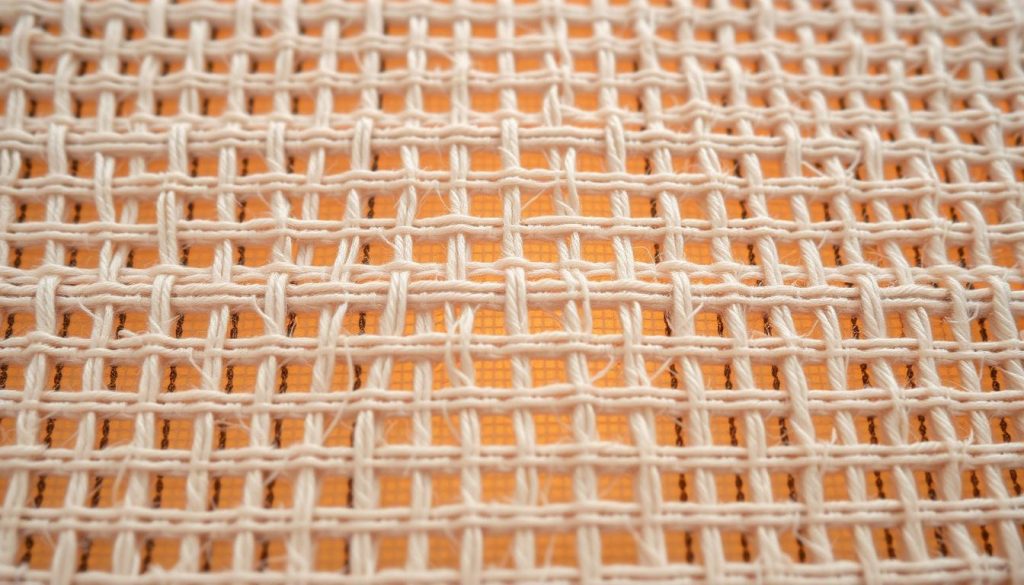
Counts matter: fabric counts range from 11–40. A 28-count linen stitched 2 over 2 matches 14-count Aida 1 over 1 in finished size. Choose based on the level of detail you want.
Stitches and coverage
Common stitches include full crosses, half and quarter stitches, and backstitch outlines for crisp edges. Needlepoint relies on tent and petit point for smooth, solid coverage.
Threads, patterns, and tools
Use six-strand cotton (DMC, Anchor), perle cotton, silk, wool, or metallics for special effects. Hand-dyed thread adds variegation without blending. Look for counted charts, stamped patterns, and beginner kits that include clear patterns and all supplies.
- Needles sized to fabric, hoops or frames for tension
- Needle minders, floss organizers, and thread conditioner
- Beads, charms, and stitchable items to personalize finishes
How to choose your first project: start stitching with confidence
Pick a beginner project that gives quick visible progress. A small, picture-based chart maps directly to Aida’s holes, so you spend less time guessing and more time enjoying results.
If you prefer grids and pictures: when counted work is the better fit
If you like clear maps and pixels that become an image, choose counted work. Charts that match fabric holes make counting easy. This reduces mistakes and helps you finish sooner.
Starter supplies checklist: fabric, floss, needle sizes, hoops, and an easy pattern or kit
Start with 14-count Aida for visibility. Use two strands of floss for solid coverage on that fabric. Pick a simple pattern from a “Quick & Easy” collection to limit color changes.
- Fabric: 14-count Aida
- Floss & thread: listed colors from the pattern, extra skeins help
- Needle: tapestry size 24–26 for 14–28 count
- Tools: hoop or frame, small scissors, needle minder
- Kits: beginner kits (Caterpillar Cross Stitch praised for clear patterns and ample thread)
| Choice | Why it helps | Tip |
|---|---|---|
| 14-count Aida | Easy to see holes and count | Stitch 2 strands for full coverage |
| Quick & Easy pattern | Fewer colors, faster finish | Pick seasonal minis to stay motivated |
| Beginner kit | All supplies included, clear chart | Look for extra thread and blunt needle |
Plan a simple workflow: try cross-country for large color areas or parking for neat block work. Use floss organizers and join a Facebook group or Flosstube channel for tips and encouragement.
Conclusion
Ready to wrap up, remember that counted work makes mapping colors to fabric simple and satisfying. You’ll find that a clear grid speeds learning and that small pieces give fast results.
Pick a beginner-friendly kit that includes fabric, needles, and enough thread so your first session feels focused and fun. Use online groups and video tutorials when you need help; community tips speed progress.
As you gain skill, try finer counts, new threads, or small embroidery details to vary texture. Start with a quick pattern, make your first cross and stitch with confidence—then build from there.
 English