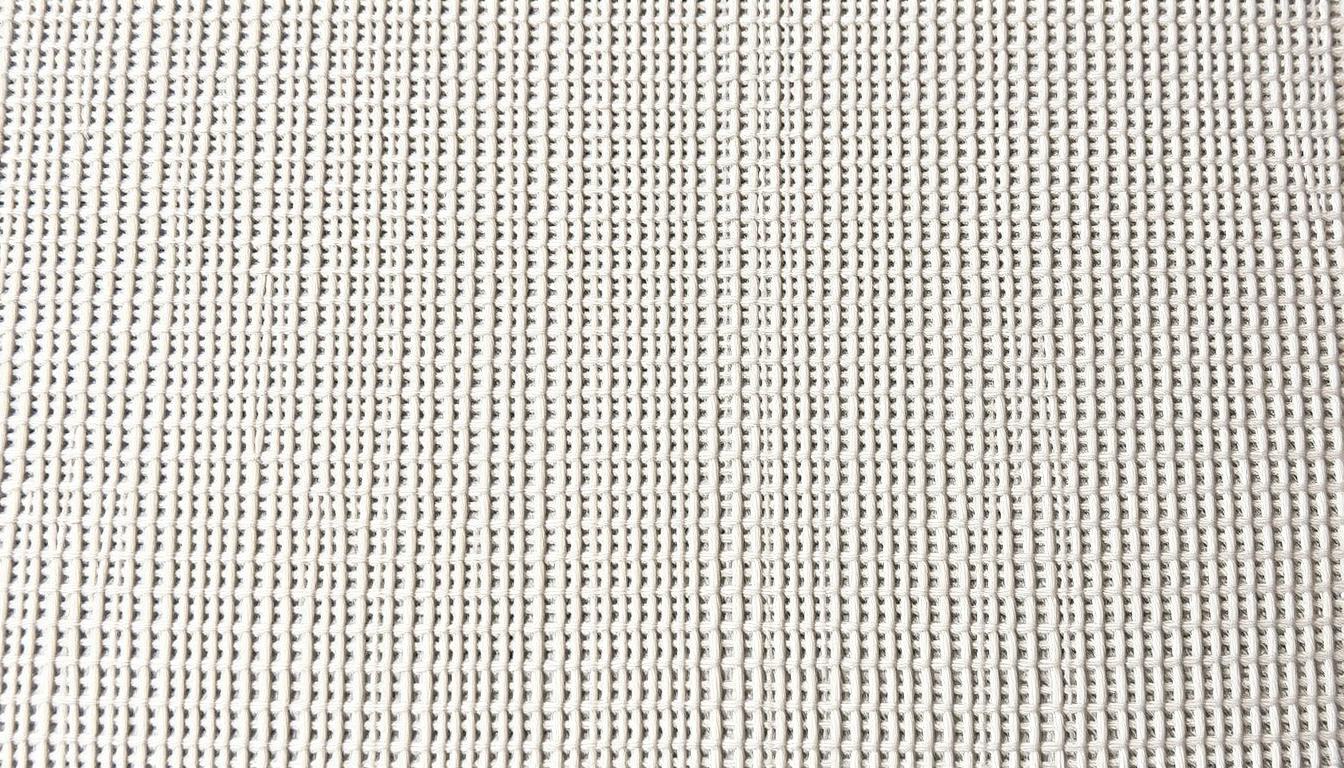
Yes — but with limits. If you’re weighing whether aida fabric will handle needlepoint-style work, the quick answer is that it can for light, small projects. Aida is made with evenly spaced holes and a clear count number that tells you how many stitches fit in an inch.
You’ll learn how the weave, hole size, and count affect coverage, feel, and durability. For many ornaments, cards, and tags, an aida base keeps stitching neat and comfortable.
Tip: Beginners often start with 14-count aida. Use a blunt needle, six-strand floss, a hoop for tension, and sharp scissors to keep edges tidy. Major retailers sell kits, patterns, and supplies, and you can often catch a sale when you shop for bundles.
Key Takeaways
- Aida works for small needlepoint-style projects but not dense filling with thick yarn.
- Count determines stitch size; higher count = smaller stitches.
- Use the right needle, floss, and hoop to protect the fabric.
- Look for beginner-friendly kits and patterns at major shops.
- Choose projects like ornaments or tags to keep fabric stable.
Can you do needlepoint on cross stitch fabric? Here’s the short answer
Aida fabric accepts many needlepoint stitches, as long as you match stitch weight to the weave. Yes, you can work needlepoint-style on aida, but it performs best with light threads and simple fills.
Pros and cons of stitching on aida
Pros: The holes are clear, 14-count gives good control, and small projects finish fast. Retailers often sell compact kits and seasonal patterns that help you get started.
Cons: Dense coverage can distort the weave. Heavy yarn and textured stitch patterns may pull holes open on lower counts, reducing durability.
Best use cases
Choose small formats where coverage stays moderate. Ornaments, tags, bookmarks, and greeting cards work well. Try a tiny swatch for tent or basketweave before committing to a larger project.
- Use a blunt needle and cotton thread to protect the fabric.
- Look for quick kits with sorted threads so you can shop once and begin.
- Watch weekend sale rotations for budget-friendly patterns and kits.
CROSS STITCH fabric vs needlepoint canvas: what’s different and why it matters
Knowing how aida and canvas behave saves time and keeps your project tidy.
Aida’s open weave makes a clear grid of holes. The count tells you stitches per inch: 14-count gives medium-size stitches and is friendly for beginners. Higher counts mean smaller, tighter crosses and thinner thread choices.
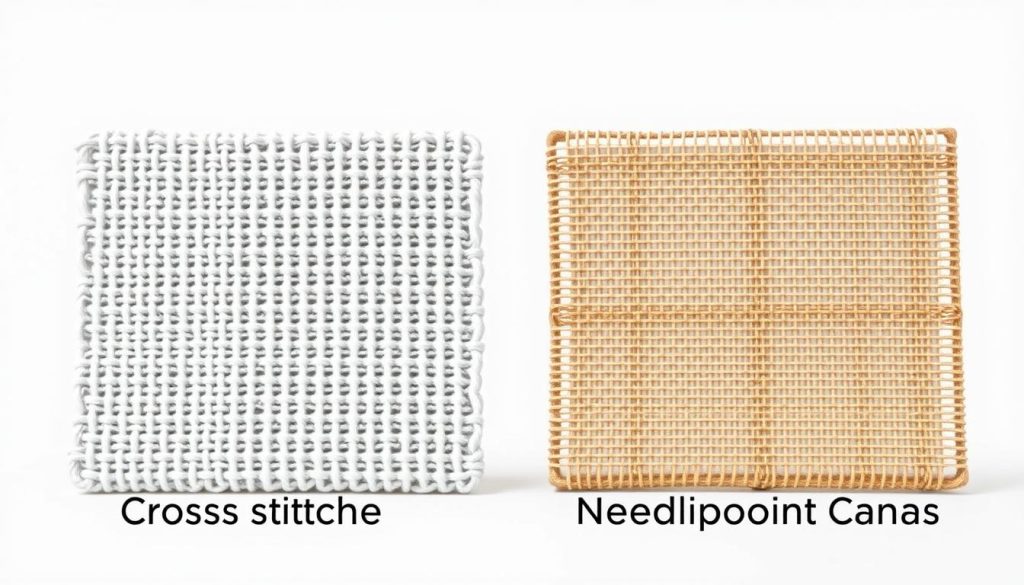
Canvas is stiffer and built for dense coverage and diagonal or tent stitches. It resists warping when you use heavy yarn or layered stitch patterns. For long diagonal paths or basketweave across large areas, canvas keeps holes from stretching.
- Aida needs a hoop to keep tension even; canvas often uses a frame.
- Use two strands of embroidery floss on 14-count for balanced coverage.
- Switch to canvas when you want a plush, tapestry-like finish or plan to use wool and thick threads.
Stock up on fabric, floss, needles, hoops, and other supplies so you can test a small block on both bases before committing to a full pattern.
Choose the right count, threads, and tools for success
The right count and a tidy toolkit make learning easier and results neater.
Count selection: Start with 14-count aida. It shows holes clearly and balances coverage with detail for a beginner. Two strands of six-strand embroidery floss usually give even opacity on 14-count. If you move to 16- or 18-count, reduce strands to keep the same look.
Threads, needles, hoops
Use a blunt-point needle with an elongated eye so thread passes smoothly without splitting fibers. A hoop keeps fabric taut and helps your tension stay even. Keep sharp scissors and a washable marker for simple guidelines.
- Assemble floss in your favorite colors and a small pair of scissors.
- Try a cross stitch kit or stitch kits if you want everything pre-cut and charted.
- Test a small swatch before committing to a larger project to see how threads sit on the fabric.
| Count | Strands (typical) | Best use |
|---|---|---|
| 14-count | 2 | Beginner projects, ornaments, simple patterns |
| 16-count | 1-2 | Finer detail, smaller motifs |
| 18-count | 1 | Detailed work, compact designs |
Shop what you need: kits, patterns, fabric, floss, and stitch supplies
Find ready-made boxes or single items that get you stitching fast. Pick a curated set if you want everything in one place. Or grab downloadable patterns and a few core supplies to build a kit yourself.

Cross stitch kits and stitch kits to get started fast
Look for kits that include pre-cut fabric, sorted floss, a printed chart, and needles. Good kits pack clear instructions and extra thread so you finish without runs to the store.
Downloadable patterns and trending seasonal designs
Downloadable patterns let you print at home. Check seasonal drops like Just CrossStitch Christmas and Schooler Santa for fast gift ideas.
Fabric, embroidery floss, needles, hoops, and accessories
- Stock cross stitch fabric, six-strand embroidery floss, a comfy needle, and a sturdy hoop.
- Add beads, buttons, or charms to personalize cards and home decor.
- Keep a reorder list for needles, hoops, and favorite threads.
What’s on sale: quick & easy patterns, kits on sale, and giftable items
Watch the Quick & Easy Pattern Sale and weekend kits on sale for fast finishes and lower prices. Gift cards and compact projects work well for last-minute presents.
| Category | What’s included | Best for |
|---|---|---|
| Cross stitch kits | Fabric, printed chart, sorted floss, needle | Beginners, gifts |
| Downloadable patterns | Digital chart, printable guide | Quick ornaments, larger seasonal designs |
| Supplies | Hoops, needles, embroidery floss, beads | Ongoing projects, personalization |
| Sale picks | Quick patterns, kits on sale, clearance items | Budget buys, gift-ready items |
Beginner pathway: learn cross stitch, then adapt for needlepoint-style projects
Start small with a simple project so you can practice neat crosses and basic fills. A short ornament or card insert helps you see how thread weight and count work together.
Quick start checklist: practice stitches, pick a count, choose colors, start your project
Follow this checklist to get started and build confidence quickly.
- Learn cross stitch using beginner tutorials that show how to read a pattern and place neat crosses before adding needlepoint-style accents.
- Use a 14-count swatch to practice two-strand crosses and a few diagonal stitches. Test tension with a blunt needle and six-strand floss in a hoop.
- Pick a pattern, choose your colors, cut fabric with generous margins, thread your needle, and set hoop tension snug but not stretched.
- Start with a small home ornament so you can finish fast and evaluate how threads sit on aida.
- If you prefer all-in-one supplies, try cross stitch kits or stitch kits to avoid sourcing materials separately.
- Label threads and wind floss on bobbins to stay organized between sessions.
- As skills grow, add light needlepoint-style textures on aida; for thicker coverage, plan the next piece on traditional canvas.
| Step | What to use | Why it helps |
|---|---|---|
| Practice swatch | 14-count aida, 2 strands, blunt needle | Checks tension, thread coverage, and hole compatibility |
| Small project | Ornament or card, simple pattern | Fast finish, clear progress, low risk |
| Organize supplies | Bobbins, labels, hoop, scissors | Saves time and prevents color mistakes |
Conclusion
Strong, practical guidance brings this topic home.
Let practical tests guide whether aida will meet your coverage and texture needs. Try a small swatch on 14-count using two strands of six-strand embroidery floss, a blunt needle, and a hoop to check tension and finish.
For compact projects the cross-based grid usually gives neat results with light needlepoint-style work. If you need dense coverage or thick yarn, move to canvas to keep edges crisp.
When you’re ready, shop curated kits or a downloadable pattern and keep a simple toolkit so each project starts smoothly and finishes beautifully.
Tip: Start small, test often, and adjust needle and thread choices as you go.
 English