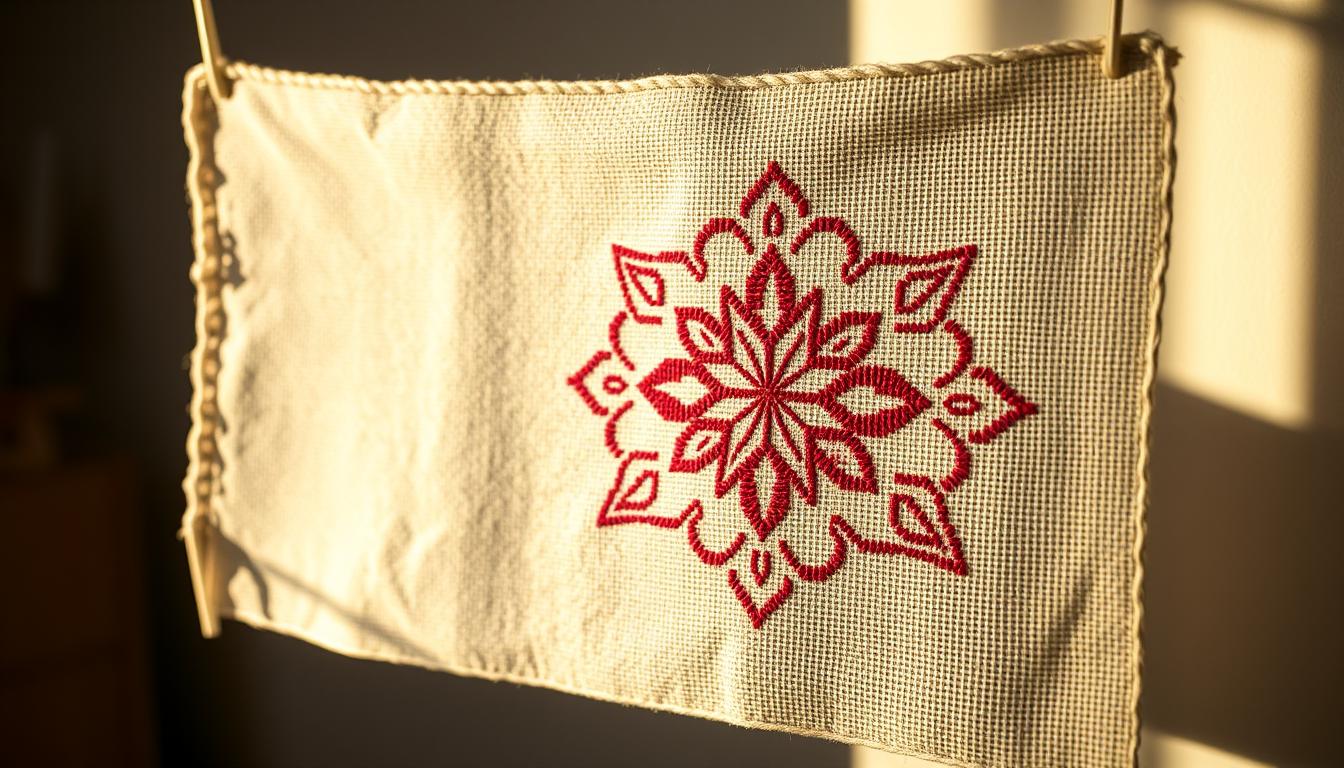
Your favorite cross pattern can often become a beautiful needlepoint piece with the right planning. You will learn how grid-based charts translate between Aida and canvas so you keep size and detail accurate.
Start smart: check fabric count, choose a blunt needle or tapestry wool substitute, and pick a hoop to keep tension even. Small tools like sharp scissors and soluble markers make stitching neater and faster.
Practical tips: compare 14-count Aida to canvas mesh, convert color depth from Six-Strand Embroidery Floss to tapestry wool, and choose tent or continental stitches for full coverage. You’ll also learn where to find reliable patterns and kits, and when to watch for a sale so your next project stays on budget.
Key Takeaways
- Grid charts let you adapt a cross pattern to needlepoint with careful count conversions.
- Use the right tools—blunt needle, hoop, scissors—for consistent tension and comfort.
- Substitute floss wisely to preserve color and texture on canvas.
- Prefer tent-style stitches for even coverage and longevity on canvas.
- Source clear patterns and quality kits; follow tutorials and community advice when stuck.
Can you adapt a cross stitch pattern for needlepoint?
Adapting a counted chart to canvas starts with comparing Aida count to canvas mesh. Match the number of squares per inch so the design keeps its scale and proportions.
Check the chart: pick a design with clear symbols and limited color swaps. Very fine fractional areas or heavy backstitching may need simplification when you convert X-shaped marks to single-direction needlepoint stitches.
Evaluate fabric choices — Aida versus mono or interlock canvas — to ensure your piece sits flat and fills evenly. Map Six-Strand Embroidery Floss to tapestry wool or stranded cotton to balance coverage and sheen.
- Choose a blunt needle sized for your mesh to avoid splitting fibers.
- Use a hoop or frame for consistent tension on larger fills.
- Confirm finished measurements by converting counts before you cut fabric.
Shop smart: buy beginner kits and downloadable cross stitch patterns from reputable sellers and watch for seasonal sale events to build supplies affordably.
Key differences you must know before adapting CROSS STITCH
Before you swap mediums, understand how Aida count and canvas mesh change the size and look of a design. Small changes in count alter finished measurements and the clarity of fine details.
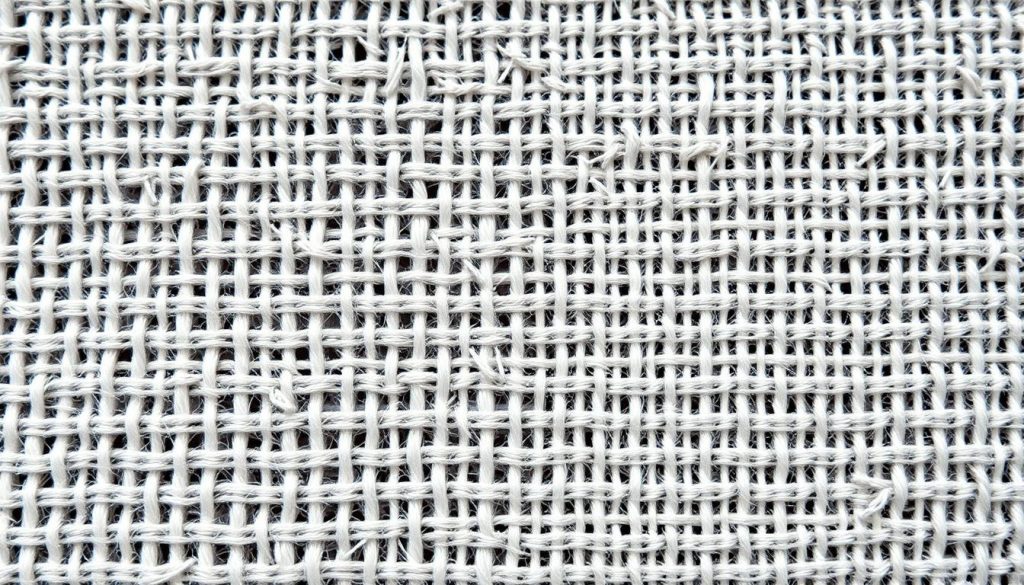
Fabric and count: Aida vs. needlepoint canvas
14-count Aida equals roughly 14 stitches per inch, making holes easy to see and count. That clarity reduces eye strain and helps beginners spot errors early.
Needlepoint canvas uses mesh sizes instead of a visible grid. Match 14-count Aida to an equivalent mesh to keep the pattern scale and legibility intact. Mono canvas bends more for curves; interlock holds its shape on large fills.
Threads, needles, and hoops: floss, blunt needles, and tension
Choose Six-Strand Embroidery Floss when you want finer detail; use tapestry wool for loft and durability on handled items. Adjust strand count to reach the coverage you want.
Select a blunt tapestry needle sized to the mesh so it moves through holes without splitting fibers. Use a hoop, stretcher bars, or a frame for steady tension. Add sharp scissors and tidy workflows to control tails and avoid shadowing.
- Core supplies: fabric or canvas, floss or wool, needle, hoops, scissors, and marking tools.
- Test a small swatch before committing to a full pattern or kit.
How to convert cross stitch charts to needlepoint stitches
Start by calculating size. If your chart was drawn for 14-count Aida, pick a canvas mesh that matches that stitch density. Stitch a 1-inch test square to confirm your translation before you cut fabric.
Match the grid: translating Aida count to canvas mesh size
Count the squares per inch on your pattern and choose a comparable mesh. This keeps the motif’s dimensions true and prevents surprises at the finish.
Tip: use a soluble marker to mark center lines on the canvas for quick alignment.
Stitch swaps: tent, continental, and basketweave
Replace each X from the chart with a base needlepoint stitch. Use tent or continental for small details and basketweave for large fills.
Basketweave evens tension and reduces distortion on diagonal areas.
Color and floss conversions
Map DMC color numbers to tapestry wool or stranded thread and note strand counts in a legend. Where two strands covered Aida, try three or four on a looser mesh.
Finishing tips
Trim tails with sharp scissors and secure ends flat. Block the piece to relax fibers, add a suitable backing, and store in breathable project bags when not working.
“Measure twice, stitch once — it saves hours of undoing.”
What to buy: kits, patterns, and supplies to make your project a success
Start your shopping list with a core toolkit that covers fabric, thread, needles, and a good hoop. Having these basics on hand helps you swatch, convert, and begin without delays.
Buyer’s toolkit essentials
Gather fabric or canvas, Six-Strand Embroidery Floss or tapestry wool, a blunt needle with an elongated eye, and hoops or stretcher bars.
Add sharp scissors and a soluble marker so you can test conversions on a swatch before committing to a large piece.
Choosing kits and downloadable patterns
Pick kits that include pre-sorted threads, clear instructions, and quality fabric. Downloadable patterns work well when they have simple symbol keys and minimal fractional work.
Brands to watch: DMC offers free downloadable art and curated kits; Caterpillar Cross Stitch earns praise for generous thread and clear guides.
Shop smart and save
- Browse retailer categories: Cross Stitch Patterns, Kits, Downloadable Patterns, and Clearance Items.
- Time buys around What’s Currently On Sale, Kits on Sale, and Patterns on Sale to stock up affordably.
- Use gift cards, clearance fabric cuts, and extra hoops to try coverage and tension without overspending.
“Check reviews and swatch first — it saves time and money.”
Conclusion
With a few checks for count, thread, and tension, you can complete a converted design that reads cleanly on canvas.
strong, use this short checklist to finish confidently: confirm size by converting your chart’s count, test strand counts on a swatch, and pick tent-family stitches for even coverage.
Pack the right toolkit: Six-Strand floss or tapestry wool, a blunt needle, hoop or frame, sharp scissors, and a soluble marker speed up conversion and reduce errors.
Save time and money by using clear downloadable charts, buying kits on sale, and practicing on small motifs. Plan the end use—frame, pillow, or ornament—and add backing and storage to keep your work pristine.
 English