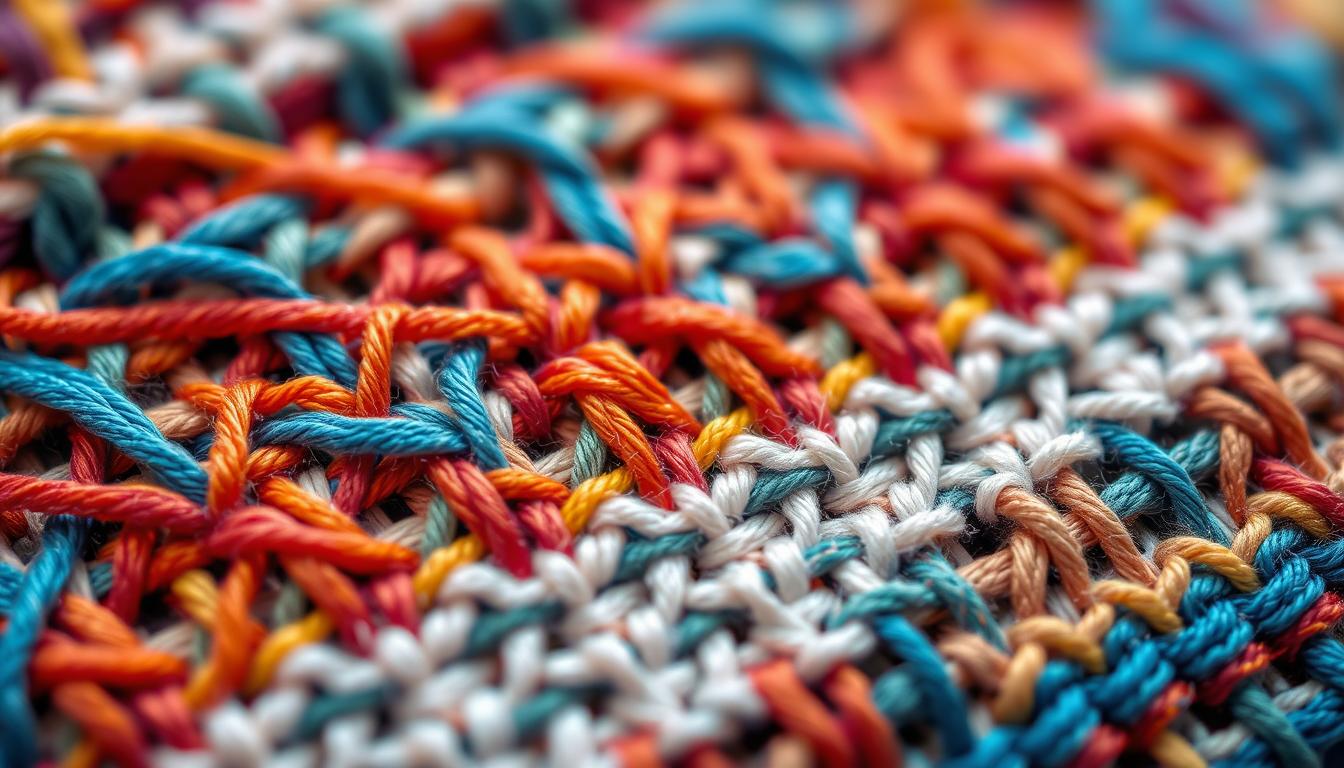
Want bold texture or a soft, homey look? This guide helps you decide when yarn fits a cross stitch project and when to stick with traditional floss.
You’ll learn where yarn adds pleasing bulk and when it hides fine detail. I explain core materials—14-count aida, six-strand floss, a blunt tapestry needle, and hoops—so you can match fiber, fabric, and count for clean results.
Expect clear buying tips for kits, cross stitch kits, stamped options, and supplies on sale or clearance. I note how yarn changes coverage, durability, and the look on home decor and cards.
Along the way you’ll find where to shop patterns and kits, how to read charts, and free places to learn cross stitch basics fast. Use this to choose the right fibers and avoid common mistakes on your next craft project.
Key Takeaways
- Yarn adds texture but can obscure fine patterns; use it for bold designs.
- 14-count aida and a blunt tapestry needle work well for beginners.
- Choose cross stitch kits with clear charts and extra thread.
- Shop clearance and sale events to save on supplies like floss and fabric.
- Learn cross stitch basics from free tutorials before trying thicker fiber.
How Yarn Fits Into CROSS STITCH Today
Yarn reshapes how a counted embroidery piece reads, trading tiny detail for bold texture. You get depth and tactile interest, but your design must forgive larger, simpler marks.
What makes this different? Traditional cross stitch relies on uniform crosses on aida fabric and uses six-strand embroidery floss with a blunt tapestry needle. That setup supports small motifs, clear shading, and backstitch outlines.
Why yarn changes the equation
Yarn is thicker and usually non-strandable, so it fills holes more aggressively. That increases bulk and can make a needle harder to push through a higher count fabric.
Embroidery floss vs yarn in modern projects
- Floss separates for fine detail; yarn favors bold blocks and texture.
- Using yarn often means a lower count fabric and a larger needle to keep crosses neat.
- Many kits and patterns note recommended thread weight—check sale descriptions if you shop for alternatives.
Start with floss for faces, lettering, and tiny icons. Reserve yarn for silhouettes, decorative accents, and projects where texture matters more than detail.
Fabric, Count, and Needles: Matching Materials So Your Stitches Work
Match your thread to your fabric, and the result will read clean rather than crowded. The aida “count” tells you how many stitches fit per inch: higher count = smaller stitches. Beginners do best on 14-count aida because it balances clarity with ease of handling.
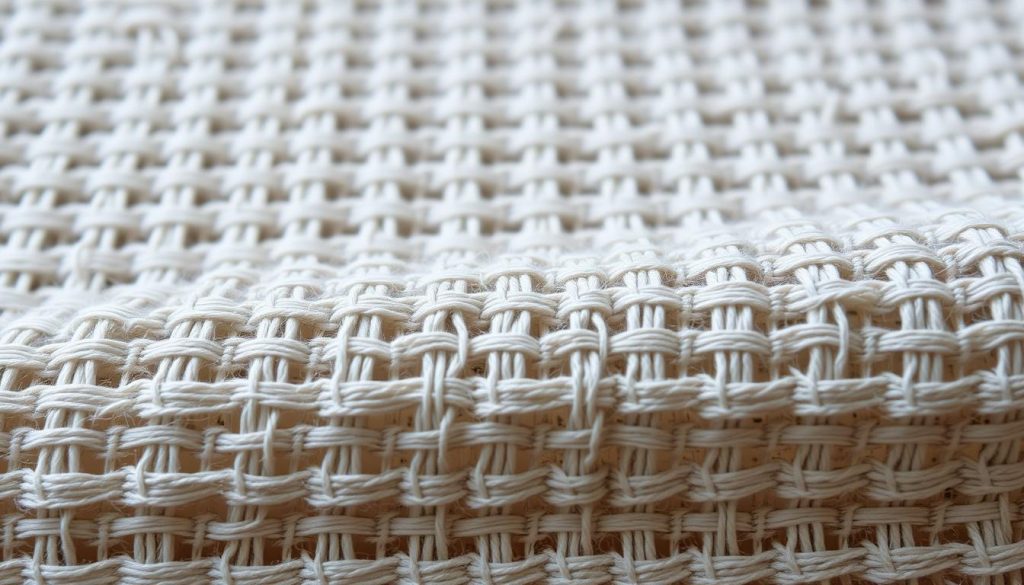
Understanding aida “count” and why beginners are steered to 14-count
Start on 14-count to learn consistent tension and top-stitch direction. Standard practice uses a blunt tapestry needle and six-strand floss, which helps you see and correct mistakes fast.
When lower-count fabric and larger needles make yarn feasible
Thicker fiber needs larger holes. Try 11-count or 6–8-count when experimenting with yarn so the X stays neat and the fabric isn’t strained. Choose a blunt tapestry needle with a larger eye to reduce friction and avoid splitting fibers.
Hoops, stitchable items, and fabric choices that handle thicker threads
A hoop keeps tension even and prevents puckering from bulky threads. Prefer stitchable items—totes, aprons, and ornaments—listed by retailers for larger thread passage.
- Test first: make a small swatch to check needle size, yarn thickness, and count.
- Adapt patterns: verify symbol keys; charts for two strands of floss may need changes.
- Shop smart: look under fabric, needles, hoops & stitch supplies—many sellers flag beginner-friendly items or a sale.
When Yarn Works: Projects, Patterns, and Textures That Shine
Pick yarn for designs that reward big blocks of color and visible, plush stitches. It performs best when you want striking shapes and tactile appeal instead of tiny gradients.
Bold motifs and home items that benefit
Choose geometric blocks, silhouettes, and large lettering. These designs let each cross read clearly when you use thicker fiber.
Use yarn on totes, pillows, and other stitchable items where texture adds value. For home decor and cards, keep stitch density low so projects stay neat and gift-ready.
Quick kits, stamped options, and pattern sales
Retailers offer stamped kits and themed pattern sales that speed finishing. Brands such as Caterpillar Cross Stitch and DMC create clear charts and include enough thread for many projects.
- Try small items—ornaments and tags finish fast and show off color and texture.
- Mix fibers—fill main areas with yarn and use floss for edges or backstitch to keep outlines sharp.
- Check kit contents before you buy to confirm fabric count and needle size work with thicker yarn.
When Yarn Doesn’t: Detail, Density, and Durability Pitfalls to Avoid
When clarity matters, bulky threads are often the wrong choice. High-count fabric yields tiny crosses, and thick fiber will crowd holes and blur small motifs.
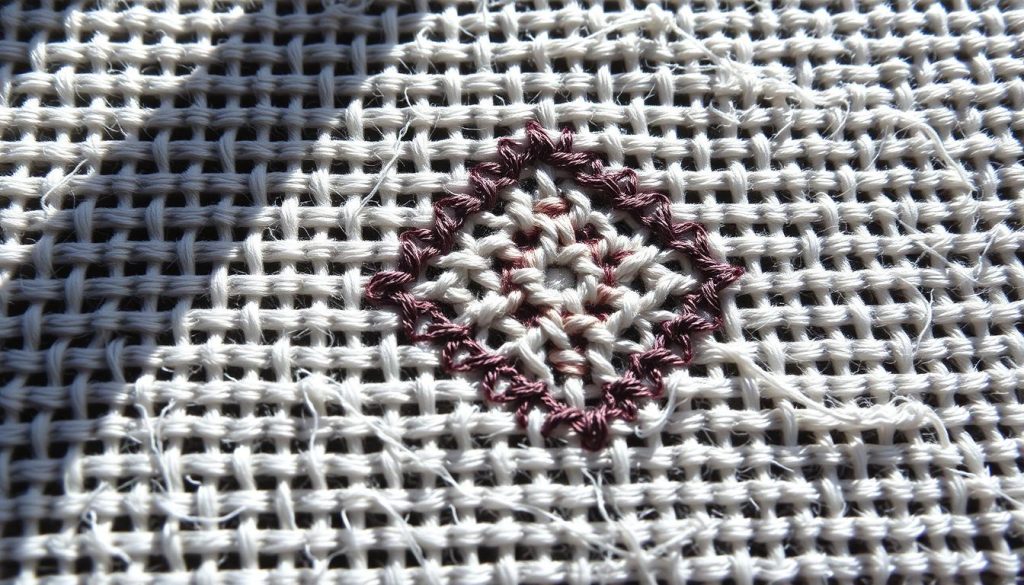
Use floss for fine outlines. Backstitch, fractional stitches, and facial details need six-strand embroidery floss and a blunt needle to stay sharp.
What to watch for
- Avoid yarn on high-count charts where micro-shading or confetti areas require small crosses.
- Bulk causes tension issues, puckering, and uneven coverage—test a swatch before you commit.
- If you feel resistance pushing the needle through fabric, size up the needle or drop the count.
- On everyday items, bulky threads can snag. Reinforce edges with floss for durability.
- Check kits and pattern instructions during a sale so you know if designers expect floss or larger thread.
As a beginner wanting to get started with yarn, pick low-detail motifs on lower-count fabric. Try yarn only for bold shapes and use floss for tight turns to keep your project readable and long-lasting.
Smart Shopping: Kits, Patterns, and Supplies to Get You Started
A well-chosen starter kit puts the right fabric, threads, and tools in your hands from day one. Look for clear charts, quality aida, and ample thread so you can finish without hunting for extras.
Choose kits with clear charts and full contents
Compare cross stitch kits by checking the chart legibility, listed fabric count, and included threads or floss. Brands like DMC and Caterpillar Cross Stitch often note beginner-friendly designs and extra thread for mistakes.
Build a simple toolkit
Start with a blunt tapestry needle, a hoop, 14-count aida, six-strand embroidery floss, sharp scissors, and a water-soluble marker. These items cover most projects and help you get started fast.
Where to shop and how to pick by level
Shop by category—patterns, cross stitch kits, stamped kits & stitchables, and supplies—to save time. Check “what’s currently on sale” pages for clearance and quick & easy designs suited to beginners.
Use downloads and community support
Downloadable patterns let you test designs at your pace. Learn cross stitch basics using free tutorials, then join brand groups for tips and troubleshooting when you need help.
- Before checkout: verify fabric count, needle size, and whether thread types match your plan.
- For gifts: pick quick, small patterns with clear time estimates.
Conclusion
Close with a simple rule: use thicker yarn for bold shapes and six-strand thread for fine work. Match fabric count, needle size, and thread so each cross sits clean and tension stays even.
Start small with quality kits and manageable patterns. Test a swatch on scrap aida—especially if you try lower counts or heavier thread—so your stitch feel and coverage meet your expectations.
Use tutorials and maker communities to fix snags fast. Verify kit contents and difficulty when you shop so your next session is efficient and fun.
Final tip: a 14-count aida, six-strand floss, and a blunt tapestry needle remain the best baseline for learning. From there, scale up materials and patterns as your skills grow.
 English