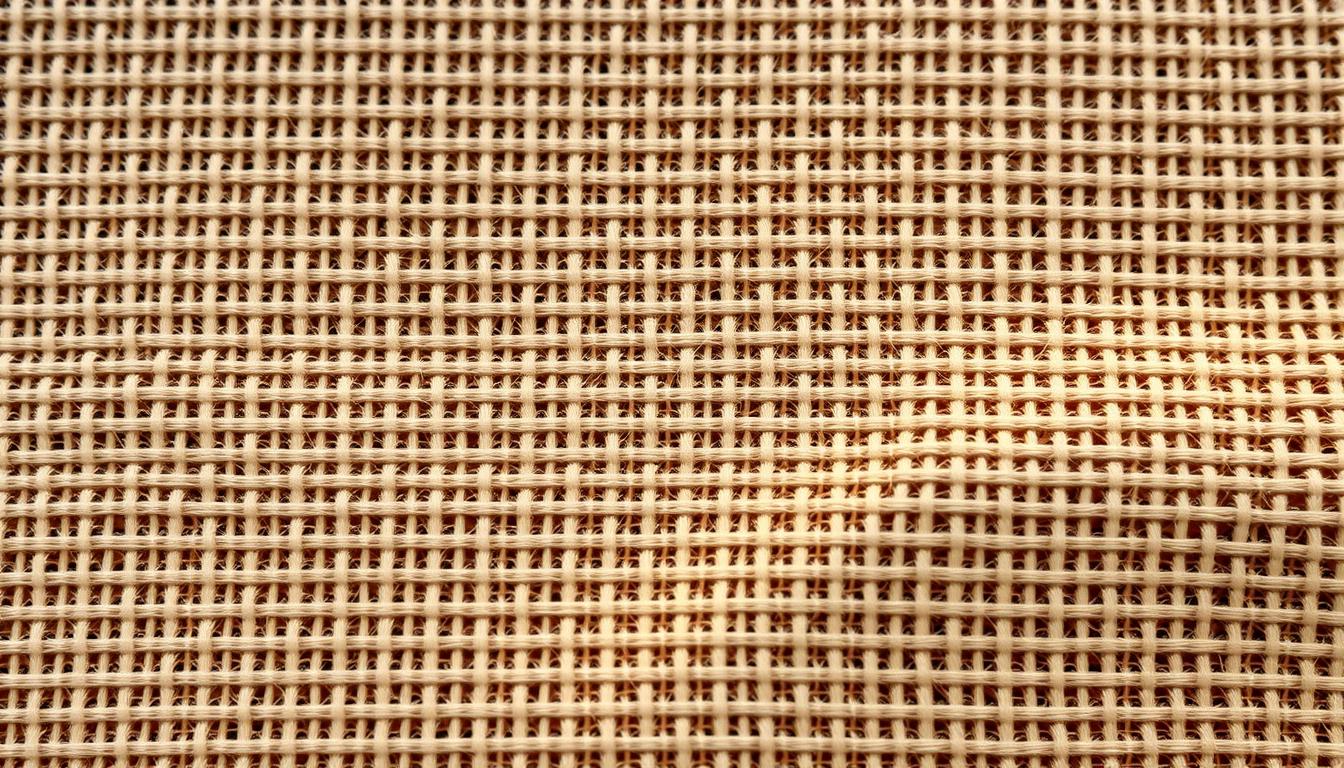
Choose the right fabric and your first project moves from guesswork to clarity. You’ll learn why aida cloth is the go-to for beginners, what “count per inch” means, and how fabric choice changes the look of your finished art.
Start simple: 14‑count aida gives larger holes and easier placement of each stitch. A higher count means smaller, finer work and more detail. Pair your fabric choice with basic tools like six‑strand embroidery floss, a blunt needle with an elongated eye, a hoop, and sharp scissors to avoid early frustration.
Patterns and kits shape your learning curve. Curated kits from brands like DMC or beginner‑friendly options from Caterpillar Cross Stitch include clear charts, extra thread, and helpful guides that speed your success.
Key Takeaways
- Pick 14‑count aida to learn stitches more easily and see larger holes.
- “Count” controls stitch size: higher count = smaller stitches and more detail.
- Assemble a small toolkit: six‑strand floss, blunt needle, hoop, scissors, marker.
- Choose neutral or contrasting fabric to make colors pop in your project.
- Curated kits and downloadable patterns speed learning and reduce buy mistakes.
Fabric fundamentals for CROSS STITCH and needlepoint
Your fabric choice dictates scale, texture, and how comfortably you place each stitch.
Aida, evenweave, and linen: what each fabric does best
Aida gives a clear grid for bold, regular crosses and simple counting. It’s forgiving for beginners and pairs well with two strands of six‑strand embroidery floss.
Evenweave suits fractional work and specialty stitches. It drapes softer and lets you reduce strands to avoid bulk.
Linen offers classic texture and fine detail for heirloom samplers. Use a smaller blunt needle and fewer strands on higher counts.
Understanding count per inch
The count tells you how many stitches fit in one inch. At 14‑count, holes are larger and easier to see, so patterns read simply and placement is faster.
Color, finish, and format choices
Pick a mid‑tone or contrasting fabric so threads pop. Stiffer aida holds in a hoop; softer linen or evenweave suits pillows and framed pieces.
Pre‑cut swatches vs. by‑the‑yard & pattern formats
Pre‑cut swatches are great for ornaments and cards. Buy fabric by the yard for large samplers or matching sets.
Stamped stitchables guide placement with printed symbols; counted patterns give full control and precision.
| Fabric | Best for | Typical count | Tool tip |
|---|---|---|---|
| Aida | Beginners, bold designs | 11–14 | Use two strands of floss and a blunt needle |
| Evenweave | Fractional stitches, detailed charts | 25+ (weave-wise) | Reduce strands to avoid bulk |
| Linen | Heirlooms, textured finish | 28–40 (varies) | Choose smaller tapestry needle |
How to match fabric to your project and skill level
Match your fabric to the work ahead so each phase of the project feels predictable and fun. This helps you choose the right count, tools, and pattern complexity for the time you have.
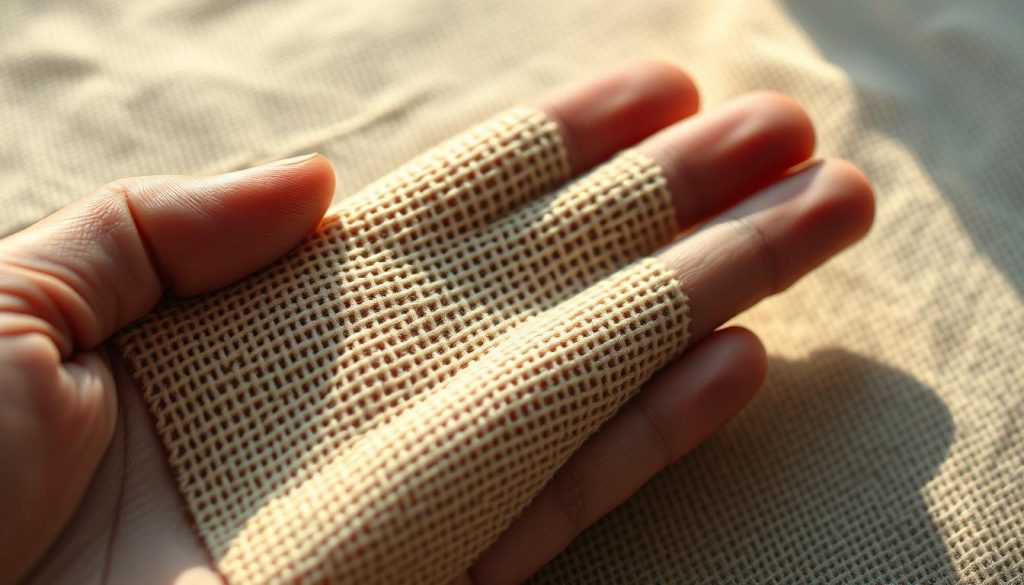
If you’re new: Start with clear patterns, 14‑count aida, and a hoop
Begin with 14‑count aida so each hole is easy to see and your crosses land cleanly. Use two strands of six‑strand floss, a blunt tapestry needle, and a simple hoop to learn consistent tension.
Choose curated kits from brands like DMC or community kit makers that include clear patterns and extra thread. These kits shorten setup time and keep early projects enjoyable.
Leveling up: Evenweave or linen for finer detail, specialty threads, and beading
When you’re ready for detail, move to evenweave or linen and reduce strands to avoid bulk on finer counts. These fabrics let you add fractional work, metallics, and beads for texture.
Adjust your approach: change needle size, test strand counts, and pick fabric tones that show specialty threads without losing contrast.
On‑the‑go stitching: Travel‑ready stitch kits, small hoops, and cards
For portable work, pack compact stitch kits, a 4–6″ hoop, pre‑cut fabric pieces, and snips. Keep a couple of card projects or mini ornaments for short sessions.
Use stitchable items like bookmarks and napkins when you want quick gifts. They save finishing time and keep travel projects satisfying.
- Plan scope: small motifs for weeknights, larger samplers for weekends.
- Learn from guides: follow tutorials and communities to fix count mistakes fast.
Shopping guide to supplies that pair with your fabric
Shopping smart for tools removes guesswork and keeps your focus on making. Build a basic kit first, then add upgrades that match your projects and time.
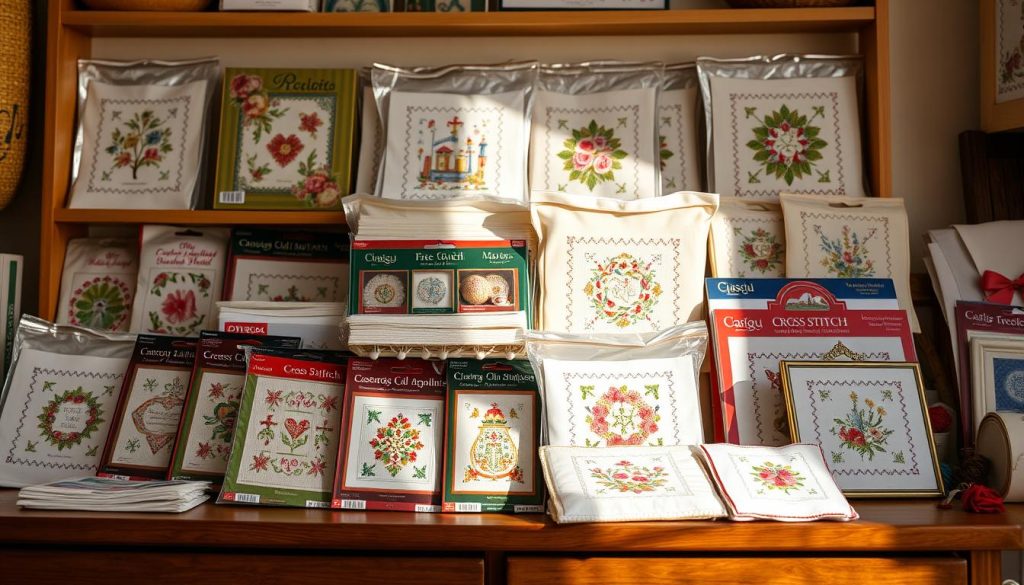
Threads and tools: DMC embroidery floss, blunt needles, hoops, and scissors
Start with DMC six‑strand embroidery floss for predictable color and easy blending. Pair it with a blunt tapestry needle sized for your fabric and a sturdy hoop to keep tension even.
Sharp scissors make clean ends and help your finishes look professional. Add a soluble pen for gridlines and a spare needle for backstitch work.
Kits, patterns, and what’s on sale: Build your project with curated items
Cross stitch kits bundle fabric, pre‑sorted floss, a needle, and a chart so you can begin immediately. Downloadable patterns let you start right away; match recommended count and fabric before buying.
- Check categories like Floss & Thread, Needles/Hoops/Supplies, and Stitchable Items.
- Watch weekend Quick & Easy pattern sales and Clearance items to stretch your budget.
- Pair trending patterns and seasonal kits with metallic thread or a special frame for a ready gift.
| Item | Why it helps | Tip |
|---|---|---|
| DMC floss | Consistent color | Buy extra skeins |
| Needles & hoops | Better tension | Keep a spare hoop |
| Kits & patterns | All‑in‑one start | Match fabric count |
Conclusion
, Finish strong by matching materials and tools to your goals for a smoother result. Pick 14‑count aida if you want clear holes and faster progress. Move to evenweave or linen as you seek finer detail.
Keep a basic kit at hand: six‑strand floss, a blunt needle, a hoop, sharp scissors, and a soluble marker. That setup gets you from chart to first X without delay and keeps your embroidery sessions calm.
Choose curated kits for an easy start or mix your favorite fabric and colors when you prefer full control. Watch sale sections and free tutorials from major brands to save money and learn new techniques.
With the right match of weave, tools, and learning resources, your thread choices and technique grow together. Enjoy the process, build confidence, and let your next piece of art and craft reflect what you’ve learned.
 English