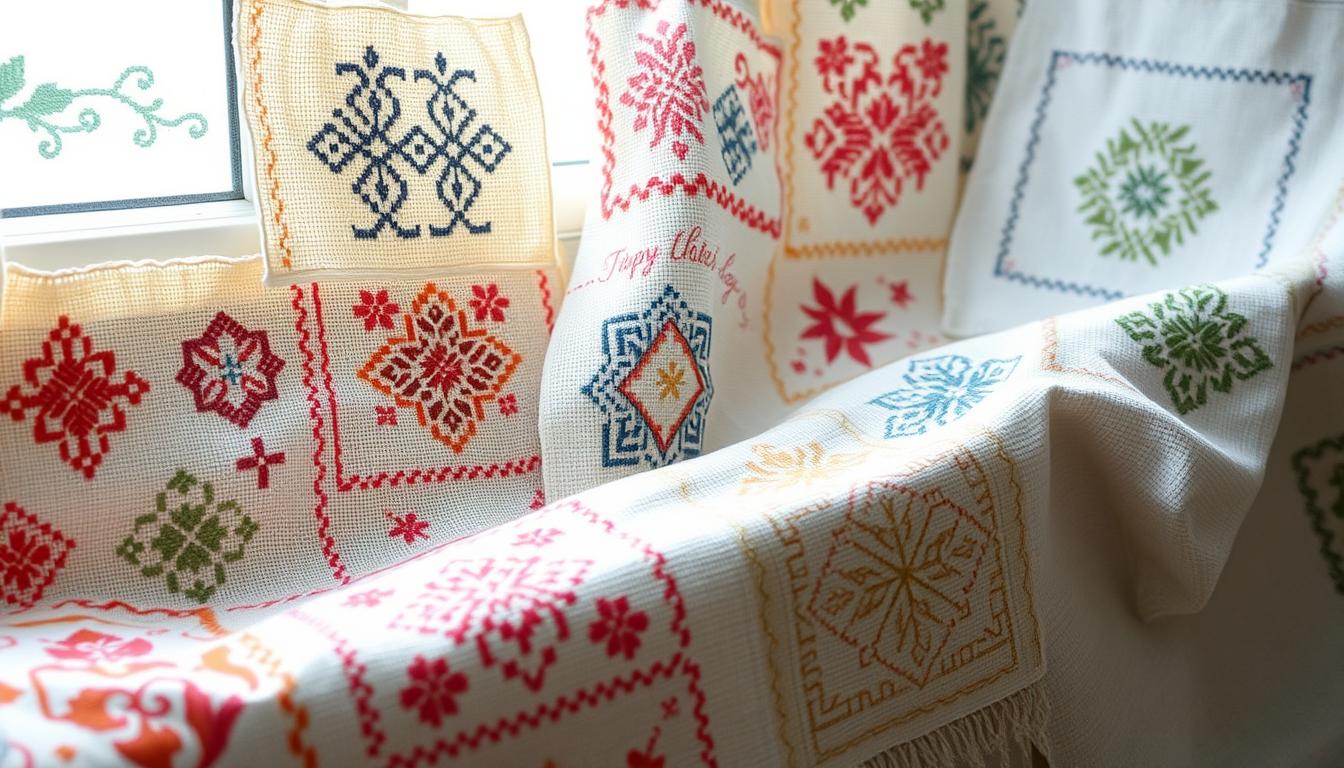
Finished pieces often feel stiff, but you can soften them without ruining your design. You’ll learn simple, buyer-focused steps that help your work drape better while keeping pattern alignment intact.
Start with fabric choice: DMC notes that aida fabric count controls drape; beginners usually pick 14-count aida. Use a blunt needle with an elongated eye, six-strand embroidery floss, a hoop, and sharp scissors to keep tension consistent.
The right supplies—modern kits from brands like Caterpillar and options from major retailers—include clear patterns and generous thread. These help you avoid over-tight stitching that makes a finished piece rigid.
In this guide you’ll see when to wash, block, or press, how to spot poor tension, and where to find good cross stitch kits and sales on supplies. Follow these steps and your next project will feel softer and more polished.
Key Takeaways
- Fabric count affects drape—14-count aida is a good starting point.
- Use proper tools: blunt needle, quality floss, hoop, and sharp scissors.
- Washing, blocking, and pressing are key to a softer hand.
- Choose reputable kits and watch for sales on supplies.
- Correct tension while stitching prevents excessive stiffness later.
Why Finished Pieces Feel Stiff and How to Spot Fixable Causes
Before you wash, do a quick inspection to find fixable causes of firmness. A simple check can save time and protect your colors and patterns.
Fabric finish and sizing often add body. New aida can ship with starch or sizing that makes the cloth feel firm. A pre-wash or targeted spot treatment usually relaxes those areas.
Hoop and tension issues create deep marks or puckers. If you see hoop rings or compressed intersections, you may be over-tightening your hoops or pulling each stitch too tight.
Check thread drag by gently lifting stitches. If the fabric dimples, ease your tension and consider using fewer strands of embroidery floss on low counts.
- Verify count: higher count gives denser coverage and a firmer hand; 14-count often finishes softer.
- Inspect needles: a slightly larger blunt needle reduces friction on the threads and holes.
- Look for shiny tracks from oils or dust; spot-clean those zones before a full wash.
Tip: If materials look suspect, scan retailer sales for a replacement hoop or better-matched tools to prevent recurring stiffness.
CROSS STITCH Softening Techniques You Can Trust Right Now
Start gently and work methodically so you protect color and stitch alignment. Use small, careful steps to relax the fabric and threads, then pick finishing materials that preserve a soft hand.

Gentle wash routine
Start with a cool soak in water and a tiny amount of mild, dye-free soap. Agitate minimally to lift sizing and dirt without stressing embroidery floss.
Do a quick corner test for colorfastness first. Press excess water out between clean towels—never wring—to keep each stitch true.
Blocking for a smoother hand
Lay the piece face down on a clean towel and square it to the weave. Let it air dry flat so threads settle evenly and motifs stay aligned.
Pressing like a pro
Press on the reverse, face down on a towel, with low heat and no steam. Lift the iron—don’t slide—to protect raised texture and avoid reactivating dyes.
Finishing and prevention
Choose lighter interfacing and breathable backing to avoid board-like stiffness. Mount with gentle framing tension and trim stray threads with sharp scissors.
- Keep a DMC-style toolkit: blunt needle, Six-Strand Embroidery Floss, hoops, and sharp scissors.
- For future projects, use a slightly larger needle for dense areas and fewer strands on high-count fabric.
Buyer’s Guide: Fabric, Floss, Needles, Hoops, and Kits That Help You Achieve a Softer Finish
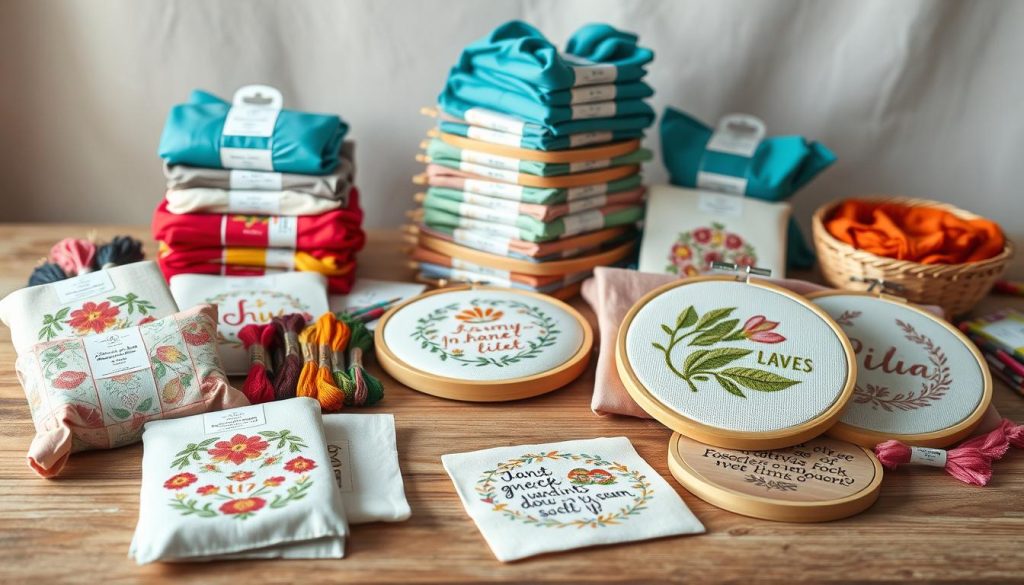
Start your project with gear that favors flexibility so your finished work drapes better. The right picks cut down on blocking and pressing later and help preserve pattern alignment.
Fabric and count selection
14-count aida is recommended for beginners. It balances visibility and drape and usually finishes softer than higher counts.
You’ll find it easier to vary strand use and keep crosses neat, which reduces dense, rigid areas in your pattern.
Supplies that support softness
Choose Six-Strand embroidery floss so you can use fewer strands in dense fills. That keeps coverage without bulk.
- Needles: A blunt, elongated-eye needle glides through holes and lowers friction on threads.
- Hoops: Pick a stable hoop that holds even tension; avoid over-tightening to stop deep rings.
- Scissors: Keep sharp pointed embroidery scissors for clean cuts that prevent backside lumps.
Shop smart: look for cross stitch kits from brands like Caterpillar and check DMC’s free patterns and Craft Studio. Watch sale sections and use gift cards to upgrade key items without overspending.
Conclusion
Start with the causes — remove sizing, ease tight tension, and spot-clean oils before any wash. This prepares fibers so your work relaxes without losing alignment.
Plan each stitch with softness in mind: choose the right count, a blunt needle, and the proper strand count. Re-hoop as you go to keep tension even from the first to the last cross.
Use a reliable toolkit and trusted brands to simplify every step. When your gear supports your process, your finished cross stitch lies flat, looks polished, and feels supple.
You can apply these steps today and turn your next piece into a refined piece of art that drapes and wears well.
 English