Softening Aida helps your piece feel nicer and lets your needle glide with less snagging.
You’ll learn gentle, fabric-friendly ways to relax stiff cloth so tension stays even and counting remains simple. This guide covers when to pre-wash, when to steam, and when light handling at home is best.
Many makers prefer 14-count Aida for beginner projects because the holes make neat work easier. You’ll also see why a blunt needle, Six‑Strand Embroidery Floss, and a hoop improve comfort and stitch placement.
You’ll get safe methods, clear product tips, and where to shop kits and tools so you can get started with confidence on your next cross stitch project.
Key Takeaways
- Use gentle handling, steaming, or a brief pre-wash to soften Aida without fraying.
- 14-count Aida suits beginner eye and stitch size for many projects.
- Keep a blunt needle, Six‑Strand thread, hoop, and sharp scissors in your toolkit.
- Softening improves needle glide and even stitch tension for cleaner results.
- Shop trusted kits and organized supplies to find patterns, floss, and tools affordably.
Why Aida Feels Stiff and How It Affects Your Stitching
Aida is made for cross work, so it holds a grid of evenly spaced holes. The factory sizing keeps the weave crisp and helps you count without guesswork.
What “count” means and why 14‑count Aida is beginner‑friendly
The count is stitches per inch. A 14‑count has 14 holes across one inch, so each cross looks clear without being tiny.
DMC and many teachers suggest 14‑count when you learn cross stitch because the holes are easy to see. That balance helps you follow a pattern and build confidence.
How stiffness impacts tension, needle glide, and floss coverage
Stiff Aida holds its grid, so your crosses stay even. But if fabric is too rigid, your needle will drag and your hands can tire.
Use a blunt needle designed for embroidery and Six‑Strand floss (usually two strands on 14‑count). A slight softening helps the thread lie flat and reduces snagging.
Tip: Avoid over‑softening. If the weave collapses, counting gets harder and pattern accuracy suffers.
| Count | Beginner Fit | Needle | Floss (strands) |
|---|---|---|---|
| 11 | Larger holes, easy on the eyes | Between 24–26 tapestry needle | 2–3 |
| 14 | Best for beginners; visible grid | 26 tapestry needle (blunt) | 2 |
| 16–18 | More detail; smaller crosses | 26–28 | 1–2 |
Gentle, Fabric‑Safe Ways to Soften Aida at Home
Use simple home techniques to loosen factory sizing without stretching the weave. These methods protect the grid so your needle and threads move freely while you work.
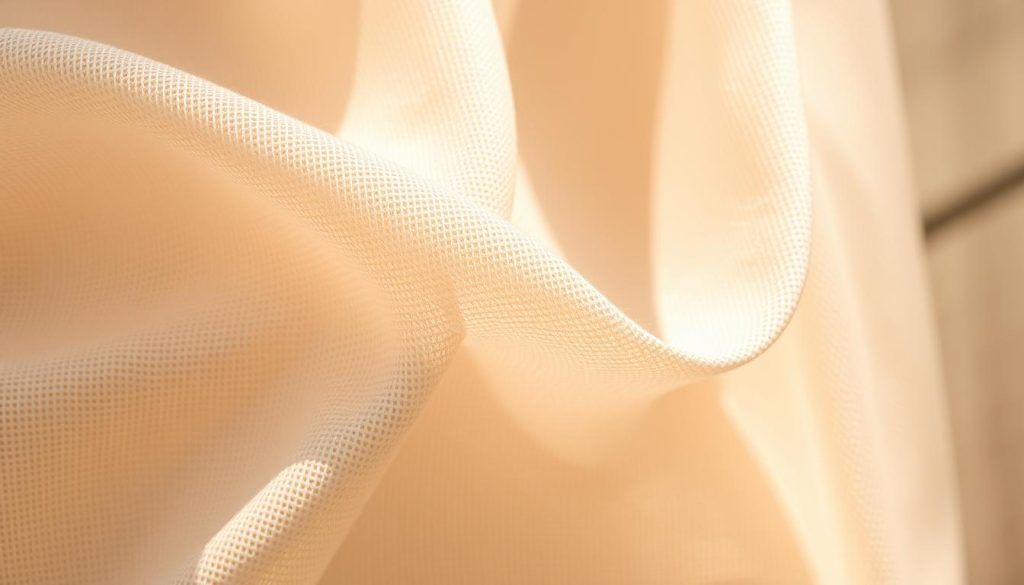
Cool water pre‑wash and air‑dry
When to pre‑wash: only if your fabric is unstarched, unprinted, and colorfast. Swish the piece gently in cool water.
Do not wring. Roll it in a towel and air‑dry flat to relax sizing without stressing the count.
Steam and press for a hoop‑ready finish
Hover a steam iron above the cloth to relax fibers. Then press on the wrong side with a pressing cloth to avoid shine.
This keeps the surface ready for a hoop and prevents scorch or flattened threads.
Hand‑softening methods
Loosely roll and unroll the fabric or gently crumple and smooth it to encourage flexibility.
Protect edges first by overcasting, zig‑zagging, or using fabric tape to prevent fray during handling.
Smart storage to avoid hard creases
Store rolled in a tube or flat between acid‑free tissue to keep the cloth workable. Avoid folding that can break fibers at creases.
A light press before stitching refreshes the surface and makes hooping easier.
“Test a small swatch with your usual strands of Six‑Strand Embroidery Floss to confirm coverage and hole openness before you commit to the full design.”
- Keep a blunt needle, hoop, scissors, and thread nearby to test how the fabric behaves after softening.
- Adjust hoop tension to be snug but not tight so the weave is not stretched unevenly.
- Re‑check dimensions if a pattern requires an exact count after softening.
| Method | When to Use | Key Benefit |
|---|---|---|
| Cool water pre‑wash | Unstarched, colorfast fabric | Relaxes sizing without heat |
| Steam + press | Printed or delicate Aida | Softens weave without wetting |
| Hand‑softening | Quick flexibility boost | Maintains grid and ready for hoop |
Top Product Picks to Make Aida Softer Without Damage
Choosing quality gear helps your fabric stay supple and your needle glide smoothly. The right hoop, needle, and threads work with softened Aida so you keep the grid intact while enjoying easier stitching.
Hoops and frames that hold taut without warping
Choose hoops that grip evenly. Wood hoops with smooth inner rings or quality Q-snaps hold tension without crushing the weave.
- Hoop: smooth wood or plastic inner ring to prevent dents.
- Frames with wide clamps spread pressure and reduce warping.
Blunt needles and smooth embroidery floss for easier glide
Pick a blunt needle with an elongated eye sized for your Aida count. A matched needle reduces friction and protects hole edges on softened fabric.
- Use Six‑Strand embroidery floss with consistent dyeing so threads lay flat and colors look crisp.
- Keep spare needles and threads to quickly swap if glide changes on softer cloth.
Soft, beginner‑ready Aida and curated stitch kits to shop
If you want convenience, shop kits that include 14‑count Aida, pre‑sorted threads, and clear patterns. Many stitch kits are tailored for a beginner and cut setup time.
- Look for soft‑hand Aida, stitchable items like totes or ornaments, and downloadable patterns for instant designs.
- Retailers often list kits on sale, floss & thread, needles, hoops & supplies, and gift cards to save on future purchases.
| Item | Why it helps | Look for |
|---|---|---|
| Hoop | Even tension, no warp | Wood inner ring or Q-snap |
| Needle | Less friction, protected holes | Blunt, elongated eye sized to count |
| Floss | Clean lay, true colors | Six‑Strand, smooth dye lot |
“Kits from trusted sellers came with clear charts and plenty of thread, making the whole process more relaxing.”
CROSS STITCH Projects to Start After Softening Your Fabric
Pick a small, well‑supplied project so you can enjoy quick progress on your softened Aida.
Ready‑to‑stitch kits give you everything you need to get started immediately. Look for kits that include quality fabric, pre‑sorted thread, and clear charts. These kits remove guesswork so you can focus on stitching and tension on your newly softened cloth.
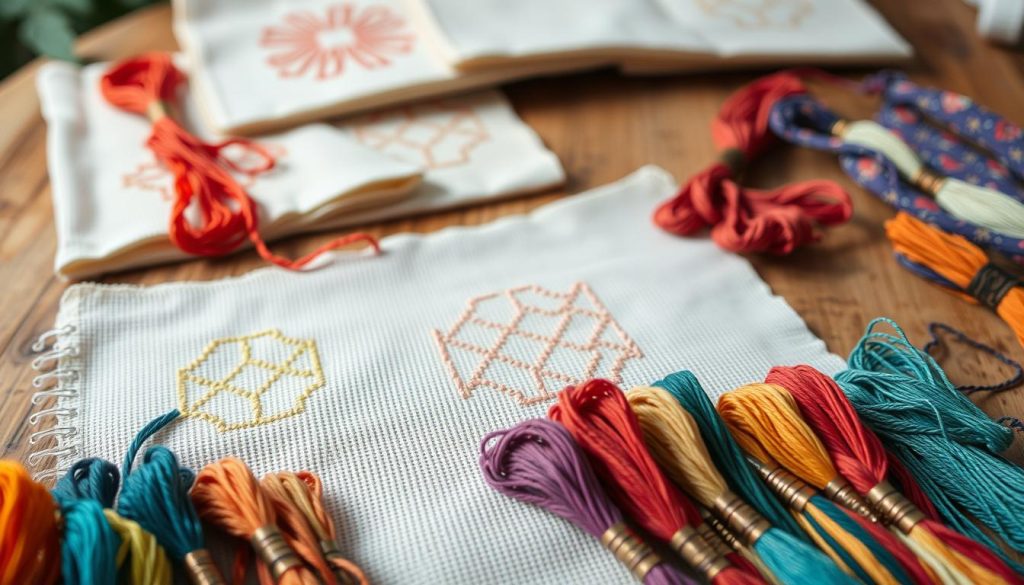
Ready‑to‑stitch kits with high‑quality supplies
Choose kits with iconic thread brands and a 14‑count option if you are a beginner. That count helps you keep steady tension and use two strands for full coverage.
Downloadable patterns and stitch‑alongs to keep you motivated
Downloadable patterns let you print and begin the same day. Pick small ornaments or samplers to practice on softened fabric. Join stitch‑alongs or community groups for pacing and tips as you work through a pattern.
- Quick wins: small sampler or ornament patterns with limited colors.
- Skill growth: try a medium project after a few small ones to build confidence.
- Community: use group feedback for thread choices and tension fixes.
| Option | Best for | Why it helps |
|---|---|---|
| Starter kit | Beginner | Includes fabric, pre‑sorted thread, and clear chart to get started fast |
| Downloadable pattern | Same‑day project | Print and begin; flexible sizing and quick selection of designs |
| Stitch‑along | Motivation | Regular pace and community support to finish the project |
“Pick patterns that match your available time and select thread colors you love so your progress stays fun and visible.”
Where to Shop Supplies, Patterns, and Kits on Sale
Find curated sale pages that bundle fabric, threads, and kits so you can build a full setup without overspending. Start at a retailer’s “What’s Currently On Sale” hub to see patterns on sale, kits on sale, and clearance items grouped together.
Find floss, fabric, needles, and hoops plus trending patterns and quick wins
Use category filters like Floss & Thread, Cross Stitch Fabric, Needles, Hoops & Supplies, and Stitchable Items to fill gaps in your stash. That helps you pick the right count, needle, and threads for your softened fabric.
- Save time: look for discounted cross stitch kits or stitch kits that include fabric, thread, and a needle to get started fast.
- Buy smart: pair downloadable patterns with sale embroidery floss and needles for instant projects.
- Gift options: consider gift cards during a sale so friends can choose their own kits later.
| Category | Why to shop | Try |
|---|---|---|
| Patterns | Find trending designs and instant downloads | Holiday issues, seasonal motifs |
| Kits | All-in-one convenience for one project | Starter kits with fabric and threads |
| Floss & Supplies | Match threads and needles for smooth glide | Spare threads, replacement needles, hoops |
“Subscribe to newsletters from trusted brands like DMC for free patterns and sale alerts to expand your library affordably.”
Conclusion
With a few careful steps, your fabric will feel softer and make every pass of the needle easier. Gentle pre-wash, careful steaming, and light handling relax sizing while keeping the grid you need for accurate count.
Pair softened Aida with a blunt needle and quality thread so your stitches glide and coverage looks even. Test a small swatch, then choose a kit or pattern that fits your time and goals.
Store cloth rolled or flat, refresh with a light press, and ease hoop tension to protect holes. Shop sales for patterns, kits, floss & thread, and needles to fill your toolkit affordably.
With simple prep and the right supplies, you’ll turn stiff Aida into a pleasure to work on and enjoy more consistent results in every cross stitch project you pick next.
 English