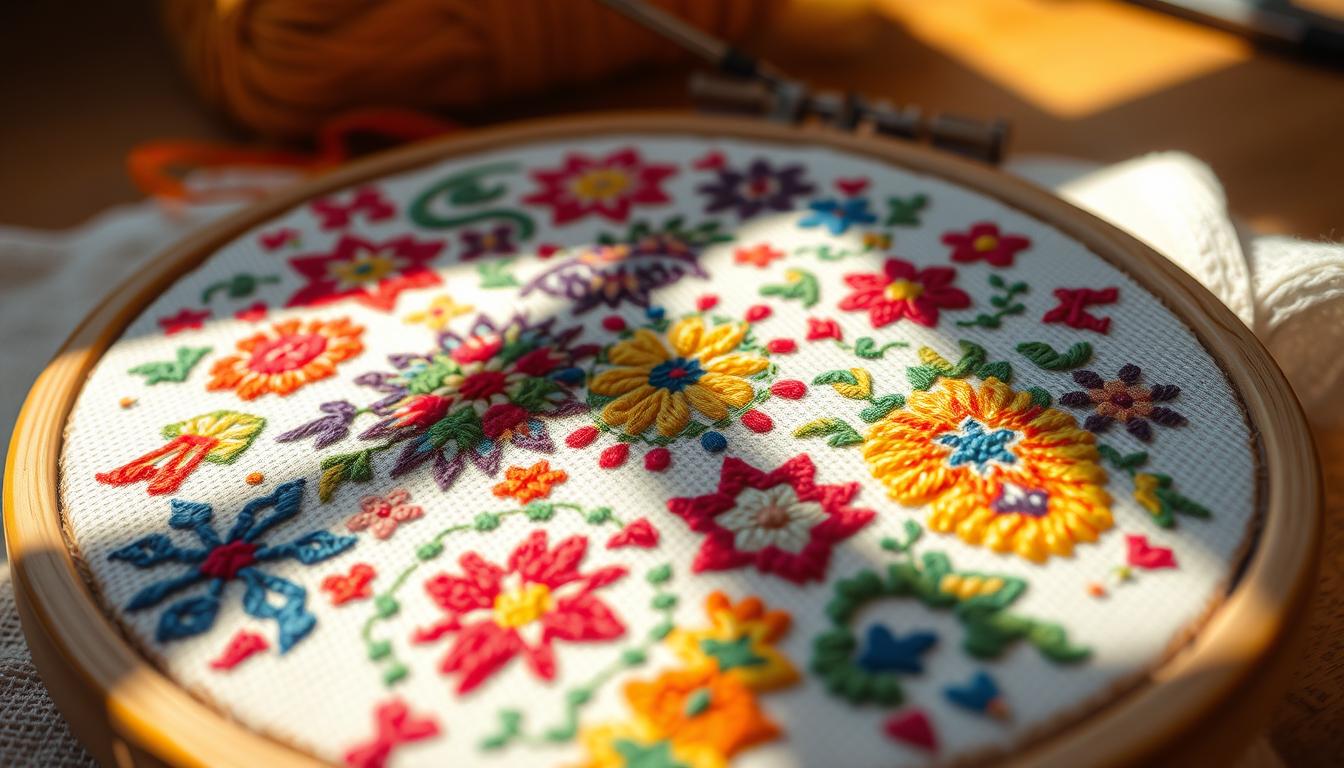
Start smart: you can turn a diamond painting grid into a stitch-ready chart without losing the original design. Both arts use a square grid, so each tile maps neatly to one square on aida fabric.
What you’ll need includes 14-count aida for beginners, six-strand embroidery floss, a blunt tapestry needle, a hoop, and sharp scissors. Major retailers offer kits and downloadable patterns, often with clearance or sale items to keep your budget in check. Join communities like Caterpillar Cross Stitch’s Facebook group for tips at every skill level.
Key Takeaways
- Map each diamond tile to a single square on aida to keep proportions intact.
- Choose 14-count aida and six-strand floss for easy coverage and readability.
- Decide between buying kits for speed or supplies for customization.
- Create a chart key to match symbols to thread colors before you start.
- Shop smart: check major retailers for patterns, kits, and items on sale.
From Diamonds to Stitches: What Conversion Involves and Why It Works
Because both crafts use square grids, you can map each painted tile directly to a fabric square. This one-to-one match keeps proportions and makes math predictable.
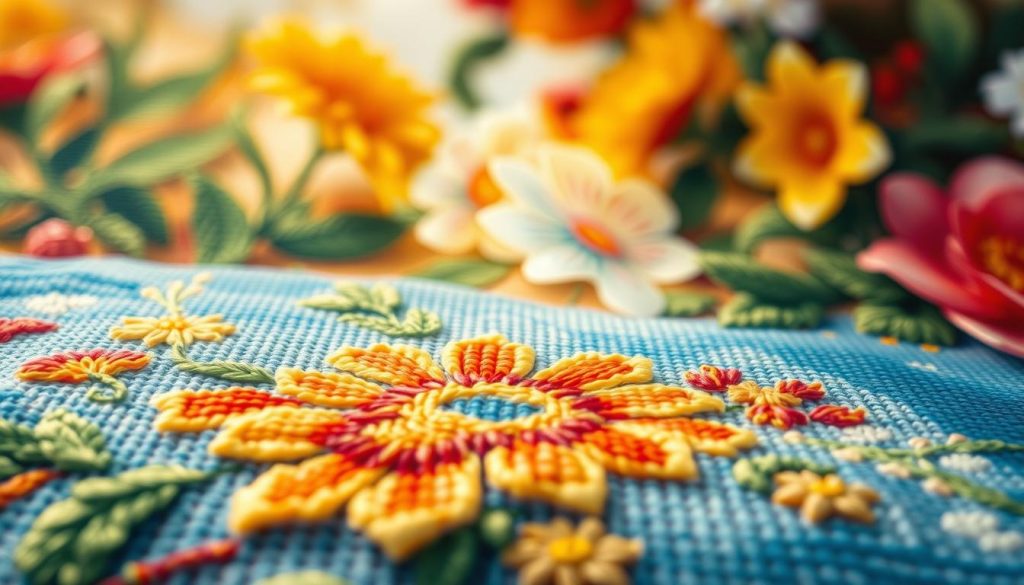
How diamond painting grids translate to counted charts
Start with the count. At 14-count aida, 140 crosses equal 10 inches, so your finished size is easy to plan. Use six-strand embroidery floss and a blunt tapestry needle for neat coverage.
Convert the diamond legend into a pattern key by listing symbols next to DMC-style color names and numbers. Preserve the original aspect ratio—200 x 150 tiles becomes 200 x 150 crosses—to avoid distortion.
- Avoid fractional stitches; add optional backstitch lines for extra detail.
- Handle confetti areas by working in 10×10 blocks or using parking methods.
- Decide if you want solid fill or intentional negative space before you begin.
Tip: Mark progress with a highlighter or soluble pen and rely on standard color systems so you can resupply exact shades for future items or kits.
Your CROSS STITCH toolkit for flawless conversions: fabric counts, floss, needles, hoops, and more
Build a compact kit with the right fabric, threads, and tools to ensure flawless conversions.
Choose the right fabric count
14-count aida is the go-to choice for beginners. It balances detail and visibility so you can count squares easily.
Start with 14-count fabric and you’ll keep your converted chart proportionate and readable.
Floss and thread selection
Use Six-Strand embroidery floss for consistent coverage. Adjust the number of strands to match your fabric count.
Pick a DMC palette or labeled threads so colors stay true when you resupply.
Needles, hoops, and scissors
A blunt tapestry needle with an elongated eye prevents fraying. Match needle size to your fabric.
Use a hoop for steady tension and sharp scissors for clean snips that stop fuzzy tails.
Markers, kits, and shopping smart
Trace guides with a soluble marker or magic paper that fades after washing. Decide if a kit or DIY shopping fits you best.
- Kits save time with pre-sorted threads and printed patterns.
- Buying supplies lets you choose premium fabric and specialty threads.
- Scan sales and clearance items, and use gift cards for larger purchases.
Step-by-step: Convert your diamond painting chart into a stitch-ready pattern
Begin by translating each diamond symbol into a labeled floss entry so colors match under daylight. Duplicate the diamond legend into a clear DMC-style key, listing color names and numbers next to each symbol. Test close matches in natural light so the floss reads like the original tiles.
Scale and size: use 14-count aida as your baseline. Calculate finished inches by dividing stitches by the fabric count. For example, 210 × 280 stitches on 14-count becomes about 15 × 20 inches before borders.

Stitching details and embellishments
Work full cross stitches for most areas and keep every top leg aligned for even sheen. Add backstitch outlines on faces or text to sharpen edges.
Echo the diamond sparkle with a few beads or buttons, but place them sparingly so they don’t overwhelm the pattern. Use a blunt needle, hoop, and sharp scissors for clean work.
Test swatch and thread management
- Test coverage on a small swatch; on 14-count, try two strands and compare three if needed.
- Keep thread lengths to 12–18 inches and use the loop method for two strands.
- Organize threads on bobbins or drops labeled by symbol and work in 10×10 blocks to avoid miscounts.
- Finish tails by weaving under several back crosses and trim with sharp scissors for a neat back, ready for framing or kits.
Conclusion
When your chart, threads, and supplies are ready, the stitching phase becomes simple and rewarding.
You’re set: match symbols to a DMC-style key, choose 14-count fabric, and test a small swatch before you commit to the full project.
Use cross stitch kits or assemble your own kit with a needle, hoops, scissors, embroidery floss, and spare thread. Hunt for patterns and stitch kits on sale or clearance and buy gift cards to time larger buys.
Finish with beads or backstitch for sparkle, keep a short checklist at hand, and queue the next cross stitch pattern to keep momentum.
 English