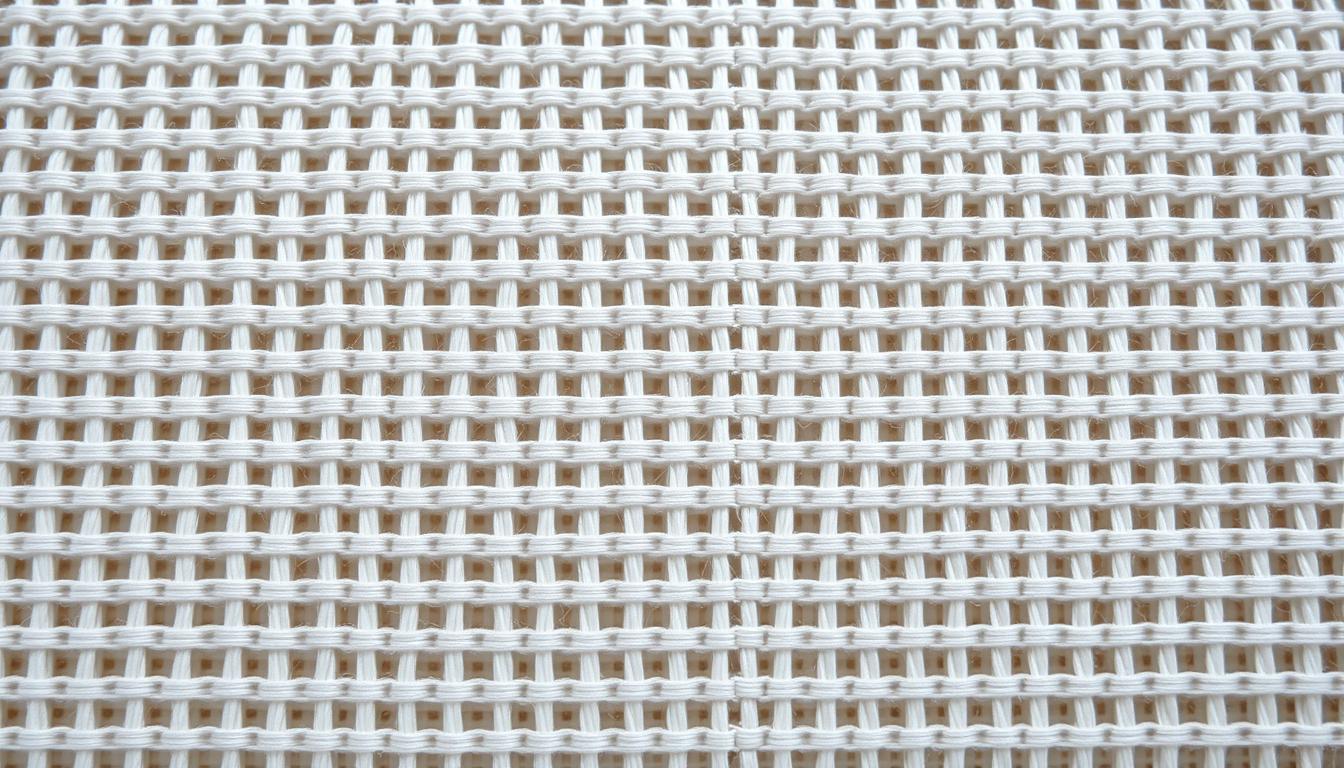
You want a quick, reliable answer to how many strands to use on 14-count Aida so your project looks clean and balanced. In most cases, you’ll use two strands of six-strand embroidery floss for full coverage on 14 count fabric.
Two strands give good coverage without overwhelming the holes on Aida. Beginners often choose 14 count because it makes each cross easy to see and keeps stitches a comfortable size. Your essential tools include six-strand floss, a blunt needle with a long eye, a hoop, and sharp scissors. Optional items like soluble markers and preselected kits help you get started fast.
Key Takeaways
- Use two strands of floss for standard coverage on 14-count Aida.
- 14 count is ideal for a beginner to get started and learn tension.
- Adjust strands for bolder coverage or finer detail as your project requires.
- Essential tools: six-strand floss, blunt needle, hoop, and scissors.
- Shop kits and downloadable designs to save time and match materials.
- Match strand choices to the design so your finished piece looks intentional.
The Short Answer for 14 Count Aida
Two strands of six-strand thread usually give the best balance on 14-count fabric. This setup covers the fabric well without making each cross feel bulky. A blunt needle will glide through the holes and protect the fabric.
Your go-to: 2 strands of six-strand embroidery floss for full cross stitches
Use two strands for standard full crosses on 14 count. That pairing gives neat coverage and a smooth surface while keeping your pace steady. If your work looks too sparse, adding a strand can help.
When to use 1 or 3 strands for coverage, detail, and texture
Choose one strand for fine detail, subtle shading, or crisp backstitch outlines over filled areas. One strand reduces raised lines and keeps lettering readable.
- Use three strands for bolder coverage on dark fabric or a padded look, but expect slower, tighter stitching.
- Keep thread lengths to 12–18 inches to limit fray and tangles.
- Separate strands before recombining so they lie parallel and improve coverage.
Understanding Aida Count, Coverage, and the Look You’ll Get
On 14-count Aida, each inch holds 14 tiny crosses, so your finished piece balances detail and coverage.
Count determines how big each mark appears. Higher counts make smaller marks and finer detail. For most projects, 14-count fabric gives readable detail while staying easy to manage.
How stitch size affects your project
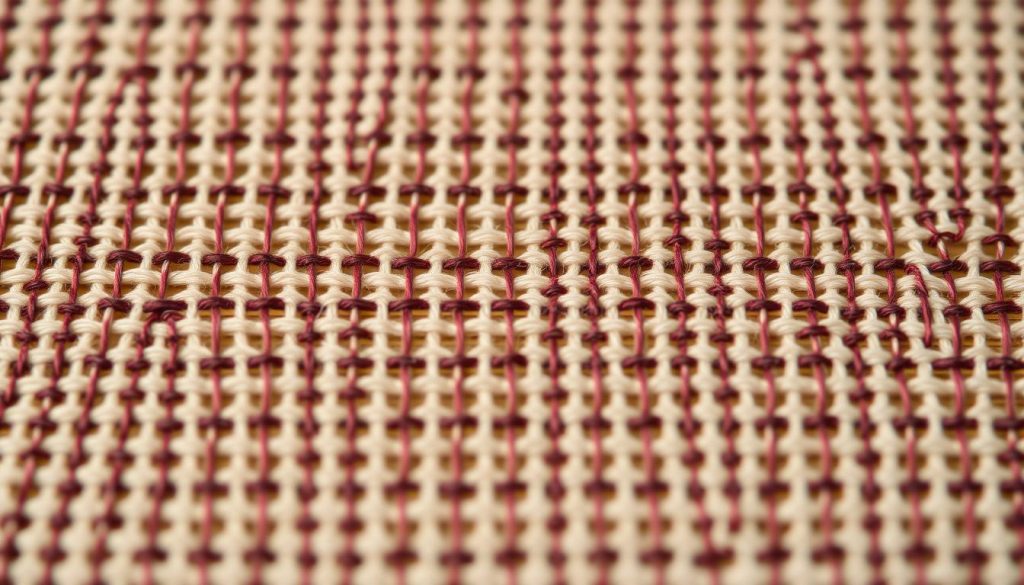
Two strands of stranded six-strand thread typically give full coverage on 14 count without bulk. If you add a strand, coverage increases but the fabric can stiffen.
Your needle should match the count so it slips through holes without widening them. A blunt, elongated eye needle designed for embroidery preserves the weave and keeps each cross neat.
Balancing coverage vs. drape: strands, fabric, and thread type
Separate and recombine strands so fibers lie smooth. This helps the cross reflect light evenly and lie flatter.
“Preview a small swatch to confirm the look before you start the full piece.”
A hoop or frame keeps fabric taut. That steady tension improves corner-to-corner consistency and prevents distortion when you place dense fills next to open areas.
- Test light and dark colors with one, two, and three strands to judge opacity.
- Use shorter thread lengths (12–18 inches) to avoid fray and tangles.
- Match needle size to fabric to keep holes clean and crosses crisp.
| Strand Count | Look on 14 Count | Best Use |
|---|---|---|
| 1 strand | Delicate, softer coverage | Fine detail, outlines, pale colors |
| 2 strands | Balanced, even coverage | Standard full fills on 14-count fabric |
| 3 strands | Heavier, more opaque | Dark backgrounds or padded texture |
| Needle choice | Blunt, elongated eye | Protects fabric; fits threads easily |
CROSS STITCH Materials That Help You Nail Perfect Stitches on 14 Count
Start with the right kit so your work looks tidy and feels satisfying as you go.
Core items: six-strand embroidery floss, 14-count Aida fabric, a blunt needle sized for 14-count, a hoop to keep tension steady, and sharp embroidery scissors.
Embroidery floss and threads: choosing colors and strand types
Pick colors that contrast well with your ground fabric. Test one, two, and three strands to see how opacity changes on 14-count Aida.
Needles, hoops, and fabric: the essential toolkit for beginners
Use a blunt needle with an elongated eye so threads pass without splitting fabric fibers. A hoop keeps tension even and prevents puckering.
Backstitch with 1 strand for crisp outlines on 14 count
Use one strand for backstitch outlines to sharpen motifs and lettering without overpowering nearby fills.
- Carry a water-soluble marker for layout lines.
- Try specialty threads sparingly; they may need fewer strands.
- Pack a small kit bag so your supplies travel neatly.
| Item | Why it matters | Tip |
|---|---|---|
| Embroidery floss | Flexible coverage for fills and blends | Separate strands before use |
| Needle | Protects fabric and seats stitches | Match to 14-count Aida |
| Hoop | Stabilizes tension | Keep fabric taut, not stretched |
Shop Supplies, Kits, and Patterns Optimized for 14 Count Aida
Find curated kits and patterns made for 14-count Aida so you can start a project with confidence. Many shops group offerings by categories like Cross Stitch Patterns, Cross Stitch Kits, Floss & Thread, and Needles/Hoops/Supplies.
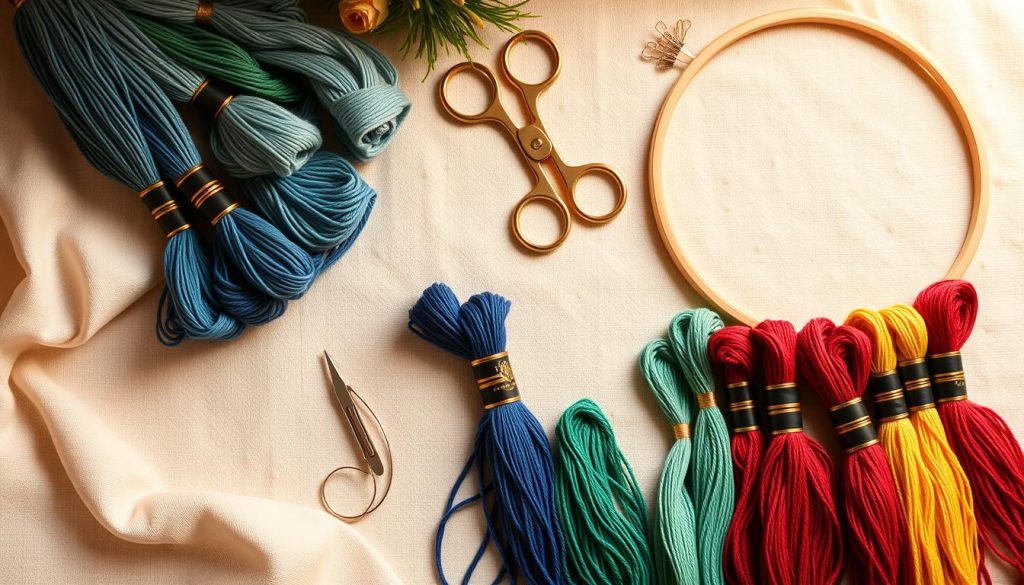
Cross stitch kits with pre-selected floss and fabric
All-in-one kits include 14-count fabric, preselected thread, and clear charts. These kits save time and reduce guesswork, which is great if you want a ready start.
Floss, fabric, needles, hoops, and stitchable items to add to cart
You can add essentials—floss, fabric, a blunt needle, a hoop, and small stitchable items—organized by category. Look for sales to refill supplies at a lower cost.
Downloadable patterns and trending seasonal designs
Downloadable patterns let you begin instantly. Popular seasonal designs include Just CrossStitch Christmas 2025, 2025 Schooler Santa, and Happy Holiday Gnomes.
Gifts and starter items: beginner-friendly kits on sale
Gift-ready kits and cards make thoughtful presents. Prioritize kits on sale to stretch your budget, and pick beginner-friendly boxes with ample thread and clear instructions.
| Category | What’s Included | Best For |
|---|---|---|
| All-in-one kits | 14-count fabric, floss, chart | Quick starts, beginners |
| Downloadable patterns | PDF charts, color keys | Instant access, custom floss |
| Supplies | Needles, hoops, threads | Restocking toolkit |
Tips to Get Started and Keep Going: From First Stitch to Finish
Learn cross stitch by starting small and building steady habits. Pick a tiny sampler on 14-count Aida, thread a blunt needle, and practice a few simple stitch patterns before you begin a full project.
Learn cross stitch today: how to start and read a chart
Match symbols to colors and mark completed areas lightly. Count from the center and follow a small grid to avoid costly errors. Use step-by-step tutorials or short videos to get started fast.
Thread management: separating strands and avoiding tangles
Cut shorter lengths (12–18 inches), separate strands, and smooth them before threading. Keep even tension and use a hoop to prevent distortion.
Make the most of leftovers: creative ideas for extra threads
Save leftover threads for mini craft projects at home. Try tiny tassels, jar displays, or ornament fillers so nothing goes to waste. Join online groups for tips and quick inspiration.
- Practice one small block of stitch patterns to gain speed.
- Use one strand for backstitch outlines to sharpen details.
- Organize threads on bobbins or cards to save time during a project.
“Short practice sessions beat marathon stitching for steady improvement.”
| Tip | Why it helps | Quick action |
|---|---|---|
| Sampler | Builds confidence | Try a 2″x2″ motif |
| Short threads | Reduce tangles | Cut 12–18 in. |
| Community | Fast advice | Join a forum or class |
Conclusion
Test a tiny corner with your chosen thread and needle so you know how the fabric and floss behave before committing. This quick check saves time and keeps your finished piece consistent.
Use two strands on 14-count Aida for most full coverage, and one for crisp outlines or fine detail. Try three strands only for denser areas or dramatic texture.
You can pick ready-made kits or assemble your own with patterns, floss, fabric, and other supplies. Watch pattern and kits pages marked with a sale to save on essentials.
Keep short thread lengths, separate strands, and use a hoop. These habits help your project look neat and keep your embroidery rhythm steady.
 English