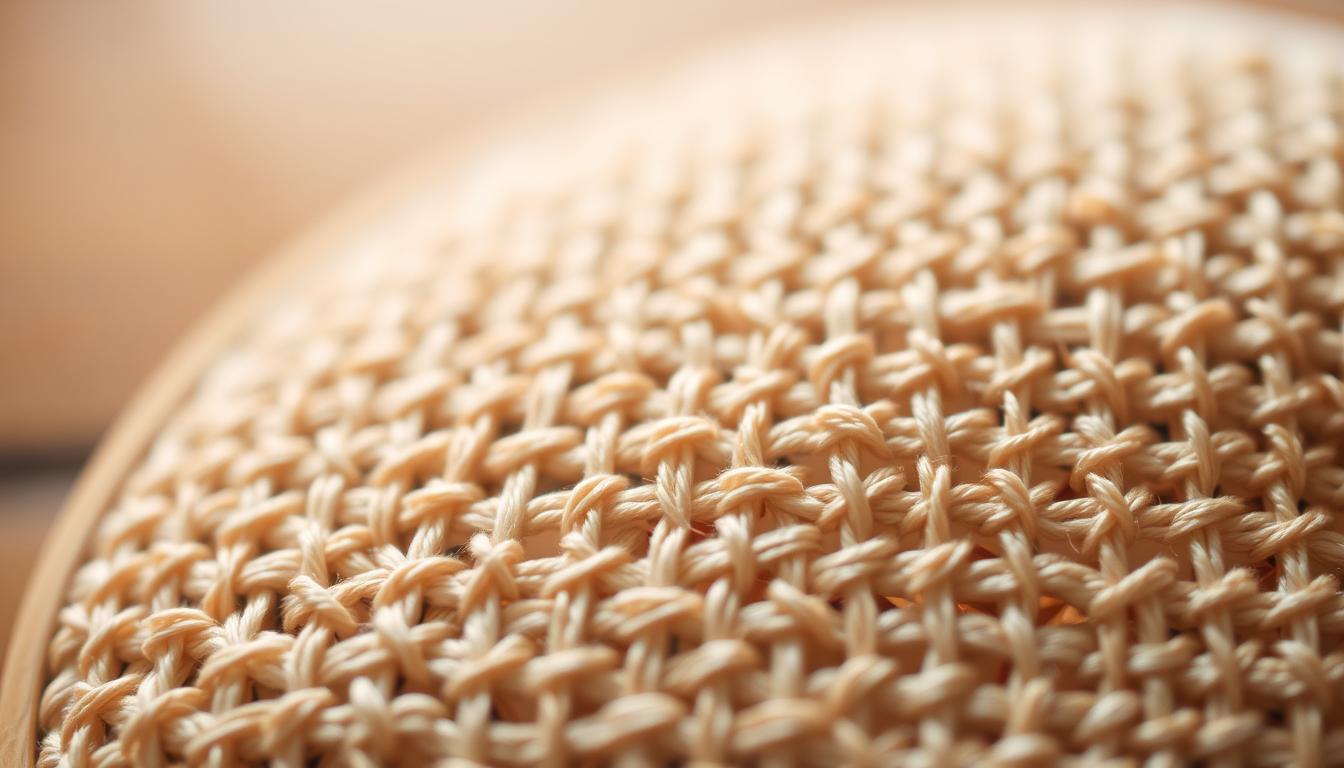
You’re about to learn what “2 strands” means and why it matters for your first cross stitch project.
Two strands refers to separating two individual threads from standard six-strand embroidery floss and using them together for each stitch. This gives even coverage on common Aida fabric without bulk. For beginners, 14-count Aida plus two strands is a friendly combo because the holes are easier to see and the finished work looks tidy.
You’ll also meet the basic toolkit: Aida fabric, a blunt needle with an elongated eye, a hoop for tension, floss, and sharp scissors. Designers note strand count in pattern keys, so you can follow instructions without guesswork. Some brands bundle everything in kits and offer free tutorials to guide your first craft.
Key Takeaways
- “2 strands” = two threads from six-strand floss used together for each stitch.
- Two strands work well on 14-count Aida for balanced coverage and easy handling.
- Basic gear: Aida fabric, blunt needle, hoop, floss, and sharp scissors.
- Pattern keys and kits usually specify strand count to match designer intent.
- Outlining often uses one strand for crisp detail while full crosses use two.
Understanding “2 Strands” for CROSS STITCH Beginners
Two strands means you separate a six-strand skein and use two single threads together for each full cross. This gives even coverage on common Aida without bulk. You’ll get neat, readable stitches that match most beginner pattern keys.
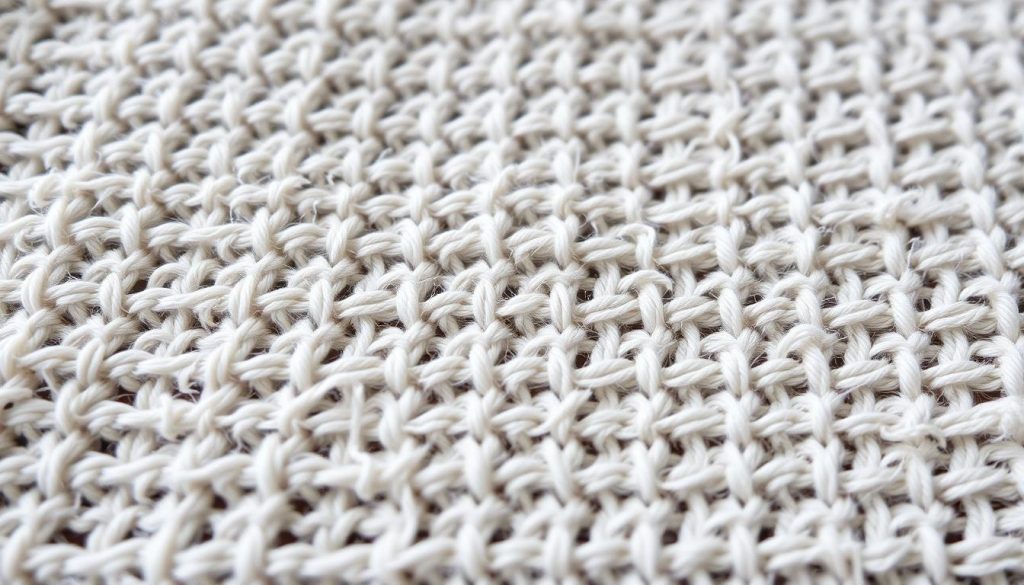
What two strands means with six-strand embroidery floss
Six-strand embroidery thread is meant to split. Pull two strands and combine them for a single working thread. A blunt needle with an elongated eye fits the doubled floss and slides through Aida holes without splitting the threads.
How fabric count impacts strand choice and coverage
On 11–14 count fabric, two strands give solid coverage. On 16–18 count the result looks finer. For linen or very high counts, you may use one or two strands to avoid crowded, bulky crosses.
When to use 2 strands versus 1 or 3
Use one strand for delicate details, backstitch, or fractional stitches. Use two strands for standard coverage in most cross stitch patterns. Use three strands on lower-count fabric or when you want denser, more opaque color.
| Fabric Count | Recommended Strands | Result |
|---|---|---|
| 11–14 Aida | 2 (sometimes 3) | Balanced, opaque coverage |
| 16–18 Aida | 1–2 | Finer, neater detail |
| Linen / Evenweave | 1–2 | Less bulk, delicate look |
| Very low count (8–10) | 3 | Bold, full coverage |
Buyer’s Guide: Threads, Fabric, Needles, and Kits for the Right Strand Count
Choose smart, buy once: picking the right materials saves time and keeps your first project pleasant.
Embroidery floss and brand picks
Pick quality embroidery floss like DMC Six-Strand Embroidery Floss. It separates cleanly so you can use one to three strands as needed.
Starter fabric and why 14-count matters
Begin with 14-count Aida. The holes are easy to see, and two strands give full, even coverage without bulk.
Needles, hoops, and handy tools
Choose a blunt cross needle with an elongated eye and add hoops in common sizes to keep tension steady. Include sharp scissors and a soluble marker for neat starts and stops.
How to pick kits, patterns, and deals
Compare kits that list strand counts and clear charts. Filter retailer pages for Kits on Sale and Patterns on Sale to save while buying useful items.
“A well-packed kit with clear instructions is the best gift for a beginner.”
Pack your cart with floss, fabric, needles, hoops, scissors, needle minders, and storage—these supplies keep your work tidy and ready to finish.
Applying 2 Strands in Practice: Setup, Stitching, and Finishing Touches
A tidy setup gives you steady results and less frustration as you work through a pattern. Gather your floss, a blunt needle with an elongated eye, sharp embroidery scissors, a hoop, and a 14-count Aida piece before you begin.
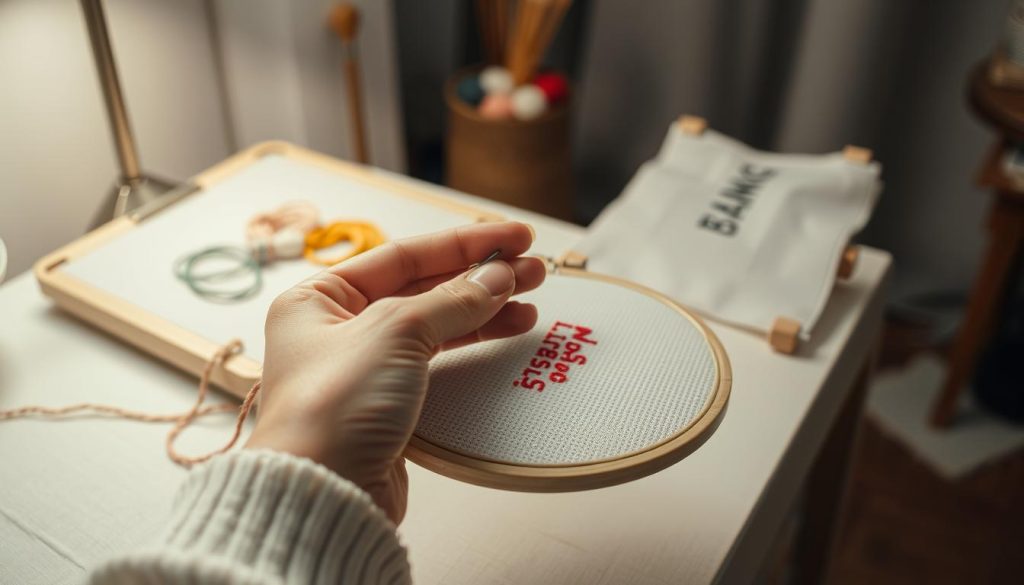
How to separate floss strands cleanly and thread your needle
Cut a workable length of Six-Strand Embroidery Floss and hold one end steady. Gently tease out a single strand at a time to avoid knots, then pair two strands for your working thread.
Thread the doubled strand through a blunt needle and start with a loop method or anchor the tail under nearby stitches for a neat back. This keeps the fabric smooth and the art ready for framing.
Stitching tips: Consistent tension, neat crosses, and backstitch outlining
Keep the fabric taut in a hoop so each cross lays flat. Make sure the top leg of every cross goes the same way for a consistent sheen across the piece.
Control tension so the thread rests on the fabric without pulling the holes closed. Use one strand for backstitch outlines and details to sharpen edges without overwhelming surrounding crosses.
| Task | Recommended Strands | Tip |
|---|---|---|
| Full cross on 14-count Aida | 2 | Use a hoop and keep top leg direction consistent |
| Backstitch / outlining | 1 | Follow chart lines; use 1 strand for crisp edges |
| Ends & finishing | — | Trim with sharp scissors and weave tails under back stitches |
“Practice neat starts and consistent crosses; the finished piece looks professional.”
Conclusion
Two strands on 14-count Aida give predictable coverage and a clean look that fits beginner patterns. You now know to read pattern keys and pick kits that list strand counts so your work matches the designer’s intent.
Shop smart by checking Kits on Sale and Patterns on Sale, or choose a complete cross stitch kits set with clear charts. Keep a simple toolkit: floss, a good needle, sharp scissors, and a hoop. Finish neatly by weaving in ends and using one strand for crisp outlines. Follow tutorials from major brands to grow your skills, then try bolder thread or finer embroidery floss blends as you gain confidence in this craft and art.
 English