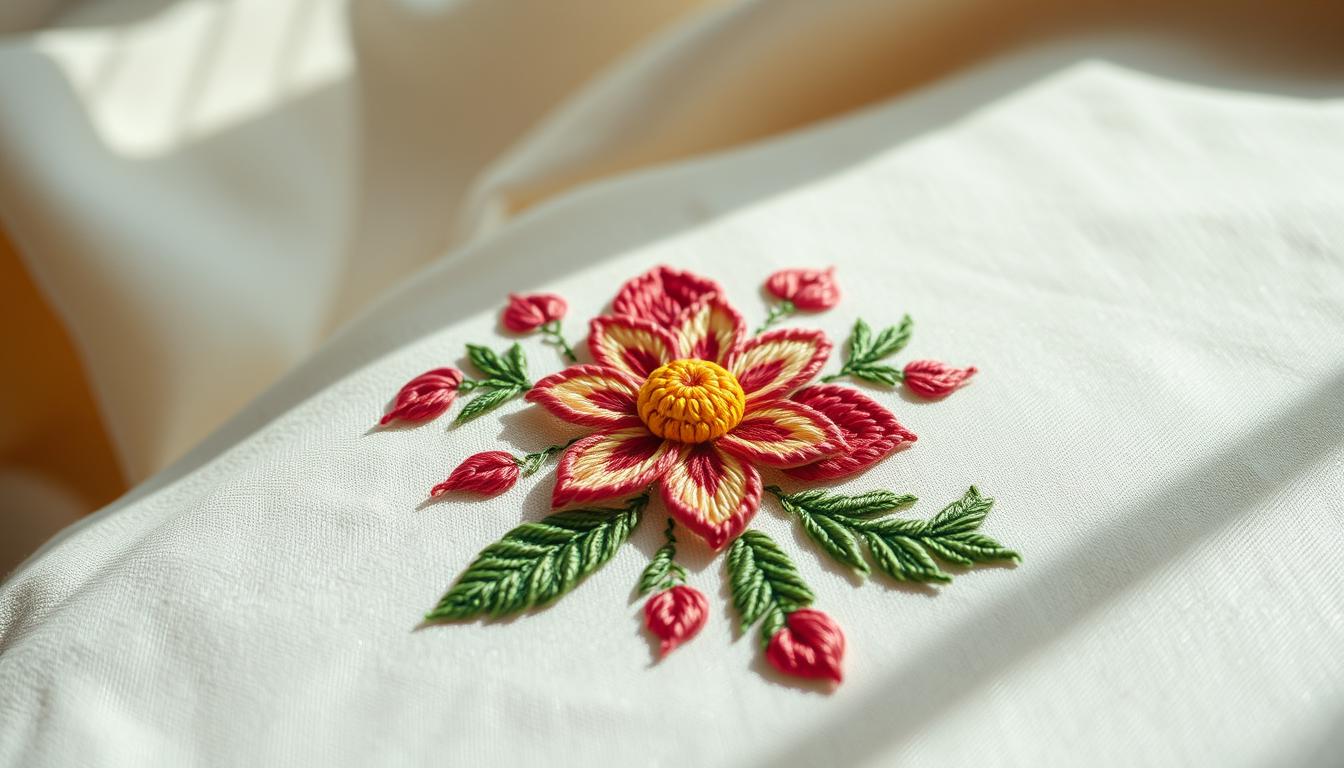
Ever thought about if a home embroidery machine saves time and money or just gathers dust? This article does a detailed cost-benefit analysis. It helps you decide if embroidery is right for you, whether for fun, a weekend hobby, or a side business.
This intro talks about what makes something valuable: price, long-term costs, and features. We compare brands like Brother, Ricoma, and others. This shows when buying a machine is worth it.
We’ll look at the initial cost, financing, and ongoing expenses like thread and maintenance. You’ll also learn about accessories like MaggieFrame magnetic hoops. We’ll discuss how needle count, field size, software, and speed impact your return. This is useful whether you’re choosing between needlepoint and embroidery or exploring other needlework.
Key Takeaways
- Value depends on how much you plan to produce: hobby use favors affordable models; businesses need multi-needle systems.
- Upfront price is only one part of cost; thread, stabilizer, hoops, and repairs add up fast.
- Higher needle counts and larger fields boost productivity but raise initial cost.
- Software and workflow tools can make the biggest difference in profit per hour.
- Concrete brand comparisons will show real break-even points for side hustles and scaled businesses.
Understanding embroidery machine price tiers and who they’re for

Before you choose a machine, think about your goals. The prices vary from small, entry-level units to big industrial rigs. Your choice should match your expected output, fabric types, and stitching types.
Beginner and hobbyist price range
For beginners, expect to spend $250–$1,500. Machines like the Brother PE535 and Brother SE600 are good for beginners. They have a 4″ x 4″ field, basic USB import, and 50–80 designs.
These machines are great for monograms, patches, and light fabrics. But, they struggle with heavy materials like denim and towels. They also have limited advanced editing.
Refurbished units can save money. They let you try different stitching types without spending too much.
Home business and mid-range models
For those starting a home business, expect to spend $1,000–$10,000. Machines like the Brother PE800 and mid-range Janome and Ricoma models have bigger fields and more designs. They also go faster.
These models are good for small-scale production. They offer 2–12 heads and higher speeds. They’re a step up from hobby machines but not as expensive as industrial ones.
Professional and commercial systems
Professional systems start at over $10,000. Brands like Tajima, Happy, and Ricoma MT series offer big fields and fast speeds. They have 12–15 needles and fields up to 400×600 mm.
These systems are made for high-volume work. They have strong parts, come with accessories, and have long warranties. Financing options make them easier to afford for growing businesses.
| Tier | Typical Price | Key Features | Best For |
|---|---|---|---|
| Beginner / Hobby | $250–$1,500 | 4″ x 4″ to 5″ x 7″ fields, 50–150 designs, LCD, USB import | Learning stitches, monograms, small gifts |
| Home Business / Mid-range | $1,000–$10,000 | Larger fields, higher SPM, multi-needle options, better warranty | Part-time sellers, custom orders, small batches |
| Professional / Commercial | $10,000+ | Multi-head setups, 12–15 needles, large fields, industrial SPM | High-volume shops, contract production, branded apparel lines |
When comparing needlepoint and embroidery, remember needlepoint is a hand craft. It uses different tools and takes more time. This shows why the type of stitching and machine features are important. Choose a machine that fits your needs and budget.
Cost of ownership: upfront price, consumables, maintenance, and accessories
Buying an embroidery machine is more than just the initial cost. It includes the machine itself, taxes, shipping, and ongoing supplies. It also covers routine care and any extras that help you work faster. Think about the long-term costs, not just the short-term.
Upfront cost vs. regional fees and financing
The Ricoma EM-1010 costs about $7,995 for a 10-needle setup with a 7″ touchscreen. Add California’s sales tax, and you’ll pay around $1,075 more. Buyers outside the U.S. face extra costs like shipping and import duties.
Financing options can make high-end machines more affordable. Ricoma offers 0% financing for up to 60 months. This means paying about $159 a month for some machines. Larger models might cost closer to $305 a month. Make sure to check if financing includes training, shipping, and accessories.
Consumables and recurring operating costs
Embroidery supplies add up over time. Expect to spend $500–$1,000 a year on thread and $300–$600 on stabilizers. Don’t forget the cost of needles, bobbins, and other small supplies, which can add up, too.
Energy-efficient machines can save you money. For example, the Avance 1501C could save you about $1,900 in energy costs over five years. This can lower your cost per garment.
Repairs, maintenance routines, and warranty impact
Regular maintenance can save you money and time. Preventative kits cost around $189 a year. Professional services average $350 per visit, with many businesses needing two visits a year. Calibration every six months can cost $275.
Some parts need rebuilding over time. Expect to spend about $420 every three years on stepper motor rebuilds and $585 every five years on touchscreen replacements. Industrial units might need annual service costing $2,000–$4,500. Maintenance can be 5–10% of the purchase price each year.
Warranty length affects your risk. Brands like Tajima and SWF offer warranties up to seven years. Ricoma usually provides five years. Consider the warranty when calculating long-term costs.
Accessories that change the math
Embroidery accessories can greatly increase your productivity or costs. For example, magnetic hoops like MaggieFrame can cut hooping time from three minutes to thirty seconds. This can save you around 200 hours a year if you hoop 50 garments daily. At $20 an hour, that’s a savings of about $4,000 a year.
Other accessories, like extra hoops, cap systems, and software, may have a higher upfront cost. But they can also improve your efficiency and quality. When planning your budget, remember to include the cost of software, shipping, taxes, and any other supplies you’ll need.
Feature tradeoffs: needle count, field size, software, and productivity
When you look at machines, think about how each feature affects your work and costs. Small changes in needle count and embroidery field size can impact setup time and consistency. Your choice of software and workflow automation will also affect your daily speed and how many orders you can handle.
Needle count and multi-needle advantages
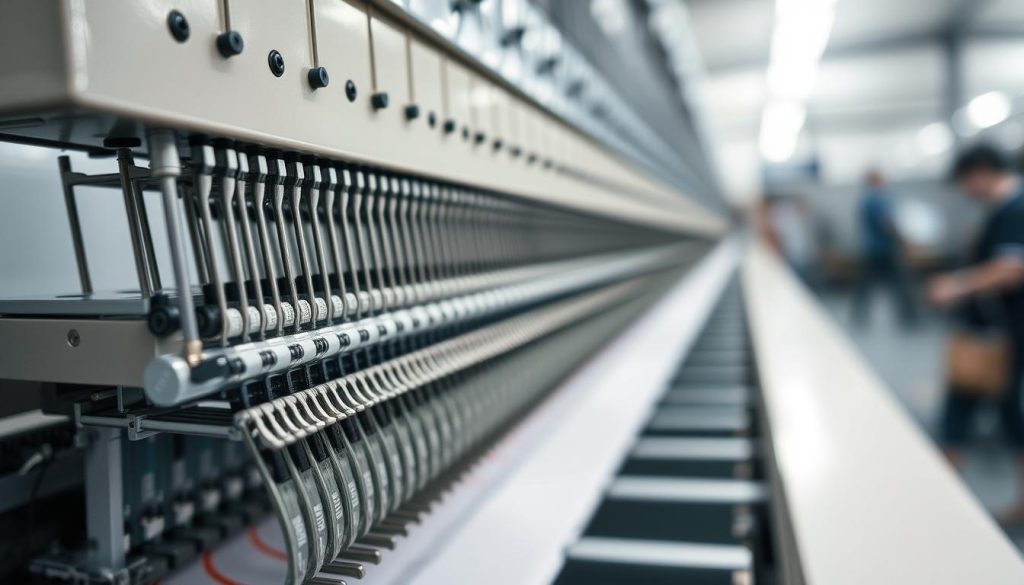
If you do many jobs with multiple colors, multi-needle machines save time. They usually have 10–15 needles, which is common in mid to high-end models. This keeps production moving when you’re working with lots of colors.
For example, the Ricoma EM-1010 (10-needle) makes multi-color designs faster than single-needle machines like the Brother PE800. It has automatic thread trimming and needs less intervention. This means you can work longer without constant supervision.
Embroidery field size considerations
Embroidery field size is how big the largest design you can stitch without rehooping. Hobby machines usually have 4″×4″ or 5″×7″ fields. But, commercial units offer 400×500 mm or 400×600 mm fields for bigger designs like jacket backs and banners.
Choose a larger field if you often do jackets, large patches, or consistent multi-piece runs. Larger fields mean less rehooping time and better alignment. But, they cost more and take up more space.
Software costs and included packages
Embroidery software costs vary. Basic digitizing can cost a few hundred dollars. But, advanced packages or subscriptions can cost up to $2,000 upfront or yearly fees.
Some machines come with useful tools. Ricoma ships Hatch (Wilcom) in base packages, saving you from early subscription fees. Ricoma’s Chroma subscription adds cloud features and automation for shops needing advanced workflow tools.
Speed, memory, and workflow automation
Top speed is key if you need to make a lot of items fast. Many mid and high-end machines can run 1,000–1,200 SPM. At around 1,000 SPM, a standard shirt design can make about six shirts per hour on average setups.
Memory is important too. Machines like the EM-1010 can hold millions of stitches and hundreds of designs. This cuts down on USB juggling and time lost to transfers.
Workflow automation features like automatic tension systems, auto trimmers, cross-hair lasers, and hydraulic lift tables reduce mistakes and labor costs. Tajima’s i-TM tension systems and built-in auto trimmers are examples that lower rejects and speed up changeovers.
| Feature | Typical Range | Impact on Production | Cost Consideration |
|---|---|---|---|
| Needle count | 1 (home) to 15 (commercial) | Less thread change, higher multi-color throughput | Higher needle heads add upfront cost but cut labor |
| Embroidery field size | 4″×4″ to 400×600 mm | Enables larger designs without rehooping | Larger fields raise price and workspace needs |
| Embroidery software costs | $0 bundled to ~$2,000 or subscription | Improves digitizing, editing, and automation | Bundled software delays upgrade costs; subscriptions recur |
| Speed and memory | 600–1,200 SPM; MB to millions of stitches | Higher SPM and memory boost throughput and flexibility | Faster machines with large memory cost more but save time |
| Workflow automation | Manual to fully automated features | Reduces errors, handling time, and labor | Automation increases capital expense; lowers per-piece labor |
Choose based on the designs you stitch and the types you sell. If you need many colors per job, focus on machines with multi-needle heads. For large patches or consistent placement, pick a machine with the right field size. Start with bundled software and add paid packages as needed for automation and productivity gains.
embroidery business use cases: when the machine pays for itself
Deciding when to buy an embroidery machine depends on how much you make and sell. A single machine can be very profitable if you match it to your needs and control costs. This includes thread and stabilizers.
Hobbyist and occasional use scenarios
If you sew for fun, machines like the Brother PE535 or SE600 are great. They’re good for simple designs and don’t use a lot of thread. For those who sew less often, avoid spending too much on extras.
Hobbyist and occasional use scenarios
Watch out for fabric and thread costs. Thicker fabrics and dense designs use more thread and stabilizers. This can make each piece more expensive. Even so, a machine is faster than sewing by hand.
Home business and part-time seller scenarios
For part-time sellers, a 5″×7″ machine like the Brother PE800 is a good choice. It lets you make more products without spending too much. Machines like the Ricoma EM-1010 are great for bigger orders because they have hoops and cap systems.
Home business and part-time seller scenarios
Getting a loan can help your business grow. For example, small monthly payments can be covered by just a few sales. Invest in thread, stabilizers, and tools like a MaggieFrame hoop. These can save time and increase your profit.
Scaling to high-volume production and when to upgrade
When you make dozens of items a day, you’ll hit limits with your machine. Machines like the Ricoma MT-1502 or Happy Voyager can help by adding more heads and needles.
Scaling to high-volume production and when to upgrade
Use a break-even analysis to decide when to upgrade. If your single-head machine is always busy and you can’t meet demand, it’s time to consider a multi-head system. Many shops find this point is around 50 items a day.
Role of productivity upgrades in profit margins
Upgrades like auto tension and better hoops can save time and improve quality. These changes can make each piece more profitable.
Role of productivity upgrades in profit margins
For example, a MaggieFrame can save a lot of time. If you value your time at a certain rate, the savings can pay for the hoop in months. Warranties and service contracts also help by reducing downtime.
Plan your finances carefully, including costs for thread, maintenance, and financing. Use automation and the right accessories to keep costs down. This way, you can grow your business without breaking the bank or sacrificing quality.
Conclusion
Choosing the right embroidery machine is key to success. For those who enjoy occasional textile art, entry-level machines like the Brother PE535 or SE600 are perfect. They offer great value without breaking the bank.
For those looking to start a home business, mid-range machines like the Brother PE800 or Ricoma EM-1010 are ideal. They strike a balance between features and cost, helping your business grow.
For those needing to produce a lot, industrial machines from Ricoma, Happy, or Tajima are the way to go. They are pricey but offer speed and automation, boosting your profits.
Don’t forget to consider long-term costs. This includes yearly expenses for thread and stabilizers, as well as maintenance and servicing. Also, look at the warranty offered by each brand, as it can affect the overall cost.
Be smart about upgrading and using software. Look for deals like Hatch to save on subscriptions. Consider financing options to keep your cash flow strong. Invest in accessories that make your work easier and faster.
Do a simple math check to see if a machine is worth it. For example, a $159 monthly payment can be covered by about thirteen $25 orders. Make sure to include all costs and compare models before making a decision.
FAQ
Are embroidery machines worth the investment? We did the math!
What are the main embroidery machine price tiers and who are they for?
FAQ
Are embroidery machines worth the investment? We did the math!
Embroidery machines can be a good investment if they match your needs and budget. For casual crafting, entry-level machines like the Brother PE535 or SE600 are affordable. They’re great for simple projects like monograms.
If you’re starting a home business or selling on Etsy, mid-range models like the Brother PE800 or Ricoma EM-1010 are better. They offer bigger fields and more needles, making them efficient for more projects. For big production, industrial machines from Ricoma, Tajima, or Happy Japan are worth the cost. They handle lots of work and save on labor.
Remember to include all costs like taxes, shipping, and maintenance in your calculations. This will help you figure out if the machine is right for you.
What are the main embroidery machine price tiers and who are they for?
There are different price tiers for embroidery machines. Beginner and hobbyist machines cost between 0 and
FAQ
Are embroidery machines worth the investment? We did the math!
Embroidery machines can be a good investment if they match your needs and budget. For casual crafting, entry-level machines like the Brother PE535 or SE600 are affordable. They’re great for simple projects like monograms.
If you’re starting a home business or selling on Etsy, mid-range models like the Brother PE800 or Ricoma EM-1010 are better. They offer bigger fields and more needles, making them efficient for more projects. For big production, industrial machines from Ricoma, Tajima, or Happy Japan are worth the cost. They handle lots of work and save on labor.
Remember to include all costs like taxes, shipping, and maintenance in your calculations. This will help you figure out if the machine is right for you.
What are the main embroidery machine price tiers and who are they for?
There are different price tiers for embroidery machines. Beginner and hobbyist machines cost between $250 and $1,500. They’re perfect for casual crafters and gift makers.
Home business and mid-range machines cost between $1,000 and $10,000. They have bigger fields and can handle more work. Professional and commercial systems cost over $10,000. They’re for high-volume shops with lots of features.
Choose a machine based on how much you plan to use it. This will help you get the most value from your investment.
What defines the beginner and hobbyist price range?
Beginner machines cost between $250 and $1,500. The Brother PE535 and Brother SE600 are good examples. They have a 4″x4″ field and can import designs via USB.
These machines are great for simple projects but might struggle with thick fabrics. Buying refurbished machines can save you money.
What do home business and mid-range models offer?
Mid-range machines cost between $1,000 and $10,000. They have bigger fields and can stitch faster. Machines like the Brother PE800 and Galaxy GX1202 are good examples.
They also have multi-needle options and come with warranties. This makes them perfect for growing home businesses.
What characterizes professional and commercial systems?
Professional systems cost over $10,000. They have multiple heads and can stitch very fast. Brands like Happy Japan and Ricoma MT series offer these features.
These machines are built for constant use. They come with long warranties and are designed for high-volume production.
How should I calculate upfront cost versus regional fees and financing?
First, add the base price to taxes, shipping, and any extra fees. Regional taxes can add a lot to the cost. Many dealers offer financing plans.
Consider the interest, down payment, and tax deductions when planning your budget. Make sure you know what’s included in the price before buying.
What are the recurring consumables and operating costs?
You’ll need to budget for thread and stabilizers every year. Expect to spend $500 to $1,000 on thread and $300 to $600 on stabilizers. Other supplies and electricity add to the cost.
Multi-needle machines use more thread, increasing costs. Plan for these ongoing expenses to keep your business profitable.
How much do repairs and maintenance typically cost?
Maintenance kits cost around $189 per year. Professional service costs about $350 per session. You might need to calibrate your machine every six months.
Stepper motor rebuilds cost around $420 every three years. Touchscreen replacements cost about $585 every five years. Industrial maintenance can cost $2,000 to $4,500 annually. Plan for maintenance costs to be 5 to 10% of the machine’s price each year.
Which accessories materially change the cost-benefit balance?
Accessories like MaggieFrame magnetic hoops can greatly improve efficiency. They reduce hooping time and fabric damage. This saves a lot of time and money.
Other accessories like specialty hoops and software can also increase productivity. While they cost more upfront, they can pay for themselves quickly.
How does needle count affect productivity?
More needles mean less downtime for thread changes. This lets you work on multiple colors at once. Machines with 10 to 15 needles are common in mid to high tiers.
Users find they can finish multi-color jobs up to 65% faster with multi-needle machines. Features like automatic trimming and thread sensors also help.
How important is embroidery field size?
Field size determines the size of designs you can stitch without rehooping. Hobby machines usually have smaller fields, while commercial units have larger ones.
Larger fields mean less rehooping and better consistency on big projects. This is important if you often work on large designs.
What should I know about software costs and included packages?
Software can cost between $500 and $2,000 or be subscription-based. Some machines come with basic software, while others require extra fees. Start with what’s included and upgrade only when necessary.
How do speed, memory, and automation affect workflow?
Faster speeds and more memory mean less time spent on each project. Many machines stitch at 1,000 to 1,200 SPM and have lots of storage. Automation features like auto tension and trimmers also help.
These features reduce errors and save time, making your workflow more efficient and cost-effective.
When is an embroidery machine a smart buy for a hobbyist?
If you embroider for fun and personal projects, a basic machine is a good choice. Machines like the Brother PE535 or SE600 are affordable and easy to use. Avoid expensive accessories unless you plan to do more work.
Which machines fit home businesses and part-time sellers?
Home sellers often choose machines that can handle more work without being too expensive. The Brother PE800 and Ricoma EM-1010 are good examples. They have bigger fields and multi-needle options.
Finance plans and careful sales estimates can help you see if a machine is right for your business.
How do you know when to scale to high-volume production?
You might need a bigger machine if you’re doing dozens of items a day. If your current machine is always busy, it’s time to upgrade. Industrial machines are best for high-volume work.
How do productivity upgrades affect profit margins?
Upgrades like multi-needle systems and auto tension can save a lot of time and money. For example, saving 200 hours a year on hooping can pay for premium hoops in under a year. Warranties and service contracts also help keep costs stable.
,500. They’re perfect for casual crafters and gift makers.
Home business and mid-range machines cost between
FAQ
Are embroidery machines worth the investment? We did the math!
Embroidery machines can be a good investment if they match your needs and budget. For casual crafting, entry-level machines like the Brother PE535 or SE600 are affordable. They’re great for simple projects like monograms.
If you’re starting a home business or selling on Etsy, mid-range models like the Brother PE800 or Ricoma EM-1010 are better. They offer bigger fields and more needles, making them efficient for more projects. For big production, industrial machines from Ricoma, Tajima, or Happy Japan are worth the cost. They handle lots of work and save on labor.
Remember to include all costs like taxes, shipping, and maintenance in your calculations. This will help you figure out if the machine is right for you.
What are the main embroidery machine price tiers and who are they for?
There are different price tiers for embroidery machines. Beginner and hobbyist machines cost between $250 and $1,500. They’re perfect for casual crafters and gift makers.
Home business and mid-range machines cost between $1,000 and $10,000. They have bigger fields and can handle more work. Professional and commercial systems cost over $10,000. They’re for high-volume shops with lots of features.
Choose a machine based on how much you plan to use it. This will help you get the most value from your investment.
What defines the beginner and hobbyist price range?
Beginner machines cost between $250 and $1,500. The Brother PE535 and Brother SE600 are good examples. They have a 4″x4″ field and can import designs via USB.
These machines are great for simple projects but might struggle with thick fabrics. Buying refurbished machines can save you money.
What do home business and mid-range models offer?
Mid-range machines cost between $1,000 and $10,000. They have bigger fields and can stitch faster. Machines like the Brother PE800 and Galaxy GX1202 are good examples.
They also have multi-needle options and come with warranties. This makes them perfect for growing home businesses.
What characterizes professional and commercial systems?
Professional systems cost over $10,000. They have multiple heads and can stitch very fast. Brands like Happy Japan and Ricoma MT series offer these features.
These machines are built for constant use. They come with long warranties and are designed for high-volume production.
How should I calculate upfront cost versus regional fees and financing?
First, add the base price to taxes, shipping, and any extra fees. Regional taxes can add a lot to the cost. Many dealers offer financing plans.
Consider the interest, down payment, and tax deductions when planning your budget. Make sure you know what’s included in the price before buying.
What are the recurring consumables and operating costs?
You’ll need to budget for thread and stabilizers every year. Expect to spend $500 to $1,000 on thread and $300 to $600 on stabilizers. Other supplies and electricity add to the cost.
Multi-needle machines use more thread, increasing costs. Plan for these ongoing expenses to keep your business profitable.
How much do repairs and maintenance typically cost?
Maintenance kits cost around $189 per year. Professional service costs about $350 per session. You might need to calibrate your machine every six months.
Stepper motor rebuilds cost around $420 every three years. Touchscreen replacements cost about $585 every five years. Industrial maintenance can cost $2,000 to $4,500 annually. Plan for maintenance costs to be 5 to 10% of the machine’s price each year.
Which accessories materially change the cost-benefit balance?
Accessories like MaggieFrame magnetic hoops can greatly improve efficiency. They reduce hooping time and fabric damage. This saves a lot of time and money.
Other accessories like specialty hoops and software can also increase productivity. While they cost more upfront, they can pay for themselves quickly.
How does needle count affect productivity?
More needles mean less downtime for thread changes. This lets you work on multiple colors at once. Machines with 10 to 15 needles are common in mid to high tiers.
Users find they can finish multi-color jobs up to 65% faster with multi-needle machines. Features like automatic trimming and thread sensors also help.
How important is embroidery field size?
Field size determines the size of designs you can stitch without rehooping. Hobby machines usually have smaller fields, while commercial units have larger ones.
Larger fields mean less rehooping and better consistency on big projects. This is important if you often work on large designs.
What should I know about software costs and included packages?
Software can cost between $500 and $2,000 or be subscription-based. Some machines come with basic software, while others require extra fees. Start with what’s included and upgrade only when necessary.
How do speed, memory, and automation affect workflow?
Faster speeds and more memory mean less time spent on each project. Many machines stitch at 1,000 to 1,200 SPM and have lots of storage. Automation features like auto tension and trimmers also help.
These features reduce errors and save time, making your workflow more efficient and cost-effective.
When is an embroidery machine a smart buy for a hobbyist?
If you embroider for fun and personal projects, a basic machine is a good choice. Machines like the Brother PE535 or SE600 are affordable and easy to use. Avoid expensive accessories unless you plan to do more work.
Which machines fit home businesses and part-time sellers?
Home sellers often choose machines that can handle more work without being too expensive. The Brother PE800 and Ricoma EM-1010 are good examples. They have bigger fields and multi-needle options.
Finance plans and careful sales estimates can help you see if a machine is right for your business.
How do you know when to scale to high-volume production?
You might need a bigger machine if you’re doing dozens of items a day. If your current machine is always busy, it’s time to upgrade. Industrial machines are best for high-volume work.
How do productivity upgrades affect profit margins?
Upgrades like multi-needle systems and auto tension can save a lot of time and money. For example, saving 200 hours a year on hooping can pay for premium hoops in under a year. Warranties and service contracts also help keep costs stable.
,000 and ,000. They have bigger fields and can handle more work. Professional and commercial systems cost over ,000. They’re for high-volume shops with lots of features.
Choose a machine based on how much you plan to use it. This will help you get the most value from your investment.
What defines the beginner and hobbyist price range?
Beginner machines cost between 0 and
FAQ
Are embroidery machines worth the investment? We did the math!
Embroidery machines can be a good investment if they match your needs and budget. For casual crafting, entry-level machines like the Brother PE535 or SE600 are affordable. They’re great for simple projects like monograms.
If you’re starting a home business or selling on Etsy, mid-range models like the Brother PE800 or Ricoma EM-1010 are better. They offer bigger fields and more needles, making them efficient for more projects. For big production, industrial machines from Ricoma, Tajima, or Happy Japan are worth the cost. They handle lots of work and save on labor.
Remember to include all costs like taxes, shipping, and maintenance in your calculations. This will help you figure out if the machine is right for you.
What are the main embroidery machine price tiers and who are they for?
There are different price tiers for embroidery machines. Beginner and hobbyist machines cost between $250 and $1,500. They’re perfect for casual crafters and gift makers.
Home business and mid-range machines cost between $1,000 and $10,000. They have bigger fields and can handle more work. Professional and commercial systems cost over $10,000. They’re for high-volume shops with lots of features.
Choose a machine based on how much you plan to use it. This will help you get the most value from your investment.
What defines the beginner and hobbyist price range?
Beginner machines cost between $250 and $1,500. The Brother PE535 and Brother SE600 are good examples. They have a 4″x4″ field and can import designs via USB.
These machines are great for simple projects but might struggle with thick fabrics. Buying refurbished machines can save you money.
What do home business and mid-range models offer?
Mid-range machines cost between $1,000 and $10,000. They have bigger fields and can stitch faster. Machines like the Brother PE800 and Galaxy GX1202 are good examples.
They also have multi-needle options and come with warranties. This makes them perfect for growing home businesses.
What characterizes professional and commercial systems?
Professional systems cost over $10,000. They have multiple heads and can stitch very fast. Brands like Happy Japan and Ricoma MT series offer these features.
These machines are built for constant use. They come with long warranties and are designed for high-volume production.
How should I calculate upfront cost versus regional fees and financing?
First, add the base price to taxes, shipping, and any extra fees. Regional taxes can add a lot to the cost. Many dealers offer financing plans.
Consider the interest, down payment, and tax deductions when planning your budget. Make sure you know what’s included in the price before buying.
What are the recurring consumables and operating costs?
You’ll need to budget for thread and stabilizers every year. Expect to spend $500 to $1,000 on thread and $300 to $600 on stabilizers. Other supplies and electricity add to the cost.
Multi-needle machines use more thread, increasing costs. Plan for these ongoing expenses to keep your business profitable.
How much do repairs and maintenance typically cost?
Maintenance kits cost around $189 per year. Professional service costs about $350 per session. You might need to calibrate your machine every six months.
Stepper motor rebuilds cost around $420 every three years. Touchscreen replacements cost about $585 every five years. Industrial maintenance can cost $2,000 to $4,500 annually. Plan for maintenance costs to be 5 to 10% of the machine’s price each year.
Which accessories materially change the cost-benefit balance?
Accessories like MaggieFrame magnetic hoops can greatly improve efficiency. They reduce hooping time and fabric damage. This saves a lot of time and money.
Other accessories like specialty hoops and software can also increase productivity. While they cost more upfront, they can pay for themselves quickly.
How does needle count affect productivity?
More needles mean less downtime for thread changes. This lets you work on multiple colors at once. Machines with 10 to 15 needles are common in mid to high tiers.
Users find they can finish multi-color jobs up to 65% faster with multi-needle machines. Features like automatic trimming and thread sensors also help.
How important is embroidery field size?
Field size determines the size of designs you can stitch without rehooping. Hobby machines usually have smaller fields, while commercial units have larger ones.
Larger fields mean less rehooping and better consistency on big projects. This is important if you often work on large designs.
What should I know about software costs and included packages?
Software can cost between $500 and $2,000 or be subscription-based. Some machines come with basic software, while others require extra fees. Start with what’s included and upgrade only when necessary.
How do speed, memory, and automation affect workflow?
Faster speeds and more memory mean less time spent on each project. Many machines stitch at 1,000 to 1,200 SPM and have lots of storage. Automation features like auto tension and trimmers also help.
These features reduce errors and save time, making your workflow more efficient and cost-effective.
When is an embroidery machine a smart buy for a hobbyist?
If you embroider for fun and personal projects, a basic machine is a good choice. Machines like the Brother PE535 or SE600 are affordable and easy to use. Avoid expensive accessories unless you plan to do more work.
Which machines fit home businesses and part-time sellers?
Home sellers often choose machines that can handle more work without being too expensive. The Brother PE800 and Ricoma EM-1010 are good examples. They have bigger fields and multi-needle options.
Finance plans and careful sales estimates can help you see if a machine is right for your business.
How do you know when to scale to high-volume production?
You might need a bigger machine if you’re doing dozens of items a day. If your current machine is always busy, it’s time to upgrade. Industrial machines are best for high-volume work.
How do productivity upgrades affect profit margins?
Upgrades like multi-needle systems and auto tension can save a lot of time and money. For example, saving 200 hours a year on hooping can pay for premium hoops in under a year. Warranties and service contracts also help keep costs stable.
,500. The Brother PE535 and Brother SE600 are good examples. They have a 4″x4″ field and can import designs via USB.
These machines are great for simple projects but might struggle with thick fabrics. Buying refurbished machines can save you money.
What do home business and mid-range models offer?
Mid-range machines cost between
FAQ
Are embroidery machines worth the investment? We did the math!
Embroidery machines can be a good investment if they match your needs and budget. For casual crafting, entry-level machines like the Brother PE535 or SE600 are affordable. They’re great for simple projects like monograms.
If you’re starting a home business or selling on Etsy, mid-range models like the Brother PE800 or Ricoma EM-1010 are better. They offer bigger fields and more needles, making them efficient for more projects. For big production, industrial machines from Ricoma, Tajima, or Happy Japan are worth the cost. They handle lots of work and save on labor.
Remember to include all costs like taxes, shipping, and maintenance in your calculations. This will help you figure out if the machine is right for you.
What are the main embroidery machine price tiers and who are they for?
There are different price tiers for embroidery machines. Beginner and hobbyist machines cost between $250 and $1,500. They’re perfect for casual crafters and gift makers.
Home business and mid-range machines cost between $1,000 and $10,000. They have bigger fields and can handle more work. Professional and commercial systems cost over $10,000. They’re for high-volume shops with lots of features.
Choose a machine based on how much you plan to use it. This will help you get the most value from your investment.
What defines the beginner and hobbyist price range?
Beginner machines cost between $250 and $1,500. The Brother PE535 and Brother SE600 are good examples. They have a 4″x4″ field and can import designs via USB.
These machines are great for simple projects but might struggle with thick fabrics. Buying refurbished machines can save you money.
What do home business and mid-range models offer?
Mid-range machines cost between $1,000 and $10,000. They have bigger fields and can stitch faster. Machines like the Brother PE800 and Galaxy GX1202 are good examples.
They also have multi-needle options and come with warranties. This makes them perfect for growing home businesses.
What characterizes professional and commercial systems?
Professional systems cost over $10,000. They have multiple heads and can stitch very fast. Brands like Happy Japan and Ricoma MT series offer these features.
These machines are built for constant use. They come with long warranties and are designed for high-volume production.
How should I calculate upfront cost versus regional fees and financing?
First, add the base price to taxes, shipping, and any extra fees. Regional taxes can add a lot to the cost. Many dealers offer financing plans.
Consider the interest, down payment, and tax deductions when planning your budget. Make sure you know what’s included in the price before buying.
What are the recurring consumables and operating costs?
You’ll need to budget for thread and stabilizers every year. Expect to spend $500 to $1,000 on thread and $300 to $600 on stabilizers. Other supplies and electricity add to the cost.
Multi-needle machines use more thread, increasing costs. Plan for these ongoing expenses to keep your business profitable.
How much do repairs and maintenance typically cost?
Maintenance kits cost around $189 per year. Professional service costs about $350 per session. You might need to calibrate your machine every six months.
Stepper motor rebuilds cost around $420 every three years. Touchscreen replacements cost about $585 every five years. Industrial maintenance can cost $2,000 to $4,500 annually. Plan for maintenance costs to be 5 to 10% of the machine’s price each year.
Which accessories materially change the cost-benefit balance?
Accessories like MaggieFrame magnetic hoops can greatly improve efficiency. They reduce hooping time and fabric damage. This saves a lot of time and money.
Other accessories like specialty hoops and software can also increase productivity. While they cost more upfront, they can pay for themselves quickly.
How does needle count affect productivity?
More needles mean less downtime for thread changes. This lets you work on multiple colors at once. Machines with 10 to 15 needles are common in mid to high tiers.
Users find they can finish multi-color jobs up to 65% faster with multi-needle machines. Features like automatic trimming and thread sensors also help.
How important is embroidery field size?
Field size determines the size of designs you can stitch without rehooping. Hobby machines usually have smaller fields, while commercial units have larger ones.
Larger fields mean less rehooping and better consistency on big projects. This is important if you often work on large designs.
What should I know about software costs and included packages?
Software can cost between $500 and $2,000 or be subscription-based. Some machines come with basic software, while others require extra fees. Start with what’s included and upgrade only when necessary.
How do speed, memory, and automation affect workflow?
Faster speeds and more memory mean less time spent on each project. Many machines stitch at 1,000 to 1,200 SPM and have lots of storage. Automation features like auto tension and trimmers also help.
These features reduce errors and save time, making your workflow more efficient and cost-effective.
When is an embroidery machine a smart buy for a hobbyist?
If you embroider for fun and personal projects, a basic machine is a good choice. Machines like the Brother PE535 or SE600 are affordable and easy to use. Avoid expensive accessories unless you plan to do more work.
Which machines fit home businesses and part-time sellers?
Home sellers often choose machines that can handle more work without being too expensive. The Brother PE800 and Ricoma EM-1010 are good examples. They have bigger fields and multi-needle options.
Finance plans and careful sales estimates can help you see if a machine is right for your business.
How do you know when to scale to high-volume production?
You might need a bigger machine if you’re doing dozens of items a day. If your current machine is always busy, it’s time to upgrade. Industrial machines are best for high-volume work.
How do productivity upgrades affect profit margins?
Upgrades like multi-needle systems and auto tension can save a lot of time and money. For example, saving 200 hours a year on hooping can pay for premium hoops in under a year. Warranties and service contracts also help keep costs stable.
,000 and ,000. They have bigger fields and can stitch faster. Machines like the Brother PE800 and Galaxy GX1202 are good examples.
They also have multi-needle options and come with warranties. This makes them perfect for growing home businesses.
What characterizes professional and commercial systems?
Professional systems cost over ,000. They have multiple heads and can stitch very fast. Brands like Happy Japan and Ricoma MT series offer these features.
These machines are built for constant use. They come with long warranties and are designed for high-volume production.
How should I calculate upfront cost versus regional fees and financing?
First, add the base price to taxes, shipping, and any extra fees. Regional taxes can add a lot to the cost. Many dealers offer financing plans.
Consider the interest, down payment, and tax deductions when planning your budget. Make sure you know what’s included in the price before buying.
What are the recurring consumables and operating costs?
You’ll need to budget for thread and stabilizers every year. Expect to spend 0 to
FAQ
Are embroidery machines worth the investment? We did the math!
Embroidery machines can be a good investment if they match your needs and budget. For casual crafting, entry-level machines like the Brother PE535 or SE600 are affordable. They’re great for simple projects like monograms.
If you’re starting a home business or selling on Etsy, mid-range models like the Brother PE800 or Ricoma EM-1010 are better. They offer bigger fields and more needles, making them efficient for more projects. For big production, industrial machines from Ricoma, Tajima, or Happy Japan are worth the cost. They handle lots of work and save on labor.
Remember to include all costs like taxes, shipping, and maintenance in your calculations. This will help you figure out if the machine is right for you.
What are the main embroidery machine price tiers and who are they for?
There are different price tiers for embroidery machines. Beginner and hobbyist machines cost between $250 and $1,500. They’re perfect for casual crafters and gift makers.
Home business and mid-range machines cost between $1,000 and $10,000. They have bigger fields and can handle more work. Professional and commercial systems cost over $10,000. They’re for high-volume shops with lots of features.
Choose a machine based on how much you plan to use it. This will help you get the most value from your investment.
What defines the beginner and hobbyist price range?
Beginner machines cost between $250 and $1,500. The Brother PE535 and Brother SE600 are good examples. They have a 4″x4″ field and can import designs via USB.
These machines are great for simple projects but might struggle with thick fabrics. Buying refurbished machines can save you money.
What do home business and mid-range models offer?
Mid-range machines cost between $1,000 and $10,000. They have bigger fields and can stitch faster. Machines like the Brother PE800 and Galaxy GX1202 are good examples.
They also have multi-needle options and come with warranties. This makes them perfect for growing home businesses.
What characterizes professional and commercial systems?
Professional systems cost over $10,000. They have multiple heads and can stitch very fast. Brands like Happy Japan and Ricoma MT series offer these features.
These machines are built for constant use. They come with long warranties and are designed for high-volume production.
How should I calculate upfront cost versus regional fees and financing?
First, add the base price to taxes, shipping, and any extra fees. Regional taxes can add a lot to the cost. Many dealers offer financing plans.
Consider the interest, down payment, and tax deductions when planning your budget. Make sure you know what’s included in the price before buying.
What are the recurring consumables and operating costs?
You’ll need to budget for thread and stabilizers every year. Expect to spend $500 to $1,000 on thread and $300 to $600 on stabilizers. Other supplies and electricity add to the cost.
Multi-needle machines use more thread, increasing costs. Plan for these ongoing expenses to keep your business profitable.
How much do repairs and maintenance typically cost?
Maintenance kits cost around $189 per year. Professional service costs about $350 per session. You might need to calibrate your machine every six months.
Stepper motor rebuilds cost around $420 every three years. Touchscreen replacements cost about $585 every five years. Industrial maintenance can cost $2,000 to $4,500 annually. Plan for maintenance costs to be 5 to 10% of the machine’s price each year.
Which accessories materially change the cost-benefit balance?
Accessories like MaggieFrame magnetic hoops can greatly improve efficiency. They reduce hooping time and fabric damage. This saves a lot of time and money.
Other accessories like specialty hoops and software can also increase productivity. While they cost more upfront, they can pay for themselves quickly.
How does needle count affect productivity?
More needles mean less downtime for thread changes. This lets you work on multiple colors at once. Machines with 10 to 15 needles are common in mid to high tiers.
Users find they can finish multi-color jobs up to 65% faster with multi-needle machines. Features like automatic trimming and thread sensors also help.
How important is embroidery field size?
Field size determines the size of designs you can stitch without rehooping. Hobby machines usually have smaller fields, while commercial units have larger ones.
Larger fields mean less rehooping and better consistency on big projects. This is important if you often work on large designs.
What should I know about software costs and included packages?
Software can cost between $500 and $2,000 or be subscription-based. Some machines come with basic software, while others require extra fees. Start with what’s included and upgrade only when necessary.
How do speed, memory, and automation affect workflow?
Faster speeds and more memory mean less time spent on each project. Many machines stitch at 1,000 to 1,200 SPM and have lots of storage. Automation features like auto tension and trimmers also help.
These features reduce errors and save time, making your workflow more efficient and cost-effective.
When is an embroidery machine a smart buy for a hobbyist?
If you embroider for fun and personal projects, a basic machine is a good choice. Machines like the Brother PE535 or SE600 are affordable and easy to use. Avoid expensive accessories unless you plan to do more work.
Which machines fit home businesses and part-time sellers?
Home sellers often choose machines that can handle more work without being too expensive. The Brother PE800 and Ricoma EM-1010 are good examples. They have bigger fields and multi-needle options.
Finance plans and careful sales estimates can help you see if a machine is right for your business.
How do you know when to scale to high-volume production?
You might need a bigger machine if you’re doing dozens of items a day. If your current machine is always busy, it’s time to upgrade. Industrial machines are best for high-volume work.
How do productivity upgrades affect profit margins?
Upgrades like multi-needle systems and auto tension can save a lot of time and money. For example, saving 200 hours a year on hooping can pay for premium hoops in under a year. Warranties and service contracts also help keep costs stable.
,000 on thread and 0 to 0 on stabilizers. Other supplies and electricity add to the cost.
Multi-needle machines use more thread, increasing costs. Plan for these ongoing expenses to keep your business profitable.
How much do repairs and maintenance typically cost?
Maintenance kits cost around 9 per year. Professional service costs about 0 per session. You might need to calibrate your machine every six months.
Stepper motor rebuilds cost around 0 every three years. Touchscreen replacements cost about 5 every five years. Industrial maintenance can cost ,000 to ,500 annually. Plan for maintenance costs to be 5 to 10% of the machine’s price each year.
Which accessories materially change the cost-benefit balance?
Accessories like MaggieFrame magnetic hoops can greatly improve efficiency. They reduce hooping time and fabric damage. This saves a lot of time and money.
Other accessories like specialty hoops and software can also increase productivity. While they cost more upfront, they can pay for themselves quickly.
How does needle count affect productivity?
More needles mean less downtime for thread changes. This lets you work on multiple colors at once. Machines with 10 to 15 needles are common in mid to high tiers.
Users find they can finish multi-color jobs up to 65% faster with multi-needle machines. Features like automatic trimming and thread sensors also help.
How important is embroidery field size?
Field size determines the size of designs you can stitch without rehooping. Hobby machines usually have smaller fields, while commercial units have larger ones.
Larger fields mean less rehooping and better consistency on big projects. This is important if you often work on large designs.
What should I know about software costs and included packages?
Software can cost between 0 and ,000 or be subscription-based. Some machines come with basic software, while others require extra fees. Start with what’s included and upgrade only when necessary.
How do speed, memory, and automation affect workflow?
Faster speeds and more memory mean less time spent on each project. Many machines stitch at 1,000 to 1,200 SPM and have lots of storage. Automation features like auto tension and trimmers also help.
These features reduce errors and save time, making your workflow more efficient and cost-effective.
When is an embroidery machine a smart buy for a hobbyist?
If you embroider for fun and personal projects, a basic machine is a good choice. Machines like the Brother PE535 or SE600 are affordable and easy to use. Avoid expensive accessories unless you plan to do more work.
Which machines fit home businesses and part-time sellers?
Home sellers often choose machines that can handle more work without being too expensive. The Brother PE800 and Ricoma EM-1010 are good examples. They have bigger fields and multi-needle options.
Finance plans and careful sales estimates can help you see if a machine is right for your business.
How do you know when to scale to high-volume production?
You might need a bigger machine if you’re doing dozens of items a day. If your current machine is always busy, it’s time to upgrade. Industrial machines are best for high-volume work.
How do productivity upgrades affect profit margins?
Upgrades like multi-needle systems and auto tension can save a lot of time and money. For example, saving 200 hours a year on hooping can pay for premium hoops in under a year. Warranties and service contracts also help keep costs stable.
FAQ
Are embroidery machines worth the investment? We did the math!
Embroidery machines can be a good investment if they match your needs and budget. For casual crafting, entry-level machines like the Brother PE535 or SE600 are affordable. They’re great for simple projects like monograms.
If you’re starting a home business or selling on Etsy, mid-range models like the Brother PE800 or Ricoma EM-1010 are better. They offer bigger fields and more needles, making them efficient for more projects. For big production, industrial machines from Ricoma, Tajima, or Happy Japan are worth the cost. They handle lots of work and save on labor.
Remember to include all costs like taxes, shipping, and maintenance in your calculations. This will help you figure out if the machine is right for you.
What are the main embroidery machine price tiers and who are they for?
There are different price tiers for embroidery machines. Beginner and hobbyist machines cost between 0 and
FAQ
Are embroidery machines worth the investment? We did the math!
Embroidery machines can be a good investment if they match your needs and budget. For casual crafting, entry-level machines like the Brother PE535 or SE600 are affordable. They’re great for simple projects like monograms.
If you’re starting a home business or selling on Etsy, mid-range models like the Brother PE800 or Ricoma EM-1010 are better. They offer bigger fields and more needles, making them efficient for more projects. For big production, industrial machines from Ricoma, Tajima, or Happy Japan are worth the cost. They handle lots of work and save on labor.
Remember to include all costs like taxes, shipping, and maintenance in your calculations. This will help you figure out if the machine is right for you.
What are the main embroidery machine price tiers and who are they for?
There are different price tiers for embroidery machines. Beginner and hobbyist machines cost between $250 and $1,500. They’re perfect for casual crafters and gift makers.
Home business and mid-range machines cost between $1,000 and $10,000. They have bigger fields and can handle more work. Professional and commercial systems cost over $10,000. They’re for high-volume shops with lots of features.
Choose a machine based on how much you plan to use it. This will help you get the most value from your investment.
What defines the beginner and hobbyist price range?
Beginner machines cost between $250 and $1,500. The Brother PE535 and Brother SE600 are good examples. They have a 4″x4″ field and can import designs via USB.
These machines are great for simple projects but might struggle with thick fabrics. Buying refurbished machines can save you money.
What do home business and mid-range models offer?
Mid-range machines cost between $1,000 and $10,000. They have bigger fields and can stitch faster. Machines like the Brother PE800 and Galaxy GX1202 are good examples.
They also have multi-needle options and come with warranties. This makes them perfect for growing home businesses.
What characterizes professional and commercial systems?
Professional systems cost over $10,000. They have multiple heads and can stitch very fast. Brands like Happy Japan and Ricoma MT series offer these features.
These machines are built for constant use. They come with long warranties and are designed for high-volume production.
How should I calculate upfront cost versus regional fees and financing?
First, add the base price to taxes, shipping, and any extra fees. Regional taxes can add a lot to the cost. Many dealers offer financing plans.
Consider the interest, down payment, and tax deductions when planning your budget. Make sure you know what’s included in the price before buying.
What are the recurring consumables and operating costs?
You’ll need to budget for thread and stabilizers every year. Expect to spend $500 to $1,000 on thread and $300 to $600 on stabilizers. Other supplies and electricity add to the cost.
Multi-needle machines use more thread, increasing costs. Plan for these ongoing expenses to keep your business profitable.
How much do repairs and maintenance typically cost?
Maintenance kits cost around $189 per year. Professional service costs about $350 per session. You might need to calibrate your machine every six months.
Stepper motor rebuilds cost around $420 every three years. Touchscreen replacements cost about $585 every five years. Industrial maintenance can cost $2,000 to $4,500 annually. Plan for maintenance costs to be 5 to 10% of the machine’s price each year.
Which accessories materially change the cost-benefit balance?
Accessories like MaggieFrame magnetic hoops can greatly improve efficiency. They reduce hooping time and fabric damage. This saves a lot of time and money.
Other accessories like specialty hoops and software can also increase productivity. While they cost more upfront, they can pay for themselves quickly.
How does needle count affect productivity?
More needles mean less downtime for thread changes. This lets you work on multiple colors at once. Machines with 10 to 15 needles are common in mid to high tiers.
Users find they can finish multi-color jobs up to 65% faster with multi-needle machines. Features like automatic trimming and thread sensors also help.
How important is embroidery field size?
Field size determines the size of designs you can stitch without rehooping. Hobby machines usually have smaller fields, while commercial units have larger ones.
Larger fields mean less rehooping and better consistency on big projects. This is important if you often work on large designs.
What should I know about software costs and included packages?
Software can cost between $500 and $2,000 or be subscription-based. Some machines come with basic software, while others require extra fees. Start with what’s included and upgrade only when necessary.
How do speed, memory, and automation affect workflow?
Faster speeds and more memory mean less time spent on each project. Many machines stitch at 1,000 to 1,200 SPM and have lots of storage. Automation features like auto tension and trimmers also help.
These features reduce errors and save time, making your workflow more efficient and cost-effective.
When is an embroidery machine a smart buy for a hobbyist?
If you embroider for fun and personal projects, a basic machine is a good choice. Machines like the Brother PE535 or SE600 are affordable and easy to use. Avoid expensive accessories unless you plan to do more work.
Which machines fit home businesses and part-time sellers?
Home sellers often choose machines that can handle more work without being too expensive. The Brother PE800 and Ricoma EM-1010 are good examples. They have bigger fields and multi-needle options.
Finance plans and careful sales estimates can help you see if a machine is right for your business.
How do you know when to scale to high-volume production?
You might need a bigger machine if you’re doing dozens of items a day. If your current machine is always busy, it’s time to upgrade. Industrial machines are best for high-volume work.
How do productivity upgrades affect profit margins?
Upgrades like multi-needle systems and auto tension can save a lot of time and money. For example, saving 200 hours a year on hooping can pay for premium hoops in under a year. Warranties and service contracts also help keep costs stable.
,500. They’re perfect for casual crafters and gift makers.
Home business and mid-range machines cost between
FAQ
Are embroidery machines worth the investment? We did the math!
Embroidery machines can be a good investment if they match your needs and budget. For casual crafting, entry-level machines like the Brother PE535 or SE600 are affordable. They’re great for simple projects like monograms.
If you’re starting a home business or selling on Etsy, mid-range models like the Brother PE800 or Ricoma EM-1010 are better. They offer bigger fields and more needles, making them efficient for more projects. For big production, industrial machines from Ricoma, Tajima, or Happy Japan are worth the cost. They handle lots of work and save on labor.
Remember to include all costs like taxes, shipping, and maintenance in your calculations. This will help you figure out if the machine is right for you.
What are the main embroidery machine price tiers and who are they for?
There are different price tiers for embroidery machines. Beginner and hobbyist machines cost between $250 and $1,500. They’re perfect for casual crafters and gift makers.
Home business and mid-range machines cost between $1,000 and $10,000. They have bigger fields and can handle more work. Professional and commercial systems cost over $10,000. They’re for high-volume shops with lots of features.
Choose a machine based on how much you plan to use it. This will help you get the most value from your investment.
What defines the beginner and hobbyist price range?
Beginner machines cost between $250 and $1,500. The Brother PE535 and Brother SE600 are good examples. They have a 4″x4″ field and can import designs via USB.
These machines are great for simple projects but might struggle with thick fabrics. Buying refurbished machines can save you money.
What do home business and mid-range models offer?
Mid-range machines cost between $1,000 and $10,000. They have bigger fields and can stitch faster. Machines like the Brother PE800 and Galaxy GX1202 are good examples.
They also have multi-needle options and come with warranties. This makes them perfect for growing home businesses.
What characterizes professional and commercial systems?
Professional systems cost over $10,000. They have multiple heads and can stitch very fast. Brands like Happy Japan and Ricoma MT series offer these features.
These machines are built for constant use. They come with long warranties and are designed for high-volume production.
How should I calculate upfront cost versus regional fees and financing?
First, add the base price to taxes, shipping, and any extra fees. Regional taxes can add a lot to the cost. Many dealers offer financing plans.
Consider the interest, down payment, and tax deductions when planning your budget. Make sure you know what’s included in the price before buying.
What are the recurring consumables and operating costs?
You’ll need to budget for thread and stabilizers every year. Expect to spend $500 to $1,000 on thread and $300 to $600 on stabilizers. Other supplies and electricity add to the cost.
Multi-needle machines use more thread, increasing costs. Plan for these ongoing expenses to keep your business profitable.
How much do repairs and maintenance typically cost?
Maintenance kits cost around $189 per year. Professional service costs about $350 per session. You might need to calibrate your machine every six months.
Stepper motor rebuilds cost around $420 every three years. Touchscreen replacements cost about $585 every five years. Industrial maintenance can cost $2,000 to $4,500 annually. Plan for maintenance costs to be 5 to 10% of the machine’s price each year.
Which accessories materially change the cost-benefit balance?
Accessories like MaggieFrame magnetic hoops can greatly improve efficiency. They reduce hooping time and fabric damage. This saves a lot of time and money.
Other accessories like specialty hoops and software can also increase productivity. While they cost more upfront, they can pay for themselves quickly.
How does needle count affect productivity?
More needles mean less downtime for thread changes. This lets you work on multiple colors at once. Machines with 10 to 15 needles are common in mid to high tiers.
Users find they can finish multi-color jobs up to 65% faster with multi-needle machines. Features like automatic trimming and thread sensors also help.
How important is embroidery field size?
Field size determines the size of designs you can stitch without rehooping. Hobby machines usually have smaller fields, while commercial units have larger ones.
Larger fields mean less rehooping and better consistency on big projects. This is important if you often work on large designs.
What should I know about software costs and included packages?
Software can cost between $500 and $2,000 or be subscription-based. Some machines come with basic software, while others require extra fees. Start with what’s included and upgrade only when necessary.
How do speed, memory, and automation affect workflow?
Faster speeds and more memory mean less time spent on each project. Many machines stitch at 1,000 to 1,200 SPM and have lots of storage. Automation features like auto tension and trimmers also help.
These features reduce errors and save time, making your workflow more efficient and cost-effective.
When is an embroidery machine a smart buy for a hobbyist?
If you embroider for fun and personal projects, a basic machine is a good choice. Machines like the Brother PE535 or SE600 are affordable and easy to use. Avoid expensive accessories unless you plan to do more work.
Which machines fit home businesses and part-time sellers?
Home sellers often choose machines that can handle more work without being too expensive. The Brother PE800 and Ricoma EM-1010 are good examples. They have bigger fields and multi-needle options.
Finance plans and careful sales estimates can help you see if a machine is right for your business.
How do you know when to scale to high-volume production?
You might need a bigger machine if you’re doing dozens of items a day. If your current machine is always busy, it’s time to upgrade. Industrial machines are best for high-volume work.
How do productivity upgrades affect profit margins?
Upgrades like multi-needle systems and auto tension can save a lot of time and money. For example, saving 200 hours a year on hooping can pay for premium hoops in under a year. Warranties and service contracts also help keep costs stable.
,000 and ,000. They have bigger fields and can handle more work. Professional and commercial systems cost over ,000. They’re for high-volume shops with lots of features.
Choose a machine based on how much you plan to use it. This will help you get the most value from your investment.
What defines the beginner and hobbyist price range?
Beginner machines cost between 0 and
FAQ
Are embroidery machines worth the investment? We did the math!
Embroidery machines can be a good investment if they match your needs and budget. For casual crafting, entry-level machines like the Brother PE535 or SE600 are affordable. They’re great for simple projects like monograms.
If you’re starting a home business or selling on Etsy, mid-range models like the Brother PE800 or Ricoma EM-1010 are better. They offer bigger fields and more needles, making them efficient for more projects. For big production, industrial machines from Ricoma, Tajima, or Happy Japan are worth the cost. They handle lots of work and save on labor.
Remember to include all costs like taxes, shipping, and maintenance in your calculations. This will help you figure out if the machine is right for you.
What are the main embroidery machine price tiers and who are they for?
There are different price tiers for embroidery machines. Beginner and hobbyist machines cost between $250 and $1,500. They’re perfect for casual crafters and gift makers.
Home business and mid-range machines cost between $1,000 and $10,000. They have bigger fields and can handle more work. Professional and commercial systems cost over $10,000. They’re for high-volume shops with lots of features.
Choose a machine based on how much you plan to use it. This will help you get the most value from your investment.
What defines the beginner and hobbyist price range?
Beginner machines cost between $250 and $1,500. The Brother PE535 and Brother SE600 are good examples. They have a 4″x4″ field and can import designs via USB.
These machines are great for simple projects but might struggle with thick fabrics. Buying refurbished machines can save you money.
What do home business and mid-range models offer?
Mid-range machines cost between $1,000 and $10,000. They have bigger fields and can stitch faster. Machines like the Brother PE800 and Galaxy GX1202 are good examples.
They also have multi-needle options and come with warranties. This makes them perfect for growing home businesses.
What characterizes professional and commercial systems?
Professional systems cost over $10,000. They have multiple heads and can stitch very fast. Brands like Happy Japan and Ricoma MT series offer these features.
These machines are built for constant use. They come with long warranties and are designed for high-volume production.
How should I calculate upfront cost versus regional fees and financing?
First, add the base price to taxes, shipping, and any extra fees. Regional taxes can add a lot to the cost. Many dealers offer financing plans.
Consider the interest, down payment, and tax deductions when planning your budget. Make sure you know what’s included in the price before buying.
What are the recurring consumables and operating costs?
You’ll need to budget for thread and stabilizers every year. Expect to spend $500 to $1,000 on thread and $300 to $600 on stabilizers. Other supplies and electricity add to the cost.
Multi-needle machines use more thread, increasing costs. Plan for these ongoing expenses to keep your business profitable.
How much do repairs and maintenance typically cost?
Maintenance kits cost around $189 per year. Professional service costs about $350 per session. You might need to calibrate your machine every six months.
Stepper motor rebuilds cost around $420 every three years. Touchscreen replacements cost about $585 every five years. Industrial maintenance can cost $2,000 to $4,500 annually. Plan for maintenance costs to be 5 to 10% of the machine’s price each year.
Which accessories materially change the cost-benefit balance?
Accessories like MaggieFrame magnetic hoops can greatly improve efficiency. They reduce hooping time and fabric damage. This saves a lot of time and money.
Other accessories like specialty hoops and software can also increase productivity. While they cost more upfront, they can pay for themselves quickly.
How does needle count affect productivity?
More needles mean less downtime for thread changes. This lets you work on multiple colors at once. Machines with 10 to 15 needles are common in mid to high tiers.
Users find they can finish multi-color jobs up to 65% faster with multi-needle machines. Features like automatic trimming and thread sensors also help.
How important is embroidery field size?
Field size determines the size of designs you can stitch without rehooping. Hobby machines usually have smaller fields, while commercial units have larger ones.
Larger fields mean less rehooping and better consistency on big projects. This is important if you often work on large designs.
What should I know about software costs and included packages?
Software can cost between $500 and $2,000 or be subscription-based. Some machines come with basic software, while others require extra fees. Start with what’s included and upgrade only when necessary.
How do speed, memory, and automation affect workflow?
Faster speeds and more memory mean less time spent on each project. Many machines stitch at 1,000 to 1,200 SPM and have lots of storage. Automation features like auto tension and trimmers also help.
These features reduce errors and save time, making your workflow more efficient and cost-effective.
When is an embroidery machine a smart buy for a hobbyist?
If you embroider for fun and personal projects, a basic machine is a good choice. Machines like the Brother PE535 or SE600 are affordable and easy to use. Avoid expensive accessories unless you plan to do more work.
Which machines fit home businesses and part-time sellers?
Home sellers often choose machines that can handle more work without being too expensive. The Brother PE800 and Ricoma EM-1010 are good examples. They have bigger fields and multi-needle options.
Finance plans and careful sales estimates can help you see if a machine is right for your business.
How do you know when to scale to high-volume production?
You might need a bigger machine if you’re doing dozens of items a day. If your current machine is always busy, it’s time to upgrade. Industrial machines are best for high-volume work.
How do productivity upgrades affect profit margins?
Upgrades like multi-needle systems and auto tension can save a lot of time and money. For example, saving 200 hours a year on hooping can pay for premium hoops in under a year. Warranties and service contracts also help keep costs stable.
,500. The Brother PE535 and Brother SE600 are good examples. They have a 4″x4″ field and can import designs via USB.
These machines are great for simple projects but might struggle with thick fabrics. Buying refurbished machines can save you money.
What do home business and mid-range models offer?
Mid-range machines cost between
FAQ
Are embroidery machines worth the investment? We did the math!
Embroidery machines can be a good investment if they match your needs and budget. For casual crafting, entry-level machines like the Brother PE535 or SE600 are affordable. They’re great for simple projects like monograms.
If you’re starting a home business or selling on Etsy, mid-range models like the Brother PE800 or Ricoma EM-1010 are better. They offer bigger fields and more needles, making them efficient for more projects. For big production, industrial machines from Ricoma, Tajima, or Happy Japan are worth the cost. They handle lots of work and save on labor.
Remember to include all costs like taxes, shipping, and maintenance in your calculations. This will help you figure out if the machine is right for you.
What are the main embroidery machine price tiers and who are they for?
There are different price tiers for embroidery machines. Beginner and hobbyist machines cost between $250 and $1,500. They’re perfect for casual crafters and gift makers.
Home business and mid-range machines cost between $1,000 and $10,000. They have bigger fields and can handle more work. Professional and commercial systems cost over $10,000. They’re for high-volume shops with lots of features.
Choose a machine based on how much you plan to use it. This will help you get the most value from your investment.
What defines the beginner and hobbyist price range?
Beginner machines cost between $250 and $1,500. The Brother PE535 and Brother SE600 are good examples. They have a 4″x4″ field and can import designs via USB.
These machines are great for simple projects but might struggle with thick fabrics. Buying refurbished machines can save you money.
What do home business and mid-range models offer?
Mid-range machines cost between $1,000 and $10,000. They have bigger fields and can stitch faster. Machines like the Brother PE800 and Galaxy GX1202 are good examples.
They also have multi-needle options and come with warranties. This makes them perfect for growing home businesses.
What characterizes professional and commercial systems?
Professional systems cost over $10,000. They have multiple heads and can stitch very fast. Brands like Happy Japan and Ricoma MT series offer these features.
These machines are built for constant use. They come with long warranties and are designed for high-volume production.
How should I calculate upfront cost versus regional fees and financing?
First, add the base price to taxes, shipping, and any extra fees. Regional taxes can add a lot to the cost. Many dealers offer financing plans.
Consider the interest, down payment, and tax deductions when planning your budget. Make sure you know what’s included in the price before buying.
What are the recurring consumables and operating costs?
You’ll need to budget for thread and stabilizers every year. Expect to spend $500 to $1,000 on thread and $300 to $600 on stabilizers. Other supplies and electricity add to the cost.
Multi-needle machines use more thread, increasing costs. Plan for these ongoing expenses to keep your business profitable.
How much do repairs and maintenance typically cost?
Maintenance kits cost around $189 per year. Professional service costs about $350 per session. You might need to calibrate your machine every six months.
Stepper motor rebuilds cost around $420 every three years. Touchscreen replacements cost about $585 every five years. Industrial maintenance can cost $2,000 to $4,500 annually. Plan for maintenance costs to be 5 to 10% of the machine’s price each year.
Which accessories materially change the cost-benefit balance?
Accessories like MaggieFrame magnetic hoops can greatly improve efficiency. They reduce hooping time and fabric damage. This saves a lot of time and money.
Other accessories like specialty hoops and software can also increase productivity. While they cost more upfront, they can pay for themselves quickly.
How does needle count affect productivity?
More needles mean less downtime for thread changes. This lets you work on multiple colors at once. Machines with 10 to 15 needles are common in mid to high tiers.
Users find they can finish multi-color jobs up to 65% faster with multi-needle machines. Features like automatic trimming and thread sensors also help.
How important is embroidery field size?
Field size determines the size of designs you can stitch without rehooping. Hobby machines usually have smaller fields, while commercial units have larger ones.
Larger fields mean less rehooping and better consistency on big projects. This is important if you often work on large designs.
What should I know about software costs and included packages?
Software can cost between $500 and $2,000 or be subscription-based. Some machines come with basic software, while others require extra fees. Start with what’s included and upgrade only when necessary.
How do speed, memory, and automation affect workflow?
Faster speeds and more memory mean less time spent on each project. Many machines stitch at 1,000 to 1,200 SPM and have lots of storage. Automation features like auto tension and trimmers also help.
These features reduce errors and save time, making your workflow more efficient and cost-effective.
When is an embroidery machine a smart buy for a hobbyist?
If you embroider for fun and personal projects, a basic machine is a good choice. Machines like the Brother PE535 or SE600 are affordable and easy to use. Avoid expensive accessories unless you plan to do more work.
Which machines fit home businesses and part-time sellers?
Home sellers often choose machines that can handle more work without being too expensive. The Brother PE800 and Ricoma EM-1010 are good examples. They have bigger fields and multi-needle options.
Finance plans and careful sales estimates can help you see if a machine is right for your business.
How do you know when to scale to high-volume production?
You might need a bigger machine if you’re doing dozens of items a day. If your current machine is always busy, it’s time to upgrade. Industrial machines are best for high-volume work.
How do productivity upgrades affect profit margins?
Upgrades like multi-needle systems and auto tension can save a lot of time and money. For example, saving 200 hours a year on hooping can pay for premium hoops in under a year. Warranties and service contracts also help keep costs stable.
,000 and ,000. They have bigger fields and can stitch faster. Machines like the Brother PE800 and Galaxy GX1202 are good examples.
They also have multi-needle options and come with warranties. This makes them perfect for growing home businesses.
What characterizes professional and commercial systems?
Professional systems cost over ,000. They have multiple heads and can stitch very fast. Brands like Happy Japan and Ricoma MT series offer these features.
These machines are built for constant use. They come with long warranties and are designed for high-volume production.
How should I calculate upfront cost versus regional fees and financing?
First, add the base price to taxes, shipping, and any extra fees. Regional taxes can add a lot to the cost. Many dealers offer financing plans.
Consider the interest, down payment, and tax deductions when planning your budget. Make sure you know what’s included in the price before buying.
What are the recurring consumables and operating costs?
You’ll need to budget for thread and stabilizers every year. Expect to spend 0 to
FAQ
Are embroidery machines worth the investment? We did the math!
Embroidery machines can be a good investment if they match your needs and budget. For casual crafting, entry-level machines like the Brother PE535 or SE600 are affordable. They’re great for simple projects like monograms.
If you’re starting a home business or selling on Etsy, mid-range models like the Brother PE800 or Ricoma EM-1010 are better. They offer bigger fields and more needles, making them efficient for more projects. For big production, industrial machines from Ricoma, Tajima, or Happy Japan are worth the cost. They handle lots of work and save on labor.
Remember to include all costs like taxes, shipping, and maintenance in your calculations. This will help you figure out if the machine is right for you.
What are the main embroidery machine price tiers and who are they for?
There are different price tiers for embroidery machines. Beginner and hobbyist machines cost between $250 and $1,500. They’re perfect for casual crafters and gift makers.
Home business and mid-range machines cost between $1,000 and $10,000. They have bigger fields and can handle more work. Professional and commercial systems cost over $10,000. They’re for high-volume shops with lots of features.
Choose a machine based on how much you plan to use it. This will help you get the most value from your investment.
What defines the beginner and hobbyist price range?
Beginner machines cost between $250 and $1,500. The Brother PE535 and Brother SE600 are good examples. They have a 4″x4″ field and can import designs via USB.
These machines are great for simple projects but might struggle with thick fabrics. Buying refurbished machines can save you money.
What do home business and mid-range models offer?
Mid-range machines cost between $1,000 and $10,000. They have bigger fields and can stitch faster. Machines like the Brother PE800 and Galaxy GX1202 are good examples.
They also have multi-needle options and come with warranties. This makes them perfect for growing home businesses.
What characterizes professional and commercial systems?
Professional systems cost over $10,000. They have multiple heads and can stitch very fast. Brands like Happy Japan and Ricoma MT series offer these features.
These machines are built for constant use. They come with long warranties and are designed for high-volume production.
How should I calculate upfront cost versus regional fees and financing?
First, add the base price to taxes, shipping, and any extra fees. Regional taxes can add a lot to the cost. Many dealers offer financing plans.
Consider the interest, down payment, and tax deductions when planning your budget. Make sure you know what’s included in the price before buying.
What are the recurring consumables and operating costs?
You’ll need to budget for thread and stabilizers every year. Expect to spend $500 to $1,000 on thread and $300 to $600 on stabilizers. Other supplies and electricity add to the cost.
Multi-needle machines use more thread, increasing costs. Plan for these ongoing expenses to keep your business profitable.
How much do repairs and maintenance typically cost?
Maintenance kits cost around $189 per year. Professional service costs about $350 per session. You might need to calibrate your machine every six months.
Stepper motor rebuilds cost around $420 every three years. Touchscreen replacements cost about $585 every five years. Industrial maintenance can cost $2,000 to $4,500 annually. Plan for maintenance costs to be 5 to 10% of the machine’s price each year.
Which accessories materially change the cost-benefit balance?
Accessories like MaggieFrame magnetic hoops can greatly improve efficiency. They reduce hooping time and fabric damage. This saves a lot of time and money.
Other accessories like specialty hoops and software can also increase productivity. While they cost more upfront, they can pay for themselves quickly.
How does needle count affect productivity?
More needles mean less downtime for thread changes. This lets you work on multiple colors at once. Machines with 10 to 15 needles are common in mid to high tiers.
Users find they can finish multi-color jobs up to 65% faster with multi-needle machines. Features like automatic trimming and thread sensors also help.
How important is embroidery field size?
Field size determines the size of designs you can stitch without rehooping. Hobby machines usually have smaller fields, while commercial units have larger ones.
Larger fields mean less rehooping and better consistency on big projects. This is important if you often work on large designs.
What should I know about software costs and included packages?
Software can cost between $500 and $2,000 or be subscription-based. Some machines come with basic software, while others require extra fees. Start with what’s included and upgrade only when necessary.
How do speed, memory, and automation affect workflow?
Faster speeds and more memory mean less time spent on each project. Many machines stitch at 1,000 to 1,200 SPM and have lots of storage. Automation features like auto tension and trimmers also help.
These features reduce errors and save time, making your workflow more efficient and cost-effective.
When is an embroidery machine a smart buy for a hobbyist?
If you embroider for fun and personal projects, a basic machine is a good choice. Machines like the Brother PE535 or SE600 are affordable and easy to use. Avoid expensive accessories unless you plan to do more work.
Which machines fit home businesses and part-time sellers?
Home sellers often choose machines that can handle more work without being too expensive. The Brother PE800 and Ricoma EM-1010 are good examples. They have bigger fields and multi-needle options.
Finance plans and careful sales estimates can help you see if a machine is right for your business.
How do you know when to scale to high-volume production?
You might need a bigger machine if you’re doing dozens of items a day. If your current machine is always busy, it’s time to upgrade. Industrial machines are best for high-volume work.
How do productivity upgrades affect profit margins?
Upgrades like multi-needle systems and auto tension can save a lot of time and money. For example, saving 200 hours a year on hooping can pay for premium hoops in under a year. Warranties and service contracts also help keep costs stable.
,000 on thread and 0 to 0 on stabilizers. Other supplies and electricity add to the cost.
Multi-needle machines use more thread, increasing costs. Plan for these ongoing expenses to keep your business profitable.
How much do repairs and maintenance typically cost?
Maintenance kits cost around 9 per year. Professional service costs about 0 per session. You might need to calibrate your machine every six months.
Stepper motor rebuilds cost around 0 every three years. Touchscreen replacements cost about 5 every five years. Industrial maintenance can cost ,000 to ,500 annually. Plan for maintenance costs to be 5 to 10% of the machine’s price each year.
Which accessories materially change the cost-benefit balance?
Accessories like MaggieFrame magnetic hoops can greatly improve efficiency. They reduce hooping time and fabric damage. This saves a lot of time and money.
Other accessories like specialty hoops and software can also increase productivity. While they cost more upfront, they can pay for themselves quickly.
How does needle count affect productivity?
More needles mean less downtime for thread changes. This lets you work on multiple colors at once. Machines with 10 to 15 needles are common in mid to high tiers.
Users find they can finish multi-color jobs up to 65% faster with multi-needle machines. Features like automatic trimming and thread sensors also help.
How important is embroidery field size?
Field size determines the size of designs you can stitch without rehooping. Hobby machines usually have smaller fields, while commercial units have larger ones.
Larger fields mean less rehooping and better consistency on big projects. This is important if you often work on large designs.
What should I know about software costs and included packages?
Software can cost between 0 and ,000 or be subscription-based. Some machines come with basic software, while others require extra fees. Start with what’s included and upgrade only when necessary.
How do speed, memory, and automation affect workflow?
Faster speeds and more memory mean less time spent on each project. Many machines stitch at 1,000 to 1,200 SPM and have lots of storage. Automation features like auto tension and trimmers also help.
These features reduce errors and save time, making your workflow more efficient and cost-effective.
When is an embroidery machine a smart buy for a hobbyist?
If you embroider for fun and personal projects, a basic machine is a good choice. Machines like the Brother PE535 or SE600 are affordable and easy to use. Avoid expensive accessories unless you plan to do more work.
Which machines fit home businesses and part-time sellers?
Home sellers often choose machines that can handle more work without being too expensive. The Brother PE800 and Ricoma EM-1010 are good examples. They have bigger fields and multi-needle options.
Finance plans and careful sales estimates can help you see if a machine is right for your business.
How do you know when to scale to high-volume production?
You might need a bigger machine if you’re doing dozens of items a day. If your current machine is always busy, it’s time to upgrade. Industrial machines are best for high-volume work.
How do productivity upgrades affect profit margins?
Upgrades like multi-needle systems and auto tension can save a lot of time and money. For example, saving 200 hours a year on hooping can pay for premium hoops in under a year. Warranties and service contracts also help keep costs stable.
FAQ
Are embroidery machines worth the investment? We did the math!
Embroidery machines can be a good investment if they match your needs and budget. For casual crafting, entry-level machines like the Brother PE535 or SE600 are affordable. They’re great for simple projects like monograms.
If you’re starting a home business or selling on Etsy, mid-range models like the Brother PE800 or Ricoma EM-1010 are better. They offer bigger fields and more needles, making them efficient for more projects. For big production, industrial machines from Ricoma, Tajima, or Happy Japan are worth the cost. They handle lots of work and save on labor.
Remember to include all costs like taxes, shipping, and maintenance in your calculations. This will help you figure out if the machine is right for you.
What are the main embroidery machine price tiers and who are they for?
There are different price tiers for embroidery machines. Beginner and hobbyist machines cost between 0 and
FAQ
Are embroidery machines worth the investment? We did the math!
Embroidery machines can be a good investment if they match your needs and budget. For casual crafting, entry-level machines like the Brother PE535 or SE600 are affordable. They’re great for simple projects like monograms.
If you’re starting a home business or selling on Etsy, mid-range models like the Brother PE800 or Ricoma EM-1010 are better. They offer bigger fields and more needles, making them efficient for more projects. For big production, industrial machines from Ricoma, Tajima, or Happy Japan are worth the cost. They handle lots of work and save on labor.
Remember to include all costs like taxes, shipping, and maintenance in your calculations. This will help you figure out if the machine is right for you.
What are the main embroidery machine price tiers and who are they for?
There are different price tiers for embroidery machines. Beginner and hobbyist machines cost between $250 and $1,500. They’re perfect for casual crafters and gift makers.
Home business and mid-range machines cost between $1,000 and $10,000. They have bigger fields and can handle more work. Professional and commercial systems cost over $10,000. They’re for high-volume shops with lots of features.
Choose a machine based on how much you plan to use it. This will help you get the most value from your investment.
What defines the beginner and hobbyist price range?
Beginner machines cost between $250 and $1,500. The Brother PE535 and Brother SE600 are good examples. They have a 4″x4″ field and can import designs via USB.
These machines are great for simple projects but might struggle with thick fabrics. Buying refurbished machines can save you money.
What do home business and mid-range models offer?
Mid-range machines cost between $1,000 and $10,000. They have bigger fields and can stitch faster. Machines like the Brother PE800 and Galaxy GX1202 are good examples.
They also have multi-needle options and come with warranties. This makes them perfect for growing home businesses.
What characterizes professional and commercial systems?
Professional systems cost over $10,000. They have multiple heads and can stitch very fast. Brands like Happy Japan and Ricoma MT series offer these features.
These machines are built for constant use. They come with long warranties and are designed for high-volume production.
How should I calculate upfront cost versus regional fees and financing?
First, add the base price to taxes, shipping, and any extra fees. Regional taxes can add a lot to the cost. Many dealers offer financing plans.
Consider the interest, down payment, and tax deductions when planning your budget. Make sure you know what’s included in the price before buying.
What are the recurring consumables and operating costs?
You’ll need to budget for thread and stabilizers every year. Expect to spend $500 to $1,000 on thread and $300 to $600 on stabilizers. Other supplies and electricity add to the cost.
Multi-needle machines use more thread, increasing costs. Plan for these ongoing expenses to keep your business profitable.
How much do repairs and maintenance typically cost?
Maintenance kits cost around $189 per year. Professional service costs about $350 per session. You might need to calibrate your machine every six months.
Stepper motor rebuilds cost around $420 every three years. Touchscreen replacements cost about $585 every five years. Industrial maintenance can cost $2,000 to $4,500 annually. Plan for maintenance costs to be 5 to 10% of the machine’s price each year.
Which accessories materially change the cost-benefit balance?
Accessories like MaggieFrame magnetic hoops can greatly improve efficiency. They reduce hooping time and fabric damage. This saves a lot of time and money.
Other accessories like specialty hoops and software can also increase productivity. While they cost more upfront, they can pay for themselves quickly.
How does needle count affect productivity?
More needles mean less downtime for thread changes. This lets you work on multiple colors at once. Machines with 10 to 15 needles are common in mid to high tiers.
Users find they can finish multi-color jobs up to 65% faster with multi-needle machines. Features like automatic trimming and thread sensors also help.
How important is embroidery field size?
Field size determines the size of designs you can stitch without rehooping. Hobby machines usually have smaller fields, while commercial units have larger ones.
Larger fields mean less rehooping and better consistency on big projects. This is important if you often work on large designs.
What should I know about software costs and included packages?
Software can cost between $500 and $2,000 or be subscription-based. Some machines come with basic software, while others require extra fees. Start with what’s included and upgrade only when necessary.
How do speed, memory, and automation affect workflow?
Faster speeds and more memory mean less time spent on each project. Many machines stitch at 1,000 to 1,200 SPM and have lots of storage. Automation features like auto tension and trimmers also help.
These features reduce errors and save time, making your workflow more efficient and cost-effective.
When is an embroidery machine a smart buy for a hobbyist?
If you embroider for fun and personal projects, a basic machine is a good choice. Machines like the Brother PE535 or SE600 are affordable and easy to use. Avoid expensive accessories unless you plan to do more work.
Which machines fit home businesses and part-time sellers?
Home sellers often choose machines that can handle more work without being too expensive. The Brother PE800 and Ricoma EM-1010 are good examples. They have bigger fields and multi-needle options.
Finance plans and careful sales estimates can help you see if a machine is right for your business.
How do you know when to scale to high-volume production?
You might need a bigger machine if you’re doing dozens of items a day. If your current machine is always busy, it’s time to upgrade. Industrial machines are best for high-volume work.
How do productivity upgrades affect profit margins?
Upgrades like multi-needle systems and auto tension can save a lot of time and money. For example, saving 200 hours a year on hooping can pay for premium hoops in under a year. Warranties and service contracts also help keep costs stable.
,500. They’re perfect for casual crafters and gift makers.
Home business and mid-range machines cost between
FAQ
Are embroidery machines worth the investment? We did the math!
Embroidery machines can be a good investment if they match your needs and budget. For casual crafting, entry-level machines like the Brother PE535 or SE600 are affordable. They’re great for simple projects like monograms.
If you’re starting a home business or selling on Etsy, mid-range models like the Brother PE800 or Ricoma EM-1010 are better. They offer bigger fields and more needles, making them efficient for more projects. For big production, industrial machines from Ricoma, Tajima, or Happy Japan are worth the cost. They handle lots of work and save on labor.
Remember to include all costs like taxes, shipping, and maintenance in your calculations. This will help you figure out if the machine is right for you.
What are the main embroidery machine price tiers and who are they for?
There are different price tiers for embroidery machines. Beginner and hobbyist machines cost between $250 and $1,500. They’re perfect for casual crafters and gift makers.
Home business and mid-range machines cost between $1,000 and $10,000. They have bigger fields and can handle more work. Professional and commercial systems cost over $10,000. They’re for high-volume shops with lots of features.
Choose a machine based on how much you plan to use it. This will help you get the most value from your investment.
What defines the beginner and hobbyist price range?
Beginner machines cost between $250 and $1,500. The Brother PE535 and Brother SE600 are good examples. They have a 4″x4″ field and can import designs via USB.
These machines are great for simple projects but might struggle with thick fabrics. Buying refurbished machines can save you money.
What do home business and mid-range models offer?
Mid-range machines cost between $1,000 and $10,000. They have bigger fields and can stitch faster. Machines like the Brother PE800 and Galaxy GX1202 are good examples.
They also have multi-needle options and come with warranties. This makes them perfect for growing home businesses.
What characterizes professional and commercial systems?
Professional systems cost over $10,000. They have multiple heads and can stitch very fast. Brands like Happy Japan and Ricoma MT series offer these features.
These machines are built for constant use. They come with long warranties and are designed for high-volume production.
How should I calculate upfront cost versus regional fees and financing?
First, add the base price to taxes, shipping, and any extra fees. Regional taxes can add a lot to the cost. Many dealers offer financing plans.
Consider the interest, down payment, and tax deductions when planning your budget. Make sure you know what’s included in the price before buying.
What are the recurring consumables and operating costs?
You’ll need to budget for thread and stabilizers every year. Expect to spend $500 to $1,000 on thread and $300 to $600 on stabilizers. Other supplies and electricity add to the cost.
Multi-needle machines use more thread, increasing costs. Plan for these ongoing expenses to keep your business profitable.
How much do repairs and maintenance typically cost?
Maintenance kits cost around $189 per year. Professional service costs about $350 per session. You might need to calibrate your machine every six months.
Stepper motor rebuilds cost around $420 every three years. Touchscreen replacements cost about $585 every five years. Industrial maintenance can cost $2,000 to $4,500 annually. Plan for maintenance costs to be 5 to 10% of the machine’s price each year.
Which accessories materially change the cost-benefit balance?
Accessories like MaggieFrame magnetic hoops can greatly improve efficiency. They reduce hooping time and fabric damage. This saves a lot of time and money.
Other accessories like specialty hoops and software can also increase productivity. While they cost more upfront, they can pay for themselves quickly.
How does needle count affect productivity?
More needles mean less downtime for thread changes. This lets you work on multiple colors at once. Machines with 10 to 15 needles are common in mid to high tiers.
Users find they can finish multi-color jobs up to 65% faster with multi-needle machines. Features like automatic trimming and thread sensors also help.
How important is embroidery field size?
Field size determines the size of designs you can stitch without rehooping. Hobby machines usually have smaller fields, while commercial units have larger ones.
Larger fields mean less rehooping and better consistency on big projects. This is important if you often work on large designs.
What should I know about software costs and included packages?
Software can cost between $500 and $2,000 or be subscription-based. Some machines come with basic software, while others require extra fees. Start with what’s included and upgrade only when necessary.
How do speed, memory, and automation affect workflow?
Faster speeds and more memory mean less time spent on each project. Many machines stitch at 1,000 to 1,200 SPM and have lots of storage. Automation features like auto tension and trimmers also help.
These features reduce errors and save time, making your workflow more efficient and cost-effective.
When is an embroidery machine a smart buy for a hobbyist?
If you embroider for fun and personal projects, a basic machine is a good choice. Machines like the Brother PE535 or SE600 are affordable and easy to use. Avoid expensive accessories unless you plan to do more work.
Which machines fit home businesses and part-time sellers?
Home sellers often choose machines that can handle more work without being too expensive. The Brother PE800 and Ricoma EM-1010 are good examples. They have bigger fields and multi-needle options.
Finance plans and careful sales estimates can help you see if a machine is right for your business.
How do you know when to scale to high-volume production?
You might need a bigger machine if you’re doing dozens of items a day. If your current machine is always busy, it’s time to upgrade. Industrial machines are best for high-volume work.
How do productivity upgrades affect profit margins?
Upgrades like multi-needle systems and auto tension can save a lot of time and money. For example, saving 200 hours a year on hooping can pay for premium hoops in under a year. Warranties and service contracts also help keep costs stable.
,000 and ,000. They have bigger fields and can handle more work. Professional and commercial systems cost over ,000. They’re for high-volume shops with lots of features.
Choose a machine based on how much you plan to use it. This will help you get the most value from your investment.
What defines the beginner and hobbyist price range?
Beginner machines cost between 0 and
FAQ
Are embroidery machines worth the investment? We did the math!
Embroidery machines can be a good investment if they match your needs and budget. For casual crafting, entry-level machines like the Brother PE535 or SE600 are affordable. They’re great for simple projects like monograms.
If you’re starting a home business or selling on Etsy, mid-range models like the Brother PE800 or Ricoma EM-1010 are better. They offer bigger fields and more needles, making them efficient for more projects. For big production, industrial machines from Ricoma, Tajima, or Happy Japan are worth the cost. They handle lots of work and save on labor.
Remember to include all costs like taxes, shipping, and maintenance in your calculations. This will help you figure out if the machine is right for you.
What are the main embroidery machine price tiers and who are they for?
There are different price tiers for embroidery machines. Beginner and hobbyist machines cost between $250 and $1,500. They’re perfect for casual crafters and gift makers.
Home business and mid-range machines cost between $1,000 and $10,000. They have bigger fields and can handle more work. Professional and commercial systems cost over $10,000. They’re for high-volume shops with lots of features.
Choose a machine based on how much you plan to use it. This will help you get the most value from your investment.
What defines the beginner and hobbyist price range?
Beginner machines cost between $250 and $1,500. The Brother PE535 and Brother SE600 are good examples. They have a 4″x4″ field and can import designs via USB.
These machines are great for simple projects but might struggle with thick fabrics. Buying refurbished machines can save you money.
What do home business and mid-range models offer?
Mid-range machines cost between $1,000 and $10,000. They have bigger fields and can stitch faster. Machines like the Brother PE800 and Galaxy GX1202 are good examples.
They also have multi-needle options and come with warranties. This makes them perfect for growing home businesses.
What characterizes professional and commercial systems?
Professional systems cost over $10,000. They have multiple heads and can stitch very fast. Brands like Happy Japan and Ricoma MT series offer these features.
These machines are built for constant use. They come with long warranties and are designed for high-volume production.
How should I calculate upfront cost versus regional fees and financing?
First, add the base price to taxes, shipping, and any extra fees. Regional taxes can add a lot to the cost. Many dealers offer financing plans.
Consider the interest, down payment, and tax deductions when planning your budget. Make sure you know what’s included in the price before buying.
What are the recurring consumables and operating costs?
You’ll need to budget for thread and stabilizers every year. Expect to spend $500 to $1,000 on thread and $300 to $600 on stabilizers. Other supplies and electricity add to the cost.
Multi-needle machines use more thread, increasing costs. Plan for these ongoing expenses to keep your business profitable.
How much do repairs and maintenance typically cost?
Maintenance kits cost around $189 per year. Professional service costs about $350 per session. You might need to calibrate your machine every six months.
Stepper motor rebuilds cost around $420 every three years. Touchscreen replacements cost about $585 every five years. Industrial maintenance can cost $2,000 to $4,500 annually. Plan for maintenance costs to be 5 to 10% of the machine’s price each year.
Which accessories materially change the cost-benefit balance?
Accessories like MaggieFrame magnetic hoops can greatly improve efficiency. They reduce hooping time and fabric damage. This saves a lot of time and money.
Other accessories like specialty hoops and software can also increase productivity. While they cost more upfront, they can pay for themselves quickly.
How does needle count affect productivity?
More needles mean less downtime for thread changes. This lets you work on multiple colors at once. Machines with 10 to 15 needles are common in mid to high tiers.
Users find they can finish multi-color jobs up to 65% faster with multi-needle machines. Features like automatic trimming and thread sensors also help.
How important is embroidery field size?
Field size determines the size of designs you can stitch without rehooping. Hobby machines usually have smaller fields, while commercial units have larger ones.
Larger fields mean less rehooping and better consistency on big projects. This is important if you often work on large designs.
What should I know about software costs and included packages?
Software can cost between $500 and $2,000 or be subscription-based. Some machines come with basic software, while others require extra fees. Start with what’s included and upgrade only when necessary.
How do speed, memory, and automation affect workflow?
Faster speeds and more memory mean less time spent on each project. Many machines stitch at 1,000 to 1,200 SPM and have lots of storage. Automation features like auto tension and trimmers also help.
These features reduce errors and save time, making your workflow more efficient and cost-effective.
When is an embroidery machine a smart buy for a hobbyist?
If you embroider for fun and personal projects, a basic machine is a good choice. Machines like the Brother PE535 or SE600 are affordable and easy to use. Avoid expensive accessories unless you plan to do more work.
Which machines fit home businesses and part-time sellers?
Home sellers often choose machines that can handle more work without being too expensive. The Brother PE800 and Ricoma EM-1010 are good examples. They have bigger fields and multi-needle options.
Finance plans and careful sales estimates can help you see if a machine is right for your business.
How do you know when to scale to high-volume production?
You might need a bigger machine if you’re doing dozens of items a day. If your current machine is always busy, it’s time to upgrade. Industrial machines are best for high-volume work.
How do productivity upgrades affect profit margins?
Upgrades like multi-needle systems and auto tension can save a lot of time and money. For example, saving 200 hours a year on hooping can pay for premium hoops in under a year. Warranties and service contracts also help keep costs stable.
,500. The Brother PE535 and Brother SE600 are good examples. They have a 4″x4″ field and can import designs via USB.
These machines are great for simple projects but might struggle with thick fabrics. Buying refurbished machines can save you money.
What do home business and mid-range models offer?
Mid-range machines cost between
FAQ
Are embroidery machines worth the investment? We did the math!
Embroidery machines can be a good investment if they match your needs and budget. For casual crafting, entry-level machines like the Brother PE535 or SE600 are affordable. They’re great for simple projects like monograms.
If you’re starting a home business or selling on Etsy, mid-range models like the Brother PE800 or Ricoma EM-1010 are better. They offer bigger fields and more needles, making them efficient for more projects. For big production, industrial machines from Ricoma, Tajima, or Happy Japan are worth the cost. They handle lots of work and save on labor.
Remember to include all costs like taxes, shipping, and maintenance in your calculations. This will help you figure out if the machine is right for you.
What are the main embroidery machine price tiers and who are they for?
There are different price tiers for embroidery machines. Beginner and hobbyist machines cost between $250 and $1,500. They’re perfect for casual crafters and gift makers.
Home business and mid-range machines cost between $1,000 and $10,000. They have bigger fields and can handle more work. Professional and commercial systems cost over $10,000. They’re for high-volume shops with lots of features.
Choose a machine based on how much you plan to use it. This will help you get the most value from your investment.
What defines the beginner and hobbyist price range?
Beginner machines cost between $250 and $1,500. The Brother PE535 and Brother SE600 are good examples. They have a 4″x4″ field and can import designs via USB.
These machines are great for simple projects but might struggle with thick fabrics. Buying refurbished machines can save you money.
What do home business and mid-range models offer?
Mid-range machines cost between $1,000 and $10,000. They have bigger fields and can stitch faster. Machines like the Brother PE800 and Galaxy GX1202 are good examples.
They also have multi-needle options and come with warranties. This makes them perfect for growing home businesses.
What characterizes professional and commercial systems?
Professional systems cost over $10,000. They have multiple heads and can stitch very fast. Brands like Happy Japan and Ricoma MT series offer these features.
These machines are built for constant use. They come with long warranties and are designed for high-volume production.
How should I calculate upfront cost versus regional fees and financing?
First, add the base price to taxes, shipping, and any extra fees. Regional taxes can add a lot to the cost. Many dealers offer financing plans.
Consider the interest, down payment, and tax deductions when planning your budget. Make sure you know what’s included in the price before buying.
What are the recurring consumables and operating costs?
You’ll need to budget for thread and stabilizers every year. Expect to spend $500 to $1,000 on thread and $300 to $600 on stabilizers. Other supplies and electricity add to the cost.
Multi-needle machines use more thread, increasing costs. Plan for these ongoing expenses to keep your business profitable.
How much do repairs and maintenance typically cost?
Maintenance kits cost around $189 per year. Professional service costs about $350 per session. You might need to calibrate your machine every six months.
Stepper motor rebuilds cost around $420 every three years. Touchscreen replacements cost about $585 every five years. Industrial maintenance can cost $2,000 to $4,500 annually. Plan for maintenance costs to be 5 to 10% of the machine’s price each year.
Which accessories materially change the cost-benefit balance?
Accessories like MaggieFrame magnetic hoops can greatly improve efficiency. They reduce hooping time and fabric damage. This saves a lot of time and money.
Other accessories like specialty hoops and software can also increase productivity. While they cost more upfront, they can pay for themselves quickly.
How does needle count affect productivity?
More needles mean less downtime for thread changes. This lets you work on multiple colors at once. Machines with 10 to 15 needles are common in mid to high tiers.
Users find they can finish multi-color jobs up to 65% faster with multi-needle machines. Features like automatic trimming and thread sensors also help.
How important is embroidery field size?
Field size determines the size of designs you can stitch without rehooping. Hobby machines usually have smaller fields, while commercial units have larger ones.
Larger fields mean less rehooping and better consistency on big projects. This is important if you often work on large designs.
What should I know about software costs and included packages?
Software can cost between $500 and $2,000 or be subscription-based. Some machines come with basic software, while others require extra fees. Start with what’s included and upgrade only when necessary.
How do speed, memory, and automation affect workflow?
Faster speeds and more memory mean less time spent on each project. Many machines stitch at 1,000 to 1,200 SPM and have lots of storage. Automation features like auto tension and trimmers also help.
These features reduce errors and save time, making your workflow more efficient and cost-effective.
When is an embroidery machine a smart buy for a hobbyist?
If you embroider for fun and personal projects, a basic machine is a good choice. Machines like the Brother PE535 or SE600 are affordable and easy to use. Avoid expensive accessories unless you plan to do more work.
Which machines fit home businesses and part-time sellers?
Home sellers often choose machines that can handle more work without being too expensive. The Brother PE800 and Ricoma EM-1010 are good examples. They have bigger fields and multi-needle options.
Finance plans and careful sales estimates can help you see if a machine is right for your business.
How do you know when to scale to high-volume production?
You might need a bigger machine if you’re doing dozens of items a day. If your current machine is always busy, it’s time to upgrade. Industrial machines are best for high-volume work.
How do productivity upgrades affect profit margins?
Upgrades like multi-needle systems and auto tension can save a lot of time and money. For example, saving 200 hours a year on hooping can pay for premium hoops in under a year. Warranties and service contracts also help keep costs stable.
,000 and ,000. They have bigger fields and can stitch faster. Machines like the Brother PE800 and Galaxy GX1202 are good examples.
They also have multi-needle options and come with warranties. This makes them perfect for growing home businesses.
What characterizes professional and commercial systems?
Professional systems cost over ,000. They have multiple heads and can stitch very fast. Brands like Happy Japan and Ricoma MT series offer these features.
These machines are built for constant use. They come with long warranties and are designed for high-volume production.
How should I calculate upfront cost versus regional fees and financing?
First, add the base price to taxes, shipping, and any extra fees. Regional taxes can add a lot to the cost. Many dealers offer financing plans.
Consider the interest, down payment, and tax deductions when planning your budget. Make sure you know what’s included in the price before buying.
What are the recurring consumables and operating costs?
You’ll need to budget for thread and stabilizers every year. Expect to spend 0 to
FAQ
Are embroidery machines worth the investment? We did the math!
Embroidery machines can be a good investment if they match your needs and budget. For casual crafting, entry-level machines like the Brother PE535 or SE600 are affordable. They’re great for simple projects like monograms.
If you’re starting a home business or selling on Etsy, mid-range models like the Brother PE800 or Ricoma EM-1010 are better. They offer bigger fields and more needles, making them efficient for more projects. For big production, industrial machines from Ricoma, Tajima, or Happy Japan are worth the cost. They handle lots of work and save on labor.
Remember to include all costs like taxes, shipping, and maintenance in your calculations. This will help you figure out if the machine is right for you.
What are the main embroidery machine price tiers and who are they for?
There are different price tiers for embroidery machines. Beginner and hobbyist machines cost between $250 and $1,500. They’re perfect for casual crafters and gift makers.
Home business and mid-range machines cost between $1,000 and $10,000. They have bigger fields and can handle more work. Professional and commercial systems cost over $10,000. They’re for high-volume shops with lots of features.
Choose a machine based on how much you plan to use it. This will help you get the most value from your investment.
What defines the beginner and hobbyist price range?
Beginner machines cost between $250 and $1,500. The Brother PE535 and Brother SE600 are good examples. They have a 4″x4″ field and can import designs via USB.
These machines are great for simple projects but might struggle with thick fabrics. Buying refurbished machines can save you money.
What do home business and mid-range models offer?
Mid-range machines cost between $1,000 and $10,000. They have bigger fields and can stitch faster. Machines like the Brother PE800 and Galaxy GX1202 are good examples.
They also have multi-needle options and come with warranties. This makes them perfect for growing home businesses.
What characterizes professional and commercial systems?
Professional systems cost over $10,000. They have multiple heads and can stitch very fast. Brands like Happy Japan and Ricoma MT series offer these features.
These machines are built for constant use. They come with long warranties and are designed for high-volume production.
How should I calculate upfront cost versus regional fees and financing?
First, add the base price to taxes, shipping, and any extra fees. Regional taxes can add a lot to the cost. Many dealers offer financing plans.
Consider the interest, down payment, and tax deductions when planning your budget. Make sure you know what’s included in the price before buying.
What are the recurring consumables and operating costs?
You’ll need to budget for thread and stabilizers every year. Expect to spend $500 to $1,000 on thread and $300 to $600 on stabilizers. Other supplies and electricity add to the cost.
Multi-needle machines use more thread, increasing costs. Plan for these ongoing expenses to keep your business profitable.
How much do repairs and maintenance typically cost?
Maintenance kits cost around $189 per year. Professional service costs about $350 per session. You might need to calibrate your machine every six months.
Stepper motor rebuilds cost around $420 every three years. Touchscreen replacements cost about $585 every five years. Industrial maintenance can cost $2,000 to $4,500 annually. Plan for maintenance costs to be 5 to 10% of the machine’s price each year.
Which accessories materially change the cost-benefit balance?
Accessories like MaggieFrame magnetic hoops can greatly improve efficiency. They reduce hooping time and fabric damage. This saves a lot of time and money.
Other accessories like specialty hoops and software can also increase productivity. While they cost more upfront, they can pay for themselves quickly.
How does needle count affect productivity?
More needles mean less downtime for thread changes. This lets you work on multiple colors at once. Machines with 10 to 15 needles are common in mid to high tiers.
Users find they can finish multi-color jobs up to 65% faster with multi-needle machines. Features like automatic trimming and thread sensors also help.
How important is embroidery field size?
Field size determines the size of designs you can stitch without rehooping. Hobby machines usually have smaller fields, while commercial units have larger ones.
Larger fields mean less rehooping and better consistency on big projects. This is important if you often work on large designs.
What should I know about software costs and included packages?
Software can cost between $500 and $2,000 or be subscription-based. Some machines come with basic software, while others require extra fees. Start with what’s included and upgrade only when necessary.
How do speed, memory, and automation affect workflow?
Faster speeds and more memory mean less time spent on each project. Many machines stitch at 1,000 to 1,200 SPM and have lots of storage. Automation features like auto tension and trimmers also help.
These features reduce errors and save time, making your workflow more efficient and cost-effective.
When is an embroidery machine a smart buy for a hobbyist?
If you embroider for fun and personal projects, a basic machine is a good choice. Machines like the Brother PE535 or SE600 are affordable and easy to use. Avoid expensive accessories unless you plan to do more work.
Which machines fit home businesses and part-time sellers?
Home sellers often choose machines that can handle more work without being too expensive. The Brother PE800 and Ricoma EM-1010 are good examples. They have bigger fields and multi-needle options.
Finance plans and careful sales estimates can help you see if a machine is right for your business.
How do you know when to scale to high-volume production?
You might need a bigger machine if you’re doing dozens of items a day. If your current machine is always busy, it’s time to upgrade. Industrial machines are best for high-volume work.
How do productivity upgrades affect profit margins?
Upgrades like multi-needle systems and auto tension can save a lot of time and money. For example, saving 200 hours a year on hooping can pay for premium hoops in under a year. Warranties and service contracts also help keep costs stable.
,000 on thread and 0 to 0 on stabilizers. Other supplies and electricity add to the cost.
Multi-needle machines use more thread, increasing costs. Plan for these ongoing expenses to keep your business profitable.
How much do repairs and maintenance typically cost?
Maintenance kits cost around 9 per year. Professional service costs about 0 per session. You might need to calibrate your machine every six months.
Stepper motor rebuilds cost around 0 every three years. Touchscreen replacements cost about 5 every five years. Industrial maintenance can cost ,000 to ,500 annually. Plan for maintenance costs to be 5 to 10% of the machine’s price each year.
Which accessories materially change the cost-benefit balance?
Accessories like MaggieFrame magnetic hoops can greatly improve efficiency. They reduce hooping time and fabric damage. This saves a lot of time and money.
Other accessories like specialty hoops and software can also increase productivity. While they cost more upfront, they can pay for themselves quickly.
How does needle count affect productivity?
More needles mean less downtime for thread changes. This lets you work on multiple colors at once. Machines with 10 to 15 needles are common in mid to high tiers.
Users find they can finish multi-color jobs up to 65% faster with multi-needle machines. Features like automatic trimming and thread sensors also help.
How important is embroidery field size?
Field size determines the size of designs you can stitch without rehooping. Hobby machines usually have smaller fields, while commercial units have larger ones.
Larger fields mean less rehooping and better consistency on big projects. This is important if you often work on large designs.
What should I know about software costs and included packages?
Software can cost between 0 and ,000 or be subscription-based. Some machines come with basic software, while others require extra fees. Start with what’s included and upgrade only when necessary.
How do speed, memory, and automation affect workflow?
Faster speeds and more memory mean less time spent on each project. Many machines stitch at 1,000 to 1,200 SPM and have lots of storage. Automation features like auto tension and trimmers also help.
These features reduce errors and save time, making your workflow more efficient and cost-effective.
When is an embroidery machine a smart buy for a hobbyist?
If you embroider for fun and personal projects, a basic machine is a good choice. Machines like the Brother PE535 or SE600 are affordable and easy to use. Avoid expensive accessories unless you plan to do more work.
Which machines fit home businesses and part-time sellers?
Home sellers often choose machines that can handle more work without being too expensive. The Brother PE800 and Ricoma EM-1010 are good examples. They have bigger fields and multi-needle options.
Finance plans and careful sales estimates can help you see if a machine is right for your business.
How do you know when to scale to high-volume production?
You might need a bigger machine if you’re doing dozens of items a day. If your current machine is always busy, it’s time to upgrade. Industrial machines are best for high-volume work.
How do productivity upgrades affect profit margins?
Upgrades like multi-needle systems and auto tension can save a lot of time and money. For example, saving 200 hours a year on hooping can pay for premium hoops in under a year. Warranties and service contracts also help keep costs stable.
FAQ
Are embroidery machines worth the investment? We did the math!
Embroidery machines can be a good investment if they match your needs and budget. For casual crafting, entry-level machines like the Brother PE535 or SE600 are affordable. They’re great for simple projects like monograms.
If you’re starting a home business or selling on Etsy, mid-range models like the Brother PE800 or Ricoma EM-1010 are better. They offer bigger fields and more needles, making them efficient for more projects. For big production, industrial machines from Ricoma, Tajima, or Happy Japan are worth the cost. They handle lots of work and save on labor.
Remember to include all costs like taxes, shipping, and maintenance in your calculations. This will help you figure out if the machine is right for you.
What are the main embroidery machine price tiers and who are they for?
There are different price tiers for embroidery machines. Beginner and hobbyist machines cost between 0 and
FAQ
Are embroidery machines worth the investment? We did the math!
Embroidery machines can be a good investment if they match your needs and budget. For casual crafting, entry-level machines like the Brother PE535 or SE600 are affordable. They’re great for simple projects like monograms.
If you’re starting a home business or selling on Etsy, mid-range models like the Brother PE800 or Ricoma EM-1010 are better. They offer bigger fields and more needles, making them efficient for more projects. For big production, industrial machines from Ricoma, Tajima, or Happy Japan are worth the cost. They handle lots of work and save on labor.
Remember to include all costs like taxes, shipping, and maintenance in your calculations. This will help you figure out if the machine is right for you.
What are the main embroidery machine price tiers and who are they for?
There are different price tiers for embroidery machines. Beginner and hobbyist machines cost between $250 and $1,500. They’re perfect for casual crafters and gift makers.
Home business and mid-range machines cost between $1,000 and $10,000. They have bigger fields and can handle more work. Professional and commercial systems cost over $10,000. They’re for high-volume shops with lots of features.
Choose a machine based on how much you plan to use it. This will help you get the most value from your investment.
What defines the beginner and hobbyist price range?
Beginner machines cost between $250 and $1,500. The Brother PE535 and Brother SE600 are good examples. They have a 4″x4″ field and can import designs via USB.
These machines are great for simple projects but might struggle with thick fabrics. Buying refurbished machines can save you money.
What do home business and mid-range models offer?
Mid-range machines cost between $1,000 and $10,000. They have bigger fields and can stitch faster. Machines like the Brother PE800 and Galaxy GX1202 are good examples.
They also have multi-needle options and come with warranties. This makes them perfect for growing home businesses.
What characterizes professional and commercial systems?
Professional systems cost over $10,000. They have multiple heads and can stitch very fast. Brands like Happy Japan and Ricoma MT series offer these features.
These machines are built for constant use. They come with long warranties and are designed for high-volume production.
How should I calculate upfront cost versus regional fees and financing?
First, add the base price to taxes, shipping, and any extra fees. Regional taxes can add a lot to the cost. Many dealers offer financing plans.
Consider the interest, down payment, and tax deductions when planning your budget. Make sure you know what’s included in the price before buying.
What are the recurring consumables and operating costs?
You’ll need to budget for thread and stabilizers every year. Expect to spend $500 to $1,000 on thread and $300 to $600 on stabilizers. Other supplies and electricity add to the cost.
Multi-needle machines use more thread, increasing costs. Plan for these ongoing expenses to keep your business profitable.
How much do repairs and maintenance typically cost?
Maintenance kits cost around $189 per year. Professional service costs about $350 per session. You might need to calibrate your machine every six months.
Stepper motor rebuilds cost around $420 every three years. Touchscreen replacements cost about $585 every five years. Industrial maintenance can cost $2,000 to $4,500 annually. Plan for maintenance costs to be 5 to 10% of the machine’s price each year.
Which accessories materially change the cost-benefit balance?
Accessories like MaggieFrame magnetic hoops can greatly improve efficiency. They reduce hooping time and fabric damage. This saves a lot of time and money.
Other accessories like specialty hoops and software can also increase productivity. While they cost more upfront, they can pay for themselves quickly.
How does needle count affect productivity?
More needles mean less downtime for thread changes. This lets you work on multiple colors at once. Machines with 10 to 15 needles are common in mid to high tiers.
Users find they can finish multi-color jobs up to 65% faster with multi-needle machines. Features like automatic trimming and thread sensors also help.
How important is embroidery field size?
Field size determines the size of designs you can stitch without rehooping. Hobby machines usually have smaller fields, while commercial units have larger ones.
Larger fields mean less rehooping and better consistency on big projects. This is important if you often work on large designs.
What should I know about software costs and included packages?
Software can cost between $500 and $2,000 or be subscription-based. Some machines come with basic software, while others require extra fees. Start with what’s included and upgrade only when necessary.
How do speed, memory, and automation affect workflow?
Faster speeds and more memory mean less time spent on each project. Many machines stitch at 1,000 to 1,200 SPM and have lots of storage. Automation features like auto tension and trimmers also help.
These features reduce errors and save time, making your workflow more efficient and cost-effective.
When is an embroidery machine a smart buy for a hobbyist?
If you embroider for fun and personal projects, a basic machine is a good choice. Machines like the Brother PE535 or SE600 are affordable and easy to use. Avoid expensive accessories unless you plan to do more work.
Which machines fit home businesses and part-time sellers?
Home sellers often choose machines that can handle more work without being too expensive. The Brother PE800 and Ricoma EM-1010 are good examples. They have bigger fields and multi-needle options.
Finance plans and careful sales estimates can help you see if a machine is right for your business.
How do you know when to scale to high-volume production?
You might need a bigger machine if you’re doing dozens of items a day. If your current machine is always busy, it’s time to upgrade. Industrial machines are best for high-volume work.
How do productivity upgrades affect profit margins?
Upgrades like multi-needle systems and auto tension can save a lot of time and money. For example, saving 200 hours a year on hooping can pay for premium hoops in under a year. Warranties and service contracts also help keep costs stable.
,500. They’re perfect for casual crafters and gift makers.
Home business and mid-range machines cost between
FAQ
Are embroidery machines worth the investment? We did the math!
Embroidery machines can be a good investment if they match your needs and budget. For casual crafting, entry-level machines like the Brother PE535 or SE600 are affordable. They’re great for simple projects like monograms.
If you’re starting a home business or selling on Etsy, mid-range models like the Brother PE800 or Ricoma EM-1010 are better. They offer bigger fields and more needles, making them efficient for more projects. For big production, industrial machines from Ricoma, Tajima, or Happy Japan are worth the cost. They handle lots of work and save on labor.
Remember to include all costs like taxes, shipping, and maintenance in your calculations. This will help you figure out if the machine is right for you.
What are the main embroidery machine price tiers and who are they for?
There are different price tiers for embroidery machines. Beginner and hobbyist machines cost between $250 and $1,500. They’re perfect for casual crafters and gift makers.
Home business and mid-range machines cost between $1,000 and $10,000. They have bigger fields and can handle more work. Professional and commercial systems cost over $10,000. They’re for high-volume shops with lots of features.
Choose a machine based on how much you plan to use it. This will help you get the most value from your investment.
What defines the beginner and hobbyist price range?
Beginner machines cost between $250 and $1,500. The Brother PE535 and Brother SE600 are good examples. They have a 4″x4″ field and can import designs via USB.
These machines are great for simple projects but might struggle with thick fabrics. Buying refurbished machines can save you money.
What do home business and mid-range models offer?
Mid-range machines cost between $1,000 and $10,000. They have bigger fields and can stitch faster. Machines like the Brother PE800 and Galaxy GX1202 are good examples.
They also have multi-needle options and come with warranties. This makes them perfect for growing home businesses.
What characterizes professional and commercial systems?
Professional systems cost over $10,000. They have multiple heads and can stitch very fast. Brands like Happy Japan and Ricoma MT series offer these features.
These machines are built for constant use. They come with long warranties and are designed for high-volume production.
How should I calculate upfront cost versus regional fees and financing?
First, add the base price to taxes, shipping, and any extra fees. Regional taxes can add a lot to the cost. Many dealers offer financing plans.
Consider the interest, down payment, and tax deductions when planning your budget. Make sure you know what’s included in the price before buying.
What are the recurring consumables and operating costs?
You’ll need to budget for thread and stabilizers every year. Expect to spend $500 to $1,000 on thread and $300 to $600 on stabilizers. Other supplies and electricity add to the cost.
Multi-needle machines use more thread, increasing costs. Plan for these ongoing expenses to keep your business profitable.
How much do repairs and maintenance typically cost?
Maintenance kits cost around $189 per year. Professional service costs about $350 per session. You might need to calibrate your machine every six months.
Stepper motor rebuilds cost around $420 every three years. Touchscreen replacements cost about $585 every five years. Industrial maintenance can cost $2,000 to $4,500 annually. Plan for maintenance costs to be 5 to 10% of the machine’s price each year.
Which accessories materially change the cost-benefit balance?
Accessories like MaggieFrame magnetic hoops can greatly improve efficiency. They reduce hooping time and fabric damage. This saves a lot of time and money.
Other accessories like specialty hoops and software can also increase productivity. While they cost more upfront, they can pay for themselves quickly.
How does needle count affect productivity?
More needles mean less downtime for thread changes. This lets you work on multiple colors at once. Machines with 10 to 15 needles are common in mid to high tiers.
Users find they can finish multi-color jobs up to 65% faster with multi-needle machines. Features like automatic trimming and thread sensors also help.
How important is embroidery field size?
Field size determines the size of designs you can stitch without rehooping. Hobby machines usually have smaller fields, while commercial units have larger ones.
Larger fields mean less rehooping and better consistency on big projects. This is important if you often work on large designs.
What should I know about software costs and included packages?
Software can cost between $500 and $2,000 or be subscription-based. Some machines come with basic software, while others require extra fees. Start with what’s included and upgrade only when necessary.
How do speed, memory, and automation affect workflow?
Faster speeds and more memory mean less time spent on each project. Many machines stitch at 1,000 to 1,200 SPM and have lots of storage. Automation features like auto tension and trimmers also help.
These features reduce errors and save time, making your workflow more efficient and cost-effective.
When is an embroidery machine a smart buy for a hobbyist?
If you embroider for fun and personal projects, a basic machine is a good choice. Machines like the Brother PE535 or SE600 are affordable and easy to use. Avoid expensive accessories unless you plan to do more work.
Which machines fit home businesses and part-time sellers?
Home sellers often choose machines that can handle more work without being too expensive. The Brother PE800 and Ricoma EM-1010 are good examples. They have bigger fields and multi-needle options.
Finance plans and careful sales estimates can help you see if a machine is right for your business.
How do you know when to scale to high-volume production?
You might need a bigger machine if you’re doing dozens of items a day. If your current machine is always busy, it’s time to upgrade. Industrial machines are best for high-volume work.
How do productivity upgrades affect profit margins?
Upgrades like multi-needle systems and auto tension can save a lot of time and money. For example, saving 200 hours a year on hooping can pay for premium hoops in under a year. Warranties and service contracts also help keep costs stable.
,000 and ,000. They have bigger fields and can handle more work. Professional and commercial systems cost over ,000. They’re for high-volume shops with lots of features.
Choose a machine based on how much you plan to use it. This will help you get the most value from your investment.
What defines the beginner and hobbyist price range?
Beginner machines cost between 0 and
FAQ
Are embroidery machines worth the investment? We did the math!
Embroidery machines can be a good investment if they match your needs and budget. For casual crafting, entry-level machines like the Brother PE535 or SE600 are affordable. They’re great for simple projects like monograms.
If you’re starting a home business or selling on Etsy, mid-range models like the Brother PE800 or Ricoma EM-1010 are better. They offer bigger fields and more needles, making them efficient for more projects. For big production, industrial machines from Ricoma, Tajima, or Happy Japan are worth the cost. They handle lots of work and save on labor.
Remember to include all costs like taxes, shipping, and maintenance in your calculations. This will help you figure out if the machine is right for you.
What are the main embroidery machine price tiers and who are they for?
There are different price tiers for embroidery machines. Beginner and hobbyist machines cost between $250 and $1,500. They’re perfect for casual crafters and gift makers.
Home business and mid-range machines cost between $1,000 and $10,000. They have bigger fields and can handle more work. Professional and commercial systems cost over $10,000. They’re for high-volume shops with lots of features.
Choose a machine based on how much you plan to use it. This will help you get the most value from your investment.
What defines the beginner and hobbyist price range?
Beginner machines cost between $250 and $1,500. The Brother PE535 and Brother SE600 are good examples. They have a 4″x4″ field and can import designs via USB.
These machines are great for simple projects but might struggle with thick fabrics. Buying refurbished machines can save you money.
What do home business and mid-range models offer?
Mid-range machines cost between $1,000 and $10,000. They have bigger fields and can stitch faster. Machines like the Brother PE800 and Galaxy GX1202 are good examples.
They also have multi-needle options and come with warranties. This makes them perfect for growing home businesses.
What characterizes professional and commercial systems?
Professional systems cost over $10,000. They have multiple heads and can stitch very fast. Brands like Happy Japan and Ricoma MT series offer these features.
These machines are built for constant use. They come with long warranties and are designed for high-volume production.
How should I calculate upfront cost versus regional fees and financing?
First, add the base price to taxes, shipping, and any extra fees. Regional taxes can add a lot to the cost. Many dealers offer financing plans.
Consider the interest, down payment, and tax deductions when planning your budget. Make sure you know what’s included in the price before buying.
What are the recurring consumables and operating costs?
You’ll need to budget for thread and stabilizers every year. Expect to spend $500 to $1,000 on thread and $300 to $600 on stabilizers. Other supplies and electricity add to the cost.
Multi-needle machines use more thread, increasing costs. Plan for these ongoing expenses to keep your business profitable.
How much do repairs and maintenance typically cost?
Maintenance kits cost around $189 per year. Professional service costs about $350 per session. You might need to calibrate your machine every six months.
Stepper motor rebuilds cost around $420 every three years. Touchscreen replacements cost about $585 every five years. Industrial maintenance can cost $2,000 to $4,500 annually. Plan for maintenance costs to be 5 to 10% of the machine’s price each year.
Which accessories materially change the cost-benefit balance?
Accessories like MaggieFrame magnetic hoops can greatly improve efficiency. They reduce hooping time and fabric damage. This saves a lot of time and money.
Other accessories like specialty hoops and software can also increase productivity. While they cost more upfront, they can pay for themselves quickly.
How does needle count affect productivity?
More needles mean less downtime for thread changes. This lets you work on multiple colors at once. Machines with 10 to 15 needles are common in mid to high tiers.
Users find they can finish multi-color jobs up to 65% faster with multi-needle machines. Features like automatic trimming and thread sensors also help.
How important is embroidery field size?
Field size determines the size of designs you can stitch without rehooping. Hobby machines usually have smaller fields, while commercial units have larger ones.
Larger fields mean less rehooping and better consistency on big projects. This is important if you often work on large designs.
What should I know about software costs and included packages?
Software can cost between $500 and $2,000 or be subscription-based. Some machines come with basic software, while others require extra fees. Start with what’s included and upgrade only when necessary.
How do speed, memory, and automation affect workflow?
Faster speeds and more memory mean less time spent on each project. Many machines stitch at 1,000 to 1,200 SPM and have lots of storage. Automation features like auto tension and trimmers also help.
These features reduce errors and save time, making your workflow more efficient and cost-effective.
When is an embroidery machine a smart buy for a hobbyist?
If you embroider for fun and personal projects, a basic machine is a good choice. Machines like the Brother PE535 or SE600 are affordable and easy to use. Avoid expensive accessories unless you plan to do more work.
Which machines fit home businesses and part-time sellers?
Home sellers often choose machines that can handle more work without being too expensive. The Brother PE800 and Ricoma EM-1010 are good examples. They have bigger fields and multi-needle options.
Finance plans and careful sales estimates can help you see if a machine is right for your business.
How do you know when to scale to high-volume production?
You might need a bigger machine if you’re doing dozens of items a day. If your current machine is always busy, it’s time to upgrade. Industrial machines are best for high-volume work.
How do productivity upgrades affect profit margins?
Upgrades like multi-needle systems and auto tension can save a lot of time and money. For example, saving 200 hours a year on hooping can pay for premium hoops in under a year. Warranties and service contracts also help keep costs stable.
,500. The Brother PE535 and Brother SE600 are good examples. They have a 4″x4″ field and can import designs via USB.
These machines are great for simple projects but might struggle with thick fabrics. Buying refurbished machines can save you money.
What do home business and mid-range models offer?
Mid-range machines cost between
FAQ
Are embroidery machines worth the investment? We did the math!
Embroidery machines can be a good investment if they match your needs and budget. For casual crafting, entry-level machines like the Brother PE535 or SE600 are affordable. They’re great for simple projects like monograms.
If you’re starting a home business or selling on Etsy, mid-range models like the Brother PE800 or Ricoma EM-1010 are better. They offer bigger fields and more needles, making them efficient for more projects. For big production, industrial machines from Ricoma, Tajima, or Happy Japan are worth the cost. They handle lots of work and save on labor.
Remember to include all costs like taxes, shipping, and maintenance in your calculations. This will help you figure out if the machine is right for you.
What are the main embroidery machine price tiers and who are they for?
There are different price tiers for embroidery machines. Beginner and hobbyist machines cost between $250 and $1,500. They’re perfect for casual crafters and gift makers.
Home business and mid-range machines cost between $1,000 and $10,000. They have bigger fields and can handle more work. Professional and commercial systems cost over $10,000. They’re for high-volume shops with lots of features.
Choose a machine based on how much you plan to use it. This will help you get the most value from your investment.
What defines the beginner and hobbyist price range?
Beginner machines cost between $250 and $1,500. The Brother PE535 and Brother SE600 are good examples. They have a 4″x4″ field and can import designs via USB.
These machines are great for simple projects but might struggle with thick fabrics. Buying refurbished machines can save you money.
What do home business and mid-range models offer?
Mid-range machines cost between $1,000 and $10,000. They have bigger fields and can stitch faster. Machines like the Brother PE800 and Galaxy GX1202 are good examples.
They also have multi-needle options and come with warranties. This makes them perfect for growing home businesses.
What characterizes professional and commercial systems?
Professional systems cost over $10,000. They have multiple heads and can stitch very fast. Brands like Happy Japan and Ricoma MT series offer these features.
These machines are built for constant use. They come with long warranties and are designed for high-volume production.
How should I calculate upfront cost versus regional fees and financing?
First, add the base price to taxes, shipping, and any extra fees. Regional taxes can add a lot to the cost. Many dealers offer financing plans.
Consider the interest, down payment, and tax deductions when planning your budget. Make sure you know what’s included in the price before buying.
What are the recurring consumables and operating costs?
You’ll need to budget for thread and stabilizers every year. Expect to spend $500 to $1,000 on thread and $300 to $600 on stabilizers. Other supplies and electricity add to the cost.
Multi-needle machines use more thread, increasing costs. Plan for these ongoing expenses to keep your business profitable.
How much do repairs and maintenance typically cost?
Maintenance kits cost around $189 per year. Professional service costs about $350 per session. You might need to calibrate your machine every six months.
Stepper motor rebuilds cost around $420 every three years. Touchscreen replacements cost about $585 every five years. Industrial maintenance can cost $2,000 to $4,500 annually. Plan for maintenance costs to be 5 to 10% of the machine’s price each year.
Which accessories materially change the cost-benefit balance?
Accessories like MaggieFrame magnetic hoops can greatly improve efficiency. They reduce hooping time and fabric damage. This saves a lot of time and money.
Other accessories like specialty hoops and software can also increase productivity. While they cost more upfront, they can pay for themselves quickly.
How does needle count affect productivity?
More needles mean less downtime for thread changes. This lets you work on multiple colors at once. Machines with 10 to 15 needles are common in mid to high tiers.
Users find they can finish multi-color jobs up to 65% faster with multi-needle machines. Features like automatic trimming and thread sensors also help.
How important is embroidery field size?
Field size determines the size of designs you can stitch without rehooping. Hobby machines usually have smaller fields, while commercial units have larger ones.
Larger fields mean less rehooping and better consistency on big projects. This is important if you often work on large designs.
What should I know about software costs and included packages?
Software can cost between $500 and $2,000 or be subscription-based. Some machines come with basic software, while others require extra fees. Start with what’s included and upgrade only when necessary.
How do speed, memory, and automation affect workflow?
Faster speeds and more memory mean less time spent on each project. Many machines stitch at 1,000 to 1,200 SPM and have lots of storage. Automation features like auto tension and trimmers also help.
These features reduce errors and save time, making your workflow more efficient and cost-effective.
When is an embroidery machine a smart buy for a hobbyist?
If you embroider for fun and personal projects, a basic machine is a good choice. Machines like the Brother PE535 or SE600 are affordable and easy to use. Avoid expensive accessories unless you plan to do more work.
Which machines fit home businesses and part-time sellers?
Home sellers often choose machines that can handle more work without being too expensive. The Brother PE800 and Ricoma EM-1010 are good examples. They have bigger fields and multi-needle options.
Finance plans and careful sales estimates can help you see if a machine is right for your business.
How do you know when to scale to high-volume production?
You might need a bigger machine if you’re doing dozens of items a day. If your current machine is always busy, it’s time to upgrade. Industrial machines are best for high-volume work.
How do productivity upgrades affect profit margins?
Upgrades like multi-needle systems and auto tension can save a lot of time and money. For example, saving 200 hours a year on hooping can pay for premium hoops in under a year. Warranties and service contracts also help keep costs stable.
,000 and ,000. They have bigger fields and can stitch faster. Machines like the Brother PE800 and Galaxy GX1202 are good examples.
They also have multi-needle options and come with warranties. This makes them perfect for growing home businesses.
What characterizes professional and commercial systems?
Professional systems cost over ,000. They have multiple heads and can stitch very fast. Brands like Happy Japan and Ricoma MT series offer these features.
These machines are built for constant use. They come with long warranties and are designed for high-volume production.
How should I calculate upfront cost versus regional fees and financing?
First, add the base price to taxes, shipping, and any extra fees. Regional taxes can add a lot to the cost. Many dealers offer financing plans.
Consider the interest, down payment, and tax deductions when planning your budget. Make sure you know what’s included in the price before buying.
What are the recurring consumables and operating costs?
You’ll need to budget for thread and stabilizers every year. Expect to spend 0 to
FAQ
Are embroidery machines worth the investment? We did the math!
Embroidery machines can be a good investment if they match your needs and budget. For casual crafting, entry-level machines like the Brother PE535 or SE600 are affordable. They’re great for simple projects like monograms.
If you’re starting a home business or selling on Etsy, mid-range models like the Brother PE800 or Ricoma EM-1010 are better. They offer bigger fields and more needles, making them efficient for more projects. For big production, industrial machines from Ricoma, Tajima, or Happy Japan are worth the cost. They handle lots of work and save on labor.
Remember to include all costs like taxes, shipping, and maintenance in your calculations. This will help you figure out if the machine is right for you.
What are the main embroidery machine price tiers and who are they for?
There are different price tiers for embroidery machines. Beginner and hobbyist machines cost between $250 and $1,500. They’re perfect for casual crafters and gift makers.
Home business and mid-range machines cost between $1,000 and $10,000. They have bigger fields and can handle more work. Professional and commercial systems cost over $10,000. They’re for high-volume shops with lots of features.
Choose a machine based on how much you plan to use it. This will help you get the most value from your investment.
What defines the beginner and hobbyist price range?
Beginner machines cost between $250 and $1,500. The Brother PE535 and Brother SE600 are good examples. They have a 4″x4″ field and can import designs via USB.
These machines are great for simple projects but might struggle with thick fabrics. Buying refurbished machines can save you money.
What do home business and mid-range models offer?
Mid-range machines cost between $1,000 and $10,000. They have bigger fields and can stitch faster. Machines like the Brother PE800 and Galaxy GX1202 are good examples.
They also have multi-needle options and come with warranties. This makes them perfect for growing home businesses.
What characterizes professional and commercial systems?
Professional systems cost over $10,000. They have multiple heads and can stitch very fast. Brands like Happy Japan and Ricoma MT series offer these features.
These machines are built for constant use. They come with long warranties and are designed for high-volume production.
How should I calculate upfront cost versus regional fees and financing?
First, add the base price to taxes, shipping, and any extra fees. Regional taxes can add a lot to the cost. Many dealers offer financing plans.
Consider the interest, down payment, and tax deductions when planning your budget. Make sure you know what’s included in the price before buying.
What are the recurring consumables and operating costs?
You’ll need to budget for thread and stabilizers every year. Expect to spend $500 to $1,000 on thread and $300 to $600 on stabilizers. Other supplies and electricity add to the cost.
Multi-needle machines use more thread, increasing costs. Plan for these ongoing expenses to keep your business profitable.
How much do repairs and maintenance typically cost?
Maintenance kits cost around $189 per year. Professional service costs about $350 per session. You might need to calibrate your machine every six months.
Stepper motor rebuilds cost around $420 every three years. Touchscreen replacements cost about $585 every five years. Industrial maintenance can cost $2,000 to $4,500 annually. Plan for maintenance costs to be 5 to 10% of the machine’s price each year.
Which accessories materially change the cost-benefit balance?
Accessories like MaggieFrame magnetic hoops can greatly improve efficiency. They reduce hooping time and fabric damage. This saves a lot of time and money.
Other accessories like specialty hoops and software can also increase productivity. While they cost more upfront, they can pay for themselves quickly.
How does needle count affect productivity?
More needles mean less downtime for thread changes. This lets you work on multiple colors at once. Machines with 10 to 15 needles are common in mid to high tiers.
Users find they can finish multi-color jobs up to 65% faster with multi-needle machines. Features like automatic trimming and thread sensors also help.
How important is embroidery field size?
Field size determines the size of designs you can stitch without rehooping. Hobby machines usually have smaller fields, while commercial units have larger ones.
Larger fields mean less rehooping and better consistency on big projects. This is important if you often work on large designs.
What should I know about software costs and included packages?
Software can cost between $500 and $2,000 or be subscription-based. Some machines come with basic software, while others require extra fees. Start with what’s included and upgrade only when necessary.
How do speed, memory, and automation affect workflow?
Faster speeds and more memory mean less time spent on each project. Many machines stitch at 1,000 to 1,200 SPM and have lots of storage. Automation features like auto tension and trimmers also help.
These features reduce errors and save time, making your workflow more efficient and cost-effective.
When is an embroidery machine a smart buy for a hobbyist?
If you embroider for fun and personal projects, a basic machine is a good choice. Machines like the Brother PE535 or SE600 are affordable and easy to use. Avoid expensive accessories unless you plan to do more work.
Which machines fit home businesses and part-time sellers?
Home sellers often choose machines that can handle more work without being too expensive. The Brother PE800 and Ricoma EM-1010 are good examples. They have bigger fields and multi-needle options.
Finance plans and careful sales estimates can help you see if a machine is right for your business.
How do you know when to scale to high-volume production?
You might need a bigger machine if you’re doing dozens of items a day. If your current machine is always busy, it’s time to upgrade. Industrial machines are best for high-volume work.
How do productivity upgrades affect profit margins?
Upgrades like multi-needle systems and auto tension can save a lot of time and money. For example, saving 200 hours a year on hooping can pay for premium hoops in under a year. Warranties and service contracts also help keep costs stable.
,000 on thread and 0 to 0 on stabilizers. Other supplies and electricity add to the cost.
Multi-needle machines use more thread, increasing costs. Plan for these ongoing expenses to keep your business profitable.
How much do repairs and maintenance typically cost?
Maintenance kits cost around 9 per year. Professional service costs about 0 per session. You might need to calibrate your machine every six months.
Stepper motor rebuilds cost around 0 every three years. Touchscreen replacements cost about 5 every five years. Industrial maintenance can cost ,000 to ,500 annually. Plan for maintenance costs to be 5 to 10% of the machine’s price each year.
Which accessories materially change the cost-benefit balance?
Accessories like MaggieFrame magnetic hoops can greatly improve efficiency. They reduce hooping time and fabric damage. This saves a lot of time and money.
Other accessories like specialty hoops and software can also increase productivity. While they cost more upfront, they can pay for themselves quickly.
How does needle count affect productivity?
More needles mean less downtime for thread changes. This lets you work on multiple colors at once. Machines with 10 to 15 needles are common in mid to high tiers.
Users find they can finish multi-color jobs up to 65% faster with multi-needle machines. Features like automatic trimming and thread sensors also help.
How important is embroidery field size?
Field size determines the size of designs you can stitch without rehooping. Hobby machines usually have smaller fields, while commercial units have larger ones.
Larger fields mean less rehooping and better consistency on big projects. This is important if you often work on large designs.
What should I know about software costs and included packages?
Software can cost between 0 and ,000 or be subscription-based. Some machines come with basic software, while others require extra fees. Start with what’s included and upgrade only when necessary.
How do speed, memory, and automation affect workflow?
Faster speeds and more memory mean less time spent on each project. Many machines stitch at 1,000 to 1,200 SPM and have lots of storage. Automation features like auto tension and trimmers also help.
These features reduce errors and save time, making your workflow more efficient and cost-effective.
When is an embroidery machine a smart buy for a hobbyist?
If you embroider for fun and personal projects, a basic machine is a good choice. Machines like the Brother PE535 or SE600 are affordable and easy to use. Avoid expensive accessories unless you plan to do more work.
Which machines fit home businesses and part-time sellers?
Home sellers often choose machines that can handle more work without being too expensive. The Brother PE800 and Ricoma EM-1010 are good examples. They have bigger fields and multi-needle options.
Finance plans and careful sales estimates can help you see if a machine is right for your business.
How do you know when to scale to high-volume production?
You might need a bigger machine if you’re doing dozens of items a day. If your current machine is always busy, it’s time to upgrade. Industrial machines are best for high-volume work.
How do productivity upgrades affect profit margins?
Upgrades like multi-needle systems and auto tension can save a lot of time and money. For example, saving 200 hours a year on hooping can pay for premium hoops in under a year. Warranties and service contracts also help keep costs stable.
FAQ
Are embroidery machines worth the investment? We did the math!
Embroidery machines can be a good investment if they match your needs and budget. For casual crafting, entry-level machines like the Brother PE535 or SE600 are affordable. They’re great for simple projects like monograms.
If you’re starting a home business or selling on Etsy, mid-range models like the Brother PE800 or Ricoma EM-1010 are better. They offer bigger fields and more needles, making them efficient for more projects. For big production, industrial machines from Ricoma, Tajima, or Happy Japan are worth the cost. They handle lots of work and save on labor.
Remember to include all costs like taxes, shipping, and maintenance in your calculations. This will help you figure out if the machine is right for you.
What are the main embroidery machine price tiers and who are they for?
There are different price tiers for embroidery machines. Beginner and hobbyist machines cost between 0 and
FAQ
Are embroidery machines worth the investment? We did the math!
Embroidery machines can be a good investment if they match your needs and budget. For casual crafting, entry-level machines like the Brother PE535 or SE600 are affordable. They’re great for simple projects like monograms.
If you’re starting a home business or selling on Etsy, mid-range models like the Brother PE800 or Ricoma EM-1010 are better. They offer bigger fields and more needles, making them efficient for more projects. For big production, industrial machines from Ricoma, Tajima, or Happy Japan are worth the cost. They handle lots of work and save on labor.
Remember to include all costs like taxes, shipping, and maintenance in your calculations. This will help you figure out if the machine is right for you.
What are the main embroidery machine price tiers and who are they for?
There are different price tiers for embroidery machines. Beginner and hobbyist machines cost between $250 and $1,500. They’re perfect for casual crafters and gift makers.
Home business and mid-range machines cost between $1,000 and $10,000. They have bigger fields and can handle more work. Professional and commercial systems cost over $10,000. They’re for high-volume shops with lots of features.
Choose a machine based on how much you plan to use it. This will help you get the most value from your investment.
What defines the beginner and hobbyist price range?
Beginner machines cost between $250 and $1,500. The Brother PE535 and Brother SE600 are good examples. They have a 4″x4″ field and can import designs via USB.
These machines are great for simple projects but might struggle with thick fabrics. Buying refurbished machines can save you money.
What do home business and mid-range models offer?
Mid-range machines cost between $1,000 and $10,000. They have bigger fields and can stitch faster. Machines like the Brother PE800 and Galaxy GX1202 are good examples.
They also have multi-needle options and come with warranties. This makes them perfect for growing home businesses.
What characterizes professional and commercial systems?
Professional systems cost over $10,000. They have multiple heads and can stitch very fast. Brands like Happy Japan and Ricoma MT series offer these features.
These machines are built for constant use. They come with long warranties and are designed for high-volume production.
How should I calculate upfront cost versus regional fees and financing?
First, add the base price to taxes, shipping, and any extra fees. Regional taxes can add a lot to the cost. Many dealers offer financing plans.
Consider the interest, down payment, and tax deductions when planning your budget. Make sure you know what’s included in the price before buying.
What are the recurring consumables and operating costs?
You’ll need to budget for thread and stabilizers every year. Expect to spend $500 to $1,000 on thread and $300 to $600 on stabilizers. Other supplies and electricity add to the cost.
Multi-needle machines use more thread, increasing costs. Plan for these ongoing expenses to keep your business profitable.
How much do repairs and maintenance typically cost?
Maintenance kits cost around $189 per year. Professional service costs about $350 per session. You might need to calibrate your machine every six months.
Stepper motor rebuilds cost around $420 every three years. Touchscreen replacements cost about $585 every five years. Industrial maintenance can cost $2,000 to $4,500 annually. Plan for maintenance costs to be 5 to 10% of the machine’s price each year.
Which accessories materially change the cost-benefit balance?
Accessories like MaggieFrame magnetic hoops can greatly improve efficiency. They reduce hooping time and fabric damage. This saves a lot of time and money.
Other accessories like specialty hoops and software can also increase productivity. While they cost more upfront, they can pay for themselves quickly.
How does needle count affect productivity?
More needles mean less downtime for thread changes. This lets you work on multiple colors at once. Machines with 10 to 15 needles are common in mid to high tiers.
Users find they can finish multi-color jobs up to 65% faster with multi-needle machines. Features like automatic trimming and thread sensors also help.
How important is embroidery field size?
Field size determines the size of designs you can stitch without rehooping. Hobby machines usually have smaller fields, while commercial units have larger ones.
Larger fields mean less rehooping and better consistency on big projects. This is important if you often work on large designs.
What should I know about software costs and included packages?
Software can cost between $500 and $2,000 or be subscription-based. Some machines come with basic software, while others require extra fees. Start with what’s included and upgrade only when necessary.
How do speed, memory, and automation affect workflow?
Faster speeds and more memory mean less time spent on each project. Many machines stitch at 1,000 to 1,200 SPM and have lots of storage. Automation features like auto tension and trimmers also help.
These features reduce errors and save time, making your workflow more efficient and cost-effective.
When is an embroidery machine a smart buy for a hobbyist?
If you embroider for fun and personal projects, a basic machine is a good choice. Machines like the Brother PE535 or SE600 are affordable and easy to use. Avoid expensive accessories unless you plan to do more work.
Which machines fit home businesses and part-time sellers?
Home sellers often choose machines that can handle more work without being too expensive. The Brother PE800 and Ricoma EM-1010 are good examples. They have bigger fields and multi-needle options.
Finance plans and careful sales estimates can help you see if a machine is right for your business.
How do you know when to scale to high-volume production?
You might need a bigger machine if you’re doing dozens of items a day. If your current machine is always busy, it’s time to upgrade. Industrial machines are best for high-volume work.
How do productivity upgrades affect profit margins?
Upgrades like multi-needle systems and auto tension can save a lot of time and money. For example, saving 200 hours a year on hooping can pay for premium hoops in under a year. Warranties and service contracts also help keep costs stable.
,500. They’re perfect for casual crafters and gift makers.
Home business and mid-range machines cost between
FAQ
Are embroidery machines worth the investment? We did the math!
Embroidery machines can be a good investment if they match your needs and budget. For casual crafting, entry-level machines like the Brother PE535 or SE600 are affordable. They’re great for simple projects like monograms.
If you’re starting a home business or selling on Etsy, mid-range models like the Brother PE800 or Ricoma EM-1010 are better. They offer bigger fields and more needles, making them efficient for more projects. For big production, industrial machines from Ricoma, Tajima, or Happy Japan are worth the cost. They handle lots of work and save on labor.
Remember to include all costs like taxes, shipping, and maintenance in your calculations. This will help you figure out if the machine is right for you.
What are the main embroidery machine price tiers and who are they for?
There are different price tiers for embroidery machines. Beginner and hobbyist machines cost between $250 and $1,500. They’re perfect for casual crafters and gift makers.
Home business and mid-range machines cost between $1,000 and $10,000. They have bigger fields and can handle more work. Professional and commercial systems cost over $10,000. They’re for high-volume shops with lots of features.
Choose a machine based on how much you plan to use it. This will help you get the most value from your investment.
What defines the beginner and hobbyist price range?
Beginner machines cost between $250 and $1,500. The Brother PE535 and Brother SE600 are good examples. They have a 4″x4″ field and can import designs via USB.
These machines are great for simple projects but might struggle with thick fabrics. Buying refurbished machines can save you money.
What do home business and mid-range models offer?
Mid-range machines cost between $1,000 and $10,000. They have bigger fields and can stitch faster. Machines like the Brother PE800 and Galaxy GX1202 are good examples.
They also have multi-needle options and come with warranties. This makes them perfect for growing home businesses.
What characterizes professional and commercial systems?
Professional systems cost over $10,000. They have multiple heads and can stitch very fast. Brands like Happy Japan and Ricoma MT series offer these features.
These machines are built for constant use. They come with long warranties and are designed for high-volume production.
How should I calculate upfront cost versus regional fees and financing?
First, add the base price to taxes, shipping, and any extra fees. Regional taxes can add a lot to the cost. Many dealers offer financing plans.
Consider the interest, down payment, and tax deductions when planning your budget. Make sure you know what’s included in the price before buying.
What are the recurring consumables and operating costs?
You’ll need to budget for thread and stabilizers every year. Expect to spend $500 to $1,000 on thread and $300 to $600 on stabilizers. Other supplies and electricity add to the cost.
Multi-needle machines use more thread, increasing costs. Plan for these ongoing expenses to keep your business profitable.
How much do repairs and maintenance typically cost?
Maintenance kits cost around $189 per year. Professional service costs about $350 per session. You might need to calibrate your machine every six months.
Stepper motor rebuilds cost around $420 every three years. Touchscreen replacements cost about $585 every five years. Industrial maintenance can cost $2,000 to $4,500 annually. Plan for maintenance costs to be 5 to 10% of the machine’s price each year.
Which accessories materially change the cost-benefit balance?
Accessories like MaggieFrame magnetic hoops can greatly improve efficiency. They reduce hooping time and fabric damage. This saves a lot of time and money.
Other accessories like specialty hoops and software can also increase productivity. While they cost more upfront, they can pay for themselves quickly.
How does needle count affect productivity?
More needles mean less downtime for thread changes. This lets you work on multiple colors at once. Machines with 10 to 15 needles are common in mid to high tiers.
Users find they can finish multi-color jobs up to 65% faster with multi-needle machines. Features like automatic trimming and thread sensors also help.
How important is embroidery field size?
Field size determines the size of designs you can stitch without rehooping. Hobby machines usually have smaller fields, while commercial units have larger ones.
Larger fields mean less rehooping and better consistency on big projects. This is important if you often work on large designs.
What should I know about software costs and included packages?
Software can cost between $500 and $2,000 or be subscription-based. Some machines come with basic software, while others require extra fees. Start with what’s included and upgrade only when necessary.
How do speed, memory, and automation affect workflow?
Faster speeds and more memory mean less time spent on each project. Many machines stitch at 1,000 to 1,200 SPM and have lots of storage. Automation features like auto tension and trimmers also help.
These features reduce errors and save time, making your workflow more efficient and cost-effective.
When is an embroidery machine a smart buy for a hobbyist?
If you embroider for fun and personal projects, a basic machine is a good choice. Machines like the Brother PE535 or SE600 are affordable and easy to use. Avoid expensive accessories unless you plan to do more work.
Which machines fit home businesses and part-time sellers?
Home sellers often choose machines that can handle more work without being too expensive. The Brother PE800 and Ricoma EM-1010 are good examples. They have bigger fields and multi-needle options.
Finance plans and careful sales estimates can help you see if a machine is right for your business.
How do you know when to scale to high-volume production?
You might need a bigger machine if you’re doing dozens of items a day. If your current machine is always busy, it’s time to upgrade. Industrial machines are best for high-volume work.
How do productivity upgrades affect profit margins?
Upgrades like multi-needle systems and auto tension can save a lot of time and money. For example, saving 200 hours a year on hooping can pay for premium hoops in under a year. Warranties and service contracts also help keep costs stable.
,000 and ,000. They have bigger fields and can handle more work. Professional and commercial systems cost over ,000. They’re for high-volume shops with lots of features.
Choose a machine based on how much you plan to use it. This will help you get the most value from your investment.
What defines the beginner and hobbyist price range?
Beginner machines cost between 0 and
FAQ
Are embroidery machines worth the investment? We did the math!
Embroidery machines can be a good investment if they match your needs and budget. For casual crafting, entry-level machines like the Brother PE535 or SE600 are affordable. They’re great for simple projects like monograms.
If you’re starting a home business or selling on Etsy, mid-range models like the Brother PE800 or Ricoma EM-1010 are better. They offer bigger fields and more needles, making them efficient for more projects. For big production, industrial machines from Ricoma, Tajima, or Happy Japan are worth the cost. They handle lots of work and save on labor.
Remember to include all costs like taxes, shipping, and maintenance in your calculations. This will help you figure out if the machine is right for you.
What are the main embroidery machine price tiers and who are they for?
There are different price tiers for embroidery machines. Beginner and hobbyist machines cost between $250 and $1,500. They’re perfect for casual crafters and gift makers.
Home business and mid-range machines cost between $1,000 and $10,000. They have bigger fields and can handle more work. Professional and commercial systems cost over $10,000. They’re for high-volume shops with lots of features.
Choose a machine based on how much you plan to use it. This will help you get the most value from your investment.
What defines the beginner and hobbyist price range?
Beginner machines cost between $250 and $1,500. The Brother PE535 and Brother SE600 are good examples. They have a 4″x4″ field and can import designs via USB.
These machines are great for simple projects but might struggle with thick fabrics. Buying refurbished machines can save you money.
What do home business and mid-range models offer?
Mid-range machines cost between $1,000 and $10,000. They have bigger fields and can stitch faster. Machines like the Brother PE800 and Galaxy GX1202 are good examples.
They also have multi-needle options and come with warranties. This makes them perfect for growing home businesses.
What characterizes professional and commercial systems?
Professional systems cost over $10,000. They have multiple heads and can stitch very fast. Brands like Happy Japan and Ricoma MT series offer these features.
These machines are built for constant use. They come with long warranties and are designed for high-volume production.
How should I calculate upfront cost versus regional fees and financing?
First, add the base price to taxes, shipping, and any extra fees. Regional taxes can add a lot to the cost. Many dealers offer financing plans.
Consider the interest, down payment, and tax deductions when planning your budget. Make sure you know what’s included in the price before buying.
What are the recurring consumables and operating costs?
You’ll need to budget for thread and stabilizers every year. Expect to spend $500 to $1,000 on thread and $300 to $600 on stabilizers. Other supplies and electricity add to the cost.
Multi-needle machines use more thread, increasing costs. Plan for these ongoing expenses to keep your business profitable.
How much do repairs and maintenance typically cost?
Maintenance kits cost around $189 per year. Professional service costs about $350 per session. You might need to calibrate your machine every six months.
Stepper motor rebuilds cost around $420 every three years. Touchscreen replacements cost about $585 every five years. Industrial maintenance can cost $2,000 to $4,500 annually. Plan for maintenance costs to be 5 to 10% of the machine’s price each year.
Which accessories materially change the cost-benefit balance?
Accessories like MaggieFrame magnetic hoops can greatly improve efficiency. They reduce hooping time and fabric damage. This saves a lot of time and money.
Other accessories like specialty hoops and software can also increase productivity. While they cost more upfront, they can pay for themselves quickly.
How does needle count affect productivity?
More needles mean less downtime for thread changes. This lets you work on multiple colors at once. Machines with 10 to 15 needles are common in mid to high tiers.
Users find they can finish multi-color jobs up to 65% faster with multi-needle machines. Features like automatic trimming and thread sensors also help.
How important is embroidery field size?
Field size determines the size of designs you can stitch without rehooping. Hobby machines usually have smaller fields, while commercial units have larger ones.
Larger fields mean less rehooping and better consistency on big projects. This is important if you often work on large designs.
What should I know about software costs and included packages?
Software can cost between $500 and $2,000 or be subscription-based. Some machines come with basic software, while others require extra fees. Start with what’s included and upgrade only when necessary.
How do speed, memory, and automation affect workflow?
Faster speeds and more memory mean less time spent on each project. Many machines stitch at 1,000 to 1,200 SPM and have lots of storage. Automation features like auto tension and trimmers also help.
These features reduce errors and save time, making your workflow more efficient and cost-effective.
When is an embroidery machine a smart buy for a hobbyist?
If you embroider for fun and personal projects, a basic machine is a good choice. Machines like the Brother PE535 or SE600 are affordable and easy to use. Avoid expensive accessories unless you plan to do more work.
Which machines fit home businesses and part-time sellers?
Home sellers often choose machines that can handle more work without being too expensive. The Brother PE800 and Ricoma EM-1010 are good examples. They have bigger fields and multi-needle options.
Finance plans and careful sales estimates can help you see if a machine is right for your business.
How do you know when to scale to high-volume production?
You might need a bigger machine if you’re doing dozens of items a day. If your current machine is always busy, it’s time to upgrade. Industrial machines are best for high-volume work.
How do productivity upgrades affect profit margins?
Upgrades like multi-needle systems and auto tension can save a lot of time and money. For example, saving 200 hours a year on hooping can pay for premium hoops in under a year. Warranties and service contracts also help keep costs stable.
,500. The Brother PE535 and Brother SE600 are good examples. They have a 4″x4″ field and can import designs via USB.
These machines are great for simple projects but might struggle with thick fabrics. Buying refurbished machines can save you money.
What do home business and mid-range models offer?
Mid-range machines cost between
FAQ
Are embroidery machines worth the investment? We did the math!
Embroidery machines can be a good investment if they match your needs and budget. For casual crafting, entry-level machines like the Brother PE535 or SE600 are affordable. They’re great for simple projects like monograms.
If you’re starting a home business or selling on Etsy, mid-range models like the Brother PE800 or Ricoma EM-1010 are better. They offer bigger fields and more needles, making them efficient for more projects. For big production, industrial machines from Ricoma, Tajima, or Happy Japan are worth the cost. They handle lots of work and save on labor.
Remember to include all costs like taxes, shipping, and maintenance in your calculations. This will help you figure out if the machine is right for you.
What are the main embroidery machine price tiers and who are they for?
There are different price tiers for embroidery machines. Beginner and hobbyist machines cost between $250 and $1,500. They’re perfect for casual crafters and gift makers.
Home business and mid-range machines cost between $1,000 and $10,000. They have bigger fields and can handle more work. Professional and commercial systems cost over $10,000. They’re for high-volume shops with lots of features.
Choose a machine based on how much you plan to use it. This will help you get the most value from your investment.
What defines the beginner and hobbyist price range?
Beginner machines cost between $250 and $1,500. The Brother PE535 and Brother SE600 are good examples. They have a 4″x4″ field and can import designs via USB.
These machines are great for simple projects but might struggle with thick fabrics. Buying refurbished machines can save you money.
What do home business and mid-range models offer?
Mid-range machines cost between $1,000 and $10,000. They have bigger fields and can stitch faster. Machines like the Brother PE800 and Galaxy GX1202 are good examples.
They also have multi-needle options and come with warranties. This makes them perfect for growing home businesses.
What characterizes professional and commercial systems?
Professional systems cost over $10,000. They have multiple heads and can stitch very fast. Brands like Happy Japan and Ricoma MT series offer these features.
These machines are built for constant use. They come with long warranties and are designed for high-volume production.
How should I calculate upfront cost versus regional fees and financing?
First, add the base price to taxes, shipping, and any extra fees. Regional taxes can add a lot to the cost. Many dealers offer financing plans.
Consider the interest, down payment, and tax deductions when planning your budget. Make sure you know what’s included in the price before buying.
What are the recurring consumables and operating costs?
You’ll need to budget for thread and stabilizers every year. Expect to spend $500 to $1,000 on thread and $300 to $600 on stabilizers. Other supplies and electricity add to the cost.
Multi-needle machines use more thread, increasing costs. Plan for these ongoing expenses to keep your business profitable.
How much do repairs and maintenance typically cost?
Maintenance kits cost around $189 per year. Professional service costs about $350 per session. You might need to calibrate your machine every six months.
Stepper motor rebuilds cost around $420 every three years. Touchscreen replacements cost about $585 every five years. Industrial maintenance can cost $2,000 to $4,500 annually. Plan for maintenance costs to be 5 to 10% of the machine’s price each year.
Which accessories materially change the cost-benefit balance?
Accessories like MaggieFrame magnetic hoops can greatly improve efficiency. They reduce hooping time and fabric damage. This saves a lot of time and money.
Other accessories like specialty hoops and software can also increase productivity. While they cost more upfront, they can pay for themselves quickly.
How does needle count affect productivity?
More needles mean less downtime for thread changes. This lets you work on multiple colors at once. Machines with 10 to 15 needles are common in mid to high tiers.
Users find they can finish multi-color jobs up to 65% faster with multi-needle machines. Features like automatic trimming and thread sensors also help.
How important is embroidery field size?
Field size determines the size of designs you can stitch without rehooping. Hobby machines usually have smaller fields, while commercial units have larger ones.
Larger fields mean less rehooping and better consistency on big projects. This is important if you often work on large designs.
What should I know about software costs and included packages?
Software can cost between $500 and $2,000 or be subscription-based. Some machines come with basic software, while others require extra fees. Start with what’s included and upgrade only when necessary.
How do speed, memory, and automation affect workflow?
Faster speeds and more memory mean less time spent on each project. Many machines stitch at 1,000 to 1,200 SPM and have lots of storage. Automation features like auto tension and trimmers also help.
These features reduce errors and save time, making your workflow more efficient and cost-effective.
When is an embroidery machine a smart buy for a hobbyist?
If you embroider for fun and personal projects, a basic machine is a good choice. Machines like the Brother PE535 or SE600 are affordable and easy to use. Avoid expensive accessories unless you plan to do more work.
Which machines fit home businesses and part-time sellers?
Home sellers often choose machines that can handle more work without being too expensive. The Brother PE800 and Ricoma EM-1010 are good examples. They have bigger fields and multi-needle options.
Finance plans and careful sales estimates can help you see if a machine is right for your business.
How do you know when to scale to high-volume production?
You might need a bigger machine if you’re doing dozens of items a day. If your current machine is always busy, it’s time to upgrade. Industrial machines are best for high-volume work.
How do productivity upgrades affect profit margins?
Upgrades like multi-needle systems and auto tension can save a lot of time and money. For example, saving 200 hours a year on hooping can pay for premium hoops in under a year. Warranties and service contracts also help keep costs stable.
,000 and ,000. They have bigger fields and can stitch faster. Machines like the Brother PE800 and Galaxy GX1202 are good examples.
They also have multi-needle options and come with warranties. This makes them perfect for growing home businesses.
What characterizes professional and commercial systems?
Professional systems cost over ,000. They have multiple heads and can stitch very fast. Brands like Happy Japan and Ricoma MT series offer these features.
These machines are built for constant use. They come with long warranties and are designed for high-volume production.
How should I calculate upfront cost versus regional fees and financing?
First, add the base price to taxes, shipping, and any extra fees. Regional taxes can add a lot to the cost. Many dealers offer financing plans.
Consider the interest, down payment, and tax deductions when planning your budget. Make sure you know what’s included in the price before buying.
What are the recurring consumables and operating costs?
You’ll need to budget for thread and stabilizers every year. Expect to spend 0 to
FAQ
Are embroidery machines worth the investment? We did the math!
Embroidery machines can be a good investment if they match your needs and budget. For casual crafting, entry-level machines like the Brother PE535 or SE600 are affordable. They’re great for simple projects like monograms.
If you’re starting a home business or selling on Etsy, mid-range models like the Brother PE800 or Ricoma EM-1010 are better. They offer bigger fields and more needles, making them efficient for more projects. For big production, industrial machines from Ricoma, Tajima, or Happy Japan are worth the cost. They handle lots of work and save on labor.
Remember to include all costs like taxes, shipping, and maintenance in your calculations. This will help you figure out if the machine is right for you.
What are the main embroidery machine price tiers and who are they for?
There are different price tiers for embroidery machines. Beginner and hobbyist machines cost between $250 and $1,500. They’re perfect for casual crafters and gift makers.
Home business and mid-range machines cost between $1,000 and $10,000. They have bigger fields and can handle more work. Professional and commercial systems cost over $10,000. They’re for high-volume shops with lots of features.
Choose a machine based on how much you plan to use it. This will help you get the most value from your investment.
What defines the beginner and hobbyist price range?
Beginner machines cost between $250 and $1,500. The Brother PE535 and Brother SE600 are good examples. They have a 4″x4″ field and can import designs via USB.
These machines are great for simple projects but might struggle with thick fabrics. Buying refurbished machines can save you money.
What do home business and mid-range models offer?
Mid-range machines cost between $1,000 and $10,000. They have bigger fields and can stitch faster. Machines like the Brother PE800 and Galaxy GX1202 are good examples.
They also have multi-needle options and come with warranties. This makes them perfect for growing home businesses.
What characterizes professional and commercial systems?
Professional systems cost over $10,000. They have multiple heads and can stitch very fast. Brands like Happy Japan and Ricoma MT series offer these features.
These machines are built for constant use. They come with long warranties and are designed for high-volume production.
How should I calculate upfront cost versus regional fees and financing?
First, add the base price to taxes, shipping, and any extra fees. Regional taxes can add a lot to the cost. Many dealers offer financing plans.
Consider the interest, down payment, and tax deductions when planning your budget. Make sure you know what’s included in the price before buying.
What are the recurring consumables and operating costs?
You’ll need to budget for thread and stabilizers every year. Expect to spend $500 to $1,000 on thread and $300 to $600 on stabilizers. Other supplies and electricity add to the cost.
Multi-needle machines use more thread, increasing costs. Plan for these ongoing expenses to keep your business profitable.
How much do repairs and maintenance typically cost?
Maintenance kits cost around $189 per year. Professional service costs about $350 per session. You might need to calibrate your machine every six months.
Stepper motor rebuilds cost around $420 every three years. Touchscreen replacements cost about $585 every five years. Industrial maintenance can cost $2,000 to $4,500 annually. Plan for maintenance costs to be 5 to 10% of the machine’s price each year.
Which accessories materially change the cost-benefit balance?
Accessories like MaggieFrame magnetic hoops can greatly improve efficiency. They reduce hooping time and fabric damage. This saves a lot of time and money.
Other accessories like specialty hoops and software can also increase productivity. While they cost more upfront, they can pay for themselves quickly.
How does needle count affect productivity?
More needles mean less downtime for thread changes. This lets you work on multiple colors at once. Machines with 10 to 15 needles are common in mid to high tiers.
Users find they can finish multi-color jobs up to 65% faster with multi-needle machines. Features like automatic trimming and thread sensors also help.
How important is embroidery field size?
Field size determines the size of designs you can stitch without rehooping. Hobby machines usually have smaller fields, while commercial units have larger ones.
Larger fields mean less rehooping and better consistency on big projects. This is important if you often work on large designs.
What should I know about software costs and included packages?
Software can cost between $500 and $2,000 or be subscription-based. Some machines come with basic software, while others require extra fees. Start with what’s included and upgrade only when necessary.
How do speed, memory, and automation affect workflow?
Faster speeds and more memory mean less time spent on each project. Many machines stitch at 1,000 to 1,200 SPM and have lots of storage. Automation features like auto tension and trimmers also help.
These features reduce errors and save time, making your workflow more efficient and cost-effective.
When is an embroidery machine a smart buy for a hobbyist?
If you embroider for fun and personal projects, a basic machine is a good choice. Machines like the Brother PE535 or SE600 are affordable and easy to use. Avoid expensive accessories unless you plan to do more work.
Which machines fit home businesses and part-time sellers?
Home sellers often choose machines that can handle more work without being too expensive. The Brother PE800 and Ricoma EM-1010 are good examples. They have bigger fields and multi-needle options.
Finance plans and careful sales estimates can help you see if a machine is right for your business.
How do you know when to scale to high-volume production?
You might need a bigger machine if you’re doing dozens of items a day. If your current machine is always busy, it’s time to upgrade. Industrial machines are best for high-volume work.
How do productivity upgrades affect profit margins?
Upgrades like multi-needle systems and auto tension can save a lot of time and money. For example, saving 200 hours a year on hooping can pay for premium hoops in under a year. Warranties and service contracts also help keep costs stable.
,000 on thread and 0 to 0 on stabilizers. Other supplies and electricity add to the cost.
Multi-needle machines use more thread, increasing costs. Plan for these ongoing expenses to keep your business profitable.
How much do repairs and maintenance typically cost?
Maintenance kits cost around 9 per year. Professional service costs about 0 per session. You might need to calibrate your machine every six months.
Stepper motor rebuilds cost around 0 every three years. Touchscreen replacements cost about 5 every five years. Industrial maintenance can cost ,000 to ,500 annually. Plan for maintenance costs to be 5 to 10% of the machine’s price each year.
Which accessories materially change the cost-benefit balance?
Accessories like MaggieFrame magnetic hoops can greatly improve efficiency. They reduce hooping time and fabric damage. This saves a lot of time and money.
Other accessories like specialty hoops and software can also increase productivity. While they cost more upfront, they can pay for themselves quickly.
How does needle count affect productivity?
More needles mean less downtime for thread changes. This lets you work on multiple colors at once. Machines with 10 to 15 needles are common in mid to high tiers.
Users find they can finish multi-color jobs up to 65% faster with multi-needle machines. Features like automatic trimming and thread sensors also help.
How important is embroidery field size?
Field size determines the size of designs you can stitch without rehooping. Hobby machines usually have smaller fields, while commercial units have larger ones.
Larger fields mean less rehooping and better consistency on big projects. This is important if you often work on large designs.
What should I know about software costs and included packages?
Software can cost between 0 and ,000 or be subscription-based. Some machines come with basic software, while others require extra fees. Start with what’s included and upgrade only when necessary.
How do speed, memory, and automation affect workflow?
Faster speeds and more memory mean less time spent on each project. Many machines stitch at 1,000 to 1,200 SPM and have lots of storage. Automation features like auto tension and trimmers also help.
These features reduce errors and save time, making your workflow more efficient and cost-effective.
When is an embroidery machine a smart buy for a hobbyist?
If you embroider for fun and personal projects, a basic machine is a good choice. Machines like the Brother PE535 or SE600 are affordable and easy to use. Avoid expensive accessories unless you plan to do more work.
Which machines fit home businesses and part-time sellers?
Home sellers often choose machines that can handle more work without being too expensive. The Brother PE800 and Ricoma EM-1010 are good examples. They have bigger fields and multi-needle options.
Finance plans and careful sales estimates can help you see if a machine is right for your business.
How do you know when to scale to high-volume production?
You might need a bigger machine if you’re doing dozens of items a day. If your current machine is always busy, it’s time to upgrade. Industrial machines are best for high-volume work.
How do productivity upgrades affect profit margins?
Upgrades like multi-needle systems and auto tension can save a lot of time and money. For example, saving 200 hours a year on hooping can pay for premium hoops in under a year. Warranties and service contracts also help keep costs stable.
FAQ
Are embroidery machines worth the investment? We did the math!
Embroidery machines can be a good investment if they match your needs and budget. For casual crafting, entry-level machines like the Brother PE535 or SE600 are affordable. They’re great for simple projects like monograms.
If you’re starting a home business or selling on Etsy, mid-range models like the Brother PE800 or Ricoma EM-1010 are better. They offer bigger fields and more needles, making them efficient for more projects. For big production, industrial machines from Ricoma, Tajima, or Happy Japan are worth the cost. They handle lots of work and save on labor.
Remember to include all costs like taxes, shipping, and maintenance in your calculations. This will help you figure out if the machine is right for you.
What are the main embroidery machine price tiers and who are they for?
There are different price tiers for embroidery machines. Beginner and hobbyist machines cost between 0 and
FAQ
Are embroidery machines worth the investment? We did the math!
Embroidery machines can be a good investment if they match your needs and budget. For casual crafting, entry-level machines like the Brother PE535 or SE600 are affordable. They’re great for simple projects like monograms.
If you’re starting a home business or selling on Etsy, mid-range models like the Brother PE800 or Ricoma EM-1010 are better. They offer bigger fields and more needles, making them efficient for more projects. For big production, industrial machines from Ricoma, Tajima, or Happy Japan are worth the cost. They handle lots of work and save on labor.
Remember to include all costs like taxes, shipping, and maintenance in your calculations. This will help you figure out if the machine is right for you.
What are the main embroidery machine price tiers and who are they for?
There are different price tiers for embroidery machines. Beginner and hobbyist machines cost between $250 and $1,500. They’re perfect for casual crafters and gift makers.
Home business and mid-range machines cost between $1,000 and $10,000. They have bigger fields and can handle more work. Professional and commercial systems cost over $10,000. They’re for high-volume shops with lots of features.
Choose a machine based on how much you plan to use it. This will help you get the most value from your investment.
What defines the beginner and hobbyist price range?
Beginner machines cost between $250 and $1,500. The Brother PE535 and Brother SE600 are good examples. They have a 4″x4″ field and can import designs via USB.
These machines are great for simple projects but might struggle with thick fabrics. Buying refurbished machines can save you money.
What do home business and mid-range models offer?
Mid-range machines cost between $1,000 and $10,000. They have bigger fields and can stitch faster. Machines like the Brother PE800 and Galaxy GX1202 are good examples.
They also have multi-needle options and come with warranties. This makes them perfect for growing home businesses.
What characterizes professional and commercial systems?
Professional systems cost over $10,000. They have multiple heads and can stitch very fast. Brands like Happy Japan and Ricoma MT series offer these features.
These machines are built for constant use. They come with long warranties and are designed for high-volume production.
How should I calculate upfront cost versus regional fees and financing?
First, add the base price to taxes, shipping, and any extra fees. Regional taxes can add a lot to the cost. Many dealers offer financing plans.
Consider the interest, down payment, and tax deductions when planning your budget. Make sure you know what’s included in the price before buying.
What are the recurring consumables and operating costs?
You’ll need to budget for thread and stabilizers every year. Expect to spend $500 to $1,000 on thread and $300 to $600 on stabilizers. Other supplies and electricity add to the cost.
Multi-needle machines use more thread, increasing costs. Plan for these ongoing expenses to keep your business profitable.
How much do repairs and maintenance typically cost?
Maintenance kits cost around $189 per year. Professional service costs about $350 per session. You might need to calibrate your machine every six months.
Stepper motor rebuilds cost around $420 every three years. Touchscreen replacements cost about $585 every five years. Industrial maintenance can cost $2,000 to $4,500 annually. Plan for maintenance costs to be 5 to 10% of the machine’s price each year.
Which accessories materially change the cost-benefit balance?
Accessories like MaggieFrame magnetic hoops can greatly improve efficiency. They reduce hooping time and fabric damage. This saves a lot of time and money.
Other accessories like specialty hoops and software can also increase productivity. While they cost more upfront, they can pay for themselves quickly.
How does needle count affect productivity?
More needles mean less downtime for thread changes. This lets you work on multiple colors at once. Machines with 10 to 15 needles are common in mid to high tiers.
Users find they can finish multi-color jobs up to 65% faster with multi-needle machines. Features like automatic trimming and thread sensors also help.
How important is embroidery field size?
Field size determines the size of designs you can stitch without rehooping. Hobby machines usually have smaller fields, while commercial units have larger ones.
Larger fields mean less rehooping and better consistency on big projects. This is important if you often work on large designs.
What should I know about software costs and included packages?
Software can cost between $500 and $2,000 or be subscription-based. Some machines come with basic software, while others require extra fees. Start with what’s included and upgrade only when necessary.
How do speed, memory, and automation affect workflow?
Faster speeds and more memory mean less time spent on each project. Many machines stitch at 1,000 to 1,200 SPM and have lots of storage. Automation features like auto tension and trimmers also help.
These features reduce errors and save time, making your workflow more efficient and cost-effective.
When is an embroidery machine a smart buy for a hobbyist?
If you embroider for fun and personal projects, a basic machine is a good choice. Machines like the Brother PE535 or SE600 are affordable and easy to use. Avoid expensive accessories unless you plan to do more work.
Which machines fit home businesses and part-time sellers?
Home sellers often choose machines that can handle more work without being too expensive. The Brother PE800 and Ricoma EM-1010 are good examples. They have bigger fields and multi-needle options.
Finance plans and careful sales estimates can help you see if a machine is right for your business.
How do you know when to scale to high-volume production?
You might need a bigger machine if you’re doing dozens of items a day. If your current machine is always busy, it’s time to upgrade. Industrial machines are best for high-volume work.
How do productivity upgrades affect profit margins?
Upgrades like multi-needle systems and auto tension can save a lot of time and money. For example, saving 200 hours a year on hooping can pay for premium hoops in under a year. Warranties and service contracts also help keep costs stable.
,500. They’re perfect for casual crafters and gift makers.
Home business and mid-range machines cost between
FAQ
Are embroidery machines worth the investment? We did the math!
Embroidery machines can be a good investment if they match your needs and budget. For casual crafting, entry-level machines like the Brother PE535 or SE600 are affordable. They’re great for simple projects like monograms.
If you’re starting a home business or selling on Etsy, mid-range models like the Brother PE800 or Ricoma EM-1010 are better. They offer bigger fields and more needles, making them efficient for more projects. For big production, industrial machines from Ricoma, Tajima, or Happy Japan are worth the cost. They handle lots of work and save on labor.
Remember to include all costs like taxes, shipping, and maintenance in your calculations. This will help you figure out if the machine is right for you.
What are the main embroidery machine price tiers and who are they for?
There are different price tiers for embroidery machines. Beginner and hobbyist machines cost between $250 and $1,500. They’re perfect for casual crafters and gift makers.
Home business and mid-range machines cost between $1,000 and $10,000. They have bigger fields and can handle more work. Professional and commercial systems cost over $10,000. They’re for high-volume shops with lots of features.
Choose a machine based on how much you plan to use it. This will help you get the most value from your investment.
What defines the beginner and hobbyist price range?
Beginner machines cost between $250 and $1,500. The Brother PE535 and Brother SE600 are good examples. They have a 4″x4″ field and can import designs via USB.
These machines are great for simple projects but might struggle with thick fabrics. Buying refurbished machines can save you money.
What do home business and mid-range models offer?
Mid-range machines cost between $1,000 and $10,000. They have bigger fields and can stitch faster. Machines like the Brother PE800 and Galaxy GX1202 are good examples.
They also have multi-needle options and come with warranties. This makes them perfect for growing home businesses.
What characterizes professional and commercial systems?
Professional systems cost over $10,000. They have multiple heads and can stitch very fast. Brands like Happy Japan and Ricoma MT series offer these features.
These machines are built for constant use. They come with long warranties and are designed for high-volume production.
How should I calculate upfront cost versus regional fees and financing?
First, add the base price to taxes, shipping, and any extra fees. Regional taxes can add a lot to the cost. Many dealers offer financing plans.
Consider the interest, down payment, and tax deductions when planning your budget. Make sure you know what’s included in the price before buying.
What are the recurring consumables and operating costs?
You’ll need to budget for thread and stabilizers every year. Expect to spend $500 to $1,000 on thread and $300 to $600 on stabilizers. Other supplies and electricity add to the cost.
Multi-needle machines use more thread, increasing costs. Plan for these ongoing expenses to keep your business profitable.
How much do repairs and maintenance typically cost?
Maintenance kits cost around $189 per year. Professional service costs about $350 per session. You might need to calibrate your machine every six months.
Stepper motor rebuilds cost around $420 every three years. Touchscreen replacements cost about $585 every five years. Industrial maintenance can cost $2,000 to $4,500 annually. Plan for maintenance costs to be 5 to 10% of the machine’s price each year.
Which accessories materially change the cost-benefit balance?
Accessories like MaggieFrame magnetic hoops can greatly improve efficiency. They reduce hooping time and fabric damage. This saves a lot of time and money.
Other accessories like specialty hoops and software can also increase productivity. While they cost more upfront, they can pay for themselves quickly.
How does needle count affect productivity?
More needles mean less downtime for thread changes. This lets you work on multiple colors at once. Machines with 10 to 15 needles are common in mid to high tiers.
Users find they can finish multi-color jobs up to 65% faster with multi-needle machines. Features like automatic trimming and thread sensors also help.
How important is embroidery field size?
Field size determines the size of designs you can stitch without rehooping. Hobby machines usually have smaller fields, while commercial units have larger ones.
Larger fields mean less rehooping and better consistency on big projects. This is important if you often work on large designs.
What should I know about software costs and included packages?
Software can cost between $500 and $2,000 or be subscription-based. Some machines come with basic software, while others require extra fees. Start with what’s included and upgrade only when necessary.
How do speed, memory, and automation affect workflow?
Faster speeds and more memory mean less time spent on each project. Many machines stitch at 1,000 to 1,200 SPM and have lots of storage. Automation features like auto tension and trimmers also help.
These features reduce errors and save time, making your workflow more efficient and cost-effective.
When is an embroidery machine a smart buy for a hobbyist?
If you embroider for fun and personal projects, a basic machine is a good choice. Machines like the Brother PE535 or SE600 are affordable and easy to use. Avoid expensive accessories unless you plan to do more work.
Which machines fit home businesses and part-time sellers?
Home sellers often choose machines that can handle more work without being too expensive. The Brother PE800 and Ricoma EM-1010 are good examples. They have bigger fields and multi-needle options.
Finance plans and careful sales estimates can help you see if a machine is right for your business.
How do you know when to scale to high-volume production?
You might need a bigger machine if you’re doing dozens of items a day. If your current machine is always busy, it’s time to upgrade. Industrial machines are best for high-volume work.
How do productivity upgrades affect profit margins?
Upgrades like multi-needle systems and auto tension can save a lot of time and money. For example, saving 200 hours a year on hooping can pay for premium hoops in under a year. Warranties and service contracts also help keep costs stable.
,000 and ,000. They have bigger fields and can handle more work. Professional and commercial systems cost over ,000. They’re for high-volume shops with lots of features.
Choose a machine based on how much you plan to use it. This will help you get the most value from your investment.
What defines the beginner and hobbyist price range?
Beginner machines cost between 0 and
FAQ
Are embroidery machines worth the investment? We did the math!
Embroidery machines can be a good investment if they match your needs and budget. For casual crafting, entry-level machines like the Brother PE535 or SE600 are affordable. They’re great for simple projects like monograms.
If you’re starting a home business or selling on Etsy, mid-range models like the Brother PE800 or Ricoma EM-1010 are better. They offer bigger fields and more needles, making them efficient for more projects. For big production, industrial machines from Ricoma, Tajima, or Happy Japan are worth the cost. They handle lots of work and save on labor.
Remember to include all costs like taxes, shipping, and maintenance in your calculations. This will help you figure out if the machine is right for you.
What are the main embroidery machine price tiers and who are they for?
There are different price tiers for embroidery machines. Beginner and hobbyist machines cost between $250 and $1,500. They’re perfect for casual crafters and gift makers.
Home business and mid-range machines cost between $1,000 and $10,000. They have bigger fields and can handle more work. Professional and commercial systems cost over $10,000. They’re for high-volume shops with lots of features.
Choose a machine based on how much you plan to use it. This will help you get the most value from your investment.
What defines the beginner and hobbyist price range?
Beginner machines cost between $250 and $1,500. The Brother PE535 and Brother SE600 are good examples. They have a 4″x4″ field and can import designs via USB.
These machines are great for simple projects but might struggle with thick fabrics. Buying refurbished machines can save you money.
What do home business and mid-range models offer?
Mid-range machines cost between $1,000 and $10,000. They have bigger fields and can stitch faster. Machines like the Brother PE800 and Galaxy GX1202 are good examples.
They also have multi-needle options and come with warranties. This makes them perfect for growing home businesses.
What characterizes professional and commercial systems?
Professional systems cost over $10,000. They have multiple heads and can stitch very fast. Brands like Happy Japan and Ricoma MT series offer these features.
These machines are built for constant use. They come with long warranties and are designed for high-volume production.
How should I calculate upfront cost versus regional fees and financing?
First, add the base price to taxes, shipping, and any extra fees. Regional taxes can add a lot to the cost. Many dealers offer financing plans.
Consider the interest, down payment, and tax deductions when planning your budget. Make sure you know what’s included in the price before buying.
What are the recurring consumables and operating costs?
You’ll need to budget for thread and stabilizers every year. Expect to spend $500 to $1,000 on thread and $300 to $600 on stabilizers. Other supplies and electricity add to the cost.
Multi-needle machines use more thread, increasing costs. Plan for these ongoing expenses to keep your business profitable.
How much do repairs and maintenance typically cost?
Maintenance kits cost around $189 per year. Professional service costs about $350 per session. You might need to calibrate your machine every six months.
Stepper motor rebuilds cost around $420 every three years. Touchscreen replacements cost about $585 every five years. Industrial maintenance can cost $2,000 to $4,500 annually. Plan for maintenance costs to be 5 to 10% of the machine’s price each year.
Which accessories materially change the cost-benefit balance?
Accessories like MaggieFrame magnetic hoops can greatly improve efficiency. They reduce hooping time and fabric damage. This saves a lot of time and money.
Other accessories like specialty hoops and software can also increase productivity. While they cost more upfront, they can pay for themselves quickly.
How does needle count affect productivity?
More needles mean less downtime for thread changes. This lets you work on multiple colors at once. Machines with 10 to 15 needles are common in mid to high tiers.
Users find they can finish multi-color jobs up to 65% faster with multi-needle machines. Features like automatic trimming and thread sensors also help.
How important is embroidery field size?
Field size determines the size of designs you can stitch without rehooping. Hobby machines usually have smaller fields, while commercial units have larger ones.
Larger fields mean less rehooping and better consistency on big projects. This is important if you often work on large designs.
What should I know about software costs and included packages?
Software can cost between $500 and $2,000 or be subscription-based. Some machines come with basic software, while others require extra fees. Start with what’s included and upgrade only when necessary.
How do speed, memory, and automation affect workflow?
Faster speeds and more memory mean less time spent on each project. Many machines stitch at 1,000 to 1,200 SPM and have lots of storage. Automation features like auto tension and trimmers also help.
These features reduce errors and save time, making your workflow more efficient and cost-effective.
When is an embroidery machine a smart buy for a hobbyist?
If you embroider for fun and personal projects, a basic machine is a good choice. Machines like the Brother PE535 or SE600 are affordable and easy to use. Avoid expensive accessories unless you plan to do more work.
Which machines fit home businesses and part-time sellers?
Home sellers often choose machines that can handle more work without being too expensive. The Brother PE800 and Ricoma EM-1010 are good examples. They have bigger fields and multi-needle options.
Finance plans and careful sales estimates can help you see if a machine is right for your business.
How do you know when to scale to high-volume production?
You might need a bigger machine if you’re doing dozens of items a day. If your current machine is always busy, it’s time to upgrade. Industrial machines are best for high-volume work.
How do productivity upgrades affect profit margins?
Upgrades like multi-needle systems and auto tension can save a lot of time and money. For example, saving 200 hours a year on hooping can pay for premium hoops in under a year. Warranties and service contracts also help keep costs stable.
,500. The Brother PE535 and Brother SE600 are good examples. They have a 4″x4″ field and can import designs via USB.
These machines are great for simple projects but might struggle with thick fabrics. Buying refurbished machines can save you money.
What do home business and mid-range models offer?
Mid-range machines cost between
FAQ
Are embroidery machines worth the investment? We did the math!
Embroidery machines can be a good investment if they match your needs and budget. For casual crafting, entry-level machines like the Brother PE535 or SE600 are affordable. They’re great for simple projects like monograms.
If you’re starting a home business or selling on Etsy, mid-range models like the Brother PE800 or Ricoma EM-1010 are better. They offer bigger fields and more needles, making them efficient for more projects. For big production, industrial machines from Ricoma, Tajima, or Happy Japan are worth the cost. They handle lots of work and save on labor.
Remember to include all costs like taxes, shipping, and maintenance in your calculations. This will help you figure out if the machine is right for you.
What are the main embroidery machine price tiers and who are they for?
There are different price tiers for embroidery machines. Beginner and hobbyist machines cost between $250 and $1,500. They’re perfect for casual crafters and gift makers.
Home business and mid-range machines cost between $1,000 and $10,000. They have bigger fields and can handle more work. Professional and commercial systems cost over $10,000. They’re for high-volume shops with lots of features.
Choose a machine based on how much you plan to use it. This will help you get the most value from your investment.
What defines the beginner and hobbyist price range?
Beginner machines cost between $250 and $1,500. The Brother PE535 and Brother SE600 are good examples. They have a 4″x4″ field and can import designs via USB.
These machines are great for simple projects but might struggle with thick fabrics. Buying refurbished machines can save you money.
What do home business and mid-range models offer?
Mid-range machines cost between $1,000 and $10,000. They have bigger fields and can stitch faster. Machines like the Brother PE800 and Galaxy GX1202 are good examples.
They also have multi-needle options and come with warranties. This makes them perfect for growing home businesses.
What characterizes professional and commercial systems?
Professional systems cost over $10,000. They have multiple heads and can stitch very fast. Brands like Happy Japan and Ricoma MT series offer these features.
These machines are built for constant use. They come with long warranties and are designed for high-volume production.
How should I calculate upfront cost versus regional fees and financing?
First, add the base price to taxes, shipping, and any extra fees. Regional taxes can add a lot to the cost. Many dealers offer financing plans.
Consider the interest, down payment, and tax deductions when planning your budget. Make sure you know what’s included in the price before buying.
What are the recurring consumables and operating costs?
You’ll need to budget for thread and stabilizers every year. Expect to spend $500 to $1,000 on thread and $300 to $600 on stabilizers. Other supplies and electricity add to the cost.
Multi-needle machines use more thread, increasing costs. Plan for these ongoing expenses to keep your business profitable.
How much do repairs and maintenance typically cost?
Maintenance kits cost around $189 per year. Professional service costs about $350 per session. You might need to calibrate your machine every six months.
Stepper motor rebuilds cost around $420 every three years. Touchscreen replacements cost about $585 every five years. Industrial maintenance can cost $2,000 to $4,500 annually. Plan for maintenance costs to be 5 to 10% of the machine’s price each year.
Which accessories materially change the cost-benefit balance?
Accessories like MaggieFrame magnetic hoops can greatly improve efficiency. They reduce hooping time and fabric damage. This saves a lot of time and money.
Other accessories like specialty hoops and software can also increase productivity. While they cost more upfront, they can pay for themselves quickly.
How does needle count affect productivity?
More needles mean less downtime for thread changes. This lets you work on multiple colors at once. Machines with 10 to 15 needles are common in mid to high tiers.
Users find they can finish multi-color jobs up to 65% faster with multi-needle machines. Features like automatic trimming and thread sensors also help.
How important is embroidery field size?
Field size determines the size of designs you can stitch without rehooping. Hobby machines usually have smaller fields, while commercial units have larger ones.
Larger fields mean less rehooping and better consistency on big projects. This is important if you often work on large designs.
What should I know about software costs and included packages?
Software can cost between $500 and $2,000 or be subscription-based. Some machines come with basic software, while others require extra fees. Start with what’s included and upgrade only when necessary.
How do speed, memory, and automation affect workflow?
Faster speeds and more memory mean less time spent on each project. Many machines stitch at 1,000 to 1,200 SPM and have lots of storage. Automation features like auto tension and trimmers also help.
These features reduce errors and save time, making your workflow more efficient and cost-effective.
When is an embroidery machine a smart buy for a hobbyist?
If you embroider for fun and personal projects, a basic machine is a good choice. Machines like the Brother PE535 or SE600 are affordable and easy to use. Avoid expensive accessories unless you plan to do more work.
Which machines fit home businesses and part-time sellers?
Home sellers often choose machines that can handle more work without being too expensive. The Brother PE800 and Ricoma EM-1010 are good examples. They have bigger fields and multi-needle options.
Finance plans and careful sales estimates can help you see if a machine is right for your business.
How do you know when to scale to high-volume production?
You might need a bigger machine if you’re doing dozens of items a day. If your current machine is always busy, it’s time to upgrade. Industrial machines are best for high-volume work.
How do productivity upgrades affect profit margins?
Upgrades like multi-needle systems and auto tension can save a lot of time and money. For example, saving 200 hours a year on hooping can pay for premium hoops in under a year. Warranties and service contracts also help keep costs stable.
,000 and ,000. They have bigger fields and can stitch faster. Machines like the Brother PE800 and Galaxy GX1202 are good examples.
They also have multi-needle options and come with warranties. This makes them perfect for growing home businesses.
What characterizes professional and commercial systems?
Professional systems cost over ,000. They have multiple heads and can stitch very fast. Brands like Happy Japan and Ricoma MT series offer these features.
These machines are built for constant use. They come with long warranties and are designed for high-volume production.
How should I calculate upfront cost versus regional fees and financing?
First, add the base price to taxes, shipping, and any extra fees. Regional taxes can add a lot to the cost. Many dealers offer financing plans.
Consider the interest, down payment, and tax deductions when planning your budget. Make sure you know what’s included in the price before buying.
What are the recurring consumables and operating costs?
You’ll need to budget for thread and stabilizers every year. Expect to spend 0 to
FAQ
Are embroidery machines worth the investment? We did the math!
Embroidery machines can be a good investment if they match your needs and budget. For casual crafting, entry-level machines like the Brother PE535 or SE600 are affordable. They’re great for simple projects like monograms.
If you’re starting a home business or selling on Etsy, mid-range models like the Brother PE800 or Ricoma EM-1010 are better. They offer bigger fields and more needles, making them efficient for more projects. For big production, industrial machines from Ricoma, Tajima, or Happy Japan are worth the cost. They handle lots of work and save on labor.
Remember to include all costs like taxes, shipping, and maintenance in your calculations. This will help you figure out if the machine is right for you.
What are the main embroidery machine price tiers and who are they for?
There are different price tiers for embroidery machines. Beginner and hobbyist machines cost between $250 and $1,500. They’re perfect for casual crafters and gift makers.
Home business and mid-range machines cost between $1,000 and $10,000. They have bigger fields and can handle more work. Professional and commercial systems cost over $10,000. They’re for high-volume shops with lots of features.
Choose a machine based on how much you plan to use it. This will help you get the most value from your investment.
What defines the beginner and hobbyist price range?
Beginner machines cost between $250 and $1,500. The Brother PE535 and Brother SE600 are good examples. They have a 4″x4″ field and can import designs via USB.
These machines are great for simple projects but might struggle with thick fabrics. Buying refurbished machines can save you money.
What do home business and mid-range models offer?
Mid-range machines cost between $1,000 and $10,000. They have bigger fields and can stitch faster. Machines like the Brother PE800 and Galaxy GX1202 are good examples.
They also have multi-needle options and come with warranties. This makes them perfect for growing home businesses.
What characterizes professional and commercial systems?
Professional systems cost over $10,000. They have multiple heads and can stitch very fast. Brands like Happy Japan and Ricoma MT series offer these features.
These machines are built for constant use. They come with long warranties and are designed for high-volume production.
How should I calculate upfront cost versus regional fees and financing?
First, add the base price to taxes, shipping, and any extra fees. Regional taxes can add a lot to the cost. Many dealers offer financing plans.
Consider the interest, down payment, and tax deductions when planning your budget. Make sure you know what’s included in the price before buying.
What are the recurring consumables and operating costs?
You’ll need to budget for thread and stabilizers every year. Expect to spend $500 to $1,000 on thread and $300 to $600 on stabilizers. Other supplies and electricity add to the cost.
Multi-needle machines use more thread, increasing costs. Plan for these ongoing expenses to keep your business profitable.
How much do repairs and maintenance typically cost?
Maintenance kits cost around $189 per year. Professional service costs about $350 per session. You might need to calibrate your machine every six months.
Stepper motor rebuilds cost around $420 every three years. Touchscreen replacements cost about $585 every five years. Industrial maintenance can cost $2,000 to $4,500 annually. Plan for maintenance costs to be 5 to 10% of the machine’s price each year.
Which accessories materially change the cost-benefit balance?
Accessories like MaggieFrame magnetic hoops can greatly improve efficiency. They reduce hooping time and fabric damage. This saves a lot of time and money.
Other accessories like specialty hoops and software can also increase productivity. While they cost more upfront, they can pay for themselves quickly.
How does needle count affect productivity?
More needles mean less downtime for thread changes. This lets you work on multiple colors at once. Machines with 10 to 15 needles are common in mid to high tiers.
Users find they can finish multi-color jobs up to 65% faster with multi-needle machines. Features like automatic trimming and thread sensors also help.
How important is embroidery field size?
Field size determines the size of designs you can stitch without rehooping. Hobby machines usually have smaller fields, while commercial units have larger ones.
Larger fields mean less rehooping and better consistency on big projects. This is important if you often work on large designs.
What should I know about software costs and included packages?
Software can cost between $500 and $2,000 or be subscription-based. Some machines come with basic software, while others require extra fees. Start with what’s included and upgrade only when necessary.
How do speed, memory, and automation affect workflow?
Faster speeds and more memory mean less time spent on each project. Many machines stitch at 1,000 to 1,200 SPM and have lots of storage. Automation features like auto tension and trimmers also help.
These features reduce errors and save time, making your workflow more efficient and cost-effective.
When is an embroidery machine a smart buy for a hobbyist?
If you embroider for fun and personal projects, a basic machine is a good choice. Machines like the Brother PE535 or SE600 are affordable and easy to use. Avoid expensive accessories unless you plan to do more work.
Which machines fit home businesses and part-time sellers?
Home sellers often choose machines that can handle more work without being too expensive. The Brother PE800 and Ricoma EM-1010 are good examples. They have bigger fields and multi-needle options.
Finance plans and careful sales estimates can help you see if a machine is right for your business.
How do you know when to scale to high-volume production?
You might need a bigger machine if you’re doing dozens of items a day. If your current machine is always busy, it’s time to upgrade. Industrial machines are best for high-volume work.
How do productivity upgrades affect profit margins?
Upgrades like multi-needle systems and auto tension can save a lot of time and money. For example, saving 200 hours a year on hooping can pay for premium hoops in under a year. Warranties and service contracts also help keep costs stable.
,000 on thread and 0 to 0 on stabilizers. Other supplies and electricity add to the cost.
Multi-needle machines use more thread, increasing costs. Plan for these ongoing expenses to keep your business profitable.
How much do repairs and maintenance typically cost?
Maintenance kits cost around 9 per year. Professional service costs about 0 per session. You might need to calibrate your machine every six months.
Stepper motor rebuilds cost around 0 every three years. Touchscreen replacements cost about 5 every five years. Industrial maintenance can cost ,000 to ,500 annually. Plan for maintenance costs to be 5 to 10% of the machine’s price each year.
Which accessories materially change the cost-benefit balance?
Accessories like MaggieFrame magnetic hoops can greatly improve efficiency. They reduce hooping time and fabric damage. This saves a lot of time and money.
Other accessories like specialty hoops and software can also increase productivity. While they cost more upfront, they can pay for themselves quickly.
How does needle count affect productivity?
More needles mean less downtime for thread changes. This lets you work on multiple colors at once. Machines with 10 to 15 needles are common in mid to high tiers.
Users find they can finish multi-color jobs up to 65% faster with multi-needle machines. Features like automatic trimming and thread sensors also help.
How important is embroidery field size?
Field size determines the size of designs you can stitch without rehooping. Hobby machines usually have smaller fields, while commercial units have larger ones.
Larger fields mean less rehooping and better consistency on big projects. This is important if you often work on large designs.
What should I know about software costs and included packages?
Software can cost between 0 and ,000 or be subscription-based. Some machines come with basic software, while others require extra fees. Start with what’s included and upgrade only when necessary.
How do speed, memory, and automation affect workflow?
Faster speeds and more memory mean less time spent on each project. Many machines stitch at 1,000 to 1,200 SPM and have lots of storage. Automation features like auto tension and trimmers also help.
These features reduce errors and save time, making your workflow more efficient and cost-effective.
When is an embroidery machine a smart buy for a hobbyist?
If you embroider for fun and personal projects, a basic machine is a good choice. Machines like the Brother PE535 or SE600 are affordable and easy to use. Avoid expensive accessories unless you plan to do more work.
Which machines fit home businesses and part-time sellers?
Home sellers often choose machines that can handle more work without being too expensive. The Brother PE800 and Ricoma EM-1010 are good examples. They have bigger fields and multi-needle options.
Finance plans and careful sales estimates can help you see if a machine is right for your business.
How do you know when to scale to high-volume production?
You might need a bigger machine if you’re doing dozens of items a day. If your current machine is always busy, it’s time to upgrade. Industrial machines are best for high-volume work.
How do productivity upgrades affect profit margins?
Upgrades like multi-needle systems and auto tension can save a lot of time and money. For example, saving 200 hours a year on hooping can pay for premium hoops in under a year. Warranties and service contracts also help keep costs stable.
FAQ
Are embroidery machines worth the investment? We did the math!
Embroidery machines can be a good investment if they match your needs and budget. For casual crafting, entry-level machines like the Brother PE535 or SE600 are affordable. They’re great for simple projects like monograms.
If you’re starting a home business or selling on Etsy, mid-range models like the Brother PE800 or Ricoma EM-1010 are better. They offer bigger fields and more needles, making them efficient for more projects. For big production, industrial machines from Ricoma, Tajima, or Happy Japan are worth the cost. They handle lots of work and save on labor.
Remember to include all costs like taxes, shipping, and maintenance in your calculations. This will help you figure out if the machine is right for you.
What are the main embroidery machine price tiers and who are they for?
There are different price tiers for embroidery machines. Beginner and hobbyist machines cost between 0 and
FAQ
Are embroidery machines worth the investment? We did the math!
Embroidery machines can be a good investment if they match your needs and budget. For casual crafting, entry-level machines like the Brother PE535 or SE600 are affordable. They’re great for simple projects like monograms.
If you’re starting a home business or selling on Etsy, mid-range models like the Brother PE800 or Ricoma EM-1010 are better. They offer bigger fields and more needles, making them efficient for more projects. For big production, industrial machines from Ricoma, Tajima, or Happy Japan are worth the cost. They handle lots of work and save on labor.
Remember to include all costs like taxes, shipping, and maintenance in your calculations. This will help you figure out if the machine is right for you.
What are the main embroidery machine price tiers and who are they for?
There are different price tiers for embroidery machines. Beginner and hobbyist machines cost between $250 and $1,500. They’re perfect for casual crafters and gift makers.
Home business and mid-range machines cost between $1,000 and $10,000. They have bigger fields and can handle more work. Professional and commercial systems cost over $10,000. They’re for high-volume shops with lots of features.
Choose a machine based on how much you plan to use it. This will help you get the most value from your investment.
What defines the beginner and hobbyist price range?
Beginner machines cost between $250 and $1,500. The Brother PE535 and Brother SE600 are good examples. They have a 4″x4″ field and can import designs via USB.
These machines are great for simple projects but might struggle with thick fabrics. Buying refurbished machines can save you money.
What do home business and mid-range models offer?
Mid-range machines cost between $1,000 and $10,000. They have bigger fields and can stitch faster. Machines like the Brother PE800 and Galaxy GX1202 are good examples.
They also have multi-needle options and come with warranties. This makes them perfect for growing home businesses.
What characterizes professional and commercial systems?
Professional systems cost over $10,000. They have multiple heads and can stitch very fast. Brands like Happy Japan and Ricoma MT series offer these features.
These machines are built for constant use. They come with long warranties and are designed for high-volume production.
How should I calculate upfront cost versus regional fees and financing?
First, add the base price to taxes, shipping, and any extra fees. Regional taxes can add a lot to the cost. Many dealers offer financing plans.
Consider the interest, down payment, and tax deductions when planning your budget. Make sure you know what’s included in the price before buying.
What are the recurring consumables and operating costs?
You’ll need to budget for thread and stabilizers every year. Expect to spend $500 to $1,000 on thread and $300 to $600 on stabilizers. Other supplies and electricity add to the cost.
Multi-needle machines use more thread, increasing costs. Plan for these ongoing expenses to keep your business profitable.
How much do repairs and maintenance typically cost?
Maintenance kits cost around $189 per year. Professional service costs about $350 per session. You might need to calibrate your machine every six months.
Stepper motor rebuilds cost around $420 every three years. Touchscreen replacements cost about $585 every five years. Industrial maintenance can cost $2,000 to $4,500 annually. Plan for maintenance costs to be 5 to 10% of the machine’s price each year.
Which accessories materially change the cost-benefit balance?
Accessories like MaggieFrame magnetic hoops can greatly improve efficiency. They reduce hooping time and fabric damage. This saves a lot of time and money.
Other accessories like specialty hoops and software can also increase productivity. While they cost more upfront, they can pay for themselves quickly.
How does needle count affect productivity?
More needles mean less downtime for thread changes. This lets you work on multiple colors at once. Machines with 10 to 15 needles are common in mid to high tiers.
Users find they can finish multi-color jobs up to 65% faster with multi-needle machines. Features like automatic trimming and thread sensors also help.
How important is embroidery field size?
Field size determines the size of designs you can stitch without rehooping. Hobby machines usually have smaller fields, while commercial units have larger ones.
Larger fields mean less rehooping and better consistency on big projects. This is important if you often work on large designs.
What should I know about software costs and included packages?
Software can cost between $500 and $2,000 or be subscription-based. Some machines come with basic software, while others require extra fees. Start with what’s included and upgrade only when necessary.
How do speed, memory, and automation affect workflow?
Faster speeds and more memory mean less time spent on each project. Many machines stitch at 1,000 to 1,200 SPM and have lots of storage. Automation features like auto tension and trimmers also help.
These features reduce errors and save time, making your workflow more efficient and cost-effective.
When is an embroidery machine a smart buy for a hobbyist?
If you embroider for fun and personal projects, a basic machine is a good choice. Machines like the Brother PE535 or SE600 are affordable and easy to use. Avoid expensive accessories unless you plan to do more work.
Which machines fit home businesses and part-time sellers?
Home sellers often choose machines that can handle more work without being too expensive. The Brother PE800 and Ricoma EM-1010 are good examples. They have bigger fields and multi-needle options.
Finance plans and careful sales estimates can help you see if a machine is right for your business.
How do you know when to scale to high-volume production?
You might need a bigger machine if you’re doing dozens of items a day. If your current machine is always busy, it’s time to upgrade. Industrial machines are best for high-volume work.
How do productivity upgrades affect profit margins?
Upgrades like multi-needle systems and auto tension can save a lot of time and money. For example, saving 200 hours a year on hooping can pay for premium hoops in under a year. Warranties and service contracts also help keep costs stable.
,500. They’re perfect for casual crafters and gift makers.
Home business and mid-range machines cost between
FAQ
Are embroidery machines worth the investment? We did the math!
Embroidery machines can be a good investment if they match your needs and budget. For casual crafting, entry-level machines like the Brother PE535 or SE600 are affordable. They’re great for simple projects like monograms.
If you’re starting a home business or selling on Etsy, mid-range models like the Brother PE800 or Ricoma EM-1010 are better. They offer bigger fields and more needles, making them efficient for more projects. For big production, industrial machines from Ricoma, Tajima, or Happy Japan are worth the cost. They handle lots of work and save on labor.
Remember to include all costs like taxes, shipping, and maintenance in your calculations. This will help you figure out if the machine is right for you.
What are the main embroidery machine price tiers and who are they for?
There are different price tiers for embroidery machines. Beginner and hobbyist machines cost between $250 and $1,500. They’re perfect for casual crafters and gift makers.
Home business and mid-range machines cost between $1,000 and $10,000. They have bigger fields and can handle more work. Professional and commercial systems cost over $10,000. They’re for high-volume shops with lots of features.
Choose a machine based on how much you plan to use it. This will help you get the most value from your investment.
What defines the beginner and hobbyist price range?
Beginner machines cost between $250 and $1,500. The Brother PE535 and Brother SE600 are good examples. They have a 4″x4″ field and can import designs via USB.
These machines are great for simple projects but might struggle with thick fabrics. Buying refurbished machines can save you money.
What do home business and mid-range models offer?
Mid-range machines cost between $1,000 and $10,000. They have bigger fields and can stitch faster. Machines like the Brother PE800 and Galaxy GX1202 are good examples.
They also have multi-needle options and come with warranties. This makes them perfect for growing home businesses.
What characterizes professional and commercial systems?
Professional systems cost over $10,000. They have multiple heads and can stitch very fast. Brands like Happy Japan and Ricoma MT series offer these features.
These machines are built for constant use. They come with long warranties and are designed for high-volume production.
How should I calculate upfront cost versus regional fees and financing?
First, add the base price to taxes, shipping, and any extra fees. Regional taxes can add a lot to the cost. Many dealers offer financing plans.
Consider the interest, down payment, and tax deductions when planning your budget. Make sure you know what’s included in the price before buying.
What are the recurring consumables and operating costs?
You’ll need to budget for thread and stabilizers every year. Expect to spend $500 to $1,000 on thread and $300 to $600 on stabilizers. Other supplies and electricity add to the cost.
Multi-needle machines use more thread, increasing costs. Plan for these ongoing expenses to keep your business profitable.
How much do repairs and maintenance typically cost?
Maintenance kits cost around $189 per year. Professional service costs about $350 per session. You might need to calibrate your machine every six months.
Stepper motor rebuilds cost around $420 every three years. Touchscreen replacements cost about $585 every five years. Industrial maintenance can cost $2,000 to $4,500 annually. Plan for maintenance costs to be 5 to 10% of the machine’s price each year.
Which accessories materially change the cost-benefit balance?
Accessories like MaggieFrame magnetic hoops can greatly improve efficiency. They reduce hooping time and fabric damage. This saves a lot of time and money.
Other accessories like specialty hoops and software can also increase productivity. While they cost more upfront, they can pay for themselves quickly.
How does needle count affect productivity?
More needles mean less downtime for thread changes. This lets you work on multiple colors at once. Machines with 10 to 15 needles are common in mid to high tiers.
Users find they can finish multi-color jobs up to 65% faster with multi-needle machines. Features like automatic trimming and thread sensors also help.
How important is embroidery field size?
Field size determines the size of designs you can stitch without rehooping. Hobby machines usually have smaller fields, while commercial units have larger ones.
Larger fields mean less rehooping and better consistency on big projects. This is important if you often work on large designs.
What should I know about software costs and included packages?
Software can cost between $500 and $2,000 or be subscription-based. Some machines come with basic software, while others require extra fees. Start with what’s included and upgrade only when necessary.
How do speed, memory, and automation affect workflow?
Faster speeds and more memory mean less time spent on each project. Many machines stitch at 1,000 to 1,200 SPM and have lots of storage. Automation features like auto tension and trimmers also help.
These features reduce errors and save time, making your workflow more efficient and cost-effective.
When is an embroidery machine a smart buy for a hobbyist?
If you embroider for fun and personal projects, a basic machine is a good choice. Machines like the Brother PE535 or SE600 are affordable and easy to use. Avoid expensive accessories unless you plan to do more work.
Which machines fit home businesses and part-time sellers?
Home sellers often choose machines that can handle more work without being too expensive. The Brother PE800 and Ricoma EM-1010 are good examples. They have bigger fields and multi-needle options.
Finance plans and careful sales estimates can help you see if a machine is right for your business.
How do you know when to scale to high-volume production?
You might need a bigger machine if you’re doing dozens of items a day. If your current machine is always busy, it’s time to upgrade. Industrial machines are best for high-volume work.
How do productivity upgrades affect profit margins?
Upgrades like multi-needle systems and auto tension can save a lot of time and money. For example, saving 200 hours a year on hooping can pay for premium hoops in under a year. Warranties and service contracts also help keep costs stable.
,000 and ,000. They have bigger fields and can handle more work. Professional and commercial systems cost over ,000. They’re for high-volume shops with lots of features.
Choose a machine based on how much you plan to use it. This will help you get the most value from your investment.
What defines the beginner and hobbyist price range?
Beginner machines cost between 0 and
FAQ
Are embroidery machines worth the investment? We did the math!
Embroidery machines can be a good investment if they match your needs and budget. For casual crafting, entry-level machines like the Brother PE535 or SE600 are affordable. They’re great for simple projects like monograms.
If you’re starting a home business or selling on Etsy, mid-range models like the Brother PE800 or Ricoma EM-1010 are better. They offer bigger fields and more needles, making them efficient for more projects. For big production, industrial machines from Ricoma, Tajima, or Happy Japan are worth the cost. They handle lots of work and save on labor.
Remember to include all costs like taxes, shipping, and maintenance in your calculations. This will help you figure out if the machine is right for you.
What are the main embroidery machine price tiers and who are they for?
There are different price tiers for embroidery machines. Beginner and hobbyist machines cost between $250 and $1,500. They’re perfect for casual crafters and gift makers.
Home business and mid-range machines cost between $1,000 and $10,000. They have bigger fields and can handle more work. Professional and commercial systems cost over $10,000. They’re for high-volume shops with lots of features.
Choose a machine based on how much you plan to use it. This will help you get the most value from your investment.
What defines the beginner and hobbyist price range?
Beginner machines cost between $250 and $1,500. The Brother PE535 and Brother SE600 are good examples. They have a 4″x4″ field and can import designs via USB.
These machines are great for simple projects but might struggle with thick fabrics. Buying refurbished machines can save you money.
What do home business and mid-range models offer?
Mid-range machines cost between $1,000 and $10,000. They have bigger fields and can stitch faster. Machines like the Brother PE800 and Galaxy GX1202 are good examples.
They also have multi-needle options and come with warranties. This makes them perfect for growing home businesses.
What characterizes professional and commercial systems?
Professional systems cost over $10,000. They have multiple heads and can stitch very fast. Brands like Happy Japan and Ricoma MT series offer these features.
These machines are built for constant use. They come with long warranties and are designed for high-volume production.
How should I calculate upfront cost versus regional fees and financing?
First, add the base price to taxes, shipping, and any extra fees. Regional taxes can add a lot to the cost. Many dealers offer financing plans.
Consider the interest, down payment, and tax deductions when planning your budget. Make sure you know what’s included in the price before buying.
What are the recurring consumables and operating costs?
You’ll need to budget for thread and stabilizers every year. Expect to spend $500 to $1,000 on thread and $300 to $600 on stabilizers. Other supplies and electricity add to the cost.
Multi-needle machines use more thread, increasing costs. Plan for these ongoing expenses to keep your business profitable.
How much do repairs and maintenance typically cost?
Maintenance kits cost around $189 per year. Professional service costs about $350 per session. You might need to calibrate your machine every six months.
Stepper motor rebuilds cost around $420 every three years. Touchscreen replacements cost about $585 every five years. Industrial maintenance can cost $2,000 to $4,500 annually. Plan for maintenance costs to be 5 to 10% of the machine’s price each year.
Which accessories materially change the cost-benefit balance?
Accessories like MaggieFrame magnetic hoops can greatly improve efficiency. They reduce hooping time and fabric damage. This saves a lot of time and money.
Other accessories like specialty hoops and software can also increase productivity. While they cost more upfront, they can pay for themselves quickly.
How does needle count affect productivity?
More needles mean less downtime for thread changes. This lets you work on multiple colors at once. Machines with 10 to 15 needles are common in mid to high tiers.
Users find they can finish multi-color jobs up to 65% faster with multi-needle machines. Features like automatic trimming and thread sensors also help.
How important is embroidery field size?
Field size determines the size of designs you can stitch without rehooping. Hobby machines usually have smaller fields, while commercial units have larger ones.
Larger fields mean less rehooping and better consistency on big projects. This is important if you often work on large designs.
What should I know about software costs and included packages?
Software can cost between $500 and $2,000 or be subscription-based. Some machines come with basic software, while others require extra fees. Start with what’s included and upgrade only when necessary.
How do speed, memory, and automation affect workflow?
Faster speeds and more memory mean less time spent on each project. Many machines stitch at 1,000 to 1,200 SPM and have lots of storage. Automation features like auto tension and trimmers also help.
These features reduce errors and save time, making your workflow more efficient and cost-effective.
When is an embroidery machine a smart buy for a hobbyist?
If you embroider for fun and personal projects, a basic machine is a good choice. Machines like the Brother PE535 or SE600 are affordable and easy to use. Avoid expensive accessories unless you plan to do more work.
Which machines fit home businesses and part-time sellers?
Home sellers often choose machines that can handle more work without being too expensive. The Brother PE800 and Ricoma EM-1010 are good examples. They have bigger fields and multi-needle options.
Finance plans and careful sales estimates can help you see if a machine is right for your business.
How do you know when to scale to high-volume production?
You might need a bigger machine if you’re doing dozens of items a day. If your current machine is always busy, it’s time to upgrade. Industrial machines are best for high-volume work.
How do productivity upgrades affect profit margins?
Upgrades like multi-needle systems and auto tension can save a lot of time and money. For example, saving 200 hours a year on hooping can pay for premium hoops in under a year. Warranties and service contracts also help keep costs stable.
,500. The Brother PE535 and Brother SE600 are good examples. They have a 4″x4″ field and can import designs via USB.
These machines are great for simple projects but might struggle with thick fabrics. Buying refurbished machines can save you money.
What do home business and mid-range models offer?
Mid-range machines cost between
FAQ
Are embroidery machines worth the investment? We did the math!
Embroidery machines can be a good investment if they match your needs and budget. For casual crafting, entry-level machines like the Brother PE535 or SE600 are affordable. They’re great for simple projects like monograms.
If you’re starting a home business or selling on Etsy, mid-range models like the Brother PE800 or Ricoma EM-1010 are better. They offer bigger fields and more needles, making them efficient for more projects. For big production, industrial machines from Ricoma, Tajima, or Happy Japan are worth the cost. They handle lots of work and save on labor.
Remember to include all costs like taxes, shipping, and maintenance in your calculations. This will help you figure out if the machine is right for you.
What are the main embroidery machine price tiers and who are they for?
There are different price tiers for embroidery machines. Beginner and hobbyist machines cost between $250 and $1,500. They’re perfect for casual crafters and gift makers.
Home business and mid-range machines cost between $1,000 and $10,000. They have bigger fields and can handle more work. Professional and commercial systems cost over $10,000. They’re for high-volume shops with lots of features.
Choose a machine based on how much you plan to use it. This will help you get the most value from your investment.
What defines the beginner and hobbyist price range?
Beginner machines cost between $250 and $1,500. The Brother PE535 and Brother SE600 are good examples. They have a 4″x4″ field and can import designs via USB.
These machines are great for simple projects but might struggle with thick fabrics. Buying refurbished machines can save you money.
What do home business and mid-range models offer?
Mid-range machines cost between $1,000 and $10,000. They have bigger fields and can stitch faster. Machines like the Brother PE800 and Galaxy GX1202 are good examples.
They also have multi-needle options and come with warranties. This makes them perfect for growing home businesses.
What characterizes professional and commercial systems?
Professional systems cost over $10,000. They have multiple heads and can stitch very fast. Brands like Happy Japan and Ricoma MT series offer these features.
These machines are built for constant use. They come with long warranties and are designed for high-volume production.
How should I calculate upfront cost versus regional fees and financing?
First, add the base price to taxes, shipping, and any extra fees. Regional taxes can add a lot to the cost. Many dealers offer financing plans.
Consider the interest, down payment, and tax deductions when planning your budget. Make sure you know what’s included in the price before buying.
What are the recurring consumables and operating costs?
You’ll need to budget for thread and stabilizers every year. Expect to spend $500 to $1,000 on thread and $300 to $600 on stabilizers. Other supplies and electricity add to the cost.
Multi-needle machines use more thread, increasing costs. Plan for these ongoing expenses to keep your business profitable.
How much do repairs and maintenance typically cost?
Maintenance kits cost around $189 per year. Professional service costs about $350 per session. You might need to calibrate your machine every six months.
Stepper motor rebuilds cost around $420 every three years. Touchscreen replacements cost about $585 every five years. Industrial maintenance can cost $2,000 to $4,500 annually. Plan for maintenance costs to be 5 to 10% of the machine’s price each year.
Which accessories materially change the cost-benefit balance?
Accessories like MaggieFrame magnetic hoops can greatly improve efficiency. They reduce hooping time and fabric damage. This saves a lot of time and money.
Other accessories like specialty hoops and software can also increase productivity. While they cost more upfront, they can pay for themselves quickly.
How does needle count affect productivity?
More needles mean less downtime for thread changes. This lets you work on multiple colors at once. Machines with 10 to 15 needles are common in mid to high tiers.
Users find they can finish multi-color jobs up to 65% faster with multi-needle machines. Features like automatic trimming and thread sensors also help.
How important is embroidery field size?
Field size determines the size of designs you can stitch without rehooping. Hobby machines usually have smaller fields, while commercial units have larger ones.
Larger fields mean less rehooping and better consistency on big projects. This is important if you often work on large designs.
What should I know about software costs and included packages?
Software can cost between $500 and $2,000 or be subscription-based. Some machines come with basic software, while others require extra fees. Start with what’s included and upgrade only when necessary.
How do speed, memory, and automation affect workflow?
Faster speeds and more memory mean less time spent on each project. Many machines stitch at 1,000 to 1,200 SPM and have lots of storage. Automation features like auto tension and trimmers also help.
These features reduce errors and save time, making your workflow more efficient and cost-effective.
When is an embroidery machine a smart buy for a hobbyist?
If you embroider for fun and personal projects, a basic machine is a good choice. Machines like the Brother PE535 or SE600 are affordable and easy to use. Avoid expensive accessories unless you plan to do more work.
Which machines fit home businesses and part-time sellers?
Home sellers often choose machines that can handle more work without being too expensive. The Brother PE800 and Ricoma EM-1010 are good examples. They have bigger fields and multi-needle options.
Finance plans and careful sales estimates can help you see if a machine is right for your business.
How do you know when to scale to high-volume production?
You might need a bigger machine if you’re doing dozens of items a day. If your current machine is always busy, it’s time to upgrade. Industrial machines are best for high-volume work.
How do productivity upgrades affect profit margins?
Upgrades like multi-needle systems and auto tension can save a lot of time and money. For example, saving 200 hours a year on hooping can pay for premium hoops in under a year. Warranties and service contracts also help keep costs stable.
,000 and ,000. They have bigger fields and can stitch faster. Machines like the Brother PE800 and Galaxy GX1202 are good examples.
They also have multi-needle options and come with warranties. This makes them perfect for growing home businesses.
What characterizes professional and commercial systems?
Professional systems cost over ,000. They have multiple heads and can stitch very fast. Brands like Happy Japan and Ricoma MT series offer these features.
These machines are built for constant use. They come with long warranties and are designed for high-volume production.
How should I calculate upfront cost versus regional fees and financing?
First, add the base price to taxes, shipping, and any extra fees. Regional taxes can add a lot to the cost. Many dealers offer financing plans.
Consider the interest, down payment, and tax deductions when planning your budget. Make sure you know what’s included in the price before buying.
What are the recurring consumables and operating costs?
You’ll need to budget for thread and stabilizers every year. Expect to spend 0 to
FAQ
Are embroidery machines worth the investment? We did the math!
Embroidery machines can be a good investment if they match your needs and budget. For casual crafting, entry-level machines like the Brother PE535 or SE600 are affordable. They’re great for simple projects like monograms.
If you’re starting a home business or selling on Etsy, mid-range models like the Brother PE800 or Ricoma EM-1010 are better. They offer bigger fields and more needles, making them efficient for more projects. For big production, industrial machines from Ricoma, Tajima, or Happy Japan are worth the cost. They handle lots of work and save on labor.
Remember to include all costs like taxes, shipping, and maintenance in your calculations. This will help you figure out if the machine is right for you.
What are the main embroidery machine price tiers and who are they for?
There are different price tiers for embroidery machines. Beginner and hobbyist machines cost between $250 and $1,500. They’re perfect for casual crafters and gift makers.
Home business and mid-range machines cost between $1,000 and $10,000. They have bigger fields and can handle more work. Professional and commercial systems cost over $10,000. They’re for high-volume shops with lots of features.
Choose a machine based on how much you plan to use it. This will help you get the most value from your investment.
What defines the beginner and hobbyist price range?
Beginner machines cost between $250 and $1,500. The Brother PE535 and Brother SE600 are good examples. They have a 4″x4″ field and can import designs via USB.
These machines are great for simple projects but might struggle with thick fabrics. Buying refurbished machines can save you money.
What do home business and mid-range models offer?
Mid-range machines cost between $1,000 and $10,000. They have bigger fields and can stitch faster. Machines like the Brother PE800 and Galaxy GX1202 are good examples.
They also have multi-needle options and come with warranties. This makes them perfect for growing home businesses.
What characterizes professional and commercial systems?
Professional systems cost over $10,000. They have multiple heads and can stitch very fast. Brands like Happy Japan and Ricoma MT series offer these features.
These machines are built for constant use. They come with long warranties and are designed for high-volume production.
How should I calculate upfront cost versus regional fees and financing?
First, add the base price to taxes, shipping, and any extra fees. Regional taxes can add a lot to the cost. Many dealers offer financing plans.
Consider the interest, down payment, and tax deductions when planning your budget. Make sure you know what’s included in the price before buying.
What are the recurring consumables and operating costs?
You’ll need to budget for thread and stabilizers every year. Expect to spend $500 to $1,000 on thread and $300 to $600 on stabilizers. Other supplies and electricity add to the cost.
Multi-needle machines use more thread, increasing costs. Plan for these ongoing expenses to keep your business profitable.
How much do repairs and maintenance typically cost?
Maintenance kits cost around $189 per year. Professional service costs about $350 per session. You might need to calibrate your machine every six months.
Stepper motor rebuilds cost around $420 every three years. Touchscreen replacements cost about $585 every five years. Industrial maintenance can cost $2,000 to $4,500 annually. Plan for maintenance costs to be 5 to 10% of the machine’s price each year.
Which accessories materially change the cost-benefit balance?
Accessories like MaggieFrame magnetic hoops can greatly improve efficiency. They reduce hooping time and fabric damage. This saves a lot of time and money.
Other accessories like specialty hoops and software can also increase productivity. While they cost more upfront, they can pay for themselves quickly.
How does needle count affect productivity?
More needles mean less downtime for thread changes. This lets you work on multiple colors at once. Machines with 10 to 15 needles are common in mid to high tiers.
Users find they can finish multi-color jobs up to 65% faster with multi-needle machines. Features like automatic trimming and thread sensors also help.
How important is embroidery field size?
Field size determines the size of designs you can stitch without rehooping. Hobby machines usually have smaller fields, while commercial units have larger ones.
Larger fields mean less rehooping and better consistency on big projects. This is important if you often work on large designs.
What should I know about software costs and included packages?
Software can cost between $500 and $2,000 or be subscription-based. Some machines come with basic software, while others require extra fees. Start with what’s included and upgrade only when necessary.
How do speed, memory, and automation affect workflow?
Faster speeds and more memory mean less time spent on each project. Many machines stitch at 1,000 to 1,200 SPM and have lots of storage. Automation features like auto tension and trimmers also help.
These features reduce errors and save time, making your workflow more efficient and cost-effective.
When is an embroidery machine a smart buy for a hobbyist?
If you embroider for fun and personal projects, a basic machine is a good choice. Machines like the Brother PE535 or SE600 are affordable and easy to use. Avoid expensive accessories unless you plan to do more work.
Which machines fit home businesses and part-time sellers?
Home sellers often choose machines that can handle more work without being too expensive. The Brother PE800 and Ricoma EM-1010 are good examples. They have bigger fields and multi-needle options.
Finance plans and careful sales estimates can help you see if a machine is right for your business.
How do you know when to scale to high-volume production?
You might need a bigger machine if you’re doing dozens of items a day. If your current machine is always busy, it’s time to upgrade. Industrial machines are best for high-volume work.
How do productivity upgrades affect profit margins?
Upgrades like multi-needle systems and auto tension can save a lot of time and money. For example, saving 200 hours a year on hooping can pay for premium hoops in under a year. Warranties and service contracts also help keep costs stable.
,000 on thread and 0 to 0 on stabilizers. Other supplies and electricity add to the cost.
Multi-needle machines use more thread, increasing costs. Plan for these ongoing expenses to keep your business profitable.
How much do repairs and maintenance typically cost?
Maintenance kits cost around 9 per year. Professional service costs about 0 per session. You might need to calibrate your machine every six months.
Stepper motor rebuilds cost around 0 every three years. Touchscreen replacements cost about 5 every five years. Industrial maintenance can cost ,000 to ,500 annually. Plan for maintenance costs to be 5 to 10% of the machine’s price each year.
Which accessories materially change the cost-benefit balance?
Accessories like MaggieFrame magnetic hoops can greatly improve efficiency. They reduce hooping time and fabric damage. This saves a lot of time and money.
Other accessories like specialty hoops and software can also increase productivity. While they cost more upfront, they can pay for themselves quickly.
How does needle count affect productivity?
More needles mean less downtime for thread changes. This lets you work on multiple colors at once. Machines with 10 to 15 needles are common in mid to high tiers.
Users find they can finish multi-color jobs up to 65% faster with multi-needle machines. Features like automatic trimming and thread sensors also help.
How important is embroidery field size?
Field size determines the size of designs you can stitch without rehooping. Hobby machines usually have smaller fields, while commercial units have larger ones.
Larger fields mean less rehooping and better consistency on big projects. This is important if you often work on large designs.
What should I know about software costs and included packages?
Software can cost between 0 and ,000 or be subscription-based. Some machines come with basic software, while others require extra fees. Start with what’s included and upgrade only when necessary.
How do speed, memory, and automation affect workflow?
Faster speeds and more memory mean less time spent on each project. Many machines stitch at 1,000 to 1,200 SPM and have lots of storage. Automation features like auto tension and trimmers also help.
These features reduce errors and save time, making your workflow more efficient and cost-effective.
When is an embroidery machine a smart buy for a hobbyist?
If you embroider for fun and personal projects, a basic machine is a good choice. Machines like the Brother PE535 or SE600 are affordable and easy to use. Avoid expensive accessories unless you plan to do more work.
Which machines fit home businesses and part-time sellers?
Home sellers often choose machines that can handle more work without being too expensive. The Brother PE800 and Ricoma EM-1010 are good examples. They have bigger fields and multi-needle options.
Finance plans and careful sales estimates can help you see if a machine is right for your business.
How do you know when to scale to high-volume production?
You might need a bigger machine if you’re doing dozens of items a day. If your current machine is always busy, it’s time to upgrade. Industrial machines are best for high-volume work.
How do productivity upgrades affect profit margins?
Upgrades like multi-needle systems and auto tension can save a lot of time and money. For example, saving 200 hours a year on hooping can pay for premium hoops in under a year. Warranties and service contracts also help keep costs stable.
FAQ
Are embroidery machines worth the investment? We did the math!
Embroidery machines can be a good investment if they match your needs and budget. For casual crafting, entry-level machines like the Brother PE535 or SE600 are affordable. They’re great for simple projects like monograms.
If you’re starting a home business or selling on Etsy, mid-range models like the Brother PE800 or Ricoma EM-1010 are better. They offer bigger fields and more needles, making them efficient for more projects. For big production, industrial machines from Ricoma, Tajima, or Happy Japan are worth the cost. They handle lots of work and save on labor.
Remember to include all costs like taxes, shipping, and maintenance in your calculations. This will help you figure out if the machine is right for you.
What are the main embroidery machine price tiers and who are they for?
There are different price tiers for embroidery machines. Beginner and hobbyist machines cost between 0 and
FAQ
Are embroidery machines worth the investment? We did the math!
Embroidery machines can be a good investment if they match your needs and budget. For casual crafting, entry-level machines like the Brother PE535 or SE600 are affordable. They’re great for simple projects like monograms.
If you’re starting a home business or selling on Etsy, mid-range models like the Brother PE800 or Ricoma EM-1010 are better. They offer bigger fields and more needles, making them efficient for more projects. For big production, industrial machines from Ricoma, Tajima, or Happy Japan are worth the cost. They handle lots of work and save on labor.
Remember to include all costs like taxes, shipping, and maintenance in your calculations. This will help you figure out if the machine is right for you.
What are the main embroidery machine price tiers and who are they for?
There are different price tiers for embroidery machines. Beginner and hobbyist machines cost between $250 and $1,500. They’re perfect for casual crafters and gift makers.
Home business and mid-range machines cost between $1,000 and $10,000. They have bigger fields and can handle more work. Professional and commercial systems cost over $10,000. They’re for high-volume shops with lots of features.
Choose a machine based on how much you plan to use it. This will help you get the most value from your investment.
What defines the beginner and hobbyist price range?
Beginner machines cost between $250 and $1,500. The Brother PE535 and Brother SE600 are good examples. They have a 4″x4″ field and can import designs via USB.
These machines are great for simple projects but might struggle with thick fabrics. Buying refurbished machines can save you money.
What do home business and mid-range models offer?
Mid-range machines cost between $1,000 and $10,000. They have bigger fields and can stitch faster. Machines like the Brother PE800 and Galaxy GX1202 are good examples.
They also have multi-needle options and come with warranties. This makes them perfect for growing home businesses.
What characterizes professional and commercial systems?
Professional systems cost over $10,000. They have multiple heads and can stitch very fast. Brands like Happy Japan and Ricoma MT series offer these features.
These machines are built for constant use. They come with long warranties and are designed for high-volume production.
How should I calculate upfront cost versus regional fees and financing?
First, add the base price to taxes, shipping, and any extra fees. Regional taxes can add a lot to the cost. Many dealers offer financing plans.
Consider the interest, down payment, and tax deductions when planning your budget. Make sure you know what’s included in the price before buying.
What are the recurring consumables and operating costs?
You’ll need to budget for thread and stabilizers every year. Expect to spend $500 to $1,000 on thread and $300 to $600 on stabilizers. Other supplies and electricity add to the cost.
Multi-needle machines use more thread, increasing costs. Plan for these ongoing expenses to keep your business profitable.
How much do repairs and maintenance typically cost?
Maintenance kits cost around $189 per year. Professional service costs about $350 per session. You might need to calibrate your machine every six months.
Stepper motor rebuilds cost around $420 every three years. Touchscreen replacements cost about $585 every five years. Industrial maintenance can cost $2,000 to $4,500 annually. Plan for maintenance costs to be 5 to 10% of the machine’s price each year.
Which accessories materially change the cost-benefit balance?
Accessories like MaggieFrame magnetic hoops can greatly improve efficiency. They reduce hooping time and fabric damage. This saves a lot of time and money.
Other accessories like specialty hoops and software can also increase productivity. While they cost more upfront, they can pay for themselves quickly.
How does needle count affect productivity?
More needles mean less downtime for thread changes. This lets you work on multiple colors at once. Machines with 10 to 15 needles are common in mid to high tiers.
Users find they can finish multi-color jobs up to 65% faster with multi-needle machines. Features like automatic trimming and thread sensors also help.
How important is embroidery field size?
Field size determines the size of designs you can stitch without rehooping. Hobby machines usually have smaller fields, while commercial units have larger ones.
Larger fields mean less rehooping and better consistency on big projects. This is important if you often work on large designs.
What should I know about software costs and included packages?
Software can cost between $500 and $2,000 or be subscription-based. Some machines come with basic software, while others require extra fees. Start with what’s included and upgrade only when necessary.
How do speed, memory, and automation affect workflow?
Faster speeds and more memory mean less time spent on each project. Many machines stitch at 1,000 to 1,200 SPM and have lots of storage. Automation features like auto tension and trimmers also help.
These features reduce errors and save time, making your workflow more efficient and cost-effective.
When is an embroidery machine a smart buy for a hobbyist?
If you embroider for fun and personal projects, a basic machine is a good choice. Machines like the Brother PE535 or SE600 are affordable and easy to use. Avoid expensive accessories unless you plan to do more work.
Which machines fit home businesses and part-time sellers?
Home sellers often choose machines that can handle more work without being too expensive. The Brother PE800 and Ricoma EM-1010 are good examples. They have bigger fields and multi-needle options.
Finance plans and careful sales estimates can help you see if a machine is right for your business.
How do you know when to scale to high-volume production?
You might need a bigger machine if you’re doing dozens of items a day. If your current machine is always busy, it’s time to upgrade. Industrial machines are best for high-volume work.
How do productivity upgrades affect profit margins?
Upgrades like multi-needle systems and auto tension can save a lot of time and money. For example, saving 200 hours a year on hooping can pay for premium hoops in under a year. Warranties and service contracts also help keep costs stable.
,500. They’re perfect for casual crafters and gift makers.
Home business and mid-range machines cost between
FAQ
Are embroidery machines worth the investment? We did the math!
Embroidery machines can be a good investment if they match your needs and budget. For casual crafting, entry-level machines like the Brother PE535 or SE600 are affordable. They’re great for simple projects like monograms.
If you’re starting a home business or selling on Etsy, mid-range models like the Brother PE800 or Ricoma EM-1010 are better. They offer bigger fields and more needles, making them efficient for more projects. For big production, industrial machines from Ricoma, Tajima, or Happy Japan are worth the cost. They handle lots of work and save on labor.
Remember to include all costs like taxes, shipping, and maintenance in your calculations. This will help you figure out if the machine is right for you.
What are the main embroidery machine price tiers and who are they for?
There are different price tiers for embroidery machines. Beginner and hobbyist machines cost between $250 and $1,500. They’re perfect for casual crafters and gift makers.
Home business and mid-range machines cost between $1,000 and $10,000. They have bigger fields and can handle more work. Professional and commercial systems cost over $10,000. They’re for high-volume shops with lots of features.
Choose a machine based on how much you plan to use it. This will help you get the most value from your investment.
What defines the beginner and hobbyist price range?
Beginner machines cost between $250 and $1,500. The Brother PE535 and Brother SE600 are good examples. They have a 4″x4″ field and can import designs via USB.
These machines are great for simple projects but might struggle with thick fabrics. Buying refurbished machines can save you money.
What do home business and mid-range models offer?
Mid-range machines cost between $1,000 and $10,000. They have bigger fields and can stitch faster. Machines like the Brother PE800 and Galaxy GX1202 are good examples.
They also have multi-needle options and come with warranties. This makes them perfect for growing home businesses.
What characterizes professional and commercial systems?
Professional systems cost over $10,000. They have multiple heads and can stitch very fast. Brands like Happy Japan and Ricoma MT series offer these features.
These machines are built for constant use. They come with long warranties and are designed for high-volume production.
How should I calculate upfront cost versus regional fees and financing?
First, add the base price to taxes, shipping, and any extra fees. Regional taxes can add a lot to the cost. Many dealers offer financing plans.
Consider the interest, down payment, and tax deductions when planning your budget. Make sure you know what’s included in the price before buying.
What are the recurring consumables and operating costs?
You’ll need to budget for thread and stabilizers every year. Expect to spend $500 to $1,000 on thread and $300 to $600 on stabilizers. Other supplies and electricity add to the cost.
Multi-needle machines use more thread, increasing costs. Plan for these ongoing expenses to keep your business profitable.
How much do repairs and maintenance typically cost?
Maintenance kits cost around $189 per year. Professional service costs about $350 per session. You might need to calibrate your machine every six months.
Stepper motor rebuilds cost around $420 every three years. Touchscreen replacements cost about $585 every five years. Industrial maintenance can cost $2,000 to $4,500 annually. Plan for maintenance costs to be 5 to 10% of the machine’s price each year.
Which accessories materially change the cost-benefit balance?
Accessories like MaggieFrame magnetic hoops can greatly improve efficiency. They reduce hooping time and fabric damage. This saves a lot of time and money.
Other accessories like specialty hoops and software can also increase productivity. While they cost more upfront, they can pay for themselves quickly.
How does needle count affect productivity?
More needles mean less downtime for thread changes. This lets you work on multiple colors at once. Machines with 10 to 15 needles are common in mid to high tiers.
Users find they can finish multi-color jobs up to 65% faster with multi-needle machines. Features like automatic trimming and thread sensors also help.
How important is embroidery field size?
Field size determines the size of designs you can stitch without rehooping. Hobby machines usually have smaller fields, while commercial units have larger ones.
Larger fields mean less rehooping and better consistency on big projects. This is important if you often work on large designs.
What should I know about software costs and included packages?
Software can cost between $500 and $2,000 or be subscription-based. Some machines come with basic software, while others require extra fees. Start with what’s included and upgrade only when necessary.
How do speed, memory, and automation affect workflow?
Faster speeds and more memory mean less time spent on each project. Many machines stitch at 1,000 to 1,200 SPM and have lots of storage. Automation features like auto tension and trimmers also help.
These features reduce errors and save time, making your workflow more efficient and cost-effective.
When is an embroidery machine a smart buy for a hobbyist?
If you embroider for fun and personal projects, a basic machine is a good choice. Machines like the Brother PE535 or SE600 are affordable and easy to use. Avoid expensive accessories unless you plan to do more work.
Which machines fit home businesses and part-time sellers?
Home sellers often choose machines that can handle more work without being too expensive. The Brother PE800 and Ricoma EM-1010 are good examples. They have bigger fields and multi-needle options.
Finance plans and careful sales estimates can help you see if a machine is right for your business.
How do you know when to scale to high-volume production?
You might need a bigger machine if you’re doing dozens of items a day. If your current machine is always busy, it’s time to upgrade. Industrial machines are best for high-volume work.
How do productivity upgrades affect profit margins?
Upgrades like multi-needle systems and auto tension can save a lot of time and money. For example, saving 200 hours a year on hooping can pay for premium hoops in under a year. Warranties and service contracts also help keep costs stable.
,000 and ,000. They have bigger fields and can handle more work. Professional and commercial systems cost over ,000. They’re for high-volume shops with lots of features.
Choose a machine based on how much you plan to use it. This will help you get the most value from your investment.
What defines the beginner and hobbyist price range?
Beginner machines cost between 0 and
FAQ
Are embroidery machines worth the investment? We did the math!
Embroidery machines can be a good investment if they match your needs and budget. For casual crafting, entry-level machines like the Brother PE535 or SE600 are affordable. They’re great for simple projects like monograms.
If you’re starting a home business or selling on Etsy, mid-range models like the Brother PE800 or Ricoma EM-1010 are better. They offer bigger fields and more needles, making them efficient for more projects. For big production, industrial machines from Ricoma, Tajima, or Happy Japan are worth the cost. They handle lots of work and save on labor.
Remember to include all costs like taxes, shipping, and maintenance in your calculations. This will help you figure out if the machine is right for you.
What are the main embroidery machine price tiers and who are they for?
There are different price tiers for embroidery machines. Beginner and hobbyist machines cost between $250 and $1,500. They’re perfect for casual crafters and gift makers.
Home business and mid-range machines cost between $1,000 and $10,000. They have bigger fields and can handle more work. Professional and commercial systems cost over $10,000. They’re for high-volume shops with lots of features.
Choose a machine based on how much you plan to use it. This will help you get the most value from your investment.
What defines the beginner and hobbyist price range?
Beginner machines cost between $250 and $1,500. The Brother PE535 and Brother SE600 are good examples. They have a 4″x4″ field and can import designs via USB.
These machines are great for simple projects but might struggle with thick fabrics. Buying refurbished machines can save you money.
What do home business and mid-range models offer?
Mid-range machines cost between $1,000 and $10,000. They have bigger fields and can stitch faster. Machines like the Brother PE800 and Galaxy GX1202 are good examples.
They also have multi-needle options and come with warranties. This makes them perfect for growing home businesses.
What characterizes professional and commercial systems?
Professional systems cost over $10,000. They have multiple heads and can stitch very fast. Brands like Happy Japan and Ricoma MT series offer these features.
These machines are built for constant use. They come with long warranties and are designed for high-volume production.
How should I calculate upfront cost versus regional fees and financing?
First, add the base price to taxes, shipping, and any extra fees. Regional taxes can add a lot to the cost. Many dealers offer financing plans.
Consider the interest, down payment, and tax deductions when planning your budget. Make sure you know what’s included in the price before buying.
What are the recurring consumables and operating costs?
You’ll need to budget for thread and stabilizers every year. Expect to spend $500 to $1,000 on thread and $300 to $600 on stabilizers. Other supplies and electricity add to the cost.
Multi-needle machines use more thread, increasing costs. Plan for these ongoing expenses to keep your business profitable.
How much do repairs and maintenance typically cost?
Maintenance kits cost around $189 per year. Professional service costs about $350 per session. You might need to calibrate your machine every six months.
Stepper motor rebuilds cost around $420 every three years. Touchscreen replacements cost about $585 every five years. Industrial maintenance can cost $2,000 to $4,500 annually. Plan for maintenance costs to be 5 to 10% of the machine’s price each year.
Which accessories materially change the cost-benefit balance?
Accessories like MaggieFrame magnetic hoops can greatly improve efficiency. They reduce hooping time and fabric damage. This saves a lot of time and money.
Other accessories like specialty hoops and software can also increase productivity. While they cost more upfront, they can pay for themselves quickly.
How does needle count affect productivity?
More needles mean less downtime for thread changes. This lets you work on multiple colors at once. Machines with 10 to 15 needles are common in mid to high tiers.
Users find they can finish multi-color jobs up to 65% faster with multi-needle machines. Features like automatic trimming and thread sensors also help.
How important is embroidery field size?
Field size determines the size of designs you can stitch without rehooping. Hobby machines usually have smaller fields, while commercial units have larger ones.
Larger fields mean less rehooping and better consistency on big projects. This is important if you often work on large designs.
What should I know about software costs and included packages?
Software can cost between $500 and $2,000 or be subscription-based. Some machines come with basic software, while others require extra fees. Start with what’s included and upgrade only when necessary.
How do speed, memory, and automation affect workflow?
Faster speeds and more memory mean less time spent on each project. Many machines stitch at 1,000 to 1,200 SPM and have lots of storage. Automation features like auto tension and trimmers also help.
These features reduce errors and save time, making your workflow more efficient and cost-effective.
When is an embroidery machine a smart buy for a hobbyist?
If you embroider for fun and personal projects, a basic machine is a good choice. Machines like the Brother PE535 or SE600 are affordable and easy to use. Avoid expensive accessories unless you plan to do more work.
Which machines fit home businesses and part-time sellers?
Home sellers often choose machines that can handle more work without being too expensive. The Brother PE800 and Ricoma EM-1010 are good examples. They have bigger fields and multi-needle options.
Finance plans and careful sales estimates can help you see if a machine is right for your business.
How do you know when to scale to high-volume production?
You might need a bigger machine if you’re doing dozens of items a day. If your current machine is always busy, it’s time to upgrade. Industrial machines are best for high-volume work.
How do productivity upgrades affect profit margins?
Upgrades like multi-needle systems and auto tension can save a lot of time and money. For example, saving 200 hours a year on hooping can pay for premium hoops in under a year. Warranties and service contracts also help keep costs stable.
,500. The Brother PE535 and Brother SE600 are good examples. They have a 4″x4″ field and can import designs via USB.
These machines are great for simple projects but might struggle with thick fabrics. Buying refurbished machines can save you money.
What do home business and mid-range models offer?
Mid-range machines cost between
FAQ
Are embroidery machines worth the investment? We did the math!
Embroidery machines can be a good investment if they match your needs and budget. For casual crafting, entry-level machines like the Brother PE535 or SE600 are affordable. They’re great for simple projects like monograms.
If you’re starting a home business or selling on Etsy, mid-range models like the Brother PE800 or Ricoma EM-1010 are better. They offer bigger fields and more needles, making them efficient for more projects. For big production, industrial machines from Ricoma, Tajima, or Happy Japan are worth the cost. They handle lots of work and save on labor.
Remember to include all costs like taxes, shipping, and maintenance in your calculations. This will help you figure out if the machine is right for you.
What are the main embroidery machine price tiers and who are they for?
There are different price tiers for embroidery machines. Beginner and hobbyist machines cost between $250 and $1,500. They’re perfect for casual crafters and gift makers.
Home business and mid-range machines cost between $1,000 and $10,000. They have bigger fields and can handle more work. Professional and commercial systems cost over $10,000. They’re for high-volume shops with lots of features.
Choose a machine based on how much you plan to use it. This will help you get the most value from your investment.
What defines the beginner and hobbyist price range?
Beginner machines cost between $250 and $1,500. The Brother PE535 and Brother SE600 are good examples. They have a 4″x4″ field and can import designs via USB.
These machines are great for simple projects but might struggle with thick fabrics. Buying refurbished machines can save you money.
What do home business and mid-range models offer?
Mid-range machines cost between $1,000 and $10,000. They have bigger fields and can stitch faster. Machines like the Brother PE800 and Galaxy GX1202 are good examples.
They also have multi-needle options and come with warranties. This makes them perfect for growing home businesses.
What characterizes professional and commercial systems?
Professional systems cost over $10,000. They have multiple heads and can stitch very fast. Brands like Happy Japan and Ricoma MT series offer these features.
These machines are built for constant use. They come with long warranties and are designed for high-volume production.
How should I calculate upfront cost versus regional fees and financing?
First, add the base price to taxes, shipping, and any extra fees. Regional taxes can add a lot to the cost. Many dealers offer financing plans.
Consider the interest, down payment, and tax deductions when planning your budget. Make sure you know what’s included in the price before buying.
What are the recurring consumables and operating costs?
You’ll need to budget for thread and stabilizers every year. Expect to spend $500 to $1,000 on thread and $300 to $600 on stabilizers. Other supplies and electricity add to the cost.
Multi-needle machines use more thread, increasing costs. Plan for these ongoing expenses to keep your business profitable.
How much do repairs and maintenance typically cost?
Maintenance kits cost around $189 per year. Professional service costs about $350 per session. You might need to calibrate your machine every six months.
Stepper motor rebuilds cost around $420 every three years. Touchscreen replacements cost about $585 every five years. Industrial maintenance can cost $2,000 to $4,500 annually. Plan for maintenance costs to be 5 to 10% of the machine’s price each year.
Which accessories materially change the cost-benefit balance?
Accessories like MaggieFrame magnetic hoops can greatly improve efficiency. They reduce hooping time and fabric damage. This saves a lot of time and money.
Other accessories like specialty hoops and software can also increase productivity. While they cost more upfront, they can pay for themselves quickly.
How does needle count affect productivity?
More needles mean less downtime for thread changes. This lets you work on multiple colors at once. Machines with 10 to 15 needles are common in mid to high tiers.
Users find they can finish multi-color jobs up to 65% faster with multi-needle machines. Features like automatic trimming and thread sensors also help.
How important is embroidery field size?
Field size determines the size of designs you can stitch without rehooping. Hobby machines usually have smaller fields, while commercial units have larger ones.
Larger fields mean less rehooping and better consistency on big projects. This is important if you often work on large designs.
What should I know about software costs and included packages?
Software can cost between $500 and $2,000 or be subscription-based. Some machines come with basic software, while others require extra fees. Start with what’s included and upgrade only when necessary.
How do speed, memory, and automation affect workflow?
Faster speeds and more memory mean less time spent on each project. Many machines stitch at 1,000 to 1,200 SPM and have lots of storage. Automation features like auto tension and trimmers also help.
These features reduce errors and save time, making your workflow more efficient and cost-effective.
When is an embroidery machine a smart buy for a hobbyist?
If you embroider for fun and personal projects, a basic machine is a good choice. Machines like the Brother PE535 or SE600 are affordable and easy to use. Avoid expensive accessories unless you plan to do more work.
Which machines fit home businesses and part-time sellers?
Home sellers often choose machines that can handle more work without being too expensive. The Brother PE800 and Ricoma EM-1010 are good examples. They have bigger fields and multi-needle options.
Finance plans and careful sales estimates can help you see if a machine is right for your business.
How do you know when to scale to high-volume production?
You might need a bigger machine if you’re doing dozens of items a day. If your current machine is always busy, it’s time to upgrade. Industrial machines are best for high-volume work.
How do productivity upgrades affect profit margins?
Upgrades like multi-needle systems and auto tension can save a lot of time and money. For example, saving 200 hours a year on hooping can pay for premium hoops in under a year. Warranties and service contracts also help keep costs stable.
,000 and ,000. They have bigger fields and can stitch faster. Machines like the Brother PE800 and Galaxy GX1202 are good examples.
They also have multi-needle options and come with warranties. This makes them perfect for growing home businesses.
What characterizes professional and commercial systems?
Professional systems cost over ,000. They have multiple heads and can stitch very fast. Brands like Happy Japan and Ricoma MT series offer these features.
These machines are built for constant use. They come with long warranties and are designed for high-volume production.
How should I calculate upfront cost versus regional fees and financing?
First, add the base price to taxes, shipping, and any extra fees. Regional taxes can add a lot to the cost. Many dealers offer financing plans.
Consider the interest, down payment, and tax deductions when planning your budget. Make sure you know what’s included in the price before buying.
What are the recurring consumables and operating costs?
You’ll need to budget for thread and stabilizers every year. Expect to spend 0 to
FAQ
Are embroidery machines worth the investment? We did the math!
Embroidery machines can be a good investment if they match your needs and budget. For casual crafting, entry-level machines like the Brother PE535 or SE600 are affordable. They’re great for simple projects like monograms.
If you’re starting a home business or selling on Etsy, mid-range models like the Brother PE800 or Ricoma EM-1010 are better. They offer bigger fields and more needles, making them efficient for more projects. For big production, industrial machines from Ricoma, Tajima, or Happy Japan are worth the cost. They handle lots of work and save on labor.
Remember to include all costs like taxes, shipping, and maintenance in your calculations. This will help you figure out if the machine is right for you.
What are the main embroidery machine price tiers and who are they for?
There are different price tiers for embroidery machines. Beginner and hobbyist machines cost between $250 and $1,500. They’re perfect for casual crafters and gift makers.
Home business and mid-range machines cost between $1,000 and $10,000. They have bigger fields and can handle more work. Professional and commercial systems cost over $10,000. They’re for high-volume shops with lots of features.
Choose a machine based on how much you plan to use it. This will help you get the most value from your investment.
What defines the beginner and hobbyist price range?
Beginner machines cost between $250 and $1,500. The Brother PE535 and Brother SE600 are good examples. They have a 4″x4″ field and can import designs via USB.
These machines are great for simple projects but might struggle with thick fabrics. Buying refurbished machines can save you money.
What do home business and mid-range models offer?
Mid-range machines cost between $1,000 and $10,000. They have bigger fields and can stitch faster. Machines like the Brother PE800 and Galaxy GX1202 are good examples.
They also have multi-needle options and come with warranties. This makes them perfect for growing home businesses.
What characterizes professional and commercial systems?
Professional systems cost over $10,000. They have multiple heads and can stitch very fast. Brands like Happy Japan and Ricoma MT series offer these features.
These machines are built for constant use. They come with long warranties and are designed for high-volume production.
How should I calculate upfront cost versus regional fees and financing?
First, add the base price to taxes, shipping, and any extra fees. Regional taxes can add a lot to the cost. Many dealers offer financing plans.
Consider the interest, down payment, and tax deductions when planning your budget. Make sure you know what’s included in the price before buying.
What are the recurring consumables and operating costs?
You’ll need to budget for thread and stabilizers every year. Expect to spend $500 to $1,000 on thread and $300 to $600 on stabilizers. Other supplies and electricity add to the cost.
Multi-needle machines use more thread, increasing costs. Plan for these ongoing expenses to keep your business profitable.
How much do repairs and maintenance typically cost?
Maintenance kits cost around $189 per year. Professional service costs about $350 per session. You might need to calibrate your machine every six months.
Stepper motor rebuilds cost around $420 every three years. Touchscreen replacements cost about $585 every five years. Industrial maintenance can cost $2,000 to $4,500 annually. Plan for maintenance costs to be 5 to 10% of the machine’s price each year.
Which accessories materially change the cost-benefit balance?
Accessories like MaggieFrame magnetic hoops can greatly improve efficiency. They reduce hooping time and fabric damage. This saves a lot of time and money.
Other accessories like specialty hoops and software can also increase productivity. While they cost more upfront, they can pay for themselves quickly.
How does needle count affect productivity?
More needles mean less downtime for thread changes. This lets you work on multiple colors at once. Machines with 10 to 15 needles are common in mid to high tiers.
Users find they can finish multi-color jobs up to 65% faster with multi-needle machines. Features like automatic trimming and thread sensors also help.
How important is embroidery field size?
Field size determines the size of designs you can stitch without rehooping. Hobby machines usually have smaller fields, while commercial units have larger ones.
Larger fields mean less rehooping and better consistency on big projects. This is important if you often work on large designs.
What should I know about software costs and included packages?
Software can cost between $500 and $2,000 or be subscription-based. Some machines come with basic software, while others require extra fees. Start with what’s included and upgrade only when necessary.
How do speed, memory, and automation affect workflow?
Faster speeds and more memory mean less time spent on each project. Many machines stitch at 1,000 to 1,200 SPM and have lots of storage. Automation features like auto tension and trimmers also help.
These features reduce errors and save time, making your workflow more efficient and cost-effective.
When is an embroidery machine a smart buy for a hobbyist?
If you embroider for fun and personal projects, a basic machine is a good choice. Machines like the Brother PE535 or SE600 are affordable and easy to use. Avoid expensive accessories unless you plan to do more work.
Which machines fit home businesses and part-time sellers?
Home sellers often choose machines that can handle more work without being too expensive. The Brother PE800 and Ricoma EM-1010 are good examples. They have bigger fields and multi-needle options.
Finance plans and careful sales estimates can help you see if a machine is right for your business.
How do you know when to scale to high-volume production?
You might need a bigger machine if you’re doing dozens of items a day. If your current machine is always busy, it’s time to upgrade. Industrial machines are best for high-volume work.
How do productivity upgrades affect profit margins?
Upgrades like multi-needle systems and auto tension can save a lot of time and money. For example, saving 200 hours a year on hooping can pay for premium hoops in under a year. Warranties and service contracts also help keep costs stable.
,000 on thread and 0 to 0 on stabilizers. Other supplies and electricity add to the cost.
Multi-needle machines use more thread, increasing costs. Plan for these ongoing expenses to keep your business profitable.
How much do repairs and maintenance typically cost?
Maintenance kits cost around 9 per year. Professional service costs about 0 per session. You might need to calibrate your machine every six months.
Stepper motor rebuilds cost around 0 every three years. Touchscreen replacements cost about 5 every five years. Industrial maintenance can cost ,000 to ,500 annually. Plan for maintenance costs to be 5 to 10% of the machine’s price each year.
Which accessories materially change the cost-benefit balance?
Accessories like MaggieFrame magnetic hoops can greatly improve efficiency. They reduce hooping time and fabric damage. This saves a lot of time and money.
Other accessories like specialty hoops and software can also increase productivity. While they cost more upfront, they can pay for themselves quickly.
How does needle count affect productivity?
More needles mean less downtime for thread changes. This lets you work on multiple colors at once. Machines with 10 to 15 needles are common in mid to high tiers.
Users find they can finish multi-color jobs up to 65% faster with multi-needle machines. Features like automatic trimming and thread sensors also help.
How important is embroidery field size?
Field size determines the size of designs you can stitch without rehooping. Hobby machines usually have smaller fields, while commercial units have larger ones.
Larger fields mean less rehooping and better consistency on big projects. This is important if you often work on large designs.
What should I know about software costs and included packages?
Software can cost between 0 and ,000 or be subscription-based. Some machines come with basic software, while others require extra fees. Start with what’s included and upgrade only when necessary.
How do speed, memory, and automation affect workflow?
Faster speeds and more memory mean less time spent on each project. Many machines stitch at 1,000 to 1,200 SPM and have lots of storage. Automation features like auto tension and trimmers also help.
These features reduce errors and save time, making your workflow more efficient and cost-effective.
When is an embroidery machine a smart buy for a hobbyist?
If you embroider for fun and personal projects, a basic machine is a good choice. Machines like the Brother PE535 or SE600 are affordable and easy to use. Avoid expensive accessories unless you plan to do more work.
Which machines fit home businesses and part-time sellers?
Home sellers often choose machines that can handle more work without being too expensive. The Brother PE800 and Ricoma EM-1010 are good examples. They have bigger fields and multi-needle options.
Finance plans and careful sales estimates can help you see if a machine is right for your business.
How do you know when to scale to high-volume production?
You might need a bigger machine if you’re doing dozens of items a day. If your current machine is always busy, it’s time to upgrade. Industrial machines are best for high-volume work.
How do productivity upgrades affect profit margins?
Upgrades like multi-needle systems and auto tension can save a lot of time and money. For example, saving 200 hours a year on hooping can pay for premium hoops in under a year. Warranties and service contracts also help keep costs stable.
FAQ
Are embroidery machines worth the investment? We did the math!
Embroidery machines can be a good investment if they match your needs and budget. For casual crafting, entry-level machines like the Brother PE535 or SE600 are affordable. They’re great for simple projects like monograms.
If you’re starting a home business or selling on Etsy, mid-range models like the Brother PE800 or Ricoma EM-1010 are better. They offer bigger fields and more needles, making them efficient for more projects. For big production, industrial machines from Ricoma, Tajima, or Happy Japan are worth the cost. They handle lots of work and save on labor.
Remember to include all costs like taxes, shipping, and maintenance in your calculations. This will help you figure out if the machine is right for you.
What are the main embroidery machine price tiers and who are they for?
There are different price tiers for embroidery machines. Beginner and hobbyist machines cost between 0 and
FAQ
Are embroidery machines worth the investment? We did the math!
Embroidery machines can be a good investment if they match your needs and budget. For casual crafting, entry-level machines like the Brother PE535 or SE600 are affordable. They’re great for simple projects like monograms.
If you’re starting a home business or selling on Etsy, mid-range models like the Brother PE800 or Ricoma EM-1010 are better. They offer bigger fields and more needles, making them efficient for more projects. For big production, industrial machines from Ricoma, Tajima, or Happy Japan are worth the cost. They handle lots of work and save on labor.
Remember to include all costs like taxes, shipping, and maintenance in your calculations. This will help you figure out if the machine is right for you.
What are the main embroidery machine price tiers and who are they for?
There are different price tiers for embroidery machines. Beginner and hobbyist machines cost between $250 and $1,500. They’re perfect for casual crafters and gift makers.
Home business and mid-range machines cost between $1,000 and $10,000. They have bigger fields and can handle more work. Professional and commercial systems cost over $10,000. They’re for high-volume shops with lots of features.
Choose a machine based on how much you plan to use it. This will help you get the most value from your investment.
What defines the beginner and hobbyist price range?
Beginner machines cost between $250 and $1,500. The Brother PE535 and Brother SE600 are good examples. They have a 4″x4″ field and can import designs via USB.
These machines are great for simple projects but might struggle with thick fabrics. Buying refurbished machines can save you money.
What do home business and mid-range models offer?
Mid-range machines cost between $1,000 and $10,000. They have bigger fields and can stitch faster. Machines like the Brother PE800 and Galaxy GX1202 are good examples.
They also have multi-needle options and come with warranties. This makes them perfect for growing home businesses.
What characterizes professional and commercial systems?
Professional systems cost over $10,000. They have multiple heads and can stitch very fast. Brands like Happy Japan and Ricoma MT series offer these features.
These machines are built for constant use. They come with long warranties and are designed for high-volume production.
How should I calculate upfront cost versus regional fees and financing?
First, add the base price to taxes, shipping, and any extra fees. Regional taxes can add a lot to the cost. Many dealers offer financing plans.
Consider the interest, down payment, and tax deductions when planning your budget. Make sure you know what’s included in the price before buying.
What are the recurring consumables and operating costs?
You’ll need to budget for thread and stabilizers every year. Expect to spend $500 to $1,000 on thread and $300 to $600 on stabilizers. Other supplies and electricity add to the cost.
Multi-needle machines use more thread, increasing costs. Plan for these ongoing expenses to keep your business profitable.
How much do repairs and maintenance typically cost?
Maintenance kits cost around $189 per year. Professional service costs about $350 per session. You might need to calibrate your machine every six months.
Stepper motor rebuilds cost around $420 every three years. Touchscreen replacements cost about $585 every five years. Industrial maintenance can cost $2,000 to $4,500 annually. Plan for maintenance costs to be 5 to 10% of the machine’s price each year.
Which accessories materially change the cost-benefit balance?
Accessories like MaggieFrame magnetic hoops can greatly improve efficiency. They reduce hooping time and fabric damage. This saves a lot of time and money.
Other accessories like specialty hoops and software can also increase productivity. While they cost more upfront, they can pay for themselves quickly.
How does needle count affect productivity?
More needles mean less downtime for thread changes. This lets you work on multiple colors at once. Machines with 10 to 15 needles are common in mid to high tiers.
Users find they can finish multi-color jobs up to 65% faster with multi-needle machines. Features like automatic trimming and thread sensors also help.
How important is embroidery field size?
Field size determines the size of designs you can stitch without rehooping. Hobby machines usually have smaller fields, while commercial units have larger ones.
Larger fields mean less rehooping and better consistency on big projects. This is important if you often work on large designs.
What should I know about software costs and included packages?
Software can cost between $500 and $2,000 or be subscription-based. Some machines come with basic software, while others require extra fees. Start with what’s included and upgrade only when necessary.
How do speed, memory, and automation affect workflow?
Faster speeds and more memory mean less time spent on each project. Many machines stitch at 1,000 to 1,200 SPM and have lots of storage. Automation features like auto tension and trimmers also help.
These features reduce errors and save time, making your workflow more efficient and cost-effective.
When is an embroidery machine a smart buy for a hobbyist?
If you embroider for fun and personal projects, a basic machine is a good choice. Machines like the Brother PE535 or SE600 are affordable and easy to use. Avoid expensive accessories unless you plan to do more work.
Which machines fit home businesses and part-time sellers?
Home sellers often choose machines that can handle more work without being too expensive. The Brother PE800 and Ricoma EM-1010 are good examples. They have bigger fields and multi-needle options.
Finance plans and careful sales estimates can help you see if a machine is right for your business.
How do you know when to scale to high-volume production?
You might need a bigger machine if you’re doing dozens of items a day. If your current machine is always busy, it’s time to upgrade. Industrial machines are best for high-volume work.
How do productivity upgrades affect profit margins?
Upgrades like multi-needle systems and auto tension can save a lot of time and money. For example, saving 200 hours a year on hooping can pay for premium hoops in under a year. Warranties and service contracts also help keep costs stable.
,500. They’re perfect for casual crafters and gift makers.
Home business and mid-range machines cost between
FAQ
Are embroidery machines worth the investment? We did the math!
Embroidery machines can be a good investment if they match your needs and budget. For casual crafting, entry-level machines like the Brother PE535 or SE600 are affordable. They’re great for simple projects like monograms.
If you’re starting a home business or selling on Etsy, mid-range models like the Brother PE800 or Ricoma EM-1010 are better. They offer bigger fields and more needles, making them efficient for more projects. For big production, industrial machines from Ricoma, Tajima, or Happy Japan are worth the cost. They handle lots of work and save on labor.
Remember to include all costs like taxes, shipping, and maintenance in your calculations. This will help you figure out if the machine is right for you.
What are the main embroidery machine price tiers and who are they for?
There are different price tiers for embroidery machines. Beginner and hobbyist machines cost between $250 and $1,500. They’re perfect for casual crafters and gift makers.
Home business and mid-range machines cost between $1,000 and $10,000. They have bigger fields and can handle more work. Professional and commercial systems cost over $10,000. They’re for high-volume shops with lots of features.
Choose a machine based on how much you plan to use it. This will help you get the most value from your investment.
What defines the beginner and hobbyist price range?
Beginner machines cost between $250 and $1,500. The Brother PE535 and Brother SE600 are good examples. They have a 4″x4″ field and can import designs via USB.
These machines are great for simple projects but might struggle with thick fabrics. Buying refurbished machines can save you money.
What do home business and mid-range models offer?
Mid-range machines cost between $1,000 and $10,000. They have bigger fields and can stitch faster. Machines like the Brother PE800 and Galaxy GX1202 are good examples.
They also have multi-needle options and come with warranties. This makes them perfect for growing home businesses.
What characterizes professional and commercial systems?
Professional systems cost over $10,000. They have multiple heads and can stitch very fast. Brands like Happy Japan and Ricoma MT series offer these features.
These machines are built for constant use. They come with long warranties and are designed for high-volume production.
How should I calculate upfront cost versus regional fees and financing?
First, add the base price to taxes, shipping, and any extra fees. Regional taxes can add a lot to the cost. Many dealers offer financing plans.
Consider the interest, down payment, and tax deductions when planning your budget. Make sure you know what’s included in the price before buying.
What are the recurring consumables and operating costs?
You’ll need to budget for thread and stabilizers every year. Expect to spend $500 to $1,000 on thread and $300 to $600 on stabilizers. Other supplies and electricity add to the cost.
Multi-needle machines use more thread, increasing costs. Plan for these ongoing expenses to keep your business profitable.
How much do repairs and maintenance typically cost?
Maintenance kits cost around $189 per year. Professional service costs about $350 per session. You might need to calibrate your machine every six months.
Stepper motor rebuilds cost around $420 every three years. Touchscreen replacements cost about $585 every five years. Industrial maintenance can cost $2,000 to $4,500 annually. Plan for maintenance costs to be 5 to 10% of the machine’s price each year.
Which accessories materially change the cost-benefit balance?
Accessories like MaggieFrame magnetic hoops can greatly improve efficiency. They reduce hooping time and fabric damage. This saves a lot of time and money.
Other accessories like specialty hoops and software can also increase productivity. While they cost more upfront, they can pay for themselves quickly.
How does needle count affect productivity?
More needles mean less downtime for thread changes. This lets you work on multiple colors at once. Machines with 10 to 15 needles are common in mid to high tiers.
Users find they can finish multi-color jobs up to 65% faster with multi-needle machines. Features like automatic trimming and thread sensors also help.
How important is embroidery field size?
Field size determines the size of designs you can stitch without rehooping. Hobby machines usually have smaller fields, while commercial units have larger ones.
Larger fields mean less rehooping and better consistency on big projects. This is important if you often work on large designs.
What should I know about software costs and included packages?
Software can cost between $500 and $2,000 or be subscription-based. Some machines come with basic software, while others require extra fees. Start with what’s included and upgrade only when necessary.
How do speed, memory, and automation affect workflow?
Faster speeds and more memory mean less time spent on each project. Many machines stitch at 1,000 to 1,200 SPM and have lots of storage. Automation features like auto tension and trimmers also help.
These features reduce errors and save time, making your workflow more efficient and cost-effective.
When is an embroidery machine a smart buy for a hobbyist?
If you embroider for fun and personal projects, a basic machine is a good choice. Machines like the Brother PE535 or SE600 are affordable and easy to use. Avoid expensive accessories unless you plan to do more work.
Which machines fit home businesses and part-time sellers?
Home sellers often choose machines that can handle more work without being too expensive. The Brother PE800 and Ricoma EM-1010 are good examples. They have bigger fields and multi-needle options.
Finance plans and careful sales estimates can help you see if a machine is right for your business.
How do you know when to scale to high-volume production?
You might need a bigger machine if you’re doing dozens of items a day. If your current machine is always busy, it’s time to upgrade. Industrial machines are best for high-volume work.
How do productivity upgrades affect profit margins?
Upgrades like multi-needle systems and auto tension can save a lot of time and money. For example, saving 200 hours a year on hooping can pay for premium hoops in under a year. Warranties and service contracts also help keep costs stable.
,000 and ,000. They have bigger fields and can handle more work. Professional and commercial systems cost over ,000. They’re for high-volume shops with lots of features.
Choose a machine based on how much you plan to use it. This will help you get the most value from your investment.
What defines the beginner and hobbyist price range?
Beginner machines cost between 0 and
FAQ
Are embroidery machines worth the investment? We did the math!
Embroidery machines can be a good investment if they match your needs and budget. For casual crafting, entry-level machines like the Brother PE535 or SE600 are affordable. They’re great for simple projects like monograms.
If you’re starting a home business or selling on Etsy, mid-range models like the Brother PE800 or Ricoma EM-1010 are better. They offer bigger fields and more needles, making them efficient for more projects. For big production, industrial machines from Ricoma, Tajima, or Happy Japan are worth the cost. They handle lots of work and save on labor.
Remember to include all costs like taxes, shipping, and maintenance in your calculations. This will help you figure out if the machine is right for you.
What are the main embroidery machine price tiers and who are they for?
There are different price tiers for embroidery machines. Beginner and hobbyist machines cost between $250 and $1,500. They’re perfect for casual crafters and gift makers.
Home business and mid-range machines cost between $1,000 and $10,000. They have bigger fields and can handle more work. Professional and commercial systems cost over $10,000. They’re for high-volume shops with lots of features.
Choose a machine based on how much you plan to use it. This will help you get the most value from your investment.
What defines the beginner and hobbyist price range?
Beginner machines cost between $250 and $1,500. The Brother PE535 and Brother SE600 are good examples. They have a 4″x4″ field and can import designs via USB.
These machines are great for simple projects but might struggle with thick fabrics. Buying refurbished machines can save you money.
What do home business and mid-range models offer?
Mid-range machines cost between $1,000 and $10,000. They have bigger fields and can stitch faster. Machines like the Brother PE800 and Galaxy GX1202 are good examples.
They also have multi-needle options and come with warranties. This makes them perfect for growing home businesses.
What characterizes professional and commercial systems?
Professional systems cost over $10,000. They have multiple heads and can stitch very fast. Brands like Happy Japan and Ricoma MT series offer these features.
These machines are built for constant use. They come with long warranties and are designed for high-volume production.
How should I calculate upfront cost versus regional fees and financing?
First, add the base price to taxes, shipping, and any extra fees. Regional taxes can add a lot to the cost. Many dealers offer financing plans.
Consider the interest, down payment, and tax deductions when planning your budget. Make sure you know what’s included in the price before buying.
What are the recurring consumables and operating costs?
You’ll need to budget for thread and stabilizers every year. Expect to spend $500 to $1,000 on thread and $300 to $600 on stabilizers. Other supplies and electricity add to the cost.
Multi-needle machines use more thread, increasing costs. Plan for these ongoing expenses to keep your business profitable.
How much do repairs and maintenance typically cost?
Maintenance kits cost around $189 per year. Professional service costs about $350 per session. You might need to calibrate your machine every six months.
Stepper motor rebuilds cost around $420 every three years. Touchscreen replacements cost about $585 every five years. Industrial maintenance can cost $2,000 to $4,500 annually. Plan for maintenance costs to be 5 to 10% of the machine’s price each year.
Which accessories materially change the cost-benefit balance?
Accessories like MaggieFrame magnetic hoops can greatly improve efficiency. They reduce hooping time and fabric damage. This saves a lot of time and money.
Other accessories like specialty hoops and software can also increase productivity. While they cost more upfront, they can pay for themselves quickly.
How does needle count affect productivity?
More needles mean less downtime for thread changes. This lets you work on multiple colors at once. Machines with 10 to 15 needles are common in mid to high tiers.
Users find they can finish multi-color jobs up to 65% faster with multi-needle machines. Features like automatic trimming and thread sensors also help.
How important is embroidery field size?
Field size determines the size of designs you can stitch without rehooping. Hobby machines usually have smaller fields, while commercial units have larger ones.
Larger fields mean less rehooping and better consistency on big projects. This is important if you often work on large designs.
What should I know about software costs and included packages?
Software can cost between $500 and $2,000 or be subscription-based. Some machines come with basic software, while others require extra fees. Start with what’s included and upgrade only when necessary.
How do speed, memory, and automation affect workflow?
Faster speeds and more memory mean less time spent on each project. Many machines stitch at 1,000 to 1,200 SPM and have lots of storage. Automation features like auto tension and trimmers also help.
These features reduce errors and save time, making your workflow more efficient and cost-effective.
When is an embroidery machine a smart buy for a hobbyist?
If you embroider for fun and personal projects, a basic machine is a good choice. Machines like the Brother PE535 or SE600 are affordable and easy to use. Avoid expensive accessories unless you plan to do more work.
Which machines fit home businesses and part-time sellers?
Home sellers often choose machines that can handle more work without being too expensive. The Brother PE800 and Ricoma EM-1010 are good examples. They have bigger fields and multi-needle options.
Finance plans and careful sales estimates can help you see if a machine is right for your business.
How do you know when to scale to high-volume production?
You might need a bigger machine if you’re doing dozens of items a day. If your current machine is always busy, it’s time to upgrade. Industrial machines are best for high-volume work.
How do productivity upgrades affect profit margins?
Upgrades like multi-needle systems and auto tension can save a lot of time and money. For example, saving 200 hours a year on hooping can pay for premium hoops in under a year. Warranties and service contracts also help keep costs stable.
,500. The Brother PE535 and Brother SE600 are good examples. They have a 4″x4″ field and can import designs via USB.
These machines are great for simple projects but might struggle with thick fabrics. Buying refurbished machines can save you money.
What do home business and mid-range models offer?
Mid-range machines cost between
FAQ
Are embroidery machines worth the investment? We did the math!
Embroidery machines can be a good investment if they match your needs and budget. For casual crafting, entry-level machines like the Brother PE535 or SE600 are affordable. They’re great for simple projects like monograms.
If you’re starting a home business or selling on Etsy, mid-range models like the Brother PE800 or Ricoma EM-1010 are better. They offer bigger fields and more needles, making them efficient for more projects. For big production, industrial machines from Ricoma, Tajima, or Happy Japan are worth the cost. They handle lots of work and save on labor.
Remember to include all costs like taxes, shipping, and maintenance in your calculations. This will help you figure out if the machine is right for you.
What are the main embroidery machine price tiers and who are they for?
There are different price tiers for embroidery machines. Beginner and hobbyist machines cost between $250 and $1,500. They’re perfect for casual crafters and gift makers.
Home business and mid-range machines cost between $1,000 and $10,000. They have bigger fields and can handle more work. Professional and commercial systems cost over $10,000. They’re for high-volume shops with lots of features.
Choose a machine based on how much you plan to use it. This will help you get the most value from your investment.
What defines the beginner and hobbyist price range?
Beginner machines cost between $250 and $1,500. The Brother PE535 and Brother SE600 are good examples. They have a 4″x4″ field and can import designs via USB.
These machines are great for simple projects but might struggle with thick fabrics. Buying refurbished machines can save you money.
What do home business and mid-range models offer?
Mid-range machines cost between $1,000 and $10,000. They have bigger fields and can stitch faster. Machines like the Brother PE800 and Galaxy GX1202 are good examples.
They also have multi-needle options and come with warranties. This makes them perfect for growing home businesses.
What characterizes professional and commercial systems?
Professional systems cost over $10,000. They have multiple heads and can stitch very fast. Brands like Happy Japan and Ricoma MT series offer these features.
These machines are built for constant use. They come with long warranties and are designed for high-volume production.
How should I calculate upfront cost versus regional fees and financing?
First, add the base price to taxes, shipping, and any extra fees. Regional taxes can add a lot to the cost. Many dealers offer financing plans.
Consider the interest, down payment, and tax deductions when planning your budget. Make sure you know what’s included in the price before buying.
What are the recurring consumables and operating costs?
You’ll need to budget for thread and stabilizers every year. Expect to spend $500 to $1,000 on thread and $300 to $600 on stabilizers. Other supplies and electricity add to the cost.
Multi-needle machines use more thread, increasing costs. Plan for these ongoing expenses to keep your business profitable.
How much do repairs and maintenance typically cost?
Maintenance kits cost around $189 per year. Professional service costs about $350 per session. You might need to calibrate your machine every six months.
Stepper motor rebuilds cost around $420 every three years. Touchscreen replacements cost about $585 every five years. Industrial maintenance can cost $2,000 to $4,500 annually. Plan for maintenance costs to be 5 to 10% of the machine’s price each year.
Which accessories materially change the cost-benefit balance?
Accessories like MaggieFrame magnetic hoops can greatly improve efficiency. They reduce hooping time and fabric damage. This saves a lot of time and money.
Other accessories like specialty hoops and software can also increase productivity. While they cost more upfront, they can pay for themselves quickly.
How does needle count affect productivity?
More needles mean less downtime for thread changes. This lets you work on multiple colors at once. Machines with 10 to 15 needles are common in mid to high tiers.
Users find they can finish multi-color jobs up to 65% faster with multi-needle machines. Features like automatic trimming and thread sensors also help.
How important is embroidery field size?
Field size determines the size of designs you can stitch without rehooping. Hobby machines usually have smaller fields, while commercial units have larger ones.
Larger fields mean less rehooping and better consistency on big projects. This is important if you often work on large designs.
What should I know about software costs and included packages?
Software can cost between $500 and $2,000 or be subscription-based. Some machines come with basic software, while others require extra fees. Start with what’s included and upgrade only when necessary.
How do speed, memory, and automation affect workflow?
Faster speeds and more memory mean less time spent on each project. Many machines stitch at 1,000 to 1,200 SPM and have lots of storage. Automation features like auto tension and trimmers also help.
These features reduce errors and save time, making your workflow more efficient and cost-effective.
When is an embroidery machine a smart buy for a hobbyist?
If you embroider for fun and personal projects, a basic machine is a good choice. Machines like the Brother PE535 or SE600 are affordable and easy to use. Avoid expensive accessories unless you plan to do more work.
Which machines fit home businesses and part-time sellers?
Home sellers often choose machines that can handle more work without being too expensive. The Brother PE800 and Ricoma EM-1010 are good examples. They have bigger fields and multi-needle options.
Finance plans and careful sales estimates can help you see if a machine is right for your business.
How do you know when to scale to high-volume production?
You might need a bigger machine if you’re doing dozens of items a day. If your current machine is always busy, it’s time to upgrade. Industrial machines are best for high-volume work.
How do productivity upgrades affect profit margins?
Upgrades like multi-needle systems and auto tension can save a lot of time and money. For example, saving 200 hours a year on hooping can pay for premium hoops in under a year. Warranties and service contracts also help keep costs stable.
,000 and ,000. They have bigger fields and can stitch faster. Machines like the Brother PE800 and Galaxy GX1202 are good examples.
They also have multi-needle options and come with warranties. This makes them perfect for growing home businesses.
What characterizes professional and commercial systems?
Professional systems cost over ,000. They have multiple heads and can stitch very fast. Brands like Happy Japan and Ricoma MT series offer these features.
These machines are built for constant use. They come with long warranties and are designed for high-volume production.
How should I calculate upfront cost versus regional fees and financing?
First, add the base price to taxes, shipping, and any extra fees. Regional taxes can add a lot to the cost. Many dealers offer financing plans.
Consider the interest, down payment, and tax deductions when planning your budget. Make sure you know what’s included in the price before buying.
What are the recurring consumables and operating costs?
You’ll need to budget for thread and stabilizers every year. Expect to spend 0 to
FAQ
Are embroidery machines worth the investment? We did the math!
Embroidery machines can be a good investment if they match your needs and budget. For casual crafting, entry-level machines like the Brother PE535 or SE600 are affordable. They’re great for simple projects like monograms.
If you’re starting a home business or selling on Etsy, mid-range models like the Brother PE800 or Ricoma EM-1010 are better. They offer bigger fields and more needles, making them efficient for more projects. For big production, industrial machines from Ricoma, Tajima, or Happy Japan are worth the cost. They handle lots of work and save on labor.
Remember to include all costs like taxes, shipping, and maintenance in your calculations. This will help you figure out if the machine is right for you.
What are the main embroidery machine price tiers and who are they for?
There are different price tiers for embroidery machines. Beginner and hobbyist machines cost between $250 and $1,500. They’re perfect for casual crafters and gift makers.
Home business and mid-range machines cost between $1,000 and $10,000. They have bigger fields and can handle more work. Professional and commercial systems cost over $10,000. They’re for high-volume shops with lots of features.
Choose a machine based on how much you plan to use it. This will help you get the most value from your investment.
What defines the beginner and hobbyist price range?
Beginner machines cost between $250 and $1,500. The Brother PE535 and Brother SE600 are good examples. They have a 4″x4″ field and can import designs via USB.
These machines are great for simple projects but might struggle with thick fabrics. Buying refurbished machines can save you money.
What do home business and mid-range models offer?
Mid-range machines cost between $1,000 and $10,000. They have bigger fields and can stitch faster. Machines like the Brother PE800 and Galaxy GX1202 are good examples.
They also have multi-needle options and come with warranties. This makes them perfect for growing home businesses.
What characterizes professional and commercial systems?
Professional systems cost over $10,000. They have multiple heads and can stitch very fast. Brands like Happy Japan and Ricoma MT series offer these features.
These machines are built for constant use. They come with long warranties and are designed for high-volume production.
How should I calculate upfront cost versus regional fees and financing?
First, add the base price to taxes, shipping, and any extra fees. Regional taxes can add a lot to the cost. Many dealers offer financing plans.
Consider the interest, down payment, and tax deductions when planning your budget. Make sure you know what’s included in the price before buying.
What are the recurring consumables and operating costs?
You’ll need to budget for thread and stabilizers every year. Expect to spend $500 to $1,000 on thread and $300 to $600 on stabilizers. Other supplies and electricity add to the cost.
Multi-needle machines use more thread, increasing costs. Plan for these ongoing expenses to keep your business profitable.
How much do repairs and maintenance typically cost?
Maintenance kits cost around $189 per year. Professional service costs about $350 per session. You might need to calibrate your machine every six months.
Stepper motor rebuilds cost around $420 every three years. Touchscreen replacements cost about $585 every five years. Industrial maintenance can cost $2,000 to $4,500 annually. Plan for maintenance costs to be 5 to 10% of the machine’s price each year.
Which accessories materially change the cost-benefit balance?
Accessories like MaggieFrame magnetic hoops can greatly improve efficiency. They reduce hooping time and fabric damage. This saves a lot of time and money.
Other accessories like specialty hoops and software can also increase productivity. While they cost more upfront, they can pay for themselves quickly.
How does needle count affect productivity?
More needles mean less downtime for thread changes. This lets you work on multiple colors at once. Machines with 10 to 15 needles are common in mid to high tiers.
Users find they can finish multi-color jobs up to 65% faster with multi-needle machines. Features like automatic trimming and thread sensors also help.
How important is embroidery field size?
Field size determines the size of designs you can stitch without rehooping. Hobby machines usually have smaller fields, while commercial units have larger ones.
Larger fields mean less rehooping and better consistency on big projects. This is important if you often work on large designs.
What should I know about software costs and included packages?
Software can cost between $500 and $2,000 or be subscription-based. Some machines come with basic software, while others require extra fees. Start with what’s included and upgrade only when necessary.
How do speed, memory, and automation affect workflow?
Faster speeds and more memory mean less time spent on each project. Many machines stitch at 1,000 to 1,200 SPM and have lots of storage. Automation features like auto tension and trimmers also help.
These features reduce errors and save time, making your workflow more efficient and cost-effective.
When is an embroidery machine a smart buy for a hobbyist?
If you embroider for fun and personal projects, a basic machine is a good choice. Machines like the Brother PE535 or SE600 are affordable and easy to use. Avoid expensive accessories unless you plan to do more work.
Which machines fit home businesses and part-time sellers?
Home sellers often choose machines that can handle more work without being too expensive. The Brother PE800 and Ricoma EM-1010 are good examples. They have bigger fields and multi-needle options.
Finance plans and careful sales estimates can help you see if a machine is right for your business.
How do you know when to scale to high-volume production?
You might need a bigger machine if you’re doing dozens of items a day. If your current machine is always busy, it’s time to upgrade. Industrial machines are best for high-volume work.
How do productivity upgrades affect profit margins?
Upgrades like multi-needle systems and auto tension can save a lot of time and money. For example, saving 200 hours a year on hooping can pay for premium hoops in under a year. Warranties and service contracts also help keep costs stable.
,000 on thread and 0 to 0 on stabilizers. Other supplies and electricity add to the cost.
Multi-needle machines use more thread, increasing costs. Plan for these ongoing expenses to keep your business profitable.
How much do repairs and maintenance typically cost?
Maintenance kits cost around 9 per year. Professional service costs about 0 per session. You might need to calibrate your machine every six months.
Stepper motor rebuilds cost around 0 every three years. Touchscreen replacements cost about 5 every five years. Industrial maintenance can cost ,000 to ,500 annually. Plan for maintenance costs to be 5 to 10% of the machine’s price each year.
Which accessories materially change the cost-benefit balance?
Accessories like MaggieFrame magnetic hoops can greatly improve efficiency. They reduce hooping time and fabric damage. This saves a lot of time and money.
Other accessories like specialty hoops and software can also increase productivity. While they cost more upfront, they can pay for themselves quickly.
How does needle count affect productivity?
More needles mean less downtime for thread changes. This lets you work on multiple colors at once. Machines with 10 to 15 needles are common in mid to high tiers.
Users find they can finish multi-color jobs up to 65% faster with multi-needle machines. Features like automatic trimming and thread sensors also help.
How important is embroidery field size?
Field size determines the size of designs you can stitch without rehooping. Hobby machines usually have smaller fields, while commercial units have larger ones.
Larger fields mean less rehooping and better consistency on big projects. This is important if you often work on large designs.
What should I know about software costs and included packages?
Software can cost between 0 and ,000 or be subscription-based. Some machines come with basic software, while others require extra fees. Start with what’s included and upgrade only when necessary.
How do speed, memory, and automation affect workflow?
Faster speeds and more memory mean less time spent on each project. Many machines stitch at 1,000 to 1,200 SPM and have lots of storage. Automation features like auto tension and trimmers also help.
These features reduce errors and save time, making your workflow more efficient and cost-effective.
When is an embroidery machine a smart buy for a hobbyist?
If you embroider for fun and personal projects, a basic machine is a good choice. Machines like the Brother PE535 or SE600 are affordable and easy to use. Avoid expensive accessories unless you plan to do more work.
Which machines fit home businesses and part-time sellers?
Home sellers often choose machines that can handle more work without being too expensive. The Brother PE800 and Ricoma EM-1010 are good examples. They have bigger fields and multi-needle options.
Finance plans and careful sales estimates can help you see if a machine is right for your business.
How do you know when to scale to high-volume production?
You might need a bigger machine if you’re doing dozens of items a day. If your current machine is always busy, it’s time to upgrade. Industrial machines are best for high-volume work.
How do productivity upgrades affect profit margins?
Upgrades like multi-needle systems and auto tension can save a lot of time and money. For example, saving 200 hours a year on hooping can pay for premium hoops in under a year. Warranties and service contracts also help keep costs stable.
FAQ
Are embroidery machines worth the investment? We did the math!
Embroidery machines can be a good investment if they match your needs and budget. For casual crafting, entry-level machines like the Brother PE535 or SE600 are affordable. They’re great for simple projects like monograms.
If you’re starting a home business or selling on Etsy, mid-range models like the Brother PE800 or Ricoma EM-1010 are better. They offer bigger fields and more needles, making them efficient for more projects. For big production, industrial machines from Ricoma, Tajima, or Happy Japan are worth the cost. They handle lots of work and save on labor.
Remember to include all costs like taxes, shipping, and maintenance in your calculations. This will help you figure out if the machine is right for you.
What are the main embroidery machine price tiers and who are they for?
There are different price tiers for embroidery machines. Beginner and hobbyist machines cost between 0 and
FAQ
Are embroidery machines worth the investment? We did the math!
Embroidery machines can be a good investment if they match your needs and budget. For casual crafting, entry-level machines like the Brother PE535 or SE600 are affordable. They’re great for simple projects like monograms.
If you’re starting a home business or selling on Etsy, mid-range models like the Brother PE800 or Ricoma EM-1010 are better. They offer bigger fields and more needles, making them efficient for more projects. For big production, industrial machines from Ricoma, Tajima, or Happy Japan are worth the cost. They handle lots of work and save on labor.
Remember to include all costs like taxes, shipping, and maintenance in your calculations. This will help you figure out if the machine is right for you.
What are the main embroidery machine price tiers and who are they for?
There are different price tiers for embroidery machines. Beginner and hobbyist machines cost between $250 and $1,500. They’re perfect for casual crafters and gift makers.
Home business and mid-range machines cost between $1,000 and $10,000. They have bigger fields and can handle more work. Professional and commercial systems cost over $10,000. They’re for high-volume shops with lots of features.
Choose a machine based on how much you plan to use it. This will help you get the most value from your investment.
What defines the beginner and hobbyist price range?
Beginner machines cost between $250 and $1,500. The Brother PE535 and Brother SE600 are good examples. They have a 4″x4″ field and can import designs via USB.
These machines are great for simple projects but might struggle with thick fabrics. Buying refurbished machines can save you money.
What do home business and mid-range models offer?
Mid-range machines cost between $1,000 and $10,000. They have bigger fields and can stitch faster. Machines like the Brother PE800 and Galaxy GX1202 are good examples.
They also have multi-needle options and come with warranties. This makes them perfect for growing home businesses.
What characterizes professional and commercial systems?
Professional systems cost over $10,000. They have multiple heads and can stitch very fast. Brands like Happy Japan and Ricoma MT series offer these features.
These machines are built for constant use. They come with long warranties and are designed for high-volume production.
How should I calculate upfront cost versus regional fees and financing?
First, add the base price to taxes, shipping, and any extra fees. Regional taxes can add a lot to the cost. Many dealers offer financing plans.
Consider the interest, down payment, and tax deductions when planning your budget. Make sure you know what’s included in the price before buying.
What are the recurring consumables and operating costs?
You’ll need to budget for thread and stabilizers every year. Expect to spend $500 to $1,000 on thread and $300 to $600 on stabilizers. Other supplies and electricity add to the cost.
Multi-needle machines use more thread, increasing costs. Plan for these ongoing expenses to keep your business profitable.
How much do repairs and maintenance typically cost?
Maintenance kits cost around $189 per year. Professional service costs about $350 per session. You might need to calibrate your machine every six months.
Stepper motor rebuilds cost around $420 every three years. Touchscreen replacements cost about $585 every five years. Industrial maintenance can cost $2,000 to $4,500 annually. Plan for maintenance costs to be 5 to 10% of the machine’s price each year.
Which accessories materially change the cost-benefit balance?
Accessories like MaggieFrame magnetic hoops can greatly improve efficiency. They reduce hooping time and fabric damage. This saves a lot of time and money.
Other accessories like specialty hoops and software can also increase productivity. While they cost more upfront, they can pay for themselves quickly.
How does needle count affect productivity?
More needles mean less downtime for thread changes. This lets you work on multiple colors at once. Machines with 10 to 15 needles are common in mid to high tiers.
Users find they can finish multi-color jobs up to 65% faster with multi-needle machines. Features like automatic trimming and thread sensors also help.
How important is embroidery field size?
Field size determines the size of designs you can stitch without rehooping. Hobby machines usually have smaller fields, while commercial units have larger ones.
Larger fields mean less rehooping and better consistency on big projects. This is important if you often work on large designs.
What should I know about software costs and included packages?
Software can cost between $500 and $2,000 or be subscription-based. Some machines come with basic software, while others require extra fees. Start with what’s included and upgrade only when necessary.
How do speed, memory, and automation affect workflow?
Faster speeds and more memory mean less time spent on each project. Many machines stitch at 1,000 to 1,200 SPM and have lots of storage. Automation features like auto tension and trimmers also help.
These features reduce errors and save time, making your workflow more efficient and cost-effective.
When is an embroidery machine a smart buy for a hobbyist?
If you embroider for fun and personal projects, a basic machine is a good choice. Machines like the Brother PE535 or SE600 are affordable and easy to use. Avoid expensive accessories unless you plan to do more work.
Which machines fit home businesses and part-time sellers?
Home sellers often choose machines that can handle more work without being too expensive. The Brother PE800 and Ricoma EM-1010 are good examples. They have bigger fields and multi-needle options.
Finance plans and careful sales estimates can help you see if a machine is right for your business.
How do you know when to scale to high-volume production?
You might need a bigger machine if you’re doing dozens of items a day. If your current machine is always busy, it’s time to upgrade. Industrial machines are best for high-volume work.
How do productivity upgrades affect profit margins?
Upgrades like multi-needle systems and auto tension can save a lot of time and money. For example, saving 200 hours a year on hooping can pay for premium hoops in under a year. Warranties and service contracts also help keep costs stable.
,500. They’re perfect for casual crafters and gift makers.
Home business and mid-range machines cost between
FAQ
Are embroidery machines worth the investment? We did the math!
Embroidery machines can be a good investment if they match your needs and budget. For casual crafting, entry-level machines like the Brother PE535 or SE600 are affordable. They’re great for simple projects like monograms.
If you’re starting a home business or selling on Etsy, mid-range models like the Brother PE800 or Ricoma EM-1010 are better. They offer bigger fields and more needles, making them efficient for more projects. For big production, industrial machines from Ricoma, Tajima, or Happy Japan are worth the cost. They handle lots of work and save on labor.
Remember to include all costs like taxes, shipping, and maintenance in your calculations. This will help you figure out if the machine is right for you.
What are the main embroidery machine price tiers and who are they for?
There are different price tiers for embroidery machines. Beginner and hobbyist machines cost between $250 and $1,500. They’re perfect for casual crafters and gift makers.
Home business and mid-range machines cost between $1,000 and $10,000. They have bigger fields and can handle more work. Professional and commercial systems cost over $10,000. They’re for high-volume shops with lots of features.
Choose a machine based on how much you plan to use it. This will help you get the most value from your investment.
What defines the beginner and hobbyist price range?
Beginner machines cost between $250 and $1,500. The Brother PE535 and Brother SE600 are good examples. They have a 4″x4″ field and can import designs via USB.
These machines are great for simple projects but might struggle with thick fabrics. Buying refurbished machines can save you money.
What do home business and mid-range models offer?
Mid-range machines cost between $1,000 and $10,000. They have bigger fields and can stitch faster. Machines like the Brother PE800 and Galaxy GX1202 are good examples.
They also have multi-needle options and come with warranties. This makes them perfect for growing home businesses.
What characterizes professional and commercial systems?
Professional systems cost over $10,000. They have multiple heads and can stitch very fast. Brands like Happy Japan and Ricoma MT series offer these features.
These machines are built for constant use. They come with long warranties and are designed for high-volume production.
How should I calculate upfront cost versus regional fees and financing?
First, add the base price to taxes, shipping, and any extra fees. Regional taxes can add a lot to the cost. Many dealers offer financing plans.
Consider the interest, down payment, and tax deductions when planning your budget. Make sure you know what’s included in the price before buying.
What are the recurring consumables and operating costs?
You’ll need to budget for thread and stabilizers every year. Expect to spend $500 to $1,000 on thread and $300 to $600 on stabilizers. Other supplies and electricity add to the cost.
Multi-needle machines use more thread, increasing costs. Plan for these ongoing expenses to keep your business profitable.
How much do repairs and maintenance typically cost?
Maintenance kits cost around $189 per year. Professional service costs about $350 per session. You might need to calibrate your machine every six months.
Stepper motor rebuilds cost around $420 every three years. Touchscreen replacements cost about $585 every five years. Industrial maintenance can cost $2,000 to $4,500 annually. Plan for maintenance costs to be 5 to 10% of the machine’s price each year.
Which accessories materially change the cost-benefit balance?
Accessories like MaggieFrame magnetic hoops can greatly improve efficiency. They reduce hooping time and fabric damage. This saves a lot of time and money.
Other accessories like specialty hoops and software can also increase productivity. While they cost more upfront, they can pay for themselves quickly.
How does needle count affect productivity?
More needles mean less downtime for thread changes. This lets you work on multiple colors at once. Machines with 10 to 15 needles are common in mid to high tiers.
Users find they can finish multi-color jobs up to 65% faster with multi-needle machines. Features like automatic trimming and thread sensors also help.
How important is embroidery field size?
Field size determines the size of designs you can stitch without rehooping. Hobby machines usually have smaller fields, while commercial units have larger ones.
Larger fields mean less rehooping and better consistency on big projects. This is important if you often work on large designs.
What should I know about software costs and included packages?
Software can cost between $500 and $2,000 or be subscription-based. Some machines come with basic software, while others require extra fees. Start with what’s included and upgrade only when necessary.
How do speed, memory, and automation affect workflow?
Faster speeds and more memory mean less time spent on each project. Many machines stitch at 1,000 to 1,200 SPM and have lots of storage. Automation features like auto tension and trimmers also help.
These features reduce errors and save time, making your workflow more efficient and cost-effective.
When is an embroidery machine a smart buy for a hobbyist?
If you embroider for fun and personal projects, a basic machine is a good choice. Machines like the Brother PE535 or SE600 are affordable and easy to use. Avoid expensive accessories unless you plan to do more work.
Which machines fit home businesses and part-time sellers?
Home sellers often choose machines that can handle more work without being too expensive. The Brother PE800 and Ricoma EM-1010 are good examples. They have bigger fields and multi-needle options.
Finance plans and careful sales estimates can help you see if a machine is right for your business.
How do you know when to scale to high-volume production?
You might need a bigger machine if you’re doing dozens of items a day. If your current machine is always busy, it’s time to upgrade. Industrial machines are best for high-volume work.
How do productivity upgrades affect profit margins?
Upgrades like multi-needle systems and auto tension can save a lot of time and money. For example, saving 200 hours a year on hooping can pay for premium hoops in under a year. Warranties and service contracts also help keep costs stable.
,000 and ,000. They have bigger fields and can handle more work. Professional and commercial systems cost over ,000. They’re for high-volume shops with lots of features.
Choose a machine based on how much you plan to use it. This will help you get the most value from your investment.
What defines the beginner and hobbyist price range?
Beginner machines cost between 0 and
FAQ
Are embroidery machines worth the investment? We did the math!
Embroidery machines can be a good investment if they match your needs and budget. For casual crafting, entry-level machines like the Brother PE535 or SE600 are affordable. They’re great for simple projects like monograms.
If you’re starting a home business or selling on Etsy, mid-range models like the Brother PE800 or Ricoma EM-1010 are better. They offer bigger fields and more needles, making them efficient for more projects. For big production, industrial machines from Ricoma, Tajima, or Happy Japan are worth the cost. They handle lots of work and save on labor.
Remember to include all costs like taxes, shipping, and maintenance in your calculations. This will help you figure out if the machine is right for you.
What are the main embroidery machine price tiers and who are they for?
There are different price tiers for embroidery machines. Beginner and hobbyist machines cost between $250 and $1,500. They’re perfect for casual crafters and gift makers.
Home business and mid-range machines cost between $1,000 and $10,000. They have bigger fields and can handle more work. Professional and commercial systems cost over $10,000. They’re for high-volume shops with lots of features.
Choose a machine based on how much you plan to use it. This will help you get the most value from your investment.
What defines the beginner and hobbyist price range?
Beginner machines cost between $250 and $1,500. The Brother PE535 and Brother SE600 are good examples. They have a 4″x4″ field and can import designs via USB.
These machines are great for simple projects but might struggle with thick fabrics. Buying refurbished machines can save you money.
What do home business and mid-range models offer?
Mid-range machines cost between $1,000 and $10,000. They have bigger fields and can stitch faster. Machines like the Brother PE800 and Galaxy GX1202 are good examples.
They also have multi-needle options and come with warranties. This makes them perfect for growing home businesses.
What characterizes professional and commercial systems?
Professional systems cost over $10,000. They have multiple heads and can stitch very fast. Brands like Happy Japan and Ricoma MT series offer these features.
These machines are built for constant use. They come with long warranties and are designed for high-volume production.
How should I calculate upfront cost versus regional fees and financing?
First, add the base price to taxes, shipping, and any extra fees. Regional taxes can add a lot to the cost. Many dealers offer financing plans.
Consider the interest, down payment, and tax deductions when planning your budget. Make sure you know what’s included in the price before buying.
What are the recurring consumables and operating costs?
You’ll need to budget for thread and stabilizers every year. Expect to spend $500 to $1,000 on thread and $300 to $600 on stabilizers. Other supplies and electricity add to the cost.
Multi-needle machines use more thread, increasing costs. Plan for these ongoing expenses to keep your business profitable.
How much do repairs and maintenance typically cost?
Maintenance kits cost around $189 per year. Professional service costs about $350 per session. You might need to calibrate your machine every six months.
Stepper motor rebuilds cost around $420 every three years. Touchscreen replacements cost about $585 every five years. Industrial maintenance can cost $2,000 to $4,500 annually. Plan for maintenance costs to be 5 to 10% of the machine’s price each year.
Which accessories materially change the cost-benefit balance?
Accessories like MaggieFrame magnetic hoops can greatly improve efficiency. They reduce hooping time and fabric damage. This saves a lot of time and money.
Other accessories like specialty hoops and software can also increase productivity. While they cost more upfront, they can pay for themselves quickly.
How does needle count affect productivity?
More needles mean less downtime for thread changes. This lets you work on multiple colors at once. Machines with 10 to 15 needles are common in mid to high tiers.
Users find they can finish multi-color jobs up to 65% faster with multi-needle machines. Features like automatic trimming and thread sensors also help.
How important is embroidery field size?
Field size determines the size of designs you can stitch without rehooping. Hobby machines usually have smaller fields, while commercial units have larger ones.
Larger fields mean less rehooping and better consistency on big projects. This is important if you often work on large designs.
What should I know about software costs and included packages?
Software can cost between $500 and $2,000 or be subscription-based. Some machines come with basic software, while others require extra fees. Start with what’s included and upgrade only when necessary.
How do speed, memory, and automation affect workflow?
Faster speeds and more memory mean less time spent on each project. Many machines stitch at 1,000 to 1,200 SPM and have lots of storage. Automation features like auto tension and trimmers also help.
These features reduce errors and save time, making your workflow more efficient and cost-effective.
When is an embroidery machine a smart buy for a hobbyist?
If you embroider for fun and personal projects, a basic machine is a good choice. Machines like the Brother PE535 or SE600 are affordable and easy to use. Avoid expensive accessories unless you plan to do more work.
Which machines fit home businesses and part-time sellers?
Home sellers often choose machines that can handle more work without being too expensive. The Brother PE800 and Ricoma EM-1010 are good examples. They have bigger fields and multi-needle options.
Finance plans and careful sales estimates can help you see if a machine is right for your business.
How do you know when to scale to high-volume production?
You might need a bigger machine if you’re doing dozens of items a day. If your current machine is always busy, it’s time to upgrade. Industrial machines are best for high-volume work.
How do productivity upgrades affect profit margins?
Upgrades like multi-needle systems and auto tension can save a lot of time and money. For example, saving 200 hours a year on hooping can pay for premium hoops in under a year. Warranties and service contracts also help keep costs stable.
,500. The Brother PE535 and Brother SE600 are good examples. They have a 4″x4″ field and can import designs via USB.
These machines are great for simple projects but might struggle with thick fabrics. Buying refurbished machines can save you money.
What do home business and mid-range models offer?
Mid-range machines cost between
FAQ
Are embroidery machines worth the investment? We did the math!
Embroidery machines can be a good investment if they match your needs and budget. For casual crafting, entry-level machines like the Brother PE535 or SE600 are affordable. They’re great for simple projects like monograms.
If you’re starting a home business or selling on Etsy, mid-range models like the Brother PE800 or Ricoma EM-1010 are better. They offer bigger fields and more needles, making them efficient for more projects. For big production, industrial machines from Ricoma, Tajima, or Happy Japan are worth the cost. They handle lots of work and save on labor.
Remember to include all costs like taxes, shipping, and maintenance in your calculations. This will help you figure out if the machine is right for you.
What are the main embroidery machine price tiers and who are they for?
There are different price tiers for embroidery machines. Beginner and hobbyist machines cost between $250 and $1,500. They’re perfect for casual crafters and gift makers.
Home business and mid-range machines cost between $1,000 and $10,000. They have bigger fields and can handle more work. Professional and commercial systems cost over $10,000. They’re for high-volume shops with lots of features.
Choose a machine based on how much you plan to use it. This will help you get the most value from your investment.
What defines the beginner and hobbyist price range?
Beginner machines cost between $250 and $1,500. The Brother PE535 and Brother SE600 are good examples. They have a 4″x4″ field and can import designs via USB.
These machines are great for simple projects but might struggle with thick fabrics. Buying refurbished machines can save you money.
What do home business and mid-range models offer?
Mid-range machines cost between $1,000 and $10,000. They have bigger fields and can stitch faster. Machines like the Brother PE800 and Galaxy GX1202 are good examples.
They also have multi-needle options and come with warranties. This makes them perfect for growing home businesses.
What characterizes professional and commercial systems?
Professional systems cost over $10,000. They have multiple heads and can stitch very fast. Brands like Happy Japan and Ricoma MT series offer these features.
These machines are built for constant use. They come with long warranties and are designed for high-volume production.
How should I calculate upfront cost versus regional fees and financing?
First, add the base price to taxes, shipping, and any extra fees. Regional taxes can add a lot to the cost. Many dealers offer financing plans.
Consider the interest, down payment, and tax deductions when planning your budget. Make sure you know what’s included in the price before buying.
What are the recurring consumables and operating costs?
You’ll need to budget for thread and stabilizers every year. Expect to spend $500 to $1,000 on thread and $300 to $600 on stabilizers. Other supplies and electricity add to the cost.
Multi-needle machines use more thread, increasing costs. Plan for these ongoing expenses to keep your business profitable.
How much do repairs and maintenance typically cost?
Maintenance kits cost around $189 per year. Professional service costs about $350 per session. You might need to calibrate your machine every six months.
Stepper motor rebuilds cost around $420 every three years. Touchscreen replacements cost about $585 every five years. Industrial maintenance can cost $2,000 to $4,500 annually. Plan for maintenance costs to be 5 to 10% of the machine’s price each year.
Which accessories materially change the cost-benefit balance?
Accessories like MaggieFrame magnetic hoops can greatly improve efficiency. They reduce hooping time and fabric damage. This saves a lot of time and money.
Other accessories like specialty hoops and software can also increase productivity. While they cost more upfront, they can pay for themselves quickly.
How does needle count affect productivity?
More needles mean less downtime for thread changes. This lets you work on multiple colors at once. Machines with 10 to 15 needles are common in mid to high tiers.
Users find they can finish multi-color jobs up to 65% faster with multi-needle machines. Features like automatic trimming and thread sensors also help.
How important is embroidery field size?
Field size determines the size of designs you can stitch without rehooping. Hobby machines usually have smaller fields, while commercial units have larger ones.
Larger fields mean less rehooping and better consistency on big projects. This is important if you often work on large designs.
What should I know about software costs and included packages?
Software can cost between $500 and $2,000 or be subscription-based. Some machines come with basic software, while others require extra fees. Start with what’s included and upgrade only when necessary.
How do speed, memory, and automation affect workflow?
Faster speeds and more memory mean less time spent on each project. Many machines stitch at 1,000 to 1,200 SPM and have lots of storage. Automation features like auto tension and trimmers also help.
These features reduce errors and save time, making your workflow more efficient and cost-effective.
When is an embroidery machine a smart buy for a hobbyist?
If you embroider for fun and personal projects, a basic machine is a good choice. Machines like the Brother PE535 or SE600 are affordable and easy to use. Avoid expensive accessories unless you plan to do more work.
Which machines fit home businesses and part-time sellers?
Home sellers often choose machines that can handle more work without being too expensive. The Brother PE800 and Ricoma EM-1010 are good examples. They have bigger fields and multi-needle options.
Finance plans and careful sales estimates can help you see if a machine is right for your business.
How do you know when to scale to high-volume production?
You might need a bigger machine if you’re doing dozens of items a day. If your current machine is always busy, it’s time to upgrade. Industrial machines are best for high-volume work.
How do productivity upgrades affect profit margins?
Upgrades like multi-needle systems and auto tension can save a lot of time and money. For example, saving 200 hours a year on hooping can pay for premium hoops in under a year. Warranties and service contracts also help keep costs stable.
,000 and ,000. They have bigger fields and can stitch faster. Machines like the Brother PE800 and Galaxy GX1202 are good examples.
They also have multi-needle options and come with warranties. This makes them perfect for growing home businesses.
What characterizes professional and commercial systems?
Professional systems cost over ,000. They have multiple heads and can stitch very fast. Brands like Happy Japan and Ricoma MT series offer these features.
These machines are built for constant use. They come with long warranties and are designed for high-volume production.
How should I calculate upfront cost versus regional fees and financing?
First, add the base price to taxes, shipping, and any extra fees. Regional taxes can add a lot to the cost. Many dealers offer financing plans.
Consider the interest, down payment, and tax deductions when planning your budget. Make sure you know what’s included in the price before buying.
What are the recurring consumables and operating costs?
You’ll need to budget for thread and stabilizers every year. Expect to spend 0 to
FAQ
Are embroidery machines worth the investment? We did the math!
Embroidery machines can be a good investment if they match your needs and budget. For casual crafting, entry-level machines like the Brother PE535 or SE600 are affordable. They’re great for simple projects like monograms.
If you’re starting a home business or selling on Etsy, mid-range models like the Brother PE800 or Ricoma EM-1010 are better. They offer bigger fields and more needles, making them efficient for more projects. For big production, industrial machines from Ricoma, Tajima, or Happy Japan are worth the cost. They handle lots of work and save on labor.
Remember to include all costs like taxes, shipping, and maintenance in your calculations. This will help you figure out if the machine is right for you.
What are the main embroidery machine price tiers and who are they for?
There are different price tiers for embroidery machines. Beginner and hobbyist machines cost between $250 and $1,500. They’re perfect for casual crafters and gift makers.
Home business and mid-range machines cost between $1,000 and $10,000. They have bigger fields and can handle more work. Professional and commercial systems cost over $10,000. They’re for high-volume shops with lots of features.
Choose a machine based on how much you plan to use it. This will help you get the most value from your investment.
What defines the beginner and hobbyist price range?
Beginner machines cost between $250 and $1,500. The Brother PE535 and Brother SE600 are good examples. They have a 4″x4″ field and can import designs via USB.
These machines are great for simple projects but might struggle with thick fabrics. Buying refurbished machines can save you money.
What do home business and mid-range models offer?
Mid-range machines cost between $1,000 and $10,000. They have bigger fields and can stitch faster. Machines like the Brother PE800 and Galaxy GX1202 are good examples.
They also have multi-needle options and come with warranties. This makes them perfect for growing home businesses.
What characterizes professional and commercial systems?
Professional systems cost over $10,000. They have multiple heads and can stitch very fast. Brands like Happy Japan and Ricoma MT series offer these features.
These machines are built for constant use. They come with long warranties and are designed for high-volume production.
How should I calculate upfront cost versus regional fees and financing?
First, add the base price to taxes, shipping, and any extra fees. Regional taxes can add a lot to the cost. Many dealers offer financing plans.
Consider the interest, down payment, and tax deductions when planning your budget. Make sure you know what’s included in the price before buying.
What are the recurring consumables and operating costs?
You’ll need to budget for thread and stabilizers every year. Expect to spend $500 to $1,000 on thread and $300 to $600 on stabilizers. Other supplies and electricity add to the cost.
Multi-needle machines use more thread, increasing costs. Plan for these ongoing expenses to keep your business profitable.
How much do repairs and maintenance typically cost?
Maintenance kits cost around $189 per year. Professional service costs about $350 per session. You might need to calibrate your machine every six months.
Stepper motor rebuilds cost around $420 every three years. Touchscreen replacements cost about $585 every five years. Industrial maintenance can cost $2,000 to $4,500 annually. Plan for maintenance costs to be 5 to 10% of the machine’s price each year.
Which accessories materially change the cost-benefit balance?
Accessories like MaggieFrame magnetic hoops can greatly improve efficiency. They reduce hooping time and fabric damage. This saves a lot of time and money.
Other accessories like specialty hoops and software can also increase productivity. While they cost more upfront, they can pay for themselves quickly.
How does needle count affect productivity?
More needles mean less downtime for thread changes. This lets you work on multiple colors at once. Machines with 10 to 15 needles are common in mid to high tiers.
Users find they can finish multi-color jobs up to 65% faster with multi-needle machines. Features like automatic trimming and thread sensors also help.
How important is embroidery field size?
Field size determines the size of designs you can stitch without rehooping. Hobby machines usually have smaller fields, while commercial units have larger ones.
Larger fields mean less rehooping and better consistency on big projects. This is important if you often work on large designs.
What should I know about software costs and included packages?
Software can cost between $500 and $2,000 or be subscription-based. Some machines come with basic software, while others require extra fees. Start with what’s included and upgrade only when necessary.
How do speed, memory, and automation affect workflow?
Faster speeds and more memory mean less time spent on each project. Many machines stitch at 1,000 to 1,200 SPM and have lots of storage. Automation features like auto tension and trimmers also help.
These features reduce errors and save time, making your workflow more efficient and cost-effective.
When is an embroidery machine a smart buy for a hobbyist?
If you embroider for fun and personal projects, a basic machine is a good choice. Machines like the Brother PE535 or SE600 are affordable and easy to use. Avoid expensive accessories unless you plan to do more work.
Which machines fit home businesses and part-time sellers?
Home sellers often choose machines that can handle more work without being too expensive. The Brother PE800 and Ricoma EM-1010 are good examples. They have bigger fields and multi-needle options.
Finance plans and careful sales estimates can help you see if a machine is right for your business.
How do you know when to scale to high-volume production?
You might need a bigger machine if you’re doing dozens of items a day. If your current machine is always busy, it’s time to upgrade. Industrial machines are best for high-volume work.
How do productivity upgrades affect profit margins?
Upgrades like multi-needle systems and auto tension can save a lot of time and money. For example, saving 200 hours a year on hooping can pay for premium hoops in under a year. Warranties and service contracts also help keep costs stable.
,000 on thread and 0 to 0 on stabilizers. Other supplies and electricity add to the cost.
Multi-needle machines use more thread, increasing costs. Plan for these ongoing expenses to keep your business profitable.
How much do repairs and maintenance typically cost?
Maintenance kits cost around 9 per year. Professional service costs about 0 per session. You might need to calibrate your machine every six months.
Stepper motor rebuilds cost around 0 every three years. Touchscreen replacements cost about 5 every five years. Industrial maintenance can cost ,000 to ,500 annually. Plan for maintenance costs to be 5 to 10% of the machine’s price each year.
Which accessories materially change the cost-benefit balance?
Accessories like MaggieFrame magnetic hoops can greatly improve efficiency. They reduce hooping time and fabric damage. This saves a lot of time and money.
Other accessories like specialty hoops and software can also increase productivity. While they cost more upfront, they can pay for themselves quickly.
How does needle count affect productivity?
More needles mean less downtime for thread changes. This lets you work on multiple colors at once. Machines with 10 to 15 needles are common in mid to high tiers.
Users find they can finish multi-color jobs up to 65% faster with multi-needle machines. Features like automatic trimming and thread sensors also help.
How important is embroidery field size?
Field size determines the size of designs you can stitch without rehooping. Hobby machines usually have smaller fields, while commercial units have larger ones.
Larger fields mean less rehooping and better consistency on big projects. This is important if you often work on large designs.
What should I know about software costs and included packages?
Software can cost between 0 and ,000 or be subscription-based. Some machines come with basic software, while others require extra fees. Start with what’s included and upgrade only when necessary.
How do speed, memory, and automation affect workflow?
Faster speeds and more memory mean less time spent on each project. Many machines stitch at 1,000 to 1,200 SPM and have lots of storage. Automation features like auto tension and trimmers also help.
These features reduce errors and save time, making your workflow more efficient and cost-effective.
When is an embroidery machine a smart buy for a hobbyist?
If you embroider for fun and personal projects, a basic machine is a good choice. Machines like the Brother PE535 or SE600 are affordable and easy to use. Avoid expensive accessories unless you plan to do more work.
Which machines fit home businesses and part-time sellers?
Home sellers often choose machines that can handle more work without being too expensive. The Brother PE800 and Ricoma EM-1010 are good examples. They have bigger fields and multi-needle options.
Finance plans and careful sales estimates can help you see if a machine is right for your business.
How do you know when to scale to high-volume production?
You might need a bigger machine if you’re doing dozens of items a day. If your current machine is always busy, it’s time to upgrade. Industrial machines are best for high-volume work.
How do productivity upgrades affect profit margins?
Upgrades like multi-needle systems and auto tension can save a lot of time and money. For example, saving 200 hours a year on hooping can pay for premium hoops in under a year. Warranties and service contracts also help keep costs stable.
What defines the beginner and hobbyist price range?
FAQ
Are embroidery machines worth the investment? We did the math!
Embroidery machines can be a good investment if they match your needs and budget. For casual crafting, entry-level machines like the Brother PE535 or SE600 are affordable. They’re great for simple projects like monograms.
If you’re starting a home business or selling on Etsy, mid-range models like the Brother PE800 or Ricoma EM-1010 are better. They offer bigger fields and more needles, making them efficient for more projects. For big production, industrial machines from Ricoma, Tajima, or Happy Japan are worth the cost. They handle lots of work and save on labor.
Remember to include all costs like taxes, shipping, and maintenance in your calculations. This will help you figure out if the machine is right for you.
What are the main embroidery machine price tiers and who are they for?
There are different price tiers for embroidery machines. Beginner and hobbyist machines cost between 0 and
FAQ
Are embroidery machines worth the investment? We did the math!
Embroidery machines can be a good investment if they match your needs and budget. For casual crafting, entry-level machines like the Brother PE535 or SE600 are affordable. They’re great for simple projects like monograms.
If you’re starting a home business or selling on Etsy, mid-range models like the Brother PE800 or Ricoma EM-1010 are better. They offer bigger fields and more needles, making them efficient for more projects. For big production, industrial machines from Ricoma, Tajima, or Happy Japan are worth the cost. They handle lots of work and save on labor.
Remember to include all costs like taxes, shipping, and maintenance in your calculations. This will help you figure out if the machine is right for you.
What are the main embroidery machine price tiers and who are they for?
There are different price tiers for embroidery machines. Beginner and hobbyist machines cost between $250 and $1,500. They’re perfect for casual crafters and gift makers.
Home business and mid-range machines cost between $1,000 and $10,000. They have bigger fields and can handle more work. Professional and commercial systems cost over $10,000. They’re for high-volume shops with lots of features.
Choose a machine based on how much you plan to use it. This will help you get the most value from your investment.
What defines the beginner and hobbyist price range?
Beginner machines cost between $250 and $1,500. The Brother PE535 and Brother SE600 are good examples. They have a 4″x4″ field and can import designs via USB.
These machines are great for simple projects but might struggle with thick fabrics. Buying refurbished machines can save you money.
What do home business and mid-range models offer?
Mid-range machines cost between $1,000 and $10,000. They have bigger fields and can stitch faster. Machines like the Brother PE800 and Galaxy GX1202 are good examples.
They also have multi-needle options and come with warranties. This makes them perfect for growing home businesses.
What characterizes professional and commercial systems?
Professional systems cost over $10,000. They have multiple heads and can stitch very fast. Brands like Happy Japan and Ricoma MT series offer these features.
These machines are built for constant use. They come with long warranties and are designed for high-volume production.
How should I calculate upfront cost versus regional fees and financing?
First, add the base price to taxes, shipping, and any extra fees. Regional taxes can add a lot to the cost. Many dealers offer financing plans.
Consider the interest, down payment, and tax deductions when planning your budget. Make sure you know what’s included in the price before buying.
What are the recurring consumables and operating costs?
You’ll need to budget for thread and stabilizers every year. Expect to spend $500 to $1,000 on thread and $300 to $600 on stabilizers. Other supplies and electricity add to the cost.
Multi-needle machines use more thread, increasing costs. Plan for these ongoing expenses to keep your business profitable.
How much do repairs and maintenance typically cost?
Maintenance kits cost around $189 per year. Professional service costs about $350 per session. You might need to calibrate your machine every six months.
Stepper motor rebuilds cost around $420 every three years. Touchscreen replacements cost about $585 every five years. Industrial maintenance can cost $2,000 to $4,500 annually. Plan for maintenance costs to be 5 to 10% of the machine’s price each year.
Which accessories materially change the cost-benefit balance?
Accessories like MaggieFrame magnetic hoops can greatly improve efficiency. They reduce hooping time and fabric damage. This saves a lot of time and money.
Other accessories like specialty hoops and software can also increase productivity. While they cost more upfront, they can pay for themselves quickly.
How does needle count affect productivity?
More needles mean less downtime for thread changes. This lets you work on multiple colors at once. Machines with 10 to 15 needles are common in mid to high tiers.
Users find they can finish multi-color jobs up to 65% faster with multi-needle machines. Features like automatic trimming and thread sensors also help.
How important is embroidery field size?
Field size determines the size of designs you can stitch without rehooping. Hobby machines usually have smaller fields, while commercial units have larger ones.
Larger fields mean less rehooping and better consistency on big projects. This is important if you often work on large designs.
What should I know about software costs and included packages?
Software can cost between $500 and $2,000 or be subscription-based. Some machines come with basic software, while others require extra fees. Start with what’s included and upgrade only when necessary.
How do speed, memory, and automation affect workflow?
Faster speeds and more memory mean less time spent on each project. Many machines stitch at 1,000 to 1,200 SPM and have lots of storage. Automation features like auto tension and trimmers also help.
These features reduce errors and save time, making your workflow more efficient and cost-effective.
When is an embroidery machine a smart buy for a hobbyist?
If you embroider for fun and personal projects, a basic machine is a good choice. Machines like the Brother PE535 or SE600 are affordable and easy to use. Avoid expensive accessories unless you plan to do more work.
Which machines fit home businesses and part-time sellers?
Home sellers often choose machines that can handle more work without being too expensive. The Brother PE800 and Ricoma EM-1010 are good examples. They have bigger fields and multi-needle options.
Finance plans and careful sales estimates can help you see if a machine is right for your business.
How do you know when to scale to high-volume production?
You might need a bigger machine if you’re doing dozens of items a day. If your current machine is always busy, it’s time to upgrade. Industrial machines are best for high-volume work.
How do productivity upgrades affect profit margins?
Upgrades like multi-needle systems and auto tension can save a lot of time and money. For example, saving 200 hours a year on hooping can pay for premium hoops in under a year. Warranties and service contracts also help keep costs stable.
,500. They’re perfect for casual crafters and gift makers.
Home business and mid-range machines cost between
FAQ
Are embroidery machines worth the investment? We did the math!
Embroidery machines can be a good investment if they match your needs and budget. For casual crafting, entry-level machines like the Brother PE535 or SE600 are affordable. They’re great for simple projects like monograms.
If you’re starting a home business or selling on Etsy, mid-range models like the Brother PE800 or Ricoma EM-1010 are better. They offer bigger fields and more needles, making them efficient for more projects. For big production, industrial machines from Ricoma, Tajima, or Happy Japan are worth the cost. They handle lots of work and save on labor.
Remember to include all costs like taxes, shipping, and maintenance in your calculations. This will help you figure out if the machine is right for you.
What are the main embroidery machine price tiers and who are they for?
There are different price tiers for embroidery machines. Beginner and hobbyist machines cost between $250 and $1,500. They’re perfect for casual crafters and gift makers.
Home business and mid-range machines cost between $1,000 and $10,000. They have bigger fields and can handle more work. Professional and commercial systems cost over $10,000. They’re for high-volume shops with lots of features.
Choose a machine based on how much you plan to use it. This will help you get the most value from your investment.
What defines the beginner and hobbyist price range?
Beginner machines cost between $250 and $1,500. The Brother PE535 and Brother SE600 are good examples. They have a 4″x4″ field and can import designs via USB.
These machines are great for simple projects but might struggle with thick fabrics. Buying refurbished machines can save you money.
What do home business and mid-range models offer?
Mid-range machines cost between $1,000 and $10,000. They have bigger fields and can stitch faster. Machines like the Brother PE800 and Galaxy GX1202 are good examples.
They also have multi-needle options and come with warranties. This makes them perfect for growing home businesses.
What characterizes professional and commercial systems?
Professional systems cost over $10,000. They have multiple heads and can stitch very fast. Brands like Happy Japan and Ricoma MT series offer these features.
These machines are built for constant use. They come with long warranties and are designed for high-volume production.
How should I calculate upfront cost versus regional fees and financing?
First, add the base price to taxes, shipping, and any extra fees. Regional taxes can add a lot to the cost. Many dealers offer financing plans.
Consider the interest, down payment, and tax deductions when planning your budget. Make sure you know what’s included in the price before buying.
What are the recurring consumables and operating costs?
You’ll need to budget for thread and stabilizers every year. Expect to spend $500 to $1,000 on thread and $300 to $600 on stabilizers. Other supplies and electricity add to the cost.
Multi-needle machines use more thread, increasing costs. Plan for these ongoing expenses to keep your business profitable.
How much do repairs and maintenance typically cost?
Maintenance kits cost around $189 per year. Professional service costs about $350 per session. You might need to calibrate your machine every six months.
Stepper motor rebuilds cost around $420 every three years. Touchscreen replacements cost about $585 every five years. Industrial maintenance can cost $2,000 to $4,500 annually. Plan for maintenance costs to be 5 to 10% of the machine’s price each year.
Which accessories materially change the cost-benefit balance?
Accessories like MaggieFrame magnetic hoops can greatly improve efficiency. They reduce hooping time and fabric damage. This saves a lot of time and money.
Other accessories like specialty hoops and software can also increase productivity. While they cost more upfront, they can pay for themselves quickly.
How does needle count affect productivity?
More needles mean less downtime for thread changes. This lets you work on multiple colors at once. Machines with 10 to 15 needles are common in mid to high tiers.
Users find they can finish multi-color jobs up to 65% faster with multi-needle machines. Features like automatic trimming and thread sensors also help.
How important is embroidery field size?
Field size determines the size of designs you can stitch without rehooping. Hobby machines usually have smaller fields, while commercial units have larger ones.
Larger fields mean less rehooping and better consistency on big projects. This is important if you often work on large designs.
What should I know about software costs and included packages?
Software can cost between $500 and $2,000 or be subscription-based. Some machines come with basic software, while others require extra fees. Start with what’s included and upgrade only when necessary.
How do speed, memory, and automation affect workflow?
Faster speeds and more memory mean less time spent on each project. Many machines stitch at 1,000 to 1,200 SPM and have lots of storage. Automation features like auto tension and trimmers also help.
These features reduce errors and save time, making your workflow more efficient and cost-effective.
When is an embroidery machine a smart buy for a hobbyist?
If you embroider for fun and personal projects, a basic machine is a good choice. Machines like the Brother PE535 or SE600 are affordable and easy to use. Avoid expensive accessories unless you plan to do more work.
Which machines fit home businesses and part-time sellers?
Home sellers often choose machines that can handle more work without being too expensive. The Brother PE800 and Ricoma EM-1010 are good examples. They have bigger fields and multi-needle options.
Finance plans and careful sales estimates can help you see if a machine is right for your business.
How do you know when to scale to high-volume production?
You might need a bigger machine if you’re doing dozens of items a day. If your current machine is always busy, it’s time to upgrade. Industrial machines are best for high-volume work.
How do productivity upgrades affect profit margins?
Upgrades like multi-needle systems and auto tension can save a lot of time and money. For example, saving 200 hours a year on hooping can pay for premium hoops in under a year. Warranties and service contracts also help keep costs stable.
,000 and ,000. They have bigger fields and can handle more work. Professional and commercial systems cost over ,000. They’re for high-volume shops with lots of features.
Choose a machine based on how much you plan to use it. This will help you get the most value from your investment.
What defines the beginner and hobbyist price range?
Beginner machines cost between 0 and
FAQ
Are embroidery machines worth the investment? We did the math!
Embroidery machines can be a good investment if they match your needs and budget. For casual crafting, entry-level machines like the Brother PE535 or SE600 are affordable. They’re great for simple projects like monograms.
If you’re starting a home business or selling on Etsy, mid-range models like the Brother PE800 or Ricoma EM-1010 are better. They offer bigger fields and more needles, making them efficient for more projects. For big production, industrial machines from Ricoma, Tajima, or Happy Japan are worth the cost. They handle lots of work and save on labor.
Remember to include all costs like taxes, shipping, and maintenance in your calculations. This will help you figure out if the machine is right for you.
What are the main embroidery machine price tiers and who are they for?
There are different price tiers for embroidery machines. Beginner and hobbyist machines cost between $250 and $1,500. They’re perfect for casual crafters and gift makers.
Home business and mid-range machines cost between $1,000 and $10,000. They have bigger fields and can handle more work. Professional and commercial systems cost over $10,000. They’re for high-volume shops with lots of features.
Choose a machine based on how much you plan to use it. This will help you get the most value from your investment.
What defines the beginner and hobbyist price range?
Beginner machines cost between $250 and $1,500. The Brother PE535 and Brother SE600 are good examples. They have a 4″x4″ field and can import designs via USB.
These machines are great for simple projects but might struggle with thick fabrics. Buying refurbished machines can save you money.
What do home business and mid-range models offer?
Mid-range machines cost between $1,000 and $10,000. They have bigger fields and can stitch faster. Machines like the Brother PE800 and Galaxy GX1202 are good examples.
They also have multi-needle options and come with warranties. This makes them perfect for growing home businesses.
What characterizes professional and commercial systems?
Professional systems cost over $10,000. They have multiple heads and can stitch very fast. Brands like Happy Japan and Ricoma MT series offer these features.
These machines are built for constant use. They come with long warranties and are designed for high-volume production.
How should I calculate upfront cost versus regional fees and financing?
First, add the base price to taxes, shipping, and any extra fees. Regional taxes can add a lot to the cost. Many dealers offer financing plans.
Consider the interest, down payment, and tax deductions when planning your budget. Make sure you know what’s included in the price before buying.
What are the recurring consumables and operating costs?
You’ll need to budget for thread and stabilizers every year. Expect to spend $500 to $1,000 on thread and $300 to $600 on stabilizers. Other supplies and electricity add to the cost.
Multi-needle machines use more thread, increasing costs. Plan for these ongoing expenses to keep your business profitable.
How much do repairs and maintenance typically cost?
Maintenance kits cost around $189 per year. Professional service costs about $350 per session. You might need to calibrate your machine every six months.
Stepper motor rebuilds cost around $420 every three years. Touchscreen replacements cost about $585 every five years. Industrial maintenance can cost $2,000 to $4,500 annually. Plan for maintenance costs to be 5 to 10% of the machine’s price each year.
Which accessories materially change the cost-benefit balance?
Accessories like MaggieFrame magnetic hoops can greatly improve efficiency. They reduce hooping time and fabric damage. This saves a lot of time and money.
Other accessories like specialty hoops and software can also increase productivity. While they cost more upfront, they can pay for themselves quickly.
How does needle count affect productivity?
More needles mean less downtime for thread changes. This lets you work on multiple colors at once. Machines with 10 to 15 needles are common in mid to high tiers.
Users find they can finish multi-color jobs up to 65% faster with multi-needle machines. Features like automatic trimming and thread sensors also help.
How important is embroidery field size?
Field size determines the size of designs you can stitch without rehooping. Hobby machines usually have smaller fields, while commercial units have larger ones.
Larger fields mean less rehooping and better consistency on big projects. This is important if you often work on large designs.
What should I know about software costs and included packages?
Software can cost between $500 and $2,000 or be subscription-based. Some machines come with basic software, while others require extra fees. Start with what’s included and upgrade only when necessary.
How do speed, memory, and automation affect workflow?
Faster speeds and more memory mean less time spent on each project. Many machines stitch at 1,000 to 1,200 SPM and have lots of storage. Automation features like auto tension and trimmers also help.
These features reduce errors and save time, making your workflow more efficient and cost-effective.
When is an embroidery machine a smart buy for a hobbyist?
If you embroider for fun and personal projects, a basic machine is a good choice. Machines like the Brother PE535 or SE600 are affordable and easy to use. Avoid expensive accessories unless you plan to do more work.
Which machines fit home businesses and part-time sellers?
Home sellers often choose machines that can handle more work without being too expensive. The Brother PE800 and Ricoma EM-1010 are good examples. They have bigger fields and multi-needle options.
Finance plans and careful sales estimates can help you see if a machine is right for your business.
How do you know when to scale to high-volume production?
You might need a bigger machine if you’re doing dozens of items a day. If your current machine is always busy, it’s time to upgrade. Industrial machines are best for high-volume work.
How do productivity upgrades affect profit margins?
Upgrades like multi-needle systems and auto tension can save a lot of time and money. For example, saving 200 hours a year on hooping can pay for premium hoops in under a year. Warranties and service contracts also help keep costs stable.
,500. The Brother PE535 and Brother SE600 are good examples. They have a 4″x4″ field and can import designs via USB.
These machines are great for simple projects but might struggle with thick fabrics. Buying refurbished machines can save you money.
What do home business and mid-range models offer?
Mid-range machines cost between
FAQ
Are embroidery machines worth the investment? We did the math!
Embroidery machines can be a good investment if they match your needs and budget. For casual crafting, entry-level machines like the Brother PE535 or SE600 are affordable. They’re great for simple projects like monograms.
If you’re starting a home business or selling on Etsy, mid-range models like the Brother PE800 or Ricoma EM-1010 are better. They offer bigger fields and more needles, making them efficient for more projects. For big production, industrial machines from Ricoma, Tajima, or Happy Japan are worth the cost. They handle lots of work and save on labor.
Remember to include all costs like taxes, shipping, and maintenance in your calculations. This will help you figure out if the machine is right for you.
What are the main embroidery machine price tiers and who are they for?
There are different price tiers for embroidery machines. Beginner and hobbyist machines cost between $250 and $1,500. They’re perfect for casual crafters and gift makers.
Home business and mid-range machines cost between $1,000 and $10,000. They have bigger fields and can handle more work. Professional and commercial systems cost over $10,000. They’re for high-volume shops with lots of features.
Choose a machine based on how much you plan to use it. This will help you get the most value from your investment.
What defines the beginner and hobbyist price range?
Beginner machines cost between $250 and $1,500. The Brother PE535 and Brother SE600 are good examples. They have a 4″x4″ field and can import designs via USB.
These machines are great for simple projects but might struggle with thick fabrics. Buying refurbished machines can save you money.
What do home business and mid-range models offer?
Mid-range machines cost between $1,000 and $10,000. They have bigger fields and can stitch faster. Machines like the Brother PE800 and Galaxy GX1202 are good examples.
They also have multi-needle options and come with warranties. This makes them perfect for growing home businesses.
What characterizes professional and commercial systems?
Professional systems cost over $10,000. They have multiple heads and can stitch very fast. Brands like Happy Japan and Ricoma MT series offer these features.
These machines are built for constant use. They come with long warranties and are designed for high-volume production.
How should I calculate upfront cost versus regional fees and financing?
First, add the base price to taxes, shipping, and any extra fees. Regional taxes can add a lot to the cost. Many dealers offer financing plans.
Consider the interest, down payment, and tax deductions when planning your budget. Make sure you know what’s included in the price before buying.
What are the recurring consumables and operating costs?
You’ll need to budget for thread and stabilizers every year. Expect to spend $500 to $1,000 on thread and $300 to $600 on stabilizers. Other supplies and electricity add to the cost.
Multi-needle machines use more thread, increasing costs. Plan for these ongoing expenses to keep your business profitable.
How much do repairs and maintenance typically cost?
Maintenance kits cost around $189 per year. Professional service costs about $350 per session. You might need to calibrate your machine every six months.
Stepper motor rebuilds cost around $420 every three years. Touchscreen replacements cost about $585 every five years. Industrial maintenance can cost $2,000 to $4,500 annually. Plan for maintenance costs to be 5 to 10% of the machine’s price each year.
Which accessories materially change the cost-benefit balance?
Accessories like MaggieFrame magnetic hoops can greatly improve efficiency. They reduce hooping time and fabric damage. This saves a lot of time and money.
Other accessories like specialty hoops and software can also increase productivity. While they cost more upfront, they can pay for themselves quickly.
How does needle count affect productivity?
More needles mean less downtime for thread changes. This lets you work on multiple colors at once. Machines with 10 to 15 needles are common in mid to high tiers.
Users find they can finish multi-color jobs up to 65% faster with multi-needle machines. Features like automatic trimming and thread sensors also help.
How important is embroidery field size?
Field size determines the size of designs you can stitch without rehooping. Hobby machines usually have smaller fields, while commercial units have larger ones.
Larger fields mean less rehooping and better consistency on big projects. This is important if you often work on large designs.
What should I know about software costs and included packages?
Software can cost between $500 and $2,000 or be subscription-based. Some machines come with basic software, while others require extra fees. Start with what’s included and upgrade only when necessary.
How do speed, memory, and automation affect workflow?
Faster speeds and more memory mean less time spent on each project. Many machines stitch at 1,000 to 1,200 SPM and have lots of storage. Automation features like auto tension and trimmers also help.
These features reduce errors and save time, making your workflow more efficient and cost-effective.
When is an embroidery machine a smart buy for a hobbyist?
If you embroider for fun and personal projects, a basic machine is a good choice. Machines like the Brother PE535 or SE600 are affordable and easy to use. Avoid expensive accessories unless you plan to do more work.
Which machines fit home businesses and part-time sellers?
Home sellers often choose machines that can handle more work without being too expensive. The Brother PE800 and Ricoma EM-1010 are good examples. They have bigger fields and multi-needle options.
Finance plans and careful sales estimates can help you see if a machine is right for your business.
How do you know when to scale to high-volume production?
You might need a bigger machine if you’re doing dozens of items a day. If your current machine is always busy, it’s time to upgrade. Industrial machines are best for high-volume work.
How do productivity upgrades affect profit margins?
Upgrades like multi-needle systems and auto tension can save a lot of time and money. For example, saving 200 hours a year on hooping can pay for premium hoops in under a year. Warranties and service contracts also help keep costs stable.
,000 and ,000. They have bigger fields and can stitch faster. Machines like the Brother PE800 and Galaxy GX1202 are good examples.
They also have multi-needle options and come with warranties. This makes them perfect for growing home businesses.
What characterizes professional and commercial systems?
Professional systems cost over ,000. They have multiple heads and can stitch very fast. Brands like Happy Japan and Ricoma MT series offer these features.
These machines are built for constant use. They come with long warranties and are designed for high-volume production.
How should I calculate upfront cost versus regional fees and financing?
First, add the base price to taxes, shipping, and any extra fees. Regional taxes can add a lot to the cost. Many dealers offer financing plans.
Consider the interest, down payment, and tax deductions when planning your budget. Make sure you know what’s included in the price before buying.
What are the recurring consumables and operating costs?
You’ll need to budget for thread and stabilizers every year. Expect to spend 0 to
FAQ
Are embroidery machines worth the investment? We did the math!
Embroidery machines can be a good investment if they match your needs and budget. For casual crafting, entry-level machines like the Brother PE535 or SE600 are affordable. They’re great for simple projects like monograms.
If you’re starting a home business or selling on Etsy, mid-range models like the Brother PE800 or Ricoma EM-1010 are better. They offer bigger fields and more needles, making them efficient for more projects. For big production, industrial machines from Ricoma, Tajima, or Happy Japan are worth the cost. They handle lots of work and save on labor.
Remember to include all costs like taxes, shipping, and maintenance in your calculations. This will help you figure out if the machine is right for you.
What are the main embroidery machine price tiers and who are they for?
There are different price tiers for embroidery machines. Beginner and hobbyist machines cost between $250 and $1,500. They’re perfect for casual crafters and gift makers.
Home business and mid-range machines cost between $1,000 and $10,000. They have bigger fields and can handle more work. Professional and commercial systems cost over $10,000. They’re for high-volume shops with lots of features.
Choose a machine based on how much you plan to use it. This will help you get the most value from your investment.
What defines the beginner and hobbyist price range?
Beginner machines cost between $250 and $1,500. The Brother PE535 and Brother SE600 are good examples. They have a 4″x4″ field and can import designs via USB.
These machines are great for simple projects but might struggle with thick fabrics. Buying refurbished machines can save you money.
What do home business and mid-range models offer?
Mid-range machines cost between $1,000 and $10,000. They have bigger fields and can stitch faster. Machines like the Brother PE800 and Galaxy GX1202 are good examples.
They also have multi-needle options and come with warranties. This makes them perfect for growing home businesses.
What characterizes professional and commercial systems?
Professional systems cost over $10,000. They have multiple heads and can stitch very fast. Brands like Happy Japan and Ricoma MT series offer these features.
These machines are built for constant use. They come with long warranties and are designed for high-volume production.
How should I calculate upfront cost versus regional fees and financing?
First, add the base price to taxes, shipping, and any extra fees. Regional taxes can add a lot to the cost. Many dealers offer financing plans.
Consider the interest, down payment, and tax deductions when planning your budget. Make sure you know what’s included in the price before buying.
What are the recurring consumables and operating costs?
You’ll need to budget for thread and stabilizers every year. Expect to spend $500 to $1,000 on thread and $300 to $600 on stabilizers. Other supplies and electricity add to the cost.
Multi-needle machines use more thread, increasing costs. Plan for these ongoing expenses to keep your business profitable.
How much do repairs and maintenance typically cost?
Maintenance kits cost around $189 per year. Professional service costs about $350 per session. You might need to calibrate your machine every six months.
Stepper motor rebuilds cost around $420 every three years. Touchscreen replacements cost about $585 every five years. Industrial maintenance can cost $2,000 to $4,500 annually. Plan for maintenance costs to be 5 to 10% of the machine’s price each year.
Which accessories materially change the cost-benefit balance?
Accessories like MaggieFrame magnetic hoops can greatly improve efficiency. They reduce hooping time and fabric damage. This saves a lot of time and money.
Other accessories like specialty hoops and software can also increase productivity. While they cost more upfront, they can pay for themselves quickly.
How does needle count affect productivity?
More needles mean less downtime for thread changes. This lets you work on multiple colors at once. Machines with 10 to 15 needles are common in mid to high tiers.
Users find they can finish multi-color jobs up to 65% faster with multi-needle machines. Features like automatic trimming and thread sensors also help.
How important is embroidery field size?
Field size determines the size of designs you can stitch without rehooping. Hobby machines usually have smaller fields, while commercial units have larger ones.
Larger fields mean less rehooping and better consistency on big projects. This is important if you often work on large designs.
What should I know about software costs and included packages?
Software can cost between $500 and $2,000 or be subscription-based. Some machines come with basic software, while others require extra fees. Start with what’s included and upgrade only when necessary.
How do speed, memory, and automation affect workflow?
Faster speeds and more memory mean less time spent on each project. Many machines stitch at 1,000 to 1,200 SPM and have lots of storage. Automation features like auto tension and trimmers also help.
These features reduce errors and save time, making your workflow more efficient and cost-effective.
When is an embroidery machine a smart buy for a hobbyist?
If you embroider for fun and personal projects, a basic machine is a good choice. Machines like the Brother PE535 or SE600 are affordable and easy to use. Avoid expensive accessories unless you plan to do more work.
Which machines fit home businesses and part-time sellers?
Home sellers often choose machines that can handle more work without being too expensive. The Brother PE800 and Ricoma EM-1010 are good examples. They have bigger fields and multi-needle options.
Finance plans and careful sales estimates can help you see if a machine is right for your business.
How do you know when to scale to high-volume production?
You might need a bigger machine if you’re doing dozens of items a day. If your current machine is always busy, it’s time to upgrade. Industrial machines are best for high-volume work.
How do productivity upgrades affect profit margins?
Upgrades like multi-needle systems and auto tension can save a lot of time and money. For example, saving 200 hours a year on hooping can pay for premium hoops in under a year. Warranties and service contracts also help keep costs stable.
,000 on thread and 0 to 0 on stabilizers. Other supplies and electricity add to the cost.
Multi-needle machines use more thread, increasing costs. Plan for these ongoing expenses to keep your business profitable.
How much do repairs and maintenance typically cost?
Maintenance kits cost around 9 per year. Professional service costs about 0 per session. You might need to calibrate your machine every six months.
Stepper motor rebuilds cost around 0 every three years. Touchscreen replacements cost about 5 every five years. Industrial maintenance can cost ,000 to ,500 annually. Plan for maintenance costs to be 5 to 10% of the machine’s price each year.
Which accessories materially change the cost-benefit balance?
Accessories like MaggieFrame magnetic hoops can greatly improve efficiency. They reduce hooping time and fabric damage. This saves a lot of time and money.
Other accessories like specialty hoops and software can also increase productivity. While they cost more upfront, they can pay for themselves quickly.
How does needle count affect productivity?
More needles mean less downtime for thread changes. This lets you work on multiple colors at once. Machines with 10 to 15 needles are common in mid to high tiers.
Users find they can finish multi-color jobs up to 65% faster with multi-needle machines. Features like automatic trimming and thread sensors also help.
How important is embroidery field size?
Field size determines the size of designs you can stitch without rehooping. Hobby machines usually have smaller fields, while commercial units have larger ones.
Larger fields mean less rehooping and better consistency on big projects. This is important if you often work on large designs.
What should I know about software costs and included packages?
Software can cost between 0 and ,000 or be subscription-based. Some machines come with basic software, while others require extra fees. Start with what’s included and upgrade only when necessary.
How do speed, memory, and automation affect workflow?
Faster speeds and more memory mean less time spent on each project. Many machines stitch at 1,000 to 1,200 SPM and have lots of storage. Automation features like auto tension and trimmers also help.
These features reduce errors and save time, making your workflow more efficient and cost-effective.
When is an embroidery machine a smart buy for a hobbyist?
If you embroider for fun and personal projects, a basic machine is a good choice. Machines like the Brother PE535 or SE600 are affordable and easy to use. Avoid expensive accessories unless you plan to do more work.
Which machines fit home businesses and part-time sellers?
Home sellers often choose machines that can handle more work without being too expensive. The Brother PE800 and Ricoma EM-1010 are good examples. They have bigger fields and multi-needle options.
Finance plans and careful sales estimates can help you see if a machine is right for your business.
How do you know when to scale to high-volume production?
You might need a bigger machine if you’re doing dozens of items a day. If your current machine is always busy, it’s time to upgrade. Industrial machines are best for high-volume work.
How do productivity upgrades affect profit margins?
Upgrades like multi-needle systems and auto tension can save a lot of time and money. For example, saving 200 hours a year on hooping can pay for premium hoops in under a year. Warranties and service contracts also help keep costs stable.
FAQ
Are embroidery machines worth the investment? We did the math!
Embroidery machines can be a good investment if they match your needs and budget. For casual crafting, entry-level machines like the Brother PE535 or SE600 are affordable. They’re great for simple projects like monograms.
If you’re starting a home business or selling on Etsy, mid-range models like the Brother PE800 or Ricoma EM-1010 are better. They offer bigger fields and more needles, making them efficient for more projects. For big production, industrial machines from Ricoma, Tajima, or Happy Japan are worth the cost. They handle lots of work and save on labor.
Remember to include all costs like taxes, shipping, and maintenance in your calculations. This will help you figure out if the machine is right for you.
What are the main embroidery machine price tiers and who are they for?
There are different price tiers for embroidery machines. Beginner and hobbyist machines cost between 0 and
FAQ
Are embroidery machines worth the investment? We did the math!
Embroidery machines can be a good investment if they match your needs and budget. For casual crafting, entry-level machines like the Brother PE535 or SE600 are affordable. They’re great for simple projects like monograms.
If you’re starting a home business or selling on Etsy, mid-range models like the Brother PE800 or Ricoma EM-1010 are better. They offer bigger fields and more needles, making them efficient for more projects. For big production, industrial machines from Ricoma, Tajima, or Happy Japan are worth the cost. They handle lots of work and save on labor.
Remember to include all costs like taxes, shipping, and maintenance in your calculations. This will help you figure out if the machine is right for you.
What are the main embroidery machine price tiers and who are they for?
There are different price tiers for embroidery machines. Beginner and hobbyist machines cost between $250 and $1,500. They’re perfect for casual crafters and gift makers.
Home business and mid-range machines cost between $1,000 and $10,000. They have bigger fields and can handle more work. Professional and commercial systems cost over $10,000. They’re for high-volume shops with lots of features.
Choose a machine based on how much you plan to use it. This will help you get the most value from your investment.
What defines the beginner and hobbyist price range?
Beginner machines cost between $250 and $1,500. The Brother PE535 and Brother SE600 are good examples. They have a 4″x4″ field and can import designs via USB.
These machines are great for simple projects but might struggle with thick fabrics. Buying refurbished machines can save you money.
What do home business and mid-range models offer?
Mid-range machines cost between $1,000 and $10,000. They have bigger fields and can stitch faster. Machines like the Brother PE800 and Galaxy GX1202 are good examples.
They also have multi-needle options and come with warranties. This makes them perfect for growing home businesses.
What characterizes professional and commercial systems?
Professional systems cost over $10,000. They have multiple heads and can stitch very fast. Brands like Happy Japan and Ricoma MT series offer these features.
These machines are built for constant use. They come with long warranties and are designed for high-volume production.
How should I calculate upfront cost versus regional fees and financing?
First, add the base price to taxes, shipping, and any extra fees. Regional taxes can add a lot to the cost. Many dealers offer financing plans.
Consider the interest, down payment, and tax deductions when planning your budget. Make sure you know what’s included in the price before buying.
What are the recurring consumables and operating costs?
You’ll need to budget for thread and stabilizers every year. Expect to spend $500 to $1,000 on thread and $300 to $600 on stabilizers. Other supplies and electricity add to the cost.
Multi-needle machines use more thread, increasing costs. Plan for these ongoing expenses to keep your business profitable.
How much do repairs and maintenance typically cost?
Maintenance kits cost around $189 per year. Professional service costs about $350 per session. You might need to calibrate your machine every six months.
Stepper motor rebuilds cost around $420 every three years. Touchscreen replacements cost about $585 every five years. Industrial maintenance can cost $2,000 to $4,500 annually. Plan for maintenance costs to be 5 to 10% of the machine’s price each year.
Which accessories materially change the cost-benefit balance?
Accessories like MaggieFrame magnetic hoops can greatly improve efficiency. They reduce hooping time and fabric damage. This saves a lot of time and money.
Other accessories like specialty hoops and software can also increase productivity. While they cost more upfront, they can pay for themselves quickly.
How does needle count affect productivity?
More needles mean less downtime for thread changes. This lets you work on multiple colors at once. Machines with 10 to 15 needles are common in mid to high tiers.
Users find they can finish multi-color jobs up to 65% faster with multi-needle machines. Features like automatic trimming and thread sensors also help.
How important is embroidery field size?
Field size determines the size of designs you can stitch without rehooping. Hobby machines usually have smaller fields, while commercial units have larger ones.
Larger fields mean less rehooping and better consistency on big projects. This is important if you often work on large designs.
What should I know about software costs and included packages?
Software can cost between $500 and $2,000 or be subscription-based. Some machines come with basic software, while others require extra fees. Start with what’s included and upgrade only when necessary.
How do speed, memory, and automation affect workflow?
Faster speeds and more memory mean less time spent on each project. Many machines stitch at 1,000 to 1,200 SPM and have lots of storage. Automation features like auto tension and trimmers also help.
These features reduce errors and save time, making your workflow more efficient and cost-effective.
When is an embroidery machine a smart buy for a hobbyist?
If you embroider for fun and personal projects, a basic machine is a good choice. Machines like the Brother PE535 or SE600 are affordable and easy to use. Avoid expensive accessories unless you plan to do more work.
Which machines fit home businesses and part-time sellers?
Home sellers often choose machines that can handle more work without being too expensive. The Brother PE800 and Ricoma EM-1010 are good examples. They have bigger fields and multi-needle options.
Finance plans and careful sales estimates can help you see if a machine is right for your business.
How do you know when to scale to high-volume production?
You might need a bigger machine if you’re doing dozens of items a day. If your current machine is always busy, it’s time to upgrade. Industrial machines are best for high-volume work.
How do productivity upgrades affect profit margins?
Upgrades like multi-needle systems and auto tension can save a lot of time and money. For example, saving 200 hours a year on hooping can pay for premium hoops in under a year. Warranties and service contracts also help keep costs stable.
,500. They’re perfect for casual crafters and gift makers.
Home business and mid-range machines cost between
FAQ
Are embroidery machines worth the investment? We did the math!
Embroidery machines can be a good investment if they match your needs and budget. For casual crafting, entry-level machines like the Brother PE535 or SE600 are affordable. They’re great for simple projects like monograms.
If you’re starting a home business or selling on Etsy, mid-range models like the Brother PE800 or Ricoma EM-1010 are better. They offer bigger fields and more needles, making them efficient for more projects. For big production, industrial machines from Ricoma, Tajima, or Happy Japan are worth the cost. They handle lots of work and save on labor.
Remember to include all costs like taxes, shipping, and maintenance in your calculations. This will help you figure out if the machine is right for you.
What are the main embroidery machine price tiers and who are they for?
There are different price tiers for embroidery machines. Beginner and hobbyist machines cost between $250 and $1,500. They’re perfect for casual crafters and gift makers.
Home business and mid-range machines cost between $1,000 and $10,000. They have bigger fields and can handle more work. Professional and commercial systems cost over $10,000. They’re for high-volume shops with lots of features.
Choose a machine based on how much you plan to use it. This will help you get the most value from your investment.
What defines the beginner and hobbyist price range?
Beginner machines cost between $250 and $1,500. The Brother PE535 and Brother SE600 are good examples. They have a 4″x4″ field and can import designs via USB.
These machines are great for simple projects but might struggle with thick fabrics. Buying refurbished machines can save you money.
What do home business and mid-range models offer?
Mid-range machines cost between $1,000 and $10,000. They have bigger fields and can stitch faster. Machines like the Brother PE800 and Galaxy GX1202 are good examples.
They also have multi-needle options and come with warranties. This makes them perfect for growing home businesses.
What characterizes professional and commercial systems?
Professional systems cost over $10,000. They have multiple heads and can stitch very fast. Brands like Happy Japan and Ricoma MT series offer these features.
These machines are built for constant use. They come with long warranties and are designed for high-volume production.
How should I calculate upfront cost versus regional fees and financing?
First, add the base price to taxes, shipping, and any extra fees. Regional taxes can add a lot to the cost. Many dealers offer financing plans.
Consider the interest, down payment, and tax deductions when planning your budget. Make sure you know what’s included in the price before buying.
What are the recurring consumables and operating costs?
You’ll need to budget for thread and stabilizers every year. Expect to spend $500 to $1,000 on thread and $300 to $600 on stabilizers. Other supplies and electricity add to the cost.
Multi-needle machines use more thread, increasing costs. Plan for these ongoing expenses to keep your business profitable.
How much do repairs and maintenance typically cost?
Maintenance kits cost around $189 per year. Professional service costs about $350 per session. You might need to calibrate your machine every six months.
Stepper motor rebuilds cost around $420 every three years. Touchscreen replacements cost about $585 every five years. Industrial maintenance can cost $2,000 to $4,500 annually. Plan for maintenance costs to be 5 to 10% of the machine’s price each year.
Which accessories materially change the cost-benefit balance?
Accessories like MaggieFrame magnetic hoops can greatly improve efficiency. They reduce hooping time and fabric damage. This saves a lot of time and money.
Other accessories like specialty hoops and software can also increase productivity. While they cost more upfront, they can pay for themselves quickly.
How does needle count affect productivity?
More needles mean less downtime for thread changes. This lets you work on multiple colors at once. Machines with 10 to 15 needles are common in mid to high tiers.
Users find they can finish multi-color jobs up to 65% faster with multi-needle machines. Features like automatic trimming and thread sensors also help.
How important is embroidery field size?
Field size determines the size of designs you can stitch without rehooping. Hobby machines usually have smaller fields, while commercial units have larger ones.
Larger fields mean less rehooping and better consistency on big projects. This is important if you often work on large designs.
What should I know about software costs and included packages?
Software can cost between $500 and $2,000 or be subscription-based. Some machines come with basic software, while others require extra fees. Start with what’s included and upgrade only when necessary.
How do speed, memory, and automation affect workflow?
Faster speeds and more memory mean less time spent on each project. Many machines stitch at 1,000 to 1,200 SPM and have lots of storage. Automation features like auto tension and trimmers also help.
These features reduce errors and save time, making your workflow more efficient and cost-effective.
When is an embroidery machine a smart buy for a hobbyist?
If you embroider for fun and personal projects, a basic machine is a good choice. Machines like the Brother PE535 or SE600 are affordable and easy to use. Avoid expensive accessories unless you plan to do more work.
Which machines fit home businesses and part-time sellers?
Home sellers often choose machines that can handle more work without being too expensive. The Brother PE800 and Ricoma EM-1010 are good examples. They have bigger fields and multi-needle options.
Finance plans and careful sales estimates can help you see if a machine is right for your business.
How do you know when to scale to high-volume production?
You might need a bigger machine if you’re doing dozens of items a day. If your current machine is always busy, it’s time to upgrade. Industrial machines are best for high-volume work.
How do productivity upgrades affect profit margins?
Upgrades like multi-needle systems and auto tension can save a lot of time and money. For example, saving 200 hours a year on hooping can pay for premium hoops in under a year. Warranties and service contracts also help keep costs stable.
,000 and ,000. They have bigger fields and can handle more work. Professional and commercial systems cost over ,000. They’re for high-volume shops with lots of features.
Choose a machine based on how much you plan to use it. This will help you get the most value from your investment.
What defines the beginner and hobbyist price range?
Beginner machines cost between 0 and
FAQ
Are embroidery machines worth the investment? We did the math!
Embroidery machines can be a good investment if they match your needs and budget. For casual crafting, entry-level machines like the Brother PE535 or SE600 are affordable. They’re great for simple projects like monograms.
If you’re starting a home business or selling on Etsy, mid-range models like the Brother PE800 or Ricoma EM-1010 are better. They offer bigger fields and more needles, making them efficient for more projects. For big production, industrial machines from Ricoma, Tajima, or Happy Japan are worth the cost. They handle lots of work and save on labor.
Remember to include all costs like taxes, shipping, and maintenance in your calculations. This will help you figure out if the machine is right for you.
What are the main embroidery machine price tiers and who are they for?
There are different price tiers for embroidery machines. Beginner and hobbyist machines cost between $250 and $1,500. They’re perfect for casual crafters and gift makers.
Home business and mid-range machines cost between $1,000 and $10,000. They have bigger fields and can handle more work. Professional and commercial systems cost over $10,000. They’re for high-volume shops with lots of features.
Choose a machine based on how much you plan to use it. This will help you get the most value from your investment.
What defines the beginner and hobbyist price range?
Beginner machines cost between $250 and $1,500. The Brother PE535 and Brother SE600 are good examples. They have a 4″x4″ field and can import designs via USB.
These machines are great for simple projects but might struggle with thick fabrics. Buying refurbished machines can save you money.
What do home business and mid-range models offer?
Mid-range machines cost between $1,000 and $10,000. They have bigger fields and can stitch faster. Machines like the Brother PE800 and Galaxy GX1202 are good examples.
They also have multi-needle options and come with warranties. This makes them perfect for growing home businesses.
What characterizes professional and commercial systems?
Professional systems cost over $10,000. They have multiple heads and can stitch very fast. Brands like Happy Japan and Ricoma MT series offer these features.
These machines are built for constant use. They come with long warranties and are designed for high-volume production.
How should I calculate upfront cost versus regional fees and financing?
First, add the base price to taxes, shipping, and any extra fees. Regional taxes can add a lot to the cost. Many dealers offer financing plans.
Consider the interest, down payment, and tax deductions when planning your budget. Make sure you know what’s included in the price before buying.
What are the recurring consumables and operating costs?
You’ll need to budget for thread and stabilizers every year. Expect to spend $500 to $1,000 on thread and $300 to $600 on stabilizers. Other supplies and electricity add to the cost.
Multi-needle machines use more thread, increasing costs. Plan for these ongoing expenses to keep your business profitable.
How much do repairs and maintenance typically cost?
Maintenance kits cost around $189 per year. Professional service costs about $350 per session. You might need to calibrate your machine every six months.
Stepper motor rebuilds cost around $420 every three years. Touchscreen replacements cost about $585 every five years. Industrial maintenance can cost $2,000 to $4,500 annually. Plan for maintenance costs to be 5 to 10% of the machine’s price each year.
Which accessories materially change the cost-benefit balance?
Accessories like MaggieFrame magnetic hoops can greatly improve efficiency. They reduce hooping time and fabric damage. This saves a lot of time and money.
Other accessories like specialty hoops and software can also increase productivity. While they cost more upfront, they can pay for themselves quickly.
How does needle count affect productivity?
More needles mean less downtime for thread changes. This lets you work on multiple colors at once. Machines with 10 to 15 needles are common in mid to high tiers.
Users find they can finish multi-color jobs up to 65% faster with multi-needle machines. Features like automatic trimming and thread sensors also help.
How important is embroidery field size?
Field size determines the size of designs you can stitch without rehooping. Hobby machines usually have smaller fields, while commercial units have larger ones.
Larger fields mean less rehooping and better consistency on big projects. This is important if you often work on large designs.
What should I know about software costs and included packages?
Software can cost between $500 and $2,000 or be subscription-based. Some machines come with basic software, while others require extra fees. Start with what’s included and upgrade only when necessary.
How do speed, memory, and automation affect workflow?
Faster speeds and more memory mean less time spent on each project. Many machines stitch at 1,000 to 1,200 SPM and have lots of storage. Automation features like auto tension and trimmers also help.
These features reduce errors and save time, making your workflow more efficient and cost-effective.
When is an embroidery machine a smart buy for a hobbyist?
If you embroider for fun and personal projects, a basic machine is a good choice. Machines like the Brother PE535 or SE600 are affordable and easy to use. Avoid expensive accessories unless you plan to do more work.
Which machines fit home businesses and part-time sellers?
Home sellers often choose machines that can handle more work without being too expensive. The Brother PE800 and Ricoma EM-1010 are good examples. They have bigger fields and multi-needle options.
Finance plans and careful sales estimates can help you see if a machine is right for your business.
How do you know when to scale to high-volume production?
You might need a bigger machine if you’re doing dozens of items a day. If your current machine is always busy, it’s time to upgrade. Industrial machines are best for high-volume work.
How do productivity upgrades affect profit margins?
Upgrades like multi-needle systems and auto tension can save a lot of time and money. For example, saving 200 hours a year on hooping can pay for premium hoops in under a year. Warranties and service contracts also help keep costs stable.
,500. The Brother PE535 and Brother SE600 are good examples. They have a 4″x4″ field and can import designs via USB.
These machines are great for simple projects but might struggle with thick fabrics. Buying refurbished machines can save you money.
What do home business and mid-range models offer?
Mid-range machines cost between
FAQ
Are embroidery machines worth the investment? We did the math!
Embroidery machines can be a good investment if they match your needs and budget. For casual crafting, entry-level machines like the Brother PE535 or SE600 are affordable. They’re great for simple projects like monograms.
If you’re starting a home business or selling on Etsy, mid-range models like the Brother PE800 or Ricoma EM-1010 are better. They offer bigger fields and more needles, making them efficient for more projects. For big production, industrial machines from Ricoma, Tajima, or Happy Japan are worth the cost. They handle lots of work and save on labor.
Remember to include all costs like taxes, shipping, and maintenance in your calculations. This will help you figure out if the machine is right for you.
What are the main embroidery machine price tiers and who are they for?
There are different price tiers for embroidery machines. Beginner and hobbyist machines cost between $250 and $1,500. They’re perfect for casual crafters and gift makers.
Home business and mid-range machines cost between $1,000 and $10,000. They have bigger fields and can handle more work. Professional and commercial systems cost over $10,000. They’re for high-volume shops with lots of features.
Choose a machine based on how much you plan to use it. This will help you get the most value from your investment.
What defines the beginner and hobbyist price range?
Beginner machines cost between $250 and $1,500. The Brother PE535 and Brother SE600 are good examples. They have a 4″x4″ field and can import designs via USB.
These machines are great for simple projects but might struggle with thick fabrics. Buying refurbished machines can save you money.
What do home business and mid-range models offer?
Mid-range machines cost between $1,000 and $10,000. They have bigger fields and can stitch faster. Machines like the Brother PE800 and Galaxy GX1202 are good examples.
They also have multi-needle options and come with warranties. This makes them perfect for growing home businesses.
What characterizes professional and commercial systems?
Professional systems cost over $10,000. They have multiple heads and can stitch very fast. Brands like Happy Japan and Ricoma MT series offer these features.
These machines are built for constant use. They come with long warranties and are designed for high-volume production.
How should I calculate upfront cost versus regional fees and financing?
First, add the base price to taxes, shipping, and any extra fees. Regional taxes can add a lot to the cost. Many dealers offer financing plans.
Consider the interest, down payment, and tax deductions when planning your budget. Make sure you know what’s included in the price before buying.
What are the recurring consumables and operating costs?
You’ll need to budget for thread and stabilizers every year. Expect to spend $500 to $1,000 on thread and $300 to $600 on stabilizers. Other supplies and electricity add to the cost.
Multi-needle machines use more thread, increasing costs. Plan for these ongoing expenses to keep your business profitable.
How much do repairs and maintenance typically cost?
Maintenance kits cost around $189 per year. Professional service costs about $350 per session. You might need to calibrate your machine every six months.
Stepper motor rebuilds cost around $420 every three years. Touchscreen replacements cost about $585 every five years. Industrial maintenance can cost $2,000 to $4,500 annually. Plan for maintenance costs to be 5 to 10% of the machine’s price each year.
Which accessories materially change the cost-benefit balance?
Accessories like MaggieFrame magnetic hoops can greatly improve efficiency. They reduce hooping time and fabric damage. This saves a lot of time and money.
Other accessories like specialty hoops and software can also increase productivity. While they cost more upfront, they can pay for themselves quickly.
How does needle count affect productivity?
More needles mean less downtime for thread changes. This lets you work on multiple colors at once. Machines with 10 to 15 needles are common in mid to high tiers.
Users find they can finish multi-color jobs up to 65% faster with multi-needle machines. Features like automatic trimming and thread sensors also help.
How important is embroidery field size?
Field size determines the size of designs you can stitch without rehooping. Hobby machines usually have smaller fields, while commercial units have larger ones.
Larger fields mean less rehooping and better consistency on big projects. This is important if you often work on large designs.
What should I know about software costs and included packages?
Software can cost between $500 and $2,000 or be subscription-based. Some machines come with basic software, while others require extra fees. Start with what’s included and upgrade only when necessary.
How do speed, memory, and automation affect workflow?
Faster speeds and more memory mean less time spent on each project. Many machines stitch at 1,000 to 1,200 SPM and have lots of storage. Automation features like auto tension and trimmers also help.
These features reduce errors and save time, making your workflow more efficient and cost-effective.
When is an embroidery machine a smart buy for a hobbyist?
If you embroider for fun and personal projects, a basic machine is a good choice. Machines like the Brother PE535 or SE600 are affordable and easy to use. Avoid expensive accessories unless you plan to do more work.
Which machines fit home businesses and part-time sellers?
Home sellers often choose machines that can handle more work without being too expensive. The Brother PE800 and Ricoma EM-1010 are good examples. They have bigger fields and multi-needle options.
Finance plans and careful sales estimates can help you see if a machine is right for your business.
How do you know when to scale to high-volume production?
You might need a bigger machine if you’re doing dozens of items a day. If your current machine is always busy, it’s time to upgrade. Industrial machines are best for high-volume work.
How do productivity upgrades affect profit margins?
Upgrades like multi-needle systems and auto tension can save a lot of time and money. For example, saving 200 hours a year on hooping can pay for premium hoops in under a year. Warranties and service contracts also help keep costs stable.
,000 and ,000. They have bigger fields and can stitch faster. Machines like the Brother PE800 and Galaxy GX1202 are good examples.
They also have multi-needle options and come with warranties. This makes them perfect for growing home businesses.
What characterizes professional and commercial systems?
Professional systems cost over ,000. They have multiple heads and can stitch very fast. Brands like Happy Japan and Ricoma MT series offer these features.
These machines are built for constant use. They come with long warranties and are designed for high-volume production.
How should I calculate upfront cost versus regional fees and financing?
First, add the base price to taxes, shipping, and any extra fees. Regional taxes can add a lot to the cost. Many dealers offer financing plans.
Consider the interest, down payment, and tax deductions when planning your budget. Make sure you know what’s included in the price before buying.
What are the recurring consumables and operating costs?
You’ll need to budget for thread and stabilizers every year. Expect to spend 0 to
FAQ
Are embroidery machines worth the investment? We did the math!
Embroidery machines can be a good investment if they match your needs and budget. For casual crafting, entry-level machines like the Brother PE535 or SE600 are affordable. They’re great for simple projects like monograms.
If you’re starting a home business or selling on Etsy, mid-range models like the Brother PE800 or Ricoma EM-1010 are better. They offer bigger fields and more needles, making them efficient for more projects. For big production, industrial machines from Ricoma, Tajima, or Happy Japan are worth the cost. They handle lots of work and save on labor.
Remember to include all costs like taxes, shipping, and maintenance in your calculations. This will help you figure out if the machine is right for you.
What are the main embroidery machine price tiers and who are they for?
There are different price tiers for embroidery machines. Beginner and hobbyist machines cost between $250 and $1,500. They’re perfect for casual crafters and gift makers.
Home business and mid-range machines cost between $1,000 and $10,000. They have bigger fields and can handle more work. Professional and commercial systems cost over $10,000. They’re for high-volume shops with lots of features.
Choose a machine based on how much you plan to use it. This will help you get the most value from your investment.
What defines the beginner and hobbyist price range?
Beginner machines cost between $250 and $1,500. The Brother PE535 and Brother SE600 are good examples. They have a 4″x4″ field and can import designs via USB.
These machines are great for simple projects but might struggle with thick fabrics. Buying refurbished machines can save you money.
What do home business and mid-range models offer?
Mid-range machines cost between $1,000 and $10,000. They have bigger fields and can stitch faster. Machines like the Brother PE800 and Galaxy GX1202 are good examples.
They also have multi-needle options and come with warranties. This makes them perfect for growing home businesses.
What characterizes professional and commercial systems?
Professional systems cost over $10,000. They have multiple heads and can stitch very fast. Brands like Happy Japan and Ricoma MT series offer these features.
These machines are built for constant use. They come with long warranties and are designed for high-volume production.
How should I calculate upfront cost versus regional fees and financing?
First, add the base price to taxes, shipping, and any extra fees. Regional taxes can add a lot to the cost. Many dealers offer financing plans.
Consider the interest, down payment, and tax deductions when planning your budget. Make sure you know what’s included in the price before buying.
What are the recurring consumables and operating costs?
You’ll need to budget for thread and stabilizers every year. Expect to spend $500 to $1,000 on thread and $300 to $600 on stabilizers. Other supplies and electricity add to the cost.
Multi-needle machines use more thread, increasing costs. Plan for these ongoing expenses to keep your business profitable.
How much do repairs and maintenance typically cost?
Maintenance kits cost around $189 per year. Professional service costs about $350 per session. You might need to calibrate your machine every six months.
Stepper motor rebuilds cost around $420 every three years. Touchscreen replacements cost about $585 every five years. Industrial maintenance can cost $2,000 to $4,500 annually. Plan for maintenance costs to be 5 to 10% of the machine’s price each year.
Which accessories materially change the cost-benefit balance?
Accessories like MaggieFrame magnetic hoops can greatly improve efficiency. They reduce hooping time and fabric damage. This saves a lot of time and money.
Other accessories like specialty hoops and software can also increase productivity. While they cost more upfront, they can pay for themselves quickly.
How does needle count affect productivity?
More needles mean less downtime for thread changes. This lets you work on multiple colors at once. Machines with 10 to 15 needles are common in mid to high tiers.
Users find they can finish multi-color jobs up to 65% faster with multi-needle machines. Features like automatic trimming and thread sensors also help.
How important is embroidery field size?
Field size determines the size of designs you can stitch without rehooping. Hobby machines usually have smaller fields, while commercial units have larger ones.
Larger fields mean less rehooping and better consistency on big projects. This is important if you often work on large designs.
What should I know about software costs and included packages?
Software can cost between $500 and $2,000 or be subscription-based. Some machines come with basic software, while others require extra fees. Start with what’s included and upgrade only when necessary.
How do speed, memory, and automation affect workflow?
Faster speeds and more memory mean less time spent on each project. Many machines stitch at 1,000 to 1,200 SPM and have lots of storage. Automation features like auto tension and trimmers also help.
These features reduce errors and save time, making your workflow more efficient and cost-effective.
When is an embroidery machine a smart buy for a hobbyist?
If you embroider for fun and personal projects, a basic machine is a good choice. Machines like the Brother PE535 or SE600 are affordable and easy to use. Avoid expensive accessories unless you plan to do more work.
Which machines fit home businesses and part-time sellers?
Home sellers often choose machines that can handle more work without being too expensive. The Brother PE800 and Ricoma EM-1010 are good examples. They have bigger fields and multi-needle options.
Finance plans and careful sales estimates can help you see if a machine is right for your business.
How do you know when to scale to high-volume production?
You might need a bigger machine if you’re doing dozens of items a day. If your current machine is always busy, it’s time to upgrade. Industrial machines are best for high-volume work.
How do productivity upgrades affect profit margins?
Upgrades like multi-needle systems and auto tension can save a lot of time and money. For example, saving 200 hours a year on hooping can pay for premium hoops in under a year. Warranties and service contracts also help keep costs stable.
,000 on thread and 0 to 0 on stabilizers. Other supplies and electricity add to the cost.
Multi-needle machines use more thread, increasing costs. Plan for these ongoing expenses to keep your business profitable.
How much do repairs and maintenance typically cost?
Maintenance kits cost around 9 per year. Professional service costs about 0 per session. You might need to calibrate your machine every six months.
Stepper motor rebuilds cost around 0 every three years. Touchscreen replacements cost about 5 every five years. Industrial maintenance can cost ,000 to ,500 annually. Plan for maintenance costs to be 5 to 10% of the machine’s price each year.
Which accessories materially change the cost-benefit balance?
Accessories like MaggieFrame magnetic hoops can greatly improve efficiency. They reduce hooping time and fabric damage. This saves a lot of time and money.
Other accessories like specialty hoops and software can also increase productivity. While they cost more upfront, they can pay for themselves quickly.
How does needle count affect productivity?
More needles mean less downtime for thread changes. This lets you work on multiple colors at once. Machines with 10 to 15 needles are common in mid to high tiers.
Users find they can finish multi-color jobs up to 65% faster with multi-needle machines. Features like automatic trimming and thread sensors also help.
How important is embroidery field size?
Field size determines the size of designs you can stitch without rehooping. Hobby machines usually have smaller fields, while commercial units have larger ones.
Larger fields mean less rehooping and better consistency on big projects. This is important if you often work on large designs.
What should I know about software costs and included packages?
Software can cost between 0 and ,000 or be subscription-based. Some machines come with basic software, while others require extra fees. Start with what’s included and upgrade only when necessary.
How do speed, memory, and automation affect workflow?
Faster speeds and more memory mean less time spent on each project. Many machines stitch at 1,000 to 1,200 SPM and have lots of storage. Automation features like auto tension and trimmers also help.
These features reduce errors and save time, making your workflow more efficient and cost-effective.
When is an embroidery machine a smart buy for a hobbyist?
If you embroider for fun and personal projects, a basic machine is a good choice. Machines like the Brother PE535 or SE600 are affordable and easy to use. Avoid expensive accessories unless you plan to do more work.
Which machines fit home businesses and part-time sellers?
Home sellers often choose machines that can handle more work without being too expensive. The Brother PE800 and Ricoma EM-1010 are good examples. They have bigger fields and multi-needle options.
Finance plans and careful sales estimates can help you see if a machine is right for your business.
How do you know when to scale to high-volume production?
You might need a bigger machine if you’re doing dozens of items a day. If your current machine is always busy, it’s time to upgrade. Industrial machines are best for high-volume work.
How do productivity upgrades affect profit margins?
Upgrades like multi-needle systems and auto tension can save a lot of time and money. For example, saving 200 hours a year on hooping can pay for premium hoops in under a year. Warranties and service contracts also help keep costs stable.
FAQ
Are embroidery machines worth the investment? We did the math!
Embroidery machines can be a good investment if they match your needs and budget. For casual crafting, entry-level machines like the Brother PE535 or SE600 are affordable. They’re great for simple projects like monograms.
If you’re starting a home business or selling on Etsy, mid-range models like the Brother PE800 or Ricoma EM-1010 are better. They offer bigger fields and more needles, making them efficient for more projects. For big production, industrial machines from Ricoma, Tajima, or Happy Japan are worth the cost. They handle lots of work and save on labor.
Remember to include all costs like taxes, shipping, and maintenance in your calculations. This will help you figure out if the machine is right for you.
What are the main embroidery machine price tiers and who are they for?
There are different price tiers for embroidery machines. Beginner and hobbyist machines cost between 0 and
FAQ
Are embroidery machines worth the investment? We did the math!
Embroidery machines can be a good investment if they match your needs and budget. For casual crafting, entry-level machines like the Brother PE535 or SE600 are affordable. They’re great for simple projects like monograms.
If you’re starting a home business or selling on Etsy, mid-range models like the Brother PE800 or Ricoma EM-1010 are better. They offer bigger fields and more needles, making them efficient for more projects. For big production, industrial machines from Ricoma, Tajima, or Happy Japan are worth the cost. They handle lots of work and save on labor.
Remember to include all costs like taxes, shipping, and maintenance in your calculations. This will help you figure out if the machine is right for you.
What are the main embroidery machine price tiers and who are they for?
There are different price tiers for embroidery machines. Beginner and hobbyist machines cost between $250 and $1,500. They’re perfect for casual crafters and gift makers.
Home business and mid-range machines cost between $1,000 and $10,000. They have bigger fields and can handle more work. Professional and commercial systems cost over $10,000. They’re for high-volume shops with lots of features.
Choose a machine based on how much you plan to use it. This will help you get the most value from your investment.
What defines the beginner and hobbyist price range?
Beginner machines cost between $250 and $1,500. The Brother PE535 and Brother SE600 are good examples. They have a 4″x4″ field and can import designs via USB.
These machines are great for simple projects but might struggle with thick fabrics. Buying refurbished machines can save you money.
What do home business and mid-range models offer?
Mid-range machines cost between $1,000 and $10,000. They have bigger fields and can stitch faster. Machines like the Brother PE800 and Galaxy GX1202 are good examples.
They also have multi-needle options and come with warranties. This makes them perfect for growing home businesses.
What characterizes professional and commercial systems?
Professional systems cost over $10,000. They have multiple heads and can stitch very fast. Brands like Happy Japan and Ricoma MT series offer these features.
These machines are built for constant use. They come with long warranties and are designed for high-volume production.
How should I calculate upfront cost versus regional fees and financing?
First, add the base price to taxes, shipping, and any extra fees. Regional taxes can add a lot to the cost. Many dealers offer financing plans.
Consider the interest, down payment, and tax deductions when planning your budget. Make sure you know what’s included in the price before buying.
What are the recurring consumables and operating costs?
You’ll need to budget for thread and stabilizers every year. Expect to spend $500 to $1,000 on thread and $300 to $600 on stabilizers. Other supplies and electricity add to the cost.
Multi-needle machines use more thread, increasing costs. Plan for these ongoing expenses to keep your business profitable.
How much do repairs and maintenance typically cost?
Maintenance kits cost around $189 per year. Professional service costs about $350 per session. You might need to calibrate your machine every six months.
Stepper motor rebuilds cost around $420 every three years. Touchscreen replacements cost about $585 every five years. Industrial maintenance can cost $2,000 to $4,500 annually. Plan for maintenance costs to be 5 to 10% of the machine’s price each year.
Which accessories materially change the cost-benefit balance?
Accessories like MaggieFrame magnetic hoops can greatly improve efficiency. They reduce hooping time and fabric damage. This saves a lot of time and money.
Other accessories like specialty hoops and software can also increase productivity. While they cost more upfront, they can pay for themselves quickly.
How does needle count affect productivity?
More needles mean less downtime for thread changes. This lets you work on multiple colors at once. Machines with 10 to 15 needles are common in mid to high tiers.
Users find they can finish multi-color jobs up to 65% faster with multi-needle machines. Features like automatic trimming and thread sensors also help.
How important is embroidery field size?
Field size determines the size of designs you can stitch without rehooping. Hobby machines usually have smaller fields, while commercial units have larger ones.
Larger fields mean less rehooping and better consistency on big projects. This is important if you often work on large designs.
What should I know about software costs and included packages?
Software can cost between $500 and $2,000 or be subscription-based. Some machines come with basic software, while others require extra fees. Start with what’s included and upgrade only when necessary.
How do speed, memory, and automation affect workflow?
Faster speeds and more memory mean less time spent on each project. Many machines stitch at 1,000 to 1,200 SPM and have lots of storage. Automation features like auto tension and trimmers also help.
These features reduce errors and save time, making your workflow more efficient and cost-effective.
When is an embroidery machine a smart buy for a hobbyist?
If you embroider for fun and personal projects, a basic machine is a good choice. Machines like the Brother PE535 or SE600 are affordable and easy to use. Avoid expensive accessories unless you plan to do more work.
Which machines fit home businesses and part-time sellers?
Home sellers often choose machines that can handle more work without being too expensive. The Brother PE800 and Ricoma EM-1010 are good examples. They have bigger fields and multi-needle options.
Finance plans and careful sales estimates can help you see if a machine is right for your business.
How do you know when to scale to high-volume production?
You might need a bigger machine if you’re doing dozens of items a day. If your current machine is always busy, it’s time to upgrade. Industrial machines are best for high-volume work.
How do productivity upgrades affect profit margins?
Upgrades like multi-needle systems and auto tension can save a lot of time and money. For example, saving 200 hours a year on hooping can pay for premium hoops in under a year. Warranties and service contracts also help keep costs stable.
,500. They’re perfect for casual crafters and gift makers.
Home business and mid-range machines cost between
FAQ
Are embroidery machines worth the investment? We did the math!
Embroidery machines can be a good investment if they match your needs and budget. For casual crafting, entry-level machines like the Brother PE535 or SE600 are affordable. They’re great for simple projects like monograms.
If you’re starting a home business or selling on Etsy, mid-range models like the Brother PE800 or Ricoma EM-1010 are better. They offer bigger fields and more needles, making them efficient for more projects. For big production, industrial machines from Ricoma, Tajima, or Happy Japan are worth the cost. They handle lots of work and save on labor.
Remember to include all costs like taxes, shipping, and maintenance in your calculations. This will help you figure out if the machine is right for you.
What are the main embroidery machine price tiers and who are they for?
There are different price tiers for embroidery machines. Beginner and hobbyist machines cost between $250 and $1,500. They’re perfect for casual crafters and gift makers.
Home business and mid-range machines cost between $1,000 and $10,000. They have bigger fields and can handle more work. Professional and commercial systems cost over $10,000. They’re for high-volume shops with lots of features.
Choose a machine based on how much you plan to use it. This will help you get the most value from your investment.
What defines the beginner and hobbyist price range?
Beginner machines cost between $250 and $1,500. The Brother PE535 and Brother SE600 are good examples. They have a 4″x4″ field and can import designs via USB.
These machines are great for simple projects but might struggle with thick fabrics. Buying refurbished machines can save you money.
What do home business and mid-range models offer?
Mid-range machines cost between $1,000 and $10,000. They have bigger fields and can stitch faster. Machines like the Brother PE800 and Galaxy GX1202 are good examples.
They also have multi-needle options and come with warranties. This makes them perfect for growing home businesses.
What characterizes professional and commercial systems?
Professional systems cost over $10,000. They have multiple heads and can stitch very fast. Brands like Happy Japan and Ricoma MT series offer these features.
These machines are built for constant use. They come with long warranties and are designed for high-volume production.
How should I calculate upfront cost versus regional fees and financing?
First, add the base price to taxes, shipping, and any extra fees. Regional taxes can add a lot to the cost. Many dealers offer financing plans.
Consider the interest, down payment, and tax deductions when planning your budget. Make sure you know what’s included in the price before buying.
What are the recurring consumables and operating costs?
You’ll need to budget for thread and stabilizers every year. Expect to spend $500 to $1,000 on thread and $300 to $600 on stabilizers. Other supplies and electricity add to the cost.
Multi-needle machines use more thread, increasing costs. Plan for these ongoing expenses to keep your business profitable.
How much do repairs and maintenance typically cost?
Maintenance kits cost around $189 per year. Professional service costs about $350 per session. You might need to calibrate your machine every six months.
Stepper motor rebuilds cost around $420 every three years. Touchscreen replacements cost about $585 every five years. Industrial maintenance can cost $2,000 to $4,500 annually. Plan for maintenance costs to be 5 to 10% of the machine’s price each year.
Which accessories materially change the cost-benefit balance?
Accessories like MaggieFrame magnetic hoops can greatly improve efficiency. They reduce hooping time and fabric damage. This saves a lot of time and money.
Other accessories like specialty hoops and software can also increase productivity. While they cost more upfront, they can pay for themselves quickly.
How does needle count affect productivity?
More needles mean less downtime for thread changes. This lets you work on multiple colors at once. Machines with 10 to 15 needles are common in mid to high tiers.
Users find they can finish multi-color jobs up to 65% faster with multi-needle machines. Features like automatic trimming and thread sensors also help.
How important is embroidery field size?
Field size determines the size of designs you can stitch without rehooping. Hobby machines usually have smaller fields, while commercial units have larger ones.
Larger fields mean less rehooping and better consistency on big projects. This is important if you often work on large designs.
What should I know about software costs and included packages?
Software can cost between $500 and $2,000 or be subscription-based. Some machines come with basic software, while others require extra fees. Start with what’s included and upgrade only when necessary.
How do speed, memory, and automation affect workflow?
Faster speeds and more memory mean less time spent on each project. Many machines stitch at 1,000 to 1,200 SPM and have lots of storage. Automation features like auto tension and trimmers also help.
These features reduce errors and save time, making your workflow more efficient and cost-effective.
When is an embroidery machine a smart buy for a hobbyist?
If you embroider for fun and personal projects, a basic machine is a good choice. Machines like the Brother PE535 or SE600 are affordable and easy to use. Avoid expensive accessories unless you plan to do more work.
Which machines fit home businesses and part-time sellers?
Home sellers often choose machines that can handle more work without being too expensive. The Brother PE800 and Ricoma EM-1010 are good examples. They have bigger fields and multi-needle options.
Finance plans and careful sales estimates can help you see if a machine is right for your business.
How do you know when to scale to high-volume production?
You might need a bigger machine if you’re doing dozens of items a day. If your current machine is always busy, it’s time to upgrade. Industrial machines are best for high-volume work.
How do productivity upgrades affect profit margins?
Upgrades like multi-needle systems and auto tension can save a lot of time and money. For example, saving 200 hours a year on hooping can pay for premium hoops in under a year. Warranties and service contracts also help keep costs stable.
,000 and ,000. They have bigger fields and can handle more work. Professional and commercial systems cost over ,000. They’re for high-volume shops with lots of features.
Choose a machine based on how much you plan to use it. This will help you get the most value from your investment.
What defines the beginner and hobbyist price range?
Beginner machines cost between 0 and
FAQ
Are embroidery machines worth the investment? We did the math!
Embroidery machines can be a good investment if they match your needs and budget. For casual crafting, entry-level machines like the Brother PE535 or SE600 are affordable. They’re great for simple projects like monograms.
If you’re starting a home business or selling on Etsy, mid-range models like the Brother PE800 or Ricoma EM-1010 are better. They offer bigger fields and more needles, making them efficient for more projects. For big production, industrial machines from Ricoma, Tajima, or Happy Japan are worth the cost. They handle lots of work and save on labor.
Remember to include all costs like taxes, shipping, and maintenance in your calculations. This will help you figure out if the machine is right for you.
What are the main embroidery machine price tiers and who are they for?
There are different price tiers for embroidery machines. Beginner and hobbyist machines cost between $250 and $1,500. They’re perfect for casual crafters and gift makers.
Home business and mid-range machines cost between $1,000 and $10,000. They have bigger fields and can handle more work. Professional and commercial systems cost over $10,000. They’re for high-volume shops with lots of features.
Choose a machine based on how much you plan to use it. This will help you get the most value from your investment.
What defines the beginner and hobbyist price range?
Beginner machines cost between $250 and $1,500. The Brother PE535 and Brother SE600 are good examples. They have a 4″x4″ field and can import designs via USB.
These machines are great for simple projects but might struggle with thick fabrics. Buying refurbished machines can save you money.
What do home business and mid-range models offer?
Mid-range machines cost between $1,000 and $10,000. They have bigger fields and can stitch faster. Machines like the Brother PE800 and Galaxy GX1202 are good examples.
They also have multi-needle options and come with warranties. This makes them perfect for growing home businesses.
What characterizes professional and commercial systems?
Professional systems cost over $10,000. They have multiple heads and can stitch very fast. Brands like Happy Japan and Ricoma MT series offer these features.
These machines are built for constant use. They come with long warranties and are designed for high-volume production.
How should I calculate upfront cost versus regional fees and financing?
First, add the base price to taxes, shipping, and any extra fees. Regional taxes can add a lot to the cost. Many dealers offer financing plans.
Consider the interest, down payment, and tax deductions when planning your budget. Make sure you know what’s included in the price before buying.
What are the recurring consumables and operating costs?
You’ll need to budget for thread and stabilizers every year. Expect to spend $500 to $1,000 on thread and $300 to $600 on stabilizers. Other supplies and electricity add to the cost.
Multi-needle machines use more thread, increasing costs. Plan for these ongoing expenses to keep your business profitable.
How much do repairs and maintenance typically cost?
Maintenance kits cost around $189 per year. Professional service costs about $350 per session. You might need to calibrate your machine every six months.
Stepper motor rebuilds cost around $420 every three years. Touchscreen replacements cost about $585 every five years. Industrial maintenance can cost $2,000 to $4,500 annually. Plan for maintenance costs to be 5 to 10% of the machine’s price each year.
Which accessories materially change the cost-benefit balance?
Accessories like MaggieFrame magnetic hoops can greatly improve efficiency. They reduce hooping time and fabric damage. This saves a lot of time and money.
Other accessories like specialty hoops and software can also increase productivity. While they cost more upfront, they can pay for themselves quickly.
How does needle count affect productivity?
More needles mean less downtime for thread changes. This lets you work on multiple colors at once. Machines with 10 to 15 needles are common in mid to high tiers.
Users find they can finish multi-color jobs up to 65% faster with multi-needle machines. Features like automatic trimming and thread sensors also help.
How important is embroidery field size?
Field size determines the size of designs you can stitch without rehooping. Hobby machines usually have smaller fields, while commercial units have larger ones.
Larger fields mean less rehooping and better consistency on big projects. This is important if you often work on large designs.
What should I know about software costs and included packages?
Software can cost between $500 and $2,000 or be subscription-based. Some machines come with basic software, while others require extra fees. Start with what’s included and upgrade only when necessary.
How do speed, memory, and automation affect workflow?
Faster speeds and more memory mean less time spent on each project. Many machines stitch at 1,000 to 1,200 SPM and have lots of storage. Automation features like auto tension and trimmers also help.
These features reduce errors and save time, making your workflow more efficient and cost-effective.
When is an embroidery machine a smart buy for a hobbyist?
If you embroider for fun and personal projects, a basic machine is a good choice. Machines like the Brother PE535 or SE600 are affordable and easy to use. Avoid expensive accessories unless you plan to do more work.
Which machines fit home businesses and part-time sellers?
Home sellers often choose machines that can handle more work without being too expensive. The Brother PE800 and Ricoma EM-1010 are good examples. They have bigger fields and multi-needle options.
Finance plans and careful sales estimates can help you see if a machine is right for your business.
How do you know when to scale to high-volume production?
You might need a bigger machine if you’re doing dozens of items a day. If your current machine is always busy, it’s time to upgrade. Industrial machines are best for high-volume work.
How do productivity upgrades affect profit margins?
Upgrades like multi-needle systems and auto tension can save a lot of time and money. For example, saving 200 hours a year on hooping can pay for premium hoops in under a year. Warranties and service contracts also help keep costs stable.
,500. The Brother PE535 and Brother SE600 are good examples. They have a 4″x4″ field and can import designs via USB.
These machines are great for simple projects but might struggle with thick fabrics. Buying refurbished machines can save you money.
What do home business and mid-range models offer?
Mid-range machines cost between
FAQ
Are embroidery machines worth the investment? We did the math!
Embroidery machines can be a good investment if they match your needs and budget. For casual crafting, entry-level machines like the Brother PE535 or SE600 are affordable. They’re great for simple projects like monograms.
If you’re starting a home business or selling on Etsy, mid-range models like the Brother PE800 or Ricoma EM-1010 are better. They offer bigger fields and more needles, making them efficient for more projects. For big production, industrial machines from Ricoma, Tajima, or Happy Japan are worth the cost. They handle lots of work and save on labor.
Remember to include all costs like taxes, shipping, and maintenance in your calculations. This will help you figure out if the machine is right for you.
What are the main embroidery machine price tiers and who are they for?
There are different price tiers for embroidery machines. Beginner and hobbyist machines cost between $250 and $1,500. They’re perfect for casual crafters and gift makers.
Home business and mid-range machines cost between $1,000 and $10,000. They have bigger fields and can handle more work. Professional and commercial systems cost over $10,000. They’re for high-volume shops with lots of features.
Choose a machine based on how much you plan to use it. This will help you get the most value from your investment.
What defines the beginner and hobbyist price range?
Beginner machines cost between $250 and $1,500. The Brother PE535 and Brother SE600 are good examples. They have a 4″x4″ field and can import designs via USB.
These machines are great for simple projects but might struggle with thick fabrics. Buying refurbished machines can save you money.
What do home business and mid-range models offer?
Mid-range machines cost between $1,000 and $10,000. They have bigger fields and can stitch faster. Machines like the Brother PE800 and Galaxy GX1202 are good examples.
They also have multi-needle options and come with warranties. This makes them perfect for growing home businesses.
What characterizes professional and commercial systems?
Professional systems cost over $10,000. They have multiple heads and can stitch very fast. Brands like Happy Japan and Ricoma MT series offer these features.
These machines are built for constant use. They come with long warranties and are designed for high-volume production.
How should I calculate upfront cost versus regional fees and financing?
First, add the base price to taxes, shipping, and any extra fees. Regional taxes can add a lot to the cost. Many dealers offer financing plans.
Consider the interest, down payment, and tax deductions when planning your budget. Make sure you know what’s included in the price before buying.
What are the recurring consumables and operating costs?
You’ll need to budget for thread and stabilizers every year. Expect to spend $500 to $1,000 on thread and $300 to $600 on stabilizers. Other supplies and electricity add to the cost.
Multi-needle machines use more thread, increasing costs. Plan for these ongoing expenses to keep your business profitable.
How much do repairs and maintenance typically cost?
Maintenance kits cost around $189 per year. Professional service costs about $350 per session. You might need to calibrate your machine every six months.
Stepper motor rebuilds cost around $420 every three years. Touchscreen replacements cost about $585 every five years. Industrial maintenance can cost $2,000 to $4,500 annually. Plan for maintenance costs to be 5 to 10% of the machine’s price each year.
Which accessories materially change the cost-benefit balance?
Accessories like MaggieFrame magnetic hoops can greatly improve efficiency. They reduce hooping time and fabric damage. This saves a lot of time and money.
Other accessories like specialty hoops and software can also increase productivity. While they cost more upfront, they can pay for themselves quickly.
How does needle count affect productivity?
More needles mean less downtime for thread changes. This lets you work on multiple colors at once. Machines with 10 to 15 needles are common in mid to high tiers.
Users find they can finish multi-color jobs up to 65% faster with multi-needle machines. Features like automatic trimming and thread sensors also help.
How important is embroidery field size?
Field size determines the size of designs you can stitch without rehooping. Hobby machines usually have smaller fields, while commercial units have larger ones.
Larger fields mean less rehooping and better consistency on big projects. This is important if you often work on large designs.
What should I know about software costs and included packages?
Software can cost between $500 and $2,000 or be subscription-based. Some machines come with basic software, while others require extra fees. Start with what’s included and upgrade only when necessary.
How do speed, memory, and automation affect workflow?
Faster speeds and more memory mean less time spent on each project. Many machines stitch at 1,000 to 1,200 SPM and have lots of storage. Automation features like auto tension and trimmers also help.
These features reduce errors and save time, making your workflow more efficient and cost-effective.
When is an embroidery machine a smart buy for a hobbyist?
If you embroider for fun and personal projects, a basic machine is a good choice. Machines like the Brother PE535 or SE600 are affordable and easy to use. Avoid expensive accessories unless you plan to do more work.
Which machines fit home businesses and part-time sellers?
Home sellers often choose machines that can handle more work without being too expensive. The Brother PE800 and Ricoma EM-1010 are good examples. They have bigger fields and multi-needle options.
Finance plans and careful sales estimates can help you see if a machine is right for your business.
How do you know when to scale to high-volume production?
You might need a bigger machine if you’re doing dozens of items a day. If your current machine is always busy, it’s time to upgrade. Industrial machines are best for high-volume work.
How do productivity upgrades affect profit margins?
Upgrades like multi-needle systems and auto tension can save a lot of time and money. For example, saving 200 hours a year on hooping can pay for premium hoops in under a year. Warranties and service contracts also help keep costs stable.
,000 and ,000. They have bigger fields and can stitch faster. Machines like the Brother PE800 and Galaxy GX1202 are good examples.
They also have multi-needle options and come with warranties. This makes them perfect for growing home businesses.
What characterizes professional and commercial systems?
Professional systems cost over ,000. They have multiple heads and can stitch very fast. Brands like Happy Japan and Ricoma MT series offer these features.
These machines are built for constant use. They come with long warranties and are designed for high-volume production.
How should I calculate upfront cost versus regional fees and financing?
First, add the base price to taxes, shipping, and any extra fees. Regional taxes can add a lot to the cost. Many dealers offer financing plans.
Consider the interest, down payment, and tax deductions when planning your budget. Make sure you know what’s included in the price before buying.
What are the recurring consumables and operating costs?
You’ll need to budget for thread and stabilizers every year. Expect to spend 0 to
FAQ
Are embroidery machines worth the investment? We did the math!
Embroidery machines can be a good investment if they match your needs and budget. For casual crafting, entry-level machines like the Brother PE535 or SE600 are affordable. They’re great for simple projects like monograms.
If you’re starting a home business or selling on Etsy, mid-range models like the Brother PE800 or Ricoma EM-1010 are better. They offer bigger fields and more needles, making them efficient for more projects. For big production, industrial machines from Ricoma, Tajima, or Happy Japan are worth the cost. They handle lots of work and save on labor.
Remember to include all costs like taxes, shipping, and maintenance in your calculations. This will help you figure out if the machine is right for you.
What are the main embroidery machine price tiers and who are they for?
There are different price tiers for embroidery machines. Beginner and hobbyist machines cost between $250 and $1,500. They’re perfect for casual crafters and gift makers.
Home business and mid-range machines cost between $1,000 and $10,000. They have bigger fields and can handle more work. Professional and commercial systems cost over $10,000. They’re for high-volume shops with lots of features.
Choose a machine based on how much you plan to use it. This will help you get the most value from your investment.
What defines the beginner and hobbyist price range?
Beginner machines cost between $250 and $1,500. The Brother PE535 and Brother SE600 are good examples. They have a 4″x4″ field and can import designs via USB.
These machines are great for simple projects but might struggle with thick fabrics. Buying refurbished machines can save you money.
What do home business and mid-range models offer?
Mid-range machines cost between $1,000 and $10,000. They have bigger fields and can stitch faster. Machines like the Brother PE800 and Galaxy GX1202 are good examples.
They also have multi-needle options and come with warranties. This makes them perfect for growing home businesses.
What characterizes professional and commercial systems?
Professional systems cost over $10,000. They have multiple heads and can stitch very fast. Brands like Happy Japan and Ricoma MT series offer these features.
These machines are built for constant use. They come with long warranties and are designed for high-volume production.
How should I calculate upfront cost versus regional fees and financing?
First, add the base price to taxes, shipping, and any extra fees. Regional taxes can add a lot to the cost. Many dealers offer financing plans.
Consider the interest, down payment, and tax deductions when planning your budget. Make sure you know what’s included in the price before buying.
What are the recurring consumables and operating costs?
You’ll need to budget for thread and stabilizers every year. Expect to spend $500 to $1,000 on thread and $300 to $600 on stabilizers. Other supplies and electricity add to the cost.
Multi-needle machines use more thread, increasing costs. Plan for these ongoing expenses to keep your business profitable.
How much do repairs and maintenance typically cost?
Maintenance kits cost around $189 per year. Professional service costs about $350 per session. You might need to calibrate your machine every six months.
Stepper motor rebuilds cost around $420 every three years. Touchscreen replacements cost about $585 every five years. Industrial maintenance can cost $2,000 to $4,500 annually. Plan for maintenance costs to be 5 to 10% of the machine’s price each year.
Which accessories materially change the cost-benefit balance?
Accessories like MaggieFrame magnetic hoops can greatly improve efficiency. They reduce hooping time and fabric damage. This saves a lot of time and money.
Other accessories like specialty hoops and software can also increase productivity. While they cost more upfront, they can pay for themselves quickly.
How does needle count affect productivity?
More needles mean less downtime for thread changes. This lets you work on multiple colors at once. Machines with 10 to 15 needles are common in mid to high tiers.
Users find they can finish multi-color jobs up to 65% faster with multi-needle machines. Features like automatic trimming and thread sensors also help.
How important is embroidery field size?
Field size determines the size of designs you can stitch without rehooping. Hobby machines usually have smaller fields, while commercial units have larger ones.
Larger fields mean less rehooping and better consistency on big projects. This is important if you often work on large designs.
What should I know about software costs and included packages?
Software can cost between $500 and $2,000 or be subscription-based. Some machines come with basic software, while others require extra fees. Start with what’s included and upgrade only when necessary.
How do speed, memory, and automation affect workflow?
Faster speeds and more memory mean less time spent on each project. Many machines stitch at 1,000 to 1,200 SPM and have lots of storage. Automation features like auto tension and trimmers also help.
These features reduce errors and save time, making your workflow more efficient and cost-effective.
When is an embroidery machine a smart buy for a hobbyist?
If you embroider for fun and personal projects, a basic machine is a good choice. Machines like the Brother PE535 or SE600 are affordable and easy to use. Avoid expensive accessories unless you plan to do more work.
Which machines fit home businesses and part-time sellers?
Home sellers often choose machines that can handle more work without being too expensive. The Brother PE800 and Ricoma EM-1010 are good examples. They have bigger fields and multi-needle options.
Finance plans and careful sales estimates can help you see if a machine is right for your business.
How do you know when to scale to high-volume production?
You might need a bigger machine if you’re doing dozens of items a day. If your current machine is always busy, it’s time to upgrade. Industrial machines are best for high-volume work.
How do productivity upgrades affect profit margins?
Upgrades like multi-needle systems and auto tension can save a lot of time and money. For example, saving 200 hours a year on hooping can pay for premium hoops in under a year. Warranties and service contracts also help keep costs stable.
,000 on thread and 0 to 0 on stabilizers. Other supplies and electricity add to the cost.
Multi-needle machines use more thread, increasing costs. Plan for these ongoing expenses to keep your business profitable.
How much do repairs and maintenance typically cost?
Maintenance kits cost around 9 per year. Professional service costs about 0 per session. You might need to calibrate your machine every six months.
Stepper motor rebuilds cost around 0 every three years. Touchscreen replacements cost about 5 every five years. Industrial maintenance can cost ,000 to ,500 annually. Plan for maintenance costs to be 5 to 10% of the machine’s price each year.
Which accessories materially change the cost-benefit balance?
Accessories like MaggieFrame magnetic hoops can greatly improve efficiency. They reduce hooping time and fabric damage. This saves a lot of time and money.
Other accessories like specialty hoops and software can also increase productivity. While they cost more upfront, they can pay for themselves quickly.
How does needle count affect productivity?
More needles mean less downtime for thread changes. This lets you work on multiple colors at once. Machines with 10 to 15 needles are common in mid to high tiers.
Users find they can finish multi-color jobs up to 65% faster with multi-needle machines. Features like automatic trimming and thread sensors also help.
How important is embroidery field size?
Field size determines the size of designs you can stitch without rehooping. Hobby machines usually have smaller fields, while commercial units have larger ones.
Larger fields mean less rehooping and better consistency on big projects. This is important if you often work on large designs.
What should I know about software costs and included packages?
Software can cost between 0 and ,000 or be subscription-based. Some machines come with basic software, while others require extra fees. Start with what’s included and upgrade only when necessary.
How do speed, memory, and automation affect workflow?
Faster speeds and more memory mean less time spent on each project. Many machines stitch at 1,000 to 1,200 SPM and have lots of storage. Automation features like auto tension and trimmers also help.
These features reduce errors and save time, making your workflow more efficient and cost-effective.
When is an embroidery machine a smart buy for a hobbyist?
If you embroider for fun and personal projects, a basic machine is a good choice. Machines like the Brother PE535 or SE600 are affordable and easy to use. Avoid expensive accessories unless you plan to do more work.
Which machines fit home businesses and part-time sellers?
Home sellers often choose machines that can handle more work without being too expensive. The Brother PE800 and Ricoma EM-1010 are good examples. They have bigger fields and multi-needle options.
Finance plans and careful sales estimates can help you see if a machine is right for your business.
How do you know when to scale to high-volume production?
You might need a bigger machine if you’re doing dozens of items a day. If your current machine is always busy, it’s time to upgrade. Industrial machines are best for high-volume work.
How do productivity upgrades affect profit margins?
Upgrades like multi-needle systems and auto tension can save a lot of time and money. For example, saving 200 hours a year on hooping can pay for premium hoops in under a year. Warranties and service contracts also help keep costs stable.
FAQ
Are embroidery machines worth the investment? We did the math!
Embroidery machines can be a good investment if they match your needs and budget. For casual crafting, entry-level machines like the Brother PE535 or SE600 are affordable. They’re great for simple projects like monograms.
If you’re starting a home business or selling on Etsy, mid-range models like the Brother PE800 or Ricoma EM-1010 are better. They offer bigger fields and more needles, making them efficient for more projects. For big production, industrial machines from Ricoma, Tajima, or Happy Japan are worth the cost. They handle lots of work and save on labor.
Remember to include all costs like taxes, shipping, and maintenance in your calculations. This will help you figure out if the machine is right for you.
What are the main embroidery machine price tiers and who are they for?
There are different price tiers for embroidery machines. Beginner and hobbyist machines cost between 0 and
FAQ
Are embroidery machines worth the investment? We did the math!
Embroidery machines can be a good investment if they match your needs and budget. For casual crafting, entry-level machines like the Brother PE535 or SE600 are affordable. They’re great for simple projects like monograms.
If you’re starting a home business or selling on Etsy, mid-range models like the Brother PE800 or Ricoma EM-1010 are better. They offer bigger fields and more needles, making them efficient for more projects. For big production, industrial machines from Ricoma, Tajima, or Happy Japan are worth the cost. They handle lots of work and save on labor.
Remember to include all costs like taxes, shipping, and maintenance in your calculations. This will help you figure out if the machine is right for you.
What are the main embroidery machine price tiers and who are they for?
There are different price tiers for embroidery machines. Beginner and hobbyist machines cost between $250 and $1,500. They’re perfect for casual crafters and gift makers.
Home business and mid-range machines cost between $1,000 and $10,000. They have bigger fields and can handle more work. Professional and commercial systems cost over $10,000. They’re for high-volume shops with lots of features.
Choose a machine based on how much you plan to use it. This will help you get the most value from your investment.
What defines the beginner and hobbyist price range?
Beginner machines cost between $250 and $1,500. The Brother PE535 and Brother SE600 are good examples. They have a 4″x4″ field and can import designs via USB.
These machines are great for simple projects but might struggle with thick fabrics. Buying refurbished machines can save you money.
What do home business and mid-range models offer?
Mid-range machines cost between $1,000 and $10,000. They have bigger fields and can stitch faster. Machines like the Brother PE800 and Galaxy GX1202 are good examples.
They also have multi-needle options and come with warranties. This makes them perfect for growing home businesses.
What characterizes professional and commercial systems?
Professional systems cost over $10,000. They have multiple heads and can stitch very fast. Brands like Happy Japan and Ricoma MT series offer these features.
These machines are built for constant use. They come with long warranties and are designed for high-volume production.
How should I calculate upfront cost versus regional fees and financing?
First, add the base price to taxes, shipping, and any extra fees. Regional taxes can add a lot to the cost. Many dealers offer financing plans.
Consider the interest, down payment, and tax deductions when planning your budget. Make sure you know what’s included in the price before buying.
What are the recurring consumables and operating costs?
You’ll need to budget for thread and stabilizers every year. Expect to spend $500 to $1,000 on thread and $300 to $600 on stabilizers. Other supplies and electricity add to the cost.
Multi-needle machines use more thread, increasing costs. Plan for these ongoing expenses to keep your business profitable.
How much do repairs and maintenance typically cost?
Maintenance kits cost around $189 per year. Professional service costs about $350 per session. You might need to calibrate your machine every six months.
Stepper motor rebuilds cost around $420 every three years. Touchscreen replacements cost about $585 every five years. Industrial maintenance can cost $2,000 to $4,500 annually. Plan for maintenance costs to be 5 to 10% of the machine’s price each year.
Which accessories materially change the cost-benefit balance?
Accessories like MaggieFrame magnetic hoops can greatly improve efficiency. They reduce hooping time and fabric damage. This saves a lot of time and money.
Other accessories like specialty hoops and software can also increase productivity. While they cost more upfront, they can pay for themselves quickly.
How does needle count affect productivity?
More needles mean less downtime for thread changes. This lets you work on multiple colors at once. Machines with 10 to 15 needles are common in mid to high tiers.
Users find they can finish multi-color jobs up to 65% faster with multi-needle machines. Features like automatic trimming and thread sensors also help.
How important is embroidery field size?
Field size determines the size of designs you can stitch without rehooping. Hobby machines usually have smaller fields, while commercial units have larger ones.
Larger fields mean less rehooping and better consistency on big projects. This is important if you often work on large designs.
What should I know about software costs and included packages?
Software can cost between $500 and $2,000 or be subscription-based. Some machines come with basic software, while others require extra fees. Start with what’s included and upgrade only when necessary.
How do speed, memory, and automation affect workflow?
Faster speeds and more memory mean less time spent on each project. Many machines stitch at 1,000 to 1,200 SPM and have lots of storage. Automation features like auto tension and trimmers also help.
These features reduce errors and save time, making your workflow more efficient and cost-effective.
When is an embroidery machine a smart buy for a hobbyist?
If you embroider for fun and personal projects, a basic machine is a good choice. Machines like the Brother PE535 or SE600 are affordable and easy to use. Avoid expensive accessories unless you plan to do more work.
Which machines fit home businesses and part-time sellers?
Home sellers often choose machines that can handle more work without being too expensive. The Brother PE800 and Ricoma EM-1010 are good examples. They have bigger fields and multi-needle options.
Finance plans and careful sales estimates can help you see if a machine is right for your business.
How do you know when to scale to high-volume production?
You might need a bigger machine if you’re doing dozens of items a day. If your current machine is always busy, it’s time to upgrade. Industrial machines are best for high-volume work.
How do productivity upgrades affect profit margins?
Upgrades like multi-needle systems and auto tension can save a lot of time and money. For example, saving 200 hours a year on hooping can pay for premium hoops in under a year. Warranties and service contracts also help keep costs stable.
,500. They’re perfect for casual crafters and gift makers.
Home business and mid-range machines cost between
FAQ
Are embroidery machines worth the investment? We did the math!
Embroidery machines can be a good investment if they match your needs and budget. For casual crafting, entry-level machines like the Brother PE535 or SE600 are affordable. They’re great for simple projects like monograms.
If you’re starting a home business or selling on Etsy, mid-range models like the Brother PE800 or Ricoma EM-1010 are better. They offer bigger fields and more needles, making them efficient for more projects. For big production, industrial machines from Ricoma, Tajima, or Happy Japan are worth the cost. They handle lots of work and save on labor.
Remember to include all costs like taxes, shipping, and maintenance in your calculations. This will help you figure out if the machine is right for you.
What are the main embroidery machine price tiers and who are they for?
There are different price tiers for embroidery machines. Beginner and hobbyist machines cost between $250 and $1,500. They’re perfect for casual crafters and gift makers.
Home business and mid-range machines cost between $1,000 and $10,000. They have bigger fields and can handle more work. Professional and commercial systems cost over $10,000. They’re for high-volume shops with lots of features.
Choose a machine based on how much you plan to use it. This will help you get the most value from your investment.
What defines the beginner and hobbyist price range?
Beginner machines cost between $250 and $1,500. The Brother PE535 and Brother SE600 are good examples. They have a 4″x4″ field and can import designs via USB.
These machines are great for simple projects but might struggle with thick fabrics. Buying refurbished machines can save you money.
What do home business and mid-range models offer?
Mid-range machines cost between $1,000 and $10,000. They have bigger fields and can stitch faster. Machines like the Brother PE800 and Galaxy GX1202 are good examples.
They also have multi-needle options and come with warranties. This makes them perfect for growing home businesses.
What characterizes professional and commercial systems?
Professional systems cost over $10,000. They have multiple heads and can stitch very fast. Brands like Happy Japan and Ricoma MT series offer these features.
These machines are built for constant use. They come with long warranties and are designed for high-volume production.
How should I calculate upfront cost versus regional fees and financing?
First, add the base price to taxes, shipping, and any extra fees. Regional taxes can add a lot to the cost. Many dealers offer financing plans.
Consider the interest, down payment, and tax deductions when planning your budget. Make sure you know what’s included in the price before buying.
What are the recurring consumables and operating costs?
You’ll need to budget for thread and stabilizers every year. Expect to spend $500 to $1,000 on thread and $300 to $600 on stabilizers. Other supplies and electricity add to the cost.
Multi-needle machines use more thread, increasing costs. Plan for these ongoing expenses to keep your business profitable.
How much do repairs and maintenance typically cost?
Maintenance kits cost around $189 per year. Professional service costs about $350 per session. You might need to calibrate your machine every six months.
Stepper motor rebuilds cost around $420 every three years. Touchscreen replacements cost about $585 every five years. Industrial maintenance can cost $2,000 to $4,500 annually. Plan for maintenance costs to be 5 to 10% of the machine’s price each year.
Which accessories materially change the cost-benefit balance?
Accessories like MaggieFrame magnetic hoops can greatly improve efficiency. They reduce hooping time and fabric damage. This saves a lot of time and money.
Other accessories like specialty hoops and software can also increase productivity. While they cost more upfront, they can pay for themselves quickly.
How does needle count affect productivity?
More needles mean less downtime for thread changes. This lets you work on multiple colors at once. Machines with 10 to 15 needles are common in mid to high tiers.
Users find they can finish multi-color jobs up to 65% faster with multi-needle machines. Features like automatic trimming and thread sensors also help.
How important is embroidery field size?
Field size determines the size of designs you can stitch without rehooping. Hobby machines usually have smaller fields, while commercial units have larger ones.
Larger fields mean less rehooping and better consistency on big projects. This is important if you often work on large designs.
What should I know about software costs and included packages?
Software can cost between $500 and $2,000 or be subscription-based. Some machines come with basic software, while others require extra fees. Start with what’s included and upgrade only when necessary.
How do speed, memory, and automation affect workflow?
Faster speeds and more memory mean less time spent on each project. Many machines stitch at 1,000 to 1,200 SPM and have lots of storage. Automation features like auto tension and trimmers also help.
These features reduce errors and save time, making your workflow more efficient and cost-effective.
When is an embroidery machine a smart buy for a hobbyist?
If you embroider for fun and personal projects, a basic machine is a good choice. Machines like the Brother PE535 or SE600 are affordable and easy to use. Avoid expensive accessories unless you plan to do more work.
Which machines fit home businesses and part-time sellers?
Home sellers often choose machines that can handle more work without being too expensive. The Brother PE800 and Ricoma EM-1010 are good examples. They have bigger fields and multi-needle options.
Finance plans and careful sales estimates can help you see if a machine is right for your business.
How do you know when to scale to high-volume production?
You might need a bigger machine if you’re doing dozens of items a day. If your current machine is always busy, it’s time to upgrade. Industrial machines are best for high-volume work.
How do productivity upgrades affect profit margins?
Upgrades like multi-needle systems and auto tension can save a lot of time and money. For example, saving 200 hours a year on hooping can pay for premium hoops in under a year. Warranties and service contracts also help keep costs stable.
,000 and ,000. They have bigger fields and can handle more work. Professional and commercial systems cost over ,000. They’re for high-volume shops with lots of features.
Choose a machine based on how much you plan to use it. This will help you get the most value from your investment.
What defines the beginner and hobbyist price range?
Beginner machines cost between 0 and
FAQ
Are embroidery machines worth the investment? We did the math!
Embroidery machines can be a good investment if they match your needs and budget. For casual crafting, entry-level machines like the Brother PE535 or SE600 are affordable. They’re great for simple projects like monograms.
If you’re starting a home business or selling on Etsy, mid-range models like the Brother PE800 or Ricoma EM-1010 are better. They offer bigger fields and more needles, making them efficient for more projects. For big production, industrial machines from Ricoma, Tajima, or Happy Japan are worth the cost. They handle lots of work and save on labor.
Remember to include all costs like taxes, shipping, and maintenance in your calculations. This will help you figure out if the machine is right for you.
What are the main embroidery machine price tiers and who are they for?
There are different price tiers for embroidery machines. Beginner and hobbyist machines cost between $250 and $1,500. They’re perfect for casual crafters and gift makers.
Home business and mid-range machines cost between $1,000 and $10,000. They have bigger fields and can handle more work. Professional and commercial systems cost over $10,000. They’re for high-volume shops with lots of features.
Choose a machine based on how much you plan to use it. This will help you get the most value from your investment.
What defines the beginner and hobbyist price range?
Beginner machines cost between $250 and $1,500. The Brother PE535 and Brother SE600 are good examples. They have a 4″x4″ field and can import designs via USB.
These machines are great for simple projects but might struggle with thick fabrics. Buying refurbished machines can save you money.
What do home business and mid-range models offer?
Mid-range machines cost between $1,000 and $10,000. They have bigger fields and can stitch faster. Machines like the Brother PE800 and Galaxy GX1202 are good examples.
They also have multi-needle options and come with warranties. This makes them perfect for growing home businesses.
What characterizes professional and commercial systems?
Professional systems cost over $10,000. They have multiple heads and can stitch very fast. Brands like Happy Japan and Ricoma MT series offer these features.
These machines are built for constant use. They come with long warranties and are designed for high-volume production.
How should I calculate upfront cost versus regional fees and financing?
First, add the base price to taxes, shipping, and any extra fees. Regional taxes can add a lot to the cost. Many dealers offer financing plans.
Consider the interest, down payment, and tax deductions when planning your budget. Make sure you know what’s included in the price before buying.
What are the recurring consumables and operating costs?
You’ll need to budget for thread and stabilizers every year. Expect to spend $500 to $1,000 on thread and $300 to $600 on stabilizers. Other supplies and electricity add to the cost.
Multi-needle machines use more thread, increasing costs. Plan for these ongoing expenses to keep your business profitable.
How much do repairs and maintenance typically cost?
Maintenance kits cost around $189 per year. Professional service costs about $350 per session. You might need to calibrate your machine every six months.
Stepper motor rebuilds cost around $420 every three years. Touchscreen replacements cost about $585 every five years. Industrial maintenance can cost $2,000 to $4,500 annually. Plan for maintenance costs to be 5 to 10% of the machine’s price each year.
Which accessories materially change the cost-benefit balance?
Accessories like MaggieFrame magnetic hoops can greatly improve efficiency. They reduce hooping time and fabric damage. This saves a lot of time and money.
Other accessories like specialty hoops and software can also increase productivity. While they cost more upfront, they can pay for themselves quickly.
How does needle count affect productivity?
More needles mean less downtime for thread changes. This lets you work on multiple colors at once. Machines with 10 to 15 needles are common in mid to high tiers.
Users find they can finish multi-color jobs up to 65% faster with multi-needle machines. Features like automatic trimming and thread sensors also help.
How important is embroidery field size?
Field size determines the size of designs you can stitch without rehooping. Hobby machines usually have smaller fields, while commercial units have larger ones.
Larger fields mean less rehooping and better consistency on big projects. This is important if you often work on large designs.
What should I know about software costs and included packages?
Software can cost between $500 and $2,000 or be subscription-based. Some machines come with basic software, while others require extra fees. Start with what’s included and upgrade only when necessary.
How do speed, memory, and automation affect workflow?
Faster speeds and more memory mean less time spent on each project. Many machines stitch at 1,000 to 1,200 SPM and have lots of storage. Automation features like auto tension and trimmers also help.
These features reduce errors and save time, making your workflow more efficient and cost-effective.
When is an embroidery machine a smart buy for a hobbyist?
If you embroider for fun and personal projects, a basic machine is a good choice. Machines like the Brother PE535 or SE600 are affordable and easy to use. Avoid expensive accessories unless you plan to do more work.
Which machines fit home businesses and part-time sellers?
Home sellers often choose machines that can handle more work without being too expensive. The Brother PE800 and Ricoma EM-1010 are good examples. They have bigger fields and multi-needle options.
Finance plans and careful sales estimates can help you see if a machine is right for your business.
How do you know when to scale to high-volume production?
You might need a bigger machine if you’re doing dozens of items a day. If your current machine is always busy, it’s time to upgrade. Industrial machines are best for high-volume work.
How do productivity upgrades affect profit margins?
Upgrades like multi-needle systems and auto tension can save a lot of time and money. For example, saving 200 hours a year on hooping can pay for premium hoops in under a year. Warranties and service contracts also help keep costs stable.
,500. The Brother PE535 and Brother SE600 are good examples. They have a 4″x4″ field and can import designs via USB.
These machines are great for simple projects but might struggle with thick fabrics. Buying refurbished machines can save you money.
What do home business and mid-range models offer?
Mid-range machines cost between
FAQ
Are embroidery machines worth the investment? We did the math!
Embroidery machines can be a good investment if they match your needs and budget. For casual crafting, entry-level machines like the Brother PE535 or SE600 are affordable. They’re great for simple projects like monograms.
If you’re starting a home business or selling on Etsy, mid-range models like the Brother PE800 or Ricoma EM-1010 are better. They offer bigger fields and more needles, making them efficient for more projects. For big production, industrial machines from Ricoma, Tajima, or Happy Japan are worth the cost. They handle lots of work and save on labor.
Remember to include all costs like taxes, shipping, and maintenance in your calculations. This will help you figure out if the machine is right for you.
What are the main embroidery machine price tiers and who are they for?
There are different price tiers for embroidery machines. Beginner and hobbyist machines cost between $250 and $1,500. They’re perfect for casual crafters and gift makers.
Home business and mid-range machines cost between $1,000 and $10,000. They have bigger fields and can handle more work. Professional and commercial systems cost over $10,000. They’re for high-volume shops with lots of features.
Choose a machine based on how much you plan to use it. This will help you get the most value from your investment.
What defines the beginner and hobbyist price range?
Beginner machines cost between $250 and $1,500. The Brother PE535 and Brother SE600 are good examples. They have a 4″x4″ field and can import designs via USB.
These machines are great for simple projects but might struggle with thick fabrics. Buying refurbished machines can save you money.
What do home business and mid-range models offer?
Mid-range machines cost between $1,000 and $10,000. They have bigger fields and can stitch faster. Machines like the Brother PE800 and Galaxy GX1202 are good examples.
They also have multi-needle options and come with warranties. This makes them perfect for growing home businesses.
What characterizes professional and commercial systems?
Professional systems cost over $10,000. They have multiple heads and can stitch very fast. Brands like Happy Japan and Ricoma MT series offer these features.
These machines are built for constant use. They come with long warranties and are designed for high-volume production.
How should I calculate upfront cost versus regional fees and financing?
First, add the base price to taxes, shipping, and any extra fees. Regional taxes can add a lot to the cost. Many dealers offer financing plans.
Consider the interest, down payment, and tax deductions when planning your budget. Make sure you know what’s included in the price before buying.
What are the recurring consumables and operating costs?
You’ll need to budget for thread and stabilizers every year. Expect to spend $500 to $1,000 on thread and $300 to $600 on stabilizers. Other supplies and electricity add to the cost.
Multi-needle machines use more thread, increasing costs. Plan for these ongoing expenses to keep your business profitable.
How much do repairs and maintenance typically cost?
Maintenance kits cost around $189 per year. Professional service costs about $350 per session. You might need to calibrate your machine every six months.
Stepper motor rebuilds cost around $420 every three years. Touchscreen replacements cost about $585 every five years. Industrial maintenance can cost $2,000 to $4,500 annually. Plan for maintenance costs to be 5 to 10% of the machine’s price each year.
Which accessories materially change the cost-benefit balance?
Accessories like MaggieFrame magnetic hoops can greatly improve efficiency. They reduce hooping time and fabric damage. This saves a lot of time and money.
Other accessories like specialty hoops and software can also increase productivity. While they cost more upfront, they can pay for themselves quickly.
How does needle count affect productivity?
More needles mean less downtime for thread changes. This lets you work on multiple colors at once. Machines with 10 to 15 needles are common in mid to high tiers.
Users find they can finish multi-color jobs up to 65% faster with multi-needle machines. Features like automatic trimming and thread sensors also help.
How important is embroidery field size?
Field size determines the size of designs you can stitch without rehooping. Hobby machines usually have smaller fields, while commercial units have larger ones.
Larger fields mean less rehooping and better consistency on big projects. This is important if you often work on large designs.
What should I know about software costs and included packages?
Software can cost between $500 and $2,000 or be subscription-based. Some machines come with basic software, while others require extra fees. Start with what’s included and upgrade only when necessary.
How do speed, memory, and automation affect workflow?
Faster speeds and more memory mean less time spent on each project. Many machines stitch at 1,000 to 1,200 SPM and have lots of storage. Automation features like auto tension and trimmers also help.
These features reduce errors and save time, making your workflow more efficient and cost-effective.
When is an embroidery machine a smart buy for a hobbyist?
If you embroider for fun and personal projects, a basic machine is a good choice. Machines like the Brother PE535 or SE600 are affordable and easy to use. Avoid expensive accessories unless you plan to do more work.
Which machines fit home businesses and part-time sellers?
Home sellers often choose machines that can handle more work without being too expensive. The Brother PE800 and Ricoma EM-1010 are good examples. They have bigger fields and multi-needle options.
Finance plans and careful sales estimates can help you see if a machine is right for your business.
How do you know when to scale to high-volume production?
You might need a bigger machine if you’re doing dozens of items a day. If your current machine is always busy, it’s time to upgrade. Industrial machines are best for high-volume work.
How do productivity upgrades affect profit margins?
Upgrades like multi-needle systems and auto tension can save a lot of time and money. For example, saving 200 hours a year on hooping can pay for premium hoops in under a year. Warranties and service contracts also help keep costs stable.
,000 and ,000. They have bigger fields and can stitch faster. Machines like the Brother PE800 and Galaxy GX1202 are good examples.
They also have multi-needle options and come with warranties. This makes them perfect for growing home businesses.
What characterizes professional and commercial systems?
Professional systems cost over ,000. They have multiple heads and can stitch very fast. Brands like Happy Japan and Ricoma MT series offer these features.
These machines are built for constant use. They come with long warranties and are designed for high-volume production.
How should I calculate upfront cost versus regional fees and financing?
First, add the base price to taxes, shipping, and any extra fees. Regional taxes can add a lot to the cost. Many dealers offer financing plans.
Consider the interest, down payment, and tax deductions when planning your budget. Make sure you know what’s included in the price before buying.
What are the recurring consumables and operating costs?
You’ll need to budget for thread and stabilizers every year. Expect to spend 0 to
FAQ
Are embroidery machines worth the investment? We did the math!
Embroidery machines can be a good investment if they match your needs and budget. For casual crafting, entry-level machines like the Brother PE535 or SE600 are affordable. They’re great for simple projects like monograms.
If you’re starting a home business or selling on Etsy, mid-range models like the Brother PE800 or Ricoma EM-1010 are better. They offer bigger fields and more needles, making them efficient for more projects. For big production, industrial machines from Ricoma, Tajima, or Happy Japan are worth the cost. They handle lots of work and save on labor.
Remember to include all costs like taxes, shipping, and maintenance in your calculations. This will help you figure out if the machine is right for you.
What are the main embroidery machine price tiers and who are they for?
There are different price tiers for embroidery machines. Beginner and hobbyist machines cost between $250 and $1,500. They’re perfect for casual crafters and gift makers.
Home business and mid-range machines cost between $1,000 and $10,000. They have bigger fields and can handle more work. Professional and commercial systems cost over $10,000. They’re for high-volume shops with lots of features.
Choose a machine based on how much you plan to use it. This will help you get the most value from your investment.
What defines the beginner and hobbyist price range?
Beginner machines cost between $250 and $1,500. The Brother PE535 and Brother SE600 are good examples. They have a 4″x4″ field and can import designs via USB.
These machines are great for simple projects but might struggle with thick fabrics. Buying refurbished machines can save you money.
What do home business and mid-range models offer?
Mid-range machines cost between $1,000 and $10,000. They have bigger fields and can stitch faster. Machines like the Brother PE800 and Galaxy GX1202 are good examples.
They also have multi-needle options and come with warranties. This makes them perfect for growing home businesses.
What characterizes professional and commercial systems?
Professional systems cost over $10,000. They have multiple heads and can stitch very fast. Brands like Happy Japan and Ricoma MT series offer these features.
These machines are built for constant use. They come with long warranties and are designed for high-volume production.
How should I calculate upfront cost versus regional fees and financing?
First, add the base price to taxes, shipping, and any extra fees. Regional taxes can add a lot to the cost. Many dealers offer financing plans.
Consider the interest, down payment, and tax deductions when planning your budget. Make sure you know what’s included in the price before buying.
What are the recurring consumables and operating costs?
You’ll need to budget for thread and stabilizers every year. Expect to spend $500 to $1,000 on thread and $300 to $600 on stabilizers. Other supplies and electricity add to the cost.
Multi-needle machines use more thread, increasing costs. Plan for these ongoing expenses to keep your business profitable.
How much do repairs and maintenance typically cost?
Maintenance kits cost around $189 per year. Professional service costs about $350 per session. You might need to calibrate your machine every six months.
Stepper motor rebuilds cost around $420 every three years. Touchscreen replacements cost about $585 every five years. Industrial maintenance can cost $2,000 to $4,500 annually. Plan for maintenance costs to be 5 to 10% of the machine’s price each year.
Which accessories materially change the cost-benefit balance?
Accessories like MaggieFrame magnetic hoops can greatly improve efficiency. They reduce hooping time and fabric damage. This saves a lot of time and money.
Other accessories like specialty hoops and software can also increase productivity. While they cost more upfront, they can pay for themselves quickly.
How does needle count affect productivity?
More needles mean less downtime for thread changes. This lets you work on multiple colors at once. Machines with 10 to 15 needles are common in mid to high tiers.
Users find they can finish multi-color jobs up to 65% faster with multi-needle machines. Features like automatic trimming and thread sensors also help.
How important is embroidery field size?
Field size determines the size of designs you can stitch without rehooping. Hobby machines usually have smaller fields, while commercial units have larger ones.
Larger fields mean less rehooping and better consistency on big projects. This is important if you often work on large designs.
What should I know about software costs and included packages?
Software can cost between $500 and $2,000 or be subscription-based. Some machines come with basic software, while others require extra fees. Start with what’s included and upgrade only when necessary.
How do speed, memory, and automation affect workflow?
Faster speeds and more memory mean less time spent on each project. Many machines stitch at 1,000 to 1,200 SPM and have lots of storage. Automation features like auto tension and trimmers also help.
These features reduce errors and save time, making your workflow more efficient and cost-effective.
When is an embroidery machine a smart buy for a hobbyist?
If you embroider for fun and personal projects, a basic machine is a good choice. Machines like the Brother PE535 or SE600 are affordable and easy to use. Avoid expensive accessories unless you plan to do more work.
Which machines fit home businesses and part-time sellers?
Home sellers often choose machines that can handle more work without being too expensive. The Brother PE800 and Ricoma EM-1010 are good examples. They have bigger fields and multi-needle options.
Finance plans and careful sales estimates can help you see if a machine is right for your business.
How do you know when to scale to high-volume production?
You might need a bigger machine if you’re doing dozens of items a day. If your current machine is always busy, it’s time to upgrade. Industrial machines are best for high-volume work.
How do productivity upgrades affect profit margins?
Upgrades like multi-needle systems and auto tension can save a lot of time and money. For example, saving 200 hours a year on hooping can pay for premium hoops in under a year. Warranties and service contracts also help keep costs stable.
,000 on thread and 0 to 0 on stabilizers. Other supplies and electricity add to the cost.
Multi-needle machines use more thread, increasing costs. Plan for these ongoing expenses to keep your business profitable.
How much do repairs and maintenance typically cost?
Maintenance kits cost around 9 per year. Professional service costs about 0 per session. You might need to calibrate your machine every six months.
Stepper motor rebuilds cost around 0 every three years. Touchscreen replacements cost about 5 every five years. Industrial maintenance can cost ,000 to ,500 annually. Plan for maintenance costs to be 5 to 10% of the machine’s price each year.
Which accessories materially change the cost-benefit balance?
Accessories like MaggieFrame magnetic hoops can greatly improve efficiency. They reduce hooping time and fabric damage. This saves a lot of time and money.
Other accessories like specialty hoops and software can also increase productivity. While they cost more upfront, they can pay for themselves quickly.
How does needle count affect productivity?
More needles mean less downtime for thread changes. This lets you work on multiple colors at once. Machines with 10 to 15 needles are common in mid to high tiers.
Users find they can finish multi-color jobs up to 65% faster with multi-needle machines. Features like automatic trimming and thread sensors also help.
How important is embroidery field size?
Field size determines the size of designs you can stitch without rehooping. Hobby machines usually have smaller fields, while commercial units have larger ones.
Larger fields mean less rehooping and better consistency on big projects. This is important if you often work on large designs.
What should I know about software costs and included packages?
Software can cost between 0 and ,000 or be subscription-based. Some machines come with basic software, while others require extra fees. Start with what’s included and upgrade only when necessary.
How do speed, memory, and automation affect workflow?
Faster speeds and more memory mean less time spent on each project. Many machines stitch at 1,000 to 1,200 SPM and have lots of storage. Automation features like auto tension and trimmers also help.
These features reduce errors and save time, making your workflow more efficient and cost-effective.
When is an embroidery machine a smart buy for a hobbyist?
If you embroider for fun and personal projects, a basic machine is a good choice. Machines like the Brother PE535 or SE600 are affordable and easy to use. Avoid expensive accessories unless you plan to do more work.
Which machines fit home businesses and part-time sellers?
Home sellers often choose machines that can handle more work without being too expensive. The Brother PE800 and Ricoma EM-1010 are good examples. They have bigger fields and multi-needle options.
Finance plans and careful sales estimates can help you see if a machine is right for your business.
How do you know when to scale to high-volume production?
You might need a bigger machine if you’re doing dozens of items a day. If your current machine is always busy, it’s time to upgrade. Industrial machines are best for high-volume work.
How do productivity upgrades affect profit margins?
Upgrades like multi-needle systems and auto tension can save a lot of time and money. For example, saving 200 hours a year on hooping can pay for premium hoops in under a year. Warranties and service contracts also help keep costs stable.
FAQ
Are embroidery machines worth the investment? We did the math!
Embroidery machines can be a good investment if they match your needs and budget. For casual crafting, entry-level machines like the Brother PE535 or SE600 are affordable. They’re great for simple projects like monograms.
If you’re starting a home business or selling on Etsy, mid-range models like the Brother PE800 or Ricoma EM-1010 are better. They offer bigger fields and more needles, making them efficient for more projects. For big production, industrial machines from Ricoma, Tajima, or Happy Japan are worth the cost. They handle lots of work and save on labor.
Remember to include all costs like taxes, shipping, and maintenance in your calculations. This will help you figure out if the machine is right for you.
What are the main embroidery machine price tiers and who are they for?
There are different price tiers for embroidery machines. Beginner and hobbyist machines cost between 0 and
FAQ
Are embroidery machines worth the investment? We did the math!
Embroidery machines can be a good investment if they match your needs and budget. For casual crafting, entry-level machines like the Brother PE535 or SE600 are affordable. They’re great for simple projects like monograms.
If you’re starting a home business or selling on Etsy, mid-range models like the Brother PE800 or Ricoma EM-1010 are better. They offer bigger fields and more needles, making them efficient for more projects. For big production, industrial machines from Ricoma, Tajima, or Happy Japan are worth the cost. They handle lots of work and save on labor.
Remember to include all costs like taxes, shipping, and maintenance in your calculations. This will help you figure out if the machine is right for you.
What are the main embroidery machine price tiers and who are they for?
There are different price tiers for embroidery machines. Beginner and hobbyist machines cost between $250 and $1,500. They’re perfect for casual crafters and gift makers.
Home business and mid-range machines cost between $1,000 and $10,000. They have bigger fields and can handle more work. Professional and commercial systems cost over $10,000. They’re for high-volume shops with lots of features.
Choose a machine based on how much you plan to use it. This will help you get the most value from your investment.
What defines the beginner and hobbyist price range?
Beginner machines cost between $250 and $1,500. The Brother PE535 and Brother SE600 are good examples. They have a 4″x4″ field and can import designs via USB.
These machines are great for simple projects but might struggle with thick fabrics. Buying refurbished machines can save you money.
What do home business and mid-range models offer?
Mid-range machines cost between $1,000 and $10,000. They have bigger fields and can stitch faster. Machines like the Brother PE800 and Galaxy GX1202 are good examples.
They also have multi-needle options and come with warranties. This makes them perfect for growing home businesses.
What characterizes professional and commercial systems?
Professional systems cost over $10,000. They have multiple heads and can stitch very fast. Brands like Happy Japan and Ricoma MT series offer these features.
These machines are built for constant use. They come with long warranties and are designed for high-volume production.
How should I calculate upfront cost versus regional fees and financing?
First, add the base price to taxes, shipping, and any extra fees. Regional taxes can add a lot to the cost. Many dealers offer financing plans.
Consider the interest, down payment, and tax deductions when planning your budget. Make sure you know what’s included in the price before buying.
What are the recurring consumables and operating costs?
You’ll need to budget for thread and stabilizers every year. Expect to spend $500 to $1,000 on thread and $300 to $600 on stabilizers. Other supplies and electricity add to the cost.
Multi-needle machines use more thread, increasing costs. Plan for these ongoing expenses to keep your business profitable.
How much do repairs and maintenance typically cost?
Maintenance kits cost around $189 per year. Professional service costs about $350 per session. You might need to calibrate your machine every six months.
Stepper motor rebuilds cost around $420 every three years. Touchscreen replacements cost about $585 every five years. Industrial maintenance can cost $2,000 to $4,500 annually. Plan for maintenance costs to be 5 to 10% of the machine’s price each year.
Which accessories materially change the cost-benefit balance?
Accessories like MaggieFrame magnetic hoops can greatly improve efficiency. They reduce hooping time and fabric damage. This saves a lot of time and money.
Other accessories like specialty hoops and software can also increase productivity. While they cost more upfront, they can pay for themselves quickly.
How does needle count affect productivity?
More needles mean less downtime for thread changes. This lets you work on multiple colors at once. Machines with 10 to 15 needles are common in mid to high tiers.
Users find they can finish multi-color jobs up to 65% faster with multi-needle machines. Features like automatic trimming and thread sensors also help.
How important is embroidery field size?
Field size determines the size of designs you can stitch without rehooping. Hobby machines usually have smaller fields, while commercial units have larger ones.
Larger fields mean less rehooping and better consistency on big projects. This is important if you often work on large designs.
What should I know about software costs and included packages?
Software can cost between $500 and $2,000 or be subscription-based. Some machines come with basic software, while others require extra fees. Start with what’s included and upgrade only when necessary.
How do speed, memory, and automation affect workflow?
Faster speeds and more memory mean less time spent on each project. Many machines stitch at 1,000 to 1,200 SPM and have lots of storage. Automation features like auto tension and trimmers also help.
These features reduce errors and save time, making your workflow more efficient and cost-effective.
When is an embroidery machine a smart buy for a hobbyist?
If you embroider for fun and personal projects, a basic machine is a good choice. Machines like the Brother PE535 or SE600 are affordable and easy to use. Avoid expensive accessories unless you plan to do more work.
Which machines fit home businesses and part-time sellers?
Home sellers often choose machines that can handle more work without being too expensive. The Brother PE800 and Ricoma EM-1010 are good examples. They have bigger fields and multi-needle options.
Finance plans and careful sales estimates can help you see if a machine is right for your business.
How do you know when to scale to high-volume production?
You might need a bigger machine if you’re doing dozens of items a day. If your current machine is always busy, it’s time to upgrade. Industrial machines are best for high-volume work.
How do productivity upgrades affect profit margins?
Upgrades like multi-needle systems and auto tension can save a lot of time and money. For example, saving 200 hours a year on hooping can pay for premium hoops in under a year. Warranties and service contracts also help keep costs stable.
,500. They’re perfect for casual crafters and gift makers.
Home business and mid-range machines cost between
FAQ
Are embroidery machines worth the investment? We did the math!
Embroidery machines can be a good investment if they match your needs and budget. For casual crafting, entry-level machines like the Brother PE535 or SE600 are affordable. They’re great for simple projects like monograms.
If you’re starting a home business or selling on Etsy, mid-range models like the Brother PE800 or Ricoma EM-1010 are better. They offer bigger fields and more needles, making them efficient for more projects. For big production, industrial machines from Ricoma, Tajima, or Happy Japan are worth the cost. They handle lots of work and save on labor.
Remember to include all costs like taxes, shipping, and maintenance in your calculations. This will help you figure out if the machine is right for you.
What are the main embroidery machine price tiers and who are they for?
There are different price tiers for embroidery machines. Beginner and hobbyist machines cost between $250 and $1,500. They’re perfect for casual crafters and gift makers.
Home business and mid-range machines cost between $1,000 and $10,000. They have bigger fields and can handle more work. Professional and commercial systems cost over $10,000. They’re for high-volume shops with lots of features.
Choose a machine based on how much you plan to use it. This will help you get the most value from your investment.
What defines the beginner and hobbyist price range?
Beginner machines cost between $250 and $1,500. The Brother PE535 and Brother SE600 are good examples. They have a 4″x4″ field and can import designs via USB.
These machines are great for simple projects but might struggle with thick fabrics. Buying refurbished machines can save you money.
What do home business and mid-range models offer?
Mid-range machines cost between $1,000 and $10,000. They have bigger fields and can stitch faster. Machines like the Brother PE800 and Galaxy GX1202 are good examples.
They also have multi-needle options and come with warranties. This makes them perfect for growing home businesses.
What characterizes professional and commercial systems?
Professional systems cost over $10,000. They have multiple heads and can stitch very fast. Brands like Happy Japan and Ricoma MT series offer these features.
These machines are built for constant use. They come with long warranties and are designed for high-volume production.
How should I calculate upfront cost versus regional fees and financing?
First, add the base price to taxes, shipping, and any extra fees. Regional taxes can add a lot to the cost. Many dealers offer financing plans.
Consider the interest, down payment, and tax deductions when planning your budget. Make sure you know what’s included in the price before buying.
What are the recurring consumables and operating costs?
You’ll need to budget for thread and stabilizers every year. Expect to spend $500 to $1,000 on thread and $300 to $600 on stabilizers. Other supplies and electricity add to the cost.
Multi-needle machines use more thread, increasing costs. Plan for these ongoing expenses to keep your business profitable.
How much do repairs and maintenance typically cost?
Maintenance kits cost around $189 per year. Professional service costs about $350 per session. You might need to calibrate your machine every six months.
Stepper motor rebuilds cost around $420 every three years. Touchscreen replacements cost about $585 every five years. Industrial maintenance can cost $2,000 to $4,500 annually. Plan for maintenance costs to be 5 to 10% of the machine’s price each year.
Which accessories materially change the cost-benefit balance?
Accessories like MaggieFrame magnetic hoops can greatly improve efficiency. They reduce hooping time and fabric damage. This saves a lot of time and money.
Other accessories like specialty hoops and software can also increase productivity. While they cost more upfront, they can pay for themselves quickly.
How does needle count affect productivity?
More needles mean less downtime for thread changes. This lets you work on multiple colors at once. Machines with 10 to 15 needles are common in mid to high tiers.
Users find they can finish multi-color jobs up to 65% faster with multi-needle machines. Features like automatic trimming and thread sensors also help.
How important is embroidery field size?
Field size determines the size of designs you can stitch without rehooping. Hobby machines usually have smaller fields, while commercial units have larger ones.
Larger fields mean less rehooping and better consistency on big projects. This is important if you often work on large designs.
What should I know about software costs and included packages?
Software can cost between $500 and $2,000 or be subscription-based. Some machines come with basic software, while others require extra fees. Start with what’s included and upgrade only when necessary.
How do speed, memory, and automation affect workflow?
Faster speeds and more memory mean less time spent on each project. Many machines stitch at 1,000 to 1,200 SPM and have lots of storage. Automation features like auto tension and trimmers also help.
These features reduce errors and save time, making your workflow more efficient and cost-effective.
When is an embroidery machine a smart buy for a hobbyist?
If you embroider for fun and personal projects, a basic machine is a good choice. Machines like the Brother PE535 or SE600 are affordable and easy to use. Avoid expensive accessories unless you plan to do more work.
Which machines fit home businesses and part-time sellers?
Home sellers often choose machines that can handle more work without being too expensive. The Brother PE800 and Ricoma EM-1010 are good examples. They have bigger fields and multi-needle options.
Finance plans and careful sales estimates can help you see if a machine is right for your business.
How do you know when to scale to high-volume production?
You might need a bigger machine if you’re doing dozens of items a day. If your current machine is always busy, it’s time to upgrade. Industrial machines are best for high-volume work.
How do productivity upgrades affect profit margins?
Upgrades like multi-needle systems and auto tension can save a lot of time and money. For example, saving 200 hours a year on hooping can pay for premium hoops in under a year. Warranties and service contracts also help keep costs stable.
,000 and ,000. They have bigger fields and can handle more work. Professional and commercial systems cost over ,000. They’re for high-volume shops with lots of features.
Choose a machine based on how much you plan to use it. This will help you get the most value from your investment.
What defines the beginner and hobbyist price range?
Beginner machines cost between 0 and
FAQ
Are embroidery machines worth the investment? We did the math!
Embroidery machines can be a good investment if they match your needs and budget. For casual crafting, entry-level machines like the Brother PE535 or SE600 are affordable. They’re great for simple projects like monograms.
If you’re starting a home business or selling on Etsy, mid-range models like the Brother PE800 or Ricoma EM-1010 are better. They offer bigger fields and more needles, making them efficient for more projects. For big production, industrial machines from Ricoma, Tajima, or Happy Japan are worth the cost. They handle lots of work and save on labor.
Remember to include all costs like taxes, shipping, and maintenance in your calculations. This will help you figure out if the machine is right for you.
What are the main embroidery machine price tiers and who are they for?
There are different price tiers for embroidery machines. Beginner and hobbyist machines cost between $250 and $1,500. They’re perfect for casual crafters and gift makers.
Home business and mid-range machines cost between $1,000 and $10,000. They have bigger fields and can handle more work. Professional and commercial systems cost over $10,000. They’re for high-volume shops with lots of features.
Choose a machine based on how much you plan to use it. This will help you get the most value from your investment.
What defines the beginner and hobbyist price range?
Beginner machines cost between $250 and $1,500. The Brother PE535 and Brother SE600 are good examples. They have a 4″x4″ field and can import designs via USB.
These machines are great for simple projects but might struggle with thick fabrics. Buying refurbished machines can save you money.
What do home business and mid-range models offer?
Mid-range machines cost between $1,000 and $10,000. They have bigger fields and can stitch faster. Machines like the Brother PE800 and Galaxy GX1202 are good examples.
They also have multi-needle options and come with warranties. This makes them perfect for growing home businesses.
What characterizes professional and commercial systems?
Professional systems cost over $10,000. They have multiple heads and can stitch very fast. Brands like Happy Japan and Ricoma MT series offer these features.
These machines are built for constant use. They come with long warranties and are designed for high-volume production.
How should I calculate upfront cost versus regional fees and financing?
First, add the base price to taxes, shipping, and any extra fees. Regional taxes can add a lot to the cost. Many dealers offer financing plans.
Consider the interest, down payment, and tax deductions when planning your budget. Make sure you know what’s included in the price before buying.
What are the recurring consumables and operating costs?
You’ll need to budget for thread and stabilizers every year. Expect to spend $500 to $1,000 on thread and $300 to $600 on stabilizers. Other supplies and electricity add to the cost.
Multi-needle machines use more thread, increasing costs. Plan for these ongoing expenses to keep your business profitable.
How much do repairs and maintenance typically cost?
Maintenance kits cost around $189 per year. Professional service costs about $350 per session. You might need to calibrate your machine every six months.
Stepper motor rebuilds cost around $420 every three years. Touchscreen replacements cost about $585 every five years. Industrial maintenance can cost $2,000 to $4,500 annually. Plan for maintenance costs to be 5 to 10% of the machine’s price each year.
Which accessories materially change the cost-benefit balance?
Accessories like MaggieFrame magnetic hoops can greatly improve efficiency. They reduce hooping time and fabric damage. This saves a lot of time and money.
Other accessories like specialty hoops and software can also increase productivity. While they cost more upfront, they can pay for themselves quickly.
How does needle count affect productivity?
More needles mean less downtime for thread changes. This lets you work on multiple colors at once. Machines with 10 to 15 needles are common in mid to high tiers.
Users find they can finish multi-color jobs up to 65% faster with multi-needle machines. Features like automatic trimming and thread sensors also help.
How important is embroidery field size?
Field size determines the size of designs you can stitch without rehooping. Hobby machines usually have smaller fields, while commercial units have larger ones.
Larger fields mean less rehooping and better consistency on big projects. This is important if you often work on large designs.
What should I know about software costs and included packages?
Software can cost between $500 and $2,000 or be subscription-based. Some machines come with basic software, while others require extra fees. Start with what’s included and upgrade only when necessary.
How do speed, memory, and automation affect workflow?
Faster speeds and more memory mean less time spent on each project. Many machines stitch at 1,000 to 1,200 SPM and have lots of storage. Automation features like auto tension and trimmers also help.
These features reduce errors and save time, making your workflow more efficient and cost-effective.
When is an embroidery machine a smart buy for a hobbyist?
If you embroider for fun and personal projects, a basic machine is a good choice. Machines like the Brother PE535 or SE600 are affordable and easy to use. Avoid expensive accessories unless you plan to do more work.
Which machines fit home businesses and part-time sellers?
Home sellers often choose machines that can handle more work without being too expensive. The Brother PE800 and Ricoma EM-1010 are good examples. They have bigger fields and multi-needle options.
Finance plans and careful sales estimates can help you see if a machine is right for your business.
How do you know when to scale to high-volume production?
You might need a bigger machine if you’re doing dozens of items a day. If your current machine is always busy, it’s time to upgrade. Industrial machines are best for high-volume work.
How do productivity upgrades affect profit margins?
Upgrades like multi-needle systems and auto tension can save a lot of time and money. For example, saving 200 hours a year on hooping can pay for premium hoops in under a year. Warranties and service contracts also help keep costs stable.
,500. The Brother PE535 and Brother SE600 are good examples. They have a 4″x4″ field and can import designs via USB.
These machines are great for simple projects but might struggle with thick fabrics. Buying refurbished machines can save you money.
What do home business and mid-range models offer?
Mid-range machines cost between
FAQ
Are embroidery machines worth the investment? We did the math!
Embroidery machines can be a good investment if they match your needs and budget. For casual crafting, entry-level machines like the Brother PE535 or SE600 are affordable. They’re great for simple projects like monograms.
If you’re starting a home business or selling on Etsy, mid-range models like the Brother PE800 or Ricoma EM-1010 are better. They offer bigger fields and more needles, making them efficient for more projects. For big production, industrial machines from Ricoma, Tajima, or Happy Japan are worth the cost. They handle lots of work and save on labor.
Remember to include all costs like taxes, shipping, and maintenance in your calculations. This will help you figure out if the machine is right for you.
What are the main embroidery machine price tiers and who are they for?
There are different price tiers for embroidery machines. Beginner and hobbyist machines cost between $250 and $1,500. They’re perfect for casual crafters and gift makers.
Home business and mid-range machines cost between $1,000 and $10,000. They have bigger fields and can handle more work. Professional and commercial systems cost over $10,000. They’re for high-volume shops with lots of features.
Choose a machine based on how much you plan to use it. This will help you get the most value from your investment.
What defines the beginner and hobbyist price range?
Beginner machines cost between $250 and $1,500. The Brother PE535 and Brother SE600 are good examples. They have a 4″x4″ field and can import designs via USB.
These machines are great for simple projects but might struggle with thick fabrics. Buying refurbished machines can save you money.
What do home business and mid-range models offer?
Mid-range machines cost between $1,000 and $10,000. They have bigger fields and can stitch faster. Machines like the Brother PE800 and Galaxy GX1202 are good examples.
They also have multi-needle options and come with warranties. This makes them perfect for growing home businesses.
What characterizes professional and commercial systems?
Professional systems cost over $10,000. They have multiple heads and can stitch very fast. Brands like Happy Japan and Ricoma MT series offer these features.
These machines are built for constant use. They come with long warranties and are designed for high-volume production.
How should I calculate upfront cost versus regional fees and financing?
First, add the base price to taxes, shipping, and any extra fees. Regional taxes can add a lot to the cost. Many dealers offer financing plans.
Consider the interest, down payment, and tax deductions when planning your budget. Make sure you know what’s included in the price before buying.
What are the recurring consumables and operating costs?
You’ll need to budget for thread and stabilizers every year. Expect to spend $500 to $1,000 on thread and $300 to $600 on stabilizers. Other supplies and electricity add to the cost.
Multi-needle machines use more thread, increasing costs. Plan for these ongoing expenses to keep your business profitable.
How much do repairs and maintenance typically cost?
Maintenance kits cost around $189 per year. Professional service costs about $350 per session. You might need to calibrate your machine every six months.
Stepper motor rebuilds cost around $420 every three years. Touchscreen replacements cost about $585 every five years. Industrial maintenance can cost $2,000 to $4,500 annually. Plan for maintenance costs to be 5 to 10% of the machine’s price each year.
Which accessories materially change the cost-benefit balance?
Accessories like MaggieFrame magnetic hoops can greatly improve efficiency. They reduce hooping time and fabric damage. This saves a lot of time and money.
Other accessories like specialty hoops and software can also increase productivity. While they cost more upfront, they can pay for themselves quickly.
How does needle count affect productivity?
More needles mean less downtime for thread changes. This lets you work on multiple colors at once. Machines with 10 to 15 needles are common in mid to high tiers.
Users find they can finish multi-color jobs up to 65% faster with multi-needle machines. Features like automatic trimming and thread sensors also help.
How important is embroidery field size?
Field size determines the size of designs you can stitch without rehooping. Hobby machines usually have smaller fields, while commercial units have larger ones.
Larger fields mean less rehooping and better consistency on big projects. This is important if you often work on large designs.
What should I know about software costs and included packages?
Software can cost between $500 and $2,000 or be subscription-based. Some machines come with basic software, while others require extra fees. Start with what’s included and upgrade only when necessary.
How do speed, memory, and automation affect workflow?
Faster speeds and more memory mean less time spent on each project. Many machines stitch at 1,000 to 1,200 SPM and have lots of storage. Automation features like auto tension and trimmers also help.
These features reduce errors and save time, making your workflow more efficient and cost-effective.
When is an embroidery machine a smart buy for a hobbyist?
If you embroider for fun and personal projects, a basic machine is a good choice. Machines like the Brother PE535 or SE600 are affordable and easy to use. Avoid expensive accessories unless you plan to do more work.
Which machines fit home businesses and part-time sellers?
Home sellers often choose machines that can handle more work without being too expensive. The Brother PE800 and Ricoma EM-1010 are good examples. They have bigger fields and multi-needle options.
Finance plans and careful sales estimates can help you see if a machine is right for your business.
How do you know when to scale to high-volume production?
You might need a bigger machine if you’re doing dozens of items a day. If your current machine is always busy, it’s time to upgrade. Industrial machines are best for high-volume work.
How do productivity upgrades affect profit margins?
Upgrades like multi-needle systems and auto tension can save a lot of time and money. For example, saving 200 hours a year on hooping can pay for premium hoops in under a year. Warranties and service contracts also help keep costs stable.
,000 and ,000. They have bigger fields and can stitch faster. Machines like the Brother PE800 and Galaxy GX1202 are good examples.
They also have multi-needle options and come with warranties. This makes them perfect for growing home businesses.
What characterizes professional and commercial systems?
Professional systems cost over ,000. They have multiple heads and can stitch very fast. Brands like Happy Japan and Ricoma MT series offer these features.
These machines are built for constant use. They come with long warranties and are designed for high-volume production.
How should I calculate upfront cost versus regional fees and financing?
First, add the base price to taxes, shipping, and any extra fees. Regional taxes can add a lot to the cost. Many dealers offer financing plans.
Consider the interest, down payment, and tax deductions when planning your budget. Make sure you know what’s included in the price before buying.
What are the recurring consumables and operating costs?
You’ll need to budget for thread and stabilizers every year. Expect to spend 0 to
FAQ
Are embroidery machines worth the investment? We did the math!
Embroidery machines can be a good investment if they match your needs and budget. For casual crafting, entry-level machines like the Brother PE535 or SE600 are affordable. They’re great for simple projects like monograms.
If you’re starting a home business or selling on Etsy, mid-range models like the Brother PE800 or Ricoma EM-1010 are better. They offer bigger fields and more needles, making them efficient for more projects. For big production, industrial machines from Ricoma, Tajima, or Happy Japan are worth the cost. They handle lots of work and save on labor.
Remember to include all costs like taxes, shipping, and maintenance in your calculations. This will help you figure out if the machine is right for you.
What are the main embroidery machine price tiers and who are they for?
There are different price tiers for embroidery machines. Beginner and hobbyist machines cost between $250 and $1,500. They’re perfect for casual crafters and gift makers.
Home business and mid-range machines cost between $1,000 and $10,000. They have bigger fields and can handle more work. Professional and commercial systems cost over $10,000. They’re for high-volume shops with lots of features.
Choose a machine based on how much you plan to use it. This will help you get the most value from your investment.
What defines the beginner and hobbyist price range?
Beginner machines cost between $250 and $1,500. The Brother PE535 and Brother SE600 are good examples. They have a 4″x4″ field and can import designs via USB.
These machines are great for simple projects but might struggle with thick fabrics. Buying refurbished machines can save you money.
What do home business and mid-range models offer?
Mid-range machines cost between $1,000 and $10,000. They have bigger fields and can stitch faster. Machines like the Brother PE800 and Galaxy GX1202 are good examples.
They also have multi-needle options and come with warranties. This makes them perfect for growing home businesses.
What characterizes professional and commercial systems?
Professional systems cost over $10,000. They have multiple heads and can stitch very fast. Brands like Happy Japan and Ricoma MT series offer these features.
These machines are built for constant use. They come with long warranties and are designed for high-volume production.
How should I calculate upfront cost versus regional fees and financing?
First, add the base price to taxes, shipping, and any extra fees. Regional taxes can add a lot to the cost. Many dealers offer financing plans.
Consider the interest, down payment, and tax deductions when planning your budget. Make sure you know what’s included in the price before buying.
What are the recurring consumables and operating costs?
You’ll need to budget for thread and stabilizers every year. Expect to spend $500 to $1,000 on thread and $300 to $600 on stabilizers. Other supplies and electricity add to the cost.
Multi-needle machines use more thread, increasing costs. Plan for these ongoing expenses to keep your business profitable.
How much do repairs and maintenance typically cost?
Maintenance kits cost around $189 per year. Professional service costs about $350 per session. You might need to calibrate your machine every six months.
Stepper motor rebuilds cost around $420 every three years. Touchscreen replacements cost about $585 every five years. Industrial maintenance can cost $2,000 to $4,500 annually. Plan for maintenance costs to be 5 to 10% of the machine’s price each year.
Which accessories materially change the cost-benefit balance?
Accessories like MaggieFrame magnetic hoops can greatly improve efficiency. They reduce hooping time and fabric damage. This saves a lot of time and money.
Other accessories like specialty hoops and software can also increase productivity. While they cost more upfront, they can pay for themselves quickly.
How does needle count affect productivity?
More needles mean less downtime for thread changes. This lets you work on multiple colors at once. Machines with 10 to 15 needles are common in mid to high tiers.
Users find they can finish multi-color jobs up to 65% faster with multi-needle machines. Features like automatic trimming and thread sensors also help.
How important is embroidery field size?
Field size determines the size of designs you can stitch without rehooping. Hobby machines usually have smaller fields, while commercial units have larger ones.
Larger fields mean less rehooping and better consistency on big projects. This is important if you often work on large designs.
What should I know about software costs and included packages?
Software can cost between $500 and $2,000 or be subscription-based. Some machines come with basic software, while others require extra fees. Start with what’s included and upgrade only when necessary.
How do speed, memory, and automation affect workflow?
Faster speeds and more memory mean less time spent on each project. Many machines stitch at 1,000 to 1,200 SPM and have lots of storage. Automation features like auto tension and trimmers also help.
These features reduce errors and save time, making your workflow more efficient and cost-effective.
When is an embroidery machine a smart buy for a hobbyist?
If you embroider for fun and personal projects, a basic machine is a good choice. Machines like the Brother PE535 or SE600 are affordable and easy to use. Avoid expensive accessories unless you plan to do more work.
Which machines fit home businesses and part-time sellers?
Home sellers often choose machines that can handle more work without being too expensive. The Brother PE800 and Ricoma EM-1010 are good examples. They have bigger fields and multi-needle options.
Finance plans and careful sales estimates can help you see if a machine is right for your business.
How do you know when to scale to high-volume production?
You might need a bigger machine if you’re doing dozens of items a day. If your current machine is always busy, it’s time to upgrade. Industrial machines are best for high-volume work.
How do productivity upgrades affect profit margins?
Upgrades like multi-needle systems and auto tension can save a lot of time and money. For example, saving 200 hours a year on hooping can pay for premium hoops in under a year. Warranties and service contracts also help keep costs stable.
,000 on thread and 0 to 0 on stabilizers. Other supplies and electricity add to the cost.
Multi-needle machines use more thread, increasing costs. Plan for these ongoing expenses to keep your business profitable.
How much do repairs and maintenance typically cost?
Maintenance kits cost around 9 per year. Professional service costs about 0 per session. You might need to calibrate your machine every six months.
Stepper motor rebuilds cost around 0 every three years. Touchscreen replacements cost about 5 every five years. Industrial maintenance can cost ,000 to ,500 annually. Plan for maintenance costs to be 5 to 10% of the machine’s price each year.
Which accessories materially change the cost-benefit balance?
Accessories like MaggieFrame magnetic hoops can greatly improve efficiency. They reduce hooping time and fabric damage. This saves a lot of time and money.
Other accessories like specialty hoops and software can also increase productivity. While they cost more upfront, they can pay for themselves quickly.
How does needle count affect productivity?
More needles mean less downtime for thread changes. This lets you work on multiple colors at once. Machines with 10 to 15 needles are common in mid to high tiers.
Users find they can finish multi-color jobs up to 65% faster with multi-needle machines. Features like automatic trimming and thread sensors also help.
How important is embroidery field size?
Field size determines the size of designs you can stitch without rehooping. Hobby machines usually have smaller fields, while commercial units have larger ones.
Larger fields mean less rehooping and better consistency on big projects. This is important if you often work on large designs.
What should I know about software costs and included packages?
Software can cost between 0 and ,000 or be subscription-based. Some machines come with basic software, while others require extra fees. Start with what’s included and upgrade only when necessary.
How do speed, memory, and automation affect workflow?
Faster speeds and more memory mean less time spent on each project. Many machines stitch at 1,000 to 1,200 SPM and have lots of storage. Automation features like auto tension and trimmers also help.
These features reduce errors and save time, making your workflow more efficient and cost-effective.
When is an embroidery machine a smart buy for a hobbyist?
If you embroider for fun and personal projects, a basic machine is a good choice. Machines like the Brother PE535 or SE600 are affordable and easy to use. Avoid expensive accessories unless you plan to do more work.
Which machines fit home businesses and part-time sellers?
Home sellers often choose machines that can handle more work without being too expensive. The Brother PE800 and Ricoma EM-1010 are good examples. They have bigger fields and multi-needle options.
Finance plans and careful sales estimates can help you see if a machine is right for your business.
How do you know when to scale to high-volume production?
You might need a bigger machine if you’re doing dozens of items a day. If your current machine is always busy, it’s time to upgrade. Industrial machines are best for high-volume work.
How do productivity upgrades affect profit margins?
Upgrades like multi-needle systems and auto tension can save a lot of time and money. For example, saving 200 hours a year on hooping can pay for premium hoops in under a year. Warranties and service contracts also help keep costs stable.
What do home business and mid-range models offer?
FAQ
Are embroidery machines worth the investment? We did the math!
Embroidery machines can be a good investment if they match your needs and budget. For casual crafting, entry-level machines like the Brother PE535 or SE600 are affordable. They’re great for simple projects like monograms.
If you’re starting a home business or selling on Etsy, mid-range models like the Brother PE800 or Ricoma EM-1010 are better. They offer bigger fields and more needles, making them efficient for more projects. For big production, industrial machines from Ricoma, Tajima, or Happy Japan are worth the cost. They handle lots of work and save on labor.
Remember to include all costs like taxes, shipping, and maintenance in your calculations. This will help you figure out if the machine is right for you.
What are the main embroidery machine price tiers and who are they for?
There are different price tiers for embroidery machines. Beginner and hobbyist machines cost between 0 and
FAQ
Are embroidery machines worth the investment? We did the math!
Embroidery machines can be a good investment if they match your needs and budget. For casual crafting, entry-level machines like the Brother PE535 or SE600 are affordable. They’re great for simple projects like monograms.
If you’re starting a home business or selling on Etsy, mid-range models like the Brother PE800 or Ricoma EM-1010 are better. They offer bigger fields and more needles, making them efficient for more projects. For big production, industrial machines from Ricoma, Tajima, or Happy Japan are worth the cost. They handle lots of work and save on labor.
Remember to include all costs like taxes, shipping, and maintenance in your calculations. This will help you figure out if the machine is right for you.
What are the main embroidery machine price tiers and who are they for?
There are different price tiers for embroidery machines. Beginner and hobbyist machines cost between $250 and $1,500. They’re perfect for casual crafters and gift makers.
Home business and mid-range machines cost between $1,000 and $10,000. They have bigger fields and can handle more work. Professional and commercial systems cost over $10,000. They’re for high-volume shops with lots of features.
Choose a machine based on how much you plan to use it. This will help you get the most value from your investment.
What defines the beginner and hobbyist price range?
Beginner machines cost between $250 and $1,500. The Brother PE535 and Brother SE600 are good examples. They have a 4″x4″ field and can import designs via USB.
These machines are great for simple projects but might struggle with thick fabrics. Buying refurbished machines can save you money.
What do home business and mid-range models offer?
Mid-range machines cost between $1,000 and $10,000. They have bigger fields and can stitch faster. Machines like the Brother PE800 and Galaxy GX1202 are good examples.
They also have multi-needle options and come with warranties. This makes them perfect for growing home businesses.
What characterizes professional and commercial systems?
Professional systems cost over $10,000. They have multiple heads and can stitch very fast. Brands like Happy Japan and Ricoma MT series offer these features.
These machines are built for constant use. They come with long warranties and are designed for high-volume production.
How should I calculate upfront cost versus regional fees and financing?
First, add the base price to taxes, shipping, and any extra fees. Regional taxes can add a lot to the cost. Many dealers offer financing plans.
Consider the interest, down payment, and tax deductions when planning your budget. Make sure you know what’s included in the price before buying.
What are the recurring consumables and operating costs?
You’ll need to budget for thread and stabilizers every year. Expect to spend $500 to $1,000 on thread and $300 to $600 on stabilizers. Other supplies and electricity add to the cost.
Multi-needle machines use more thread, increasing costs. Plan for these ongoing expenses to keep your business profitable.
How much do repairs and maintenance typically cost?
Maintenance kits cost around $189 per year. Professional service costs about $350 per session. You might need to calibrate your machine every six months.
Stepper motor rebuilds cost around $420 every three years. Touchscreen replacements cost about $585 every five years. Industrial maintenance can cost $2,000 to $4,500 annually. Plan for maintenance costs to be 5 to 10% of the machine’s price each year.
Which accessories materially change the cost-benefit balance?
Accessories like MaggieFrame magnetic hoops can greatly improve efficiency. They reduce hooping time and fabric damage. This saves a lot of time and money.
Other accessories like specialty hoops and software can also increase productivity. While they cost more upfront, they can pay for themselves quickly.
How does needle count affect productivity?
More needles mean less downtime for thread changes. This lets you work on multiple colors at once. Machines with 10 to 15 needles are common in mid to high tiers.
Users find they can finish multi-color jobs up to 65% faster with multi-needle machines. Features like automatic trimming and thread sensors also help.
How important is embroidery field size?
Field size determines the size of designs you can stitch without rehooping. Hobby machines usually have smaller fields, while commercial units have larger ones.
Larger fields mean less rehooping and better consistency on big projects. This is important if you often work on large designs.
What should I know about software costs and included packages?
Software can cost between $500 and $2,000 or be subscription-based. Some machines come with basic software, while others require extra fees. Start with what’s included and upgrade only when necessary.
How do speed, memory, and automation affect workflow?
Faster speeds and more memory mean less time spent on each project. Many machines stitch at 1,000 to 1,200 SPM and have lots of storage. Automation features like auto tension and trimmers also help.
These features reduce errors and save time, making your workflow more efficient and cost-effective.
When is an embroidery machine a smart buy for a hobbyist?
If you embroider for fun and personal projects, a basic machine is a good choice. Machines like the Brother PE535 or SE600 are affordable and easy to use. Avoid expensive accessories unless you plan to do more work.
Which machines fit home businesses and part-time sellers?
Home sellers often choose machines that can handle more work without being too expensive. The Brother PE800 and Ricoma EM-1010 are good examples. They have bigger fields and multi-needle options.
Finance plans and careful sales estimates can help you see if a machine is right for your business.
How do you know when to scale to high-volume production?
You might need a bigger machine if you’re doing dozens of items a day. If your current machine is always busy, it’s time to upgrade. Industrial machines are best for high-volume work.
How do productivity upgrades affect profit margins?
Upgrades like multi-needle systems and auto tension can save a lot of time and money. For example, saving 200 hours a year on hooping can pay for premium hoops in under a year. Warranties and service contracts also help keep costs stable.
,500. They’re perfect for casual crafters and gift makers.
Home business and mid-range machines cost between
FAQ
Are embroidery machines worth the investment? We did the math!
Embroidery machines can be a good investment if they match your needs and budget. For casual crafting, entry-level machines like the Brother PE535 or SE600 are affordable. They’re great for simple projects like monograms.
If you’re starting a home business or selling on Etsy, mid-range models like the Brother PE800 or Ricoma EM-1010 are better. They offer bigger fields and more needles, making them efficient for more projects. For big production, industrial machines from Ricoma, Tajima, or Happy Japan are worth the cost. They handle lots of work and save on labor.
Remember to include all costs like taxes, shipping, and maintenance in your calculations. This will help you figure out if the machine is right for you.
What are the main embroidery machine price tiers and who are they for?
There are different price tiers for embroidery machines. Beginner and hobbyist machines cost between $250 and $1,500. They’re perfect for casual crafters and gift makers.
Home business and mid-range machines cost between $1,000 and $10,000. They have bigger fields and can handle more work. Professional and commercial systems cost over $10,000. They’re for high-volume shops with lots of features.
Choose a machine based on how much you plan to use it. This will help you get the most value from your investment.
What defines the beginner and hobbyist price range?
Beginner machines cost between $250 and $1,500. The Brother PE535 and Brother SE600 are good examples. They have a 4″x4″ field and can import designs via USB.
These machines are great for simple projects but might struggle with thick fabrics. Buying refurbished machines can save you money.
What do home business and mid-range models offer?
Mid-range machines cost between $1,000 and $10,000. They have bigger fields and can stitch faster. Machines like the Brother PE800 and Galaxy GX1202 are good examples.
They also have multi-needle options and come with warranties. This makes them perfect for growing home businesses.
What characterizes professional and commercial systems?
Professional systems cost over $10,000. They have multiple heads and can stitch very fast. Brands like Happy Japan and Ricoma MT series offer these features.
These machines are built for constant use. They come with long warranties and are designed for high-volume production.
How should I calculate upfront cost versus regional fees and financing?
First, add the base price to taxes, shipping, and any extra fees. Regional taxes can add a lot to the cost. Many dealers offer financing plans.
Consider the interest, down payment, and tax deductions when planning your budget. Make sure you know what’s included in the price before buying.
What are the recurring consumables and operating costs?
You’ll need to budget for thread and stabilizers every year. Expect to spend $500 to $1,000 on thread and $300 to $600 on stabilizers. Other supplies and electricity add to the cost.
Multi-needle machines use more thread, increasing costs. Plan for these ongoing expenses to keep your business profitable.
How much do repairs and maintenance typically cost?
Maintenance kits cost around $189 per year. Professional service costs about $350 per session. You might need to calibrate your machine every six months.
Stepper motor rebuilds cost around $420 every three years. Touchscreen replacements cost about $585 every five years. Industrial maintenance can cost $2,000 to $4,500 annually. Plan for maintenance costs to be 5 to 10% of the machine’s price each year.
Which accessories materially change the cost-benefit balance?
Accessories like MaggieFrame magnetic hoops can greatly improve efficiency. They reduce hooping time and fabric damage. This saves a lot of time and money.
Other accessories like specialty hoops and software can also increase productivity. While they cost more upfront, they can pay for themselves quickly.
How does needle count affect productivity?
More needles mean less downtime for thread changes. This lets you work on multiple colors at once. Machines with 10 to 15 needles are common in mid to high tiers.
Users find they can finish multi-color jobs up to 65% faster with multi-needle machines. Features like automatic trimming and thread sensors also help.
How important is embroidery field size?
Field size determines the size of designs you can stitch without rehooping. Hobby machines usually have smaller fields, while commercial units have larger ones.
Larger fields mean less rehooping and better consistency on big projects. This is important if you often work on large designs.
What should I know about software costs and included packages?
Software can cost between $500 and $2,000 or be subscription-based. Some machines come with basic software, while others require extra fees. Start with what’s included and upgrade only when necessary.
How do speed, memory, and automation affect workflow?
Faster speeds and more memory mean less time spent on each project. Many machines stitch at 1,000 to 1,200 SPM and have lots of storage. Automation features like auto tension and trimmers also help.
These features reduce errors and save time, making your workflow more efficient and cost-effective.
When is an embroidery machine a smart buy for a hobbyist?
If you embroider for fun and personal projects, a basic machine is a good choice. Machines like the Brother PE535 or SE600 are affordable and easy to use. Avoid expensive accessories unless you plan to do more work.
Which machines fit home businesses and part-time sellers?
Home sellers often choose machines that can handle more work without being too expensive. The Brother PE800 and Ricoma EM-1010 are good examples. They have bigger fields and multi-needle options.
Finance plans and careful sales estimates can help you see if a machine is right for your business.
How do you know when to scale to high-volume production?
You might need a bigger machine if you’re doing dozens of items a day. If your current machine is always busy, it’s time to upgrade. Industrial machines are best for high-volume work.
How do productivity upgrades affect profit margins?
Upgrades like multi-needle systems and auto tension can save a lot of time and money. For example, saving 200 hours a year on hooping can pay for premium hoops in under a year. Warranties and service contracts also help keep costs stable.
,000 and ,000. They have bigger fields and can handle more work. Professional and commercial systems cost over ,000. They’re for high-volume shops with lots of features.
Choose a machine based on how much you plan to use it. This will help you get the most value from your investment.
What defines the beginner and hobbyist price range?
Beginner machines cost between 0 and
FAQ
Are embroidery machines worth the investment? We did the math!
Embroidery machines can be a good investment if they match your needs and budget. For casual crafting, entry-level machines like the Brother PE535 or SE600 are affordable. They’re great for simple projects like monograms.
If you’re starting a home business or selling on Etsy, mid-range models like the Brother PE800 or Ricoma EM-1010 are better. They offer bigger fields and more needles, making them efficient for more projects. For big production, industrial machines from Ricoma, Tajima, or Happy Japan are worth the cost. They handle lots of work and save on labor.
Remember to include all costs like taxes, shipping, and maintenance in your calculations. This will help you figure out if the machine is right for you.
What are the main embroidery machine price tiers and who are they for?
There are different price tiers for embroidery machines. Beginner and hobbyist machines cost between $250 and $1,500. They’re perfect for casual crafters and gift makers.
Home business and mid-range machines cost between $1,000 and $10,000. They have bigger fields and can handle more work. Professional and commercial systems cost over $10,000. They’re for high-volume shops with lots of features.
Choose a machine based on how much you plan to use it. This will help you get the most value from your investment.
What defines the beginner and hobbyist price range?
Beginner machines cost between $250 and $1,500. The Brother PE535 and Brother SE600 are good examples. They have a 4″x4″ field and can import designs via USB.
These machines are great for simple projects but might struggle with thick fabrics. Buying refurbished machines can save you money.
What do home business and mid-range models offer?
Mid-range machines cost between $1,000 and $10,000. They have bigger fields and can stitch faster. Machines like the Brother PE800 and Galaxy GX1202 are good examples.
They also have multi-needle options and come with warranties. This makes them perfect for growing home businesses.
What characterizes professional and commercial systems?
Professional systems cost over $10,000. They have multiple heads and can stitch very fast. Brands like Happy Japan and Ricoma MT series offer these features.
These machines are built for constant use. They come with long warranties and are designed for high-volume production.
How should I calculate upfront cost versus regional fees and financing?
First, add the base price to taxes, shipping, and any extra fees. Regional taxes can add a lot to the cost. Many dealers offer financing plans.
Consider the interest, down payment, and tax deductions when planning your budget. Make sure you know what’s included in the price before buying.
What are the recurring consumables and operating costs?
You’ll need to budget for thread and stabilizers every year. Expect to spend $500 to $1,000 on thread and $300 to $600 on stabilizers. Other supplies and electricity add to the cost.
Multi-needle machines use more thread, increasing costs. Plan for these ongoing expenses to keep your business profitable.
How much do repairs and maintenance typically cost?
Maintenance kits cost around $189 per year. Professional service costs about $350 per session. You might need to calibrate your machine every six months.
Stepper motor rebuilds cost around $420 every three years. Touchscreen replacements cost about $585 every five years. Industrial maintenance can cost $2,000 to $4,500 annually. Plan for maintenance costs to be 5 to 10% of the machine’s price each year.
Which accessories materially change the cost-benefit balance?
Accessories like MaggieFrame magnetic hoops can greatly improve efficiency. They reduce hooping time and fabric damage. This saves a lot of time and money.
Other accessories like specialty hoops and software can also increase productivity. While they cost more upfront, they can pay for themselves quickly.
How does needle count affect productivity?
More needles mean less downtime for thread changes. This lets you work on multiple colors at once. Machines with 10 to 15 needles are common in mid to high tiers.
Users find they can finish multi-color jobs up to 65% faster with multi-needle machines. Features like automatic trimming and thread sensors also help.
How important is embroidery field size?
Field size determines the size of designs you can stitch without rehooping. Hobby machines usually have smaller fields, while commercial units have larger ones.
Larger fields mean less rehooping and better consistency on big projects. This is important if you often work on large designs.
What should I know about software costs and included packages?
Software can cost between $500 and $2,000 or be subscription-based. Some machines come with basic software, while others require extra fees. Start with what’s included and upgrade only when necessary.
How do speed, memory, and automation affect workflow?
Faster speeds and more memory mean less time spent on each project. Many machines stitch at 1,000 to 1,200 SPM and have lots of storage. Automation features like auto tension and trimmers also help.
These features reduce errors and save time, making your workflow more efficient and cost-effective.
When is an embroidery machine a smart buy for a hobbyist?
If you embroider for fun and personal projects, a basic machine is a good choice. Machines like the Brother PE535 or SE600 are affordable and easy to use. Avoid expensive accessories unless you plan to do more work.
Which machines fit home businesses and part-time sellers?
Home sellers often choose machines that can handle more work without being too expensive. The Brother PE800 and Ricoma EM-1010 are good examples. They have bigger fields and multi-needle options.
Finance plans and careful sales estimates can help you see if a machine is right for your business.
How do you know when to scale to high-volume production?
You might need a bigger machine if you’re doing dozens of items a day. If your current machine is always busy, it’s time to upgrade. Industrial machines are best for high-volume work.
How do productivity upgrades affect profit margins?
Upgrades like multi-needle systems and auto tension can save a lot of time and money. For example, saving 200 hours a year on hooping can pay for premium hoops in under a year. Warranties and service contracts also help keep costs stable.
,500. The Brother PE535 and Brother SE600 are good examples. They have a 4″x4″ field and can import designs via USB.
These machines are great for simple projects but might struggle with thick fabrics. Buying refurbished machines can save you money.
What do home business and mid-range models offer?
Mid-range machines cost between
FAQ
Are embroidery machines worth the investment? We did the math!
Embroidery machines can be a good investment if they match your needs and budget. For casual crafting, entry-level machines like the Brother PE535 or SE600 are affordable. They’re great for simple projects like monograms.
If you’re starting a home business or selling on Etsy, mid-range models like the Brother PE800 or Ricoma EM-1010 are better. They offer bigger fields and more needles, making them efficient for more projects. For big production, industrial machines from Ricoma, Tajima, or Happy Japan are worth the cost. They handle lots of work and save on labor.
Remember to include all costs like taxes, shipping, and maintenance in your calculations. This will help you figure out if the machine is right for you.
What are the main embroidery machine price tiers and who are they for?
There are different price tiers for embroidery machines. Beginner and hobbyist machines cost between $250 and $1,500. They’re perfect for casual crafters and gift makers.
Home business and mid-range machines cost between $1,000 and $10,000. They have bigger fields and can handle more work. Professional and commercial systems cost over $10,000. They’re for high-volume shops with lots of features.
Choose a machine based on how much you plan to use it. This will help you get the most value from your investment.
What defines the beginner and hobbyist price range?
Beginner machines cost between $250 and $1,500. The Brother PE535 and Brother SE600 are good examples. They have a 4″x4″ field and can import designs via USB.
These machines are great for simple projects but might struggle with thick fabrics. Buying refurbished machines can save you money.
What do home business and mid-range models offer?
Mid-range machines cost between $1,000 and $10,000. They have bigger fields and can stitch faster. Machines like the Brother PE800 and Galaxy GX1202 are good examples.
They also have multi-needle options and come with warranties. This makes them perfect for growing home businesses.
What characterizes professional and commercial systems?
Professional systems cost over $10,000. They have multiple heads and can stitch very fast. Brands like Happy Japan and Ricoma MT series offer these features.
These machines are built for constant use. They come with long warranties and are designed for high-volume production.
How should I calculate upfront cost versus regional fees and financing?
First, add the base price to taxes, shipping, and any extra fees. Regional taxes can add a lot to the cost. Many dealers offer financing plans.
Consider the interest, down payment, and tax deductions when planning your budget. Make sure you know what’s included in the price before buying.
What are the recurring consumables and operating costs?
You’ll need to budget for thread and stabilizers every year. Expect to spend $500 to $1,000 on thread and $300 to $600 on stabilizers. Other supplies and electricity add to the cost.
Multi-needle machines use more thread, increasing costs. Plan for these ongoing expenses to keep your business profitable.
How much do repairs and maintenance typically cost?
Maintenance kits cost around $189 per year. Professional service costs about $350 per session. You might need to calibrate your machine every six months.
Stepper motor rebuilds cost around $420 every three years. Touchscreen replacements cost about $585 every five years. Industrial maintenance can cost $2,000 to $4,500 annually. Plan for maintenance costs to be 5 to 10% of the machine’s price each year.
Which accessories materially change the cost-benefit balance?
Accessories like MaggieFrame magnetic hoops can greatly improve efficiency. They reduce hooping time and fabric damage. This saves a lot of time and money.
Other accessories like specialty hoops and software can also increase productivity. While they cost more upfront, they can pay for themselves quickly.
How does needle count affect productivity?
More needles mean less downtime for thread changes. This lets you work on multiple colors at once. Machines with 10 to 15 needles are common in mid to high tiers.
Users find they can finish multi-color jobs up to 65% faster with multi-needle machines. Features like automatic trimming and thread sensors also help.
How important is embroidery field size?
Field size determines the size of designs you can stitch without rehooping. Hobby machines usually have smaller fields, while commercial units have larger ones.
Larger fields mean less rehooping and better consistency on big projects. This is important if you often work on large designs.
What should I know about software costs and included packages?
Software can cost between $500 and $2,000 or be subscription-based. Some machines come with basic software, while others require extra fees. Start with what’s included and upgrade only when necessary.
How do speed, memory, and automation affect workflow?
Faster speeds and more memory mean less time spent on each project. Many machines stitch at 1,000 to 1,200 SPM and have lots of storage. Automation features like auto tension and trimmers also help.
These features reduce errors and save time, making your workflow more efficient and cost-effective.
When is an embroidery machine a smart buy for a hobbyist?
If you embroider for fun and personal projects, a basic machine is a good choice. Machines like the Brother PE535 or SE600 are affordable and easy to use. Avoid expensive accessories unless you plan to do more work.
Which machines fit home businesses and part-time sellers?
Home sellers often choose machines that can handle more work without being too expensive. The Brother PE800 and Ricoma EM-1010 are good examples. They have bigger fields and multi-needle options.
Finance plans and careful sales estimates can help you see if a machine is right for your business.
How do you know when to scale to high-volume production?
You might need a bigger machine if you’re doing dozens of items a day. If your current machine is always busy, it’s time to upgrade. Industrial machines are best for high-volume work.
How do productivity upgrades affect profit margins?
Upgrades like multi-needle systems and auto tension can save a lot of time and money. For example, saving 200 hours a year on hooping can pay for premium hoops in under a year. Warranties and service contracts also help keep costs stable.
,000 and ,000. They have bigger fields and can stitch faster. Machines like the Brother PE800 and Galaxy GX1202 are good examples.
They also have multi-needle options and come with warranties. This makes them perfect for growing home businesses.
What characterizes professional and commercial systems?
Professional systems cost over ,000. They have multiple heads and can stitch very fast. Brands like Happy Japan and Ricoma MT series offer these features.
These machines are built for constant use. They come with long warranties and are designed for high-volume production.
How should I calculate upfront cost versus regional fees and financing?
First, add the base price to taxes, shipping, and any extra fees. Regional taxes can add a lot to the cost. Many dealers offer financing plans.
Consider the interest, down payment, and tax deductions when planning your budget. Make sure you know what’s included in the price before buying.
What are the recurring consumables and operating costs?
You’ll need to budget for thread and stabilizers every year. Expect to spend 0 to
FAQ
Are embroidery machines worth the investment? We did the math!
Embroidery machines can be a good investment if they match your needs and budget. For casual crafting, entry-level machines like the Brother PE535 or SE600 are affordable. They’re great for simple projects like monograms.
If you’re starting a home business or selling on Etsy, mid-range models like the Brother PE800 or Ricoma EM-1010 are better. They offer bigger fields and more needles, making them efficient for more projects. For big production, industrial machines from Ricoma, Tajima, or Happy Japan are worth the cost. They handle lots of work and save on labor.
Remember to include all costs like taxes, shipping, and maintenance in your calculations. This will help you figure out if the machine is right for you.
What are the main embroidery machine price tiers and who are they for?
There are different price tiers for embroidery machines. Beginner and hobbyist machines cost between $250 and $1,500. They’re perfect for casual crafters and gift makers.
Home business and mid-range machines cost between $1,000 and $10,000. They have bigger fields and can handle more work. Professional and commercial systems cost over $10,000. They’re for high-volume shops with lots of features.
Choose a machine based on how much you plan to use it. This will help you get the most value from your investment.
What defines the beginner and hobbyist price range?
Beginner machines cost between $250 and $1,500. The Brother PE535 and Brother SE600 are good examples. They have a 4″x4″ field and can import designs via USB.
These machines are great for simple projects but might struggle with thick fabrics. Buying refurbished machines can save you money.
What do home business and mid-range models offer?
Mid-range machines cost between $1,000 and $10,000. They have bigger fields and can stitch faster. Machines like the Brother PE800 and Galaxy GX1202 are good examples.
They also have multi-needle options and come with warranties. This makes them perfect for growing home businesses.
What characterizes professional and commercial systems?
Professional systems cost over $10,000. They have multiple heads and can stitch very fast. Brands like Happy Japan and Ricoma MT series offer these features.
These machines are built for constant use. They come with long warranties and are designed for high-volume production.
How should I calculate upfront cost versus regional fees and financing?
First, add the base price to taxes, shipping, and any extra fees. Regional taxes can add a lot to the cost. Many dealers offer financing plans.
Consider the interest, down payment, and tax deductions when planning your budget. Make sure you know what’s included in the price before buying.
What are the recurring consumables and operating costs?
You’ll need to budget for thread and stabilizers every year. Expect to spend $500 to $1,000 on thread and $300 to $600 on stabilizers. Other supplies and electricity add to the cost.
Multi-needle machines use more thread, increasing costs. Plan for these ongoing expenses to keep your business profitable.
How much do repairs and maintenance typically cost?
Maintenance kits cost around $189 per year. Professional service costs about $350 per session. You might need to calibrate your machine every six months.
Stepper motor rebuilds cost around $420 every three years. Touchscreen replacements cost about $585 every five years. Industrial maintenance can cost $2,000 to $4,500 annually. Plan for maintenance costs to be 5 to 10% of the machine’s price each year.
Which accessories materially change the cost-benefit balance?
Accessories like MaggieFrame magnetic hoops can greatly improve efficiency. They reduce hooping time and fabric damage. This saves a lot of time and money.
Other accessories like specialty hoops and software can also increase productivity. While they cost more upfront, they can pay for themselves quickly.
How does needle count affect productivity?
More needles mean less downtime for thread changes. This lets you work on multiple colors at once. Machines with 10 to 15 needles are common in mid to high tiers.
Users find they can finish multi-color jobs up to 65% faster with multi-needle machines. Features like automatic trimming and thread sensors also help.
How important is embroidery field size?
Field size determines the size of designs you can stitch without rehooping. Hobby machines usually have smaller fields, while commercial units have larger ones.
Larger fields mean less rehooping and better consistency on big projects. This is important if you often work on large designs.
What should I know about software costs and included packages?
Software can cost between $500 and $2,000 or be subscription-based. Some machines come with basic software, while others require extra fees. Start with what’s included and upgrade only when necessary.
How do speed, memory, and automation affect workflow?
Faster speeds and more memory mean less time spent on each project. Many machines stitch at 1,000 to 1,200 SPM and have lots of storage. Automation features like auto tension and trimmers also help.
These features reduce errors and save time, making your workflow more efficient and cost-effective.
When is an embroidery machine a smart buy for a hobbyist?
If you embroider for fun and personal projects, a basic machine is a good choice. Machines like the Brother PE535 or SE600 are affordable and easy to use. Avoid expensive accessories unless you plan to do more work.
Which machines fit home businesses and part-time sellers?
Home sellers often choose machines that can handle more work without being too expensive. The Brother PE800 and Ricoma EM-1010 are good examples. They have bigger fields and multi-needle options.
Finance plans and careful sales estimates can help you see if a machine is right for your business.
How do you know when to scale to high-volume production?
You might need a bigger machine if you’re doing dozens of items a day. If your current machine is always busy, it’s time to upgrade. Industrial machines are best for high-volume work.
How do productivity upgrades affect profit margins?
Upgrades like multi-needle systems and auto tension can save a lot of time and money. For example, saving 200 hours a year on hooping can pay for premium hoops in under a year. Warranties and service contracts also help keep costs stable.
,000 on thread and 0 to 0 on stabilizers. Other supplies and electricity add to the cost.
Multi-needle machines use more thread, increasing costs. Plan for these ongoing expenses to keep your business profitable.
How much do repairs and maintenance typically cost?
Maintenance kits cost around 9 per year. Professional service costs about 0 per session. You might need to calibrate your machine every six months.
Stepper motor rebuilds cost around 0 every three years. Touchscreen replacements cost about 5 every five years. Industrial maintenance can cost ,000 to ,500 annually. Plan for maintenance costs to be 5 to 10% of the machine’s price each year.
Which accessories materially change the cost-benefit balance?
Accessories like MaggieFrame magnetic hoops can greatly improve efficiency. They reduce hooping time and fabric damage. This saves a lot of time and money.
Other accessories like specialty hoops and software can also increase productivity. While they cost more upfront, they can pay for themselves quickly.
How does needle count affect productivity?
More needles mean less downtime for thread changes. This lets you work on multiple colors at once. Machines with 10 to 15 needles are common in mid to high tiers.
Users find they can finish multi-color jobs up to 65% faster with multi-needle machines. Features like automatic trimming and thread sensors also help.
How important is embroidery field size?
Field size determines the size of designs you can stitch without rehooping. Hobby machines usually have smaller fields, while commercial units have larger ones.
Larger fields mean less rehooping and better consistency on big projects. This is important if you often work on large designs.
What should I know about software costs and included packages?
Software can cost between 0 and ,000 or be subscription-based. Some machines come with basic software, while others require extra fees. Start with what’s included and upgrade only when necessary.
How do speed, memory, and automation affect workflow?
Faster speeds and more memory mean less time spent on each project. Many machines stitch at 1,000 to 1,200 SPM and have lots of storage. Automation features like auto tension and trimmers also help.
These features reduce errors and save time, making your workflow more efficient and cost-effective.
When is an embroidery machine a smart buy for a hobbyist?
If you embroider for fun and personal projects, a basic machine is a good choice. Machines like the Brother PE535 or SE600 are affordable and easy to use. Avoid expensive accessories unless you plan to do more work.
Which machines fit home businesses and part-time sellers?
Home sellers often choose machines that can handle more work without being too expensive. The Brother PE800 and Ricoma EM-1010 are good examples. They have bigger fields and multi-needle options.
Finance plans and careful sales estimates can help you see if a machine is right for your business.
How do you know when to scale to high-volume production?
You might need a bigger machine if you’re doing dozens of items a day. If your current machine is always busy, it’s time to upgrade. Industrial machines are best for high-volume work.
How do productivity upgrades affect profit margins?
Upgrades like multi-needle systems and auto tension can save a lot of time and money. For example, saving 200 hours a year on hooping can pay for premium hoops in under a year. Warranties and service contracts also help keep costs stable.
FAQ
Are embroidery machines worth the investment? We did the math!
Embroidery machines can be a good investment if they match your needs and budget. For casual crafting, entry-level machines like the Brother PE535 or SE600 are affordable. They’re great for simple projects like monograms.
If you’re starting a home business or selling on Etsy, mid-range models like the Brother PE800 or Ricoma EM-1010 are better. They offer bigger fields and more needles, making them efficient for more projects. For big production, industrial machines from Ricoma, Tajima, or Happy Japan are worth the cost. They handle lots of work and save on labor.
Remember to include all costs like taxes, shipping, and maintenance in your calculations. This will help you figure out if the machine is right for you.
What are the main embroidery machine price tiers and who are they for?
There are different price tiers for embroidery machines. Beginner and hobbyist machines cost between 0 and
FAQ
Are embroidery machines worth the investment? We did the math!
Embroidery machines can be a good investment if they match your needs and budget. For casual crafting, entry-level machines like the Brother PE535 or SE600 are affordable. They’re great for simple projects like monograms.
If you’re starting a home business or selling on Etsy, mid-range models like the Brother PE800 or Ricoma EM-1010 are better. They offer bigger fields and more needles, making them efficient for more projects. For big production, industrial machines from Ricoma, Tajima, or Happy Japan are worth the cost. They handle lots of work and save on labor.
Remember to include all costs like taxes, shipping, and maintenance in your calculations. This will help you figure out if the machine is right for you.
What are the main embroidery machine price tiers and who are they for?
There are different price tiers for embroidery machines. Beginner and hobbyist machines cost between $250 and $1,500. They’re perfect for casual crafters and gift makers.
Home business and mid-range machines cost between $1,000 and $10,000. They have bigger fields and can handle more work. Professional and commercial systems cost over $10,000. They’re for high-volume shops with lots of features.
Choose a machine based on how much you plan to use it. This will help you get the most value from your investment.
What defines the beginner and hobbyist price range?
Beginner machines cost between $250 and $1,500. The Brother PE535 and Brother SE600 are good examples. They have a 4″x4″ field and can import designs via USB.
These machines are great for simple projects but might struggle with thick fabrics. Buying refurbished machines can save you money.
What do home business and mid-range models offer?
Mid-range machines cost between $1,000 and $10,000. They have bigger fields and can stitch faster. Machines like the Brother PE800 and Galaxy GX1202 are good examples.
They also have multi-needle options and come with warranties. This makes them perfect for growing home businesses.
What characterizes professional and commercial systems?
Professional systems cost over $10,000. They have multiple heads and can stitch very fast. Brands like Happy Japan and Ricoma MT series offer these features.
These machines are built for constant use. They come with long warranties and are designed for high-volume production.
How should I calculate upfront cost versus regional fees and financing?
First, add the base price to taxes, shipping, and any extra fees. Regional taxes can add a lot to the cost. Many dealers offer financing plans.
Consider the interest, down payment, and tax deductions when planning your budget. Make sure you know what’s included in the price before buying.
What are the recurring consumables and operating costs?
You’ll need to budget for thread and stabilizers every year. Expect to spend $500 to $1,000 on thread and $300 to $600 on stabilizers. Other supplies and electricity add to the cost.
Multi-needle machines use more thread, increasing costs. Plan for these ongoing expenses to keep your business profitable.
How much do repairs and maintenance typically cost?
Maintenance kits cost around $189 per year. Professional service costs about $350 per session. You might need to calibrate your machine every six months.
Stepper motor rebuilds cost around $420 every three years. Touchscreen replacements cost about $585 every five years. Industrial maintenance can cost $2,000 to $4,500 annually. Plan for maintenance costs to be 5 to 10% of the machine’s price each year.
Which accessories materially change the cost-benefit balance?
Accessories like MaggieFrame magnetic hoops can greatly improve efficiency. They reduce hooping time and fabric damage. This saves a lot of time and money.
Other accessories like specialty hoops and software can also increase productivity. While they cost more upfront, they can pay for themselves quickly.
How does needle count affect productivity?
More needles mean less downtime for thread changes. This lets you work on multiple colors at once. Machines with 10 to 15 needles are common in mid to high tiers.
Users find they can finish multi-color jobs up to 65% faster with multi-needle machines. Features like automatic trimming and thread sensors also help.
How important is embroidery field size?
Field size determines the size of designs you can stitch without rehooping. Hobby machines usually have smaller fields, while commercial units have larger ones.
Larger fields mean less rehooping and better consistency on big projects. This is important if you often work on large designs.
What should I know about software costs and included packages?
Software can cost between $500 and $2,000 or be subscription-based. Some machines come with basic software, while others require extra fees. Start with what’s included and upgrade only when necessary.
How do speed, memory, and automation affect workflow?
Faster speeds and more memory mean less time spent on each project. Many machines stitch at 1,000 to 1,200 SPM and have lots of storage. Automation features like auto tension and trimmers also help.
These features reduce errors and save time, making your workflow more efficient and cost-effective.
When is an embroidery machine a smart buy for a hobbyist?
If you embroider for fun and personal projects, a basic machine is a good choice. Machines like the Brother PE535 or SE600 are affordable and easy to use. Avoid expensive accessories unless you plan to do more work.
Which machines fit home businesses and part-time sellers?
Home sellers often choose machines that can handle more work without being too expensive. The Brother PE800 and Ricoma EM-1010 are good examples. They have bigger fields and multi-needle options.
Finance plans and careful sales estimates can help you see if a machine is right for your business.
How do you know when to scale to high-volume production?
You might need a bigger machine if you’re doing dozens of items a day. If your current machine is always busy, it’s time to upgrade. Industrial machines are best for high-volume work.
How do productivity upgrades affect profit margins?
Upgrades like multi-needle systems and auto tension can save a lot of time and money. For example, saving 200 hours a year on hooping can pay for premium hoops in under a year. Warranties and service contracts also help keep costs stable.
,500. They’re perfect for casual crafters and gift makers.
Home business and mid-range machines cost between
FAQ
Are embroidery machines worth the investment? We did the math!
Embroidery machines can be a good investment if they match your needs and budget. For casual crafting, entry-level machines like the Brother PE535 or SE600 are affordable. They’re great for simple projects like monograms.
If you’re starting a home business or selling on Etsy, mid-range models like the Brother PE800 or Ricoma EM-1010 are better. They offer bigger fields and more needles, making them efficient for more projects. For big production, industrial machines from Ricoma, Tajima, or Happy Japan are worth the cost. They handle lots of work and save on labor.
Remember to include all costs like taxes, shipping, and maintenance in your calculations. This will help you figure out if the machine is right for you.
What are the main embroidery machine price tiers and who are they for?
There are different price tiers for embroidery machines. Beginner and hobbyist machines cost between $250 and $1,500. They’re perfect for casual crafters and gift makers.
Home business and mid-range machines cost between $1,000 and $10,000. They have bigger fields and can handle more work. Professional and commercial systems cost over $10,000. They’re for high-volume shops with lots of features.
Choose a machine based on how much you plan to use it. This will help you get the most value from your investment.
What defines the beginner and hobbyist price range?
Beginner machines cost between $250 and $1,500. The Brother PE535 and Brother SE600 are good examples. They have a 4″x4″ field and can import designs via USB.
These machines are great for simple projects but might struggle with thick fabrics. Buying refurbished machines can save you money.
What do home business and mid-range models offer?
Mid-range machines cost between $1,000 and $10,000. They have bigger fields and can stitch faster. Machines like the Brother PE800 and Galaxy GX1202 are good examples.
They also have multi-needle options and come with warranties. This makes them perfect for growing home businesses.
What characterizes professional and commercial systems?
Professional systems cost over $10,000. They have multiple heads and can stitch very fast. Brands like Happy Japan and Ricoma MT series offer these features.
These machines are built for constant use. They come with long warranties and are designed for high-volume production.
How should I calculate upfront cost versus regional fees and financing?
First, add the base price to taxes, shipping, and any extra fees. Regional taxes can add a lot to the cost. Many dealers offer financing plans.
Consider the interest, down payment, and tax deductions when planning your budget. Make sure you know what’s included in the price before buying.
What are the recurring consumables and operating costs?
You’ll need to budget for thread and stabilizers every year. Expect to spend $500 to $1,000 on thread and $300 to $600 on stabilizers. Other supplies and electricity add to the cost.
Multi-needle machines use more thread, increasing costs. Plan for these ongoing expenses to keep your business profitable.
How much do repairs and maintenance typically cost?
Maintenance kits cost around $189 per year. Professional service costs about $350 per session. You might need to calibrate your machine every six months.
Stepper motor rebuilds cost around $420 every three years. Touchscreen replacements cost about $585 every five years. Industrial maintenance can cost $2,000 to $4,500 annually. Plan for maintenance costs to be 5 to 10% of the machine’s price each year.
Which accessories materially change the cost-benefit balance?
Accessories like MaggieFrame magnetic hoops can greatly improve efficiency. They reduce hooping time and fabric damage. This saves a lot of time and money.
Other accessories like specialty hoops and software can also increase productivity. While they cost more upfront, they can pay for themselves quickly.
How does needle count affect productivity?
More needles mean less downtime for thread changes. This lets you work on multiple colors at once. Machines with 10 to 15 needles are common in mid to high tiers.
Users find they can finish multi-color jobs up to 65% faster with multi-needle machines. Features like automatic trimming and thread sensors also help.
How important is embroidery field size?
Field size determines the size of designs you can stitch without rehooping. Hobby machines usually have smaller fields, while commercial units have larger ones.
Larger fields mean less rehooping and better consistency on big projects. This is important if you often work on large designs.
What should I know about software costs and included packages?
Software can cost between $500 and $2,000 or be subscription-based. Some machines come with basic software, while others require extra fees. Start with what’s included and upgrade only when necessary.
How do speed, memory, and automation affect workflow?
Faster speeds and more memory mean less time spent on each project. Many machines stitch at 1,000 to 1,200 SPM and have lots of storage. Automation features like auto tension and trimmers also help.
These features reduce errors and save time, making your workflow more efficient and cost-effective.
When is an embroidery machine a smart buy for a hobbyist?
If you embroider for fun and personal projects, a basic machine is a good choice. Machines like the Brother PE535 or SE600 are affordable and easy to use. Avoid expensive accessories unless you plan to do more work.
Which machines fit home businesses and part-time sellers?
Home sellers often choose machines that can handle more work without being too expensive. The Brother PE800 and Ricoma EM-1010 are good examples. They have bigger fields and multi-needle options.
Finance plans and careful sales estimates can help you see if a machine is right for your business.
How do you know when to scale to high-volume production?
You might need a bigger machine if you’re doing dozens of items a day. If your current machine is always busy, it’s time to upgrade. Industrial machines are best for high-volume work.
How do productivity upgrades affect profit margins?
Upgrades like multi-needle systems and auto tension can save a lot of time and money. For example, saving 200 hours a year on hooping can pay for premium hoops in under a year. Warranties and service contracts also help keep costs stable.
,000 and ,000. They have bigger fields and can handle more work. Professional and commercial systems cost over ,000. They’re for high-volume shops with lots of features.
Choose a machine based on how much you plan to use it. This will help you get the most value from your investment.
What defines the beginner and hobbyist price range?
Beginner machines cost between 0 and
FAQ
Are embroidery machines worth the investment? We did the math!
Embroidery machines can be a good investment if they match your needs and budget. For casual crafting, entry-level machines like the Brother PE535 or SE600 are affordable. They’re great for simple projects like monograms.
If you’re starting a home business or selling on Etsy, mid-range models like the Brother PE800 or Ricoma EM-1010 are better. They offer bigger fields and more needles, making them efficient for more projects. For big production, industrial machines from Ricoma, Tajima, or Happy Japan are worth the cost. They handle lots of work and save on labor.
Remember to include all costs like taxes, shipping, and maintenance in your calculations. This will help you figure out if the machine is right for you.
What are the main embroidery machine price tiers and who are they for?
There are different price tiers for embroidery machines. Beginner and hobbyist machines cost between $250 and $1,500. They’re perfect for casual crafters and gift makers.
Home business and mid-range machines cost between $1,000 and $10,000. They have bigger fields and can handle more work. Professional and commercial systems cost over $10,000. They’re for high-volume shops with lots of features.
Choose a machine based on how much you plan to use it. This will help you get the most value from your investment.
What defines the beginner and hobbyist price range?
Beginner machines cost between $250 and $1,500. The Brother PE535 and Brother SE600 are good examples. They have a 4″x4″ field and can import designs via USB.
These machines are great for simple projects but might struggle with thick fabrics. Buying refurbished machines can save you money.
What do home business and mid-range models offer?
Mid-range machines cost between $1,000 and $10,000. They have bigger fields and can stitch faster. Machines like the Brother PE800 and Galaxy GX1202 are good examples.
They also have multi-needle options and come with warranties. This makes them perfect for growing home businesses.
What characterizes professional and commercial systems?
Professional systems cost over $10,000. They have multiple heads and can stitch very fast. Brands like Happy Japan and Ricoma MT series offer these features.
These machines are built for constant use. They come with long warranties and are designed for high-volume production.
How should I calculate upfront cost versus regional fees and financing?
First, add the base price to taxes, shipping, and any extra fees. Regional taxes can add a lot to the cost. Many dealers offer financing plans.
Consider the interest, down payment, and tax deductions when planning your budget. Make sure you know what’s included in the price before buying.
What are the recurring consumables and operating costs?
You’ll need to budget for thread and stabilizers every year. Expect to spend $500 to $1,000 on thread and $300 to $600 on stabilizers. Other supplies and electricity add to the cost.
Multi-needle machines use more thread, increasing costs. Plan for these ongoing expenses to keep your business profitable.
How much do repairs and maintenance typically cost?
Maintenance kits cost around $189 per year. Professional service costs about $350 per session. You might need to calibrate your machine every six months.
Stepper motor rebuilds cost around $420 every three years. Touchscreen replacements cost about $585 every five years. Industrial maintenance can cost $2,000 to $4,500 annually. Plan for maintenance costs to be 5 to 10% of the machine’s price each year.
Which accessories materially change the cost-benefit balance?
Accessories like MaggieFrame magnetic hoops can greatly improve efficiency. They reduce hooping time and fabric damage. This saves a lot of time and money.
Other accessories like specialty hoops and software can also increase productivity. While they cost more upfront, they can pay for themselves quickly.
How does needle count affect productivity?
More needles mean less downtime for thread changes. This lets you work on multiple colors at once. Machines with 10 to 15 needles are common in mid to high tiers.
Users find they can finish multi-color jobs up to 65% faster with multi-needle machines. Features like automatic trimming and thread sensors also help.
How important is embroidery field size?
Field size determines the size of designs you can stitch without rehooping. Hobby machines usually have smaller fields, while commercial units have larger ones.
Larger fields mean less rehooping and better consistency on big projects. This is important if you often work on large designs.
What should I know about software costs and included packages?
Software can cost between $500 and $2,000 or be subscription-based. Some machines come with basic software, while others require extra fees. Start with what’s included and upgrade only when necessary.
How do speed, memory, and automation affect workflow?
Faster speeds and more memory mean less time spent on each project. Many machines stitch at 1,000 to 1,200 SPM and have lots of storage. Automation features like auto tension and trimmers also help.
These features reduce errors and save time, making your workflow more efficient and cost-effective.
When is an embroidery machine a smart buy for a hobbyist?
If you embroider for fun and personal projects, a basic machine is a good choice. Machines like the Brother PE535 or SE600 are affordable and easy to use. Avoid expensive accessories unless you plan to do more work.
Which machines fit home businesses and part-time sellers?
Home sellers often choose machines that can handle more work without being too expensive. The Brother PE800 and Ricoma EM-1010 are good examples. They have bigger fields and multi-needle options.
Finance plans and careful sales estimates can help you see if a machine is right for your business.
How do you know when to scale to high-volume production?
You might need a bigger machine if you’re doing dozens of items a day. If your current machine is always busy, it’s time to upgrade. Industrial machines are best for high-volume work.
How do productivity upgrades affect profit margins?
Upgrades like multi-needle systems and auto tension can save a lot of time and money. For example, saving 200 hours a year on hooping can pay for premium hoops in under a year. Warranties and service contracts also help keep costs stable.
,500. The Brother PE535 and Brother SE600 are good examples. They have a 4″x4″ field and can import designs via USB.
These machines are great for simple projects but might struggle with thick fabrics. Buying refurbished machines can save you money.
What do home business and mid-range models offer?
Mid-range machines cost between
FAQ
Are embroidery machines worth the investment? We did the math!
Embroidery machines can be a good investment if they match your needs and budget. For casual crafting, entry-level machines like the Brother PE535 or SE600 are affordable. They’re great for simple projects like monograms.
If you’re starting a home business or selling on Etsy, mid-range models like the Brother PE800 or Ricoma EM-1010 are better. They offer bigger fields and more needles, making them efficient for more projects. For big production, industrial machines from Ricoma, Tajima, or Happy Japan are worth the cost. They handle lots of work and save on labor.
Remember to include all costs like taxes, shipping, and maintenance in your calculations. This will help you figure out if the machine is right for you.
What are the main embroidery machine price tiers and who are they for?
There are different price tiers for embroidery machines. Beginner and hobbyist machines cost between $250 and $1,500. They’re perfect for casual crafters and gift makers.
Home business and mid-range machines cost between $1,000 and $10,000. They have bigger fields and can handle more work. Professional and commercial systems cost over $10,000. They’re for high-volume shops with lots of features.
Choose a machine based on how much you plan to use it. This will help you get the most value from your investment.
What defines the beginner and hobbyist price range?
Beginner machines cost between $250 and $1,500. The Brother PE535 and Brother SE600 are good examples. They have a 4″x4″ field and can import designs via USB.
These machines are great for simple projects but might struggle with thick fabrics. Buying refurbished machines can save you money.
What do home business and mid-range models offer?
Mid-range machines cost between $1,000 and $10,000. They have bigger fields and can stitch faster. Machines like the Brother PE800 and Galaxy GX1202 are good examples.
They also have multi-needle options and come with warranties. This makes them perfect for growing home businesses.
What characterizes professional and commercial systems?
Professional systems cost over $10,000. They have multiple heads and can stitch very fast. Brands like Happy Japan and Ricoma MT series offer these features.
These machines are built for constant use. They come with long warranties and are designed for high-volume production.
How should I calculate upfront cost versus regional fees and financing?
First, add the base price to taxes, shipping, and any extra fees. Regional taxes can add a lot to the cost. Many dealers offer financing plans.
Consider the interest, down payment, and tax deductions when planning your budget. Make sure you know what’s included in the price before buying.
What are the recurring consumables and operating costs?
You’ll need to budget for thread and stabilizers every year. Expect to spend $500 to $1,000 on thread and $300 to $600 on stabilizers. Other supplies and electricity add to the cost.
Multi-needle machines use more thread, increasing costs. Plan for these ongoing expenses to keep your business profitable.
How much do repairs and maintenance typically cost?
Maintenance kits cost around $189 per year. Professional service costs about $350 per session. You might need to calibrate your machine every six months.
Stepper motor rebuilds cost around $420 every three years. Touchscreen replacements cost about $585 every five years. Industrial maintenance can cost $2,000 to $4,500 annually. Plan for maintenance costs to be 5 to 10% of the machine’s price each year.
Which accessories materially change the cost-benefit balance?
Accessories like MaggieFrame magnetic hoops can greatly improve efficiency. They reduce hooping time and fabric damage. This saves a lot of time and money.
Other accessories like specialty hoops and software can also increase productivity. While they cost more upfront, they can pay for themselves quickly.
How does needle count affect productivity?
More needles mean less downtime for thread changes. This lets you work on multiple colors at once. Machines with 10 to 15 needles are common in mid to high tiers.
Users find they can finish multi-color jobs up to 65% faster with multi-needle machines. Features like automatic trimming and thread sensors also help.
How important is embroidery field size?
Field size determines the size of designs you can stitch without rehooping. Hobby machines usually have smaller fields, while commercial units have larger ones.
Larger fields mean less rehooping and better consistency on big projects. This is important if you often work on large designs.
What should I know about software costs and included packages?
Software can cost between $500 and $2,000 or be subscription-based. Some machines come with basic software, while others require extra fees. Start with what’s included and upgrade only when necessary.
How do speed, memory, and automation affect workflow?
Faster speeds and more memory mean less time spent on each project. Many machines stitch at 1,000 to 1,200 SPM and have lots of storage. Automation features like auto tension and trimmers also help.
These features reduce errors and save time, making your workflow more efficient and cost-effective.
When is an embroidery machine a smart buy for a hobbyist?
If you embroider for fun and personal projects, a basic machine is a good choice. Machines like the Brother PE535 or SE600 are affordable and easy to use. Avoid expensive accessories unless you plan to do more work.
Which machines fit home businesses and part-time sellers?
Home sellers often choose machines that can handle more work without being too expensive. The Brother PE800 and Ricoma EM-1010 are good examples. They have bigger fields and multi-needle options.
Finance plans and careful sales estimates can help you see if a machine is right for your business.
How do you know when to scale to high-volume production?
You might need a bigger machine if you’re doing dozens of items a day. If your current machine is always busy, it’s time to upgrade. Industrial machines are best for high-volume work.
How do productivity upgrades affect profit margins?
Upgrades like multi-needle systems and auto tension can save a lot of time and money. For example, saving 200 hours a year on hooping can pay for premium hoops in under a year. Warranties and service contracts also help keep costs stable.
,000 and ,000. They have bigger fields and can stitch faster. Machines like the Brother PE800 and Galaxy GX1202 are good examples.
They also have multi-needle options and come with warranties. This makes them perfect for growing home businesses.
What characterizes professional and commercial systems?
Professional systems cost over ,000. They have multiple heads and can stitch very fast. Brands like Happy Japan and Ricoma MT series offer these features.
These machines are built for constant use. They come with long warranties and are designed for high-volume production.
How should I calculate upfront cost versus regional fees and financing?
First, add the base price to taxes, shipping, and any extra fees. Regional taxes can add a lot to the cost. Many dealers offer financing plans.
Consider the interest, down payment, and tax deductions when planning your budget. Make sure you know what’s included in the price before buying.
What are the recurring consumables and operating costs?
You’ll need to budget for thread and stabilizers every year. Expect to spend 0 to
FAQ
Are embroidery machines worth the investment? We did the math!
Embroidery machines can be a good investment if they match your needs and budget. For casual crafting, entry-level machines like the Brother PE535 or SE600 are affordable. They’re great for simple projects like monograms.
If you’re starting a home business or selling on Etsy, mid-range models like the Brother PE800 or Ricoma EM-1010 are better. They offer bigger fields and more needles, making them efficient for more projects. For big production, industrial machines from Ricoma, Tajima, or Happy Japan are worth the cost. They handle lots of work and save on labor.
Remember to include all costs like taxes, shipping, and maintenance in your calculations. This will help you figure out if the machine is right for you.
What are the main embroidery machine price tiers and who are they for?
There are different price tiers for embroidery machines. Beginner and hobbyist machines cost between $250 and $1,500. They’re perfect for casual crafters and gift makers.
Home business and mid-range machines cost between $1,000 and $10,000. They have bigger fields and can handle more work. Professional and commercial systems cost over $10,000. They’re for high-volume shops with lots of features.
Choose a machine based on how much you plan to use it. This will help you get the most value from your investment.
What defines the beginner and hobbyist price range?
Beginner machines cost between $250 and $1,500. The Brother PE535 and Brother SE600 are good examples. They have a 4″x4″ field and can import designs via USB.
These machines are great for simple projects but might struggle with thick fabrics. Buying refurbished machines can save you money.
What do home business and mid-range models offer?
Mid-range machines cost between $1,000 and $10,000. They have bigger fields and can stitch faster. Machines like the Brother PE800 and Galaxy GX1202 are good examples.
They also have multi-needle options and come with warranties. This makes them perfect for growing home businesses.
What characterizes professional and commercial systems?
Professional systems cost over $10,000. They have multiple heads and can stitch very fast. Brands like Happy Japan and Ricoma MT series offer these features.
These machines are built for constant use. They come with long warranties and are designed for high-volume production.
How should I calculate upfront cost versus regional fees and financing?
First, add the base price to taxes, shipping, and any extra fees. Regional taxes can add a lot to the cost. Many dealers offer financing plans.
Consider the interest, down payment, and tax deductions when planning your budget. Make sure you know what’s included in the price before buying.
What are the recurring consumables and operating costs?
You’ll need to budget for thread and stabilizers every year. Expect to spend $500 to $1,000 on thread and $300 to $600 on stabilizers. Other supplies and electricity add to the cost.
Multi-needle machines use more thread, increasing costs. Plan for these ongoing expenses to keep your business profitable.
How much do repairs and maintenance typically cost?
Maintenance kits cost around $189 per year. Professional service costs about $350 per session. You might need to calibrate your machine every six months.
Stepper motor rebuilds cost around $420 every three years. Touchscreen replacements cost about $585 every five years. Industrial maintenance can cost $2,000 to $4,500 annually. Plan for maintenance costs to be 5 to 10% of the machine’s price each year.
Which accessories materially change the cost-benefit balance?
Accessories like MaggieFrame magnetic hoops can greatly improve efficiency. They reduce hooping time and fabric damage. This saves a lot of time and money.
Other accessories like specialty hoops and software can also increase productivity. While they cost more upfront, they can pay for themselves quickly.
How does needle count affect productivity?
More needles mean less downtime for thread changes. This lets you work on multiple colors at once. Machines with 10 to 15 needles are common in mid to high tiers.
Users find they can finish multi-color jobs up to 65% faster with multi-needle machines. Features like automatic trimming and thread sensors also help.
How important is embroidery field size?
Field size determines the size of designs you can stitch without rehooping. Hobby machines usually have smaller fields, while commercial units have larger ones.
Larger fields mean less rehooping and better consistency on big projects. This is important if you often work on large designs.
What should I know about software costs and included packages?
Software can cost between $500 and $2,000 or be subscription-based. Some machines come with basic software, while others require extra fees. Start with what’s included and upgrade only when necessary.
How do speed, memory, and automation affect workflow?
Faster speeds and more memory mean less time spent on each project. Many machines stitch at 1,000 to 1,200 SPM and have lots of storage. Automation features like auto tension and trimmers also help.
These features reduce errors and save time, making your workflow more efficient and cost-effective.
When is an embroidery machine a smart buy for a hobbyist?
If you embroider for fun and personal projects, a basic machine is a good choice. Machines like the Brother PE535 or SE600 are affordable and easy to use. Avoid expensive accessories unless you plan to do more work.
Which machines fit home businesses and part-time sellers?
Home sellers often choose machines that can handle more work without being too expensive. The Brother PE800 and Ricoma EM-1010 are good examples. They have bigger fields and multi-needle options.
Finance plans and careful sales estimates can help you see if a machine is right for your business.
How do you know when to scale to high-volume production?
You might need a bigger machine if you’re doing dozens of items a day. If your current machine is always busy, it’s time to upgrade. Industrial machines are best for high-volume work.
How do productivity upgrades affect profit margins?
Upgrades like multi-needle systems and auto tension can save a lot of time and money. For example, saving 200 hours a year on hooping can pay for premium hoops in under a year. Warranties and service contracts also help keep costs stable.
,000 on thread and 0 to 0 on stabilizers. Other supplies and electricity add to the cost.
Multi-needle machines use more thread, increasing costs. Plan for these ongoing expenses to keep your business profitable.
How much do repairs and maintenance typically cost?
Maintenance kits cost around 9 per year. Professional service costs about 0 per session. You might need to calibrate your machine every six months.
Stepper motor rebuilds cost around 0 every three years. Touchscreen replacements cost about 5 every five years. Industrial maintenance can cost ,000 to ,500 annually. Plan for maintenance costs to be 5 to 10% of the machine’s price each year.
Which accessories materially change the cost-benefit balance?
Accessories like MaggieFrame magnetic hoops can greatly improve efficiency. They reduce hooping time and fabric damage. This saves a lot of time and money.
Other accessories like specialty hoops and software can also increase productivity. While they cost more upfront, they can pay for themselves quickly.
How does needle count affect productivity?
More needles mean less downtime for thread changes. This lets you work on multiple colors at once. Machines with 10 to 15 needles are common in mid to high tiers.
Users find they can finish multi-color jobs up to 65% faster with multi-needle machines. Features like automatic trimming and thread sensors also help.
How important is embroidery field size?
Field size determines the size of designs you can stitch without rehooping. Hobby machines usually have smaller fields, while commercial units have larger ones.
Larger fields mean less rehooping and better consistency on big projects. This is important if you often work on large designs.
What should I know about software costs and included packages?
Software can cost between 0 and ,000 or be subscription-based. Some machines come with basic software, while others require extra fees. Start with what’s included and upgrade only when necessary.
How do speed, memory, and automation affect workflow?
Faster speeds and more memory mean less time spent on each project. Many machines stitch at 1,000 to 1,200 SPM and have lots of storage. Automation features like auto tension and trimmers also help.
These features reduce errors and save time, making your workflow more efficient and cost-effective.
When is an embroidery machine a smart buy for a hobbyist?
If you embroider for fun and personal projects, a basic machine is a good choice. Machines like the Brother PE535 or SE600 are affordable and easy to use. Avoid expensive accessories unless you plan to do more work.
Which machines fit home businesses and part-time sellers?
Home sellers often choose machines that can handle more work without being too expensive. The Brother PE800 and Ricoma EM-1010 are good examples. They have bigger fields and multi-needle options.
Finance plans and careful sales estimates can help you see if a machine is right for your business.
How do you know when to scale to high-volume production?
You might need a bigger machine if you’re doing dozens of items a day. If your current machine is always busy, it’s time to upgrade. Industrial machines are best for high-volume work.
How do productivity upgrades affect profit margins?
Upgrades like multi-needle systems and auto tension can save a lot of time and money. For example, saving 200 hours a year on hooping can pay for premium hoops in under a year. Warranties and service contracts also help keep costs stable.
FAQ
Are embroidery machines worth the investment? We did the math!
Embroidery machines can be a good investment if they match your needs and budget. For casual crafting, entry-level machines like the Brother PE535 or SE600 are affordable. They’re great for simple projects like monograms.
If you’re starting a home business or selling on Etsy, mid-range models like the Brother PE800 or Ricoma EM-1010 are better. They offer bigger fields and more needles, making them efficient for more projects. For big production, industrial machines from Ricoma, Tajima, or Happy Japan are worth the cost. They handle lots of work and save on labor.
Remember to include all costs like taxes, shipping, and maintenance in your calculations. This will help you figure out if the machine is right for you.
What are the main embroidery machine price tiers and who are they for?
There are different price tiers for embroidery machines. Beginner and hobbyist machines cost between 0 and
FAQ
Are embroidery machines worth the investment? We did the math!
Embroidery machines can be a good investment if they match your needs and budget. For casual crafting, entry-level machines like the Brother PE535 or SE600 are affordable. They’re great for simple projects like monograms.
If you’re starting a home business or selling on Etsy, mid-range models like the Brother PE800 or Ricoma EM-1010 are better. They offer bigger fields and more needles, making them efficient for more projects. For big production, industrial machines from Ricoma, Tajima, or Happy Japan are worth the cost. They handle lots of work and save on labor.
Remember to include all costs like taxes, shipping, and maintenance in your calculations. This will help you figure out if the machine is right for you.
What are the main embroidery machine price tiers and who are they for?
There are different price tiers for embroidery machines. Beginner and hobbyist machines cost between $250 and $1,500. They’re perfect for casual crafters and gift makers.
Home business and mid-range machines cost between $1,000 and $10,000. They have bigger fields and can handle more work. Professional and commercial systems cost over $10,000. They’re for high-volume shops with lots of features.
Choose a machine based on how much you plan to use it. This will help you get the most value from your investment.
What defines the beginner and hobbyist price range?
Beginner machines cost between $250 and $1,500. The Brother PE535 and Brother SE600 are good examples. They have a 4″x4″ field and can import designs via USB.
These machines are great for simple projects but might struggle with thick fabrics. Buying refurbished machines can save you money.
What do home business and mid-range models offer?
Mid-range machines cost between $1,000 and $10,000. They have bigger fields and can stitch faster. Machines like the Brother PE800 and Galaxy GX1202 are good examples.
They also have multi-needle options and come with warranties. This makes them perfect for growing home businesses.
What characterizes professional and commercial systems?
Professional systems cost over $10,000. They have multiple heads and can stitch very fast. Brands like Happy Japan and Ricoma MT series offer these features.
These machines are built for constant use. They come with long warranties and are designed for high-volume production.
How should I calculate upfront cost versus regional fees and financing?
First, add the base price to taxes, shipping, and any extra fees. Regional taxes can add a lot to the cost. Many dealers offer financing plans.
Consider the interest, down payment, and tax deductions when planning your budget. Make sure you know what’s included in the price before buying.
What are the recurring consumables and operating costs?
You’ll need to budget for thread and stabilizers every year. Expect to spend $500 to $1,000 on thread and $300 to $600 on stabilizers. Other supplies and electricity add to the cost.
Multi-needle machines use more thread, increasing costs. Plan for these ongoing expenses to keep your business profitable.
How much do repairs and maintenance typically cost?
Maintenance kits cost around $189 per year. Professional service costs about $350 per session. You might need to calibrate your machine every six months.
Stepper motor rebuilds cost around $420 every three years. Touchscreen replacements cost about $585 every five years. Industrial maintenance can cost $2,000 to $4,500 annually. Plan for maintenance costs to be 5 to 10% of the machine’s price each year.
Which accessories materially change the cost-benefit balance?
Accessories like MaggieFrame magnetic hoops can greatly improve efficiency. They reduce hooping time and fabric damage. This saves a lot of time and money.
Other accessories like specialty hoops and software can also increase productivity. While they cost more upfront, they can pay for themselves quickly.
How does needle count affect productivity?
More needles mean less downtime for thread changes. This lets you work on multiple colors at once. Machines with 10 to 15 needles are common in mid to high tiers.
Users find they can finish multi-color jobs up to 65% faster with multi-needle machines. Features like automatic trimming and thread sensors also help.
How important is embroidery field size?
Field size determines the size of designs you can stitch without rehooping. Hobby machines usually have smaller fields, while commercial units have larger ones.
Larger fields mean less rehooping and better consistency on big projects. This is important if you often work on large designs.
What should I know about software costs and included packages?
Software can cost between $500 and $2,000 or be subscription-based. Some machines come with basic software, while others require extra fees. Start with what’s included and upgrade only when necessary.
How do speed, memory, and automation affect workflow?
Faster speeds and more memory mean less time spent on each project. Many machines stitch at 1,000 to 1,200 SPM and have lots of storage. Automation features like auto tension and trimmers also help.
These features reduce errors and save time, making your workflow more efficient and cost-effective.
When is an embroidery machine a smart buy for a hobbyist?
If you embroider for fun and personal projects, a basic machine is a good choice. Machines like the Brother PE535 or SE600 are affordable and easy to use. Avoid expensive accessories unless you plan to do more work.
Which machines fit home businesses and part-time sellers?
Home sellers often choose machines that can handle more work without being too expensive. The Brother PE800 and Ricoma EM-1010 are good examples. They have bigger fields and multi-needle options.
Finance plans and careful sales estimates can help you see if a machine is right for your business.
How do you know when to scale to high-volume production?
You might need a bigger machine if you’re doing dozens of items a day. If your current machine is always busy, it’s time to upgrade. Industrial machines are best for high-volume work.
How do productivity upgrades affect profit margins?
Upgrades like multi-needle systems and auto tension can save a lot of time and money. For example, saving 200 hours a year on hooping can pay for premium hoops in under a year. Warranties and service contracts also help keep costs stable.
,500. They’re perfect for casual crafters and gift makers.
Home business and mid-range machines cost between
FAQ
Are embroidery machines worth the investment? We did the math!
Embroidery machines can be a good investment if they match your needs and budget. For casual crafting, entry-level machines like the Brother PE535 or SE600 are affordable. They’re great for simple projects like monograms.
If you’re starting a home business or selling on Etsy, mid-range models like the Brother PE800 or Ricoma EM-1010 are better. They offer bigger fields and more needles, making them efficient for more projects. For big production, industrial machines from Ricoma, Tajima, or Happy Japan are worth the cost. They handle lots of work and save on labor.
Remember to include all costs like taxes, shipping, and maintenance in your calculations. This will help you figure out if the machine is right for you.
What are the main embroidery machine price tiers and who are they for?
There are different price tiers for embroidery machines. Beginner and hobbyist machines cost between $250 and $1,500. They’re perfect for casual crafters and gift makers.
Home business and mid-range machines cost between $1,000 and $10,000. They have bigger fields and can handle more work. Professional and commercial systems cost over $10,000. They’re for high-volume shops with lots of features.
Choose a machine based on how much you plan to use it. This will help you get the most value from your investment.
What defines the beginner and hobbyist price range?
Beginner machines cost between $250 and $1,500. The Brother PE535 and Brother SE600 are good examples. They have a 4″x4″ field and can import designs via USB.
These machines are great for simple projects but might struggle with thick fabrics. Buying refurbished machines can save you money.
What do home business and mid-range models offer?
Mid-range machines cost between $1,000 and $10,000. They have bigger fields and can stitch faster. Machines like the Brother PE800 and Galaxy GX1202 are good examples.
They also have multi-needle options and come with warranties. This makes them perfect for growing home businesses.
What characterizes professional and commercial systems?
Professional systems cost over $10,000. They have multiple heads and can stitch very fast. Brands like Happy Japan and Ricoma MT series offer these features.
These machines are built for constant use. They come with long warranties and are designed for high-volume production.
How should I calculate upfront cost versus regional fees and financing?
First, add the base price to taxes, shipping, and any extra fees. Regional taxes can add a lot to the cost. Many dealers offer financing plans.
Consider the interest, down payment, and tax deductions when planning your budget. Make sure you know what’s included in the price before buying.
What are the recurring consumables and operating costs?
You’ll need to budget for thread and stabilizers every year. Expect to spend $500 to $1,000 on thread and $300 to $600 on stabilizers. Other supplies and electricity add to the cost.
Multi-needle machines use more thread, increasing costs. Plan for these ongoing expenses to keep your business profitable.
How much do repairs and maintenance typically cost?
Maintenance kits cost around $189 per year. Professional service costs about $350 per session. You might need to calibrate your machine every six months.
Stepper motor rebuilds cost around $420 every three years. Touchscreen replacements cost about $585 every five years. Industrial maintenance can cost $2,000 to $4,500 annually. Plan for maintenance costs to be 5 to 10% of the machine’s price each year.
Which accessories materially change the cost-benefit balance?
Accessories like MaggieFrame magnetic hoops can greatly improve efficiency. They reduce hooping time and fabric damage. This saves a lot of time and money.
Other accessories like specialty hoops and software can also increase productivity. While they cost more upfront, they can pay for themselves quickly.
How does needle count affect productivity?
More needles mean less downtime for thread changes. This lets you work on multiple colors at once. Machines with 10 to 15 needles are common in mid to high tiers.
Users find they can finish multi-color jobs up to 65% faster with multi-needle machines. Features like automatic trimming and thread sensors also help.
How important is embroidery field size?
Field size determines the size of designs you can stitch without rehooping. Hobby machines usually have smaller fields, while commercial units have larger ones.
Larger fields mean less rehooping and better consistency on big projects. This is important if you often work on large designs.
What should I know about software costs and included packages?
Software can cost between $500 and $2,000 or be subscription-based. Some machines come with basic software, while others require extra fees. Start with what’s included and upgrade only when necessary.
How do speed, memory, and automation affect workflow?
Faster speeds and more memory mean less time spent on each project. Many machines stitch at 1,000 to 1,200 SPM and have lots of storage. Automation features like auto tension and trimmers also help.
These features reduce errors and save time, making your workflow more efficient and cost-effective.
When is an embroidery machine a smart buy for a hobbyist?
If you embroider for fun and personal projects, a basic machine is a good choice. Machines like the Brother PE535 or SE600 are affordable and easy to use. Avoid expensive accessories unless you plan to do more work.
Which machines fit home businesses and part-time sellers?
Home sellers often choose machines that can handle more work without being too expensive. The Brother PE800 and Ricoma EM-1010 are good examples. They have bigger fields and multi-needle options.
Finance plans and careful sales estimates can help you see if a machine is right for your business.
How do you know when to scale to high-volume production?
You might need a bigger machine if you’re doing dozens of items a day. If your current machine is always busy, it’s time to upgrade. Industrial machines are best for high-volume work.
How do productivity upgrades affect profit margins?
Upgrades like multi-needle systems and auto tension can save a lot of time and money. For example, saving 200 hours a year on hooping can pay for premium hoops in under a year. Warranties and service contracts also help keep costs stable.
,000 and ,000. They have bigger fields and can handle more work. Professional and commercial systems cost over ,000. They’re for high-volume shops with lots of features.
Choose a machine based on how much you plan to use it. This will help you get the most value from your investment.
What defines the beginner and hobbyist price range?
Beginner machines cost between 0 and
FAQ
Are embroidery machines worth the investment? We did the math!
Embroidery machines can be a good investment if they match your needs and budget. For casual crafting, entry-level machines like the Brother PE535 or SE600 are affordable. They’re great for simple projects like monograms.
If you’re starting a home business or selling on Etsy, mid-range models like the Brother PE800 or Ricoma EM-1010 are better. They offer bigger fields and more needles, making them efficient for more projects. For big production, industrial machines from Ricoma, Tajima, or Happy Japan are worth the cost. They handle lots of work and save on labor.
Remember to include all costs like taxes, shipping, and maintenance in your calculations. This will help you figure out if the machine is right for you.
What are the main embroidery machine price tiers and who are they for?
There are different price tiers for embroidery machines. Beginner and hobbyist machines cost between $250 and $1,500. They’re perfect for casual crafters and gift makers.
Home business and mid-range machines cost between $1,000 and $10,000. They have bigger fields and can handle more work. Professional and commercial systems cost over $10,000. They’re for high-volume shops with lots of features.
Choose a machine based on how much you plan to use it. This will help you get the most value from your investment.
What defines the beginner and hobbyist price range?
Beginner machines cost between $250 and $1,500. The Brother PE535 and Brother SE600 are good examples. They have a 4″x4″ field and can import designs via USB.
These machines are great for simple projects but might struggle with thick fabrics. Buying refurbished machines can save you money.
What do home business and mid-range models offer?
Mid-range machines cost between $1,000 and $10,000. They have bigger fields and can stitch faster. Machines like the Brother PE800 and Galaxy GX1202 are good examples.
They also have multi-needle options and come with warranties. This makes them perfect for growing home businesses.
What characterizes professional and commercial systems?
Professional systems cost over $10,000. They have multiple heads and can stitch very fast. Brands like Happy Japan and Ricoma MT series offer these features.
These machines are built for constant use. They come with long warranties and are designed for high-volume production.
How should I calculate upfront cost versus regional fees and financing?
First, add the base price to taxes, shipping, and any extra fees. Regional taxes can add a lot to the cost. Many dealers offer financing plans.
Consider the interest, down payment, and tax deductions when planning your budget. Make sure you know what’s included in the price before buying.
What are the recurring consumables and operating costs?
You’ll need to budget for thread and stabilizers every year. Expect to spend $500 to $1,000 on thread and $300 to $600 on stabilizers. Other supplies and electricity add to the cost.
Multi-needle machines use more thread, increasing costs. Plan for these ongoing expenses to keep your business profitable.
How much do repairs and maintenance typically cost?
Maintenance kits cost around $189 per year. Professional service costs about $350 per session. You might need to calibrate your machine every six months.
Stepper motor rebuilds cost around $420 every three years. Touchscreen replacements cost about $585 every five years. Industrial maintenance can cost $2,000 to $4,500 annually. Plan for maintenance costs to be 5 to 10% of the machine’s price each year.
Which accessories materially change the cost-benefit balance?
Accessories like MaggieFrame magnetic hoops can greatly improve efficiency. They reduce hooping time and fabric damage. This saves a lot of time and money.
Other accessories like specialty hoops and software can also increase productivity. While they cost more upfront, they can pay for themselves quickly.
How does needle count affect productivity?
More needles mean less downtime for thread changes. This lets you work on multiple colors at once. Machines with 10 to 15 needles are common in mid to high tiers.
Users find they can finish multi-color jobs up to 65% faster with multi-needle machines. Features like automatic trimming and thread sensors also help.
How important is embroidery field size?
Field size determines the size of designs you can stitch without rehooping. Hobby machines usually have smaller fields, while commercial units have larger ones.
Larger fields mean less rehooping and better consistency on big projects. This is important if you often work on large designs.
What should I know about software costs and included packages?
Software can cost between $500 and $2,000 or be subscription-based. Some machines come with basic software, while others require extra fees. Start with what’s included and upgrade only when necessary.
How do speed, memory, and automation affect workflow?
Faster speeds and more memory mean less time spent on each project. Many machines stitch at 1,000 to 1,200 SPM and have lots of storage. Automation features like auto tension and trimmers also help.
These features reduce errors and save time, making your workflow more efficient and cost-effective.
When is an embroidery machine a smart buy for a hobbyist?
If you embroider for fun and personal projects, a basic machine is a good choice. Machines like the Brother PE535 or SE600 are affordable and easy to use. Avoid expensive accessories unless you plan to do more work.
Which machines fit home businesses and part-time sellers?
Home sellers often choose machines that can handle more work without being too expensive. The Brother PE800 and Ricoma EM-1010 are good examples. They have bigger fields and multi-needle options.
Finance plans and careful sales estimates can help you see if a machine is right for your business.
How do you know when to scale to high-volume production?
You might need a bigger machine if you’re doing dozens of items a day. If your current machine is always busy, it’s time to upgrade. Industrial machines are best for high-volume work.
How do productivity upgrades affect profit margins?
Upgrades like multi-needle systems and auto tension can save a lot of time and money. For example, saving 200 hours a year on hooping can pay for premium hoops in under a year. Warranties and service contracts also help keep costs stable.
,500. The Brother PE535 and Brother SE600 are good examples. They have a 4″x4″ field and can import designs via USB.
These machines are great for simple projects but might struggle with thick fabrics. Buying refurbished machines can save you money.
What do home business and mid-range models offer?
Mid-range machines cost between
FAQ
Are embroidery machines worth the investment? We did the math!
Embroidery machines can be a good investment if they match your needs and budget. For casual crafting, entry-level machines like the Brother PE535 or SE600 are affordable. They’re great for simple projects like monograms.
If you’re starting a home business or selling on Etsy, mid-range models like the Brother PE800 or Ricoma EM-1010 are better. They offer bigger fields and more needles, making them efficient for more projects. For big production, industrial machines from Ricoma, Tajima, or Happy Japan are worth the cost. They handle lots of work and save on labor.
Remember to include all costs like taxes, shipping, and maintenance in your calculations. This will help you figure out if the machine is right for you.
What are the main embroidery machine price tiers and who are they for?
There are different price tiers for embroidery machines. Beginner and hobbyist machines cost between $250 and $1,500. They’re perfect for casual crafters and gift makers.
Home business and mid-range machines cost between $1,000 and $10,000. They have bigger fields and can handle more work. Professional and commercial systems cost over $10,000. They’re for high-volume shops with lots of features.
Choose a machine based on how much you plan to use it. This will help you get the most value from your investment.
What defines the beginner and hobbyist price range?
Beginner machines cost between $250 and $1,500. The Brother PE535 and Brother SE600 are good examples. They have a 4″x4″ field and can import designs via USB.
These machines are great for simple projects but might struggle with thick fabrics. Buying refurbished machines can save you money.
What do home business and mid-range models offer?
Mid-range machines cost between $1,000 and $10,000. They have bigger fields and can stitch faster. Machines like the Brother PE800 and Galaxy GX1202 are good examples.
They also have multi-needle options and come with warranties. This makes them perfect for growing home businesses.
What characterizes professional and commercial systems?
Professional systems cost over $10,000. They have multiple heads and can stitch very fast. Brands like Happy Japan and Ricoma MT series offer these features.
These machines are built for constant use. They come with long warranties and are designed for high-volume production.
How should I calculate upfront cost versus regional fees and financing?
First, add the base price to taxes, shipping, and any extra fees. Regional taxes can add a lot to the cost. Many dealers offer financing plans.
Consider the interest, down payment, and tax deductions when planning your budget. Make sure you know what’s included in the price before buying.
What are the recurring consumables and operating costs?
You’ll need to budget for thread and stabilizers every year. Expect to spend $500 to $1,000 on thread and $300 to $600 on stabilizers. Other supplies and electricity add to the cost.
Multi-needle machines use more thread, increasing costs. Plan for these ongoing expenses to keep your business profitable.
How much do repairs and maintenance typically cost?
Maintenance kits cost around $189 per year. Professional service costs about $350 per session. You might need to calibrate your machine every six months.
Stepper motor rebuilds cost around $420 every three years. Touchscreen replacements cost about $585 every five years. Industrial maintenance can cost $2,000 to $4,500 annually. Plan for maintenance costs to be 5 to 10% of the machine’s price each year.
Which accessories materially change the cost-benefit balance?
Accessories like MaggieFrame magnetic hoops can greatly improve efficiency. They reduce hooping time and fabric damage. This saves a lot of time and money.
Other accessories like specialty hoops and software can also increase productivity. While they cost more upfront, they can pay for themselves quickly.
How does needle count affect productivity?
More needles mean less downtime for thread changes. This lets you work on multiple colors at once. Machines with 10 to 15 needles are common in mid to high tiers.
Users find they can finish multi-color jobs up to 65% faster with multi-needle machines. Features like automatic trimming and thread sensors also help.
How important is embroidery field size?
Field size determines the size of designs you can stitch without rehooping. Hobby machines usually have smaller fields, while commercial units have larger ones.
Larger fields mean less rehooping and better consistency on big projects. This is important if you often work on large designs.
What should I know about software costs and included packages?
Software can cost between $500 and $2,000 or be subscription-based. Some machines come with basic software, while others require extra fees. Start with what’s included and upgrade only when necessary.
How do speed, memory, and automation affect workflow?
Faster speeds and more memory mean less time spent on each project. Many machines stitch at 1,000 to 1,200 SPM and have lots of storage. Automation features like auto tension and trimmers also help.
These features reduce errors and save time, making your workflow more efficient and cost-effective.
When is an embroidery machine a smart buy for a hobbyist?
If you embroider for fun and personal projects, a basic machine is a good choice. Machines like the Brother PE535 or SE600 are affordable and easy to use. Avoid expensive accessories unless you plan to do more work.
Which machines fit home businesses and part-time sellers?
Home sellers often choose machines that can handle more work without being too expensive. The Brother PE800 and Ricoma EM-1010 are good examples. They have bigger fields and multi-needle options.
Finance plans and careful sales estimates can help you see if a machine is right for your business.
How do you know when to scale to high-volume production?
You might need a bigger machine if you’re doing dozens of items a day. If your current machine is always busy, it’s time to upgrade. Industrial machines are best for high-volume work.
How do productivity upgrades affect profit margins?
Upgrades like multi-needle systems and auto tension can save a lot of time and money. For example, saving 200 hours a year on hooping can pay for premium hoops in under a year. Warranties and service contracts also help keep costs stable.
,000 and ,000. They have bigger fields and can stitch faster. Machines like the Brother PE800 and Galaxy GX1202 are good examples.
They also have multi-needle options and come with warranties. This makes them perfect for growing home businesses.
What characterizes professional and commercial systems?
Professional systems cost over ,000. They have multiple heads and can stitch very fast. Brands like Happy Japan and Ricoma MT series offer these features.
These machines are built for constant use. They come with long warranties and are designed for high-volume production.
How should I calculate upfront cost versus regional fees and financing?
First, add the base price to taxes, shipping, and any extra fees. Regional taxes can add a lot to the cost. Many dealers offer financing plans.
Consider the interest, down payment, and tax deductions when planning your budget. Make sure you know what’s included in the price before buying.
What are the recurring consumables and operating costs?
You’ll need to budget for thread and stabilizers every year. Expect to spend 0 to
FAQ
Are embroidery machines worth the investment? We did the math!
Embroidery machines can be a good investment if they match your needs and budget. For casual crafting, entry-level machines like the Brother PE535 or SE600 are affordable. They’re great for simple projects like monograms.
If you’re starting a home business or selling on Etsy, mid-range models like the Brother PE800 or Ricoma EM-1010 are better. They offer bigger fields and more needles, making them efficient for more projects. For big production, industrial machines from Ricoma, Tajima, or Happy Japan are worth the cost. They handle lots of work and save on labor.
Remember to include all costs like taxes, shipping, and maintenance in your calculations. This will help you figure out if the machine is right for you.
What are the main embroidery machine price tiers and who are they for?
There are different price tiers for embroidery machines. Beginner and hobbyist machines cost between $250 and $1,500. They’re perfect for casual crafters and gift makers.
Home business and mid-range machines cost between $1,000 and $10,000. They have bigger fields and can handle more work. Professional and commercial systems cost over $10,000. They’re for high-volume shops with lots of features.
Choose a machine based on how much you plan to use it. This will help you get the most value from your investment.
What defines the beginner and hobbyist price range?
Beginner machines cost between $250 and $1,500. The Brother PE535 and Brother SE600 are good examples. They have a 4″x4″ field and can import designs via USB.
These machines are great for simple projects but might struggle with thick fabrics. Buying refurbished machines can save you money.
What do home business and mid-range models offer?
Mid-range machines cost between $1,000 and $10,000. They have bigger fields and can stitch faster. Machines like the Brother PE800 and Galaxy GX1202 are good examples.
They also have multi-needle options and come with warranties. This makes them perfect for growing home businesses.
What characterizes professional and commercial systems?
Professional systems cost over $10,000. They have multiple heads and can stitch very fast. Brands like Happy Japan and Ricoma MT series offer these features.
These machines are built for constant use. They come with long warranties and are designed for high-volume production.
How should I calculate upfront cost versus regional fees and financing?
First, add the base price to taxes, shipping, and any extra fees. Regional taxes can add a lot to the cost. Many dealers offer financing plans.
Consider the interest, down payment, and tax deductions when planning your budget. Make sure you know what’s included in the price before buying.
What are the recurring consumables and operating costs?
You’ll need to budget for thread and stabilizers every year. Expect to spend $500 to $1,000 on thread and $300 to $600 on stabilizers. Other supplies and electricity add to the cost.
Multi-needle machines use more thread, increasing costs. Plan for these ongoing expenses to keep your business profitable.
How much do repairs and maintenance typically cost?
Maintenance kits cost around $189 per year. Professional service costs about $350 per session. You might need to calibrate your machine every six months.
Stepper motor rebuilds cost around $420 every three years. Touchscreen replacements cost about $585 every five years. Industrial maintenance can cost $2,000 to $4,500 annually. Plan for maintenance costs to be 5 to 10% of the machine’s price each year.
Which accessories materially change the cost-benefit balance?
Accessories like MaggieFrame magnetic hoops can greatly improve efficiency. They reduce hooping time and fabric damage. This saves a lot of time and money.
Other accessories like specialty hoops and software can also increase productivity. While they cost more upfront, they can pay for themselves quickly.
How does needle count affect productivity?
More needles mean less downtime for thread changes. This lets you work on multiple colors at once. Machines with 10 to 15 needles are common in mid to high tiers.
Users find they can finish multi-color jobs up to 65% faster with multi-needle machines. Features like automatic trimming and thread sensors also help.
How important is embroidery field size?
Field size determines the size of designs you can stitch without rehooping. Hobby machines usually have smaller fields, while commercial units have larger ones.
Larger fields mean less rehooping and better consistency on big projects. This is important if you often work on large designs.
What should I know about software costs and included packages?
Software can cost between $500 and $2,000 or be subscription-based. Some machines come with basic software, while others require extra fees. Start with what’s included and upgrade only when necessary.
How do speed, memory, and automation affect workflow?
Faster speeds and more memory mean less time spent on each project. Many machines stitch at 1,000 to 1,200 SPM and have lots of storage. Automation features like auto tension and trimmers also help.
These features reduce errors and save time, making your workflow more efficient and cost-effective.
When is an embroidery machine a smart buy for a hobbyist?
If you embroider for fun and personal projects, a basic machine is a good choice. Machines like the Brother PE535 or SE600 are affordable and easy to use. Avoid expensive accessories unless you plan to do more work.
Which machines fit home businesses and part-time sellers?
Home sellers often choose machines that can handle more work without being too expensive. The Brother PE800 and Ricoma EM-1010 are good examples. They have bigger fields and multi-needle options.
Finance plans and careful sales estimates can help you see if a machine is right for your business.
How do you know when to scale to high-volume production?
You might need a bigger machine if you’re doing dozens of items a day. If your current machine is always busy, it’s time to upgrade. Industrial machines are best for high-volume work.
How do productivity upgrades affect profit margins?
Upgrades like multi-needle systems and auto tension can save a lot of time and money. For example, saving 200 hours a year on hooping can pay for premium hoops in under a year. Warranties and service contracts also help keep costs stable.
,000 on thread and 0 to 0 on stabilizers. Other supplies and electricity add to the cost.
Multi-needle machines use more thread, increasing costs. Plan for these ongoing expenses to keep your business profitable.
How much do repairs and maintenance typically cost?
Maintenance kits cost around 9 per year. Professional service costs about 0 per session. You might need to calibrate your machine every six months.
Stepper motor rebuilds cost around 0 every three years. Touchscreen replacements cost about 5 every five years. Industrial maintenance can cost ,000 to ,500 annually. Plan for maintenance costs to be 5 to 10% of the machine’s price each year.
Which accessories materially change the cost-benefit balance?
Accessories like MaggieFrame magnetic hoops can greatly improve efficiency. They reduce hooping time and fabric damage. This saves a lot of time and money.
Other accessories like specialty hoops and software can also increase productivity. While they cost more upfront, they can pay for themselves quickly.
How does needle count affect productivity?
More needles mean less downtime for thread changes. This lets you work on multiple colors at once. Machines with 10 to 15 needles are common in mid to high tiers.
Users find they can finish multi-color jobs up to 65% faster with multi-needle machines. Features like automatic trimming and thread sensors also help.
How important is embroidery field size?
Field size determines the size of designs you can stitch without rehooping. Hobby machines usually have smaller fields, while commercial units have larger ones.
Larger fields mean less rehooping and better consistency on big projects. This is important if you often work on large designs.
What should I know about software costs and included packages?
Software can cost between 0 and ,000 or be subscription-based. Some machines come with basic software, while others require extra fees. Start with what’s included and upgrade only when necessary.
How do speed, memory, and automation affect workflow?
Faster speeds and more memory mean less time spent on each project. Many machines stitch at 1,000 to 1,200 SPM and have lots of storage. Automation features like auto tension and trimmers also help.
These features reduce errors and save time, making your workflow more efficient and cost-effective.
When is an embroidery machine a smart buy for a hobbyist?
If you embroider for fun and personal projects, a basic machine is a good choice. Machines like the Brother PE535 or SE600 are affordable and easy to use. Avoid expensive accessories unless you plan to do more work.
Which machines fit home businesses and part-time sellers?
Home sellers often choose machines that can handle more work without being too expensive. The Brother PE800 and Ricoma EM-1010 are good examples. They have bigger fields and multi-needle options.
Finance plans and careful sales estimates can help you see if a machine is right for your business.
How do you know when to scale to high-volume production?
You might need a bigger machine if you’re doing dozens of items a day. If your current machine is always busy, it’s time to upgrade. Industrial machines are best for high-volume work.
How do productivity upgrades affect profit margins?
Upgrades like multi-needle systems and auto tension can save a lot of time and money. For example, saving 200 hours a year on hooping can pay for premium hoops in under a year. Warranties and service contracts also help keep costs stable.
FAQ
Are embroidery machines worth the investment? We did the math!
Embroidery machines can be a good investment if they match your needs and budget. For casual crafting, entry-level machines like the Brother PE535 or SE600 are affordable. They’re great for simple projects like monograms.
If you’re starting a home business or selling on Etsy, mid-range models like the Brother PE800 or Ricoma EM-1010 are better. They offer bigger fields and more needles, making them efficient for more projects. For big production, industrial machines from Ricoma, Tajima, or Happy Japan are worth the cost. They handle lots of work and save on labor.
Remember to include all costs like taxes, shipping, and maintenance in your calculations. This will help you figure out if the machine is right for you.
What are the main embroidery machine price tiers and who are they for?
There are different price tiers for embroidery machines. Beginner and hobbyist machines cost between 0 and
FAQ
Are embroidery machines worth the investment? We did the math!
Embroidery machines can be a good investment if they match your needs and budget. For casual crafting, entry-level machines like the Brother PE535 or SE600 are affordable. They’re great for simple projects like monograms.
If you’re starting a home business or selling on Etsy, mid-range models like the Brother PE800 or Ricoma EM-1010 are better. They offer bigger fields and more needles, making them efficient for more projects. For big production, industrial machines from Ricoma, Tajima, or Happy Japan are worth the cost. They handle lots of work and save on labor.
Remember to include all costs like taxes, shipping, and maintenance in your calculations. This will help you figure out if the machine is right for you.
What are the main embroidery machine price tiers and who are they for?
There are different price tiers for embroidery machines. Beginner and hobbyist machines cost between $250 and $1,500. They’re perfect for casual crafters and gift makers.
Home business and mid-range machines cost between $1,000 and $10,000. They have bigger fields and can handle more work. Professional and commercial systems cost over $10,000. They’re for high-volume shops with lots of features.
Choose a machine based on how much you plan to use it. This will help you get the most value from your investment.
What defines the beginner and hobbyist price range?
Beginner machines cost between $250 and $1,500. The Brother PE535 and Brother SE600 are good examples. They have a 4″x4″ field and can import designs via USB.
These machines are great for simple projects but might struggle with thick fabrics. Buying refurbished machines can save you money.
What do home business and mid-range models offer?
Mid-range machines cost between $1,000 and $10,000. They have bigger fields and can stitch faster. Machines like the Brother PE800 and Galaxy GX1202 are good examples.
They also have multi-needle options and come with warranties. This makes them perfect for growing home businesses.
What characterizes professional and commercial systems?
Professional systems cost over $10,000. They have multiple heads and can stitch very fast. Brands like Happy Japan and Ricoma MT series offer these features.
These machines are built for constant use. They come with long warranties and are designed for high-volume production.
How should I calculate upfront cost versus regional fees and financing?
First, add the base price to taxes, shipping, and any extra fees. Regional taxes can add a lot to the cost. Many dealers offer financing plans.
Consider the interest, down payment, and tax deductions when planning your budget. Make sure you know what’s included in the price before buying.
What are the recurring consumables and operating costs?
You’ll need to budget for thread and stabilizers every year. Expect to spend $500 to $1,000 on thread and $300 to $600 on stabilizers. Other supplies and electricity add to the cost.
Multi-needle machines use more thread, increasing costs. Plan for these ongoing expenses to keep your business profitable.
How much do repairs and maintenance typically cost?
Maintenance kits cost around $189 per year. Professional service costs about $350 per session. You might need to calibrate your machine every six months.
Stepper motor rebuilds cost around $420 every three years. Touchscreen replacements cost about $585 every five years. Industrial maintenance can cost $2,000 to $4,500 annually. Plan for maintenance costs to be 5 to 10% of the machine’s price each year.
Which accessories materially change the cost-benefit balance?
Accessories like MaggieFrame magnetic hoops can greatly improve efficiency. They reduce hooping time and fabric damage. This saves a lot of time and money.
Other accessories like specialty hoops and software can also increase productivity. While they cost more upfront, they can pay for themselves quickly.
How does needle count affect productivity?
More needles mean less downtime for thread changes. This lets you work on multiple colors at once. Machines with 10 to 15 needles are common in mid to high tiers.
Users find they can finish multi-color jobs up to 65% faster with multi-needle machines. Features like automatic trimming and thread sensors also help.
How important is embroidery field size?
Field size determines the size of designs you can stitch without rehooping. Hobby machines usually have smaller fields, while commercial units have larger ones.
Larger fields mean less rehooping and better consistency on big projects. This is important if you often work on large designs.
What should I know about software costs and included packages?
Software can cost between $500 and $2,000 or be subscription-based. Some machines come with basic software, while others require extra fees. Start with what’s included and upgrade only when necessary.
How do speed, memory, and automation affect workflow?
Faster speeds and more memory mean less time spent on each project. Many machines stitch at 1,000 to 1,200 SPM and have lots of storage. Automation features like auto tension and trimmers also help.
These features reduce errors and save time, making your workflow more efficient and cost-effective.
When is an embroidery machine a smart buy for a hobbyist?
If you embroider for fun and personal projects, a basic machine is a good choice. Machines like the Brother PE535 or SE600 are affordable and easy to use. Avoid expensive accessories unless you plan to do more work.
Which machines fit home businesses and part-time sellers?
Home sellers often choose machines that can handle more work without being too expensive. The Brother PE800 and Ricoma EM-1010 are good examples. They have bigger fields and multi-needle options.
Finance plans and careful sales estimates can help you see if a machine is right for your business.
How do you know when to scale to high-volume production?
You might need a bigger machine if you’re doing dozens of items a day. If your current machine is always busy, it’s time to upgrade. Industrial machines are best for high-volume work.
How do productivity upgrades affect profit margins?
Upgrades like multi-needle systems and auto tension can save a lot of time and money. For example, saving 200 hours a year on hooping can pay for premium hoops in under a year. Warranties and service contracts also help keep costs stable.
,500. They’re perfect for casual crafters and gift makers.
Home business and mid-range machines cost between
FAQ
Are embroidery machines worth the investment? We did the math!
Embroidery machines can be a good investment if they match your needs and budget. For casual crafting, entry-level machines like the Brother PE535 or SE600 are affordable. They’re great for simple projects like monograms.
If you’re starting a home business or selling on Etsy, mid-range models like the Brother PE800 or Ricoma EM-1010 are better. They offer bigger fields and more needles, making them efficient for more projects. For big production, industrial machines from Ricoma, Tajima, or Happy Japan are worth the cost. They handle lots of work and save on labor.
Remember to include all costs like taxes, shipping, and maintenance in your calculations. This will help you figure out if the machine is right for you.
What are the main embroidery machine price tiers and who are they for?
There are different price tiers for embroidery machines. Beginner and hobbyist machines cost between $250 and $1,500. They’re perfect for casual crafters and gift makers.
Home business and mid-range machines cost between $1,000 and $10,000. They have bigger fields and can handle more work. Professional and commercial systems cost over $10,000. They’re for high-volume shops with lots of features.
Choose a machine based on how much you plan to use it. This will help you get the most value from your investment.
What defines the beginner and hobbyist price range?
Beginner machines cost between $250 and $1,500. The Brother PE535 and Brother SE600 are good examples. They have a 4″x4″ field and can import designs via USB.
These machines are great for simple projects but might struggle with thick fabrics. Buying refurbished machines can save you money.
What do home business and mid-range models offer?
Mid-range machines cost between $1,000 and $10,000. They have bigger fields and can stitch faster. Machines like the Brother PE800 and Galaxy GX1202 are good examples.
They also have multi-needle options and come with warranties. This makes them perfect for growing home businesses.
What characterizes professional and commercial systems?
Professional systems cost over $10,000. They have multiple heads and can stitch very fast. Brands like Happy Japan and Ricoma MT series offer these features.
These machines are built for constant use. They come with long warranties and are designed for high-volume production.
How should I calculate upfront cost versus regional fees and financing?
First, add the base price to taxes, shipping, and any extra fees. Regional taxes can add a lot to the cost. Many dealers offer financing plans.
Consider the interest, down payment, and tax deductions when planning your budget. Make sure you know what’s included in the price before buying.
What are the recurring consumables and operating costs?
You’ll need to budget for thread and stabilizers every year. Expect to spend $500 to $1,000 on thread and $300 to $600 on stabilizers. Other supplies and electricity add to the cost.
Multi-needle machines use more thread, increasing costs. Plan for these ongoing expenses to keep your business profitable.
How much do repairs and maintenance typically cost?
Maintenance kits cost around $189 per year. Professional service costs about $350 per session. You might need to calibrate your machine every six months.
Stepper motor rebuilds cost around $420 every three years. Touchscreen replacements cost about $585 every five years. Industrial maintenance can cost $2,000 to $4,500 annually. Plan for maintenance costs to be 5 to 10% of the machine’s price each year.
Which accessories materially change the cost-benefit balance?
Accessories like MaggieFrame magnetic hoops can greatly improve efficiency. They reduce hooping time and fabric damage. This saves a lot of time and money.
Other accessories like specialty hoops and software can also increase productivity. While they cost more upfront, they can pay for themselves quickly.
How does needle count affect productivity?
More needles mean less downtime for thread changes. This lets you work on multiple colors at once. Machines with 10 to 15 needles are common in mid to high tiers.
Users find they can finish multi-color jobs up to 65% faster with multi-needle machines. Features like automatic trimming and thread sensors also help.
How important is embroidery field size?
Field size determines the size of designs you can stitch without rehooping. Hobby machines usually have smaller fields, while commercial units have larger ones.
Larger fields mean less rehooping and better consistency on big projects. This is important if you often work on large designs.
What should I know about software costs and included packages?
Software can cost between $500 and $2,000 or be subscription-based. Some machines come with basic software, while others require extra fees. Start with what’s included and upgrade only when necessary.
How do speed, memory, and automation affect workflow?
Faster speeds and more memory mean less time spent on each project. Many machines stitch at 1,000 to 1,200 SPM and have lots of storage. Automation features like auto tension and trimmers also help.
These features reduce errors and save time, making your workflow more efficient and cost-effective.
When is an embroidery machine a smart buy for a hobbyist?
If you embroider for fun and personal projects, a basic machine is a good choice. Machines like the Brother PE535 or SE600 are affordable and easy to use. Avoid expensive accessories unless you plan to do more work.
Which machines fit home businesses and part-time sellers?
Home sellers often choose machines that can handle more work without being too expensive. The Brother PE800 and Ricoma EM-1010 are good examples. They have bigger fields and multi-needle options.
Finance plans and careful sales estimates can help you see if a machine is right for your business.
How do you know when to scale to high-volume production?
You might need a bigger machine if you’re doing dozens of items a day. If your current machine is always busy, it’s time to upgrade. Industrial machines are best for high-volume work.
How do productivity upgrades affect profit margins?
Upgrades like multi-needle systems and auto tension can save a lot of time and money. For example, saving 200 hours a year on hooping can pay for premium hoops in under a year. Warranties and service contracts also help keep costs stable.
,000 and ,000. They have bigger fields and can handle more work. Professional and commercial systems cost over ,000. They’re for high-volume shops with lots of features.
Choose a machine based on how much you plan to use it. This will help you get the most value from your investment.
What defines the beginner and hobbyist price range?
Beginner machines cost between 0 and
FAQ
Are embroidery machines worth the investment? We did the math!
Embroidery machines can be a good investment if they match your needs and budget. For casual crafting, entry-level machines like the Brother PE535 or SE600 are affordable. They’re great for simple projects like monograms.
If you’re starting a home business or selling on Etsy, mid-range models like the Brother PE800 or Ricoma EM-1010 are better. They offer bigger fields and more needles, making them efficient for more projects. For big production, industrial machines from Ricoma, Tajima, or Happy Japan are worth the cost. They handle lots of work and save on labor.
Remember to include all costs like taxes, shipping, and maintenance in your calculations. This will help you figure out if the machine is right for you.
What are the main embroidery machine price tiers and who are they for?
There are different price tiers for embroidery machines. Beginner and hobbyist machines cost between $250 and $1,500. They’re perfect for casual crafters and gift makers.
Home business and mid-range machines cost between $1,000 and $10,000. They have bigger fields and can handle more work. Professional and commercial systems cost over $10,000. They’re for high-volume shops with lots of features.
Choose a machine based on how much you plan to use it. This will help you get the most value from your investment.
What defines the beginner and hobbyist price range?
Beginner machines cost between $250 and $1,500. The Brother PE535 and Brother SE600 are good examples. They have a 4″x4″ field and can import designs via USB.
These machines are great for simple projects but might struggle with thick fabrics. Buying refurbished machines can save you money.
What do home business and mid-range models offer?
Mid-range machines cost between $1,000 and $10,000. They have bigger fields and can stitch faster. Machines like the Brother PE800 and Galaxy GX1202 are good examples.
They also have multi-needle options and come with warranties. This makes them perfect for growing home businesses.
What characterizes professional and commercial systems?
Professional systems cost over $10,000. They have multiple heads and can stitch very fast. Brands like Happy Japan and Ricoma MT series offer these features.
These machines are built for constant use. They come with long warranties and are designed for high-volume production.
How should I calculate upfront cost versus regional fees and financing?
First, add the base price to taxes, shipping, and any extra fees. Regional taxes can add a lot to the cost. Many dealers offer financing plans.
Consider the interest, down payment, and tax deductions when planning your budget. Make sure you know what’s included in the price before buying.
What are the recurring consumables and operating costs?
You’ll need to budget for thread and stabilizers every year. Expect to spend $500 to $1,000 on thread and $300 to $600 on stabilizers. Other supplies and electricity add to the cost.
Multi-needle machines use more thread, increasing costs. Plan for these ongoing expenses to keep your business profitable.
How much do repairs and maintenance typically cost?
Maintenance kits cost around $189 per year. Professional service costs about $350 per session. You might need to calibrate your machine every six months.
Stepper motor rebuilds cost around $420 every three years. Touchscreen replacements cost about $585 every five years. Industrial maintenance can cost $2,000 to $4,500 annually. Plan for maintenance costs to be 5 to 10% of the machine’s price each year.
Which accessories materially change the cost-benefit balance?
Accessories like MaggieFrame magnetic hoops can greatly improve efficiency. They reduce hooping time and fabric damage. This saves a lot of time and money.
Other accessories like specialty hoops and software can also increase productivity. While they cost more upfront, they can pay for themselves quickly.
How does needle count affect productivity?
More needles mean less downtime for thread changes. This lets you work on multiple colors at once. Machines with 10 to 15 needles are common in mid to high tiers.
Users find they can finish multi-color jobs up to 65% faster with multi-needle machines. Features like automatic trimming and thread sensors also help.
How important is embroidery field size?
Field size determines the size of designs you can stitch without rehooping. Hobby machines usually have smaller fields, while commercial units have larger ones.
Larger fields mean less rehooping and better consistency on big projects. This is important if you often work on large designs.
What should I know about software costs and included packages?
Software can cost between $500 and $2,000 or be subscription-based. Some machines come with basic software, while others require extra fees. Start with what’s included and upgrade only when necessary.
How do speed, memory, and automation affect workflow?
Faster speeds and more memory mean less time spent on each project. Many machines stitch at 1,000 to 1,200 SPM and have lots of storage. Automation features like auto tension and trimmers also help.
These features reduce errors and save time, making your workflow more efficient and cost-effective.
When is an embroidery machine a smart buy for a hobbyist?
If you embroider for fun and personal projects, a basic machine is a good choice. Machines like the Brother PE535 or SE600 are affordable and easy to use. Avoid expensive accessories unless you plan to do more work.
Which machines fit home businesses and part-time sellers?
Home sellers often choose machines that can handle more work without being too expensive. The Brother PE800 and Ricoma EM-1010 are good examples. They have bigger fields and multi-needle options.
Finance plans and careful sales estimates can help you see if a machine is right for your business.
How do you know when to scale to high-volume production?
You might need a bigger machine if you’re doing dozens of items a day. If your current machine is always busy, it’s time to upgrade. Industrial machines are best for high-volume work.
How do productivity upgrades affect profit margins?
Upgrades like multi-needle systems and auto tension can save a lot of time and money. For example, saving 200 hours a year on hooping can pay for premium hoops in under a year. Warranties and service contracts also help keep costs stable.
,500. The Brother PE535 and Brother SE600 are good examples. They have a 4″x4″ field and can import designs via USB.
These machines are great for simple projects but might struggle with thick fabrics. Buying refurbished machines can save you money.
What do home business and mid-range models offer?
Mid-range machines cost between
FAQ
Are embroidery machines worth the investment? We did the math!
Embroidery machines can be a good investment if they match your needs and budget. For casual crafting, entry-level machines like the Brother PE535 or SE600 are affordable. They’re great for simple projects like monograms.
If you’re starting a home business or selling on Etsy, mid-range models like the Brother PE800 or Ricoma EM-1010 are better. They offer bigger fields and more needles, making them efficient for more projects. For big production, industrial machines from Ricoma, Tajima, or Happy Japan are worth the cost. They handle lots of work and save on labor.
Remember to include all costs like taxes, shipping, and maintenance in your calculations. This will help you figure out if the machine is right for you.
What are the main embroidery machine price tiers and who are they for?
There are different price tiers for embroidery machines. Beginner and hobbyist machines cost between $250 and $1,500. They’re perfect for casual crafters and gift makers.
Home business and mid-range machines cost between $1,000 and $10,000. They have bigger fields and can handle more work. Professional and commercial systems cost over $10,000. They’re for high-volume shops with lots of features.
Choose a machine based on how much you plan to use it. This will help you get the most value from your investment.
What defines the beginner and hobbyist price range?
Beginner machines cost between $250 and $1,500. The Brother PE535 and Brother SE600 are good examples. They have a 4″x4″ field and can import designs via USB.
These machines are great for simple projects but might struggle with thick fabrics. Buying refurbished machines can save you money.
What do home business and mid-range models offer?
Mid-range machines cost between $1,000 and $10,000. They have bigger fields and can stitch faster. Machines like the Brother PE800 and Galaxy GX1202 are good examples.
They also have multi-needle options and come with warranties. This makes them perfect for growing home businesses.
What characterizes professional and commercial systems?
Professional systems cost over $10,000. They have multiple heads and can stitch very fast. Brands like Happy Japan and Ricoma MT series offer these features.
These machines are built for constant use. They come with long warranties and are designed for high-volume production.
How should I calculate upfront cost versus regional fees and financing?
First, add the base price to taxes, shipping, and any extra fees. Regional taxes can add a lot to the cost. Many dealers offer financing plans.
Consider the interest, down payment, and tax deductions when planning your budget. Make sure you know what’s included in the price before buying.
What are the recurring consumables and operating costs?
You’ll need to budget for thread and stabilizers every year. Expect to spend $500 to $1,000 on thread and $300 to $600 on stabilizers. Other supplies and electricity add to the cost.
Multi-needle machines use more thread, increasing costs. Plan for these ongoing expenses to keep your business profitable.
How much do repairs and maintenance typically cost?
Maintenance kits cost around $189 per year. Professional service costs about $350 per session. You might need to calibrate your machine every six months.
Stepper motor rebuilds cost around $420 every three years. Touchscreen replacements cost about $585 every five years. Industrial maintenance can cost $2,000 to $4,500 annually. Plan for maintenance costs to be 5 to 10% of the machine’s price each year.
Which accessories materially change the cost-benefit balance?
Accessories like MaggieFrame magnetic hoops can greatly improve efficiency. They reduce hooping time and fabric damage. This saves a lot of time and money.
Other accessories like specialty hoops and software can also increase productivity. While they cost more upfront, they can pay for themselves quickly.
How does needle count affect productivity?
More needles mean less downtime for thread changes. This lets you work on multiple colors at once. Machines with 10 to 15 needles are common in mid to high tiers.
Users find they can finish multi-color jobs up to 65% faster with multi-needle machines. Features like automatic trimming and thread sensors also help.
How important is embroidery field size?
Field size determines the size of designs you can stitch without rehooping. Hobby machines usually have smaller fields, while commercial units have larger ones.
Larger fields mean less rehooping and better consistency on big projects. This is important if you often work on large designs.
What should I know about software costs and included packages?
Software can cost between $500 and $2,000 or be subscription-based. Some machines come with basic software, while others require extra fees. Start with what’s included and upgrade only when necessary.
How do speed, memory, and automation affect workflow?
Faster speeds and more memory mean less time spent on each project. Many machines stitch at 1,000 to 1,200 SPM and have lots of storage. Automation features like auto tension and trimmers also help.
These features reduce errors and save time, making your workflow more efficient and cost-effective.
When is an embroidery machine a smart buy for a hobbyist?
If you embroider for fun and personal projects, a basic machine is a good choice. Machines like the Brother PE535 or SE600 are affordable and easy to use. Avoid expensive accessories unless you plan to do more work.
Which machines fit home businesses and part-time sellers?
Home sellers often choose machines that can handle more work without being too expensive. The Brother PE800 and Ricoma EM-1010 are good examples. They have bigger fields and multi-needle options.
Finance plans and careful sales estimates can help you see if a machine is right for your business.
How do you know when to scale to high-volume production?
You might need a bigger machine if you’re doing dozens of items a day. If your current machine is always busy, it’s time to upgrade. Industrial machines are best for high-volume work.
How do productivity upgrades affect profit margins?
Upgrades like multi-needle systems and auto tension can save a lot of time and money. For example, saving 200 hours a year on hooping can pay for premium hoops in under a year. Warranties and service contracts also help keep costs stable.
,000 and ,000. They have bigger fields and can stitch faster. Machines like the Brother PE800 and Galaxy GX1202 are good examples.
They also have multi-needle options and come with warranties. This makes them perfect for growing home businesses.
What characterizes professional and commercial systems?
Professional systems cost over ,000. They have multiple heads and can stitch very fast. Brands like Happy Japan and Ricoma MT series offer these features.
These machines are built for constant use. They come with long warranties and are designed for high-volume production.
How should I calculate upfront cost versus regional fees and financing?
First, add the base price to taxes, shipping, and any extra fees. Regional taxes can add a lot to the cost. Many dealers offer financing plans.
Consider the interest, down payment, and tax deductions when planning your budget. Make sure you know what’s included in the price before buying.
What are the recurring consumables and operating costs?
You’ll need to budget for thread and stabilizers every year. Expect to spend 0 to
FAQ
Are embroidery machines worth the investment? We did the math!
Embroidery machines can be a good investment if they match your needs and budget. For casual crafting, entry-level machines like the Brother PE535 or SE600 are affordable. They’re great for simple projects like monograms.
If you’re starting a home business or selling on Etsy, mid-range models like the Brother PE800 or Ricoma EM-1010 are better. They offer bigger fields and more needles, making them efficient for more projects. For big production, industrial machines from Ricoma, Tajima, or Happy Japan are worth the cost. They handle lots of work and save on labor.
Remember to include all costs like taxes, shipping, and maintenance in your calculations. This will help you figure out if the machine is right for you.
What are the main embroidery machine price tiers and who are they for?
There are different price tiers for embroidery machines. Beginner and hobbyist machines cost between $250 and $1,500. They’re perfect for casual crafters and gift makers.
Home business and mid-range machines cost between $1,000 and $10,000. They have bigger fields and can handle more work. Professional and commercial systems cost over $10,000. They’re for high-volume shops with lots of features.
Choose a machine based on how much you plan to use it. This will help you get the most value from your investment.
What defines the beginner and hobbyist price range?
Beginner machines cost between $250 and $1,500. The Brother PE535 and Brother SE600 are good examples. They have a 4″x4″ field and can import designs via USB.
These machines are great for simple projects but might struggle with thick fabrics. Buying refurbished machines can save you money.
What do home business and mid-range models offer?
Mid-range machines cost between $1,000 and $10,000. They have bigger fields and can stitch faster. Machines like the Brother PE800 and Galaxy GX1202 are good examples.
They also have multi-needle options and come with warranties. This makes them perfect for growing home businesses.
What characterizes professional and commercial systems?
Professional systems cost over $10,000. They have multiple heads and can stitch very fast. Brands like Happy Japan and Ricoma MT series offer these features.
These machines are built for constant use. They come with long warranties and are designed for high-volume production.
How should I calculate upfront cost versus regional fees and financing?
First, add the base price to taxes, shipping, and any extra fees. Regional taxes can add a lot to the cost. Many dealers offer financing plans.
Consider the interest, down payment, and tax deductions when planning your budget. Make sure you know what’s included in the price before buying.
What are the recurring consumables and operating costs?
You’ll need to budget for thread and stabilizers every year. Expect to spend $500 to $1,000 on thread and $300 to $600 on stabilizers. Other supplies and electricity add to the cost.
Multi-needle machines use more thread, increasing costs. Plan for these ongoing expenses to keep your business profitable.
How much do repairs and maintenance typically cost?
Maintenance kits cost around $189 per year. Professional service costs about $350 per session. You might need to calibrate your machine every six months.
Stepper motor rebuilds cost around $420 every three years. Touchscreen replacements cost about $585 every five years. Industrial maintenance can cost $2,000 to $4,500 annually. Plan for maintenance costs to be 5 to 10% of the machine’s price each year.
Which accessories materially change the cost-benefit balance?
Accessories like MaggieFrame magnetic hoops can greatly improve efficiency. They reduce hooping time and fabric damage. This saves a lot of time and money.
Other accessories like specialty hoops and software can also increase productivity. While they cost more upfront, they can pay for themselves quickly.
How does needle count affect productivity?
More needles mean less downtime for thread changes. This lets you work on multiple colors at once. Machines with 10 to 15 needles are common in mid to high tiers.
Users find they can finish multi-color jobs up to 65% faster with multi-needle machines. Features like automatic trimming and thread sensors also help.
How important is embroidery field size?
Field size determines the size of designs you can stitch without rehooping. Hobby machines usually have smaller fields, while commercial units have larger ones.
Larger fields mean less rehooping and better consistency on big projects. This is important if you often work on large designs.
What should I know about software costs and included packages?
Software can cost between $500 and $2,000 or be subscription-based. Some machines come with basic software, while others require extra fees. Start with what’s included and upgrade only when necessary.
How do speed, memory, and automation affect workflow?
Faster speeds and more memory mean less time spent on each project. Many machines stitch at 1,000 to 1,200 SPM and have lots of storage. Automation features like auto tension and trimmers also help.
These features reduce errors and save time, making your workflow more efficient and cost-effective.
When is an embroidery machine a smart buy for a hobbyist?
If you embroider for fun and personal projects, a basic machine is a good choice. Machines like the Brother PE535 or SE600 are affordable and easy to use. Avoid expensive accessories unless you plan to do more work.
Which machines fit home businesses and part-time sellers?
Home sellers often choose machines that can handle more work without being too expensive. The Brother PE800 and Ricoma EM-1010 are good examples. They have bigger fields and multi-needle options.
Finance plans and careful sales estimates can help you see if a machine is right for your business.
How do you know when to scale to high-volume production?
You might need a bigger machine if you’re doing dozens of items a day. If your current machine is always busy, it’s time to upgrade. Industrial machines are best for high-volume work.
How do productivity upgrades affect profit margins?
Upgrades like multi-needle systems and auto tension can save a lot of time and money. For example, saving 200 hours a year on hooping can pay for premium hoops in under a year. Warranties and service contracts also help keep costs stable.
,000 on thread and 0 to 0 on stabilizers. Other supplies and electricity add to the cost.
Multi-needle machines use more thread, increasing costs. Plan for these ongoing expenses to keep your business profitable.
How much do repairs and maintenance typically cost?
Maintenance kits cost around 9 per year. Professional service costs about 0 per session. You might need to calibrate your machine every six months.
Stepper motor rebuilds cost around 0 every three years. Touchscreen replacements cost about 5 every five years. Industrial maintenance can cost ,000 to ,500 annually. Plan for maintenance costs to be 5 to 10% of the machine’s price each year.
Which accessories materially change the cost-benefit balance?
Accessories like MaggieFrame magnetic hoops can greatly improve efficiency. They reduce hooping time and fabric damage. This saves a lot of time and money.
Other accessories like specialty hoops and software can also increase productivity. While they cost more upfront, they can pay for themselves quickly.
How does needle count affect productivity?
More needles mean less downtime for thread changes. This lets you work on multiple colors at once. Machines with 10 to 15 needles are common in mid to high tiers.
Users find they can finish multi-color jobs up to 65% faster with multi-needle machines. Features like automatic trimming and thread sensors also help.
How important is embroidery field size?
Field size determines the size of designs you can stitch without rehooping. Hobby machines usually have smaller fields, while commercial units have larger ones.
Larger fields mean less rehooping and better consistency on big projects. This is important if you often work on large designs.
What should I know about software costs and included packages?
Software can cost between 0 and ,000 or be subscription-based. Some machines come with basic software, while others require extra fees. Start with what’s included and upgrade only when necessary.
How do speed, memory, and automation affect workflow?
Faster speeds and more memory mean less time spent on each project. Many machines stitch at 1,000 to 1,200 SPM and have lots of storage. Automation features like auto tension and trimmers also help.
These features reduce errors and save time, making your workflow more efficient and cost-effective.
When is an embroidery machine a smart buy for a hobbyist?
If you embroider for fun and personal projects, a basic machine is a good choice. Machines like the Brother PE535 or SE600 are affordable and easy to use. Avoid expensive accessories unless you plan to do more work.
Which machines fit home businesses and part-time sellers?
Home sellers often choose machines that can handle more work without being too expensive. The Brother PE800 and Ricoma EM-1010 are good examples. They have bigger fields and multi-needle options.
Finance plans and careful sales estimates can help you see if a machine is right for your business.
How do you know when to scale to high-volume production?
You might need a bigger machine if you’re doing dozens of items a day. If your current machine is always busy, it’s time to upgrade. Industrial machines are best for high-volume work.
How do productivity upgrades affect profit margins?
Upgrades like multi-needle systems and auto tension can save a lot of time and money. For example, saving 200 hours a year on hooping can pay for premium hoops in under a year. Warranties and service contracts also help keep costs stable.
FAQ
Are embroidery machines worth the investment? We did the math!
Embroidery machines can be a good investment if they match your needs and budget. For casual crafting, entry-level machines like the Brother PE535 or SE600 are affordable. They’re great for simple projects like monograms.
If you’re starting a home business or selling on Etsy, mid-range models like the Brother PE800 or Ricoma EM-1010 are better. They offer bigger fields and more needles, making them efficient for more projects. For big production, industrial machines from Ricoma, Tajima, or Happy Japan are worth the cost. They handle lots of work and save on labor.
Remember to include all costs like taxes, shipping, and maintenance in your calculations. This will help you figure out if the machine is right for you.
What are the main embroidery machine price tiers and who are they for?
There are different price tiers for embroidery machines. Beginner and hobbyist machines cost between 0 and
FAQ
Are embroidery machines worth the investment? We did the math!
Embroidery machines can be a good investment if they match your needs and budget. For casual crafting, entry-level machines like the Brother PE535 or SE600 are affordable. They’re great for simple projects like monograms.
If you’re starting a home business or selling on Etsy, mid-range models like the Brother PE800 or Ricoma EM-1010 are better. They offer bigger fields and more needles, making them efficient for more projects. For big production, industrial machines from Ricoma, Tajima, or Happy Japan are worth the cost. They handle lots of work and save on labor.
Remember to include all costs like taxes, shipping, and maintenance in your calculations. This will help you figure out if the machine is right for you.
What are the main embroidery machine price tiers and who are they for?
There are different price tiers for embroidery machines. Beginner and hobbyist machines cost between $250 and $1,500. They’re perfect for casual crafters and gift makers.
Home business and mid-range machines cost between $1,000 and $10,000. They have bigger fields and can handle more work. Professional and commercial systems cost over $10,000. They’re for high-volume shops with lots of features.
Choose a machine based on how much you plan to use it. This will help you get the most value from your investment.
What defines the beginner and hobbyist price range?
Beginner machines cost between $250 and $1,500. The Brother PE535 and Brother SE600 are good examples. They have a 4″x4″ field and can import designs via USB.
These machines are great for simple projects but might struggle with thick fabrics. Buying refurbished machines can save you money.
What do home business and mid-range models offer?
Mid-range machines cost between $1,000 and $10,000. They have bigger fields and can stitch faster. Machines like the Brother PE800 and Galaxy GX1202 are good examples.
They also have multi-needle options and come with warranties. This makes them perfect for growing home businesses.
What characterizes professional and commercial systems?
Professional systems cost over $10,000. They have multiple heads and can stitch very fast. Brands like Happy Japan and Ricoma MT series offer these features.
These machines are built for constant use. They come with long warranties and are designed for high-volume production.
How should I calculate upfront cost versus regional fees and financing?
First, add the base price to taxes, shipping, and any extra fees. Regional taxes can add a lot to the cost. Many dealers offer financing plans.
Consider the interest, down payment, and tax deductions when planning your budget. Make sure you know what’s included in the price before buying.
What are the recurring consumables and operating costs?
You’ll need to budget for thread and stabilizers every year. Expect to spend $500 to $1,000 on thread and $300 to $600 on stabilizers. Other supplies and electricity add to the cost.
Multi-needle machines use more thread, increasing costs. Plan for these ongoing expenses to keep your business profitable.
How much do repairs and maintenance typically cost?
Maintenance kits cost around $189 per year. Professional service costs about $350 per session. You might need to calibrate your machine every six months.
Stepper motor rebuilds cost around $420 every three years. Touchscreen replacements cost about $585 every five years. Industrial maintenance can cost $2,000 to $4,500 annually. Plan for maintenance costs to be 5 to 10% of the machine’s price each year.
Which accessories materially change the cost-benefit balance?
Accessories like MaggieFrame magnetic hoops can greatly improve efficiency. They reduce hooping time and fabric damage. This saves a lot of time and money.
Other accessories like specialty hoops and software can also increase productivity. While they cost more upfront, they can pay for themselves quickly.
How does needle count affect productivity?
More needles mean less downtime for thread changes. This lets you work on multiple colors at once. Machines with 10 to 15 needles are common in mid to high tiers.
Users find they can finish multi-color jobs up to 65% faster with multi-needle machines. Features like automatic trimming and thread sensors also help.
How important is embroidery field size?
Field size determines the size of designs you can stitch without rehooping. Hobby machines usually have smaller fields, while commercial units have larger ones.
Larger fields mean less rehooping and better consistency on big projects. This is important if you often work on large designs.
What should I know about software costs and included packages?
Software can cost between $500 and $2,000 or be subscription-based. Some machines come with basic software, while others require extra fees. Start with what’s included and upgrade only when necessary.
How do speed, memory, and automation affect workflow?
Faster speeds and more memory mean less time spent on each project. Many machines stitch at 1,000 to 1,200 SPM and have lots of storage. Automation features like auto tension and trimmers also help.
These features reduce errors and save time, making your workflow more efficient and cost-effective.
When is an embroidery machine a smart buy for a hobbyist?
If you embroider for fun and personal projects, a basic machine is a good choice. Machines like the Brother PE535 or SE600 are affordable and easy to use. Avoid expensive accessories unless you plan to do more work.
Which machines fit home businesses and part-time sellers?
Home sellers often choose machines that can handle more work without being too expensive. The Brother PE800 and Ricoma EM-1010 are good examples. They have bigger fields and multi-needle options.
Finance plans and careful sales estimates can help you see if a machine is right for your business.
How do you know when to scale to high-volume production?
You might need a bigger machine if you’re doing dozens of items a day. If your current machine is always busy, it’s time to upgrade. Industrial machines are best for high-volume work.
How do productivity upgrades affect profit margins?
Upgrades like multi-needle systems and auto tension can save a lot of time and money. For example, saving 200 hours a year on hooping can pay for premium hoops in under a year. Warranties and service contracts also help keep costs stable.
,500. They’re perfect for casual crafters and gift makers.
Home business and mid-range machines cost between
FAQ
Are embroidery machines worth the investment? We did the math!
Embroidery machines can be a good investment if they match your needs and budget. For casual crafting, entry-level machines like the Brother PE535 or SE600 are affordable. They’re great for simple projects like monograms.
If you’re starting a home business or selling on Etsy, mid-range models like the Brother PE800 or Ricoma EM-1010 are better. They offer bigger fields and more needles, making them efficient for more projects. For big production, industrial machines from Ricoma, Tajima, or Happy Japan are worth the cost. They handle lots of work and save on labor.
Remember to include all costs like taxes, shipping, and maintenance in your calculations. This will help you figure out if the machine is right for you.
What are the main embroidery machine price tiers and who are they for?
There are different price tiers for embroidery machines. Beginner and hobbyist machines cost between $250 and $1,500. They’re perfect for casual crafters and gift makers.
Home business and mid-range machines cost between $1,000 and $10,000. They have bigger fields and can handle more work. Professional and commercial systems cost over $10,000. They’re for high-volume shops with lots of features.
Choose a machine based on how much you plan to use it. This will help you get the most value from your investment.
What defines the beginner and hobbyist price range?
Beginner machines cost between $250 and $1,500. The Brother PE535 and Brother SE600 are good examples. They have a 4″x4″ field and can import designs via USB.
These machines are great for simple projects but might struggle with thick fabrics. Buying refurbished machines can save you money.
What do home business and mid-range models offer?
Mid-range machines cost between $1,000 and $10,000. They have bigger fields and can stitch faster. Machines like the Brother PE800 and Galaxy GX1202 are good examples.
They also have multi-needle options and come with warranties. This makes them perfect for growing home businesses.
What characterizes professional and commercial systems?
Professional systems cost over $10,000. They have multiple heads and can stitch very fast. Brands like Happy Japan and Ricoma MT series offer these features.
These machines are built for constant use. They come with long warranties and are designed for high-volume production.
How should I calculate upfront cost versus regional fees and financing?
First, add the base price to taxes, shipping, and any extra fees. Regional taxes can add a lot to the cost. Many dealers offer financing plans.
Consider the interest, down payment, and tax deductions when planning your budget. Make sure you know what’s included in the price before buying.
What are the recurring consumables and operating costs?
You’ll need to budget for thread and stabilizers every year. Expect to spend $500 to $1,000 on thread and $300 to $600 on stabilizers. Other supplies and electricity add to the cost.
Multi-needle machines use more thread, increasing costs. Plan for these ongoing expenses to keep your business profitable.
How much do repairs and maintenance typically cost?
Maintenance kits cost around $189 per year. Professional service costs about $350 per session. You might need to calibrate your machine every six months.
Stepper motor rebuilds cost around $420 every three years. Touchscreen replacements cost about $585 every five years. Industrial maintenance can cost $2,000 to $4,500 annually. Plan for maintenance costs to be 5 to 10% of the machine’s price each year.
Which accessories materially change the cost-benefit balance?
Accessories like MaggieFrame magnetic hoops can greatly improve efficiency. They reduce hooping time and fabric damage. This saves a lot of time and money.
Other accessories like specialty hoops and software can also increase productivity. While they cost more upfront, they can pay for themselves quickly.
How does needle count affect productivity?
More needles mean less downtime for thread changes. This lets you work on multiple colors at once. Machines with 10 to 15 needles are common in mid to high tiers.
Users find they can finish multi-color jobs up to 65% faster with multi-needle machines. Features like automatic trimming and thread sensors also help.
How important is embroidery field size?
Field size determines the size of designs you can stitch without rehooping. Hobby machines usually have smaller fields, while commercial units have larger ones.
Larger fields mean less rehooping and better consistency on big projects. This is important if you often work on large designs.
What should I know about software costs and included packages?
Software can cost between $500 and $2,000 or be subscription-based. Some machines come with basic software, while others require extra fees. Start with what’s included and upgrade only when necessary.
How do speed, memory, and automation affect workflow?
Faster speeds and more memory mean less time spent on each project. Many machines stitch at 1,000 to 1,200 SPM and have lots of storage. Automation features like auto tension and trimmers also help.
These features reduce errors and save time, making your workflow more efficient and cost-effective.
When is an embroidery machine a smart buy for a hobbyist?
If you embroider for fun and personal projects, a basic machine is a good choice. Machines like the Brother PE535 or SE600 are affordable and easy to use. Avoid expensive accessories unless you plan to do more work.
Which machines fit home businesses and part-time sellers?
Home sellers often choose machines that can handle more work without being too expensive. The Brother PE800 and Ricoma EM-1010 are good examples. They have bigger fields and multi-needle options.
Finance plans and careful sales estimates can help you see if a machine is right for your business.
How do you know when to scale to high-volume production?
You might need a bigger machine if you’re doing dozens of items a day. If your current machine is always busy, it’s time to upgrade. Industrial machines are best for high-volume work.
How do productivity upgrades affect profit margins?
Upgrades like multi-needle systems and auto tension can save a lot of time and money. For example, saving 200 hours a year on hooping can pay for premium hoops in under a year. Warranties and service contracts also help keep costs stable.
,000 and ,000. They have bigger fields and can handle more work. Professional and commercial systems cost over ,000. They’re for high-volume shops with lots of features.
Choose a machine based on how much you plan to use it. This will help you get the most value from your investment.
What defines the beginner and hobbyist price range?
Beginner machines cost between 0 and
FAQ
Are embroidery machines worth the investment? We did the math!
Embroidery machines can be a good investment if they match your needs and budget. For casual crafting, entry-level machines like the Brother PE535 or SE600 are affordable. They’re great for simple projects like monograms.
If you’re starting a home business or selling on Etsy, mid-range models like the Brother PE800 or Ricoma EM-1010 are better. They offer bigger fields and more needles, making them efficient for more projects. For big production, industrial machines from Ricoma, Tajima, or Happy Japan are worth the cost. They handle lots of work and save on labor.
Remember to include all costs like taxes, shipping, and maintenance in your calculations. This will help you figure out if the machine is right for you.
What are the main embroidery machine price tiers and who are they for?
There are different price tiers for embroidery machines. Beginner and hobbyist machines cost between $250 and $1,500. They’re perfect for casual crafters and gift makers.
Home business and mid-range machines cost between $1,000 and $10,000. They have bigger fields and can handle more work. Professional and commercial systems cost over $10,000. They’re for high-volume shops with lots of features.
Choose a machine based on how much you plan to use it. This will help you get the most value from your investment.
What defines the beginner and hobbyist price range?
Beginner machines cost between $250 and $1,500. The Brother PE535 and Brother SE600 are good examples. They have a 4″x4″ field and can import designs via USB.
These machines are great for simple projects but might struggle with thick fabrics. Buying refurbished machines can save you money.
What do home business and mid-range models offer?
Mid-range machines cost between $1,000 and $10,000. They have bigger fields and can stitch faster. Machines like the Brother PE800 and Galaxy GX1202 are good examples.
They also have multi-needle options and come with warranties. This makes them perfect for growing home businesses.
What characterizes professional and commercial systems?
Professional systems cost over $10,000. They have multiple heads and can stitch very fast. Brands like Happy Japan and Ricoma MT series offer these features.
These machines are built for constant use. They come with long warranties and are designed for high-volume production.
How should I calculate upfront cost versus regional fees and financing?
First, add the base price to taxes, shipping, and any extra fees. Regional taxes can add a lot to the cost. Many dealers offer financing plans.
Consider the interest, down payment, and tax deductions when planning your budget. Make sure you know what’s included in the price before buying.
What are the recurring consumables and operating costs?
You’ll need to budget for thread and stabilizers every year. Expect to spend $500 to $1,000 on thread and $300 to $600 on stabilizers. Other supplies and electricity add to the cost.
Multi-needle machines use more thread, increasing costs. Plan for these ongoing expenses to keep your business profitable.
How much do repairs and maintenance typically cost?
Maintenance kits cost around $189 per year. Professional service costs about $350 per session. You might need to calibrate your machine every six months.
Stepper motor rebuilds cost around $420 every three years. Touchscreen replacements cost about $585 every five years. Industrial maintenance can cost $2,000 to $4,500 annually. Plan for maintenance costs to be 5 to 10% of the machine’s price each year.
Which accessories materially change the cost-benefit balance?
Accessories like MaggieFrame magnetic hoops can greatly improve efficiency. They reduce hooping time and fabric damage. This saves a lot of time and money.
Other accessories like specialty hoops and software can also increase productivity. While they cost more upfront, they can pay for themselves quickly.
How does needle count affect productivity?
More needles mean less downtime for thread changes. This lets you work on multiple colors at once. Machines with 10 to 15 needles are common in mid to high tiers.
Users find they can finish multi-color jobs up to 65% faster with multi-needle machines. Features like automatic trimming and thread sensors also help.
How important is embroidery field size?
Field size determines the size of designs you can stitch without rehooping. Hobby machines usually have smaller fields, while commercial units have larger ones.
Larger fields mean less rehooping and better consistency on big projects. This is important if you often work on large designs.
What should I know about software costs and included packages?
Software can cost between $500 and $2,000 or be subscription-based. Some machines come with basic software, while others require extra fees. Start with what’s included and upgrade only when necessary.
How do speed, memory, and automation affect workflow?
Faster speeds and more memory mean less time spent on each project. Many machines stitch at 1,000 to 1,200 SPM and have lots of storage. Automation features like auto tension and trimmers also help.
These features reduce errors and save time, making your workflow more efficient and cost-effective.
When is an embroidery machine a smart buy for a hobbyist?
If you embroider for fun and personal projects, a basic machine is a good choice. Machines like the Brother PE535 or SE600 are affordable and easy to use. Avoid expensive accessories unless you plan to do more work.
Which machines fit home businesses and part-time sellers?
Home sellers often choose machines that can handle more work without being too expensive. The Brother PE800 and Ricoma EM-1010 are good examples. They have bigger fields and multi-needle options.
Finance plans and careful sales estimates can help you see if a machine is right for your business.
How do you know when to scale to high-volume production?
You might need a bigger machine if you’re doing dozens of items a day. If your current machine is always busy, it’s time to upgrade. Industrial machines are best for high-volume work.
How do productivity upgrades affect profit margins?
Upgrades like multi-needle systems and auto tension can save a lot of time and money. For example, saving 200 hours a year on hooping can pay for premium hoops in under a year. Warranties and service contracts also help keep costs stable.
,500. The Brother PE535 and Brother SE600 are good examples. They have a 4″x4″ field and can import designs via USB.
These machines are great for simple projects but might struggle with thick fabrics. Buying refurbished machines can save you money.
What do home business and mid-range models offer?
Mid-range machines cost between
FAQ
Are embroidery machines worth the investment? We did the math!
Embroidery machines can be a good investment if they match your needs and budget. For casual crafting, entry-level machines like the Brother PE535 or SE600 are affordable. They’re great for simple projects like monograms.
If you’re starting a home business or selling on Etsy, mid-range models like the Brother PE800 or Ricoma EM-1010 are better. They offer bigger fields and more needles, making them efficient for more projects. For big production, industrial machines from Ricoma, Tajima, or Happy Japan are worth the cost. They handle lots of work and save on labor.
Remember to include all costs like taxes, shipping, and maintenance in your calculations. This will help you figure out if the machine is right for you.
What are the main embroidery machine price tiers and who are they for?
There are different price tiers for embroidery machines. Beginner and hobbyist machines cost between $250 and $1,500. They’re perfect for casual crafters and gift makers.
Home business and mid-range machines cost between $1,000 and $10,000. They have bigger fields and can handle more work. Professional and commercial systems cost over $10,000. They’re for high-volume shops with lots of features.
Choose a machine based on how much you plan to use it. This will help you get the most value from your investment.
What defines the beginner and hobbyist price range?
Beginner machines cost between $250 and $1,500. The Brother PE535 and Brother SE600 are good examples. They have a 4″x4″ field and can import designs via USB.
These machines are great for simple projects but might struggle with thick fabrics. Buying refurbished machines can save you money.
What do home business and mid-range models offer?
Mid-range machines cost between $1,000 and $10,000. They have bigger fields and can stitch faster. Machines like the Brother PE800 and Galaxy GX1202 are good examples.
They also have multi-needle options and come with warranties. This makes them perfect for growing home businesses.
What characterizes professional and commercial systems?
Professional systems cost over $10,000. They have multiple heads and can stitch very fast. Brands like Happy Japan and Ricoma MT series offer these features.
These machines are built for constant use. They come with long warranties and are designed for high-volume production.
How should I calculate upfront cost versus regional fees and financing?
First, add the base price to taxes, shipping, and any extra fees. Regional taxes can add a lot to the cost. Many dealers offer financing plans.
Consider the interest, down payment, and tax deductions when planning your budget. Make sure you know what’s included in the price before buying.
What are the recurring consumables and operating costs?
You’ll need to budget for thread and stabilizers every year. Expect to spend $500 to $1,000 on thread and $300 to $600 on stabilizers. Other supplies and electricity add to the cost.
Multi-needle machines use more thread, increasing costs. Plan for these ongoing expenses to keep your business profitable.
How much do repairs and maintenance typically cost?
Maintenance kits cost around $189 per year. Professional service costs about $350 per session. You might need to calibrate your machine every six months.
Stepper motor rebuilds cost around $420 every three years. Touchscreen replacements cost about $585 every five years. Industrial maintenance can cost $2,000 to $4,500 annually. Plan for maintenance costs to be 5 to 10% of the machine’s price each year.
Which accessories materially change the cost-benefit balance?
Accessories like MaggieFrame magnetic hoops can greatly improve efficiency. They reduce hooping time and fabric damage. This saves a lot of time and money.
Other accessories like specialty hoops and software can also increase productivity. While they cost more upfront, they can pay for themselves quickly.
How does needle count affect productivity?
More needles mean less downtime for thread changes. This lets you work on multiple colors at once. Machines with 10 to 15 needles are common in mid to high tiers.
Users find they can finish multi-color jobs up to 65% faster with multi-needle machines. Features like automatic trimming and thread sensors also help.
How important is embroidery field size?
Field size determines the size of designs you can stitch without rehooping. Hobby machines usually have smaller fields, while commercial units have larger ones.
Larger fields mean less rehooping and better consistency on big projects. This is important if you often work on large designs.
What should I know about software costs and included packages?
Software can cost between $500 and $2,000 or be subscription-based. Some machines come with basic software, while others require extra fees. Start with what’s included and upgrade only when necessary.
How do speed, memory, and automation affect workflow?
Faster speeds and more memory mean less time spent on each project. Many machines stitch at 1,000 to 1,200 SPM and have lots of storage. Automation features like auto tension and trimmers also help.
These features reduce errors and save time, making your workflow more efficient and cost-effective.
When is an embroidery machine a smart buy for a hobbyist?
If you embroider for fun and personal projects, a basic machine is a good choice. Machines like the Brother PE535 or SE600 are affordable and easy to use. Avoid expensive accessories unless you plan to do more work.
Which machines fit home businesses and part-time sellers?
Home sellers often choose machines that can handle more work without being too expensive. The Brother PE800 and Ricoma EM-1010 are good examples. They have bigger fields and multi-needle options.
Finance plans and careful sales estimates can help you see if a machine is right for your business.
How do you know when to scale to high-volume production?
You might need a bigger machine if you’re doing dozens of items a day. If your current machine is always busy, it’s time to upgrade. Industrial machines are best for high-volume work.
How do productivity upgrades affect profit margins?
Upgrades like multi-needle systems and auto tension can save a lot of time and money. For example, saving 200 hours a year on hooping can pay for premium hoops in under a year. Warranties and service contracts also help keep costs stable.
,000 and ,000. They have bigger fields and can stitch faster. Machines like the Brother PE800 and Galaxy GX1202 are good examples.
They also have multi-needle options and come with warranties. This makes them perfect for growing home businesses.
What characterizes professional and commercial systems?
Professional systems cost over ,000. They have multiple heads and can stitch very fast. Brands like Happy Japan and Ricoma MT series offer these features.
These machines are built for constant use. They come with long warranties and are designed for high-volume production.
How should I calculate upfront cost versus regional fees and financing?
First, add the base price to taxes, shipping, and any extra fees. Regional taxes can add a lot to the cost. Many dealers offer financing plans.
Consider the interest, down payment, and tax deductions when planning your budget. Make sure you know what’s included in the price before buying.
What are the recurring consumables and operating costs?
You’ll need to budget for thread and stabilizers every year. Expect to spend 0 to
FAQ
Are embroidery machines worth the investment? We did the math!
Embroidery machines can be a good investment if they match your needs and budget. For casual crafting, entry-level machines like the Brother PE535 or SE600 are affordable. They’re great for simple projects like monograms.
If you’re starting a home business or selling on Etsy, mid-range models like the Brother PE800 or Ricoma EM-1010 are better. They offer bigger fields and more needles, making them efficient for more projects. For big production, industrial machines from Ricoma, Tajima, or Happy Japan are worth the cost. They handle lots of work and save on labor.
Remember to include all costs like taxes, shipping, and maintenance in your calculations. This will help you figure out if the machine is right for you.
What are the main embroidery machine price tiers and who are they for?
There are different price tiers for embroidery machines. Beginner and hobbyist machines cost between $250 and $1,500. They’re perfect for casual crafters and gift makers.
Home business and mid-range machines cost between $1,000 and $10,000. They have bigger fields and can handle more work. Professional and commercial systems cost over $10,000. They’re for high-volume shops with lots of features.
Choose a machine based on how much you plan to use it. This will help you get the most value from your investment.
What defines the beginner and hobbyist price range?
Beginner machines cost between $250 and $1,500. The Brother PE535 and Brother SE600 are good examples. They have a 4″x4″ field and can import designs via USB.
These machines are great for simple projects but might struggle with thick fabrics. Buying refurbished machines can save you money.
What do home business and mid-range models offer?
Mid-range machines cost between $1,000 and $10,000. They have bigger fields and can stitch faster. Machines like the Brother PE800 and Galaxy GX1202 are good examples.
They also have multi-needle options and come with warranties. This makes them perfect for growing home businesses.
What characterizes professional and commercial systems?
Professional systems cost over $10,000. They have multiple heads and can stitch very fast. Brands like Happy Japan and Ricoma MT series offer these features.
These machines are built for constant use. They come with long warranties and are designed for high-volume production.
How should I calculate upfront cost versus regional fees and financing?
First, add the base price to taxes, shipping, and any extra fees. Regional taxes can add a lot to the cost. Many dealers offer financing plans.
Consider the interest, down payment, and tax deductions when planning your budget. Make sure you know what’s included in the price before buying.
What are the recurring consumables and operating costs?
You’ll need to budget for thread and stabilizers every year. Expect to spend $500 to $1,000 on thread and $300 to $600 on stabilizers. Other supplies and electricity add to the cost.
Multi-needle machines use more thread, increasing costs. Plan for these ongoing expenses to keep your business profitable.
How much do repairs and maintenance typically cost?
Maintenance kits cost around $189 per year. Professional service costs about $350 per session. You might need to calibrate your machine every six months.
Stepper motor rebuilds cost around $420 every three years. Touchscreen replacements cost about $585 every five years. Industrial maintenance can cost $2,000 to $4,500 annually. Plan for maintenance costs to be 5 to 10% of the machine’s price each year.
Which accessories materially change the cost-benefit balance?
Accessories like MaggieFrame magnetic hoops can greatly improve efficiency. They reduce hooping time and fabric damage. This saves a lot of time and money.
Other accessories like specialty hoops and software can also increase productivity. While they cost more upfront, they can pay for themselves quickly.
How does needle count affect productivity?
More needles mean less downtime for thread changes. This lets you work on multiple colors at once. Machines with 10 to 15 needles are common in mid to high tiers.
Users find they can finish multi-color jobs up to 65% faster with multi-needle machines. Features like automatic trimming and thread sensors also help.
How important is embroidery field size?
Field size determines the size of designs you can stitch without rehooping. Hobby machines usually have smaller fields, while commercial units have larger ones.
Larger fields mean less rehooping and better consistency on big projects. This is important if you often work on large designs.
What should I know about software costs and included packages?
Software can cost between $500 and $2,000 or be subscription-based. Some machines come with basic software, while others require extra fees. Start with what’s included and upgrade only when necessary.
How do speed, memory, and automation affect workflow?
Faster speeds and more memory mean less time spent on each project. Many machines stitch at 1,000 to 1,200 SPM and have lots of storage. Automation features like auto tension and trimmers also help.
These features reduce errors and save time, making your workflow more efficient and cost-effective.
When is an embroidery machine a smart buy for a hobbyist?
If you embroider for fun and personal projects, a basic machine is a good choice. Machines like the Brother PE535 or SE600 are affordable and easy to use. Avoid expensive accessories unless you plan to do more work.
Which machines fit home businesses and part-time sellers?
Home sellers often choose machines that can handle more work without being too expensive. The Brother PE800 and Ricoma EM-1010 are good examples. They have bigger fields and multi-needle options.
Finance plans and careful sales estimates can help you see if a machine is right for your business.
How do you know when to scale to high-volume production?
You might need a bigger machine if you’re doing dozens of items a day. If your current machine is always busy, it’s time to upgrade. Industrial machines are best for high-volume work.
How do productivity upgrades affect profit margins?
Upgrades like multi-needle systems and auto tension can save a lot of time and money. For example, saving 200 hours a year on hooping can pay for premium hoops in under a year. Warranties and service contracts also help keep costs stable.
,000 on thread and 0 to 0 on stabilizers. Other supplies and electricity add to the cost.
Multi-needle machines use more thread, increasing costs. Plan for these ongoing expenses to keep your business profitable.
How much do repairs and maintenance typically cost?
Maintenance kits cost around 9 per year. Professional service costs about 0 per session. You might need to calibrate your machine every six months.
Stepper motor rebuilds cost around 0 every three years. Touchscreen replacements cost about 5 every five years. Industrial maintenance can cost ,000 to ,500 annually. Plan for maintenance costs to be 5 to 10% of the machine’s price each year.
Which accessories materially change the cost-benefit balance?
Accessories like MaggieFrame magnetic hoops can greatly improve efficiency. They reduce hooping time and fabric damage. This saves a lot of time and money.
Other accessories like specialty hoops and software can also increase productivity. While they cost more upfront, they can pay for themselves quickly.
How does needle count affect productivity?
More needles mean less downtime for thread changes. This lets you work on multiple colors at once. Machines with 10 to 15 needles are common in mid to high tiers.
Users find they can finish multi-color jobs up to 65% faster with multi-needle machines. Features like automatic trimming and thread sensors also help.
How important is embroidery field size?
Field size determines the size of designs you can stitch without rehooping. Hobby machines usually have smaller fields, while commercial units have larger ones.
Larger fields mean less rehooping and better consistency on big projects. This is important if you often work on large designs.
What should I know about software costs and included packages?
Software can cost between 0 and ,000 or be subscription-based. Some machines come with basic software, while others require extra fees. Start with what’s included and upgrade only when necessary.
How do speed, memory, and automation affect workflow?
Faster speeds and more memory mean less time spent on each project. Many machines stitch at 1,000 to 1,200 SPM and have lots of storage. Automation features like auto tension and trimmers also help.
These features reduce errors and save time, making your workflow more efficient and cost-effective.
When is an embroidery machine a smart buy for a hobbyist?
If you embroider for fun and personal projects, a basic machine is a good choice. Machines like the Brother PE535 or SE600 are affordable and easy to use. Avoid expensive accessories unless you plan to do more work.
Which machines fit home businesses and part-time sellers?
Home sellers often choose machines that can handle more work without being too expensive. The Brother PE800 and Ricoma EM-1010 are good examples. They have bigger fields and multi-needle options.
Finance plans and careful sales estimates can help you see if a machine is right for your business.
How do you know when to scale to high-volume production?
You might need a bigger machine if you’re doing dozens of items a day. If your current machine is always busy, it’s time to upgrade. Industrial machines are best for high-volume work.
How do productivity upgrades affect profit margins?
Upgrades like multi-needle systems and auto tension can save a lot of time and money. For example, saving 200 hours a year on hooping can pay for premium hoops in under a year. Warranties and service contracts also help keep costs stable.
What characterizes professional and commercial systems?
How should I calculate upfront cost versus regional fees and financing?
What are the recurring consumables and operating costs?
FAQ
Are embroidery machines worth the investment? We did the math!
Embroidery machines can be a good investment if they match your needs and budget. For casual crafting, entry-level machines like the Brother PE535 or SE600 are affordable. They’re great for simple projects like monograms.
If you’re starting a home business or selling on Etsy, mid-range models like the Brother PE800 or Ricoma EM-1010 are better. They offer bigger fields and more needles, making them efficient for more projects. For big production, industrial machines from Ricoma, Tajima, or Happy Japan are worth the cost. They handle lots of work and save on labor.
Remember to include all costs like taxes, shipping, and maintenance in your calculations. This will help you figure out if the machine is right for you.
What are the main embroidery machine price tiers and who are they for?
There are different price tiers for embroidery machines. Beginner and hobbyist machines cost between 0 and
FAQ
Are embroidery machines worth the investment? We did the math!
Embroidery machines can be a good investment if they match your needs and budget. For casual crafting, entry-level machines like the Brother PE535 or SE600 are affordable. They’re great for simple projects like monograms.
If you’re starting a home business or selling on Etsy, mid-range models like the Brother PE800 or Ricoma EM-1010 are better. They offer bigger fields and more needles, making them efficient for more projects. For big production, industrial machines from Ricoma, Tajima, or Happy Japan are worth the cost. They handle lots of work and save on labor.
Remember to include all costs like taxes, shipping, and maintenance in your calculations. This will help you figure out if the machine is right for you.
What are the main embroidery machine price tiers and who are they for?
There are different price tiers for embroidery machines. Beginner and hobbyist machines cost between $250 and $1,500. They’re perfect for casual crafters and gift makers.
Home business and mid-range machines cost between $1,000 and $10,000. They have bigger fields and can handle more work. Professional and commercial systems cost over $10,000. They’re for high-volume shops with lots of features.
Choose a machine based on how much you plan to use it. This will help you get the most value from your investment.
What defines the beginner and hobbyist price range?
Beginner machines cost between $250 and $1,500. The Brother PE535 and Brother SE600 are good examples. They have a 4″x4″ field and can import designs via USB.
These machines are great for simple projects but might struggle with thick fabrics. Buying refurbished machines can save you money.
What do home business and mid-range models offer?
Mid-range machines cost between $1,000 and $10,000. They have bigger fields and can stitch faster. Machines like the Brother PE800 and Galaxy GX1202 are good examples.
They also have multi-needle options and come with warranties. This makes them perfect for growing home businesses.
What characterizes professional and commercial systems?
Professional systems cost over $10,000. They have multiple heads and can stitch very fast. Brands like Happy Japan and Ricoma MT series offer these features.
These machines are built for constant use. They come with long warranties and are designed for high-volume production.
How should I calculate upfront cost versus regional fees and financing?
First, add the base price to taxes, shipping, and any extra fees. Regional taxes can add a lot to the cost. Many dealers offer financing plans.
Consider the interest, down payment, and tax deductions when planning your budget. Make sure you know what’s included in the price before buying.
What are the recurring consumables and operating costs?
You’ll need to budget for thread and stabilizers every year. Expect to spend $500 to $1,000 on thread and $300 to $600 on stabilizers. Other supplies and electricity add to the cost.
Multi-needle machines use more thread, increasing costs. Plan for these ongoing expenses to keep your business profitable.
How much do repairs and maintenance typically cost?
Maintenance kits cost around $189 per year. Professional service costs about $350 per session. You might need to calibrate your machine every six months.
Stepper motor rebuilds cost around $420 every three years. Touchscreen replacements cost about $585 every five years. Industrial maintenance can cost $2,000 to $4,500 annually. Plan for maintenance costs to be 5 to 10% of the machine’s price each year.
Which accessories materially change the cost-benefit balance?
Accessories like MaggieFrame magnetic hoops can greatly improve efficiency. They reduce hooping time and fabric damage. This saves a lot of time and money.
Other accessories like specialty hoops and software can also increase productivity. While they cost more upfront, they can pay for themselves quickly.
How does needle count affect productivity?
More needles mean less downtime for thread changes. This lets you work on multiple colors at once. Machines with 10 to 15 needles are common in mid to high tiers.
Users find they can finish multi-color jobs up to 65% faster with multi-needle machines. Features like automatic trimming and thread sensors also help.
How important is embroidery field size?
Field size determines the size of designs you can stitch without rehooping. Hobby machines usually have smaller fields, while commercial units have larger ones.
Larger fields mean less rehooping and better consistency on big projects. This is important if you often work on large designs.
What should I know about software costs and included packages?
Software can cost between $500 and $2,000 or be subscription-based. Some machines come with basic software, while others require extra fees. Start with what’s included and upgrade only when necessary.
How do speed, memory, and automation affect workflow?
Faster speeds and more memory mean less time spent on each project. Many machines stitch at 1,000 to 1,200 SPM and have lots of storage. Automation features like auto tension and trimmers also help.
These features reduce errors and save time, making your workflow more efficient and cost-effective.
When is an embroidery machine a smart buy for a hobbyist?
If you embroider for fun and personal projects, a basic machine is a good choice. Machines like the Brother PE535 or SE600 are affordable and easy to use. Avoid expensive accessories unless you plan to do more work.
Which machines fit home businesses and part-time sellers?
Home sellers often choose machines that can handle more work without being too expensive. The Brother PE800 and Ricoma EM-1010 are good examples. They have bigger fields and multi-needle options.
Finance plans and careful sales estimates can help you see if a machine is right for your business.
How do you know when to scale to high-volume production?
You might need a bigger machine if you’re doing dozens of items a day. If your current machine is always busy, it’s time to upgrade. Industrial machines are best for high-volume work.
How do productivity upgrades affect profit margins?
Upgrades like multi-needle systems and auto tension can save a lot of time and money. For example, saving 200 hours a year on hooping can pay for premium hoops in under a year. Warranties and service contracts also help keep costs stable.
,500. They’re perfect for casual crafters and gift makers.
Home business and mid-range machines cost between
FAQ
Are embroidery machines worth the investment? We did the math!
Embroidery machines can be a good investment if they match your needs and budget. For casual crafting, entry-level machines like the Brother PE535 or SE600 are affordable. They’re great for simple projects like monograms.
If you’re starting a home business or selling on Etsy, mid-range models like the Brother PE800 or Ricoma EM-1010 are better. They offer bigger fields and more needles, making them efficient for more projects. For big production, industrial machines from Ricoma, Tajima, or Happy Japan are worth the cost. They handle lots of work and save on labor.
Remember to include all costs like taxes, shipping, and maintenance in your calculations. This will help you figure out if the machine is right for you.
What are the main embroidery machine price tiers and who are they for?
There are different price tiers for embroidery machines. Beginner and hobbyist machines cost between $250 and $1,500. They’re perfect for casual crafters and gift makers.
Home business and mid-range machines cost between $1,000 and $10,000. They have bigger fields and can handle more work. Professional and commercial systems cost over $10,000. They’re for high-volume shops with lots of features.
Choose a machine based on how much you plan to use it. This will help you get the most value from your investment.
What defines the beginner and hobbyist price range?
Beginner machines cost between $250 and $1,500. The Brother PE535 and Brother SE600 are good examples. They have a 4″x4″ field and can import designs via USB.
These machines are great for simple projects but might struggle with thick fabrics. Buying refurbished machines can save you money.
What do home business and mid-range models offer?
Mid-range machines cost between $1,000 and $10,000. They have bigger fields and can stitch faster. Machines like the Brother PE800 and Galaxy GX1202 are good examples.
They also have multi-needle options and come with warranties. This makes them perfect for growing home businesses.
What characterizes professional and commercial systems?
Professional systems cost over $10,000. They have multiple heads and can stitch very fast. Brands like Happy Japan and Ricoma MT series offer these features.
These machines are built for constant use. They come with long warranties and are designed for high-volume production.
How should I calculate upfront cost versus regional fees and financing?
First, add the base price to taxes, shipping, and any extra fees. Regional taxes can add a lot to the cost. Many dealers offer financing plans.
Consider the interest, down payment, and tax deductions when planning your budget. Make sure you know what’s included in the price before buying.
What are the recurring consumables and operating costs?
You’ll need to budget for thread and stabilizers every year. Expect to spend $500 to $1,000 on thread and $300 to $600 on stabilizers. Other supplies and electricity add to the cost.
Multi-needle machines use more thread, increasing costs. Plan for these ongoing expenses to keep your business profitable.
How much do repairs and maintenance typically cost?
Maintenance kits cost around $189 per year. Professional service costs about $350 per session. You might need to calibrate your machine every six months.
Stepper motor rebuilds cost around $420 every three years. Touchscreen replacements cost about $585 every five years. Industrial maintenance can cost $2,000 to $4,500 annually. Plan for maintenance costs to be 5 to 10% of the machine’s price each year.
Which accessories materially change the cost-benefit balance?
Accessories like MaggieFrame magnetic hoops can greatly improve efficiency. They reduce hooping time and fabric damage. This saves a lot of time and money.
Other accessories like specialty hoops and software can also increase productivity. While they cost more upfront, they can pay for themselves quickly.
How does needle count affect productivity?
More needles mean less downtime for thread changes. This lets you work on multiple colors at once. Machines with 10 to 15 needles are common in mid to high tiers.
Users find they can finish multi-color jobs up to 65% faster with multi-needle machines. Features like automatic trimming and thread sensors also help.
How important is embroidery field size?
Field size determines the size of designs you can stitch without rehooping. Hobby machines usually have smaller fields, while commercial units have larger ones.
Larger fields mean less rehooping and better consistency on big projects. This is important if you often work on large designs.
What should I know about software costs and included packages?
Software can cost between $500 and $2,000 or be subscription-based. Some machines come with basic software, while others require extra fees. Start with what’s included and upgrade only when necessary.
How do speed, memory, and automation affect workflow?
Faster speeds and more memory mean less time spent on each project. Many machines stitch at 1,000 to 1,200 SPM and have lots of storage. Automation features like auto tension and trimmers also help.
These features reduce errors and save time, making your workflow more efficient and cost-effective.
When is an embroidery machine a smart buy for a hobbyist?
If you embroider for fun and personal projects, a basic machine is a good choice. Machines like the Brother PE535 or SE600 are affordable and easy to use. Avoid expensive accessories unless you plan to do more work.
Which machines fit home businesses and part-time sellers?
Home sellers often choose machines that can handle more work without being too expensive. The Brother PE800 and Ricoma EM-1010 are good examples. They have bigger fields and multi-needle options.
Finance plans and careful sales estimates can help you see if a machine is right for your business.
How do you know when to scale to high-volume production?
You might need a bigger machine if you’re doing dozens of items a day. If your current machine is always busy, it’s time to upgrade. Industrial machines are best for high-volume work.
How do productivity upgrades affect profit margins?
Upgrades like multi-needle systems and auto tension can save a lot of time and money. For example, saving 200 hours a year on hooping can pay for premium hoops in under a year. Warranties and service contracts also help keep costs stable.
,000 and ,000. They have bigger fields and can handle more work. Professional and commercial systems cost over ,000. They’re for high-volume shops with lots of features.
Choose a machine based on how much you plan to use it. This will help you get the most value from your investment.
What defines the beginner and hobbyist price range?
Beginner machines cost between 0 and
FAQ
Are embroidery machines worth the investment? We did the math!
Embroidery machines can be a good investment if they match your needs and budget. For casual crafting, entry-level machines like the Brother PE535 or SE600 are affordable. They’re great for simple projects like monograms.
If you’re starting a home business or selling on Etsy, mid-range models like the Brother PE800 or Ricoma EM-1010 are better. They offer bigger fields and more needles, making them efficient for more projects. For big production, industrial machines from Ricoma, Tajima, or Happy Japan are worth the cost. They handle lots of work and save on labor.
Remember to include all costs like taxes, shipping, and maintenance in your calculations. This will help you figure out if the machine is right for you.
What are the main embroidery machine price tiers and who are they for?
There are different price tiers for embroidery machines. Beginner and hobbyist machines cost between $250 and $1,500. They’re perfect for casual crafters and gift makers.
Home business and mid-range machines cost between $1,000 and $10,000. They have bigger fields and can handle more work. Professional and commercial systems cost over $10,000. They’re for high-volume shops with lots of features.
Choose a machine based on how much you plan to use it. This will help you get the most value from your investment.
What defines the beginner and hobbyist price range?
Beginner machines cost between $250 and $1,500. The Brother PE535 and Brother SE600 are good examples. They have a 4″x4″ field and can import designs via USB.
These machines are great for simple projects but might struggle with thick fabrics. Buying refurbished machines can save you money.
What do home business and mid-range models offer?
Mid-range machines cost between $1,000 and $10,000. They have bigger fields and can stitch faster. Machines like the Brother PE800 and Galaxy GX1202 are good examples.
They also have multi-needle options and come with warranties. This makes them perfect for growing home businesses.
What characterizes professional and commercial systems?
Professional systems cost over $10,000. They have multiple heads and can stitch very fast. Brands like Happy Japan and Ricoma MT series offer these features.
These machines are built for constant use. They come with long warranties and are designed for high-volume production.
How should I calculate upfront cost versus regional fees and financing?
First, add the base price to taxes, shipping, and any extra fees. Regional taxes can add a lot to the cost. Many dealers offer financing plans.
Consider the interest, down payment, and tax deductions when planning your budget. Make sure you know what’s included in the price before buying.
What are the recurring consumables and operating costs?
You’ll need to budget for thread and stabilizers every year. Expect to spend $500 to $1,000 on thread and $300 to $600 on stabilizers. Other supplies and electricity add to the cost.
Multi-needle machines use more thread, increasing costs. Plan for these ongoing expenses to keep your business profitable.
How much do repairs and maintenance typically cost?
Maintenance kits cost around $189 per year. Professional service costs about $350 per session. You might need to calibrate your machine every six months.
Stepper motor rebuilds cost around $420 every three years. Touchscreen replacements cost about $585 every five years. Industrial maintenance can cost $2,000 to $4,500 annually. Plan for maintenance costs to be 5 to 10% of the machine’s price each year.
Which accessories materially change the cost-benefit balance?
Accessories like MaggieFrame magnetic hoops can greatly improve efficiency. They reduce hooping time and fabric damage. This saves a lot of time and money.
Other accessories like specialty hoops and software can also increase productivity. While they cost more upfront, they can pay for themselves quickly.
How does needle count affect productivity?
More needles mean less downtime for thread changes. This lets you work on multiple colors at once. Machines with 10 to 15 needles are common in mid to high tiers.
Users find they can finish multi-color jobs up to 65% faster with multi-needle machines. Features like automatic trimming and thread sensors also help.
How important is embroidery field size?
Field size determines the size of designs you can stitch without rehooping. Hobby machines usually have smaller fields, while commercial units have larger ones.
Larger fields mean less rehooping and better consistency on big projects. This is important if you often work on large designs.
What should I know about software costs and included packages?
Software can cost between $500 and $2,000 or be subscription-based. Some machines come with basic software, while others require extra fees. Start with what’s included and upgrade only when necessary.
How do speed, memory, and automation affect workflow?
Faster speeds and more memory mean less time spent on each project. Many machines stitch at 1,000 to 1,200 SPM and have lots of storage. Automation features like auto tension and trimmers also help.
These features reduce errors and save time, making your workflow more efficient and cost-effective.
When is an embroidery machine a smart buy for a hobbyist?
If you embroider for fun and personal projects, a basic machine is a good choice. Machines like the Brother PE535 or SE600 are affordable and easy to use. Avoid expensive accessories unless you plan to do more work.
Which machines fit home businesses and part-time sellers?
Home sellers often choose machines that can handle more work without being too expensive. The Brother PE800 and Ricoma EM-1010 are good examples. They have bigger fields and multi-needle options.
Finance plans and careful sales estimates can help you see if a machine is right for your business.
How do you know when to scale to high-volume production?
You might need a bigger machine if you’re doing dozens of items a day. If your current machine is always busy, it’s time to upgrade. Industrial machines are best for high-volume work.
How do productivity upgrades affect profit margins?
Upgrades like multi-needle systems and auto tension can save a lot of time and money. For example, saving 200 hours a year on hooping can pay for premium hoops in under a year. Warranties and service contracts also help keep costs stable.
,500. The Brother PE535 and Brother SE600 are good examples. They have a 4″x4″ field and can import designs via USB.
These machines are great for simple projects but might struggle with thick fabrics. Buying refurbished machines can save you money.
What do home business and mid-range models offer?
Mid-range machines cost between
FAQ
Are embroidery machines worth the investment? We did the math!
Embroidery machines can be a good investment if they match your needs and budget. For casual crafting, entry-level machines like the Brother PE535 or SE600 are affordable. They’re great for simple projects like monograms.
If you’re starting a home business or selling on Etsy, mid-range models like the Brother PE800 or Ricoma EM-1010 are better. They offer bigger fields and more needles, making them efficient for more projects. For big production, industrial machines from Ricoma, Tajima, or Happy Japan are worth the cost. They handle lots of work and save on labor.
Remember to include all costs like taxes, shipping, and maintenance in your calculations. This will help you figure out if the machine is right for you.
What are the main embroidery machine price tiers and who are they for?
There are different price tiers for embroidery machines. Beginner and hobbyist machines cost between $250 and $1,500. They’re perfect for casual crafters and gift makers.
Home business and mid-range machines cost between $1,000 and $10,000. They have bigger fields and can handle more work. Professional and commercial systems cost over $10,000. They’re for high-volume shops with lots of features.
Choose a machine based on how much you plan to use it. This will help you get the most value from your investment.
What defines the beginner and hobbyist price range?
Beginner machines cost between $250 and $1,500. The Brother PE535 and Brother SE600 are good examples. They have a 4″x4″ field and can import designs via USB.
These machines are great for simple projects but might struggle with thick fabrics. Buying refurbished machines can save you money.
What do home business and mid-range models offer?
Mid-range machines cost between $1,000 and $10,000. They have bigger fields and can stitch faster. Machines like the Brother PE800 and Galaxy GX1202 are good examples.
They also have multi-needle options and come with warranties. This makes them perfect for growing home businesses.
What characterizes professional and commercial systems?
Professional systems cost over $10,000. They have multiple heads and can stitch very fast. Brands like Happy Japan and Ricoma MT series offer these features.
These machines are built for constant use. They come with long warranties and are designed for high-volume production.
How should I calculate upfront cost versus regional fees and financing?
First, add the base price to taxes, shipping, and any extra fees. Regional taxes can add a lot to the cost. Many dealers offer financing plans.
Consider the interest, down payment, and tax deductions when planning your budget. Make sure you know what’s included in the price before buying.
What are the recurring consumables and operating costs?
You’ll need to budget for thread and stabilizers every year. Expect to spend $500 to $1,000 on thread and $300 to $600 on stabilizers. Other supplies and electricity add to the cost.
Multi-needle machines use more thread, increasing costs. Plan for these ongoing expenses to keep your business profitable.
How much do repairs and maintenance typically cost?
Maintenance kits cost around $189 per year. Professional service costs about $350 per session. You might need to calibrate your machine every six months.
Stepper motor rebuilds cost around $420 every three years. Touchscreen replacements cost about $585 every five years. Industrial maintenance can cost $2,000 to $4,500 annually. Plan for maintenance costs to be 5 to 10% of the machine’s price each year.
Which accessories materially change the cost-benefit balance?
Accessories like MaggieFrame magnetic hoops can greatly improve efficiency. They reduce hooping time and fabric damage. This saves a lot of time and money.
Other accessories like specialty hoops and software can also increase productivity. While they cost more upfront, they can pay for themselves quickly.
How does needle count affect productivity?
More needles mean less downtime for thread changes. This lets you work on multiple colors at once. Machines with 10 to 15 needles are common in mid to high tiers.
Users find they can finish multi-color jobs up to 65% faster with multi-needle machines. Features like automatic trimming and thread sensors also help.
How important is embroidery field size?
Field size determines the size of designs you can stitch without rehooping. Hobby machines usually have smaller fields, while commercial units have larger ones.
Larger fields mean less rehooping and better consistency on big projects. This is important if you often work on large designs.
What should I know about software costs and included packages?
Software can cost between $500 and $2,000 or be subscription-based. Some machines come with basic software, while others require extra fees. Start with what’s included and upgrade only when necessary.
How do speed, memory, and automation affect workflow?
Faster speeds and more memory mean less time spent on each project. Many machines stitch at 1,000 to 1,200 SPM and have lots of storage. Automation features like auto tension and trimmers also help.
These features reduce errors and save time, making your workflow more efficient and cost-effective.
When is an embroidery machine a smart buy for a hobbyist?
If you embroider for fun and personal projects, a basic machine is a good choice. Machines like the Brother PE535 or SE600 are affordable and easy to use. Avoid expensive accessories unless you plan to do more work.
Which machines fit home businesses and part-time sellers?
Home sellers often choose machines that can handle more work without being too expensive. The Brother PE800 and Ricoma EM-1010 are good examples. They have bigger fields and multi-needle options.
Finance plans and careful sales estimates can help you see if a machine is right for your business.
How do you know when to scale to high-volume production?
You might need a bigger machine if you’re doing dozens of items a day. If your current machine is always busy, it’s time to upgrade. Industrial machines are best for high-volume work.
How do productivity upgrades affect profit margins?
Upgrades like multi-needle systems and auto tension can save a lot of time and money. For example, saving 200 hours a year on hooping can pay for premium hoops in under a year. Warranties and service contracts also help keep costs stable.
,000 and ,000. They have bigger fields and can stitch faster. Machines like the Brother PE800 and Galaxy GX1202 are good examples.
They also have multi-needle options and come with warranties. This makes them perfect for growing home businesses.
What characterizes professional and commercial systems?
Professional systems cost over ,000. They have multiple heads and can stitch very fast. Brands like Happy Japan and Ricoma MT series offer these features.
These machines are built for constant use. They come with long warranties and are designed for high-volume production.
How should I calculate upfront cost versus regional fees and financing?
First, add the base price to taxes, shipping, and any extra fees. Regional taxes can add a lot to the cost. Many dealers offer financing plans.
Consider the interest, down payment, and tax deductions when planning your budget. Make sure you know what’s included in the price before buying.
What are the recurring consumables and operating costs?
You’ll need to budget for thread and stabilizers every year. Expect to spend 0 to
FAQ
Are embroidery machines worth the investment? We did the math!
Embroidery machines can be a good investment if they match your needs and budget. For casual crafting, entry-level machines like the Brother PE535 or SE600 are affordable. They’re great for simple projects like monograms.
If you’re starting a home business or selling on Etsy, mid-range models like the Brother PE800 or Ricoma EM-1010 are better. They offer bigger fields and more needles, making them efficient for more projects. For big production, industrial machines from Ricoma, Tajima, or Happy Japan are worth the cost. They handle lots of work and save on labor.
Remember to include all costs like taxes, shipping, and maintenance in your calculations. This will help you figure out if the machine is right for you.
What are the main embroidery machine price tiers and who are they for?
There are different price tiers for embroidery machines. Beginner and hobbyist machines cost between $250 and $1,500. They’re perfect for casual crafters and gift makers.
Home business and mid-range machines cost between $1,000 and $10,000. They have bigger fields and can handle more work. Professional and commercial systems cost over $10,000. They’re for high-volume shops with lots of features.
Choose a machine based on how much you plan to use it. This will help you get the most value from your investment.
What defines the beginner and hobbyist price range?
Beginner machines cost between $250 and $1,500. The Brother PE535 and Brother SE600 are good examples. They have a 4″x4″ field and can import designs via USB.
These machines are great for simple projects but might struggle with thick fabrics. Buying refurbished machines can save you money.
What do home business and mid-range models offer?
Mid-range machines cost between $1,000 and $10,000. They have bigger fields and can stitch faster. Machines like the Brother PE800 and Galaxy GX1202 are good examples.
They also have multi-needle options and come with warranties. This makes them perfect for growing home businesses.
What characterizes professional and commercial systems?
Professional systems cost over $10,000. They have multiple heads and can stitch very fast. Brands like Happy Japan and Ricoma MT series offer these features.
These machines are built for constant use. They come with long warranties and are designed for high-volume production.
How should I calculate upfront cost versus regional fees and financing?
First, add the base price to taxes, shipping, and any extra fees. Regional taxes can add a lot to the cost. Many dealers offer financing plans.
Consider the interest, down payment, and tax deductions when planning your budget. Make sure you know what’s included in the price before buying.
What are the recurring consumables and operating costs?
You’ll need to budget for thread and stabilizers every year. Expect to spend $500 to $1,000 on thread and $300 to $600 on stabilizers. Other supplies and electricity add to the cost.
Multi-needle machines use more thread, increasing costs. Plan for these ongoing expenses to keep your business profitable.
How much do repairs and maintenance typically cost?
Maintenance kits cost around $189 per year. Professional service costs about $350 per session. You might need to calibrate your machine every six months.
Stepper motor rebuilds cost around $420 every three years. Touchscreen replacements cost about $585 every five years. Industrial maintenance can cost $2,000 to $4,500 annually. Plan for maintenance costs to be 5 to 10% of the machine’s price each year.
Which accessories materially change the cost-benefit balance?
Accessories like MaggieFrame magnetic hoops can greatly improve efficiency. They reduce hooping time and fabric damage. This saves a lot of time and money.
Other accessories like specialty hoops and software can also increase productivity. While they cost more upfront, they can pay for themselves quickly.
How does needle count affect productivity?
More needles mean less downtime for thread changes. This lets you work on multiple colors at once. Machines with 10 to 15 needles are common in mid to high tiers.
Users find they can finish multi-color jobs up to 65% faster with multi-needle machines. Features like automatic trimming and thread sensors also help.
How important is embroidery field size?
Field size determines the size of designs you can stitch without rehooping. Hobby machines usually have smaller fields, while commercial units have larger ones.
Larger fields mean less rehooping and better consistency on big projects. This is important if you often work on large designs.
What should I know about software costs and included packages?
Software can cost between $500 and $2,000 or be subscription-based. Some machines come with basic software, while others require extra fees. Start with what’s included and upgrade only when necessary.
How do speed, memory, and automation affect workflow?
Faster speeds and more memory mean less time spent on each project. Many machines stitch at 1,000 to 1,200 SPM and have lots of storage. Automation features like auto tension and trimmers also help.
These features reduce errors and save time, making your workflow more efficient and cost-effective.
When is an embroidery machine a smart buy for a hobbyist?
If you embroider for fun and personal projects, a basic machine is a good choice. Machines like the Brother PE535 or SE600 are affordable and easy to use. Avoid expensive accessories unless you plan to do more work.
Which machines fit home businesses and part-time sellers?
Home sellers often choose machines that can handle more work without being too expensive. The Brother PE800 and Ricoma EM-1010 are good examples. They have bigger fields and multi-needle options.
Finance plans and careful sales estimates can help you see if a machine is right for your business.
How do you know when to scale to high-volume production?
You might need a bigger machine if you’re doing dozens of items a day. If your current machine is always busy, it’s time to upgrade. Industrial machines are best for high-volume work.
How do productivity upgrades affect profit margins?
Upgrades like multi-needle systems and auto tension can save a lot of time and money. For example, saving 200 hours a year on hooping can pay for premium hoops in under a year. Warranties and service contracts also help keep costs stable.
,000 on thread and 0 to 0 on stabilizers. Other supplies and electricity add to the cost.
Multi-needle machines use more thread, increasing costs. Plan for these ongoing expenses to keep your business profitable.
How much do repairs and maintenance typically cost?
Maintenance kits cost around 9 per year. Professional service costs about 0 per session. You might need to calibrate your machine every six months.
Stepper motor rebuilds cost around 0 every three years. Touchscreen replacements cost about 5 every five years. Industrial maintenance can cost ,000 to ,500 annually. Plan for maintenance costs to be 5 to 10% of the machine’s price each year.
Which accessories materially change the cost-benefit balance?
Accessories like MaggieFrame magnetic hoops can greatly improve efficiency. They reduce hooping time and fabric damage. This saves a lot of time and money.
Other accessories like specialty hoops and software can also increase productivity. While they cost more upfront, they can pay for themselves quickly.
How does needle count affect productivity?
More needles mean less downtime for thread changes. This lets you work on multiple colors at once. Machines with 10 to 15 needles are common in mid to high tiers.
Users find they can finish multi-color jobs up to 65% faster with multi-needle machines. Features like automatic trimming and thread sensors also help.
How important is embroidery field size?
Field size determines the size of designs you can stitch without rehooping. Hobby machines usually have smaller fields, while commercial units have larger ones.
Larger fields mean less rehooping and better consistency on big projects. This is important if you often work on large designs.
What should I know about software costs and included packages?
Software can cost between 0 and ,000 or be subscription-based. Some machines come with basic software, while others require extra fees. Start with what’s included and upgrade only when necessary.
How do speed, memory, and automation affect workflow?
Faster speeds and more memory mean less time spent on each project. Many machines stitch at 1,000 to 1,200 SPM and have lots of storage. Automation features like auto tension and trimmers also help.
These features reduce errors and save time, making your workflow more efficient and cost-effective.
When is an embroidery machine a smart buy for a hobbyist?
If you embroider for fun and personal projects, a basic machine is a good choice. Machines like the Brother PE535 or SE600 are affordable and easy to use. Avoid expensive accessories unless you plan to do more work.
Which machines fit home businesses and part-time sellers?
Home sellers often choose machines that can handle more work without being too expensive. The Brother PE800 and Ricoma EM-1010 are good examples. They have bigger fields and multi-needle options.
Finance plans and careful sales estimates can help you see if a machine is right for your business.
How do you know when to scale to high-volume production?
You might need a bigger machine if you’re doing dozens of items a day. If your current machine is always busy, it’s time to upgrade. Industrial machines are best for high-volume work.
How do productivity upgrades affect profit margins?
Upgrades like multi-needle systems and auto tension can save a lot of time and money. For example, saving 200 hours a year on hooping can pay for premium hoops in under a year. Warranties and service contracts also help keep costs stable.
FAQ
Are embroidery machines worth the investment? We did the math!
Embroidery machines can be a good investment if they match your needs and budget. For casual crafting, entry-level machines like the Brother PE535 or SE600 are affordable. They’re great for simple projects like monograms.
If you’re starting a home business or selling on Etsy, mid-range models like the Brother PE800 or Ricoma EM-1010 are better. They offer bigger fields and more needles, making them efficient for more projects. For big production, industrial machines from Ricoma, Tajima, or Happy Japan are worth the cost. They handle lots of work and save on labor.
Remember to include all costs like taxes, shipping, and maintenance in your calculations. This will help you figure out if the machine is right for you.
What are the main embroidery machine price tiers and who are they for?
There are different price tiers for embroidery machines. Beginner and hobbyist machines cost between 0 and
FAQ
Are embroidery machines worth the investment? We did the math!
Embroidery machines can be a good investment if they match your needs and budget. For casual crafting, entry-level machines like the Brother PE535 or SE600 are affordable. They’re great for simple projects like monograms.
If you’re starting a home business or selling on Etsy, mid-range models like the Brother PE800 or Ricoma EM-1010 are better. They offer bigger fields and more needles, making them efficient for more projects. For big production, industrial machines from Ricoma, Tajima, or Happy Japan are worth the cost. They handle lots of work and save on labor.
Remember to include all costs like taxes, shipping, and maintenance in your calculations. This will help you figure out if the machine is right for you.
What are the main embroidery machine price tiers and who are they for?
There are different price tiers for embroidery machines. Beginner and hobbyist machines cost between $250 and $1,500. They’re perfect for casual crafters and gift makers.
Home business and mid-range machines cost between $1,000 and $10,000. They have bigger fields and can handle more work. Professional and commercial systems cost over $10,000. They’re for high-volume shops with lots of features.
Choose a machine based on how much you plan to use it. This will help you get the most value from your investment.
What defines the beginner and hobbyist price range?
Beginner machines cost between $250 and $1,500. The Brother PE535 and Brother SE600 are good examples. They have a 4″x4″ field and can import designs via USB.
These machines are great for simple projects but might struggle with thick fabrics. Buying refurbished machines can save you money.
What do home business and mid-range models offer?
Mid-range machines cost between $1,000 and $10,000. They have bigger fields and can stitch faster. Machines like the Brother PE800 and Galaxy GX1202 are good examples.
They also have multi-needle options and come with warranties. This makes them perfect for growing home businesses.
What characterizes professional and commercial systems?
Professional systems cost over $10,000. They have multiple heads and can stitch very fast. Brands like Happy Japan and Ricoma MT series offer these features.
These machines are built for constant use. They come with long warranties and are designed for high-volume production.
How should I calculate upfront cost versus regional fees and financing?
First, add the base price to taxes, shipping, and any extra fees. Regional taxes can add a lot to the cost. Many dealers offer financing plans.
Consider the interest, down payment, and tax deductions when planning your budget. Make sure you know what’s included in the price before buying.
What are the recurring consumables and operating costs?
You’ll need to budget for thread and stabilizers every year. Expect to spend $500 to $1,000 on thread and $300 to $600 on stabilizers. Other supplies and electricity add to the cost.
Multi-needle machines use more thread, increasing costs. Plan for these ongoing expenses to keep your business profitable.
How much do repairs and maintenance typically cost?
Maintenance kits cost around $189 per year. Professional service costs about $350 per session. You might need to calibrate your machine every six months.
Stepper motor rebuilds cost around $420 every three years. Touchscreen replacements cost about $585 every five years. Industrial maintenance can cost $2,000 to $4,500 annually. Plan for maintenance costs to be 5 to 10% of the machine’s price each year.
Which accessories materially change the cost-benefit balance?
Accessories like MaggieFrame magnetic hoops can greatly improve efficiency. They reduce hooping time and fabric damage. This saves a lot of time and money.
Other accessories like specialty hoops and software can also increase productivity. While they cost more upfront, they can pay for themselves quickly.
How does needle count affect productivity?
More needles mean less downtime for thread changes. This lets you work on multiple colors at once. Machines with 10 to 15 needles are common in mid to high tiers.
Users find they can finish multi-color jobs up to 65% faster with multi-needle machines. Features like automatic trimming and thread sensors also help.
How important is embroidery field size?
Field size determines the size of designs you can stitch without rehooping. Hobby machines usually have smaller fields, while commercial units have larger ones.
Larger fields mean less rehooping and better consistency on big projects. This is important if you often work on large designs.
What should I know about software costs and included packages?
Software can cost between $500 and $2,000 or be subscription-based. Some machines come with basic software, while others require extra fees. Start with what’s included and upgrade only when necessary.
How do speed, memory, and automation affect workflow?
Faster speeds and more memory mean less time spent on each project. Many machines stitch at 1,000 to 1,200 SPM and have lots of storage. Automation features like auto tension and trimmers also help.
These features reduce errors and save time, making your workflow more efficient and cost-effective.
When is an embroidery machine a smart buy for a hobbyist?
If you embroider for fun and personal projects, a basic machine is a good choice. Machines like the Brother PE535 or SE600 are affordable and easy to use. Avoid expensive accessories unless you plan to do more work.
Which machines fit home businesses and part-time sellers?
Home sellers often choose machines that can handle more work without being too expensive. The Brother PE800 and Ricoma EM-1010 are good examples. They have bigger fields and multi-needle options.
Finance plans and careful sales estimates can help you see if a machine is right for your business.
How do you know when to scale to high-volume production?
You might need a bigger machine if you’re doing dozens of items a day. If your current machine is always busy, it’s time to upgrade. Industrial machines are best for high-volume work.
How do productivity upgrades affect profit margins?
Upgrades like multi-needle systems and auto tension can save a lot of time and money. For example, saving 200 hours a year on hooping can pay for premium hoops in under a year. Warranties and service contracts also help keep costs stable.
,500. They’re perfect for casual crafters and gift makers.
Home business and mid-range machines cost between
FAQ
Are embroidery machines worth the investment? We did the math!
Embroidery machines can be a good investment if they match your needs and budget. For casual crafting, entry-level machines like the Brother PE535 or SE600 are affordable. They’re great for simple projects like monograms.
If you’re starting a home business or selling on Etsy, mid-range models like the Brother PE800 or Ricoma EM-1010 are better. They offer bigger fields and more needles, making them efficient for more projects. For big production, industrial machines from Ricoma, Tajima, or Happy Japan are worth the cost. They handle lots of work and save on labor.
Remember to include all costs like taxes, shipping, and maintenance in your calculations. This will help you figure out if the machine is right for you.
What are the main embroidery machine price tiers and who are they for?
There are different price tiers for embroidery machines. Beginner and hobbyist machines cost between $250 and $1,500. They’re perfect for casual crafters and gift makers.
Home business and mid-range machines cost between $1,000 and $10,000. They have bigger fields and can handle more work. Professional and commercial systems cost over $10,000. They’re for high-volume shops with lots of features.
Choose a machine based on how much you plan to use it. This will help you get the most value from your investment.
What defines the beginner and hobbyist price range?
Beginner machines cost between $250 and $1,500. The Brother PE535 and Brother SE600 are good examples. They have a 4″x4″ field and can import designs via USB.
These machines are great for simple projects but might struggle with thick fabrics. Buying refurbished machines can save you money.
What do home business and mid-range models offer?
Mid-range machines cost between $1,000 and $10,000. They have bigger fields and can stitch faster. Machines like the Brother PE800 and Galaxy GX1202 are good examples.
They also have multi-needle options and come with warranties. This makes them perfect for growing home businesses.
What characterizes professional and commercial systems?
Professional systems cost over $10,000. They have multiple heads and can stitch very fast. Brands like Happy Japan and Ricoma MT series offer these features.
These machines are built for constant use. They come with long warranties and are designed for high-volume production.
How should I calculate upfront cost versus regional fees and financing?
First, add the base price to taxes, shipping, and any extra fees. Regional taxes can add a lot to the cost. Many dealers offer financing plans.
Consider the interest, down payment, and tax deductions when planning your budget. Make sure you know what’s included in the price before buying.
What are the recurring consumables and operating costs?
You’ll need to budget for thread and stabilizers every year. Expect to spend $500 to $1,000 on thread and $300 to $600 on stabilizers. Other supplies and electricity add to the cost.
Multi-needle machines use more thread, increasing costs. Plan for these ongoing expenses to keep your business profitable.
How much do repairs and maintenance typically cost?
Maintenance kits cost around $189 per year. Professional service costs about $350 per session. You might need to calibrate your machine every six months.
Stepper motor rebuilds cost around $420 every three years. Touchscreen replacements cost about $585 every five years. Industrial maintenance can cost $2,000 to $4,500 annually. Plan for maintenance costs to be 5 to 10% of the machine’s price each year.
Which accessories materially change the cost-benefit balance?
Accessories like MaggieFrame magnetic hoops can greatly improve efficiency. They reduce hooping time and fabric damage. This saves a lot of time and money.
Other accessories like specialty hoops and software can also increase productivity. While they cost more upfront, they can pay for themselves quickly.
How does needle count affect productivity?
More needles mean less downtime for thread changes. This lets you work on multiple colors at once. Machines with 10 to 15 needles are common in mid to high tiers.
Users find they can finish multi-color jobs up to 65% faster with multi-needle machines. Features like automatic trimming and thread sensors also help.
How important is embroidery field size?
Field size determines the size of designs you can stitch without rehooping. Hobby machines usually have smaller fields, while commercial units have larger ones.
Larger fields mean less rehooping and better consistency on big projects. This is important if you often work on large designs.
What should I know about software costs and included packages?
Software can cost between $500 and $2,000 or be subscription-based. Some machines come with basic software, while others require extra fees. Start with what’s included and upgrade only when necessary.
How do speed, memory, and automation affect workflow?
Faster speeds and more memory mean less time spent on each project. Many machines stitch at 1,000 to 1,200 SPM and have lots of storage. Automation features like auto tension and trimmers also help.
These features reduce errors and save time, making your workflow more efficient and cost-effective.
When is an embroidery machine a smart buy for a hobbyist?
If you embroider for fun and personal projects, a basic machine is a good choice. Machines like the Brother PE535 or SE600 are affordable and easy to use. Avoid expensive accessories unless you plan to do more work.
Which machines fit home businesses and part-time sellers?
Home sellers often choose machines that can handle more work without being too expensive. The Brother PE800 and Ricoma EM-1010 are good examples. They have bigger fields and multi-needle options.
Finance plans and careful sales estimates can help you see if a machine is right for your business.
How do you know when to scale to high-volume production?
You might need a bigger machine if you’re doing dozens of items a day. If your current machine is always busy, it’s time to upgrade. Industrial machines are best for high-volume work.
How do productivity upgrades affect profit margins?
Upgrades like multi-needle systems and auto tension can save a lot of time and money. For example, saving 200 hours a year on hooping can pay for premium hoops in under a year. Warranties and service contracts also help keep costs stable.
,000 and ,000. They have bigger fields and can handle more work. Professional and commercial systems cost over ,000. They’re for high-volume shops with lots of features.
Choose a machine based on how much you plan to use it. This will help you get the most value from your investment.
What defines the beginner and hobbyist price range?
Beginner machines cost between 0 and
FAQ
Are embroidery machines worth the investment? We did the math!
Embroidery machines can be a good investment if they match your needs and budget. For casual crafting, entry-level machines like the Brother PE535 or SE600 are affordable. They’re great for simple projects like monograms.
If you’re starting a home business or selling on Etsy, mid-range models like the Brother PE800 or Ricoma EM-1010 are better. They offer bigger fields and more needles, making them efficient for more projects. For big production, industrial machines from Ricoma, Tajima, or Happy Japan are worth the cost. They handle lots of work and save on labor.
Remember to include all costs like taxes, shipping, and maintenance in your calculations. This will help you figure out if the machine is right for you.
What are the main embroidery machine price tiers and who are they for?
There are different price tiers for embroidery machines. Beginner and hobbyist machines cost between $250 and $1,500. They’re perfect for casual crafters and gift makers.
Home business and mid-range machines cost between $1,000 and $10,000. They have bigger fields and can handle more work. Professional and commercial systems cost over $10,000. They’re for high-volume shops with lots of features.
Choose a machine based on how much you plan to use it. This will help you get the most value from your investment.
What defines the beginner and hobbyist price range?
Beginner machines cost between $250 and $1,500. The Brother PE535 and Brother SE600 are good examples. They have a 4″x4″ field and can import designs via USB.
These machines are great for simple projects but might struggle with thick fabrics. Buying refurbished machines can save you money.
What do home business and mid-range models offer?
Mid-range machines cost between $1,000 and $10,000. They have bigger fields and can stitch faster. Machines like the Brother PE800 and Galaxy GX1202 are good examples.
They also have multi-needle options and come with warranties. This makes them perfect for growing home businesses.
What characterizes professional and commercial systems?
Professional systems cost over $10,000. They have multiple heads and can stitch very fast. Brands like Happy Japan and Ricoma MT series offer these features.
These machines are built for constant use. They come with long warranties and are designed for high-volume production.
How should I calculate upfront cost versus regional fees and financing?
First, add the base price to taxes, shipping, and any extra fees. Regional taxes can add a lot to the cost. Many dealers offer financing plans.
Consider the interest, down payment, and tax deductions when planning your budget. Make sure you know what’s included in the price before buying.
What are the recurring consumables and operating costs?
You’ll need to budget for thread and stabilizers every year. Expect to spend $500 to $1,000 on thread and $300 to $600 on stabilizers. Other supplies and electricity add to the cost.
Multi-needle machines use more thread, increasing costs. Plan for these ongoing expenses to keep your business profitable.
How much do repairs and maintenance typically cost?
Maintenance kits cost around $189 per year. Professional service costs about $350 per session. You might need to calibrate your machine every six months.
Stepper motor rebuilds cost around $420 every three years. Touchscreen replacements cost about $585 every five years. Industrial maintenance can cost $2,000 to $4,500 annually. Plan for maintenance costs to be 5 to 10% of the machine’s price each year.
Which accessories materially change the cost-benefit balance?
Accessories like MaggieFrame magnetic hoops can greatly improve efficiency. They reduce hooping time and fabric damage. This saves a lot of time and money.
Other accessories like specialty hoops and software can also increase productivity. While they cost more upfront, they can pay for themselves quickly.
How does needle count affect productivity?
More needles mean less downtime for thread changes. This lets you work on multiple colors at once. Machines with 10 to 15 needles are common in mid to high tiers.
Users find they can finish multi-color jobs up to 65% faster with multi-needle machines. Features like automatic trimming and thread sensors also help.
How important is embroidery field size?
Field size determines the size of designs you can stitch without rehooping. Hobby machines usually have smaller fields, while commercial units have larger ones.
Larger fields mean less rehooping and better consistency on big projects. This is important if you often work on large designs.
What should I know about software costs and included packages?
Software can cost between $500 and $2,000 or be subscription-based. Some machines come with basic software, while others require extra fees. Start with what’s included and upgrade only when necessary.
How do speed, memory, and automation affect workflow?
Faster speeds and more memory mean less time spent on each project. Many machines stitch at 1,000 to 1,200 SPM and have lots of storage. Automation features like auto tension and trimmers also help.
These features reduce errors and save time, making your workflow more efficient and cost-effective.
When is an embroidery machine a smart buy for a hobbyist?
If you embroider for fun and personal projects, a basic machine is a good choice. Machines like the Brother PE535 or SE600 are affordable and easy to use. Avoid expensive accessories unless you plan to do more work.
Which machines fit home businesses and part-time sellers?
Home sellers often choose machines that can handle more work without being too expensive. The Brother PE800 and Ricoma EM-1010 are good examples. They have bigger fields and multi-needle options.
Finance plans and careful sales estimates can help you see if a machine is right for your business.
How do you know when to scale to high-volume production?
You might need a bigger machine if you’re doing dozens of items a day. If your current machine is always busy, it’s time to upgrade. Industrial machines are best for high-volume work.
How do productivity upgrades affect profit margins?
Upgrades like multi-needle systems and auto tension can save a lot of time and money. For example, saving 200 hours a year on hooping can pay for premium hoops in under a year. Warranties and service contracts also help keep costs stable.
,500. The Brother PE535 and Brother SE600 are good examples. They have a 4″x4″ field and can import designs via USB.
These machines are great for simple projects but might struggle with thick fabrics. Buying refurbished machines can save you money.
What do home business and mid-range models offer?
Mid-range machines cost between
FAQ
Are embroidery machines worth the investment? We did the math!
Embroidery machines can be a good investment if they match your needs and budget. For casual crafting, entry-level machines like the Brother PE535 or SE600 are affordable. They’re great for simple projects like monograms.
If you’re starting a home business or selling on Etsy, mid-range models like the Brother PE800 or Ricoma EM-1010 are better. They offer bigger fields and more needles, making them efficient for more projects. For big production, industrial machines from Ricoma, Tajima, or Happy Japan are worth the cost. They handle lots of work and save on labor.
Remember to include all costs like taxes, shipping, and maintenance in your calculations. This will help you figure out if the machine is right for you.
What are the main embroidery machine price tiers and who are they for?
There are different price tiers for embroidery machines. Beginner and hobbyist machines cost between $250 and $1,500. They’re perfect for casual crafters and gift makers.
Home business and mid-range machines cost between $1,000 and $10,000. They have bigger fields and can handle more work. Professional and commercial systems cost over $10,000. They’re for high-volume shops with lots of features.
Choose a machine based on how much you plan to use it. This will help you get the most value from your investment.
What defines the beginner and hobbyist price range?
Beginner machines cost between $250 and $1,500. The Brother PE535 and Brother SE600 are good examples. They have a 4″x4″ field and can import designs via USB.
These machines are great for simple projects but might struggle with thick fabrics. Buying refurbished machines can save you money.
What do home business and mid-range models offer?
Mid-range machines cost between $1,000 and $10,000. They have bigger fields and can stitch faster. Machines like the Brother PE800 and Galaxy GX1202 are good examples.
They also have multi-needle options and come with warranties. This makes them perfect for growing home businesses.
What characterizes professional and commercial systems?
Professional systems cost over $10,000. They have multiple heads and can stitch very fast. Brands like Happy Japan and Ricoma MT series offer these features.
These machines are built for constant use. They come with long warranties and are designed for high-volume production.
How should I calculate upfront cost versus regional fees and financing?
First, add the base price to taxes, shipping, and any extra fees. Regional taxes can add a lot to the cost. Many dealers offer financing plans.
Consider the interest, down payment, and tax deductions when planning your budget. Make sure you know what’s included in the price before buying.
What are the recurring consumables and operating costs?
You’ll need to budget for thread and stabilizers every year. Expect to spend $500 to $1,000 on thread and $300 to $600 on stabilizers. Other supplies and electricity add to the cost.
Multi-needle machines use more thread, increasing costs. Plan for these ongoing expenses to keep your business profitable.
How much do repairs and maintenance typically cost?
Maintenance kits cost around $189 per year. Professional service costs about $350 per session. You might need to calibrate your machine every six months.
Stepper motor rebuilds cost around $420 every three years. Touchscreen replacements cost about $585 every five years. Industrial maintenance can cost $2,000 to $4,500 annually. Plan for maintenance costs to be 5 to 10% of the machine’s price each year.
Which accessories materially change the cost-benefit balance?
Accessories like MaggieFrame magnetic hoops can greatly improve efficiency. They reduce hooping time and fabric damage. This saves a lot of time and money.
Other accessories like specialty hoops and software can also increase productivity. While they cost more upfront, they can pay for themselves quickly.
How does needle count affect productivity?
More needles mean less downtime for thread changes. This lets you work on multiple colors at once. Machines with 10 to 15 needles are common in mid to high tiers.
Users find they can finish multi-color jobs up to 65% faster with multi-needle machines. Features like automatic trimming and thread sensors also help.
How important is embroidery field size?
Field size determines the size of designs you can stitch without rehooping. Hobby machines usually have smaller fields, while commercial units have larger ones.
Larger fields mean less rehooping and better consistency on big projects. This is important if you often work on large designs.
What should I know about software costs and included packages?
Software can cost between $500 and $2,000 or be subscription-based. Some machines come with basic software, while others require extra fees. Start with what’s included and upgrade only when necessary.
How do speed, memory, and automation affect workflow?
Faster speeds and more memory mean less time spent on each project. Many machines stitch at 1,000 to 1,200 SPM and have lots of storage. Automation features like auto tension and trimmers also help.
These features reduce errors and save time, making your workflow more efficient and cost-effective.
When is an embroidery machine a smart buy for a hobbyist?
If you embroider for fun and personal projects, a basic machine is a good choice. Machines like the Brother PE535 or SE600 are affordable and easy to use. Avoid expensive accessories unless you plan to do more work.
Which machines fit home businesses and part-time sellers?
Home sellers often choose machines that can handle more work without being too expensive. The Brother PE800 and Ricoma EM-1010 are good examples. They have bigger fields and multi-needle options.
Finance plans and careful sales estimates can help you see if a machine is right for your business.
How do you know when to scale to high-volume production?
You might need a bigger machine if you’re doing dozens of items a day. If your current machine is always busy, it’s time to upgrade. Industrial machines are best for high-volume work.
How do productivity upgrades affect profit margins?
Upgrades like multi-needle systems and auto tension can save a lot of time and money. For example, saving 200 hours a year on hooping can pay for premium hoops in under a year. Warranties and service contracts also help keep costs stable.
,000 and ,000. They have bigger fields and can stitch faster. Machines like the Brother PE800 and Galaxy GX1202 are good examples.
They also have multi-needle options and come with warranties. This makes them perfect for growing home businesses.
What characterizes professional and commercial systems?
Professional systems cost over ,000. They have multiple heads and can stitch very fast. Brands like Happy Japan and Ricoma MT series offer these features.
These machines are built for constant use. They come with long warranties and are designed for high-volume production.
How should I calculate upfront cost versus regional fees and financing?
First, add the base price to taxes, shipping, and any extra fees. Regional taxes can add a lot to the cost. Many dealers offer financing plans.
Consider the interest, down payment, and tax deductions when planning your budget. Make sure you know what’s included in the price before buying.
What are the recurring consumables and operating costs?
You’ll need to budget for thread and stabilizers every year. Expect to spend 0 to
FAQ
Are embroidery machines worth the investment? We did the math!
Embroidery machines can be a good investment if they match your needs and budget. For casual crafting, entry-level machines like the Brother PE535 or SE600 are affordable. They’re great for simple projects like monograms.
If you’re starting a home business or selling on Etsy, mid-range models like the Brother PE800 or Ricoma EM-1010 are better. They offer bigger fields and more needles, making them efficient for more projects. For big production, industrial machines from Ricoma, Tajima, or Happy Japan are worth the cost. They handle lots of work and save on labor.
Remember to include all costs like taxes, shipping, and maintenance in your calculations. This will help you figure out if the machine is right for you.
What are the main embroidery machine price tiers and who are they for?
There are different price tiers for embroidery machines. Beginner and hobbyist machines cost between $250 and $1,500. They’re perfect for casual crafters and gift makers.
Home business and mid-range machines cost between $1,000 and $10,000. They have bigger fields and can handle more work. Professional and commercial systems cost over $10,000. They’re for high-volume shops with lots of features.
Choose a machine based on how much you plan to use it. This will help you get the most value from your investment.
What defines the beginner and hobbyist price range?
Beginner machines cost between $250 and $1,500. The Brother PE535 and Brother SE600 are good examples. They have a 4″x4″ field and can import designs via USB.
These machines are great for simple projects but might struggle with thick fabrics. Buying refurbished machines can save you money.
What do home business and mid-range models offer?
Mid-range machines cost between $1,000 and $10,000. They have bigger fields and can stitch faster. Machines like the Brother PE800 and Galaxy GX1202 are good examples.
They also have multi-needle options and come with warranties. This makes them perfect for growing home businesses.
What characterizes professional and commercial systems?
Professional systems cost over $10,000. They have multiple heads and can stitch very fast. Brands like Happy Japan and Ricoma MT series offer these features.
These machines are built for constant use. They come with long warranties and are designed for high-volume production.
How should I calculate upfront cost versus regional fees and financing?
First, add the base price to taxes, shipping, and any extra fees. Regional taxes can add a lot to the cost. Many dealers offer financing plans.
Consider the interest, down payment, and tax deductions when planning your budget. Make sure you know what’s included in the price before buying.
What are the recurring consumables and operating costs?
You’ll need to budget for thread and stabilizers every year. Expect to spend $500 to $1,000 on thread and $300 to $600 on stabilizers. Other supplies and electricity add to the cost.
Multi-needle machines use more thread, increasing costs. Plan for these ongoing expenses to keep your business profitable.
How much do repairs and maintenance typically cost?
Maintenance kits cost around $189 per year. Professional service costs about $350 per session. You might need to calibrate your machine every six months.
Stepper motor rebuilds cost around $420 every three years. Touchscreen replacements cost about $585 every five years. Industrial maintenance can cost $2,000 to $4,500 annually. Plan for maintenance costs to be 5 to 10% of the machine’s price each year.
Which accessories materially change the cost-benefit balance?
Accessories like MaggieFrame magnetic hoops can greatly improve efficiency. They reduce hooping time and fabric damage. This saves a lot of time and money.
Other accessories like specialty hoops and software can also increase productivity. While they cost more upfront, they can pay for themselves quickly.
How does needle count affect productivity?
More needles mean less downtime for thread changes. This lets you work on multiple colors at once. Machines with 10 to 15 needles are common in mid to high tiers.
Users find they can finish multi-color jobs up to 65% faster with multi-needle machines. Features like automatic trimming and thread sensors also help.
How important is embroidery field size?
Field size determines the size of designs you can stitch without rehooping. Hobby machines usually have smaller fields, while commercial units have larger ones.
Larger fields mean less rehooping and better consistency on big projects. This is important if you often work on large designs.
What should I know about software costs and included packages?
Software can cost between $500 and $2,000 or be subscription-based. Some machines come with basic software, while others require extra fees. Start with what’s included and upgrade only when necessary.
How do speed, memory, and automation affect workflow?
Faster speeds and more memory mean less time spent on each project. Many machines stitch at 1,000 to 1,200 SPM and have lots of storage. Automation features like auto tension and trimmers also help.
These features reduce errors and save time, making your workflow more efficient and cost-effective.
When is an embroidery machine a smart buy for a hobbyist?
If you embroider for fun and personal projects, a basic machine is a good choice. Machines like the Brother PE535 or SE600 are affordable and easy to use. Avoid expensive accessories unless you plan to do more work.
Which machines fit home businesses and part-time sellers?
Home sellers often choose machines that can handle more work without being too expensive. The Brother PE800 and Ricoma EM-1010 are good examples. They have bigger fields and multi-needle options.
Finance plans and careful sales estimates can help you see if a machine is right for your business.
How do you know when to scale to high-volume production?
You might need a bigger machine if you’re doing dozens of items a day. If your current machine is always busy, it’s time to upgrade. Industrial machines are best for high-volume work.
How do productivity upgrades affect profit margins?
Upgrades like multi-needle systems and auto tension can save a lot of time and money. For example, saving 200 hours a year on hooping can pay for premium hoops in under a year. Warranties and service contracts also help keep costs stable.
,000 on thread and 0 to 0 on stabilizers. Other supplies and electricity add to the cost.
Multi-needle machines use more thread, increasing costs. Plan for these ongoing expenses to keep your business profitable.
How much do repairs and maintenance typically cost?
Maintenance kits cost around 9 per year. Professional service costs about 0 per session. You might need to calibrate your machine every six months.
Stepper motor rebuilds cost around 0 every three years. Touchscreen replacements cost about 5 every five years. Industrial maintenance can cost ,000 to ,500 annually. Plan for maintenance costs to be 5 to 10% of the machine’s price each year.
Which accessories materially change the cost-benefit balance?
Accessories like MaggieFrame magnetic hoops can greatly improve efficiency. They reduce hooping time and fabric damage. This saves a lot of time and money.
Other accessories like specialty hoops and software can also increase productivity. While they cost more upfront, they can pay for themselves quickly.
How does needle count affect productivity?
More needles mean less downtime for thread changes. This lets you work on multiple colors at once. Machines with 10 to 15 needles are common in mid to high tiers.
Users find they can finish multi-color jobs up to 65% faster with multi-needle machines. Features like automatic trimming and thread sensors also help.
How important is embroidery field size?
Field size determines the size of designs you can stitch without rehooping. Hobby machines usually have smaller fields, while commercial units have larger ones.
Larger fields mean less rehooping and better consistency on big projects. This is important if you often work on large designs.
What should I know about software costs and included packages?
Software can cost between 0 and ,000 or be subscription-based. Some machines come with basic software, while others require extra fees. Start with what’s included and upgrade only when necessary.
How do speed, memory, and automation affect workflow?
Faster speeds and more memory mean less time spent on each project. Many machines stitch at 1,000 to 1,200 SPM and have lots of storage. Automation features like auto tension and trimmers also help.
These features reduce errors and save time, making your workflow more efficient and cost-effective.
When is an embroidery machine a smart buy for a hobbyist?
If you embroider for fun and personal projects, a basic machine is a good choice. Machines like the Brother PE535 or SE600 are affordable and easy to use. Avoid expensive accessories unless you plan to do more work.
Which machines fit home businesses and part-time sellers?
Home sellers often choose machines that can handle more work without being too expensive. The Brother PE800 and Ricoma EM-1010 are good examples. They have bigger fields and multi-needle options.
Finance plans and careful sales estimates can help you see if a machine is right for your business.
How do you know when to scale to high-volume production?
You might need a bigger machine if you’re doing dozens of items a day. If your current machine is always busy, it’s time to upgrade. Industrial machines are best for high-volume work.
How do productivity upgrades affect profit margins?
Upgrades like multi-needle systems and auto tension can save a lot of time and money. For example, saving 200 hours a year on hooping can pay for premium hoops in under a year. Warranties and service contracts also help keep costs stable.
FAQ
Are embroidery machines worth the investment? We did the math!
Embroidery machines can be a good investment if they match your needs and budget. For casual crafting, entry-level machines like the Brother PE535 or SE600 are affordable. They’re great for simple projects like monograms.
If you’re starting a home business or selling on Etsy, mid-range models like the Brother PE800 or Ricoma EM-1010 are better. They offer bigger fields and more needles, making them efficient for more projects. For big production, industrial machines from Ricoma, Tajima, or Happy Japan are worth the cost. They handle lots of work and save on labor.
Remember to include all costs like taxes, shipping, and maintenance in your calculations. This will help you figure out if the machine is right for you.
What are the main embroidery machine price tiers and who are they for?
There are different price tiers for embroidery machines. Beginner and hobbyist machines cost between 0 and
FAQ
Are embroidery machines worth the investment? We did the math!
Embroidery machines can be a good investment if they match your needs and budget. For casual crafting, entry-level machines like the Brother PE535 or SE600 are affordable. They’re great for simple projects like monograms.
If you’re starting a home business or selling on Etsy, mid-range models like the Brother PE800 or Ricoma EM-1010 are better. They offer bigger fields and more needles, making them efficient for more projects. For big production, industrial machines from Ricoma, Tajima, or Happy Japan are worth the cost. They handle lots of work and save on labor.
Remember to include all costs like taxes, shipping, and maintenance in your calculations. This will help you figure out if the machine is right for you.
What are the main embroidery machine price tiers and who are they for?
There are different price tiers for embroidery machines. Beginner and hobbyist machines cost between $250 and $1,500. They’re perfect for casual crafters and gift makers.
Home business and mid-range machines cost between $1,000 and $10,000. They have bigger fields and can handle more work. Professional and commercial systems cost over $10,000. They’re for high-volume shops with lots of features.
Choose a machine based on how much you plan to use it. This will help you get the most value from your investment.
What defines the beginner and hobbyist price range?
Beginner machines cost between $250 and $1,500. The Brother PE535 and Brother SE600 are good examples. They have a 4″x4″ field and can import designs via USB.
These machines are great for simple projects but might struggle with thick fabrics. Buying refurbished machines can save you money.
What do home business and mid-range models offer?
Mid-range machines cost between $1,000 and $10,000. They have bigger fields and can stitch faster. Machines like the Brother PE800 and Galaxy GX1202 are good examples.
They also have multi-needle options and come with warranties. This makes them perfect for growing home businesses.
What characterizes professional and commercial systems?
Professional systems cost over $10,000. They have multiple heads and can stitch very fast. Brands like Happy Japan and Ricoma MT series offer these features.
These machines are built for constant use. They come with long warranties and are designed for high-volume production.
How should I calculate upfront cost versus regional fees and financing?
First, add the base price to taxes, shipping, and any extra fees. Regional taxes can add a lot to the cost. Many dealers offer financing plans.
Consider the interest, down payment, and tax deductions when planning your budget. Make sure you know what’s included in the price before buying.
What are the recurring consumables and operating costs?
You’ll need to budget for thread and stabilizers every year. Expect to spend $500 to $1,000 on thread and $300 to $600 on stabilizers. Other supplies and electricity add to the cost.
Multi-needle machines use more thread, increasing costs. Plan for these ongoing expenses to keep your business profitable.
How much do repairs and maintenance typically cost?
Maintenance kits cost around $189 per year. Professional service costs about $350 per session. You might need to calibrate your machine every six months.
Stepper motor rebuilds cost around $420 every three years. Touchscreen replacements cost about $585 every five years. Industrial maintenance can cost $2,000 to $4,500 annually. Plan for maintenance costs to be 5 to 10% of the machine’s price each year.
Which accessories materially change the cost-benefit balance?
Accessories like MaggieFrame magnetic hoops can greatly improve efficiency. They reduce hooping time and fabric damage. This saves a lot of time and money.
Other accessories like specialty hoops and software can also increase productivity. While they cost more upfront, they can pay for themselves quickly.
How does needle count affect productivity?
More needles mean less downtime for thread changes. This lets you work on multiple colors at once. Machines with 10 to 15 needles are common in mid to high tiers.
Users find they can finish multi-color jobs up to 65% faster with multi-needle machines. Features like automatic trimming and thread sensors also help.
How important is embroidery field size?
Field size determines the size of designs you can stitch without rehooping. Hobby machines usually have smaller fields, while commercial units have larger ones.
Larger fields mean less rehooping and better consistency on big projects. This is important if you often work on large designs.
What should I know about software costs and included packages?
Software can cost between $500 and $2,000 or be subscription-based. Some machines come with basic software, while others require extra fees. Start with what’s included and upgrade only when necessary.
How do speed, memory, and automation affect workflow?
Faster speeds and more memory mean less time spent on each project. Many machines stitch at 1,000 to 1,200 SPM and have lots of storage. Automation features like auto tension and trimmers also help.
These features reduce errors and save time, making your workflow more efficient and cost-effective.
When is an embroidery machine a smart buy for a hobbyist?
If you embroider for fun and personal projects, a basic machine is a good choice. Machines like the Brother PE535 or SE600 are affordable and easy to use. Avoid expensive accessories unless you plan to do more work.
Which machines fit home businesses and part-time sellers?
Home sellers often choose machines that can handle more work without being too expensive. The Brother PE800 and Ricoma EM-1010 are good examples. They have bigger fields and multi-needle options.
Finance plans and careful sales estimates can help you see if a machine is right for your business.
How do you know when to scale to high-volume production?
You might need a bigger machine if you’re doing dozens of items a day. If your current machine is always busy, it’s time to upgrade. Industrial machines are best for high-volume work.
How do productivity upgrades affect profit margins?
Upgrades like multi-needle systems and auto tension can save a lot of time and money. For example, saving 200 hours a year on hooping can pay for premium hoops in under a year. Warranties and service contracts also help keep costs stable.
,500. They’re perfect for casual crafters and gift makers.
Home business and mid-range machines cost between
FAQ
Are embroidery machines worth the investment? We did the math!
Embroidery machines can be a good investment if they match your needs and budget. For casual crafting, entry-level machines like the Brother PE535 or SE600 are affordable. They’re great for simple projects like monograms.
If you’re starting a home business or selling on Etsy, mid-range models like the Brother PE800 or Ricoma EM-1010 are better. They offer bigger fields and more needles, making them efficient for more projects. For big production, industrial machines from Ricoma, Tajima, or Happy Japan are worth the cost. They handle lots of work and save on labor.
Remember to include all costs like taxes, shipping, and maintenance in your calculations. This will help you figure out if the machine is right for you.
What are the main embroidery machine price tiers and who are they for?
There are different price tiers for embroidery machines. Beginner and hobbyist machines cost between $250 and $1,500. They’re perfect for casual crafters and gift makers.
Home business and mid-range machines cost between $1,000 and $10,000. They have bigger fields and can handle more work. Professional and commercial systems cost over $10,000. They’re for high-volume shops with lots of features.
Choose a machine based on how much you plan to use it. This will help you get the most value from your investment.
What defines the beginner and hobbyist price range?
Beginner machines cost between $250 and $1,500. The Brother PE535 and Brother SE600 are good examples. They have a 4″x4″ field and can import designs via USB.
These machines are great for simple projects but might struggle with thick fabrics. Buying refurbished machines can save you money.
What do home business and mid-range models offer?
Mid-range machines cost between $1,000 and $10,000. They have bigger fields and can stitch faster. Machines like the Brother PE800 and Galaxy GX1202 are good examples.
They also have multi-needle options and come with warranties. This makes them perfect for growing home businesses.
What characterizes professional and commercial systems?
Professional systems cost over $10,000. They have multiple heads and can stitch very fast. Brands like Happy Japan and Ricoma MT series offer these features.
These machines are built for constant use. They come with long warranties and are designed for high-volume production.
How should I calculate upfront cost versus regional fees and financing?
First, add the base price to taxes, shipping, and any extra fees. Regional taxes can add a lot to the cost. Many dealers offer financing plans.
Consider the interest, down payment, and tax deductions when planning your budget. Make sure you know what’s included in the price before buying.
What are the recurring consumables and operating costs?
You’ll need to budget for thread and stabilizers every year. Expect to spend $500 to $1,000 on thread and $300 to $600 on stabilizers. Other supplies and electricity add to the cost.
Multi-needle machines use more thread, increasing costs. Plan for these ongoing expenses to keep your business profitable.
How much do repairs and maintenance typically cost?
Maintenance kits cost around $189 per year. Professional service costs about $350 per session. You might need to calibrate your machine every six months.
Stepper motor rebuilds cost around $420 every three years. Touchscreen replacements cost about $585 every five years. Industrial maintenance can cost $2,000 to $4,500 annually. Plan for maintenance costs to be 5 to 10% of the machine’s price each year.
Which accessories materially change the cost-benefit balance?
Accessories like MaggieFrame magnetic hoops can greatly improve efficiency. They reduce hooping time and fabric damage. This saves a lot of time and money.
Other accessories like specialty hoops and software can also increase productivity. While they cost more upfront, they can pay for themselves quickly.
How does needle count affect productivity?
More needles mean less downtime for thread changes. This lets you work on multiple colors at once. Machines with 10 to 15 needles are common in mid to high tiers.
Users find they can finish multi-color jobs up to 65% faster with multi-needle machines. Features like automatic trimming and thread sensors also help.
How important is embroidery field size?
Field size determines the size of designs you can stitch without rehooping. Hobby machines usually have smaller fields, while commercial units have larger ones.
Larger fields mean less rehooping and better consistency on big projects. This is important if you often work on large designs.
What should I know about software costs and included packages?
Software can cost between $500 and $2,000 or be subscription-based. Some machines come with basic software, while others require extra fees. Start with what’s included and upgrade only when necessary.
How do speed, memory, and automation affect workflow?
Faster speeds and more memory mean less time spent on each project. Many machines stitch at 1,000 to 1,200 SPM and have lots of storage. Automation features like auto tension and trimmers also help.
These features reduce errors and save time, making your workflow more efficient and cost-effective.
When is an embroidery machine a smart buy for a hobbyist?
If you embroider for fun and personal projects, a basic machine is a good choice. Machines like the Brother PE535 or SE600 are affordable and easy to use. Avoid expensive accessories unless you plan to do more work.
Which machines fit home businesses and part-time sellers?
Home sellers often choose machines that can handle more work without being too expensive. The Brother PE800 and Ricoma EM-1010 are good examples. They have bigger fields and multi-needle options.
Finance plans and careful sales estimates can help you see if a machine is right for your business.
How do you know when to scale to high-volume production?
You might need a bigger machine if you’re doing dozens of items a day. If your current machine is always busy, it’s time to upgrade. Industrial machines are best for high-volume work.
How do productivity upgrades affect profit margins?
Upgrades like multi-needle systems and auto tension can save a lot of time and money. For example, saving 200 hours a year on hooping can pay for premium hoops in under a year. Warranties and service contracts also help keep costs stable.
,000 and ,000. They have bigger fields and can handle more work. Professional and commercial systems cost over ,000. They’re for high-volume shops with lots of features.
Choose a machine based on how much you plan to use it. This will help you get the most value from your investment.
What defines the beginner and hobbyist price range?
Beginner machines cost between 0 and
FAQ
Are embroidery machines worth the investment? We did the math!
Embroidery machines can be a good investment if they match your needs and budget. For casual crafting, entry-level machines like the Brother PE535 or SE600 are affordable. They’re great for simple projects like monograms.
If you’re starting a home business or selling on Etsy, mid-range models like the Brother PE800 or Ricoma EM-1010 are better. They offer bigger fields and more needles, making them efficient for more projects. For big production, industrial machines from Ricoma, Tajima, or Happy Japan are worth the cost. They handle lots of work and save on labor.
Remember to include all costs like taxes, shipping, and maintenance in your calculations. This will help you figure out if the machine is right for you.
What are the main embroidery machine price tiers and who are they for?
There are different price tiers for embroidery machines. Beginner and hobbyist machines cost between $250 and $1,500. They’re perfect for casual crafters and gift makers.
Home business and mid-range machines cost between $1,000 and $10,000. They have bigger fields and can handle more work. Professional and commercial systems cost over $10,000. They’re for high-volume shops with lots of features.
Choose a machine based on how much you plan to use it. This will help you get the most value from your investment.
What defines the beginner and hobbyist price range?
Beginner machines cost between $250 and $1,500. The Brother PE535 and Brother SE600 are good examples. They have a 4″x4″ field and can import designs via USB.
These machines are great for simple projects but might struggle with thick fabrics. Buying refurbished machines can save you money.
What do home business and mid-range models offer?
Mid-range machines cost between $1,000 and $10,000. They have bigger fields and can stitch faster. Machines like the Brother PE800 and Galaxy GX1202 are good examples.
They also have multi-needle options and come with warranties. This makes them perfect for growing home businesses.
What characterizes professional and commercial systems?
Professional systems cost over $10,000. They have multiple heads and can stitch very fast. Brands like Happy Japan and Ricoma MT series offer these features.
These machines are built for constant use. They come with long warranties and are designed for high-volume production.
How should I calculate upfront cost versus regional fees and financing?
First, add the base price to taxes, shipping, and any extra fees. Regional taxes can add a lot to the cost. Many dealers offer financing plans.
Consider the interest, down payment, and tax deductions when planning your budget. Make sure you know what’s included in the price before buying.
What are the recurring consumables and operating costs?
You’ll need to budget for thread and stabilizers every year. Expect to spend $500 to $1,000 on thread and $300 to $600 on stabilizers. Other supplies and electricity add to the cost.
Multi-needle machines use more thread, increasing costs. Plan for these ongoing expenses to keep your business profitable.
How much do repairs and maintenance typically cost?
Maintenance kits cost around $189 per year. Professional service costs about $350 per session. You might need to calibrate your machine every six months.
Stepper motor rebuilds cost around $420 every three years. Touchscreen replacements cost about $585 every five years. Industrial maintenance can cost $2,000 to $4,500 annually. Plan for maintenance costs to be 5 to 10% of the machine’s price each year.
Which accessories materially change the cost-benefit balance?
Accessories like MaggieFrame magnetic hoops can greatly improve efficiency. They reduce hooping time and fabric damage. This saves a lot of time and money.
Other accessories like specialty hoops and software can also increase productivity. While they cost more upfront, they can pay for themselves quickly.
How does needle count affect productivity?
More needles mean less downtime for thread changes. This lets you work on multiple colors at once. Machines with 10 to 15 needles are common in mid to high tiers.
Users find they can finish multi-color jobs up to 65% faster with multi-needle machines. Features like automatic trimming and thread sensors also help.
How important is embroidery field size?
Field size determines the size of designs you can stitch without rehooping. Hobby machines usually have smaller fields, while commercial units have larger ones.
Larger fields mean less rehooping and better consistency on big projects. This is important if you often work on large designs.
What should I know about software costs and included packages?
Software can cost between $500 and $2,000 or be subscription-based. Some machines come with basic software, while others require extra fees. Start with what’s included and upgrade only when necessary.
How do speed, memory, and automation affect workflow?
Faster speeds and more memory mean less time spent on each project. Many machines stitch at 1,000 to 1,200 SPM and have lots of storage. Automation features like auto tension and trimmers also help.
These features reduce errors and save time, making your workflow more efficient and cost-effective.
When is an embroidery machine a smart buy for a hobbyist?
If you embroider for fun and personal projects, a basic machine is a good choice. Machines like the Brother PE535 or SE600 are affordable and easy to use. Avoid expensive accessories unless you plan to do more work.
Which machines fit home businesses and part-time sellers?
Home sellers often choose machines that can handle more work without being too expensive. The Brother PE800 and Ricoma EM-1010 are good examples. They have bigger fields and multi-needle options.
Finance plans and careful sales estimates can help you see if a machine is right for your business.
How do you know when to scale to high-volume production?
You might need a bigger machine if you’re doing dozens of items a day. If your current machine is always busy, it’s time to upgrade. Industrial machines are best for high-volume work.
How do productivity upgrades affect profit margins?
Upgrades like multi-needle systems and auto tension can save a lot of time and money. For example, saving 200 hours a year on hooping can pay for premium hoops in under a year. Warranties and service contracts also help keep costs stable.
,500. The Brother PE535 and Brother SE600 are good examples. They have a 4″x4″ field and can import designs via USB.
These machines are great for simple projects but might struggle with thick fabrics. Buying refurbished machines can save you money.
What do home business and mid-range models offer?
Mid-range machines cost between
FAQ
Are embroidery machines worth the investment? We did the math!
Embroidery machines can be a good investment if they match your needs and budget. For casual crafting, entry-level machines like the Brother PE535 or SE600 are affordable. They’re great for simple projects like monograms.
If you’re starting a home business or selling on Etsy, mid-range models like the Brother PE800 or Ricoma EM-1010 are better. They offer bigger fields and more needles, making them efficient for more projects. For big production, industrial machines from Ricoma, Tajima, or Happy Japan are worth the cost. They handle lots of work and save on labor.
Remember to include all costs like taxes, shipping, and maintenance in your calculations. This will help you figure out if the machine is right for you.
What are the main embroidery machine price tiers and who are they for?
There are different price tiers for embroidery machines. Beginner and hobbyist machines cost between $250 and $1,500. They’re perfect for casual crafters and gift makers.
Home business and mid-range machines cost between $1,000 and $10,000. They have bigger fields and can handle more work. Professional and commercial systems cost over $10,000. They’re for high-volume shops with lots of features.
Choose a machine based on how much you plan to use it. This will help you get the most value from your investment.
What defines the beginner and hobbyist price range?
Beginner machines cost between $250 and $1,500. The Brother PE535 and Brother SE600 are good examples. They have a 4″x4″ field and can import designs via USB.
These machines are great for simple projects but might struggle with thick fabrics. Buying refurbished machines can save you money.
What do home business and mid-range models offer?
Mid-range machines cost between $1,000 and $10,000. They have bigger fields and can stitch faster. Machines like the Brother PE800 and Galaxy GX1202 are good examples.
They also have multi-needle options and come with warranties. This makes them perfect for growing home businesses.
What characterizes professional and commercial systems?
Professional systems cost over $10,000. They have multiple heads and can stitch very fast. Brands like Happy Japan and Ricoma MT series offer these features.
These machines are built for constant use. They come with long warranties and are designed for high-volume production.
How should I calculate upfront cost versus regional fees and financing?
First, add the base price to taxes, shipping, and any extra fees. Regional taxes can add a lot to the cost. Many dealers offer financing plans.
Consider the interest, down payment, and tax deductions when planning your budget. Make sure you know what’s included in the price before buying.
What are the recurring consumables and operating costs?
You’ll need to budget for thread and stabilizers every year. Expect to spend $500 to $1,000 on thread and $300 to $600 on stabilizers. Other supplies and electricity add to the cost.
Multi-needle machines use more thread, increasing costs. Plan for these ongoing expenses to keep your business profitable.
How much do repairs and maintenance typically cost?
Maintenance kits cost around $189 per year. Professional service costs about $350 per session. You might need to calibrate your machine every six months.
Stepper motor rebuilds cost around $420 every three years. Touchscreen replacements cost about $585 every five years. Industrial maintenance can cost $2,000 to $4,500 annually. Plan for maintenance costs to be 5 to 10% of the machine’s price each year.
Which accessories materially change the cost-benefit balance?
Accessories like MaggieFrame magnetic hoops can greatly improve efficiency. They reduce hooping time and fabric damage. This saves a lot of time and money.
Other accessories like specialty hoops and software can also increase productivity. While they cost more upfront, they can pay for themselves quickly.
How does needle count affect productivity?
More needles mean less downtime for thread changes. This lets you work on multiple colors at once. Machines with 10 to 15 needles are common in mid to high tiers.
Users find they can finish multi-color jobs up to 65% faster with multi-needle machines. Features like automatic trimming and thread sensors also help.
How important is embroidery field size?
Field size determines the size of designs you can stitch without rehooping. Hobby machines usually have smaller fields, while commercial units have larger ones.
Larger fields mean less rehooping and better consistency on big projects. This is important if you often work on large designs.
What should I know about software costs and included packages?
Software can cost between $500 and $2,000 or be subscription-based. Some machines come with basic software, while others require extra fees. Start with what’s included and upgrade only when necessary.
How do speed, memory, and automation affect workflow?
Faster speeds and more memory mean less time spent on each project. Many machines stitch at 1,000 to 1,200 SPM and have lots of storage. Automation features like auto tension and trimmers also help.
These features reduce errors and save time, making your workflow more efficient and cost-effective.
When is an embroidery machine a smart buy for a hobbyist?
If you embroider for fun and personal projects, a basic machine is a good choice. Machines like the Brother PE535 or SE600 are affordable and easy to use. Avoid expensive accessories unless you plan to do more work.
Which machines fit home businesses and part-time sellers?
Home sellers often choose machines that can handle more work without being too expensive. The Brother PE800 and Ricoma EM-1010 are good examples. They have bigger fields and multi-needle options.
Finance plans and careful sales estimates can help you see if a machine is right for your business.
How do you know when to scale to high-volume production?
You might need a bigger machine if you’re doing dozens of items a day. If your current machine is always busy, it’s time to upgrade. Industrial machines are best for high-volume work.
How do productivity upgrades affect profit margins?
Upgrades like multi-needle systems and auto tension can save a lot of time and money. For example, saving 200 hours a year on hooping can pay for premium hoops in under a year. Warranties and service contracts also help keep costs stable.
,000 and ,000. They have bigger fields and can stitch faster. Machines like the Brother PE800 and Galaxy GX1202 are good examples.
They also have multi-needle options and come with warranties. This makes them perfect for growing home businesses.
What characterizes professional and commercial systems?
Professional systems cost over ,000. They have multiple heads and can stitch very fast. Brands like Happy Japan and Ricoma MT series offer these features.
These machines are built for constant use. They come with long warranties and are designed for high-volume production.
How should I calculate upfront cost versus regional fees and financing?
First, add the base price to taxes, shipping, and any extra fees. Regional taxes can add a lot to the cost. Many dealers offer financing plans.
Consider the interest, down payment, and tax deductions when planning your budget. Make sure you know what’s included in the price before buying.
What are the recurring consumables and operating costs?
You’ll need to budget for thread and stabilizers every year. Expect to spend 0 to
FAQ
Are embroidery machines worth the investment? We did the math!
Embroidery machines can be a good investment if they match your needs and budget. For casual crafting, entry-level machines like the Brother PE535 or SE600 are affordable. They’re great for simple projects like monograms.
If you’re starting a home business or selling on Etsy, mid-range models like the Brother PE800 or Ricoma EM-1010 are better. They offer bigger fields and more needles, making them efficient for more projects. For big production, industrial machines from Ricoma, Tajima, or Happy Japan are worth the cost. They handle lots of work and save on labor.
Remember to include all costs like taxes, shipping, and maintenance in your calculations. This will help you figure out if the machine is right for you.
What are the main embroidery machine price tiers and who are they for?
There are different price tiers for embroidery machines. Beginner and hobbyist machines cost between $250 and $1,500. They’re perfect for casual crafters and gift makers.
Home business and mid-range machines cost between $1,000 and $10,000. They have bigger fields and can handle more work. Professional and commercial systems cost over $10,000. They’re for high-volume shops with lots of features.
Choose a machine based on how much you plan to use it. This will help you get the most value from your investment.
What defines the beginner and hobbyist price range?
Beginner machines cost between $250 and $1,500. The Brother PE535 and Brother SE600 are good examples. They have a 4″x4″ field and can import designs via USB.
These machines are great for simple projects but might struggle with thick fabrics. Buying refurbished machines can save you money.
What do home business and mid-range models offer?
Mid-range machines cost between $1,000 and $10,000. They have bigger fields and can stitch faster. Machines like the Brother PE800 and Galaxy GX1202 are good examples.
They also have multi-needle options and come with warranties. This makes them perfect for growing home businesses.
What characterizes professional and commercial systems?
Professional systems cost over $10,000. They have multiple heads and can stitch very fast. Brands like Happy Japan and Ricoma MT series offer these features.
These machines are built for constant use. They come with long warranties and are designed for high-volume production.
How should I calculate upfront cost versus regional fees and financing?
First, add the base price to taxes, shipping, and any extra fees. Regional taxes can add a lot to the cost. Many dealers offer financing plans.
Consider the interest, down payment, and tax deductions when planning your budget. Make sure you know what’s included in the price before buying.
What are the recurring consumables and operating costs?
You’ll need to budget for thread and stabilizers every year. Expect to spend $500 to $1,000 on thread and $300 to $600 on stabilizers. Other supplies and electricity add to the cost.
Multi-needle machines use more thread, increasing costs. Plan for these ongoing expenses to keep your business profitable.
How much do repairs and maintenance typically cost?
Maintenance kits cost around $189 per year. Professional service costs about $350 per session. You might need to calibrate your machine every six months.
Stepper motor rebuilds cost around $420 every three years. Touchscreen replacements cost about $585 every five years. Industrial maintenance can cost $2,000 to $4,500 annually. Plan for maintenance costs to be 5 to 10% of the machine’s price each year.
Which accessories materially change the cost-benefit balance?
Accessories like MaggieFrame magnetic hoops can greatly improve efficiency. They reduce hooping time and fabric damage. This saves a lot of time and money.
Other accessories like specialty hoops and software can also increase productivity. While they cost more upfront, they can pay for themselves quickly.
How does needle count affect productivity?
More needles mean less downtime for thread changes. This lets you work on multiple colors at once. Machines with 10 to 15 needles are common in mid to high tiers.
Users find they can finish multi-color jobs up to 65% faster with multi-needle machines. Features like automatic trimming and thread sensors also help.
How important is embroidery field size?
Field size determines the size of designs you can stitch without rehooping. Hobby machines usually have smaller fields, while commercial units have larger ones.
Larger fields mean less rehooping and better consistency on big projects. This is important if you often work on large designs.
What should I know about software costs and included packages?
Software can cost between $500 and $2,000 or be subscription-based. Some machines come with basic software, while others require extra fees. Start with what’s included and upgrade only when necessary.
How do speed, memory, and automation affect workflow?
Faster speeds and more memory mean less time spent on each project. Many machines stitch at 1,000 to 1,200 SPM and have lots of storage. Automation features like auto tension and trimmers also help.
These features reduce errors and save time, making your workflow more efficient and cost-effective.
When is an embroidery machine a smart buy for a hobbyist?
If you embroider for fun and personal projects, a basic machine is a good choice. Machines like the Brother PE535 or SE600 are affordable and easy to use. Avoid expensive accessories unless you plan to do more work.
Which machines fit home businesses and part-time sellers?
Home sellers often choose machines that can handle more work without being too expensive. The Brother PE800 and Ricoma EM-1010 are good examples. They have bigger fields and multi-needle options.
Finance plans and careful sales estimates can help you see if a machine is right for your business.
How do you know when to scale to high-volume production?
You might need a bigger machine if you’re doing dozens of items a day. If your current machine is always busy, it’s time to upgrade. Industrial machines are best for high-volume work.
How do productivity upgrades affect profit margins?
Upgrades like multi-needle systems and auto tension can save a lot of time and money. For example, saving 200 hours a year on hooping can pay for premium hoops in under a year. Warranties and service contracts also help keep costs stable.
,000 on thread and 0 to 0 on stabilizers. Other supplies and electricity add to the cost.
Multi-needle machines use more thread, increasing costs. Plan for these ongoing expenses to keep your business profitable.
How much do repairs and maintenance typically cost?
Maintenance kits cost around 9 per year. Professional service costs about 0 per session. You might need to calibrate your machine every six months.
Stepper motor rebuilds cost around 0 every three years. Touchscreen replacements cost about 5 every five years. Industrial maintenance can cost ,000 to ,500 annually. Plan for maintenance costs to be 5 to 10% of the machine’s price each year.
Which accessories materially change the cost-benefit balance?
Accessories like MaggieFrame magnetic hoops can greatly improve efficiency. They reduce hooping time and fabric damage. This saves a lot of time and money.
Other accessories like specialty hoops and software can also increase productivity. While they cost more upfront, they can pay for themselves quickly.
How does needle count affect productivity?
More needles mean less downtime for thread changes. This lets you work on multiple colors at once. Machines with 10 to 15 needles are common in mid to high tiers.
Users find they can finish multi-color jobs up to 65% faster with multi-needle machines. Features like automatic trimming and thread sensors also help.
How important is embroidery field size?
Field size determines the size of designs you can stitch without rehooping. Hobby machines usually have smaller fields, while commercial units have larger ones.
Larger fields mean less rehooping and better consistency on big projects. This is important if you often work on large designs.
What should I know about software costs and included packages?
Software can cost between 0 and ,000 or be subscription-based. Some machines come with basic software, while others require extra fees. Start with what’s included and upgrade only when necessary.
How do speed, memory, and automation affect workflow?
Faster speeds and more memory mean less time spent on each project. Many machines stitch at 1,000 to 1,200 SPM and have lots of storage. Automation features like auto tension and trimmers also help.
These features reduce errors and save time, making your workflow more efficient and cost-effective.
When is an embroidery machine a smart buy for a hobbyist?
If you embroider for fun and personal projects, a basic machine is a good choice. Machines like the Brother PE535 or SE600 are affordable and easy to use. Avoid expensive accessories unless you plan to do more work.
Which machines fit home businesses and part-time sellers?
Home sellers often choose machines that can handle more work without being too expensive. The Brother PE800 and Ricoma EM-1010 are good examples. They have bigger fields and multi-needle options.
Finance plans and careful sales estimates can help you see if a machine is right for your business.
How do you know when to scale to high-volume production?
You might need a bigger machine if you’re doing dozens of items a day. If your current machine is always busy, it’s time to upgrade. Industrial machines are best for high-volume work.
How do productivity upgrades affect profit margins?
Upgrades like multi-needle systems and auto tension can save a lot of time and money. For example, saving 200 hours a year on hooping can pay for premium hoops in under a year. Warranties and service contracts also help keep costs stable.
FAQ
Are embroidery machines worth the investment? We did the math!
Embroidery machines can be a good investment if they match your needs and budget. For casual crafting, entry-level machines like the Brother PE535 or SE600 are affordable. They’re great for simple projects like monograms.
If you’re starting a home business or selling on Etsy, mid-range models like the Brother PE800 or Ricoma EM-1010 are better. They offer bigger fields and more needles, making them efficient for more projects. For big production, industrial machines from Ricoma, Tajima, or Happy Japan are worth the cost. They handle lots of work and save on labor.
Remember to include all costs like taxes, shipping, and maintenance in your calculations. This will help you figure out if the machine is right for you.
What are the main embroidery machine price tiers and who are they for?
There are different price tiers for embroidery machines. Beginner and hobbyist machines cost between 0 and
FAQ
Are embroidery machines worth the investment? We did the math!
Embroidery machines can be a good investment if they match your needs and budget. For casual crafting, entry-level machines like the Brother PE535 or SE600 are affordable. They’re great for simple projects like monograms.
If you’re starting a home business or selling on Etsy, mid-range models like the Brother PE800 or Ricoma EM-1010 are better. They offer bigger fields and more needles, making them efficient for more projects. For big production, industrial machines from Ricoma, Tajima, or Happy Japan are worth the cost. They handle lots of work and save on labor.
Remember to include all costs like taxes, shipping, and maintenance in your calculations. This will help you figure out if the machine is right for you.
What are the main embroidery machine price tiers and who are they for?
There are different price tiers for embroidery machines. Beginner and hobbyist machines cost between $250 and $1,500. They’re perfect for casual crafters and gift makers.
Home business and mid-range machines cost between $1,000 and $10,000. They have bigger fields and can handle more work. Professional and commercial systems cost over $10,000. They’re for high-volume shops with lots of features.
Choose a machine based on how much you plan to use it. This will help you get the most value from your investment.
What defines the beginner and hobbyist price range?
Beginner machines cost between $250 and $1,500. The Brother PE535 and Brother SE600 are good examples. They have a 4″x4″ field and can import designs via USB.
These machines are great for simple projects but might struggle with thick fabrics. Buying refurbished machines can save you money.
What do home business and mid-range models offer?
Mid-range machines cost between $1,000 and $10,000. They have bigger fields and can stitch faster. Machines like the Brother PE800 and Galaxy GX1202 are good examples.
They also have multi-needle options and come with warranties. This makes them perfect for growing home businesses.
What characterizes professional and commercial systems?
Professional systems cost over $10,000. They have multiple heads and can stitch very fast. Brands like Happy Japan and Ricoma MT series offer these features.
These machines are built for constant use. They come with long warranties and are designed for high-volume production.
How should I calculate upfront cost versus regional fees and financing?
First, add the base price to taxes, shipping, and any extra fees. Regional taxes can add a lot to the cost. Many dealers offer financing plans.
Consider the interest, down payment, and tax deductions when planning your budget. Make sure you know what’s included in the price before buying.
What are the recurring consumables and operating costs?
You’ll need to budget for thread and stabilizers every year. Expect to spend $500 to $1,000 on thread and $300 to $600 on stabilizers. Other supplies and electricity add to the cost.
Multi-needle machines use more thread, increasing costs. Plan for these ongoing expenses to keep your business profitable.
How much do repairs and maintenance typically cost?
Maintenance kits cost around $189 per year. Professional service costs about $350 per session. You might need to calibrate your machine every six months.
Stepper motor rebuilds cost around $420 every three years. Touchscreen replacements cost about $585 every five years. Industrial maintenance can cost $2,000 to $4,500 annually. Plan for maintenance costs to be 5 to 10% of the machine’s price each year.
Which accessories materially change the cost-benefit balance?
Accessories like MaggieFrame magnetic hoops can greatly improve efficiency. They reduce hooping time and fabric damage. This saves a lot of time and money.
Other accessories like specialty hoops and software can also increase productivity. While they cost more upfront, they can pay for themselves quickly.
How does needle count affect productivity?
More needles mean less downtime for thread changes. This lets you work on multiple colors at once. Machines with 10 to 15 needles are common in mid to high tiers.
Users find they can finish multi-color jobs up to 65% faster with multi-needle machines. Features like automatic trimming and thread sensors also help.
How important is embroidery field size?
Field size determines the size of designs you can stitch without rehooping. Hobby machines usually have smaller fields, while commercial units have larger ones.
Larger fields mean less rehooping and better consistency on big projects. This is important if you often work on large designs.
What should I know about software costs and included packages?
Software can cost between $500 and $2,000 or be subscription-based. Some machines come with basic software, while others require extra fees. Start with what’s included and upgrade only when necessary.
How do speed, memory, and automation affect workflow?
Faster speeds and more memory mean less time spent on each project. Many machines stitch at 1,000 to 1,200 SPM and have lots of storage. Automation features like auto tension and trimmers also help.
These features reduce errors and save time, making your workflow more efficient and cost-effective.
When is an embroidery machine a smart buy for a hobbyist?
If you embroider for fun and personal projects, a basic machine is a good choice. Machines like the Brother PE535 or SE600 are affordable and easy to use. Avoid expensive accessories unless you plan to do more work.
Which machines fit home businesses and part-time sellers?
Home sellers often choose machines that can handle more work without being too expensive. The Brother PE800 and Ricoma EM-1010 are good examples. They have bigger fields and multi-needle options.
Finance plans and careful sales estimates can help you see if a machine is right for your business.
How do you know when to scale to high-volume production?
You might need a bigger machine if you’re doing dozens of items a day. If your current machine is always busy, it’s time to upgrade. Industrial machines are best for high-volume work.
How do productivity upgrades affect profit margins?
Upgrades like multi-needle systems and auto tension can save a lot of time and money. For example, saving 200 hours a year on hooping can pay for premium hoops in under a year. Warranties and service contracts also help keep costs stable.
,500. They’re perfect for casual crafters and gift makers.
Home business and mid-range machines cost between
FAQ
Are embroidery machines worth the investment? We did the math!
Embroidery machines can be a good investment if they match your needs and budget. For casual crafting, entry-level machines like the Brother PE535 or SE600 are affordable. They’re great for simple projects like monograms.
If you’re starting a home business or selling on Etsy, mid-range models like the Brother PE800 or Ricoma EM-1010 are better. They offer bigger fields and more needles, making them efficient for more projects. For big production, industrial machines from Ricoma, Tajima, or Happy Japan are worth the cost. They handle lots of work and save on labor.
Remember to include all costs like taxes, shipping, and maintenance in your calculations. This will help you figure out if the machine is right for you.
What are the main embroidery machine price tiers and who are they for?
There are different price tiers for embroidery machines. Beginner and hobbyist machines cost between $250 and $1,500. They’re perfect for casual crafters and gift makers.
Home business and mid-range machines cost between $1,000 and $10,000. They have bigger fields and can handle more work. Professional and commercial systems cost over $10,000. They’re for high-volume shops with lots of features.
Choose a machine based on how much you plan to use it. This will help you get the most value from your investment.
What defines the beginner and hobbyist price range?
Beginner machines cost between $250 and $1,500. The Brother PE535 and Brother SE600 are good examples. They have a 4″x4″ field and can import designs via USB.
These machines are great for simple projects but might struggle with thick fabrics. Buying refurbished machines can save you money.
What do home business and mid-range models offer?
Mid-range machines cost between $1,000 and $10,000. They have bigger fields and can stitch faster. Machines like the Brother PE800 and Galaxy GX1202 are good examples.
They also have multi-needle options and come with warranties. This makes them perfect for growing home businesses.
What characterizes professional and commercial systems?
Professional systems cost over $10,000. They have multiple heads and can stitch very fast. Brands like Happy Japan and Ricoma MT series offer these features.
These machines are built for constant use. They come with long warranties and are designed for high-volume production.
How should I calculate upfront cost versus regional fees and financing?
First, add the base price to taxes, shipping, and any extra fees. Regional taxes can add a lot to the cost. Many dealers offer financing plans.
Consider the interest, down payment, and tax deductions when planning your budget. Make sure you know what’s included in the price before buying.
What are the recurring consumables and operating costs?
You’ll need to budget for thread and stabilizers every year. Expect to spend $500 to $1,000 on thread and $300 to $600 on stabilizers. Other supplies and electricity add to the cost.
Multi-needle machines use more thread, increasing costs. Plan for these ongoing expenses to keep your business profitable.
How much do repairs and maintenance typically cost?
Maintenance kits cost around $189 per year. Professional service costs about $350 per session. You might need to calibrate your machine every six months.
Stepper motor rebuilds cost around $420 every three years. Touchscreen replacements cost about $585 every five years. Industrial maintenance can cost $2,000 to $4,500 annually. Plan for maintenance costs to be 5 to 10% of the machine’s price each year.
Which accessories materially change the cost-benefit balance?
Accessories like MaggieFrame magnetic hoops can greatly improve efficiency. They reduce hooping time and fabric damage. This saves a lot of time and money.
Other accessories like specialty hoops and software can also increase productivity. While they cost more upfront, they can pay for themselves quickly.
How does needle count affect productivity?
More needles mean less downtime for thread changes. This lets you work on multiple colors at once. Machines with 10 to 15 needles are common in mid to high tiers.
Users find they can finish multi-color jobs up to 65% faster with multi-needle machines. Features like automatic trimming and thread sensors also help.
How important is embroidery field size?
Field size determines the size of designs you can stitch without rehooping. Hobby machines usually have smaller fields, while commercial units have larger ones.
Larger fields mean less rehooping and better consistency on big projects. This is important if you often work on large designs.
What should I know about software costs and included packages?
Software can cost between $500 and $2,000 or be subscription-based. Some machines come with basic software, while others require extra fees. Start with what’s included and upgrade only when necessary.
How do speed, memory, and automation affect workflow?
Faster speeds and more memory mean less time spent on each project. Many machines stitch at 1,000 to 1,200 SPM and have lots of storage. Automation features like auto tension and trimmers also help.
These features reduce errors and save time, making your workflow more efficient and cost-effective.
When is an embroidery machine a smart buy for a hobbyist?
If you embroider for fun and personal projects, a basic machine is a good choice. Machines like the Brother PE535 or SE600 are affordable and easy to use. Avoid expensive accessories unless you plan to do more work.
Which machines fit home businesses and part-time sellers?
Home sellers often choose machines that can handle more work without being too expensive. The Brother PE800 and Ricoma EM-1010 are good examples. They have bigger fields and multi-needle options.
Finance plans and careful sales estimates can help you see if a machine is right for your business.
How do you know when to scale to high-volume production?
You might need a bigger machine if you’re doing dozens of items a day. If your current machine is always busy, it’s time to upgrade. Industrial machines are best for high-volume work.
How do productivity upgrades affect profit margins?
Upgrades like multi-needle systems and auto tension can save a lot of time and money. For example, saving 200 hours a year on hooping can pay for premium hoops in under a year. Warranties and service contracts also help keep costs stable.
,000 and ,000. They have bigger fields and can handle more work. Professional and commercial systems cost over ,000. They’re for high-volume shops with lots of features.
Choose a machine based on how much you plan to use it. This will help you get the most value from your investment.
What defines the beginner and hobbyist price range?
Beginner machines cost between 0 and
FAQ
Are embroidery machines worth the investment? We did the math!
Embroidery machines can be a good investment if they match your needs and budget. For casual crafting, entry-level machines like the Brother PE535 or SE600 are affordable. They’re great for simple projects like monograms.
If you’re starting a home business or selling on Etsy, mid-range models like the Brother PE800 or Ricoma EM-1010 are better. They offer bigger fields and more needles, making them efficient for more projects. For big production, industrial machines from Ricoma, Tajima, or Happy Japan are worth the cost. They handle lots of work and save on labor.
Remember to include all costs like taxes, shipping, and maintenance in your calculations. This will help you figure out if the machine is right for you.
What are the main embroidery machine price tiers and who are they for?
There are different price tiers for embroidery machines. Beginner and hobbyist machines cost between $250 and $1,500. They’re perfect for casual crafters and gift makers.
Home business and mid-range machines cost between $1,000 and $10,000. They have bigger fields and can handle more work. Professional and commercial systems cost over $10,000. They’re for high-volume shops with lots of features.
Choose a machine based on how much you plan to use it. This will help you get the most value from your investment.
What defines the beginner and hobbyist price range?
Beginner machines cost between $250 and $1,500. The Brother PE535 and Brother SE600 are good examples. They have a 4″x4″ field and can import designs via USB.
These machines are great for simple projects but might struggle with thick fabrics. Buying refurbished machines can save you money.
What do home business and mid-range models offer?
Mid-range machines cost between $1,000 and $10,000. They have bigger fields and can stitch faster. Machines like the Brother PE800 and Galaxy GX1202 are good examples.
They also have multi-needle options and come with warranties. This makes them perfect for growing home businesses.
What characterizes professional and commercial systems?
Professional systems cost over $10,000. They have multiple heads and can stitch very fast. Brands like Happy Japan and Ricoma MT series offer these features.
These machines are built for constant use. They come with long warranties and are designed for high-volume production.
How should I calculate upfront cost versus regional fees and financing?
First, add the base price to taxes, shipping, and any extra fees. Regional taxes can add a lot to the cost. Many dealers offer financing plans.
Consider the interest, down payment, and tax deductions when planning your budget. Make sure you know what’s included in the price before buying.
What are the recurring consumables and operating costs?
You’ll need to budget for thread and stabilizers every year. Expect to spend $500 to $1,000 on thread and $300 to $600 on stabilizers. Other supplies and electricity add to the cost.
Multi-needle machines use more thread, increasing costs. Plan for these ongoing expenses to keep your business profitable.
How much do repairs and maintenance typically cost?
Maintenance kits cost around $189 per year. Professional service costs about $350 per session. You might need to calibrate your machine every six months.
Stepper motor rebuilds cost around $420 every three years. Touchscreen replacements cost about $585 every five years. Industrial maintenance can cost $2,000 to $4,500 annually. Plan for maintenance costs to be 5 to 10% of the machine’s price each year.
Which accessories materially change the cost-benefit balance?
Accessories like MaggieFrame magnetic hoops can greatly improve efficiency. They reduce hooping time and fabric damage. This saves a lot of time and money.
Other accessories like specialty hoops and software can also increase productivity. While they cost more upfront, they can pay for themselves quickly.
How does needle count affect productivity?
More needles mean less downtime for thread changes. This lets you work on multiple colors at once. Machines with 10 to 15 needles are common in mid to high tiers.
Users find they can finish multi-color jobs up to 65% faster with multi-needle machines. Features like automatic trimming and thread sensors also help.
How important is embroidery field size?
Field size determines the size of designs you can stitch without rehooping. Hobby machines usually have smaller fields, while commercial units have larger ones.
Larger fields mean less rehooping and better consistency on big projects. This is important if you often work on large designs.
What should I know about software costs and included packages?
Software can cost between $500 and $2,000 or be subscription-based. Some machines come with basic software, while others require extra fees. Start with what’s included and upgrade only when necessary.
How do speed, memory, and automation affect workflow?
Faster speeds and more memory mean less time spent on each project. Many machines stitch at 1,000 to 1,200 SPM and have lots of storage. Automation features like auto tension and trimmers also help.
These features reduce errors and save time, making your workflow more efficient and cost-effective.
When is an embroidery machine a smart buy for a hobbyist?
If you embroider for fun and personal projects, a basic machine is a good choice. Machines like the Brother PE535 or SE600 are affordable and easy to use. Avoid expensive accessories unless you plan to do more work.
Which machines fit home businesses and part-time sellers?
Home sellers often choose machines that can handle more work without being too expensive. The Brother PE800 and Ricoma EM-1010 are good examples. They have bigger fields and multi-needle options.
Finance plans and careful sales estimates can help you see if a machine is right for your business.
How do you know when to scale to high-volume production?
You might need a bigger machine if you’re doing dozens of items a day. If your current machine is always busy, it’s time to upgrade. Industrial machines are best for high-volume work.
How do productivity upgrades affect profit margins?
Upgrades like multi-needle systems and auto tension can save a lot of time and money. For example, saving 200 hours a year on hooping can pay for premium hoops in under a year. Warranties and service contracts also help keep costs stable.
,500. The Brother PE535 and Brother SE600 are good examples. They have a 4″x4″ field and can import designs via USB.
These machines are great for simple projects but might struggle with thick fabrics. Buying refurbished machines can save you money.
What do home business and mid-range models offer?
Mid-range machines cost between
FAQ
Are embroidery machines worth the investment? We did the math!
Embroidery machines can be a good investment if they match your needs and budget. For casual crafting, entry-level machines like the Brother PE535 or SE600 are affordable. They’re great for simple projects like monograms.
If you’re starting a home business or selling on Etsy, mid-range models like the Brother PE800 or Ricoma EM-1010 are better. They offer bigger fields and more needles, making them efficient for more projects. For big production, industrial machines from Ricoma, Tajima, or Happy Japan are worth the cost. They handle lots of work and save on labor.
Remember to include all costs like taxes, shipping, and maintenance in your calculations. This will help you figure out if the machine is right for you.
What are the main embroidery machine price tiers and who are they for?
There are different price tiers for embroidery machines. Beginner and hobbyist machines cost between $250 and $1,500. They’re perfect for casual crafters and gift makers.
Home business and mid-range machines cost between $1,000 and $10,000. They have bigger fields and can handle more work. Professional and commercial systems cost over $10,000. They’re for high-volume shops with lots of features.
Choose a machine based on how much you plan to use it. This will help you get the most value from your investment.
What defines the beginner and hobbyist price range?
Beginner machines cost between $250 and $1,500. The Brother PE535 and Brother SE600 are good examples. They have a 4″x4″ field and can import designs via USB.
These machines are great for simple projects but might struggle with thick fabrics. Buying refurbished machines can save you money.
What do home business and mid-range models offer?
Mid-range machines cost between $1,000 and $10,000. They have bigger fields and can stitch faster. Machines like the Brother PE800 and Galaxy GX1202 are good examples.
They also have multi-needle options and come with warranties. This makes them perfect for growing home businesses.
What characterizes professional and commercial systems?
Professional systems cost over $10,000. They have multiple heads and can stitch very fast. Brands like Happy Japan and Ricoma MT series offer these features.
These machines are built for constant use. They come with long warranties and are designed for high-volume production.
How should I calculate upfront cost versus regional fees and financing?
First, add the base price to taxes, shipping, and any extra fees. Regional taxes can add a lot to the cost. Many dealers offer financing plans.
Consider the interest, down payment, and tax deductions when planning your budget. Make sure you know what’s included in the price before buying.
What are the recurring consumables and operating costs?
You’ll need to budget for thread and stabilizers every year. Expect to spend $500 to $1,000 on thread and $300 to $600 on stabilizers. Other supplies and electricity add to the cost.
Multi-needle machines use more thread, increasing costs. Plan for these ongoing expenses to keep your business profitable.
How much do repairs and maintenance typically cost?
Maintenance kits cost around $189 per year. Professional service costs about $350 per session. You might need to calibrate your machine every six months.
Stepper motor rebuilds cost around $420 every three years. Touchscreen replacements cost about $585 every five years. Industrial maintenance can cost $2,000 to $4,500 annually. Plan for maintenance costs to be 5 to 10% of the machine’s price each year.
Which accessories materially change the cost-benefit balance?
Accessories like MaggieFrame magnetic hoops can greatly improve efficiency. They reduce hooping time and fabric damage. This saves a lot of time and money.
Other accessories like specialty hoops and software can also increase productivity. While they cost more upfront, they can pay for themselves quickly.
How does needle count affect productivity?
More needles mean less downtime for thread changes. This lets you work on multiple colors at once. Machines with 10 to 15 needles are common in mid to high tiers.
Users find they can finish multi-color jobs up to 65% faster with multi-needle machines. Features like automatic trimming and thread sensors also help.
How important is embroidery field size?
Field size determines the size of designs you can stitch without rehooping. Hobby machines usually have smaller fields, while commercial units have larger ones.
Larger fields mean less rehooping and better consistency on big projects. This is important if you often work on large designs.
What should I know about software costs and included packages?
Software can cost between $500 and $2,000 or be subscription-based. Some machines come with basic software, while others require extra fees. Start with what’s included and upgrade only when necessary.
How do speed, memory, and automation affect workflow?
Faster speeds and more memory mean less time spent on each project. Many machines stitch at 1,000 to 1,200 SPM and have lots of storage. Automation features like auto tension and trimmers also help.
These features reduce errors and save time, making your workflow more efficient and cost-effective.
When is an embroidery machine a smart buy for a hobbyist?
If you embroider for fun and personal projects, a basic machine is a good choice. Machines like the Brother PE535 or SE600 are affordable and easy to use. Avoid expensive accessories unless you plan to do more work.
Which machines fit home businesses and part-time sellers?
Home sellers often choose machines that can handle more work without being too expensive. The Brother PE800 and Ricoma EM-1010 are good examples. They have bigger fields and multi-needle options.
Finance plans and careful sales estimates can help you see if a machine is right for your business.
How do you know when to scale to high-volume production?
You might need a bigger machine if you’re doing dozens of items a day. If your current machine is always busy, it’s time to upgrade. Industrial machines are best for high-volume work.
How do productivity upgrades affect profit margins?
Upgrades like multi-needle systems and auto tension can save a lot of time and money. For example, saving 200 hours a year on hooping can pay for premium hoops in under a year. Warranties and service contracts also help keep costs stable.
,000 and ,000. They have bigger fields and can stitch faster. Machines like the Brother PE800 and Galaxy GX1202 are good examples.
They also have multi-needle options and come with warranties. This makes them perfect for growing home businesses.
What characterizes professional and commercial systems?
Professional systems cost over ,000. They have multiple heads and can stitch very fast. Brands like Happy Japan and Ricoma MT series offer these features.
These machines are built for constant use. They come with long warranties and are designed for high-volume production.
How should I calculate upfront cost versus regional fees and financing?
First, add the base price to taxes, shipping, and any extra fees. Regional taxes can add a lot to the cost. Many dealers offer financing plans.
Consider the interest, down payment, and tax deductions when planning your budget. Make sure you know what’s included in the price before buying.
What are the recurring consumables and operating costs?
You’ll need to budget for thread and stabilizers every year. Expect to spend 0 to
FAQ
Are embroidery machines worth the investment? We did the math!
Embroidery machines can be a good investment if they match your needs and budget. For casual crafting, entry-level machines like the Brother PE535 or SE600 are affordable. They’re great for simple projects like monograms.
If you’re starting a home business or selling on Etsy, mid-range models like the Brother PE800 or Ricoma EM-1010 are better. They offer bigger fields and more needles, making them efficient for more projects. For big production, industrial machines from Ricoma, Tajima, or Happy Japan are worth the cost. They handle lots of work and save on labor.
Remember to include all costs like taxes, shipping, and maintenance in your calculations. This will help you figure out if the machine is right for you.
What are the main embroidery machine price tiers and who are they for?
There are different price tiers for embroidery machines. Beginner and hobbyist machines cost between $250 and $1,500. They’re perfect for casual crafters and gift makers.
Home business and mid-range machines cost between $1,000 and $10,000. They have bigger fields and can handle more work. Professional and commercial systems cost over $10,000. They’re for high-volume shops with lots of features.
Choose a machine based on how much you plan to use it. This will help you get the most value from your investment.
What defines the beginner and hobbyist price range?
Beginner machines cost between $250 and $1,500. The Brother PE535 and Brother SE600 are good examples. They have a 4″x4″ field and can import designs via USB.
These machines are great for simple projects but might struggle with thick fabrics. Buying refurbished machines can save you money.
What do home business and mid-range models offer?
Mid-range machines cost between $1,000 and $10,000. They have bigger fields and can stitch faster. Machines like the Brother PE800 and Galaxy GX1202 are good examples.
They also have multi-needle options and come with warranties. This makes them perfect for growing home businesses.
What characterizes professional and commercial systems?
Professional systems cost over $10,000. They have multiple heads and can stitch very fast. Brands like Happy Japan and Ricoma MT series offer these features.
These machines are built for constant use. They come with long warranties and are designed for high-volume production.
How should I calculate upfront cost versus regional fees and financing?
First, add the base price to taxes, shipping, and any extra fees. Regional taxes can add a lot to the cost. Many dealers offer financing plans.
Consider the interest, down payment, and tax deductions when planning your budget. Make sure you know what’s included in the price before buying.
What are the recurring consumables and operating costs?
You’ll need to budget for thread and stabilizers every year. Expect to spend $500 to $1,000 on thread and $300 to $600 on stabilizers. Other supplies and electricity add to the cost.
Multi-needle machines use more thread, increasing costs. Plan for these ongoing expenses to keep your business profitable.
How much do repairs and maintenance typically cost?
Maintenance kits cost around $189 per year. Professional service costs about $350 per session. You might need to calibrate your machine every six months.
Stepper motor rebuilds cost around $420 every three years. Touchscreen replacements cost about $585 every five years. Industrial maintenance can cost $2,000 to $4,500 annually. Plan for maintenance costs to be 5 to 10% of the machine’s price each year.
Which accessories materially change the cost-benefit balance?
Accessories like MaggieFrame magnetic hoops can greatly improve efficiency. They reduce hooping time and fabric damage. This saves a lot of time and money.
Other accessories like specialty hoops and software can also increase productivity. While they cost more upfront, they can pay for themselves quickly.
How does needle count affect productivity?
More needles mean less downtime for thread changes. This lets you work on multiple colors at once. Machines with 10 to 15 needles are common in mid to high tiers.
Users find they can finish multi-color jobs up to 65% faster with multi-needle machines. Features like automatic trimming and thread sensors also help.
How important is embroidery field size?
Field size determines the size of designs you can stitch without rehooping. Hobby machines usually have smaller fields, while commercial units have larger ones.
Larger fields mean less rehooping and better consistency on big projects. This is important if you often work on large designs.
What should I know about software costs and included packages?
Software can cost between $500 and $2,000 or be subscription-based. Some machines come with basic software, while others require extra fees. Start with what’s included and upgrade only when necessary.
How do speed, memory, and automation affect workflow?
Faster speeds and more memory mean less time spent on each project. Many machines stitch at 1,000 to 1,200 SPM and have lots of storage. Automation features like auto tension and trimmers also help.
These features reduce errors and save time, making your workflow more efficient and cost-effective.
When is an embroidery machine a smart buy for a hobbyist?
If you embroider for fun and personal projects, a basic machine is a good choice. Machines like the Brother PE535 or SE600 are affordable and easy to use. Avoid expensive accessories unless you plan to do more work.
Which machines fit home businesses and part-time sellers?
Home sellers often choose machines that can handle more work without being too expensive. The Brother PE800 and Ricoma EM-1010 are good examples. They have bigger fields and multi-needle options.
Finance plans and careful sales estimates can help you see if a machine is right for your business.
How do you know when to scale to high-volume production?
You might need a bigger machine if you’re doing dozens of items a day. If your current machine is always busy, it’s time to upgrade. Industrial machines are best for high-volume work.
How do productivity upgrades affect profit margins?
Upgrades like multi-needle systems and auto tension can save a lot of time and money. For example, saving 200 hours a year on hooping can pay for premium hoops in under a year. Warranties and service contracts also help keep costs stable.
,000 on thread and 0 to 0 on stabilizers. Other supplies and electricity add to the cost.
Multi-needle machines use more thread, increasing costs. Plan for these ongoing expenses to keep your business profitable.
How much do repairs and maintenance typically cost?
Maintenance kits cost around 9 per year. Professional service costs about 0 per session. You might need to calibrate your machine every six months.
Stepper motor rebuilds cost around 0 every three years. Touchscreen replacements cost about 5 every five years. Industrial maintenance can cost ,000 to ,500 annually. Plan for maintenance costs to be 5 to 10% of the machine’s price each year.
Which accessories materially change the cost-benefit balance?
Accessories like MaggieFrame magnetic hoops can greatly improve efficiency. They reduce hooping time and fabric damage. This saves a lot of time and money.
Other accessories like specialty hoops and software can also increase productivity. While they cost more upfront, they can pay for themselves quickly.
How does needle count affect productivity?
More needles mean less downtime for thread changes. This lets you work on multiple colors at once. Machines with 10 to 15 needles are common in mid to high tiers.
Users find they can finish multi-color jobs up to 65% faster with multi-needle machines. Features like automatic trimming and thread sensors also help.
How important is embroidery field size?
Field size determines the size of designs you can stitch without rehooping. Hobby machines usually have smaller fields, while commercial units have larger ones.
Larger fields mean less rehooping and better consistency on big projects. This is important if you often work on large designs.
What should I know about software costs and included packages?
Software can cost between 0 and ,000 or be subscription-based. Some machines come with basic software, while others require extra fees. Start with what’s included and upgrade only when necessary.
How do speed, memory, and automation affect workflow?
Faster speeds and more memory mean less time spent on each project. Many machines stitch at 1,000 to 1,200 SPM and have lots of storage. Automation features like auto tension and trimmers also help.
These features reduce errors and save time, making your workflow more efficient and cost-effective.
When is an embroidery machine a smart buy for a hobbyist?
If you embroider for fun and personal projects, a basic machine is a good choice. Machines like the Brother PE535 or SE600 are affordable and easy to use. Avoid expensive accessories unless you plan to do more work.
Which machines fit home businesses and part-time sellers?
Home sellers often choose machines that can handle more work without being too expensive. The Brother PE800 and Ricoma EM-1010 are good examples. They have bigger fields and multi-needle options.
Finance plans and careful sales estimates can help you see if a machine is right for your business.
How do you know when to scale to high-volume production?
You might need a bigger machine if you’re doing dozens of items a day. If your current machine is always busy, it’s time to upgrade. Industrial machines are best for high-volume work.
How do productivity upgrades affect profit margins?
Upgrades like multi-needle systems and auto tension can save a lot of time and money. For example, saving 200 hours a year on hooping can pay for premium hoops in under a year. Warranties and service contracts also help keep costs stable.
FAQ
Are embroidery machines worth the investment? We did the math!
Embroidery machines can be a good investment if they match your needs and budget. For casual crafting, entry-level machines like the Brother PE535 or SE600 are affordable. They’re great for simple projects like monograms.
If you’re starting a home business or selling on Etsy, mid-range models like the Brother PE800 or Ricoma EM-1010 are better. They offer bigger fields and more needles, making them efficient for more projects. For big production, industrial machines from Ricoma, Tajima, or Happy Japan are worth the cost. They handle lots of work and save on labor.
Remember to include all costs like taxes, shipping, and maintenance in your calculations. This will help you figure out if the machine is right for you.
What are the main embroidery machine price tiers and who are they for?
There are different price tiers for embroidery machines. Beginner and hobbyist machines cost between 0 and
FAQ
Are embroidery machines worth the investment? We did the math!
Embroidery machines can be a good investment if they match your needs and budget. For casual crafting, entry-level machines like the Brother PE535 or SE600 are affordable. They’re great for simple projects like monograms.
If you’re starting a home business or selling on Etsy, mid-range models like the Brother PE800 or Ricoma EM-1010 are better. They offer bigger fields and more needles, making them efficient for more projects. For big production, industrial machines from Ricoma, Tajima, or Happy Japan are worth the cost. They handle lots of work and save on labor.
Remember to include all costs like taxes, shipping, and maintenance in your calculations. This will help you figure out if the machine is right for you.
What are the main embroidery machine price tiers and who are they for?
There are different price tiers for embroidery machines. Beginner and hobbyist machines cost between $250 and $1,500. They’re perfect for casual crafters and gift makers.
Home business and mid-range machines cost between $1,000 and $10,000. They have bigger fields and can handle more work. Professional and commercial systems cost over $10,000. They’re for high-volume shops with lots of features.
Choose a machine based on how much you plan to use it. This will help you get the most value from your investment.
What defines the beginner and hobbyist price range?
Beginner machines cost between $250 and $1,500. The Brother PE535 and Brother SE600 are good examples. They have a 4″x4″ field and can import designs via USB.
These machines are great for simple projects but might struggle with thick fabrics. Buying refurbished machines can save you money.
What do home business and mid-range models offer?
Mid-range machines cost between $1,000 and $10,000. They have bigger fields and can stitch faster. Machines like the Brother PE800 and Galaxy GX1202 are good examples.
They also have multi-needle options and come with warranties. This makes them perfect for growing home businesses.
What characterizes professional and commercial systems?
Professional systems cost over $10,000. They have multiple heads and can stitch very fast. Brands like Happy Japan and Ricoma MT series offer these features.
These machines are built for constant use. They come with long warranties and are designed for high-volume production.
How should I calculate upfront cost versus regional fees and financing?
First, add the base price to taxes, shipping, and any extra fees. Regional taxes can add a lot to the cost. Many dealers offer financing plans.
Consider the interest, down payment, and tax deductions when planning your budget. Make sure you know what’s included in the price before buying.
What are the recurring consumables and operating costs?
You’ll need to budget for thread and stabilizers every year. Expect to spend $500 to $1,000 on thread and $300 to $600 on stabilizers. Other supplies and electricity add to the cost.
Multi-needle machines use more thread, increasing costs. Plan for these ongoing expenses to keep your business profitable.
How much do repairs and maintenance typically cost?
Maintenance kits cost around $189 per year. Professional service costs about $350 per session. You might need to calibrate your machine every six months.
Stepper motor rebuilds cost around $420 every three years. Touchscreen replacements cost about $585 every five years. Industrial maintenance can cost $2,000 to $4,500 annually. Plan for maintenance costs to be 5 to 10% of the machine’s price each year.
Which accessories materially change the cost-benefit balance?
Accessories like MaggieFrame magnetic hoops can greatly improve efficiency. They reduce hooping time and fabric damage. This saves a lot of time and money.
Other accessories like specialty hoops and software can also increase productivity. While they cost more upfront, they can pay for themselves quickly.
How does needle count affect productivity?
More needles mean less downtime for thread changes. This lets you work on multiple colors at once. Machines with 10 to 15 needles are common in mid to high tiers.
Users find they can finish multi-color jobs up to 65% faster with multi-needle machines. Features like automatic trimming and thread sensors also help.
How important is embroidery field size?
Field size determines the size of designs you can stitch without rehooping. Hobby machines usually have smaller fields, while commercial units have larger ones.
Larger fields mean less rehooping and better consistency on big projects. This is important if you often work on large designs.
What should I know about software costs and included packages?
Software can cost between $500 and $2,000 or be subscription-based. Some machines come with basic software, while others require extra fees. Start with what’s included and upgrade only when necessary.
How do speed, memory, and automation affect workflow?
Faster speeds and more memory mean less time spent on each project. Many machines stitch at 1,000 to 1,200 SPM and have lots of storage. Automation features like auto tension and trimmers also help.
These features reduce errors and save time, making your workflow more efficient and cost-effective.
When is an embroidery machine a smart buy for a hobbyist?
If you embroider for fun and personal projects, a basic machine is a good choice. Machines like the Brother PE535 or SE600 are affordable and easy to use. Avoid expensive accessories unless you plan to do more work.
Which machines fit home businesses and part-time sellers?
Home sellers often choose machines that can handle more work without being too expensive. The Brother PE800 and Ricoma EM-1010 are good examples. They have bigger fields and multi-needle options.
Finance plans and careful sales estimates can help you see if a machine is right for your business.
How do you know when to scale to high-volume production?
You might need a bigger machine if you’re doing dozens of items a day. If your current machine is always busy, it’s time to upgrade. Industrial machines are best for high-volume work.
How do productivity upgrades affect profit margins?
Upgrades like multi-needle systems and auto tension can save a lot of time and money. For example, saving 200 hours a year on hooping can pay for premium hoops in under a year. Warranties and service contracts also help keep costs stable.
,500. They’re perfect for casual crafters and gift makers.
Home business and mid-range machines cost between
FAQ
Are embroidery machines worth the investment? We did the math!
Embroidery machines can be a good investment if they match your needs and budget. For casual crafting, entry-level machines like the Brother PE535 or SE600 are affordable. They’re great for simple projects like monograms.
If you’re starting a home business or selling on Etsy, mid-range models like the Brother PE800 or Ricoma EM-1010 are better. They offer bigger fields and more needles, making them efficient for more projects. For big production, industrial machines from Ricoma, Tajima, or Happy Japan are worth the cost. They handle lots of work and save on labor.
Remember to include all costs like taxes, shipping, and maintenance in your calculations. This will help you figure out if the machine is right for you.
What are the main embroidery machine price tiers and who are they for?
There are different price tiers for embroidery machines. Beginner and hobbyist machines cost between $250 and $1,500. They’re perfect for casual crafters and gift makers.
Home business and mid-range machines cost between $1,000 and $10,000. They have bigger fields and can handle more work. Professional and commercial systems cost over $10,000. They’re for high-volume shops with lots of features.
Choose a machine based on how much you plan to use it. This will help you get the most value from your investment.
What defines the beginner and hobbyist price range?
Beginner machines cost between $250 and $1,500. The Brother PE535 and Brother SE600 are good examples. They have a 4″x4″ field and can import designs via USB.
These machines are great for simple projects but might struggle with thick fabrics. Buying refurbished machines can save you money.
What do home business and mid-range models offer?
Mid-range machines cost between $1,000 and $10,000. They have bigger fields and can stitch faster. Machines like the Brother PE800 and Galaxy GX1202 are good examples.
They also have multi-needle options and come with warranties. This makes them perfect for growing home businesses.
What characterizes professional and commercial systems?
Professional systems cost over $10,000. They have multiple heads and can stitch very fast. Brands like Happy Japan and Ricoma MT series offer these features.
These machines are built for constant use. They come with long warranties and are designed for high-volume production.
How should I calculate upfront cost versus regional fees and financing?
First, add the base price to taxes, shipping, and any extra fees. Regional taxes can add a lot to the cost. Many dealers offer financing plans.
Consider the interest, down payment, and tax deductions when planning your budget. Make sure you know what’s included in the price before buying.
What are the recurring consumables and operating costs?
You’ll need to budget for thread and stabilizers every year. Expect to spend $500 to $1,000 on thread and $300 to $600 on stabilizers. Other supplies and electricity add to the cost.
Multi-needle machines use more thread, increasing costs. Plan for these ongoing expenses to keep your business profitable.
How much do repairs and maintenance typically cost?
Maintenance kits cost around $189 per year. Professional service costs about $350 per session. You might need to calibrate your machine every six months.
Stepper motor rebuilds cost around $420 every three years. Touchscreen replacements cost about $585 every five years. Industrial maintenance can cost $2,000 to $4,500 annually. Plan for maintenance costs to be 5 to 10% of the machine’s price each year.
Which accessories materially change the cost-benefit balance?
Accessories like MaggieFrame magnetic hoops can greatly improve efficiency. They reduce hooping time and fabric damage. This saves a lot of time and money.
Other accessories like specialty hoops and software can also increase productivity. While they cost more upfront, they can pay for themselves quickly.
How does needle count affect productivity?
More needles mean less downtime for thread changes. This lets you work on multiple colors at once. Machines with 10 to 15 needles are common in mid to high tiers.
Users find they can finish multi-color jobs up to 65% faster with multi-needle machines. Features like automatic trimming and thread sensors also help.
How important is embroidery field size?
Field size determines the size of designs you can stitch without rehooping. Hobby machines usually have smaller fields, while commercial units have larger ones.
Larger fields mean less rehooping and better consistency on big projects. This is important if you often work on large designs.
What should I know about software costs and included packages?
Software can cost between $500 and $2,000 or be subscription-based. Some machines come with basic software, while others require extra fees. Start with what’s included and upgrade only when necessary.
How do speed, memory, and automation affect workflow?
Faster speeds and more memory mean less time spent on each project. Many machines stitch at 1,000 to 1,200 SPM and have lots of storage. Automation features like auto tension and trimmers also help.
These features reduce errors and save time, making your workflow more efficient and cost-effective.
When is an embroidery machine a smart buy for a hobbyist?
If you embroider for fun and personal projects, a basic machine is a good choice. Machines like the Brother PE535 or SE600 are affordable and easy to use. Avoid expensive accessories unless you plan to do more work.
Which machines fit home businesses and part-time sellers?
Home sellers often choose machines that can handle more work without being too expensive. The Brother PE800 and Ricoma EM-1010 are good examples. They have bigger fields and multi-needle options.
Finance plans and careful sales estimates can help you see if a machine is right for your business.
How do you know when to scale to high-volume production?
You might need a bigger machine if you’re doing dozens of items a day. If your current machine is always busy, it’s time to upgrade. Industrial machines are best for high-volume work.
How do productivity upgrades affect profit margins?
Upgrades like multi-needle systems and auto tension can save a lot of time and money. For example, saving 200 hours a year on hooping can pay for premium hoops in under a year. Warranties and service contracts also help keep costs stable.
,000 and ,000. They have bigger fields and can handle more work. Professional and commercial systems cost over ,000. They’re for high-volume shops with lots of features.
Choose a machine based on how much you plan to use it. This will help you get the most value from your investment.
What defines the beginner and hobbyist price range?
Beginner machines cost between 0 and
FAQ
Are embroidery machines worth the investment? We did the math!
Embroidery machines can be a good investment if they match your needs and budget. For casual crafting, entry-level machines like the Brother PE535 or SE600 are affordable. They’re great for simple projects like monograms.
If you’re starting a home business or selling on Etsy, mid-range models like the Brother PE800 or Ricoma EM-1010 are better. They offer bigger fields and more needles, making them efficient for more projects. For big production, industrial machines from Ricoma, Tajima, or Happy Japan are worth the cost. They handle lots of work and save on labor.
Remember to include all costs like taxes, shipping, and maintenance in your calculations. This will help you figure out if the machine is right for you.
What are the main embroidery machine price tiers and who are they for?
There are different price tiers for embroidery machines. Beginner and hobbyist machines cost between $250 and $1,500. They’re perfect for casual crafters and gift makers.
Home business and mid-range machines cost between $1,000 and $10,000. They have bigger fields and can handle more work. Professional and commercial systems cost over $10,000. They’re for high-volume shops with lots of features.
Choose a machine based on how much you plan to use it. This will help you get the most value from your investment.
What defines the beginner and hobbyist price range?
Beginner machines cost between $250 and $1,500. The Brother PE535 and Brother SE600 are good examples. They have a 4″x4″ field and can import designs via USB.
These machines are great for simple projects but might struggle with thick fabrics. Buying refurbished machines can save you money.
What do home business and mid-range models offer?
Mid-range machines cost between $1,000 and $10,000. They have bigger fields and can stitch faster. Machines like the Brother PE800 and Galaxy GX1202 are good examples.
They also have multi-needle options and come with warranties. This makes them perfect for growing home businesses.
What characterizes professional and commercial systems?
Professional systems cost over $10,000. They have multiple heads and can stitch very fast. Brands like Happy Japan and Ricoma MT series offer these features.
These machines are built for constant use. They come with long warranties and are designed for high-volume production.
How should I calculate upfront cost versus regional fees and financing?
First, add the base price to taxes, shipping, and any extra fees. Regional taxes can add a lot to the cost. Many dealers offer financing plans.
Consider the interest, down payment, and tax deductions when planning your budget. Make sure you know what’s included in the price before buying.
What are the recurring consumables and operating costs?
You’ll need to budget for thread and stabilizers every year. Expect to spend $500 to $1,000 on thread and $300 to $600 on stabilizers. Other supplies and electricity add to the cost.
Multi-needle machines use more thread, increasing costs. Plan for these ongoing expenses to keep your business profitable.
How much do repairs and maintenance typically cost?
Maintenance kits cost around $189 per year. Professional service costs about $350 per session. You might need to calibrate your machine every six months.
Stepper motor rebuilds cost around $420 every three years. Touchscreen replacements cost about $585 every five years. Industrial maintenance can cost $2,000 to $4,500 annually. Plan for maintenance costs to be 5 to 10% of the machine’s price each year.
Which accessories materially change the cost-benefit balance?
Accessories like MaggieFrame magnetic hoops can greatly improve efficiency. They reduce hooping time and fabric damage. This saves a lot of time and money.
Other accessories like specialty hoops and software can also increase productivity. While they cost more upfront, they can pay for themselves quickly.
How does needle count affect productivity?
More needles mean less downtime for thread changes. This lets you work on multiple colors at once. Machines with 10 to 15 needles are common in mid to high tiers.
Users find they can finish multi-color jobs up to 65% faster with multi-needle machines. Features like automatic trimming and thread sensors also help.
How important is embroidery field size?
Field size determines the size of designs you can stitch without rehooping. Hobby machines usually have smaller fields, while commercial units have larger ones.
Larger fields mean less rehooping and better consistency on big projects. This is important if you often work on large designs.
What should I know about software costs and included packages?
Software can cost between $500 and $2,000 or be subscription-based. Some machines come with basic software, while others require extra fees. Start with what’s included and upgrade only when necessary.
How do speed, memory, and automation affect workflow?
Faster speeds and more memory mean less time spent on each project. Many machines stitch at 1,000 to 1,200 SPM and have lots of storage. Automation features like auto tension and trimmers also help.
These features reduce errors and save time, making your workflow more efficient and cost-effective.
When is an embroidery machine a smart buy for a hobbyist?
If you embroider for fun and personal projects, a basic machine is a good choice. Machines like the Brother PE535 or SE600 are affordable and easy to use. Avoid expensive accessories unless you plan to do more work.
Which machines fit home businesses and part-time sellers?
Home sellers often choose machines that can handle more work without being too expensive. The Brother PE800 and Ricoma EM-1010 are good examples. They have bigger fields and multi-needle options.
Finance plans and careful sales estimates can help you see if a machine is right for your business.
How do you know when to scale to high-volume production?
You might need a bigger machine if you’re doing dozens of items a day. If your current machine is always busy, it’s time to upgrade. Industrial machines are best for high-volume work.
How do productivity upgrades affect profit margins?
Upgrades like multi-needle systems and auto tension can save a lot of time and money. For example, saving 200 hours a year on hooping can pay for premium hoops in under a year. Warranties and service contracts also help keep costs stable.
,500. The Brother PE535 and Brother SE600 are good examples. They have a 4″x4″ field and can import designs via USB.
These machines are great for simple projects but might struggle with thick fabrics. Buying refurbished machines can save you money.
What do home business and mid-range models offer?
Mid-range machines cost between
FAQ
Are embroidery machines worth the investment? We did the math!
Embroidery machines can be a good investment if they match your needs and budget. For casual crafting, entry-level machines like the Brother PE535 or SE600 are affordable. They’re great for simple projects like monograms.
If you’re starting a home business or selling on Etsy, mid-range models like the Brother PE800 or Ricoma EM-1010 are better. They offer bigger fields and more needles, making them efficient for more projects. For big production, industrial machines from Ricoma, Tajima, or Happy Japan are worth the cost. They handle lots of work and save on labor.
Remember to include all costs like taxes, shipping, and maintenance in your calculations. This will help you figure out if the machine is right for you.
What are the main embroidery machine price tiers and who are they for?
There are different price tiers for embroidery machines. Beginner and hobbyist machines cost between $250 and $1,500. They’re perfect for casual crafters and gift makers.
Home business and mid-range machines cost between $1,000 and $10,000. They have bigger fields and can handle more work. Professional and commercial systems cost over $10,000. They’re for high-volume shops with lots of features.
Choose a machine based on how much you plan to use it. This will help you get the most value from your investment.
What defines the beginner and hobbyist price range?
Beginner machines cost between $250 and $1,500. The Brother PE535 and Brother SE600 are good examples. They have a 4″x4″ field and can import designs via USB.
These machines are great for simple projects but might struggle with thick fabrics. Buying refurbished machines can save you money.
What do home business and mid-range models offer?
Mid-range machines cost between $1,000 and $10,000. They have bigger fields and can stitch faster. Machines like the Brother PE800 and Galaxy GX1202 are good examples.
They also have multi-needle options and come with warranties. This makes them perfect for growing home businesses.
What characterizes professional and commercial systems?
Professional systems cost over $10,000. They have multiple heads and can stitch very fast. Brands like Happy Japan and Ricoma MT series offer these features.
These machines are built for constant use. They come with long warranties and are designed for high-volume production.
How should I calculate upfront cost versus regional fees and financing?
First, add the base price to taxes, shipping, and any extra fees. Regional taxes can add a lot to the cost. Many dealers offer financing plans.
Consider the interest, down payment, and tax deductions when planning your budget. Make sure you know what’s included in the price before buying.
What are the recurring consumables and operating costs?
You’ll need to budget for thread and stabilizers every year. Expect to spend $500 to $1,000 on thread and $300 to $600 on stabilizers. Other supplies and electricity add to the cost.
Multi-needle machines use more thread, increasing costs. Plan for these ongoing expenses to keep your business profitable.
How much do repairs and maintenance typically cost?
Maintenance kits cost around $189 per year. Professional service costs about $350 per session. You might need to calibrate your machine every six months.
Stepper motor rebuilds cost around $420 every three years. Touchscreen replacements cost about $585 every five years. Industrial maintenance can cost $2,000 to $4,500 annually. Plan for maintenance costs to be 5 to 10% of the machine’s price each year.
Which accessories materially change the cost-benefit balance?
Accessories like MaggieFrame magnetic hoops can greatly improve efficiency. They reduce hooping time and fabric damage. This saves a lot of time and money.
Other accessories like specialty hoops and software can also increase productivity. While they cost more upfront, they can pay for themselves quickly.
How does needle count affect productivity?
More needles mean less downtime for thread changes. This lets you work on multiple colors at once. Machines with 10 to 15 needles are common in mid to high tiers.
Users find they can finish multi-color jobs up to 65% faster with multi-needle machines. Features like automatic trimming and thread sensors also help.
How important is embroidery field size?
Field size determines the size of designs you can stitch without rehooping. Hobby machines usually have smaller fields, while commercial units have larger ones.
Larger fields mean less rehooping and better consistency on big projects. This is important if you often work on large designs.
What should I know about software costs and included packages?
Software can cost between $500 and $2,000 or be subscription-based. Some machines come with basic software, while others require extra fees. Start with what’s included and upgrade only when necessary.
How do speed, memory, and automation affect workflow?
Faster speeds and more memory mean less time spent on each project. Many machines stitch at 1,000 to 1,200 SPM and have lots of storage. Automation features like auto tension and trimmers also help.
These features reduce errors and save time, making your workflow more efficient and cost-effective.
When is an embroidery machine a smart buy for a hobbyist?
If you embroider for fun and personal projects, a basic machine is a good choice. Machines like the Brother PE535 or SE600 are affordable and easy to use. Avoid expensive accessories unless you plan to do more work.
Which machines fit home businesses and part-time sellers?
Home sellers often choose machines that can handle more work without being too expensive. The Brother PE800 and Ricoma EM-1010 are good examples. They have bigger fields and multi-needle options.
Finance plans and careful sales estimates can help you see if a machine is right for your business.
How do you know when to scale to high-volume production?
You might need a bigger machine if you’re doing dozens of items a day. If your current machine is always busy, it’s time to upgrade. Industrial machines are best for high-volume work.
How do productivity upgrades affect profit margins?
Upgrades like multi-needle systems and auto tension can save a lot of time and money. For example, saving 200 hours a year on hooping can pay for premium hoops in under a year. Warranties and service contracts also help keep costs stable.
,000 and ,000. They have bigger fields and can stitch faster. Machines like the Brother PE800 and Galaxy GX1202 are good examples.
They also have multi-needle options and come with warranties. This makes them perfect for growing home businesses.
What characterizes professional and commercial systems?
Professional systems cost over ,000. They have multiple heads and can stitch very fast. Brands like Happy Japan and Ricoma MT series offer these features.
These machines are built for constant use. They come with long warranties and are designed for high-volume production.
How should I calculate upfront cost versus regional fees and financing?
First, add the base price to taxes, shipping, and any extra fees. Regional taxes can add a lot to the cost. Many dealers offer financing plans.
Consider the interest, down payment, and tax deductions when planning your budget. Make sure you know what’s included in the price before buying.
What are the recurring consumables and operating costs?
You’ll need to budget for thread and stabilizers every year. Expect to spend 0 to
FAQ
Are embroidery machines worth the investment? We did the math!
Embroidery machines can be a good investment if they match your needs and budget. For casual crafting, entry-level machines like the Brother PE535 or SE600 are affordable. They’re great for simple projects like monograms.
If you’re starting a home business or selling on Etsy, mid-range models like the Brother PE800 or Ricoma EM-1010 are better. They offer bigger fields and more needles, making them efficient for more projects. For big production, industrial machines from Ricoma, Tajima, or Happy Japan are worth the cost. They handle lots of work and save on labor.
Remember to include all costs like taxes, shipping, and maintenance in your calculations. This will help you figure out if the machine is right for you.
What are the main embroidery machine price tiers and who are they for?
There are different price tiers for embroidery machines. Beginner and hobbyist machines cost between $250 and $1,500. They’re perfect for casual crafters and gift makers.
Home business and mid-range machines cost between $1,000 and $10,000. They have bigger fields and can handle more work. Professional and commercial systems cost over $10,000. They’re for high-volume shops with lots of features.
Choose a machine based on how much you plan to use it. This will help you get the most value from your investment.
What defines the beginner and hobbyist price range?
Beginner machines cost between $250 and $1,500. The Brother PE535 and Brother SE600 are good examples. They have a 4″x4″ field and can import designs via USB.
These machines are great for simple projects but might struggle with thick fabrics. Buying refurbished machines can save you money.
What do home business and mid-range models offer?
Mid-range machines cost between $1,000 and $10,000. They have bigger fields and can stitch faster. Machines like the Brother PE800 and Galaxy GX1202 are good examples.
They also have multi-needle options and come with warranties. This makes them perfect for growing home businesses.
What characterizes professional and commercial systems?
Professional systems cost over $10,000. They have multiple heads and can stitch very fast. Brands like Happy Japan and Ricoma MT series offer these features.
These machines are built for constant use. They come with long warranties and are designed for high-volume production.
How should I calculate upfront cost versus regional fees and financing?
First, add the base price to taxes, shipping, and any extra fees. Regional taxes can add a lot to the cost. Many dealers offer financing plans.
Consider the interest, down payment, and tax deductions when planning your budget. Make sure you know what’s included in the price before buying.
What are the recurring consumables and operating costs?
You’ll need to budget for thread and stabilizers every year. Expect to spend $500 to $1,000 on thread and $300 to $600 on stabilizers. Other supplies and electricity add to the cost.
Multi-needle machines use more thread, increasing costs. Plan for these ongoing expenses to keep your business profitable.
How much do repairs and maintenance typically cost?
Maintenance kits cost around $189 per year. Professional service costs about $350 per session. You might need to calibrate your machine every six months.
Stepper motor rebuilds cost around $420 every three years. Touchscreen replacements cost about $585 every five years. Industrial maintenance can cost $2,000 to $4,500 annually. Plan for maintenance costs to be 5 to 10% of the machine’s price each year.
Which accessories materially change the cost-benefit balance?
Accessories like MaggieFrame magnetic hoops can greatly improve efficiency. They reduce hooping time and fabric damage. This saves a lot of time and money.
Other accessories like specialty hoops and software can also increase productivity. While they cost more upfront, they can pay for themselves quickly.
How does needle count affect productivity?
More needles mean less downtime for thread changes. This lets you work on multiple colors at once. Machines with 10 to 15 needles are common in mid to high tiers.
Users find they can finish multi-color jobs up to 65% faster with multi-needle machines. Features like automatic trimming and thread sensors also help.
How important is embroidery field size?
Field size determines the size of designs you can stitch without rehooping. Hobby machines usually have smaller fields, while commercial units have larger ones.
Larger fields mean less rehooping and better consistency on big projects. This is important if you often work on large designs.
What should I know about software costs and included packages?
Software can cost between $500 and $2,000 or be subscription-based. Some machines come with basic software, while others require extra fees. Start with what’s included and upgrade only when necessary.
How do speed, memory, and automation affect workflow?
Faster speeds and more memory mean less time spent on each project. Many machines stitch at 1,000 to 1,200 SPM and have lots of storage. Automation features like auto tension and trimmers also help.
These features reduce errors and save time, making your workflow more efficient and cost-effective.
When is an embroidery machine a smart buy for a hobbyist?
If you embroider for fun and personal projects, a basic machine is a good choice. Machines like the Brother PE535 or SE600 are affordable and easy to use. Avoid expensive accessories unless you plan to do more work.
Which machines fit home businesses and part-time sellers?
Home sellers often choose machines that can handle more work without being too expensive. The Brother PE800 and Ricoma EM-1010 are good examples. They have bigger fields and multi-needle options.
Finance plans and careful sales estimates can help you see if a machine is right for your business.
How do you know when to scale to high-volume production?
You might need a bigger machine if you’re doing dozens of items a day. If your current machine is always busy, it’s time to upgrade. Industrial machines are best for high-volume work.
How do productivity upgrades affect profit margins?
Upgrades like multi-needle systems and auto tension can save a lot of time and money. For example, saving 200 hours a year on hooping can pay for premium hoops in under a year. Warranties and service contracts also help keep costs stable.
,000 on thread and 0 to 0 on stabilizers. Other supplies and electricity add to the cost.
Multi-needle machines use more thread, increasing costs. Plan for these ongoing expenses to keep your business profitable.
How much do repairs and maintenance typically cost?
Maintenance kits cost around 9 per year. Professional service costs about 0 per session. You might need to calibrate your machine every six months.
Stepper motor rebuilds cost around 0 every three years. Touchscreen replacements cost about 5 every five years. Industrial maintenance can cost ,000 to ,500 annually. Plan for maintenance costs to be 5 to 10% of the machine’s price each year.
Which accessories materially change the cost-benefit balance?
Accessories like MaggieFrame magnetic hoops can greatly improve efficiency. They reduce hooping time and fabric damage. This saves a lot of time and money.
Other accessories like specialty hoops and software can also increase productivity. While they cost more upfront, they can pay for themselves quickly.
How does needle count affect productivity?
More needles mean less downtime for thread changes. This lets you work on multiple colors at once. Machines with 10 to 15 needles are common in mid to high tiers.
Users find they can finish multi-color jobs up to 65% faster with multi-needle machines. Features like automatic trimming and thread sensors also help.
How important is embroidery field size?
Field size determines the size of designs you can stitch without rehooping. Hobby machines usually have smaller fields, while commercial units have larger ones.
Larger fields mean less rehooping and better consistency on big projects. This is important if you often work on large designs.
What should I know about software costs and included packages?
Software can cost between 0 and ,000 or be subscription-based. Some machines come with basic software, while others require extra fees. Start with what’s included and upgrade only when necessary.
How do speed, memory, and automation affect workflow?
Faster speeds and more memory mean less time spent on each project. Many machines stitch at 1,000 to 1,200 SPM and have lots of storage. Automation features like auto tension and trimmers also help.
These features reduce errors and save time, making your workflow more efficient and cost-effective.
When is an embroidery machine a smart buy for a hobbyist?
If you embroider for fun and personal projects, a basic machine is a good choice. Machines like the Brother PE535 or SE600 are affordable and easy to use. Avoid expensive accessories unless you plan to do more work.
Which machines fit home businesses and part-time sellers?
Home sellers often choose machines that can handle more work without being too expensive. The Brother PE800 and Ricoma EM-1010 are good examples. They have bigger fields and multi-needle options.
Finance plans and careful sales estimates can help you see if a machine is right for your business.
How do you know when to scale to high-volume production?
You might need a bigger machine if you’re doing dozens of items a day. If your current machine is always busy, it’s time to upgrade. Industrial machines are best for high-volume work.
How do productivity upgrades affect profit margins?
Upgrades like multi-needle systems and auto tension can save a lot of time and money. For example, saving 200 hours a year on hooping can pay for premium hoops in under a year. Warranties and service contracts also help keep costs stable.
 English