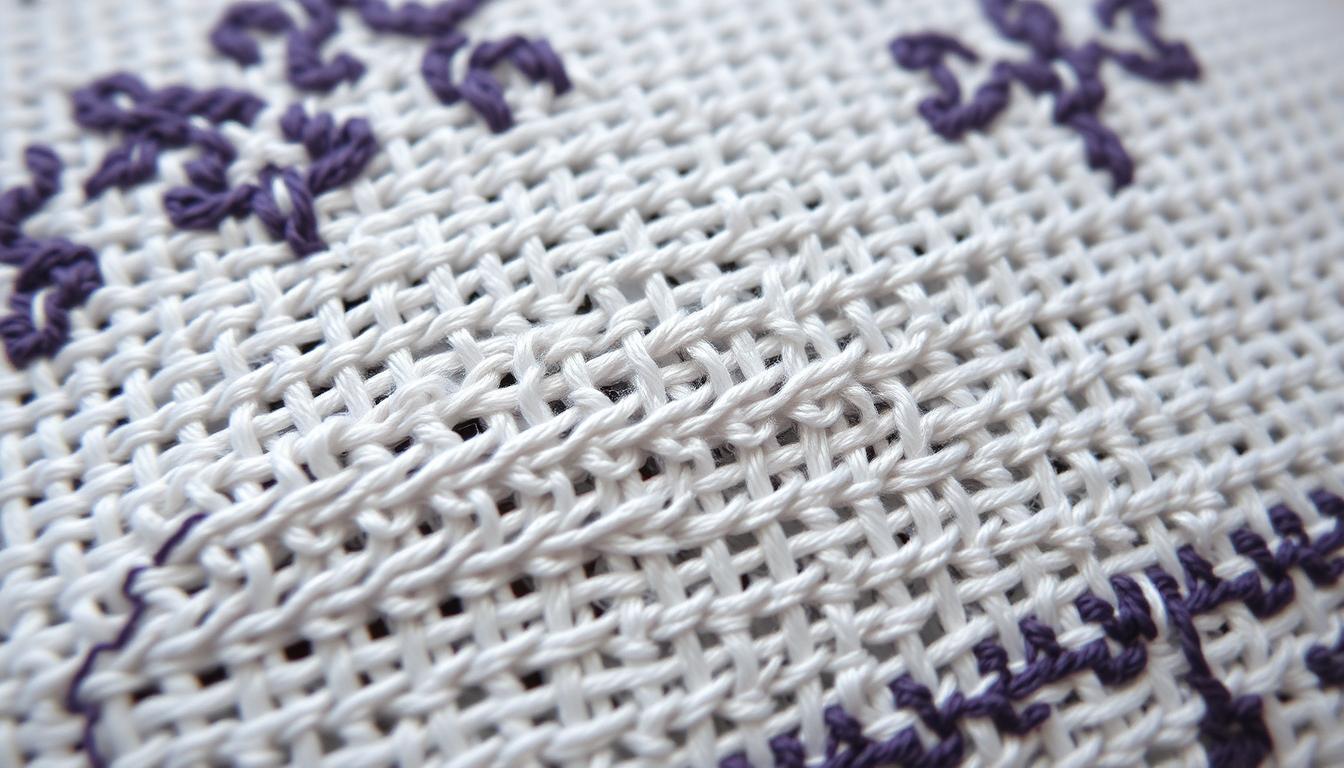
Which craft will fit your time, space, and creative goals: the structured calm of cross stitch or the freeform flair of embroidery?
You’re about to compare embroidery vs cross stitch so you can pick the best fit for your hobbies. Cross stitch uses counted X-shaped stitches on evenweave fabrics like Aida. It often feels like “paint by numbers” with clear charts and patterns. It’s a strong choice if you want predictable results and relaxing repetition.
Embroidery gives you more freedom with satin stitches, thread painting, and varied textures. DIY embroidery suits people who enjoy experimenting with fabrics like linen or quilting cotton. They mix stitches to create custom details on clothing or home decor.
This article will walk you through supplies, learning curve, creative possibilities, and the wellness benefits of both crafts. So you can decide which one matches your lifestyle and goals.
Key Takeaways
- Cross stitch is grid-based and beginner-friendly, often using Aida cloth and DMC stranded cotton.
- Embroidery offers greater artistic freedom and a wider range of stitches and fabrics.
- Choose cross stitch for repetitive, calming projects; choose embroidery for custom textures and clothing work.
- Both crafts support DIY embroidery projects and can be therapeutic and social hobbies.
- Consider time commitment, tools, and the type of finished pieces you want before deciding.
What are cross stitch and how it differs from other needlecrafts
Cross stitch is a counted needlework that creates images with X-shaped stitches on fabric. It uses a simple stitch, a pattern chart, and a color key. Kits from DMC and Zweigart include everything you need to start.
Definition and core technique
In cross stitch, you use one or two strands of cotton to make uniform Xs. You count threads to place each stitch. This method is easy for beginners because it’s like painting by numbers.
Typical fabrics and materials
Aida cloth is the most common fabric, with a clear grid. Counts like 14 and 16 determine the stitch size. Evenweave fabrics like Jobelan offer a balanced look.
Common stitches used
Projects often use full cross stitch, half crosses, and fractional stitches. Backstitch outlines and French knots add detail. These stitches make your work look textured and detailed.
Project types and finished items
Cross stitch is great for samplers, framed pieces, bookmarks, and more. Samplers are often framed to show off designs. Using different stitches helps with fine details.
You’ll need DMC cotton, a hoop, and a tapestry needle for cross stitch. Patterns with symbols and charts make it fun to watch your design come to life.
embroidery: types, tools, and where it shines
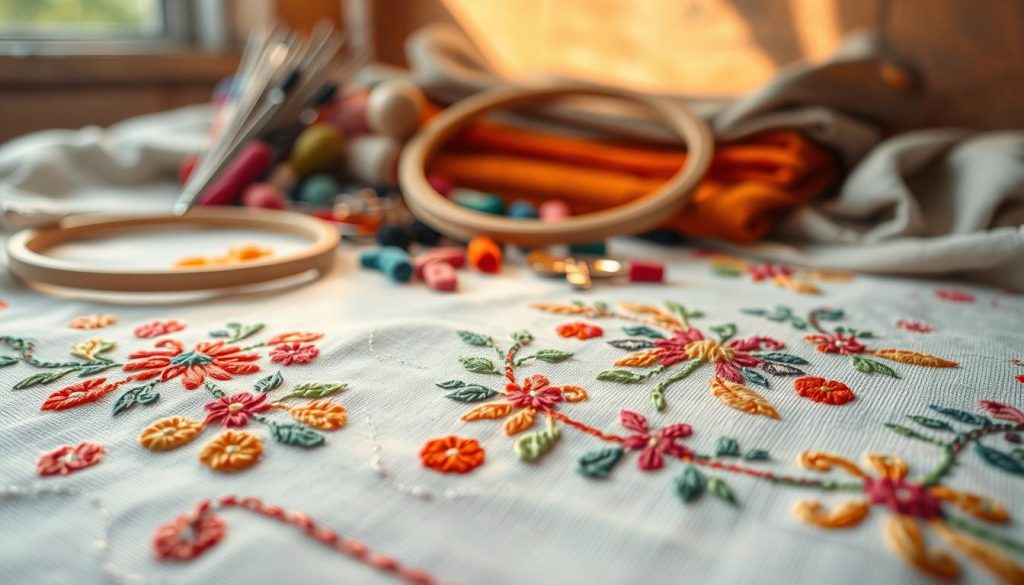
Embroidery is about decorating fabric with a needle and thread. It’s different from other needlework because you can follow curves and mix colors. You can use tracing paper or an erasable pen to draw your design.
Hand vs. machine
Choosing between hand and machine embroidery depends on your project. Hand embroidery lets you control small details and works well on delicate fabrics. It gives a personal touch to your work.
Machine embroidery is faster and can handle lots of stitches at once. But, it might make thin fabrics stiff and is more expensive to start with.
Key stitches and techniques
Knowing basic embroidery stitches is key. Satin stitch fills in shapes, chain stitch outlines, and backstitch makes sharp lines. French knots add texture.
Thread painting uses layered stitches to create shading. Learning a few stitches opens up many design options.
Fabrics and needles
Choose fabrics that match your design. Linen and Kona Cotton Solids are good for details. Quilting cotton is great for everyday items.
Use sharp needles to pierce fabric cleanly. Switch needle sizes to match your thread and fabric. DMC stranded cotton is versatile and can be used in different ways.
Practical uses
Embroidery is useful for many projects. You can add monograms to baby blankets or personalize shirts. It’s also good for making wall art or home decor items.
Small businesses use machine embroidery for branded items. Hand embroidery is perfect for custom orders and unique gifts.
Embroidery benefits include calming effects, focus, and a sense of accomplishment. As you experiment with different stitches and tools, you’ll find what works best for you.
Supplies comparison: what you need for cross stitch and embroidery
Before you buy tools, know how fabric, needles, threads, and extras shape your results. Cross stitch and embroidery share some supplies, yet each craft needs specific items. This guide helps match projects with the right gear.
Fabric differences and why count matters
Cross stitch needs evenly woven fabrics like Aida and evenweave. Aida count refers to holes per inch, with 14 and 16 count being common. Zweigart Aida is a reliable brand for consistent weave and colorfastness.
Embroidery favors linen, quilting cotton, or Kona Cotton Solids for smooth stitching. Hand embroidery works well on lighter fabrics like silk and felt for delicate detail. Machine embroidery works best on sturdier fabrics like quilting cotton, polyester blends, and wool. Avoid high-pile materials such as velvet for machine work.
Needles and threads
For cross stitch, use tapestry needles and stranded cotton like DMC. Tapestry needles are blunt to pass between threads without splitting the fabric. Typical guidance links needle size to fabric: size 24 for 14-count Aida and size 26 for 16-count Aida. You usually stitch with two strands for balanced coverage.
Embroidery uses sharp embroidery needles and flexible strand choices. You can work with one strand for fine detail or all six strands of DMC for rich texture. Varying strand count creates depth with stitches such as satin and thread painting.
Hoops, frames, scissors and accessories
Hoops and frames keep fabric taut. Six- to seven-inch hoops suit most handheld projects. For larger pieces, use stretcher bars or scroll frames to avoid distortion. Sharp embroidery scissors are essential for clean thread ends and tiny trims.
Needle minders protect needles and save time during sessions. Magnetic needle minders come in enamel designs and cut down on misplaced needles. Organizers and pre-sorted thread holders keep DMC skeins and bobbins in order for complex colourwork.
When a machine is appropriate
Consider a machine if you need speed, repeatability, or plan to sell embroidered goods. A computerized machine embroidery setup requires digitizing software, stabilizers, and suitable thread types to handle dense stitch counts. Machines excel on flat, stable fabrics and for precise monograms or bulk production.
Practical buying tips
Start with kits if you are new; they bundle fabric, floss, and instructions. Invest in quality floss such as DMC for colorfast results. Match needle type to fabric to avoid snags: use tapestry needles on Aida and embroidery needles on woven cotton or linen.
| Item | Cross Stitch | Embroidery |
|---|---|---|
| Preferred fabrics | Aida (14/16 Aida count), evenweave | Linen, quilting cotton, Kona Cotton Solids |
| Needles | tapestry needles (blunt), size 24–26 | embroidery needles (sharp), sizes vary by fabric |
| Thread | DMC stranded cotton, two strands typical | DMC floss, 1–6 strands for texture |
| Tools | hoops, frames, needle minders, scissors | hoops, stretcher bars, needle minders, scissors |
| Machine use | possible but rare; needs digitizing | ideal for mass production; machine embroidery setup required |
Learning curve and time commitment for beginners
Starting needlework can seem tough. Some projects offer quick wins, while others need patience. This section aims to set realistic goals, whether you’re into cross stitch or hand embroidery.
Why many people start with cross stitch
Cross stitch uses a grid and X-shaped stitches. This makes it easy to follow patterns. Kits from DMC and Bucilla include everything you need.
These kits help beginners learn cross stitch easily. You can finish small motifs quickly, boosting your confidence for bigger projects.
How hand embroidery learning differs
Hand embroidery teaches many skills. You’ll learn backstitch, satin stitch, and more. Each stitch requires different techniques.
This variety lets you create unique textures and effects. But, it means a steeper learning curve than simple beginner projects.
Time expectations by project size and complexity
Small cross stitch pieces can take a few hours to days. Larger samplers might take weeks or months.
Embroidery portraits and complex pieces need lots of practice. Remember to include fabric count and finishing steps in your timeline.
| Project Type | Typical Time | Skill Focus | Good For |
|---|---|---|---|
| Small cross stitch motif (3″ on 14-count Aida) | 2–10 hours | Full cross, basic backstitch | Quick satisfaction, learn cross stitch |
| Medium cross stitch sampler (6–8″) | 1–4 weeks | Counting, color changes, fractional stitches | Practice pattern reading, beginner embroidery growth |
| Large cross stitch sampler (12″+) | Months | Long-term planning, high fabric counts | Committed hobbyists, detailed embroidery patterns |
| Simple embroidered monogram | 1–6 hours | Backstitch, satin stitch | Personalized gifts, DIY embroidery starters |
| Embroidery portrait or thread painting | Several weeks to months | Multiple stitches, shading, texture | Advanced hand embroidery learning, fine art |
For quick results, start with small cross stitch kits. For creative freedom, be ready for a longer journey in hand embroidery.
Creative possibilities, finishing techniques, and design flexibility
Stitching can go in many directions. Cross stitch uses clear patterns and color charts to guide each square. Kits from DMC and others have preselected threads for a set palette. This makes it easy to repeat designs for multiple pieces.
Hand embroidery lets you experiment. You can use satin, chain, or long-and-short stitches for texture and shape. For painterly effects, thread painting layers stitches to mimic shading. Machine embroidery can also create complex motifs for clothes and home decor, but it might need stabilizers for thick fabrics.
Mixing techniques adds interest. You can add backstitch outlines or French knots to a counted cross stitch for detail. Thread painting near cross stitch motifs can create soft transitions. Small accents can make a big difference without overwhelming the chart.
Choosing finishes can make your work look polished. A simple hoop display is great for folk or rustic pieces. Professional framing preserves samplers for display. For functional items, attach embroidery to bags, pillows, or clothes with proper backing and stabilizers. Appliqué and sewn-on borders make them more durable for daily use.
Below is a practical comparison to help you choose finishes based on your project goals and display needs.
| Finish | Best for | Durability | Skill level |
|---|---|---|---|
| Hoop display | Small motifs, quick gifts, casual décor | Moderate with proper backing | Beginner to intermediate |
| Framing cross stitch | Samplers, heirlooms, formal display | High when professionally mounted | Intermediate to advanced (or framer service) |
| Appliqué | Wearables, bags, mixed-fabric projects | High with reinforced edges | Intermediate |
| Functional items | Pillows, towels, clothing | Varies; use stabilizers for machine work | Beginner to advanced |
| Layered thread painting | Realistic florals and portraits | High if secured and backed | Advanced |
Wellness, community, and practical benefits of stitching
Stitching is more than just making something. It’s a quiet moment that can calm your mind and lift your mood. Many people make embroidery wellness and embroidery therapy a big part of their self-care.
Embroidery wellness and mental-health gains
When you sit with a hoop, needle, and thread, your breathing slows down. Your focus narrows, mirroring creative therapy. This calm focus can help you escape anxious thoughts.
Therapeutic embroidery also improves fine motor skills and invites reflection.
How repetitive stitches support mindfulness
Counted cross stitch involves steady, repeating motions. These motions help you stay in the present moment. You might forget about worries and enter a flow state.
This flow state can reduce stress and help you sleep better after a busy day.
Social connections and practical opportunities
Needlework communities meet at local craft shops, libraries, and online forums. You can learn new skills, share tips, or sell your work. Machine embroidery is great for small businesses, while hand stitching makes special gifts and commissions.
Health crafts and cognitive benefits
Studies show that crafting regularly can improve your mood and brain health. Doing different projects may lower the risk of cognitive decline. It can also sharpen your memory when you’re mentally active.
These benefits make stitching a rewarding hobby for both body and mind.
Conclusion
Choosing between embroidery and cross stitch depends on what you want to achieve. If you enjoy being creative and like different textures, embroidery might be for you. It offers a lot of freedom and can make your projects look very realistic.
On the other hand, if you prefer following a pattern and knowing what to do next, cross stitch could be better. It’s great for learning quickly and making small projects look perfect.
For making lots of items fast, machine embroidery is a good choice. But for personal touches on gifts, handwork is better. Both ways can make you happy and proud of your creations.
Start with a small cross stitch kit to get the hang of it. Then, try a simple embroidery sampler to see how different stitches work. This way, you can learn and have fun at the same time.
Think about what you want to do with your stitching. Do you want to learn fast, make things look real, or make lots of items? Choose the method that fits your goals and enjoy the journey.
 English