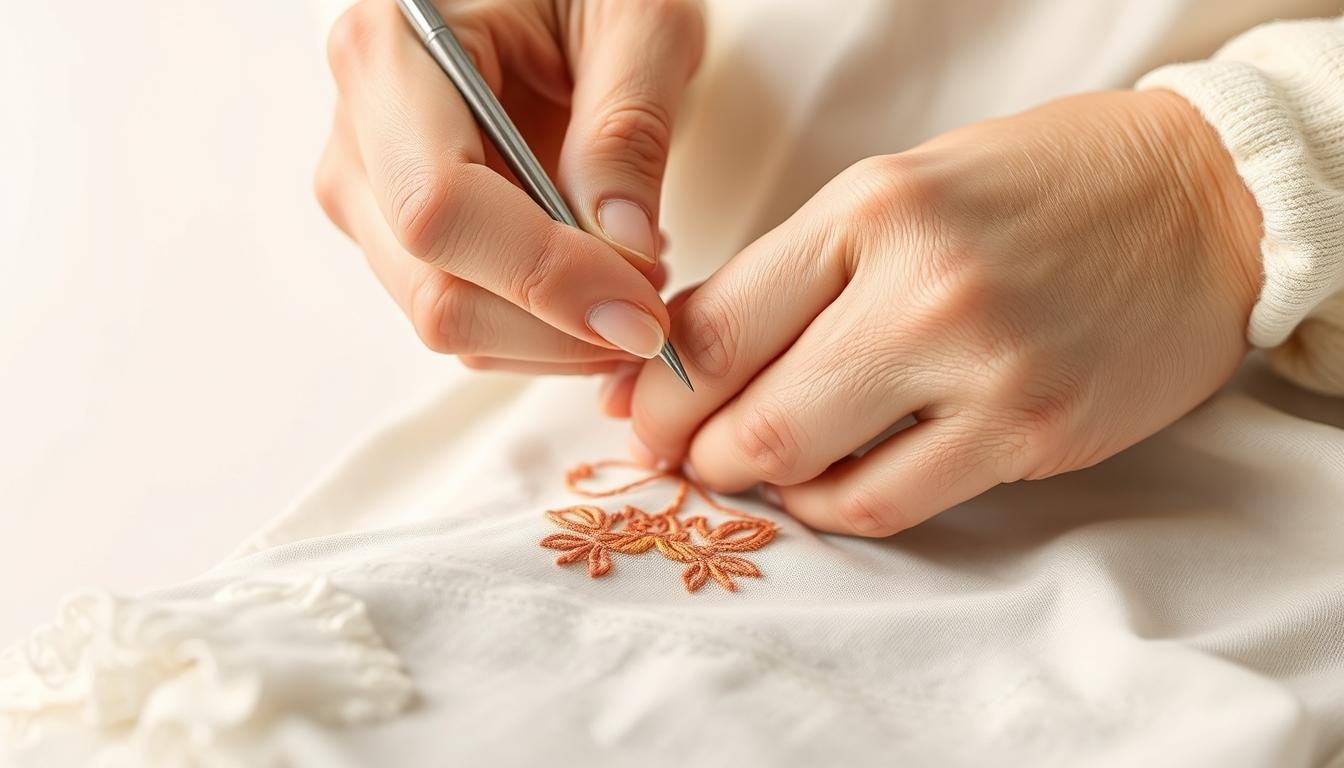
Can you really remove embroidery and save a favorite shirt or jacket without wrecking the fabric?
This guide shows you how to remove embroidery from garments without harm. It works for machine embroidery on a polo, a logo on a jacket, or hand embroidery on a blouse. You’ll need a seam ripper, tweezers, and small scissors. With these tools and a bit of care, you can safely remove embroidery and restore your clothes.
Each type of embroidery—hand, machine, and appliqué—needs a different method. The fabric also plays a role; silk is more delicate than denim or canvas. After removing the embroidery, you might see small needle holes or leftover stabilizer. A little aftercare or repair might be needed.
Be patient and careful: start by flipping the garment inside out. Work from the back and cut threads instead of pulling. Use a lint roller or tape to clean up any leftover fibers. A $5 seam ripper is usually enough for DIY embroidery. But if you want to speed things up, a stitch eraser ($80–$170) can help. In a pinch, a hair trimmer can also be used.
Key Takeaways
- Removing embroidery is possible with proper tools and a patient technique.
- Different embroidery types and fabrics require tailored approaches.
- Work from the garment’s inside and cut threads instead of pulling.
- Expect small needle holes or backing residue and plan simple aftercare.
- Basic tools are inexpensive; specialty tools speed the job.
Why you might remove embroidery and what to expect
There are many reasons to remove embroidery. You might want to change a shirt’s look for a new logo or fix a favorite piece. Some people do it to make clothes last longer or to reduce waste.
Reasons to remove embroidery
- You need to rebrand clothing or update uniforms for a new employer.
- A flawed stitch job or outdated emblem makes a garment unusable as is.
- Sentimental items get repurposed when you remove old embroidery patterns and add new designs.
- Sustainability motivates you to reclaim and reuse instead of throwing things away.
- Therapy or hobbyists remove stitches to redo work as part of embroidery therapy and creative practice.
Common results and limitations
- Expect small needle holes and faint stitch marks after removal, mostly on thin fabrics.
- Dense machine work often leaves deeper impressions than loose hand stitching.
- Dark threads may leave dye transfer or residues on lighter cloth.
- Fusible or heavy stabilizers sometimes stick to fibers and need extra cleaning to remove.
- Complex logos and multilayered appliqués can risk damage; professional help may save the garment.
Types of embroidery and removal difficulty
| Type | Typical difficulty | Key removal tip |
|---|---|---|
| Machine embroidery | High | Work from the back; cut bobbin threads to free sections before lifting surface threads. |
| Hand embroidery | Low to moderate | Cut individual stitches close to the fabric and pull threads gently to avoid snagging. |
| Appliqué and sewn patches | Moderate to high | Remove perimeter stitches first; heat iron-on adhesives to loosen before prying fabric away. |
| Embroidery with stabilizer | Varies by stabilizer | Tear-away is easiest; cut-away needs careful trimming; water-soluble rinses out cleanly. |
Tools and preparation for safe embroidery removal
Before starting, get the right tools and set up your workspace. Good preparation helps avoid mistakes and keeps your fabric safe. Think about the stitch type, fabric weight, and whether it’s hand or machine embroidery.
Essential tools
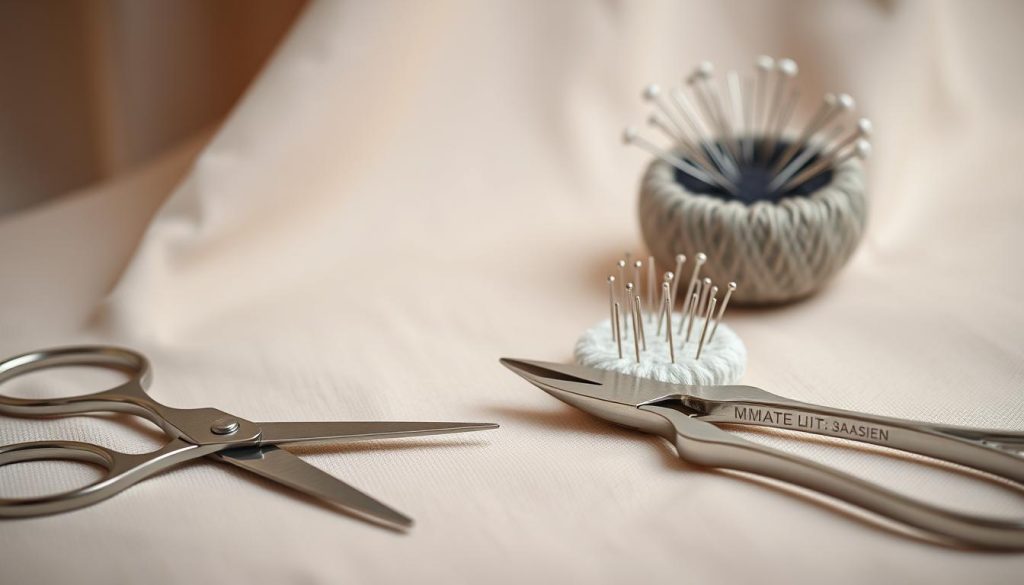
Start with a sharp seam ripper. Use it from the back to lift stitches. Replace it when dull to avoid damage.
Keep fine-point tweezers for pulling out threads. For dense stitching, use small embroidery scissors. For machine work, consider a stitch eraser or electric thread remover.
A small electric hair trimmer can be a budget-friendly option. Magnification of 2x–5x is helpful for small details. Use a lint roller or adhesive tape to clean up thread bits.
Optional tools like a fabric shaver or craft razor with guard can restore texture after removal.
Setting up your workspace
Work under bright, shadow-free light. Daylight lamps reduce eye strain and help see small threads. Lay a towel on your table to protect it and catch loose fibers.
Keep tools within arm’s reach and take breaks to avoid mistakes. Use an embroidery hoop for loose fabrics. For hats, insert a round object into the crown to hold shape while removing stitches.
Slide cardboard inside shirts or jackets to prevent cutting through both layers. This protects lining, pockets, and interior labels.
Material assessment and testing
First, identify the fabric type: silk, chiffon, cotton, denim, canvas, polyester, nylon, or leather-like. Check the stitch density and backing type before starting.
Always test on an inconspicuous area first. Try a tiny cut or light shaving to confirm the tool won’t damage the fabric. For delicate fabrics like silk or chiffon, use a fine seam ripper and minimal tension. High-value items may need professional help.
| Tool | Best for | Notes |
|---|---|---|
| Seam ripper | Hand embroidery, general stitches | Use from the back; replace when dull to avoid fabric damage |
| Stitch eraser / electric thread remover | Machine embroidery tools, dense designs | Fast removal; costs vary; hair trimmer can substitute |
| Fine-point tweezers | Pulling cut threads | Helps remove short thread tails cleanly |
| Embroidery scissors | Dense stitches, backing trimming | Pointed tips offer precise control |
| Magnifying glass | Small or detailed areas | 2x–5x magnification improves accuracy |
| Lint roller / adhesive tape | Cleanup | Removes tiny thread bits after removal |
| Fabric shaver / craft razor | Surface restoration | Use with care on delicate fabrics; guard recommended |
Step-by-step methods to remove embroidery without damaging fabric
Removing embroidery needs patience and the right steps. First, check the design, fabric, and stabilizer to pick the safest way. Use small, steady motions and check both sides often to avoid fabric damage.
Turn the garment inside out and lay it flat on a contrasting towel to reveal bobbin threads and stitch paths. Photograph the embroidery patterns if you might recreate them later. Locate rows of bobbin thread for machine work; cutting these rows first frees large sections fast.
Use a seam ripper to lift a few stitches at a time. This is better than making a long cut. For hand embroidery, cut every third or fourth stitch and pull threads out with tweezers. Keep a piece of cardboard inside the garment to protect the fabric when using fine-point scissors on dense areas.
Choose a stitch eraser when you face large, machine-stitched logos to speed the job. Keep the fabric taut and work from the outside toward the center to avoid snagging the base fabric. For budget options, a small crafting razor or hair trimmer with a guard can mimic an electric stitch eraser; use short, one-direction strokes and avoid delicate areas.
After thread removal, identify the stabilizer type to remove backing correctly. Tear-away pulls off easily, cut-away needs trimming close to the stitch line, and fusible backing may require gentle heating with an iron and a pressing cloth to loosen adhesive. Water-soluble backing rinses away in warm water.
Use tweezers to pluck stubborn thread bits from the front under magnification. Lift small fragments with a lint roller or masking tape. Steam or press gently with a cloth to relax fibers and help close tiny needle holes. A fabric shaver can even texture for heavier fabrics; skip aggressive shaving on delicates.
| Task | Best Tool | When to Use |
|---|---|---|
| Locate stitches and plan cuts | Camera, contrasting towel | Always, before cutting threads |
| Cut individual stitches | Seam ripper, fine-point scissors | Hand or machine embroidery with detail |
| Speed removal of large machine logos | Stitch eraser or guarded razor | Dense, broad embroidery patterns |
| Remove stabilizer | Hands, small scissors, iron | Depends on type: tear-away, cut-away, fusible |
| Final cleanup | Tweezers, lint roller, fabric shaver | After all threads and backing are gone |
Working with different fabrics and items
Different materials need different methods for removing embroidery. First, check the fabric type, stitch density, and if the design goes through layers. This helps you pick the right tools and avoid problems with delicate, heavy, or structured items.
Delicate fabrics like silk and chiffon
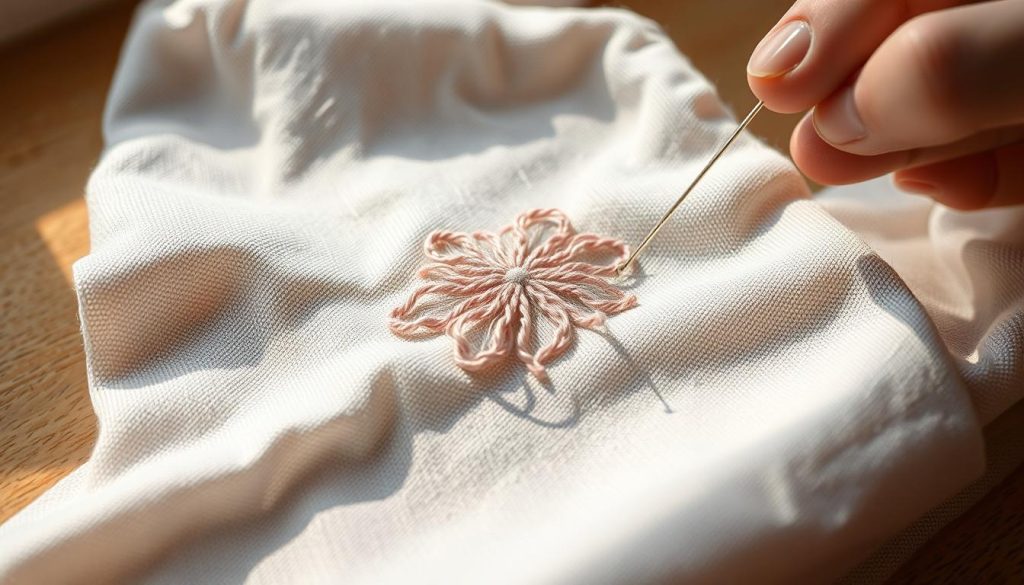
Be gentle with silk and chiffon. Use a fine seam ripper and small scissors under a magnifying glass. Work from the back when you can and cut threads often instead of pulling them out.
Use thin cardboard between layers to protect the other side. After removing threads, steam lightly with a pressing cloth to relax the fibers. Tiny holes might remain; consider patching, reweaving, or new embroidery to hide them.
Heavier fabrics such as denim, canvas, and jackets
Thicker fabrics can handle more forceful removal. To remove embroidery from denim, flip it and cut bobbin threads from the back in rows. Use a seam ripper or small scissors for dense machine logos.
Use a fabric shaver or clothes brush to restore the nap. For leather or coated jackets, add a thin layer under the work area to avoid scratches. Pressing and brushing usually fixes holes quickly.
Structured items: hats, backpacks, and patches
Stabilize a hat crown with a round object for embroidery removal without shape distortion. Cut a few stitches at a time to prevent puckering. For backpacks, check linings and internal layers before cutting; synthetic fabrics fray differently than cotton.
When removing sewn patches, use a seam ripper along the edge and clean leftover thread and backing residue. For iron-on patches, heat them and peel gently. Then, test rubbing alcohol on a hidden area to remove adhesive safely.
Think beyond just removing embroidery. If holes or faint marks remain, new embroidery patterns or small appliqués can cover them. For many makers, the careful removal process is like embroidery therapy that refreshes both the garment and their creative spirit.
Aftercare, repair, and preparing the garment for reuse
After removing the stitches, you need a plan to fix the fabric. This care stops small holes from getting bigger. It also helps hide any leftover backing residue. Think of it as taking care of the fabric’s health.
Restoring fabric texture and removing holes
Begin by steaming the area to relax the fibers. Hold the steamer two inches away for 10–15 seconds. Or, use a warm iron with a cloth on the fabric setting.
Lightly dampen the spot and rub it gently with your fingertips. This helps fibers settle back into place. Let the garment rest for a day to allow fibers to settle.
For thicker fabrics, use a fabric shaver to remove fuzz. But avoid using it on silk or chiffon. For needle holes, use a fine needle to coax threads together. Or, use a tiny stitch to close the gap in a matching thread.
Dealing with color transfer or backing residue
For dye transfer from dark thread, use a color-safe stain remover. Follow the care instructions for washing. Test the treatment on an inside seam first.
If fusible backing remains, warm it with an iron through a cloth. Then, pick away the residue. Use rubbing alcohol or adhesive remover sparingly and test on a hidden area first.
Water-soluble stabilizer washes out in warm water. Rinse until it dissolves fully, then launder as directed. Remove small sticky bits with a lint roller or masking tape. Brush textured fabrics gently with a clothes brush.
Repair options for visible damage
Small holes and thin spots can be fixed with darning, invisible mending, or a tiny hand-sewn patch. Place the patch on the underside of the garment. Match the fabric and thread for a subtle fix.
For larger or obvious damage, cover the area with new embroidery, an appliqué, or a decorative patch. You can choose a contrasting patch for a refreshed look.
If the garment is valuable or the damage is complex, seek professional textile restoration. After any repair, press or steam the area. Follow care instructions before wearing or re-embroidering. Use proper stabilizer and hooping to protect the repaired spot when following new embroidery patterns or enjoying embroidery benefits again.
Conclusion
You can safely remove embroidery from most clothes with the right steps. Start by using a seam ripper, stitch eraser, tweezers, and small scissors. Work from the back and take your time to avoid damaging the fabric.
For dense embroidery or thick backing, it might be harder. You could end up with small holes or leftover residue.
Choose the right method based on the fabric. Denim and canvas can handle more, while silk and chiffon need care. Always test cleaning products on a hidden spot first.
Use steam, gentle pressing, or a fabric shaver to fix the fabric after removing embroidery. This helps restore its look and feel.
Looking after your clothes and making small repairs can make them last longer. Techniques like darning, patches, or new stitching can hide flaws and create new designs. This supports sustainable fashion and DIY projects.
Removing embroidery also lets you express yourself creatively. It’s a chance to start fresh and make something new.
If the item is valuable or very delicate, it’s best to get professional help. This way, you avoid causing permanent damage. By following the right steps, you can give old clothes a new life.
 English