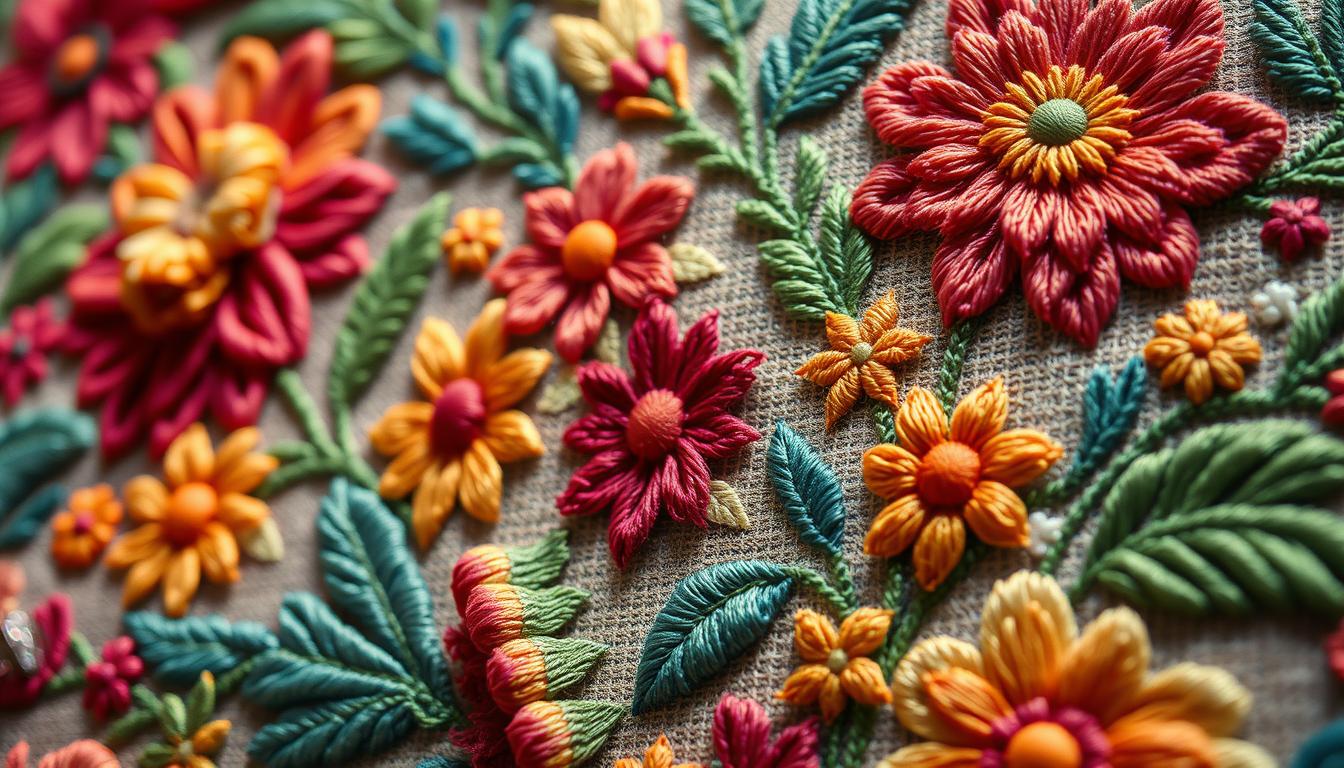
Which finish makes your logo look unmistakably professional: timeless stitched texture or vivid printed color?
You decide what your brand wears. Embroidery stitches thread into fabric, giving a textured, durable look. This look is often seen as premium on polos, caps, and jackets. The three-dimensional feel is a key benefit of embroidery compared to printing for corporate wear.
Printing, from screen printing to DTG and sublimation, shines when you need bright, complex graphics across larger areas. The debate between printing vs embroidery is common. Choices affect embroidery results, cost, fabric fit, and how long the design lasts.
This guide helps you weigh embroidery patterns, embroidery quality, and printing trade-offs. You can pick the method that fits your design, fabric, and budget.
Key Takeaways
- Embroidery offers durable, textured results ideal for logos and small designs.
- Printing provides vibrant, full‑color options for large or photorealistic graphics.
- Fabric choice and garment type often determine whether embroidery or printing performs better.
- Order size and design complexity drive cost differences between embroidery and printing.
- Sample proofs and a trusted supplier ensure accurate embroidery results and print fidelity.
Understanding the fundamentals: What are embroidery and printing
There are two main ways to decorate fabric: using thread and ink. Each method has its own tools and results. Knowing the difference will help you choose the right way for your project.
What embroidery is and how it works
Embroidery uses a needle and thread to create designs on fabric. Modern shops use machine embroidery for quick and consistent results. The process starts with digitizing the design, then stabilizing and running the machine.
Hand embroidery is great for craft projects and is a calming activity. Machine embroidery is faster and better for making uniforms and corporate wear.
Common printing methods explained
Printing involves applying inks or films to textiles. Screen printing uses ink through a mesh for bold, durable prints. It’s best for large batches.
DTG printing applies ink directly to cotton for detailed prints. Sublimation dyes polyester for full-color coverage. DTF printing uses a film for multi-color prints on various fabrics. Heat transfer bonds graphics to fabric with heat and adhesive.
DIY printing is popular for small projects at home. Professional shops have better equipment for consistent results.
Key differences in process, materials, and finish
Embroidery creates a raised, tactile finish that lasts. This is often preferred for corporate wear. Embroidery and printing differ in setup and costs.
Fabric choice affects the outcome. Heavy cotton works well for embroidery, while lightweight fabrics need DTG or sublimation. Durability and color depth vary by method.
| Aspect | Embroidery | Printing (screen/DTG/sublimation/DTF/heat transfer) |
|---|---|---|
| Primary materials | Thread, stabilizer, backing | Inks, films, transfer papers |
| Best fabrics | Polos, caps, jackets, canvas, heavy cotton | T‑shirts, lightweight fabrics, polyester for sublimation |
| Detail & color | Limited fine detail, strong texture; great for logos | High detail, gradients, full-color photos |
| Finish comparison | Raised, textured, premium look | Flat, smooth, variable hand-feel by method |
| Durability comparison | High resistance to washing and abrasion | Varies by method; sublimation lasts on polyester, DTG can fade |
| Setup & cost | Digitizing fee; per-piece cost drops with volume | Screen: screens per color; DTG/DTF: lower setup for small runs |
| DIY options | Hand embroidery possible at home; simple machines exist | Heat transfer and DIY DTG kits exist for hobbyists |
embroidery: benefits, limitations, and ideal uses
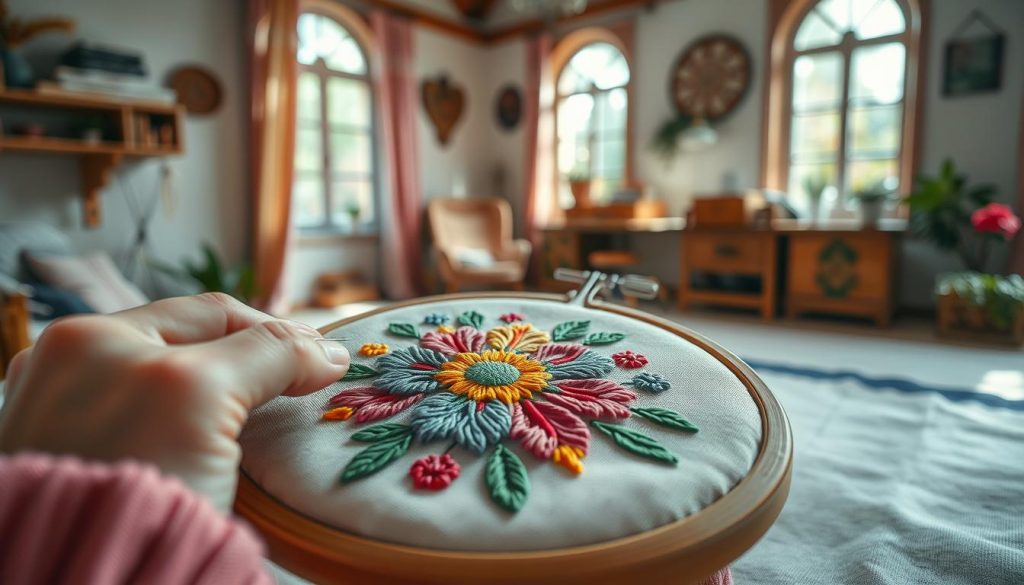
Embroidery adds a unique touch that feels premium. It has a textured look that stands out on uniforms and branded items. This durability makes embroidered polos and caps perfect for work and team wear.
Durability and perceived quality of stitched designs
High-quality embroidery makes logos look crisp and raised. The choice of thread, tension, and stitch type affects how long it lasts. Heavy cotton or polyester threads keep colors bright. But, be careful not to snag the fabric.
Best fabrics and garments for embroidery
Embroidery works best on sturdy materials. Knits are great for polos, heavy cotton for shirts, and canvas for bags and hats. Jackets and caps handle embroidery well, but lightweight tees might warp.
Design constraints: stitch count, size limits, colour handling, and detail
More stitches mean more texture but can make designs bulky. Machines have size limits and hoops that restrict the area you can embroider. Solid colors and simple designs work best, as gradients and photo details are tricky.
Cost factors: setup, bulk savings, and pricing
Embroidery setup costs more than printing because of the time needed for digitizing and machine prep. This makes small orders pricey. But, bulk orders get cheaper as the machine repeats the design. Compare costs to find the best deal for your volume.
Hand embroidery vs. machine embroidery and wellness benefits
Hand embroidery offers a personal touch, perfect for unique gifts and projects. Machine embroidery is faster for large orders like uniforms. Doing embroidery at home can be therapeutic, helping with stress and focus. It’s also a great way to relax and be creative.
Printing advantages, trade-offs, and use cases for vibrant graphics
Printing is great for detailed graphics, smooth colors, and photos. It beats embroidery in these areas. Full-color printing is perfect for big designs with sharp edges and shading.
When printing outperforms embroidery: photorealistic images, gradients, and full-color designs
Print for photos, blends, and small text. Digital methods win for continuous tones and many colors. DTG and sublimation offer unique effects on fabrics.
Comparison of printing techniques and their best applications (screen printing, DTG, sublimation, DTF)
Screen printing is best for bold designs and lots of prints. It’s durable and cost-effective for big orders. DTG is great for small runs with detailed photos. Sublimation works well on polyester for sportswear. DTF printing is versatile for many fabrics.
Fabric suitability for prints (t‑shirts, lightweight fabrics, polyester for sublimation)
Choosing the right fabric is key. Cotton is best for DTG, and blends for screen printing. Polyester is ideal for sportswear.
Durability, care tips, and cost considerations for printed garments
Printing durability depends on the method and care. Screen printing lasts long with proper curing. DTG prints may wear faster. Polyester sublimation is durable but fades with UV. Always wash prints inside out and avoid high heat.
DIY printing options versus professional print shops
DIY printing is cost-effective for small projects. It’s a chance to try new designs. But, expect variable results. Professional shops offer consistent quality and reliability.
How to choose: matching design, fabric, budget, and purpose
First, match your goals with the right production method. For simple, durable logos, pick embroidery or printing. For detailed images, printing is better. Think about the garment and its use—like promotional tees or uniforms.
Assessing design complexity
Design complexity matters. Vector logos and crests work well with embroidery. But, for photos and gradients, printing is better.
Order size and timing
Consider the cost of large orders. Screen printing is cheaper for big batches. Embroidery saves money as you order more. Know the production time, as it varies.
Hybrid options for mixed-media apparel
Combine embroidery and printing for unique designs. Plan where each will go. This way, you get the best of both worlds.
Practical checks before production
Get sample proofs to check colors and details. Test materials to avoid problems. Choose suppliers who share details and offer reliable service.
Choosing a supplier and building partnership
Find a supplier with clear prices and good service. A strong partnership balances cost and quality. Make sure they use quality materials and processes.
Conclusion
You now know the key differences between embroidery and printing. Embroidery is great for durable, textured, and premium looks. It’s perfect for polos, caps, and jackets. On the other hand, printing offers vibrant, detailed, full-color graphics. These are best for t-shirts and large designs.
When choosing, consider the garment type, design complexity, and order size. For small orders with detailed art, printing is often the better choice. But for logos and items that last longer, embroidery is the way to go. Always request proofs, test materials, and compare costs before making a decision.
There’s no clear winner in the embroidery vs printing debate. The choice depends on your design goals. You might choose embroidery for its durability or printing for its color vibrancy. Or, you could use both for a unique mixed-media effect. Make sure to work with a trusted provider to meet your quality standards.
 English