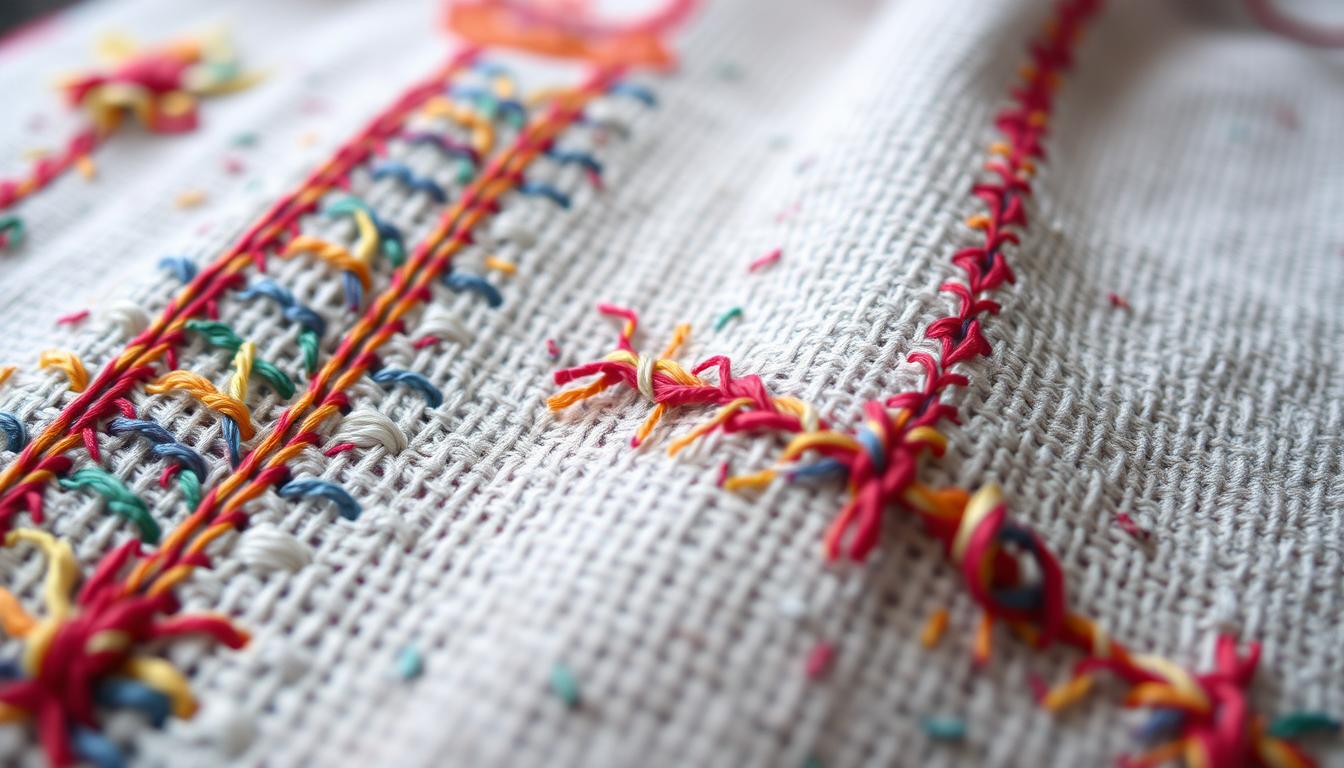
Which method will keep your logo looking sharp after years of wear — stitched thread or printed ink?
Your uniforms and branded apparel are key to your business image. Embroidery uses needle and thread to create a textured look. Screen print, on the other hand, uses ink or dye through a mesh for a flat image. Both methods have their own strengths for lasting well.
Embroidery facts reveal that thread blends into fabric, fighting off fading and wear. This makes it a favorite for modern workwear and polos. Screen print, though, is great for big, colorful designs and big orders. But, printed ink can fade or crack if not paired with the right fabric and method.
In this article, you’ll discover how each process works and which fabrics they suit best. You’ll also learn about the trade-offs between durability and design flexibility. We’ll show when professional wear benefits from embroidery and when screen print is the practical choice for large orders.
Key Takeaways
- Embroidery generally offers superior longevity for small logos and high-wear garments.
- Screen print is durable for large, colorful graphics when done with proper inks and curing.
- Fabric choice and production quality are decisive for both embroidery and screen print durability.
- Order size, budget, and turnaround time often determine the practical choice.
- Testing samples and following care instructions extend the lifespan of either method.
What embroidery is and why it matters for durability
Embroidery is a craft that decorates fabric with needle and thread. It creates a textured, raised design that becomes part of the garment. This method makes the fabric last longer than surface printing.
Modern embroidery uses machines for speed and quality. But, traditional and hand embroidery keep the art alive in unique pieces.
Knowing how embroidery works helps you understand its lasting power. First, a design is turned into a digital file. Then, threads and stabilizers are used to secure the fabric before stitching.
If you choose hand embroidery, expect a piece with unique character. It takes more time but is special.
Definition and process overview
Digitizing is the first step in embroidery. It sets the stitch density and direction. This affects how the design looks on the fabric.
High stitch density makes the fabric more resistant to wear. But, it also makes it heavier and stiffer. The choice of thread affects the color and durability of the embroidery.
Types of embroidery and their durability implications
Flat embroidery is close to the fabric, making it flexible. It’s great for shirts and polos. On the other hand, 3D puff embroidery uses foam for a raised look. It’s visually striking but adds bulk.
Dense fills are better at resisting wear than sparse stitches. But, delicate needlework can fray if it’s in a place that gets a lot of wear.
Materials and fabric compatibility
Embroidery works well on sturdy fabrics like denim and canvas. Cotton polos also do well. But, linen and wool need stabilizers to prevent puckering.
Don’t put heavy embroidery on delicate fabrics like silk. It can stiffen or distort the fabric. Also, avoid embroidery on waterproof fabrics because needle holes can compromise their function.
| Aspect | Embroidery Type | Durability Notes |
|---|---|---|
| Visual effect | Flat embroidery | Low profile, durable for daily wear on polos and shirts |
| Visual effect | 3D puff | High impact look, adds bulk and can stress seams over time |
| Technique | Machine embroidery | Consistent stitch quality, ideal for bulk orders and brand fulfillment |
| Technique | Hand embroidery | Artisanal finish, unique pieces, slower production and variable longevity |
| Materials | Thread choice | Polyester threads resist fading and abrasion better than cotton |
| Compatibility | Suitable fabrics | Denim, canvas, polos, caps, scarves; needs stabilizer on lightweight fabrics |
| Compatibility | Unsuitable fabrics | Waterproof outerwear and delicate silks for large motifs |
How screen printing works and factors affecting longevity
Screen printing uses a mesh to transfer ink or dye onto fabric. This method creates bright colors and smooth finishes. It’s great for streetwear and team gear, but the quality depends on the material and how well it’s done.
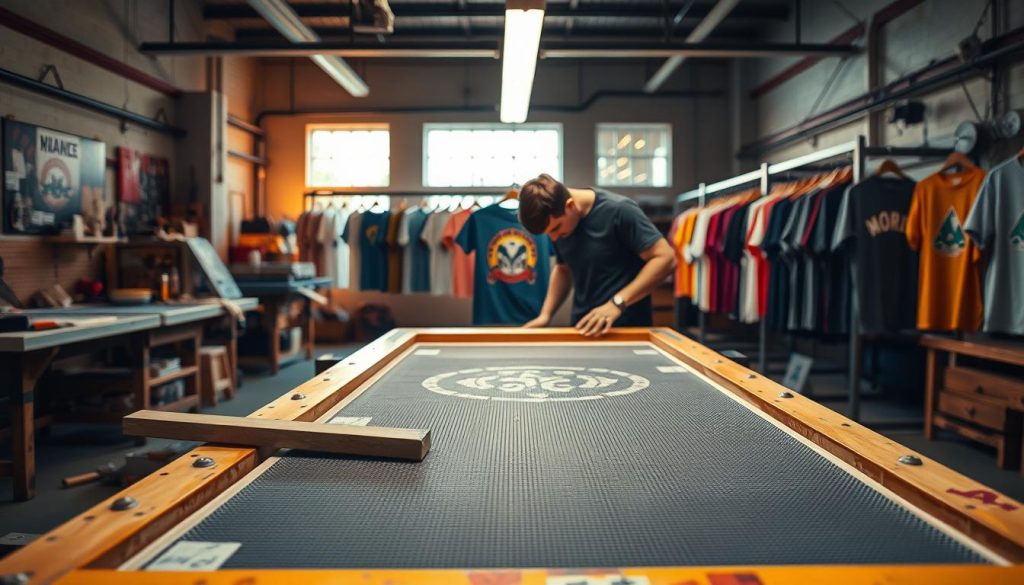
The process begins with designing and separating colors. A special emulsion is applied to the mesh, then exposed to UV light. This creates a stencil. Ink is pushed across the stencil with a squeegee, repeating for each color. After each layer, it dries before the next one is added. The final curing step makes the print last longer.
Materials matter. Different inks work better with different fabrics. Dye goes into the fabric for a soft feel, while ink sits on top for a stronger print. The choice between dye and ink affects how well it holds up to washing and wear.
Design complexity affects the print’s lifespan. Detailed designs need more screens and precise setup. Each layer adds risk of delamination if not cured right. Simple prints usually last longer.
Choosing the right fabric is key for a long-lasting print. Cotton and cotton blends work well with most inks. Avoid stretchy or textured fabrics for heavy ink prints. For big designs, thicker ink can make them last longer, but it must stretch with the fabric.
Screen printing is best for bold, large designs on items like tees and hoodies. It’s cost-effective for medium to large orders. For a high-end look, compare it to embroidery to see which lasts longer.
Comparing longevity: embroidered thread vs. printed ink
When comparing embroidered thread and printed ink, we see how each holds up over time. This comparison helps you understand washing resistance, abrasion resistance, and how they handle sun exposure.
First, let’s talk about how they bond to the fabric. Embroidered thread is stitched in, giving it strong hold. Printed ink, on the other hand, sits on top of the fibers. Its longevity depends on the ink’s quality and how well it’s cured.
Wear and tear from rubbing and washing also play a role. Embroidery’s thread and stitches help it resist abrasion well. Screen prints, with the right ink and curing, can also last through many washes. But they might crack or lift at the edges, more so on stretchy or rough surfaces.
UV rays can also affect how colors stay bright. Threads made for colorfastness keep their colors well under sunlight. Some inks have UV protectants, but printed ink often fades faster outdoors.
The choice of thread or ink affects how long it lasts. For embroidery, using the right thread and stabilizers, along with dense stitches, helps avoid puckering and thread breakage. Screen printing’s success depends on the mesh count, ink type, and full curing to prevent peeling and keep details sharp.
Embroidery can face issues like snagging, thread breakage, and fabric distortion. Screen printing might struggle with cracking, peeling, fading, and losing fine details after many washes.
Here’s a comparison to help you see the practical differences and set realistic expectations for durability.
| Factor | Embroidered thread | Printed ink |
|---|---|---|
| Washing resistance | High when quality thread and stabilizer are used; resists many cycles | Variable; durable with correct ink and cure but more likely to fade or crack over many washes |
| Abrasion resistance | Strong due to stitched anchor; excellent abrasion resistance on most fabrics | Moderate; inks wear faster under repeated friction unless specialized formulations are used |
| Sun/UV exposure | Good if colorfast threads chosen; slow fading over time | Prone to faster fading unless UV-stable inks are selected |
| Common failure modes | Snags, thread breaks, puckering on delicate fabrics | Cracking, peeling, edge separation, loss of fine lines |
| Best use cases | Small logos, high-wear uniforms, products needing long-term textile integration | Large, colorful graphics, cost-sensitive bulk runs, non-textile surfaces |
| Construction quality impact | Critical: thread type, stitch density, and stabilizer determine lifespan | Critical: ink chemistry, mesh count, curing, and adhesion determine lifespan |
Design considerations: when embroidery outlasts screen print
Choose embroidery for its lasting quality and elegant look. It works well on tough fabrics like polos, jackets, and caps. The stitches stay sharp even after many washes.
Uniforms and team outfits look better with embroidery. It’s more durable than prints. Embroidered designs on work shirts or outerwear stay clear after many washes.
Heritage crafts add a special touch to embroidery. This makes your brand stand out. It shows your commitment to quality and tradition.
Here’s a quick guide to choose embroidery:
- Small logos and fine text that must remain legible over time.
- High-wear apparel or uniforms that face frequent washing and abrasion.
- Brand stories that benefit from heritage crafts, handwork, or the embroidery revival.
| Design Need | Why Embroidery Works | Practical Notes |
|---|---|---|
| Small logos and text | Stitch precision preserves edges and lettering through wash cycles | Best on medium to heavy fabrics; minimal thread colors keep costs down |
| High-wear apparel | Threads resist abrasion and mechanical stress better than many inks | Choose dense stitching and stabilized backing for longevity |
| Heritage crafts & branding | Needlework conveys tradition, quality, and artisan value | Combine hand-embroidery accents with machine work for scalability |
Design considerations: when screen print is the durable choice
Screen printing is great for big, bold designs. It works best on smooth cotton and cotton blends. This way, your designs stay sharp even after many washes.
It offers a wide range of ink colors. You can make vibrant color gradients and soft shading. This ensures your prints look consistent across all items.
For large orders, screen printing saves money. It’s more cost-effective for hundreds of shirts because setup costs are spread out. This makes it a budget-friendly option.
Screen printing isn’t just for t-shirts. It’s also good for posters, tote bags, and signs. Choosing the right ink and preparing the surface is key for durability on different materials.
Layering ink can add texture to your designs. This technique creates raised elements that resist wear and tear. It’s a way to add depth to your prints while keeping production efficient.
Care, maintenance, and real-world testing for lifespan
You want your clothes to last. Simple care tips and washing instructions are key. They help both embroidered and screen-printed clothes last longer.
Washing and drying tips to extend life
Turn your clothes inside out before washing. This protects the thread and ink. Use cold water and a mild detergent to keep colors bright and stitches tight.
Don’t wash clothes with zippers or Velcro. They can snag embroidery. For screen prints, use low dryer heat. High heat can damage the ink and fade colors faster.
Quality checks and sample testing
Ask for a sample or small batch to test at home. Many brands do quality tests, including washing and abrasion trials.
Look at seams, backing, and stitch density for embroidery. Check ink adhesion and cure for prints. These tests show how much care your clothes need.
Trade-offs: aesthetic vs. longevity
Embroidery gives a premium feel and lasts longer in many cases. It adds weight and stiffness, though. This might affect comfort and how the clothes hang.
Screen printing is vibrant and affordable for big designs. But it’s less durable unless made with high-quality materials and inks. Think about the fabric and care before ordering.
| Aspect | Embroidery | Screen Print |
|---|---|---|
| Best care approach | Turn inside out; avoid sharp items; gentle cycle | Cold wash; mild detergent; low dryer heat |
| Common failure | Snags and stitch loosening | Ink cracking and fading |
| Maintenance intensity | Moderate; protects tactile detail | Low to moderate; depends on ink cure |
| How to test before bulk | Sample wash cycles; abrasion checks | Wash and heat tests; peel and flex trials |
| Brand signal | Heritage craft appeal amid craft decline | Bold, modern look with lower per-unit cost |
Cost, order size, and production time affecting longevity choices
When picking between embroidery and screen print, think about cost, order size, and how fast you need it. Each choice has its own pros and cons that impact both durability and cost per item.
When embroidery makes financial sense for durability
For small orders or unique items, embroidery is often the better deal. It’s cheaper because of lower setup costs. Plus, it’s quicker for small batches thanks to fast machine setup.
Embroidery gives you a high-quality finish that lasts through many washes and wears.
When screen printing is the practical option for durable results
For big orders, screen printing is more cost-effective. It needs a screen for each color, so costs go up with design complexity. But, once screens are made, each shirt costs less, making it great for large orders.
Screen prints can last a long time if done right on the right fabric with quality inks.
Turnaround time and operational considerations
Turnaround time depends on what you need. Embroidery is good for quick, single-item orders. Screen printing is better for planned, large orders where costs per item drop.
Think about your project’s goals. Use embroidery for small orders, high-end uniforms, and where quality and longevity are key. Choose screen printing for big orders, complex designs, and lower costs per item.
Conclusion
Choosing between embroidery and screen print depends on your needs. If you want a high-end look for uniforms, hats, or jackets, embroidery is the way to go. It’s great for small logos and items that get a lot of use.
For bright, large designs and cost savings on big orders, screen print is the better choice. It offers vibrant colors and detailed prints at a lower cost. This makes it perfect for promotional items and large designs.
To make either method last longer, test samples and follow quality standards. Give clear care instructions to your customers. Consider both the beauty of embroidery and the practicality of screen print. Think about the size of your order, the colors you need, and how easy it is to care for the items. This will help you choose the best option for your needs.
 English